Home Khao Yai Thailand Khao Yai Hotels About
Home  ›  Asia  ›  Thailand  ›  Khao Yai  ›  3-Day Itinerary
🗓️ Khao Yai Itinerary · 3 Days · 2026

3 Days in Khao Yai —
cafés, wineries, the big forest and grasslands at dawn

Day one drifts through the view cafés, a winery tasting and the themed attractions along Thanarat Road. Day two is a full day in Khao Yai National Park — waterfalls, viewpoints, the grasslands where deer come out to graze, then a night safari after dark. Day three is Farm Chokchai and a slow café morning, or a detour to Phimai and Korat on the way home. Three days is the length that suits Khao Yai, where everything is spread out.

Why 3 days

The big forest and the slow side in one trip

Khao Yai is hard to see in a single day, because it is really two trips in one. On the nature side there is Khao Yai National Park — Thailand's first national park and a UNESCO World Heritage site, with waterfalls, viewpoints, grasslands where wildlife comes out to feed, and a night safari. On the relaxed side there are the view cafés, wineries and themed attractions strung along Thanarat Road on the Pak Chong side. The two worlds run at different speeds, and they sit far enough apart that two days usually means leaning toward one or the other.

This 3-day plan is built for travellers who want both, without rushing. Day one eases into the themed attractions and the wineries as a warm-up; day two gives a full day to Khao Yai National Park and ends with a night safari; day three closes with Farm Chokchai and a slow café morning, or a swing through Phimai and Korat on the way home. The one thing to be clear about: Khao Yai needs a car — there is no BTS, MRT or skytrain, and no public transport inside the park. Everything runs on roads.

Less time? See the 2-day plan, which keeps just the main highlights. Planning from scratch? Start with the first-timer guide and check the best time to visit before you book.

Day One

The café and winery belt along Thanarat Road

An Italian-village photo park with alpacas, a tasting in a vineyard set among hills, and a long sit at a view café — an easy day that lets you drive up and settle in without rushing, saving your legs for the park tomorrow.
01
Day 1
Primo Piazza · A winery tasting · A view café
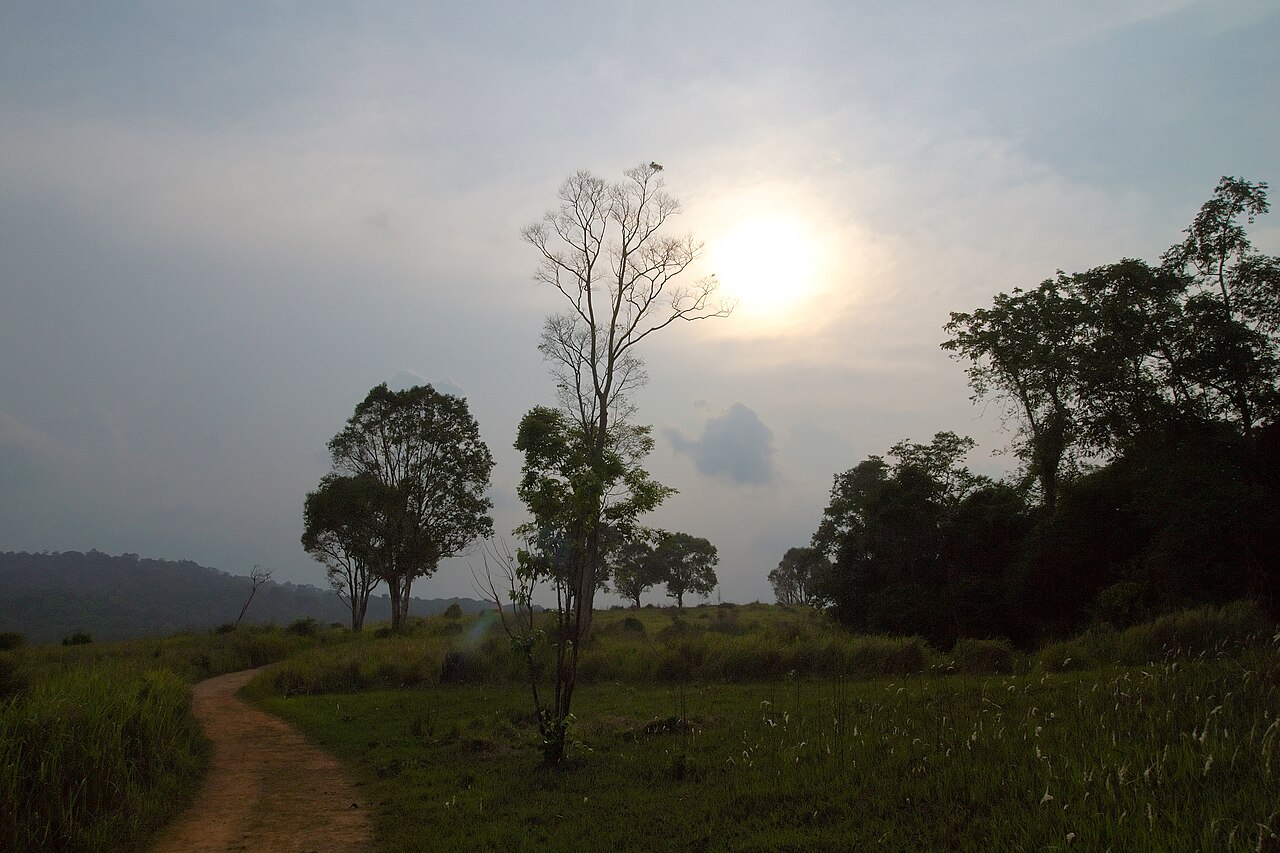
Khao Yai's green hills and grasslands at dusk, the setting for the cafés, wineries and resorts strung along Thanarat Road
Morning · leave Bangkok + the first ~2 hours
Drive up to Khao Yai + Primo Piazza

Leave Bangkok early and drive about 2.5–3 hours via Motorway 6 / Mittraphap Road to Pak Chong, then turn up Thanarat Road (Route 2090) — the strip where the cafés, wineries and resorts line up. A fun, family-friendly opener is Primo Piazza, an Italian-village photo park with a clock tower, a Tuscan-style square, and an animal zone where you can feed alpacas and sheep. Wander, grab a coffee and take your photos in the gentler morning light.

It is a good warm-up because it sits near the start of Thanarat Road and is easy to reach. See the other themed spots and photo stops along the road in the themed cafés and attractions guide.

Getting there: Bangkok → Pak Chong ~2.5–3 h (Motorway 6 / Mittraphap Rd) · you need a car to reach the spread-out Thanarat Road sights
Cost: Primo Piazza has an entry fee of ~฿200–400 (check whether animal feed is included) · open daily ~09:00–18:00
Tip: Come early on a weekday for far fewer people · leave Bangkok before 7am to beat weekend traffic
Afternoon · ~2–3 hours
A winery tasting (GranMonte / PB Valley)

In the afternoon, head into the vineyards set among the hills that earned Khao Yai its "New Latitude" wine reputation. Two well-known names are GranMonte, a family estate with both tastings and a vineyard restaurant, and PB Valley Khao Yai Winery, with vineyard tours and the Great Hornbill Grill. Walk the rows of vines, hear how the wine is made, and try a tasting flight with the hills as a backdrop.

Harvest season, roughly January to March, is especially lively; book a tasting or tour ahead, particularly on weekends. See the estates and menus in the Khao Yai wineries guide.

Getting there: The wineries sit on side lanes off Thanarat Road, ~10–20 min from the main café strip · you need to drive
Cost: A tasting flight / vineyard tour ~฿200–500 per person (check current prices) · lunch at an estate restaurant ~฿300–800 per person
Tip: Book a winery tour ahead on Klook · reserve on weekends
Drink responsibly: Khao Yai is car country, so if you plan to taste at more than one estate, have a designated non-drinking driver, book a driver or tour, or stay nearby. Never drink and drive.
Evening · ~2 hours
A view café + check in on Thanarat Road

Close the first day gently at a view café along Thanarat Road — Khao Yai is loved for its big cafés where you can sit and look out over the grasslands and hills for a long time, some with garden zones, sheep or alpacas for the kids. It is a good way to rest your legs after a day of driving and tasting: a coffee, the soft evening light, a few photos, and then check in.

For dinner you can eat at your resort, a farm-to-table steak house, or drive down into Pak Chong town. See recommended cafés in the Khao Yai cafés guide and where to eat in the Khao Yai food guide.

Getting there: Cafés are spread along Thanarat Road · short drives between stops · no public transport, you need a car
Cost: Coffee / drinks ~฿80–180 a cup · some cafés have an entry or minimum charge · dinner ~฿250–800 per person
Stay: Sleep along Thanarat Road tonight, near the cafés and the park gate — handy for an early start tomorrow · see where to stay
Tip: Stay along Thanarat Road tonight, because tomorrow you want an early start in the park for the wildlife and to beat the afternoon rain. Book ahead in the cool season and on long weekends, when rates jump.
Day Two

A full day in the national park + a night safari

The highlight of the whole trip — enter early, take in a waterfall, the viewpoints and the grasslands where deer come out to feed, then close after dark with a night safari watching wildlife from the truck.

02
Day 2
Waterfalls · Viewpoints · Grasslands · Night safari
Forest and grasslands in Khao Yai National Park, where deer and other wildlife come out to feed in the morning and evening
Morning · enter the park ~07:00–08:00
Through the park gate + Haew Suwat Waterfall

Start early today, because Khao Yai National Park is at its best, and wildlife is easiest to spot, in the early morning. Drive up to the north gate from Thanarat Road, pay the entry fee and follow the main park road in. An easy first stop is Haew Suwat Waterfall — a single, wide drop with a pool below (the spot used in the film The Beach), a short walk down from the car park with a clear viewing deck.

In the rainy season the water runs full and powerful, but never swim where signs forbid it. Haew Narok, the tallest waterfall in the park, takes a longer staircase trail and may close during heavy rain or flash floods. See the trails and safety for both in the Haew Narok & Haew Suwat waterfalls guide.

Getting there: North gate from Thanarat Road · drive up to the waterfalls and viewpoints · no public transport inside the park, drive yourself or join a tour
Park entry: ~฿40 for Thais · ~฿400 for foreigners (check current rates) + a vehicle fee · roughly 06:00–18:00 (check the gate-closing time)
Tip: Enter early for wildlife and to beat afternoon rain · fill up on fuel and bring water and snacks, as shops inside the park are limited
Through the day · ~4–5 hours in the park
Viewpoints (Pha Kluai Mai / Pha Diao Dai) + grasslands + a short trail

This is where the park gives you both views and wildlife. Stop at viewpoints such as Pha Kluai Mai and Pha Diao Dai (Pha Trom Jai), looking out over a sea of forest and wide valleys — on a clear day you can see for miles. Then drive over to the grasslands around the visitor centre and Nong Phak Chi, where in the early morning and evening deer and barking deer come out to feed and you may spot wild elephants grazing in the distance. There are watchtowers and salt licks to wait at. Walk one short nature trail to listen for gibbons and look for hornbills.

See what you might encounter and how to spot it in the wildlife & night safari guide, and how to plan your day in the park in the Khao Yai National Park guide.

Route: Waterfall → viewpoint → grasslands / watchtower · distances inside the park are fair, so allow driving time between stops
Highlights: The sea of forest from Pha Diao Dai · deer and barking deer on the grasslands at dawn and dusk · gibbon calls and hornbills in the forest
Note: In the wet season trails are slippery and there are leeches in the damp forest, so bring leech socks · some trails may close with the weather — check at the visitor centre
Tip: If you would rather not drive all day, or want a guide who is good at finding wildlife, there are half- and full-day park tours with a guide. Find park and safari tours on Klook — guides know where the animals show up and help with timing.
After dark · ~1.5–2 hours
The night safari — wildlife by truck

Close day two with Khao Yai's signature after-dark activity — the night safari. You ride a park truck out to look for animals that feed at night, such as deer, barking deer, civets and palm civets, and on some nights wild elephants. Rangers use a light to scan the roadsides without disturbing too much. Book a slot at the visitor centre; departures are usually in the early evening (check the times and price at the centre). It is an experience that depends on luck and season — sightings vary, because it is genuinely wild.

After the night safari, drive back to your resort slowly, because wild elephants use the roads to feed at night. Read the etiquette and safety in the night safari guide.

Where to book: Reserve a night-safari slot at the park visitor centre · park trucks and rangers
Cost: Charged per trip / vehicle (check current rates at the centre) · early-evening departures ~1–1.5 h
Bring: A warm layer (it gets cool up top at night) · a soft personal torch · stay quiet and keep noise down
Wildlife safety: Never feed any animals, especially macaques and elephants · if you meet an elephant on the road, stop well back, switch off your high beams, do not sound the horn, and always give it the road · watch from a safe distance and take your rubbish out.
Day Three

Farm Chokchai + a slow café morning or Phimai & Korat on the way home

An unhurried last day — choose between Farm Chokchai with a slow café morning before you head back, or set off toward Korat and stop at Phimai and the city on the way home to Bangkok.

03
Day 3
Farm Chokchai · A café morning · Phimai & Korat (option) · Home
Farmland and green pastures around the Pak Chong–Khao Yai area, a last stop before the drive home
Morning · ~2.5–3 hours
Farm Chokchai (the farm tour) + dairy ice cream

Start the last day at Farm Chokchai, the famous cowboy-style dairy farm on Mittraphap Road near Pak Chong. The farm tour takes you around the farm by wagon to watch the milking, a cowboy show, animal feeding and the steak house, finishing with the dairy ice cream it is known for. It is great for families and kids. The farm tour runs on a schedule, with more departures on weekends, so check the days and times and book ahead.

See the tour times, prices and steak house in the Farm Chokchai guide, and other farm-to-table steak spots in the farm-to-table & steak guide.

Getting there: Farm Chokchai is on Mittraphap Road near Pak Chong · ~20–30 min drive from Thanarat Road · you need a car
Cost: The farm tour is charged per trip / person (check current prices) · ice cream and steak are separate
Book ahead: Find Farm Chokchai tours on Klook · slots fill fast on weekends
Tip: With family or young kids, Farm Chokchai plus a slow café morning is a better combo than the long run out to Phimai · if you would rather skip the full farm tour, you can just stop for the dairy ice cream and wander the front zone.
Late morning–afternoon · your choice
Option A: a slow café morning + Pak Chong gifts · Option B: Phimai & Korat

Option A (relaxed, home early): If you want an easy drive back to Bangkok, pick one more café — or one you missed yesterday — for a long, slow coffee with a hill view, then stop for Pak Chong specialities to take home: custard apple, sweet corn, fresh milk and local snacks before you drive down. See cafés and shops in the Khao Yai cafés guide and local food in the Pak Chong & Korat local food guide.

Option B (carry on exploring): If you are not ready to head back, set off toward Korat and stop at Phimai — Prasat Hin Phimai, one of the largest and most complete Khmer temples in Thailand, about 1.5–2 hours to the northeast — or carry on into Korat city (Nakhon Ratchasima) for the Thao Suranari shrine and an early dinner before heading back (this route suits you if you are not in a hurry). See all the stops in the day trips guide and the city in the Nakhon Ratchasima guide.

Option A: Cafés / gifts around Pak Chong–Thanarat, then drive back to Bangkok ~2.5–3 h (best for families / an early return)
Option B: Khao Yai → Phimai ~1.5–2 h, or → Korat city ~1–1.5 h · then home to Bangkok (a longer total, so allow time)
Note: Option B works if you leave Farm Chokchai early · if you set off late, Option A is the quicker, less forced choice
Tip: If you want to do Phimai and Korat properly, it is better to stay another night in Korat and head home the next day rather than drive it all in one go · see longer plans and other provinces in the 7-day Thailand itinerary.
Evening · the journey back
Back to Bangkok — drive, or out via Pak Chong

Head back this evening. If you drove up, take Mittraphap Road / Motorway 6 down to Bangkok, about 2.5–3 hours (allow extra, as Sunday-evening traffic builds near the city). If you came by train or bus, return the rental or have your driver drop you at Pak Chong railway station or the bus station, then take the northeastern line back to Krung Thep Aphiwat — a scenic ride with no driving.

See every way in and out in the getting to Khao Yai guide and getting around the area in the getting around Khao Yai guide.

Self-drive: Khao Yai / Pak Chong → Bangkok ~2.5–3 h (Mittraphap Rd / Motorway 6) · allow for Sunday-evening traffic
Train / bus: Board at Pak Chong → Krung Thep Aphiwat (train) or Mo Chit (bus / minivan) · return the car or have your driver drop you at the station
Tip: Fill up before leaving the hills · on a Sunday, set off in the afternoon to beat the evening peak, or later once traffic eases
Tip: If you carried on to Phimai and Korat (Option B) and you are tired, don't force the drive back in one night — stay another night in Korat and head home the next morning instead.
⏱️
Less time?
See the 2-day plan — the main Khao Yai highlights in tighter form
See the 2-day plan →
Practical info

Where to stay · getting around · budget

🏨
Where to stay

This plan sleeps along Thanarat Road both nights, the main resort strip near the park gate, the cafés and the wineries — handy for going in and out of the park and working through the cafés. If you want to save money or arrive by train, the town of Pak Chong is cheaper and near the station. Campers can pitch a tent inside the park (Pha Kluai Mai / Lam Takhong, booked through the DNP). See options in the Top 10 Nakhon Ratchasima hotels and area-by-area advice in where to stay.

🚗
Getting around

Honestly, Khao Yai needs a car — a self-drive rental (picked up in Bangkok or Pak Chong), a chartered taxi / songthaew by the day, or a guided tour / safari truck. The park is big and the cafés, farms and wineries are spread along Thanarat Road, with no public transport inside the park; songthaews on the road are patchy and Grab is limited. There is no BTS / MRT / skytrain, but the train does reach Pak Chong, from where you take a car onward. See the getting around guide and getting around Thailand.

☀️
When to go & what to pack

Best is the cool season, Nov–Feb: cool air, misty mornings — but crowded and pricier (book ahead, chilly nights). Mar–May is hot and dry with thinner waterfalls, quieter and cheaper. The rainy season, Jun–Oct, is lush with the waterfalls at their fullest, but you get afternoon rain, leeches in the wet forest, slippery trails and some closures, so bring leech socks. Get an eSIM / SIM for data, and see month by month in the best time to visit and best time to visit Thailand.

Budget

Approximate cost per day, per person

Item Budget Mid-range Comfort
Stay (per night) ฿400–900
(camping / Pak Chong guesthouse)
฿1,200–3,000
(Thanarat Road resort)
฿3,500–8,000+
(upscale resort / glamping)
3 meals ฿200–400
(markets / local spots)
฿400–800
(cafés / regular places)
฿900–1,800
(steak / resort dining)
Car + fuel + tolls ฿300–600
(shared in the car)
฿600–1,200
(rental / petrol)
฿1,500–3,000
(chartered driver by the day)
Entry / activities ฿40–200
(park Thai rate / falls)
฿400–900
(wine + night safari / farm)
฿1,000–2,000
(add tours / several themed cafés)
Daily total (approx.) ฿940–2,100 ฿2,600–5,900 ฿6,900–14,800+

The car is the trip's single biggest cost, because Khao Yai needs one · park entry is ~฿40 for Thais and ~฿400 for foreigners, and the night safari and farm tour are charged per trip — check current rates · rooms jump on long weekends and in the cool season · see the full breakdown in the Khao Yai trip budget.

Frequently asked

FAQ · 3-day Khao Yai plan

Is 3 days enough for Khao Yai?
Yes — and three days is the length that fits Khao Yai best, because the sights are spread out. Khao Yai is really two trips in one: the nature side is Khao Yai National Park (waterfalls, viewpoints, grasslands, wildlife), and the relaxed side is the cafés, wineries and themed attractions along Thanarat Road. In two days you usually have to lean toward one or the other, but three days lets you do both without rushing. Day one is the café and winery belt, day two is a full day in the national park plus a night safari, and day three is Farm Chokchai with a slow café morning, or a detour to Phimai and Korat on the way home. The one thing to stress is that Khao Yai needs a car — there is no BTS, MRT or skytrain, and no public transport inside the park. Less time? See the 2-day plan.
What is the best time of year to visit Khao Yai?
The best window is the cool, dry season, roughly November to February: cool air, misty mornings, a sea of fog over the grasslands, comfortable hiking and clear viewpoints. It is also the busiest, especially weekends, long weekends and New Year, when resorts fill up and prices rise, so book ahead — and nights up top get genuinely chilly, so bring a layer. March to May is hot and hazy, the forest is drier and the waterfalls thinner, but it is quieter and cheaper, and the cafés and wineries are fine. June to October is the rainy season: lush and green, with the waterfalls (Haew Narok and Haew Suwat) at their fullest and fewer crowds, but you get afternoon downpours, leeches in the wet forest, and some trails muddy, slippery or occasionally closed — bring leech socks and take care. Each season trades off differently, so choose between full waterfalls and cool, comfortable weather. See month by month in the best time to visit and best time to visit Thailand.
Do I need a car for Khao Yai? Can I get there by train?
Honestly, you need a car at Khao Yai. There is no BTS, MRT or skytrain, and no public transport inside the national park; songthaews along Thanarat Road are patchy and Grab is limited. The cafés, farms, wineries and the park gate are spread out, so most people rent a car in Bangkok or hire a driver for the weekend. The usual way is to drive from Bangkok — about 2.5–3 hours via Motorway 6 / Mittraphap Road to Pak Chong, then up Thanarat Road (Route 2090) to the park's north gate. If you would rather not drive, you can take the northeastern train line from Krung Thep Aphiwat down to Pak Chong station — a pleasant, scenic ride — and from there a songthaew, taxi, charter or tour up to the park and sights; buses and minivans run from Mo Chit to Pak Chong too. But once you reach Pak Chong you will still need wheels to get around the park and the spread-out sights. See the getting to Khao Yai guide.
What is a realistic budget for 3 days in Khao Yai?
A mid-range budget runs roughly ฿1,500–3,500 per person per day, covering a Thanarat Road resort (฿1,200–3,000 a room), meals (฿300–800 a day) and entry fees. The single biggest cost is the car — rental, petrol and tolls, or a chartered driver — because you need one here. The park entry fee is about ฿40 for Thais (around ฿400 for foreigners, check current rates), and the night safari and Farm Chokchai tours are charged per trip; winery tastings and themed cafés have their own entry or tasting fees. You can cut costs sharply by camping in the park or staying in a Pak Chong guesthouse and eating at markets. Long weekends and the cool season push room rates up, so budget extra then. See the full breakdown in the Khao Yai trip budget.
Where should I stay — Thanarat Road or Pak Chong?
Most people stay along Thanarat Road (Route 2090), the main resort strip near the park gate and the cafés and wineries, with everything from mid-range to upscale resorts and glamping. It suits this 3-day plan of going in and out of the park and working through the cafés. If you want to save money or arrive by train, the town of Pak Chong is cheaper and handy for the station and markets. A third option is camping inside the park itself (the Pha Kluai Mai / Lam Takhong campsites, booked through the DNP) for campers. See all the options at the Top 10 Nakhon Ratchasima hotels, which cover the Khao Yai–Pak Chong area, and area-by-area advice in where to stay.
What do I do if I meet a wild elephant on the road at night?
Wild elephants do use Khao Yai's roads at night, especially around the night safari and the drive back to your resort in the evening. The key rule is to drive slowly and always give the elephant the road. If you meet one, stop well back, switch off your high beams, do not sound your horn or rev the engine, and wait for it to move off on its own before continuing. Never feed or approach any wildlife, especially macaques and elephants. The night safari is a watch-from-the-truck activity — keep it quiet and avoid harsh spotlights that disturb the animals. Take your rubbish out and respect the park rules. See the full etiquette in the wildlife & night safari guide.