12 things worth your time
Start inside Khao Yai National Park, then come down to the vineyard-farm-café belt along Thanarat Road.
 1
1
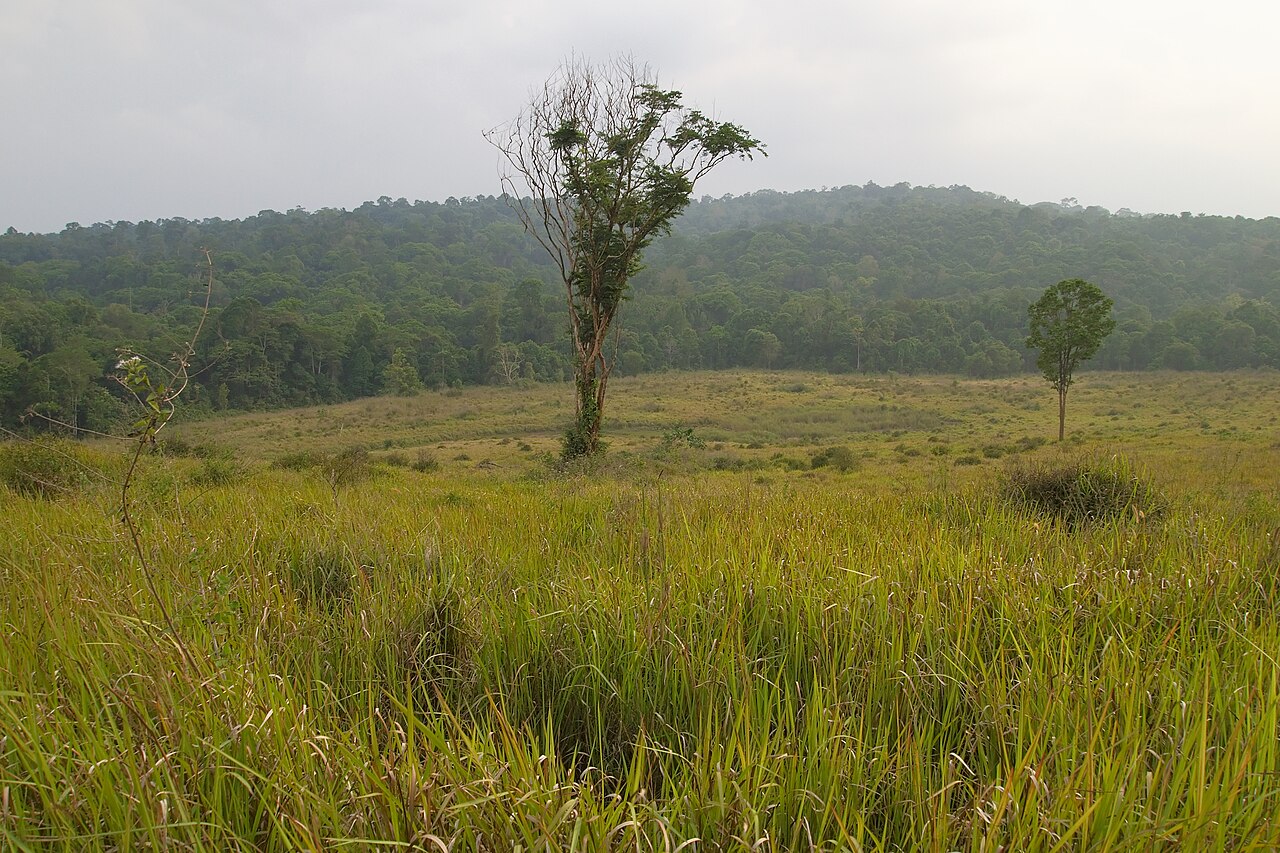
Picture this: you drive a winding road through dense rainforest, and then the trees open onto a wide grassland with deer grazing in the distance. This is Khao Yai National Park, the first national park in Thailand, gazetted back in 1962, and now part of a World Heritage area. Inside it you get waterfalls, viewpoints, walking trails and real wildlife. Be honest with yourself: you cannot do it all in a day, so pick one waterfall, one viewpoint and the grasslands at dawn or dusk for wildlife. ⚠️ There is no public transport inside the park, so you need a car, and wild elephants use the roads at night — drive slowly and give way.
 2
2
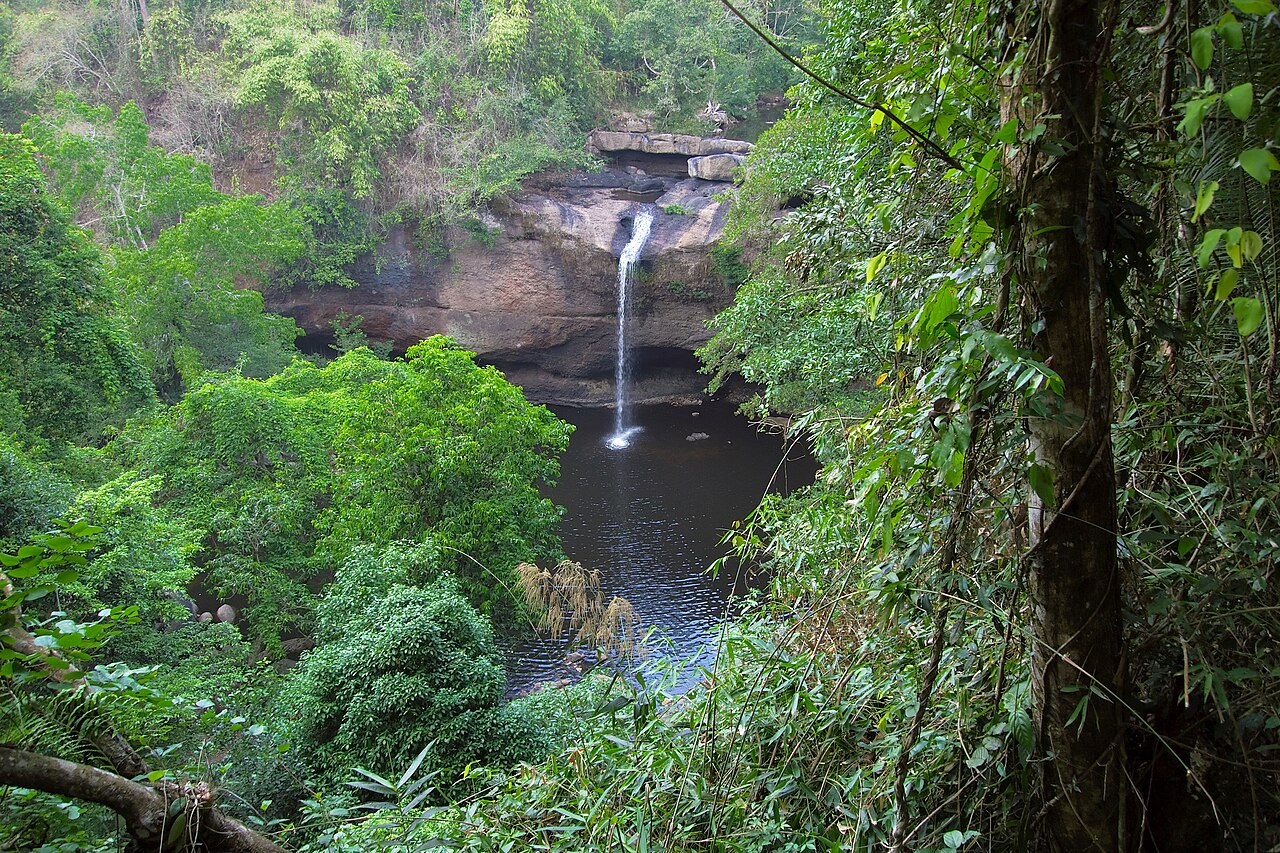
If you want the most famous waterfall in Khao Yai, it is Haew Suwat — a single-drop falls landing in a wide pool in the forest, the spot where Leonardo DiCaprio leaps into the water in the film "The Beach". It is about 8 km from the visitor centre and an easy walk from the car park, with a viewing deck up top and a path down to the bottom. The water is fullest and best in the rainy season, and thins out in the dry months. It is fair to say the rocks get slippery in the rains and there are leeches, so always follow the no-swimming signs. It is inside the park fee, and you need to drive in to the car park.
 3
3
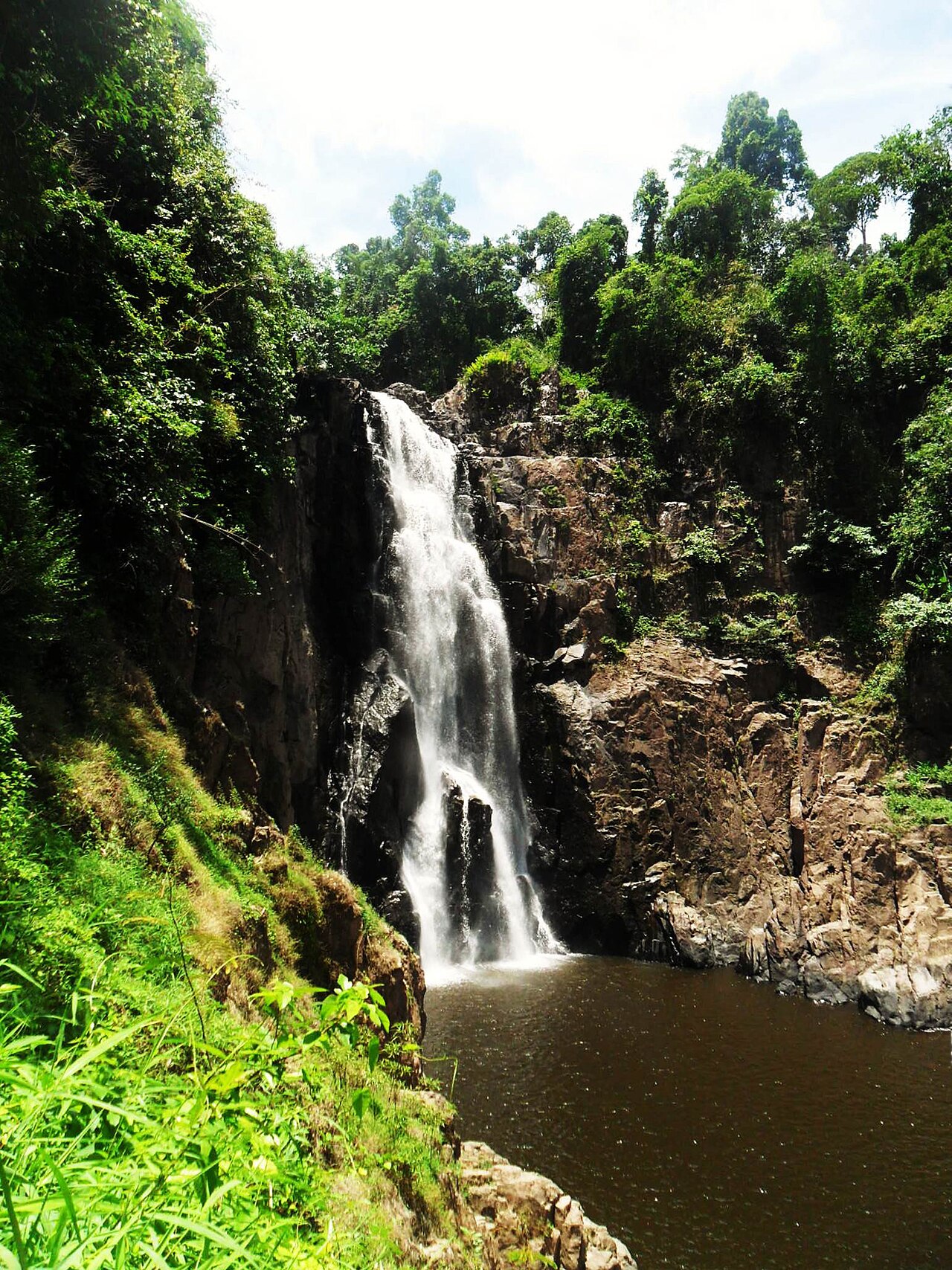
If Haew Suwat is the falls to sit beside a pool, Haew Narok is the one for sheer scale — the tallest waterfall in Khao Yai, dropping in three tiers for a total of around 150 metres into a deep gorge. You have to walk down a long staircase and forest path to reach the best viewpoint, but the sight of the water hammering the cliff is worth it. It is fullest and most dramatic in the rainy season too, which is also when it is most dangerous — rangers sometimes close it during heavy flash flooding. Obey the flash-flood warnings and don't push on when there is a warning. In the rains the trail is slippery and there are leeches, so bring grippy shoes and leech socks.
 4
4
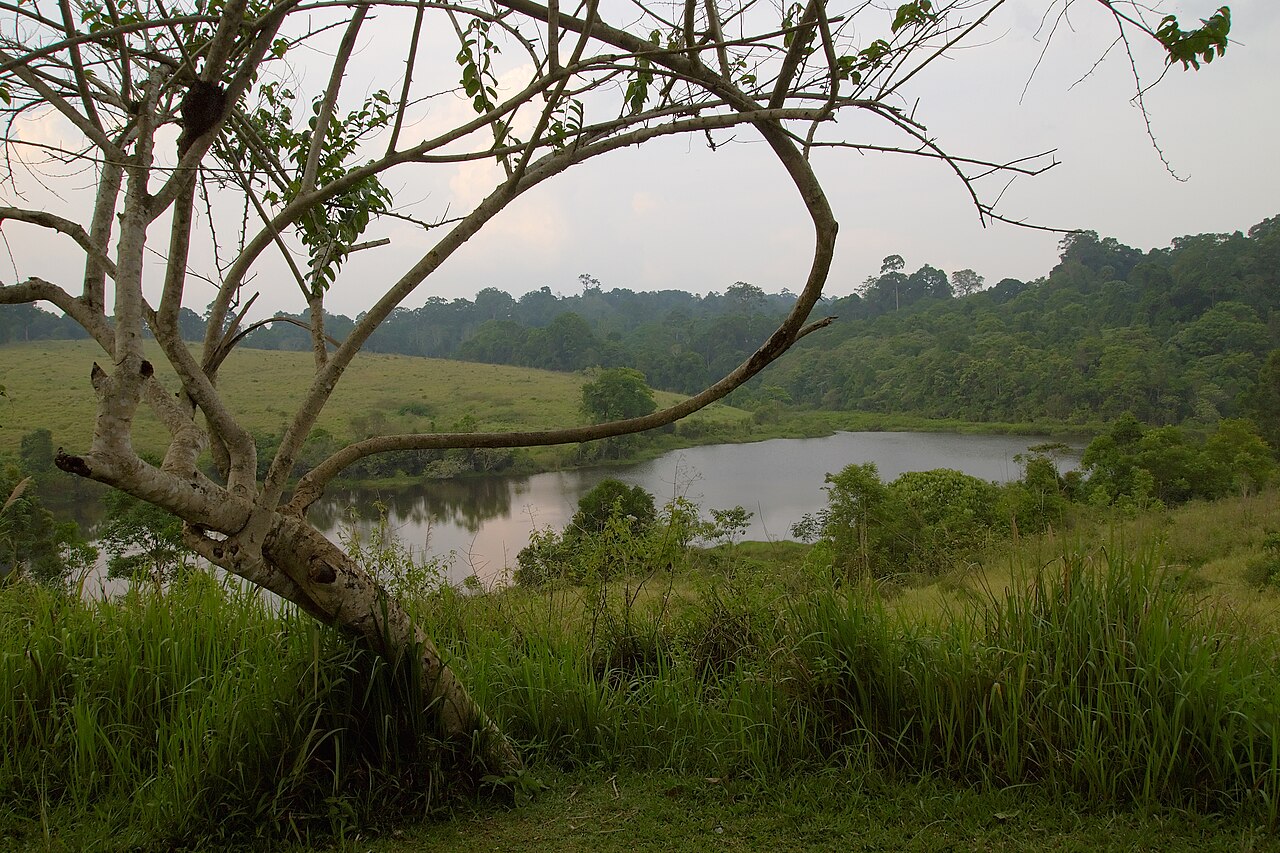
Inside the park, a couple of clifftop viewpoints look out over the Khao Yai forest as far as you can see. The best known are Pha Diao Dai (Pha Trom Jai) and Pha Kluai Mai, both a short walk in from a car park. On cool-season mornings you stand a good chance of a sea of fog drifting over the treetops — the very thing people drive up and stay overnight to catch. It is at its best just before the light gets harsh in the early morning, or in the soft light of late afternoon. Pha Kluai Mai is also near the Pha Kluai Mai waterfall and a campsite, so it is easy to combine. ⚠️ Always stay behind the railings — the cliffs are high and the edges get slippery in the rains.
 5
5
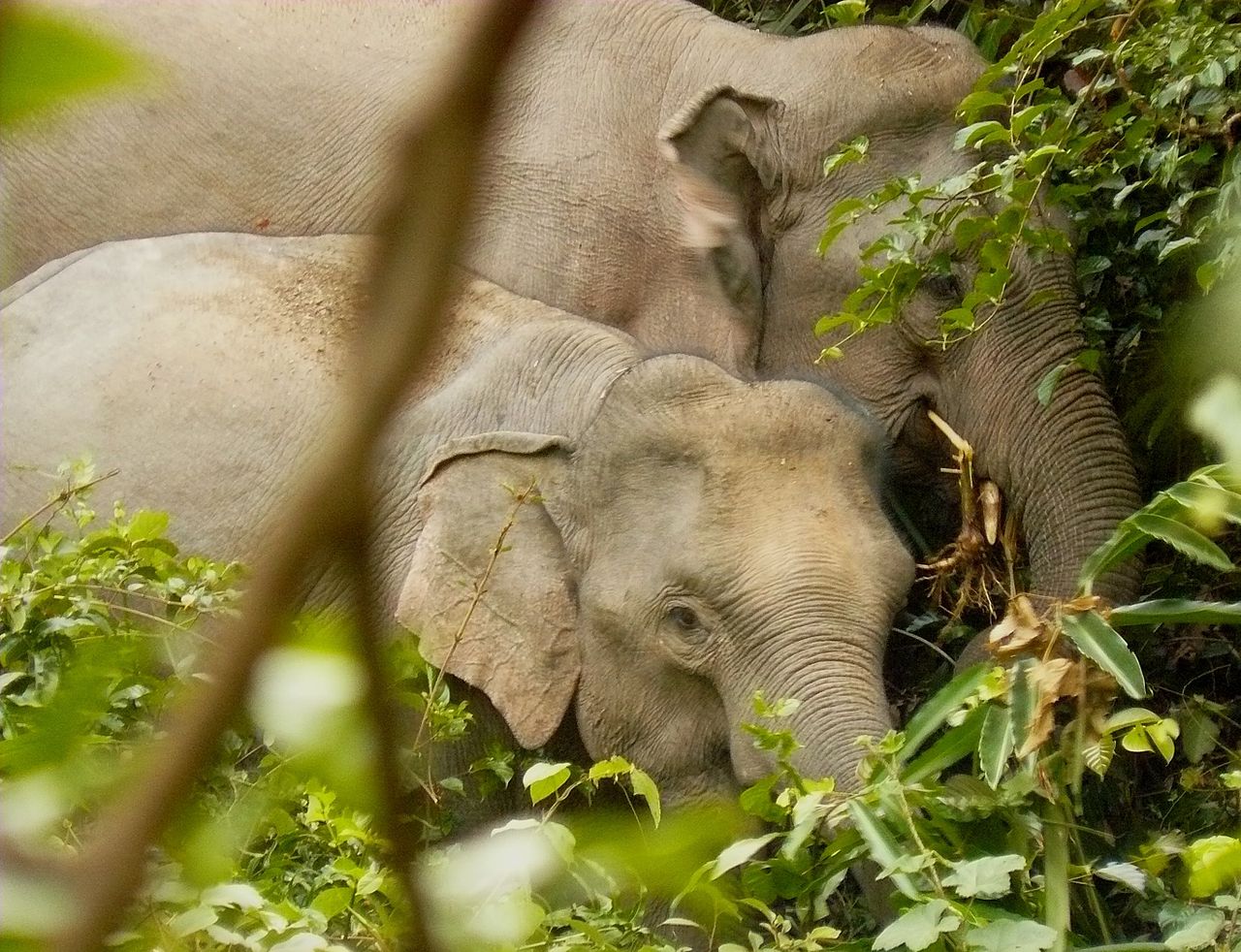
What really sets Khao Yai apart from the themed spots is that this is real forest with real wildlife. Grasslands like Nong Phak Chi and Mo Singto are where deer, and sometimes elephants, come out to feed at dawn and dusk. In the forest you will hear gibbons calling in the morning, and you may spot hornbills, macaques and civets. After dark there is the official night safari, a spotlight drive in a park truck out across the grassland (book it at the visitor centre; check times and price on the day). Be realistic — this is wildlife, and sightings vary with luck. And respect the rules: never feed the animals (especially macaques and elephants), keep your distance, and when elephants use the road at night, slow down and give way.
Come down off the mountain to Thanarat Road and Khao Yai turns into Thailand's "New Latitude" wine country. The estate people talk about most is GranMonte, a family-run vineyard of around 40 acres right next to the Khao Yai park boundary. It runs a walking tour through the vines and the winery, finishing with a tasting flight paired with snacks, and there is a vineyard restaurant (VINCOTTO) where you eat looking out over the rows. It is a relaxed place to settle in for an afternoon. Book the tour and tasting ahead, especially at weekends. ⚠️ Khao Yai is car country, so if you are tasting, have a designated driver or take a tour — don't drink and drive.
The other name that comes up alongside GranMonte is PB Valley Khao Yai Winery, the largest vineyard in the Khao Yai region — nearly 800 acres, with around 200 of them planted with wine grapes. Formerly Khao Yai Winery, it is widely considered the birthplace of the Khao Yai wine region. It runs a guided tour that takes you out by vehicle among the vines in the valley, explaining the grape varieties and how the wine is made, and ends with a tasting; there is also the Great Hornbill Grill restaurant overlooking the broad vineyard. It suits anyone who wants a bigger-scale estate and a proper, structured tour. Tours run on a schedule, so book ahead. ⚠️ Again, don't drink and drive.
Farm Chokchai, on Mittraphap Road near Pak Chong, is the family attraction of Khao Yai — Asia's largest dairy farm. The draw is the farm tour, about 1.5 hours, where a tractor train takes you around the farm to try milking a cow, make fresh-milk ice cream, watch a cowboy show and the sheepdog rounding up the flock, and feed the animals. There is also a steakhouse and the farm's own dairy ice-cream shop, plus campsites (Farm Chokchai and Atita) if you want to stay. It is fair to say the tours run on a schedule, mostly at weekends and on holidays, so book ahead and arrive in good time. A private car is easiest.
Khao Yai is known for its European-themed photo spots along Thanarat Road. The two big ones are Primo Piazza, an Italian-style village recreating a rural Tuscan town with cobbled lanes, flower fields and animal pens of alpacas, sheep and donkeys you can feed (the entry fee usually includes the animal feed), and Palio, a Tuscan-style shopping plaza with a clock tower, terracotta buildings, fountains, cafés and souvenir shops (Palio is free to enter and has no animals). The two sit in the same area, so you can walk between them. To be straight about it, these are built for photos and an easy wander rather than being anything historic — but they are fun and a hit with anyone after the shot. A private car is easiest.
If you still have photos to take, Thanarat Road has two more popular stops. The Bloom by TV Pool is a large flower garden of around 100 rai, with leafy tunnels, bright pavilions and quirky photo props like a giant handbag and a tall fountain; the flowers change with the season. The Chocolate Factory is a hillside café-restaurant known for its chocolate desserts and cakes, a good place to break the drive over a coffee. Nearby there are other themed stops like Midwinter Green and Sala Highland to drop into as you go. All of it is built for an easy, photogenic afternoon, so there is no rush — picking one or two stops a day is plenty. A private car is easiest.
Before you head up the mountain (or before you leave), don't just blow through Pak Chong, the gateway town where Thanarat Road begins and where you will find the food and the local produce. It is the start of Thanarat Road and home to Pak Chong station — if you would rather not drive yourself, you can take the northeastern train line from Bangkok down to Pak Chong (a scenic ride) and then transfer up by songthaew, charter or tour. In town there are the Pak Chong fresh and evening markets selling Isan and Korat food, and the area's famous produce — custard apple, sweet corn and fresh cows' milk — at prices well below the resort strip up the mountain. It is a good place to stock up before the park, or to buy something to take home.
If you have a spare day or want to break up the drive home, there is more to see beyond Thanarat Road. About 1.5–2 hours northeast is Phimai (Prasat Hin Phimai), one of the largest Khmer temple complexes in Thailand. Korat (Nakhon Ratchasima) city has the Thao Suranari (Ya Mo) shrine and Korat food to try. Closer in is the Lam Takhong reservoir with viewpoints over the water, and late in the year you can carry on to the Saraburi–Lopburi sunflower fields when they are in season. Pick by whether you have one spare day or two.