Out in the morning, back for dinner
Ranked best-first — Phimai is the one trip around Khao Yai you should not skip.
 1
1
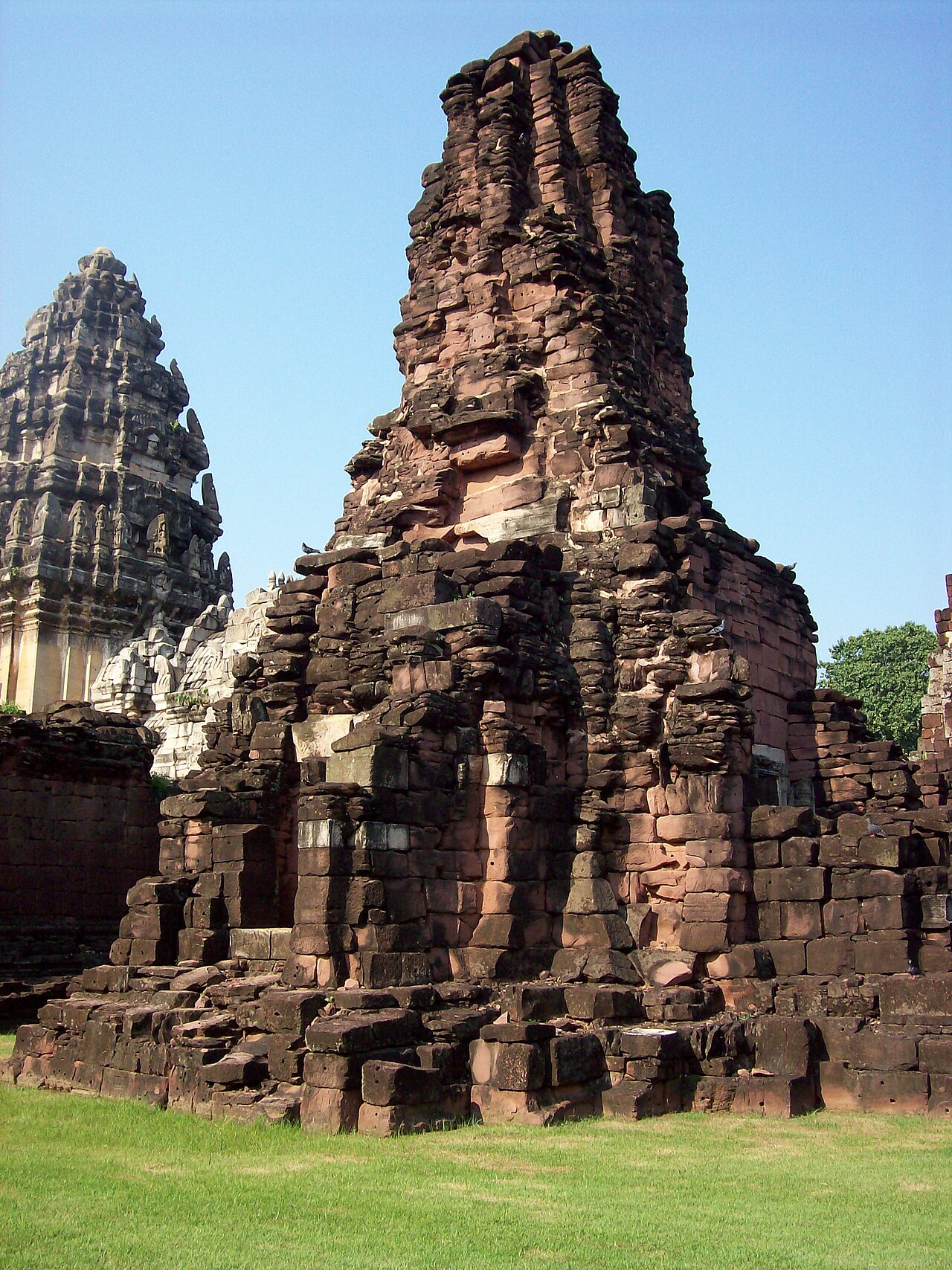
If you do one thing outside Khao Yai, make it this. Prasat Hin Phimai is the largest Khmer sandstone temple in Thailand, built around the 11th to 12th century, and its layout influenced the design of Angkor Wat that followed. The pale sandstone central prang rises over a wide courtyard, ringed by galleries, gateways and carved lintels that are still remarkably crisp. Walking it feels like stepping back to the height of the Khmer empire.
The historical park is in Phimai district, about 60 km northeast of Korat city, so from Pak Chong or Khao Yai it is roughly a 1.5 to 2 hour drive. Nearby you can add the Phimai National Museum and Sai Ngam (a vast old banyan tree by the water). It opens daily around 08:00 to 18:00, with foreigner entry of about 100 baht (cheaper for Thais) — check current times and prices before you go. You will need a car: there is no direct public transport from Khao Yai.
 2
2
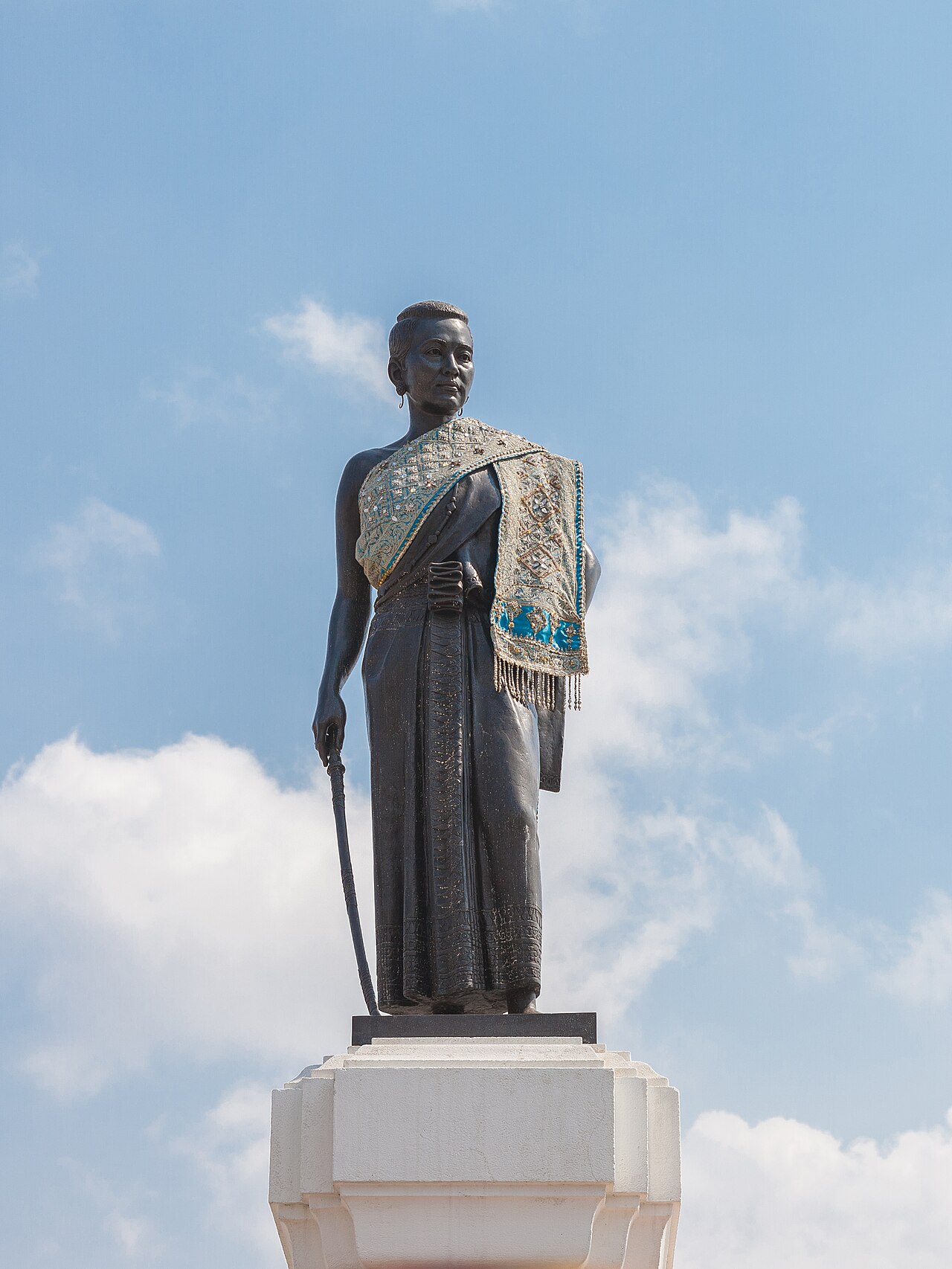
Picture driving down from Khao Yai in the late morning and, an hour or so later, standing before the Thao Suranari Monument — "Ya Mo" — in central Korat. She led the city's defence in 1826 and remains deeply revered by Korat people today. The bronze statue, holding a sword on a white pedestal, anchors a broad plaza that is the heart of the city; it is open to pay respects 24 hours and is beautifully lit at night.
The food is the real reason to stop. The city's signature dish is pad mee Korat, a stir-fried thin rice noodle with a balanced, faintly sweet flavour you will not find quite the same elsewhere — plus Isan food all over town: som tam, grilled chicken, and the local sausages, mu yo and sai krok Isan. You can wander the old quarter or drop into a city temple too. It is about a 1 to 1.5 hour drive from Khao Yai, and pairs perfectly with Phimai on the same day.
Many people treat Pak Chong as just a through-road on the way up to Khao Yai, but it has more going on than that. Pak Chong is the gateway town, full of markets and local food. The morning fresh market buzzes with produce, fruit and ready-made dishes, while the evening market is the place to hunt down dinner — grilled meats, mu kratha hotpot and cheap Isan plates.
The town is known for its custard apple (noi na) and sweet corn, and Mittraphap Road is lined with fruit stalls and fresh-milk farm shops. It is a great stop to stock up before heading up the mountain or before the drive home — and far cheaper than the resort strip on Khao Yai. If you arrive by train, Pak Chong station is your jumping-off point before transferring up to the park.
On the way up or down from Khao Yai along Mittraphap Road there is an easy stop that many people drive straight past: the Lam Takhong Dam viewpoint in the Pak Chong–Sikhio area. It looks out over a broad reservoir backed by a wall of mountains, and in the cool season the breeze off the water is genuinely refreshing — a good place to pull over for photos, to stretch your legs, or to cycle along the lake.
The area has other reservoirs and lookouts too, like the Khao Yai Thiang ridge with its line of wind turbines. Entry is free, and you do not need to make a special trip — it slots in between a park day and a café day. If you have your own car you can stop on a whim. Honestly it is more of a relaxed pit-stop than a headline destination, but the view earns the pull-over.
If you visit Khao Yai late in the year, there is a bonus on the way home you should not miss — the sunflower fields around Saraburi and Lopburi, which glow gold across whole valleys in the cool season. Because the route from Khao Yai down to Bangkok runs through Saraburi, you can stop for the flowers without going out of your way.
The bloom runs roughly November to January, with the peak full bloom in December to January (it varies year to year with the weather). Districts with sunflower fields include Wang Muang, Muak Lek, Kaeng Khoi and Chaloem Phra Kiat; some plots charge a small entry fee and sell sunflower seeds and sunflower honey. Honestly, different plots flower at different times, so check which field is currently in bloom before you set off — otherwise you risk arriving to a field already gone over.