Home Khao Yai Thailand Khao Yai & Korat Hotels About
Home  ›  Asia  ›  Thailand  ›  Khao Yai  ›  Wildlife & Night Safari
🐘 Khao Yai · Wildlife

Khao Yai Wildlife & Night Safari
Elephants, gibbons, hornbills and the grasslands at dawn and dusk

Khao Yai is one of the easiest places in Thailand to watch wild animals — deer grazing the grass, gibbons calling from the canopy, and sometimes an elephant crossing the road. It is genuinely wild, so sightings vary. But when they come, you remember them.

The basics first

Why Khao Yai is Thailand's most accessible wildlife

Picture it: six in the morning, the air still cool, a thin mist hanging over the grass. A small herd of sambar deer is grazing a few dozen metres off. Cut the engine, sit quietly, and you can hear gibbons calling from the forest behind. This is Khao Yai on an ordinary morning — no deep trek required, no extraordinary luck needed, just the right hour and a sense of where to look.

Khao Yai National Park is a vast block of protected forest and a UNESCO World Heritage site (the Dong Phayayen–Khao Yai complex). It holds a genuinely rich cast of wild animals — Asian elephants, sambar and barking deer, pig-tailed macaques, gibbons, and several species of hornbill among more than 300 recorded birds. The best places to see them are not deep in the jungle but around the grasslands, salt licks and Sai Sorn Reservoir, all within a few kilometres of the visitor centre.

The thing to understand from the start is that Khao Yai is not a zoo. You are entering the animals' home, which means good wildlife watching is watching without disturbing — keeping your distance, never feeding, staying quiet, and always giving animals the right of way. The more lightly you tread, the more natural behaviour you actually get to see.
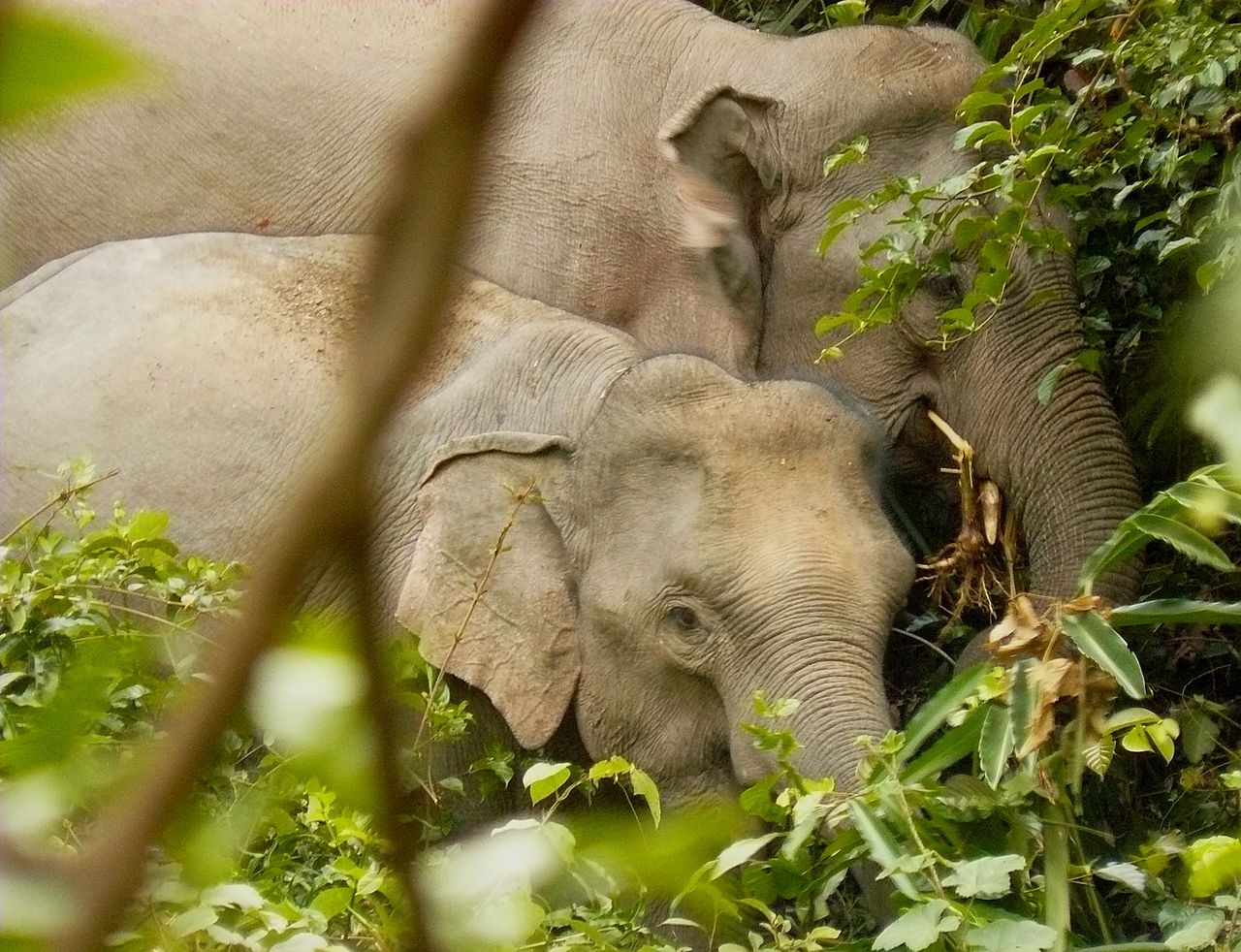
Two wild Asian elephants feeding in the dense forest of Khao Yai National Park
Wild elephants at Khao Yai — the largest animals in the park; keep your distance and always give them the road
🦌
Seen often
Deer · macaques · hornbills
Sambar and barking deer, pig-tailed macaques
🌅
Best time
Dawn · dusk before dark
When animals come out to the grasslands
🚙
Night safari
~฿500 per vehicle
Booked at the visitor centre on the day
📍
Main viewing spots
Grasslands · salt licks · Sai Sorn
A few km from the visitor centre
🐘
Wild elephants
Seen by chance
Mostly dawn / dusk · always give way
🚗
Getting around
You need a car
No public transport inside the park
What you can see

4 animals to look for at Khao Yai

Ordered roughly from easiest to hardest to spot — knowing what to expect makes every sighting better.

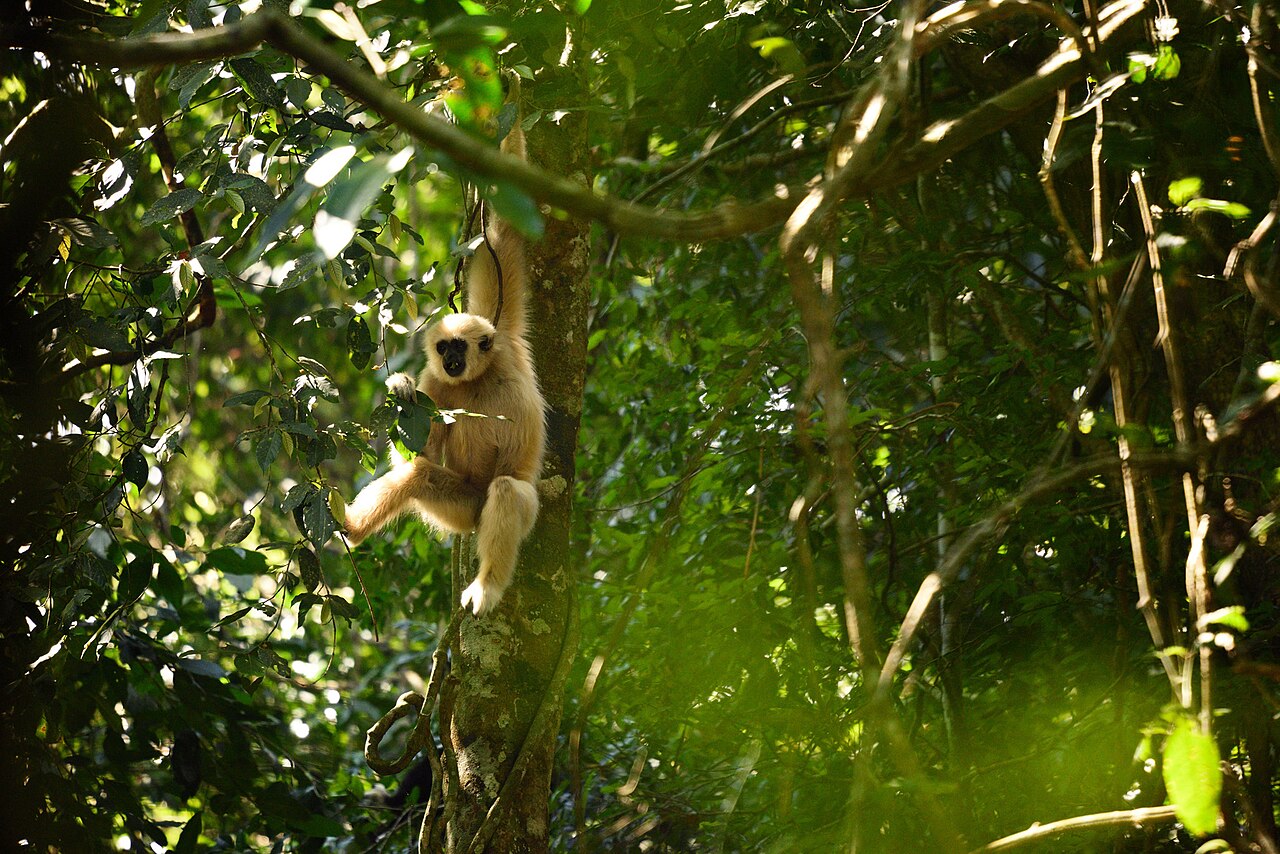
A white-handed gibbon perched on a tree in the Khao Yai forest, usually heard calling before it is seen
A white-handed gibbon in the canopy — open your windows and follow the calls at dawn to find them
The grasslands · dawn and dusk

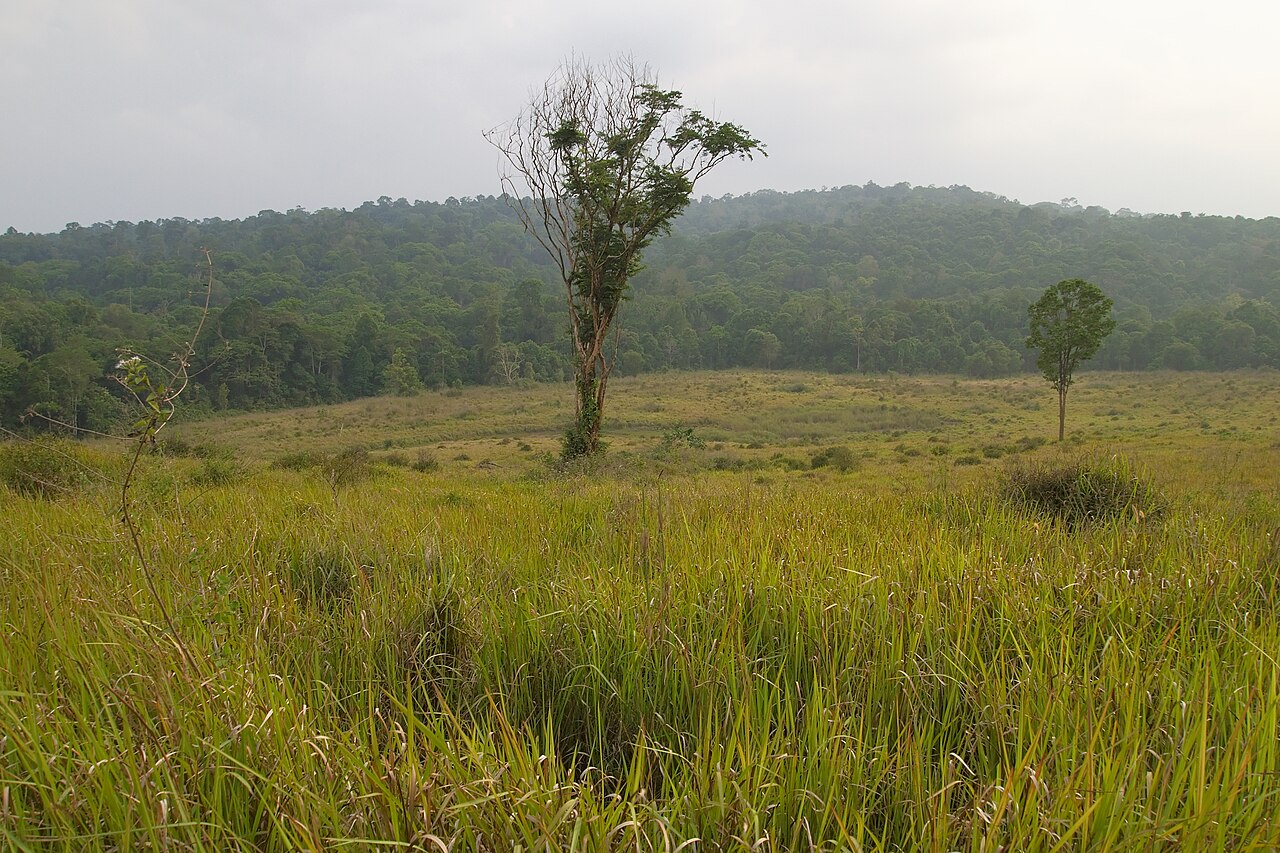
The grasslands at dawn and dusk are the golden hours

🌄 Why early morning and late afternoon

Most of the wildlife is active at dawn and in the hour before sunset. Through the heat of the day the animals retreat into the shade of the forest, so if you want to see them you need to arrive when the park opens or stay out until dusk. Grazers such as deer come out onto the open grasslands and the forest edge, and elephants often move down to the salt licks and reservoir at the same hours.

Good places to sit and wait are the grasslands near the visitor centre, Sai Sorn Reservoir and the Mor Tan Jarn observation tower (at the end of a short trail near Sai Sorn). Drive slowly along the main road, pull over somewhere safe, switch off the engine and watch in silence — patience is the key skill here. The stiller and quieter you are, the more you will see.

Misty Khao Yai grassland at dawn backed by green forest, where deer and elephants come out to feed
Khao Yai grassland at first light — deer and elephants come out to graze along the forest edge

🦌 How to watch wildlife effectively

Drive slowly with your windows down and listen — gibbon calls, birdsong, the snap of a branch will often lead you to animals. Watch the edge where forest meets open grass, because that boundary is where animals tend to appear. A line of stopped cars usually means there is something worth seeing — but do not block the road or step out into the middle of it.

Carry binoculars if you have them; they turn a distant speck into a clear sighting. And if you want to improve your odds of finding the harder species, going with a local guide or tour who knows the area helps a great deal — they know where the animals are showing up at the moment and where the hornbill nests are that most visitors never find.

The night safari

The park's night safari — how to watch wildlife after dark, the right way

After sunset the Khao Yai forest changes character, and many nocturnal animals come out to feed. The park runs a night wildlife-watching drive (the night safari) on a park pickup truck with a ranger driving and handling the spotlight — the safest and most responsible way to see animals after dark, because the rangers know where and how to shine the light without over-disturbing the wildlife.

📝
How to book
At the visitor centre, same day
No advance booking · call in before evening
💵
Cost
~฿500 per vehicle
Seats ~10 · sometimes ฿600 (confirm at the desk)
🕖
Departures
~19:00 and 20:00
A 21:00 slot at times · about 1 hr / ~10 km
Tip: Get to the meeting point at the visitor centre at least 15 minutes before departure. The animals most often seen on the night drive are deer, porcupines, civets, owls — and on some nights, wild elephants. But it is genuinely wild: some nights are full of sightings, others quiet, depending on luck and weather. Go with an open mind, not zoo-style expectations.

⚠️ Night safari etiquette — for the animals and for you

Keep quiet — loud noise startles animals and they flee. Do not shine bright lights or camera flashes directly into their eyes; leave the lighting to the ranger. Do not feed anything and do not get off the truck unless the ranger says so. Take your rubbish with you, and never try to lure animals closer for a photo. Good spotlighting is the watching of a guest, not an owner.

Safety and etiquette

The hard rules of wildlife watching — give elephants the road, never feed, keep your distance

🐘 Meeting a wild elephant on the road

Elephants use the roads to move and feed, especially at night. If you meet one on the road: slow down and stop at a distance, dip your headlights (switch them off altogether if you need to), and always give the elephant the right of way. If it moves toward your vehicle, reverse away calmly. Do not sound your horn, do not rev the engine, and never overtake or drive close for a photo. Wait for the elephant to pass before continuing. Wild elephants are enormous and powerful — safety comes before the photo, every time.

🚫 Never feed any animal

Feeding wild animals harms them more than it seems — it stops them foraging for themselves, habituates them to people and makes them aggressive. Macaques and elephants that have learned to expect food from humans will raid cars, snatch belongings and become dangerous. Keep food and rubbish sealed away, keep your windows up when macaques are near, and use only the bins provided.

📏 Keep your distance · stay quiet · respect the park

Keep your distance from every animal — watch from the car or stand well back, and never chase or corner wildlife for a photo. Keep your voice down, and do not wander off the trails into deep forest. In the rainy season watch for leeches in the wet forest — carry leech socks and salt. Most important of all: take out everything you bring in. Khao Yai stays beautiful because everyone helps keep it that way.

Where to stay

Where to stay in Khao Yai & Pak Chong for wildlife

Dawn-and-dusk watching and the night safari mean early starts and late finishes — staying near the park access road makes it far easier.

Frequently asked

FAQ · Khao Yai wildlife and night safari

How do you book the Khao Yai night safari and what does it cost?
The park's night safari is booked at the visitor centre on the day itself — you cannot reserve in advance, so call in before the evening. It costs around ฿500 per vehicle (seating roughly 10 people); some visitors report ฿600, so confirm at the desk. The usual departures are around 19:00 and 20:00 (a 21:00 slot runs at times), each lasting about an hour over roughly 10 km. Arrive at the meeting point at least 15 minutes early.
What wildlife can you see at Khao Yai?
The most commonly seen animals are deer (sambar and barking deer), pig-tailed macaques, giant squirrels and hornbills. Gibbons are usually heard calling at dawn and then located in the canopy. Wild elephants are seen by chance, most often around the grasslands, salt licks and Sai Sorn Reservoir at dawn and dusk. At night you may also see civets, porcupines and owls — but this is genuine wild wildlife, so sightings vary with the day and with luck.
When is the best time to watch wildlife at Khao Yai?
Early morning just after the park opens and late afternoon before sunset are when animals are most active, coming out to graze along the grasslands. The cool, dry season (November to February) is comfortable for being out and brings misty mornings. The rainy season (June to October) leaves the forest lush but means leeches and slippery trails, so carry leech socks and take care. See the month-by-month rundown in the best time to visit Khao Yai.
Do you need a car to watch wildlife at Khao Yai?
Yes — there is no public transport inside the park. The viewing spots (grasslands, salt licks, observation towers) are spread out, so you will either self-drive, rent a car, hire a driver or songthaew by the day, or join a tour. The night safari itself uses a park pickup truck driven by rangers who handle the spotlight. See all the options in getting around Khao Yai.
What should you do if you meet a wild elephant on the road?
Slow down, stop at a distance and always give the elephant the right of way — especially at night, when elephants use the roads to move and feed. Never feed them, do not sound your horn or shine bright lights at them, and never drive close for a photo. If an elephant moves toward your vehicle, reverse away calmly, dip your headlights and wait for it to pass. Safety always comes before the photo.
Klook · Khao Yai wildlife tours

Khao Yai wildlife & night-safari tours and day trips from Bangkok — book ahead

Guided wildlife and night-safari tours inside Khao Yai National Park, led by guides who know where the animals show up, plus round-trip day tours and transfers from Bangkok — ideal if you are not driving yourself. Booking through Klook in advance is the easier option.

Browse Khao Yai tours on Klook →
Wherebest is an affiliate partner of Klook — we may earn a commission when you book through our links, at no extra cost to you.