10 Moments Couples Actually Remember
Ordered by how romantic they are, not by how popular the photo spot is.
 1
1
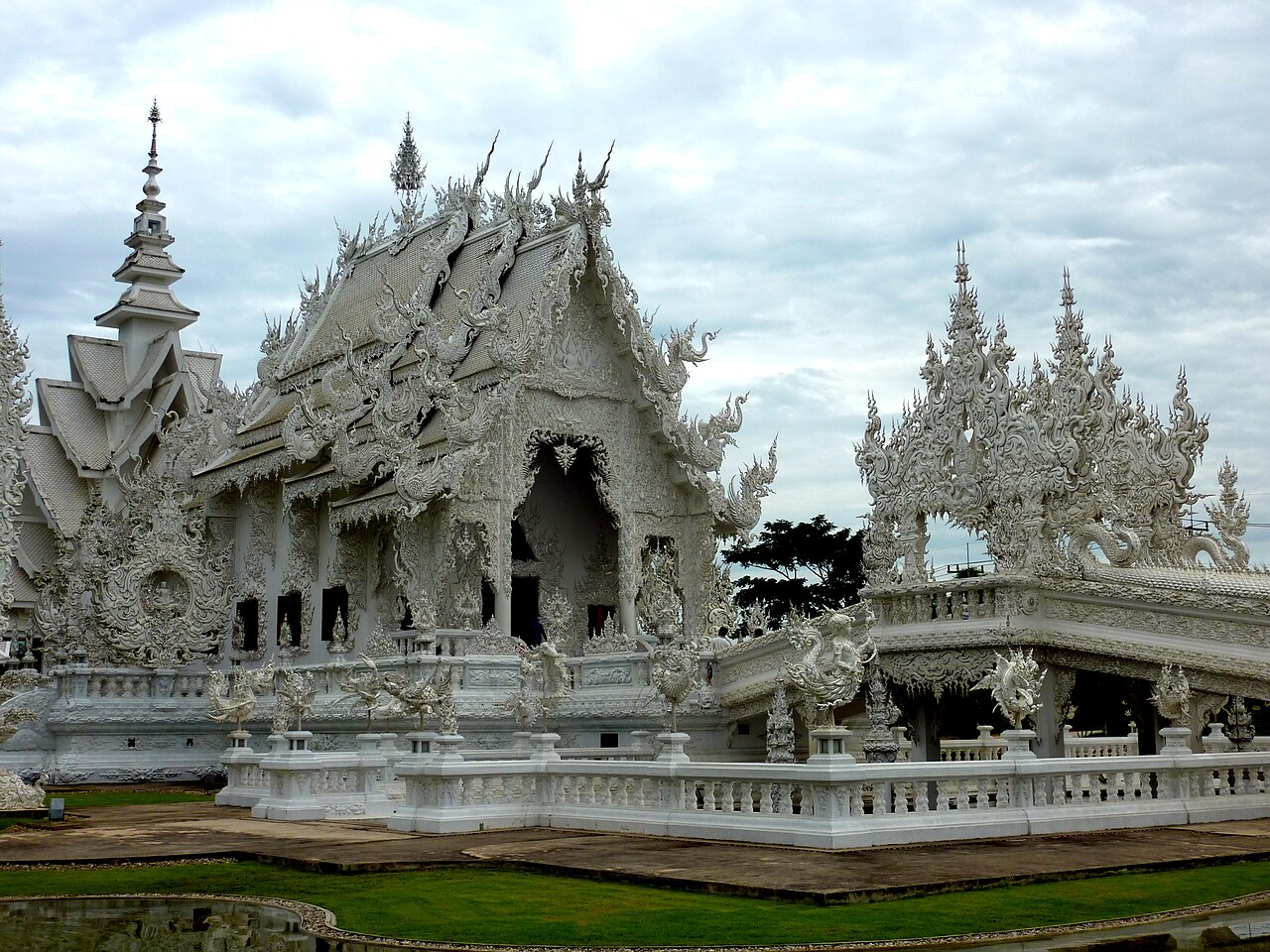
This is the image of Chiang Rai, and a fine way to start a couple's trip. Wat Rong Khun is an entirely white work of art by the artist Chalermchai Kositpipat, its fine plasterwork inlaid with mirrored glass that glitters in the light. Go early, right at opening, before the coaches arrive, when the light is soft and the crowds are thin. Cross the bridge to the main hall together, then take your time over the detail hidden in every corner. It is the kind of place that makes you both go quiet, simply because it is more intricate than words.
 2
2
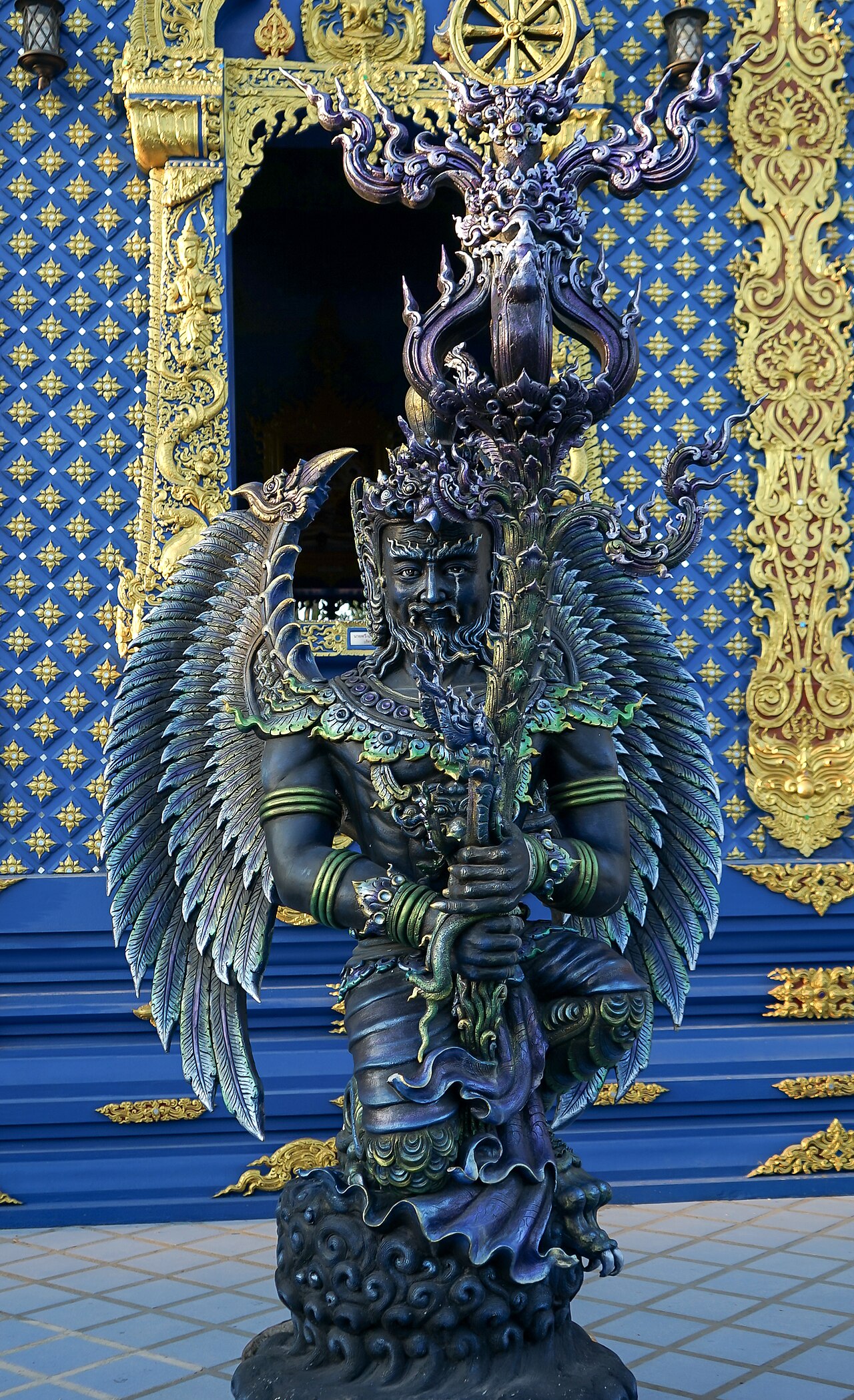
If Wat Rong Khun is white, Wat Rong Suea Ten is its blue counterpart. The whole hall is deep cobalt-blue edged in gold, with a white Buddha inside and blue murals across the walls. It feels so unlike an ordinary temple that you almost walk into a painting. It draws fewer people than Wat Rong Khun and sits closer to town, and it makes a vivid, memorable photo spot for two. You won't need long here, but it is well worth the stop. Entry is free, with a donation box if you wish.
 3
3
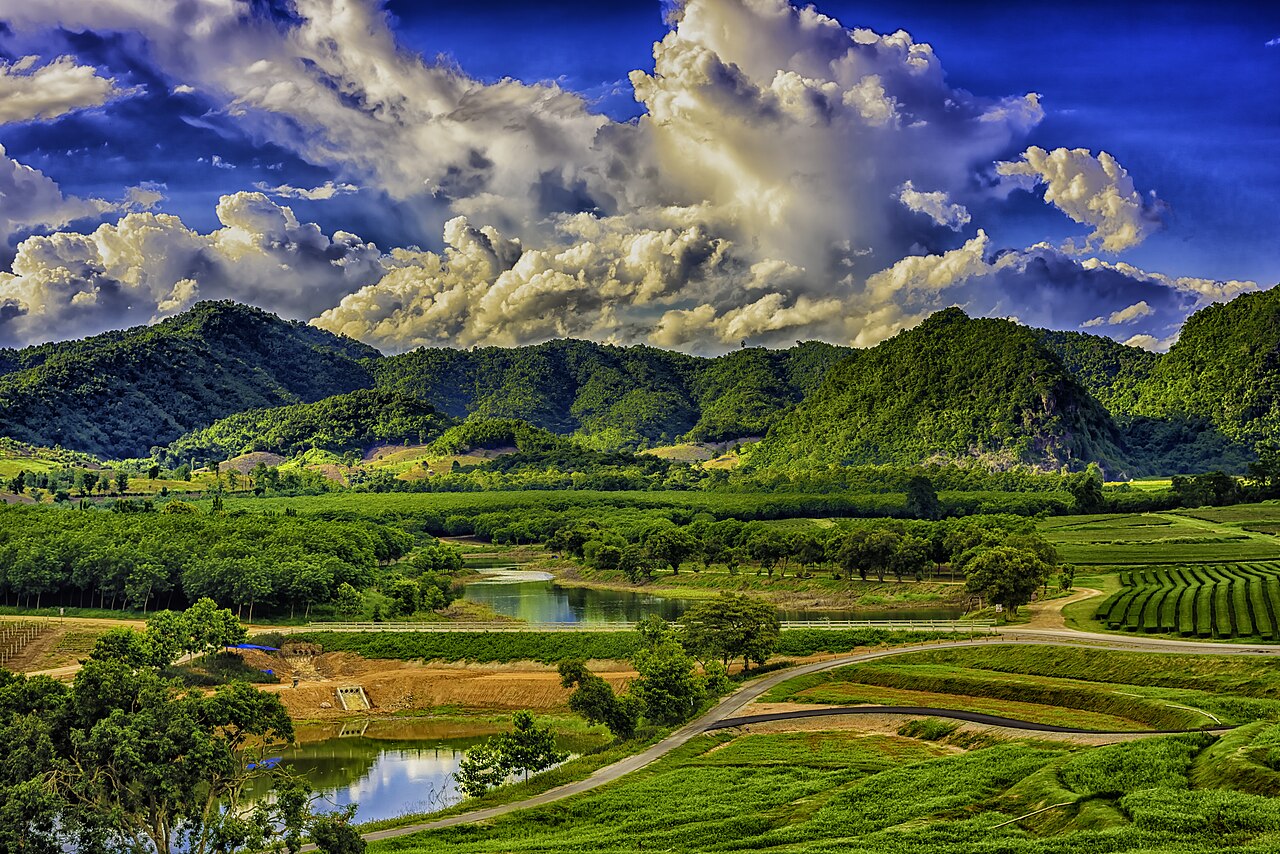
Singha Park is a large estate of tea fields, seasonal flower meadows, and a golden lion statue as its landmark — good for couples who want time outdoors together. Rent bikes and cycle the estate roads as a pair, take the tram for the views, or stop at the on-site café for tea grown here. Late in the year there is sometimes a Balloon Fiesta, with hot-air balloons drifting over the fields at dawn — a sight you remember watching together. Check the year's dates before you plan around it.
 4
4
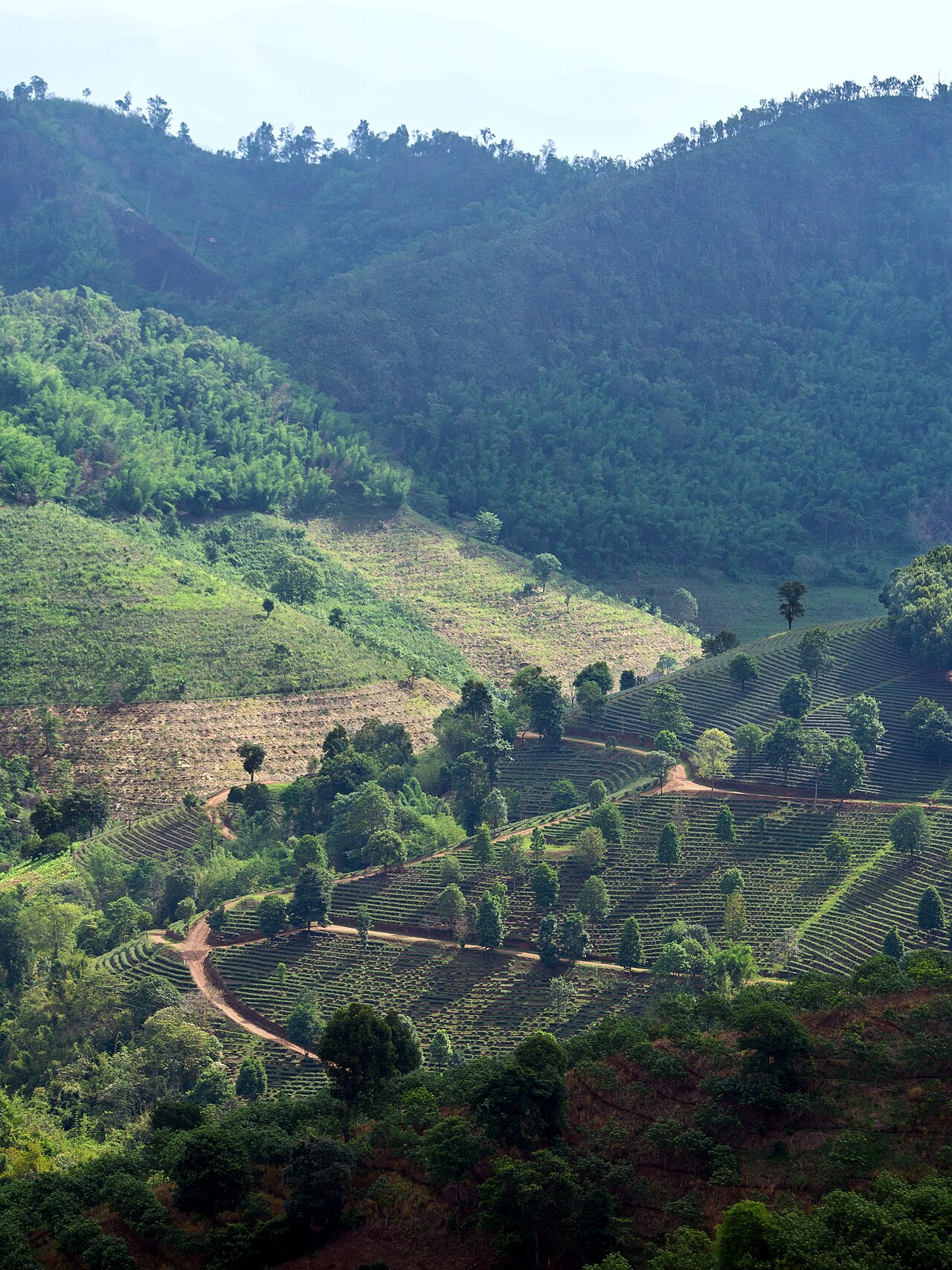
Choui Fong is a hillside tea plantation with a café terrace that looks down over green tea bushes terraced into the valley — a view made for sitting slowly together. Order an iced tea or a green-tea cake and watch the thin morning mist drift over the rows. Some couples walk down to take photos among the tea bushes. The air up here is cooler than in town, especially in winter, and it is the kind of stop that drops the pace of the trip and lifts the mood at the same time.
 5
5
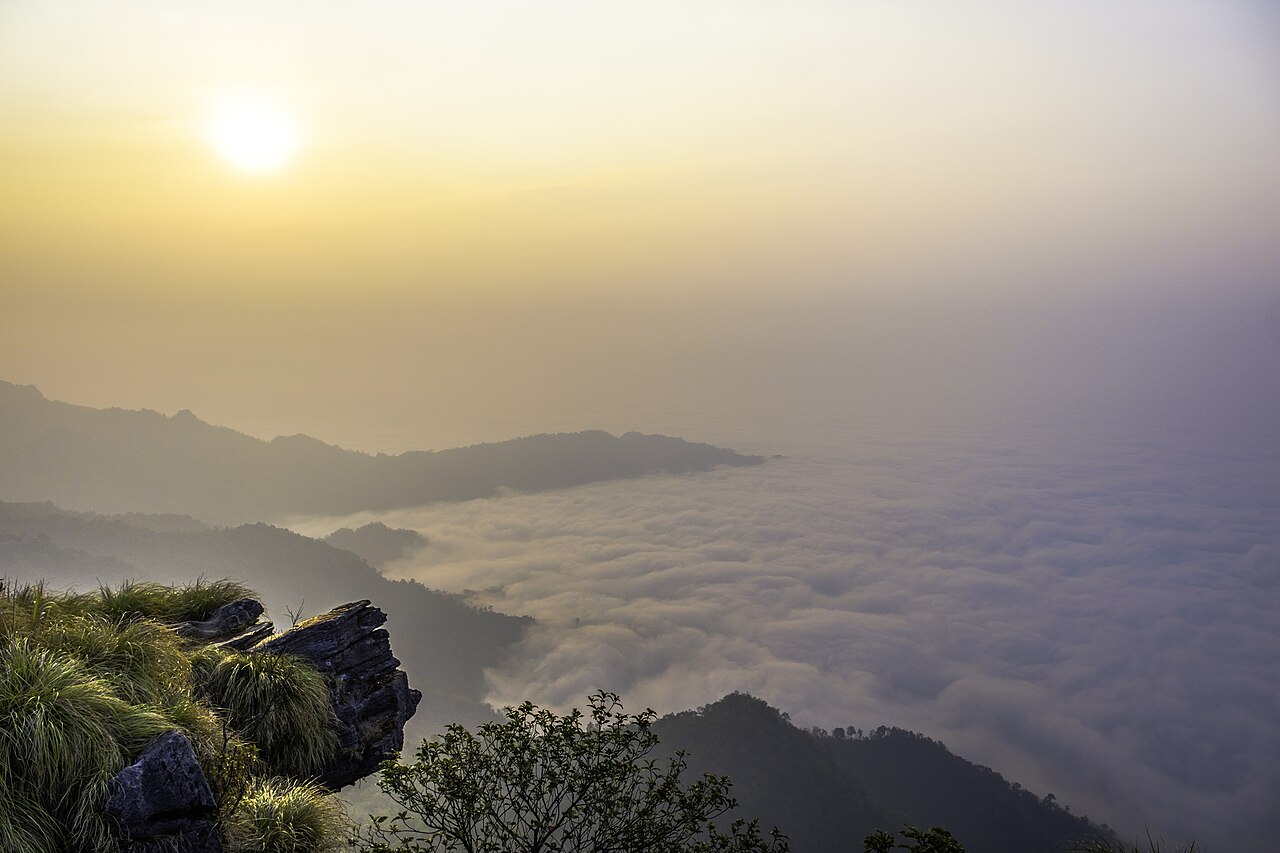
For a day that is truly just the two of you, drive up into the mountains. Doi Tung has the Mae Fah Luang garden and the Doi Tung royal villa set among cool-climate flowers. Mae Salong is a hill village with tea fields, Yunnanese-Chinese tea houses, and long mountain views. The roads up are a steady series of switchbacks that climb gently, and the reward is cool air, a pot of hot tea, and — some mornings — a sea of mist filling the valley. It makes a slow, lovely day of driving.
 6
6
As the heat fades, Chiang Rai has plenty of easy ways to have dinner together. Riverside restaurants on the Kok River let you sit over the water and the far hills as the sky changes colour. Or the Chiang Rai Night Bazaar, with its long communal tables, a stage of Lanna and northern music, and stalls of northern food and snacks around the edge. Choose by mood — one side quiet by the river, the other lively with music. It is the kind of dinner that does not need to be fancy to feel like an occasion.
If you want the stay itself to be part of the memory, Chiang Rai has plenty of mountain- and river-view options. A hillside or edge-of-town resort where you wake to thin mist and ridgelines in the cool air suits couples after calm. A stay along the Kok River or in the old town is handy for walking to the Clock Tower and night bazaar. The winter air here is cool and pleasant — just right for sitting on a balcony with coffee together in the morning. Check reviews and the location before booking, as some hillside resorts are a fair drive from town.
 8
8
Chiang Rai is a genuinely good café town, especially the out-of-town cafés set on the hills and among the fields. Many valley-view cafés and tea houses have a terrace looking out over fields, meadows, and mountains — a place to sit over coffee or tea for an hour without rushing. Some are tea estates that brew their own leaf for you to try. It suits couples who want quiet time and a long conversation over a view, and it makes a good break from the busier sights.
No trip to Chiang Rai is complete without one dinner of proper northern-Thai food — khao soi (a rich coconut-curry noodle), nam ngiao (a tomato-and-pork noodle soup), tender hang lay curry, sai ua (northern sausage), and nam prik num with steamed vegetables. Many places in town serve it in a warm Lanna wooden-house setting. It is both delicious and full of the flavour of the north. Order several dishes to share between two, and finish with a local dessert or a pot of hot tea.
End the evening with a wander through the centre. The golden Clock Tower, designed by the same artist behind Wat Rong Khun, runs a colour-change light show on the hour after dark — pleasant to stand and watch together for a few minutes. If it is a Saturday, the Saturday Walking Street sells local crafts and street snacks with live music here and there along the way. Stroll hand in hand, pick up something to eat, and browse the handmade stalls — an easy night that needs no planning.