The city that sits closest to Thailand's coffee mountains. Fresh beans from Doi Chang and Doi Pa Pae reach roasters in town within hours, and the Nimman district is packed with specialty cafés you can hop between all day — Chiang Mai takes its coffee more seriously than you'd expect.
Picture an ordinary weekday morning in a Nimman lane: the air still cool, the door of a tiny coffee shop swinging open, a gleaming espresso machine inside, bags of roasted beans on the shelf, a barista weighing out a dose to the gram. Your first cup is from a hill only a few hours away. That is what sets Chiang Mai apart from other coffee cities in Thailand — here the coffee really does grow close to the cup.
Chiang Mai's edge is that it's ringed by the northern hills where good Thai arabica grows — Doi Chang, Doi Pa Pae, Doi Saket, Mae Chan Tai and many more. Fresh beans reach the city's roasters quickly, and plenty of baristas know the farmers who grow them by name. That closeness between the farm and the glass is hard to find in other big cities.
What makes the cafés here fun is the range packed into a short walk. The Nimmanhaemin district has specialty cafés lined up densely enough to keep you hopping all day, but the good stuff spreads across several more zones too — Santitham, the Old City inside the walls, the Ping riverside around Wat Ket, and Chang Moi. So this guide is built around zones, because each one has a different mood and the best cafés tend to cluster together.
Why Chiang Mai's specialty coffee is fresh and has a story to tell — because the source is right behind the mountains
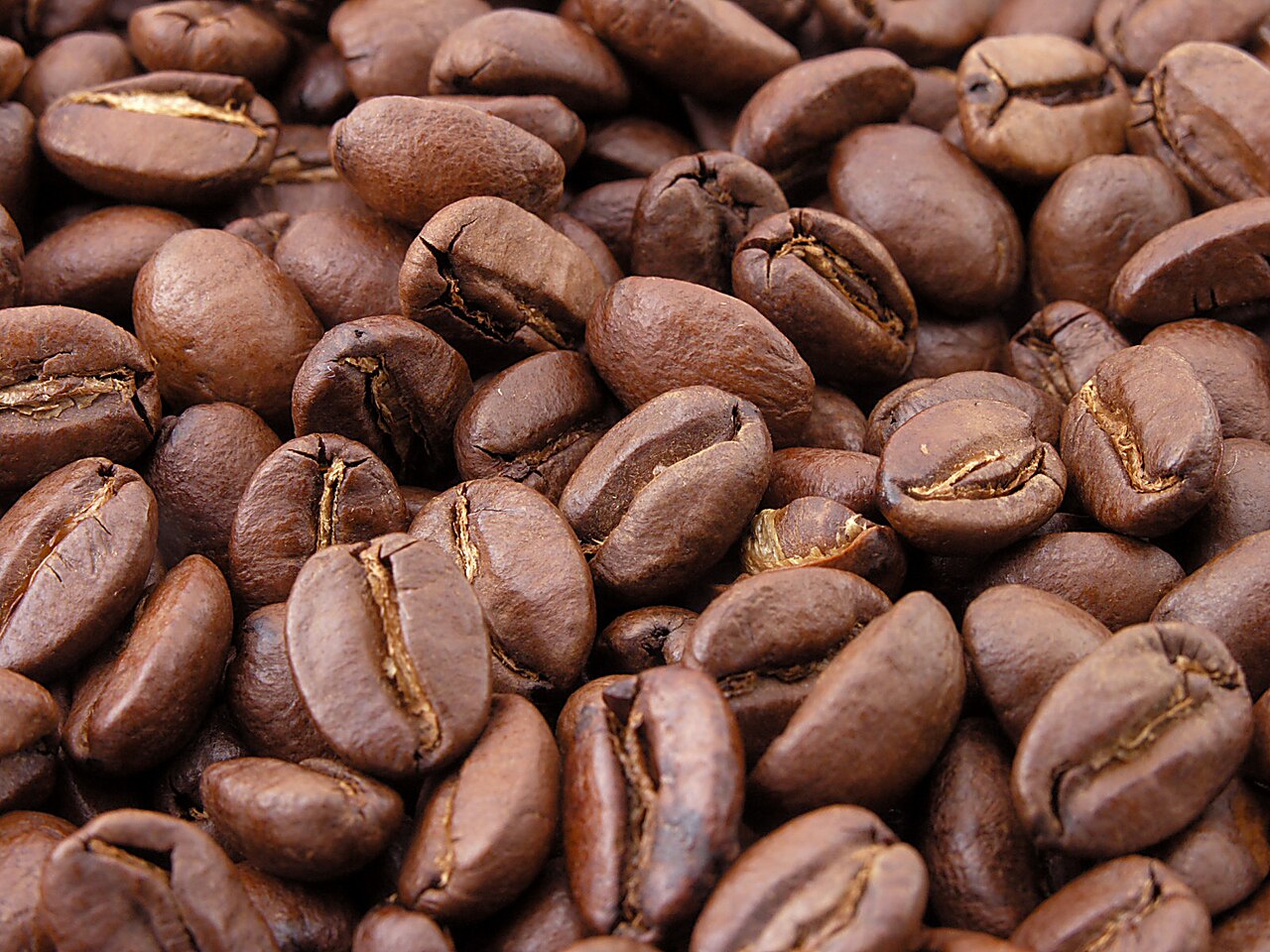
Most Thai arabica grows on the northern hills at altitudes that suit the plant. Many of the growing areas began with royal-project schemes that encouraged hill communities to plant coffee instead of other crops, and today the beans are sought after by baristas across the country. Doi Chang is probably the name people know best, but Doi Pa Pae, Doi Saket, Mae Chan Tai and plenty of small farms each give a slightly different taste depending on where they sit.
Chiang Mai's advantage is the short distance between farm and roaster. Beans picked and dried on the hills can be in the city within a day, so many roasters here roast their own fresh and work closely with the growers at source. Some can tell you which farm a bean came from, who grew it and when it was roasted — that kind of transparency makes Chiang Mai coffee much more fun to drink. Order a black coffee or a filter first, to taste the bean itself before you move on to the milk drinks.
Nimman is the hub, but the good cafés spread across several zones — walk one at a time and each gives you a different mood, from modern lanes to old wooden houses by the river
The heart of Chiang Mai coffee — Nimmanhaemin Road and its side lanes, Soi 1 to 17, hold the densest run of specialty cafés in the city. They range from serious coffee bars run by competition baristas to good-looking design cafés people queue to photograph. You can walk from one to the next in a few minutes, which makes this the zone for a full day of café-hopping.
A residential area right next to Nimman on its north side, with a relaxed feel and lighter prices. It's home to remote workers and students, so there are plenty of work-friendly cafés — small spots run by a younger crowd and roasters tucked down lanes. If you want good coffee for a bit less than Nimman, Santitham delivers.
Inside the old walled city, where there's an ancient temple on nearly every corner, cafés tend to hide in old wooden houses and historic shophouses. The mood is calmer and more classic than Nimman, which makes it good for a break between temples — after visiting Wat Phra Singh, say, or while wandering the Old City. A coffee in a shaded old courtyard is the charm of this zone.
An old neighbourhood on the east bank of the Ping River, where wooden houses, old shophouses and riverside warehouses still stand. The cafés here are slow-paced and leafy — some look out over the water, some sit down quiet lanes. It's the zone for a day when you want to escape the bustle of Nimman, strolling along the river and stopping for coffee in stages.
An old-building district near Warorot Market that's fast becoming a pocket of cafés and design shops. Plenty of shophouses and older buildings have been renovated into cafés that blend the old and the new nicely. Walk around here and you keep stumbling on places worth a look — it pairs well with exploring the old market and this side of the city.
Beyond the city, out toward Mae Rim, San Kamphaeng and up the Doi Suthep road, you'll find mountain-view cafés and garden cafés where you can sit in the cool air. Many have plenty of space and views over rice fields or the hills, made for a day when you rent a car or motorbike and head a bit further out. If you want nature instead of city lanes, this side offers a different mood — but you'll need your own wheels.
Why a cup in Nimman is so carefully made — because there are genuinely competition-level baristas here
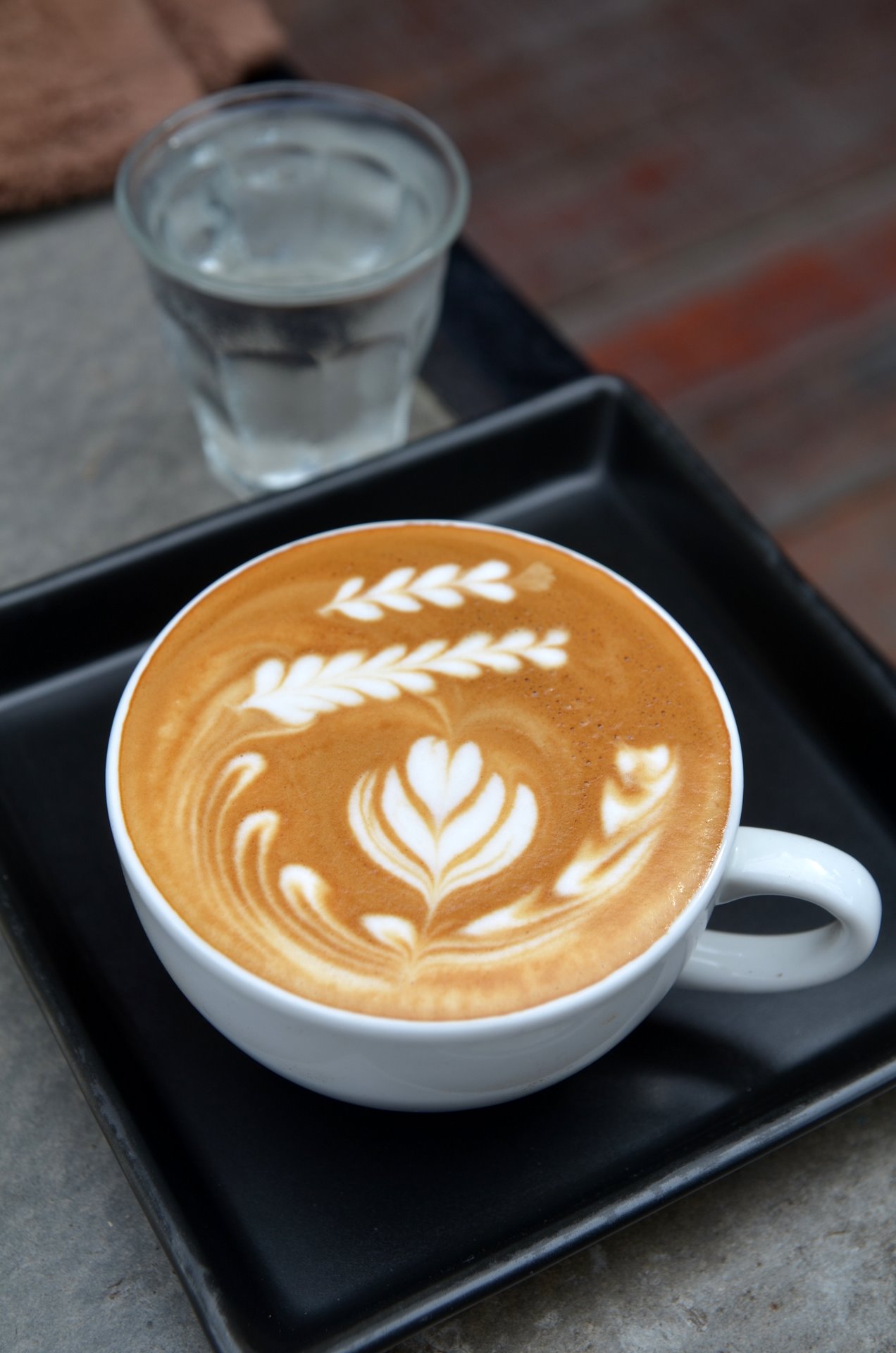
What makes Chiang Mai's coffee scene strong isn't just good beans — it's the people pouring them. The city has more skilled baristas than its size would suggest. Many have competed in national and world coffee competitions, and when they come back to open their own places they lift the standard of the whole district. A cup here is usually looked after from bean selection to recipe to the latte art on the foam.
The other charm is a willingness to experiment. Because rent and the cost of opening a shop are lighter than in Bangkok, younger baristas are bolder with signature drinks — Dirty coffee, coffee paired with northern fruit, or a single hill bean served several ways. If you like trying new things, Nimman is one of the most enjoyable playgrounds in Thailand for it — though if you want to judge the craft itself, start with a black coffee or a filter.
These spots have genuine reputations — but cafés change fast, so always check current branches and hours before you go
The name people mention most when they think of Chiang Mai coffee. Ristr8to on Nimmanhaemin Road is run by a barista who has won latte-art titles on the world stage, and it's known for finely detailed latte art and a long list of signature drinks. It's a place people queue for and it regularly lands on the city's famous-café lists. If you want to start getting to know the Nimman scene through its best-known name — start here.
Graph is a Chiang Mai coffee brand known for creative signature drinks and serious roasting. It began as a tiny spot in the Old City with barely any seats but a lot of coffee, then grew into several branches around the city. It's a favourite for anyone who likes experimental drinks and menus that play with the flavour of the hill beans. If you want something that isn't a plain latte, Graph delivers.
Akha Ama has one of the loveliest stories of any café in Chiang Mai. It was founded by a young man from an Akha hill community who brought his family's farm coffee down to roast and sell himself, so the growers in his village would get a fair price. The beans come straight from the village of Mae Chan Tai, the coffee is clean and full of character, and there are branches in the Old City near Wat Phra Singh and over in Nimman. It's an example of specialty coffee that's good for the people who drink it and the people who grow it.
Roots is a name specialty drinkers across Thailand know well. It's a roaster that roasts its own beans and is serious about quality and bean origin. Its standout offering is filter and single-origin coffee that lets you taste the bean in full, which makes it a fit for people who want to understand coffee more deeply rather than sit and take photos. The room is plain on purpose — the weight is on what's in the cup.
Beyond the names above, Chiang Mai holds countless independent roasters and small cafés that come and go. Many are run by younger baristas making coffee as good as the famous spots, yet appear in no guide. These are the real soul of the city — there's no fixed list. Walk the lanes of Nimman or Santitham, spot a coffee-cup sign, and go in. That is the best way to discover Chiang Mai.
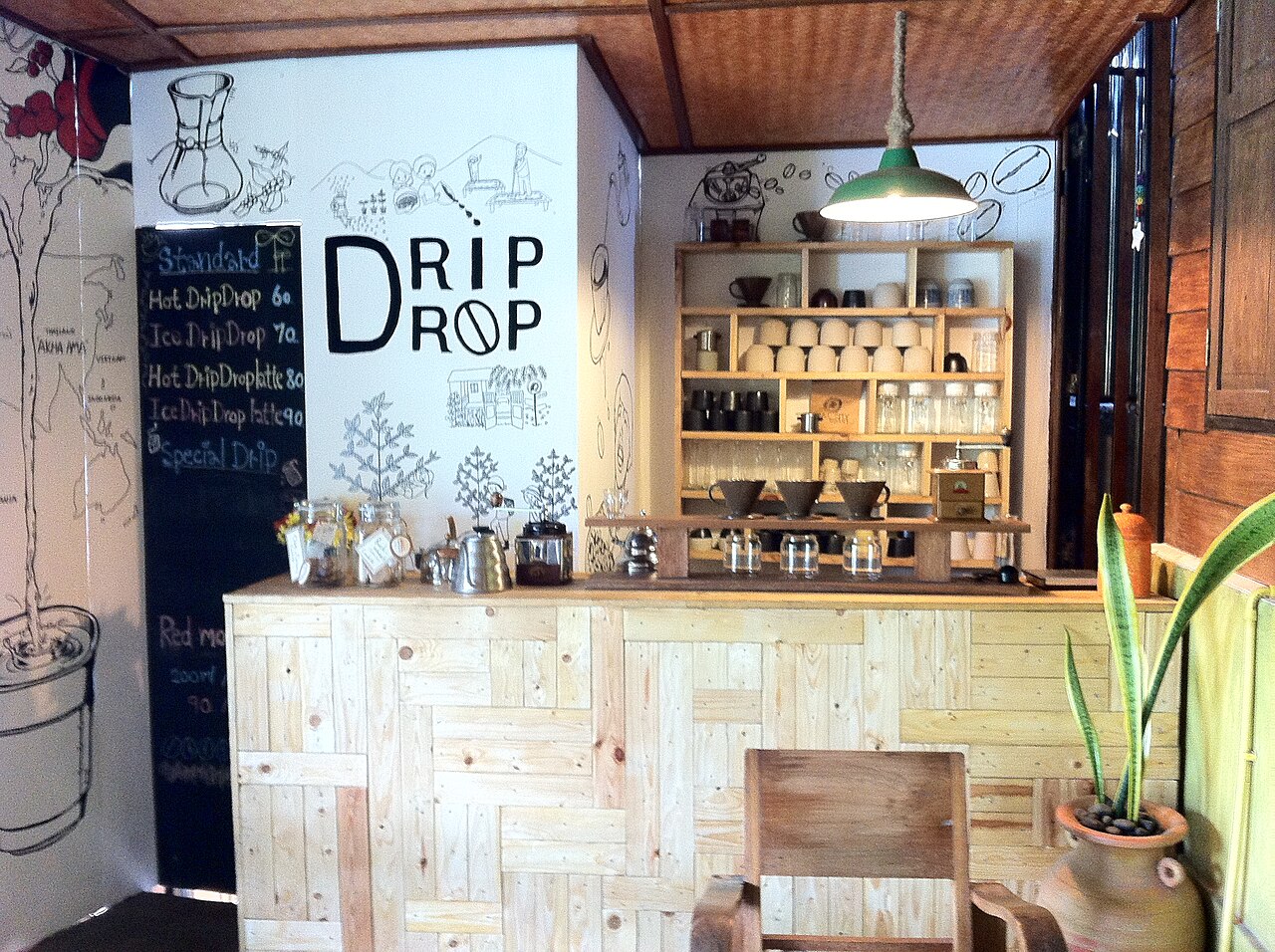
Many specialty cafés in Chiang Mai brew by hand-drip, one cup at a time. The wooden counter and hand-written menu board are a common sight across Nimman and the Old City lanes.
Paying: Most Chiang Mai cafés take PromptPay (QR scan) and cash, which is the easiest way to pay. Many of the larger specialty cafés in Nimman also take credit cards, but small lane cafés and market stalls can be cash or QR only. Keep some small notes on you, especially if you plan to café-hop through several spots in one day.
Wi-Fi and working: Chiang Mai is one of Asia's most popular cities for remote workers, so many cafés in Nimman and Santitham are built for long stays — wide tables, power outlets and fast Wi-Fi, and some double as co-working spaces. The etiquette is to keep ordering drinks if you stay a while. On busy weekends the famous spots aren't ideal for a laptop all day, so choose a larger café or go on a weekday morning.
Best timing and getting around: On weekday mornings Nimman is still cool, the cafés aren't crowded, and you'll have your pick of seats and good light. Distances within Nimman are short, so you can hit several cafés in a day. To cross to another zone like Wat Ket or Chang Moi, a red truck (songthaew) or a Grab is easiest. Chiang Mai has no urban rail, so walking plus red trucks is the sensible way to get around. For the mountain-view cafés out of town, a rental car or motorbike is far more practical.
Nimmanhaemin — the centre of Chiang Mai's coffee scene, where specialty cafés line up close enough to hop between all day
Café-hopping in Nimman pairs well with the city's food and other things to do — build a full day around it