A city where you can wander the hutong lanes alone all day, the subway is signed in English, hutong hostels make friends for you in five minutes, and a Great Wall tour is fun even on your own — Beijing is one of the easiest cities in Asia to travel solo.
If you are planning your first solo trip and wondering whether Beijing is going to be intimidating, here is the short answer: it is one of the safest large cities you can pick — including walking back to your hostel at night, and for women travelling alone. Violent crime against tourists is rare. There are only a couple of things you genuinely need to watch out for, and we cover all of them in this guide.
What makes Beijing easy to do alone is the subway. Signs and announcements are in English at every station, fares start at ¥3 (~฿15), and the network reaches almost every attraction. You can cross the whole city all day without ever needing a taxi. And the things solo travellers worry about most — how to eat alone, how not to feel lonely — all have real, workable answers here.
This guide covers everything a solo traveller in Beijing needs: honest safety advice, getting around, the things that are genuinely good to do alone, how to eat solo without feeling awkward, how to meet people along the way, and where to stay when you are travelling on your own.
Safer than you would expect — but there are a few small scams worth knowing first, so you do not fall for them.
Beijing has a very low rate of violent crime. Walking back to your accommodation in the evening through tourist and ordinary residential areas is safe, with CCTV and police presence throughout. The thing to watch is pickpocketing in dense crowds, as in any big city. Keep your passport and valuables secure and you are well covered.
Women who travel Beijing alone overwhelmingly report feeling safe — on the subway, in restaurants, and after dark. Street harassment is uncommon. Apply the same basic caution you would in any large city, such as avoiding deserted, dark alleys late at night and trusting your instincts, and you can travel with real confidence.
The classic version: a friendly person (often claiming to be a student wanting to practise English) approaches you near Tiananmen or Wangfujing and invites you to a "tea ceremony" or an "art exhibition". You end up with a bill for hundreds of dollars. The fix is simple: if a stranger invites you to a tea house or gallery, decline politely and walk away.
Watch the pedicabs (cycle rickshaws) around the hutongs that agree a verbal price then demand far more afterwards — confirm the price and photograph the rate card before you get in. Skip the touts selling tours and tickets outside attractions; book through official channels or an app instead. And you can always haggle in souvenir markets, where the opening price is usually inflated.
We have done the shortlisting: social hutong hostels and guesthouses where it is easy to meet other travellers, plus safe central hotels right by the subway. Pick whichever suits how you like to travel alone.
See Solo-Friendly Hotels →Ordered by what solo travellers tend to enjoy most and find easiest.
1
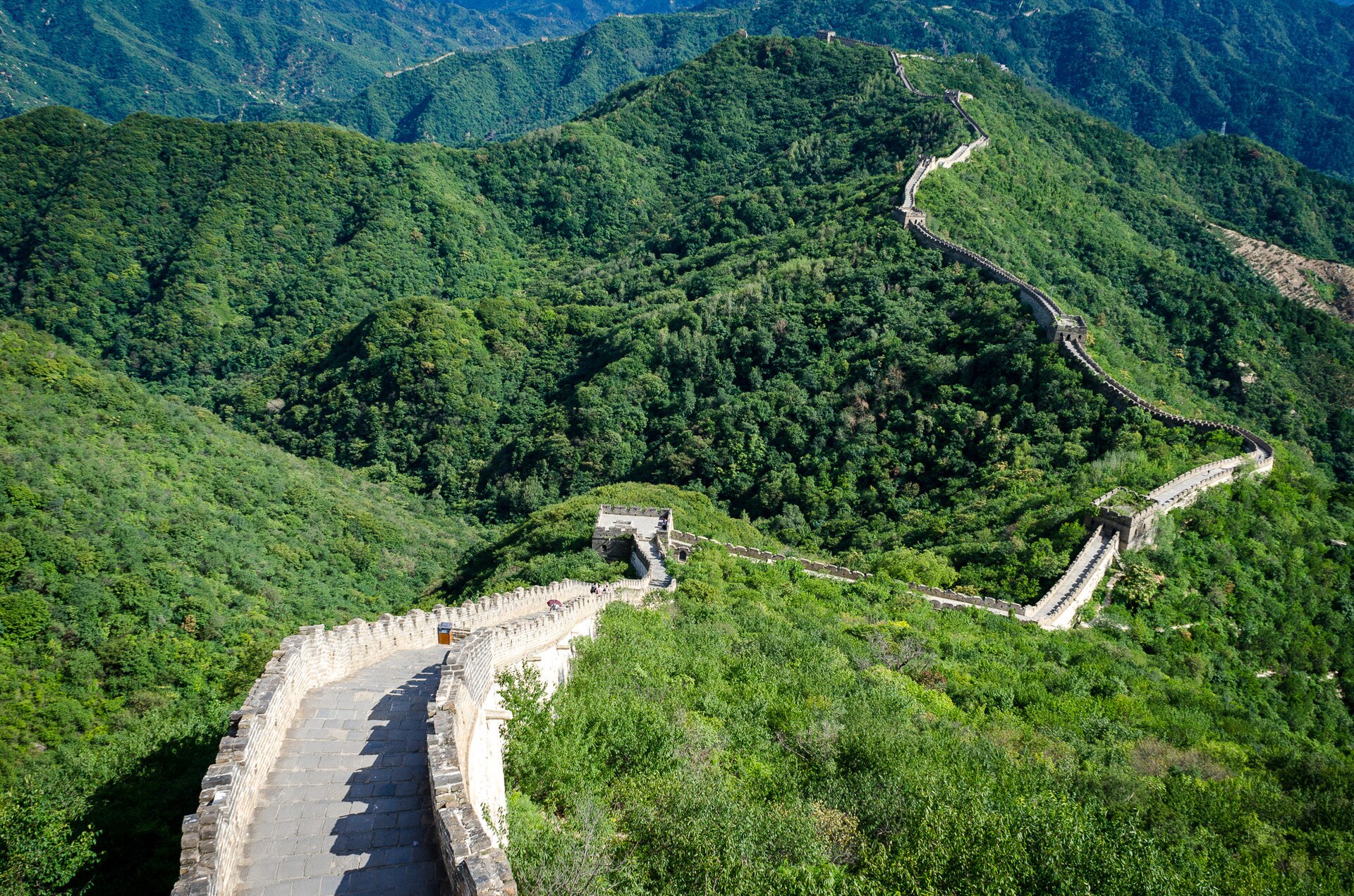
For a solo traveller, the easiest and most enjoyable way to see the Great Wall is to join a group day tour. It handles all the round-trip transport — no gambling on the return bus — and it puts you with other travellers, many of whom are also solo. Plenty end up sharing dinner back in the city afterwards. Most tours go to Mutianyu, which has a cable car up and down and is far less crowded than Badaling.
2
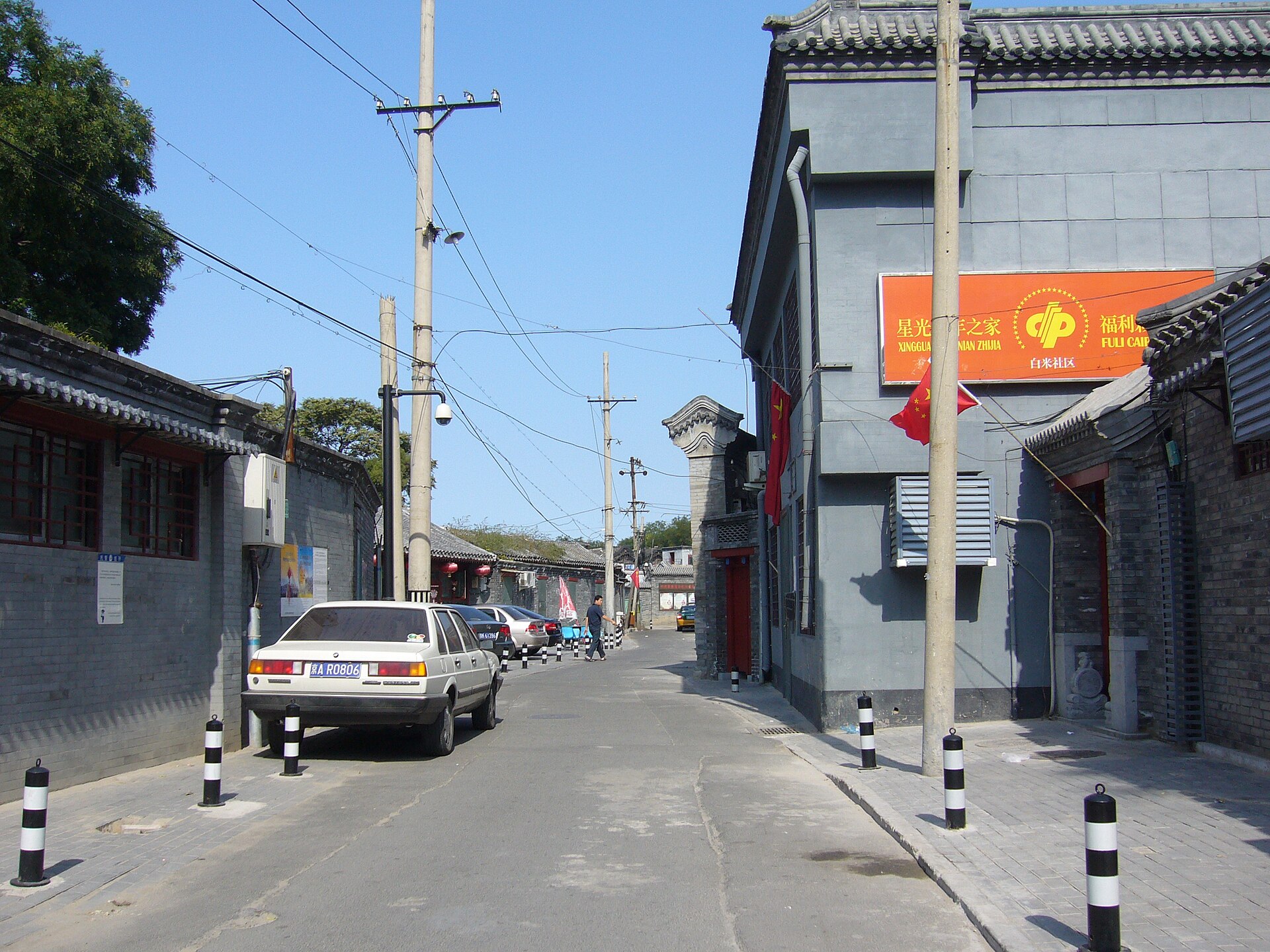
Worried about feeling lonely on a solo trip? The single most effective fix is to stay at a hostel or guesthouse in the hutong lanes, especially around Nanluoguxiang and Gulou (the Drum Tower). They are social by design, with common areas where you can chat to other travellers, and many run their own activities or walking tours for guests. You get affordable lodging and built-in company in one.

3
This is one of the best things to do alone here — drift through the old hutong lanes, stop at tiny cafes, watch everyday Beijing life, then come out at Houhai lake, calm by day and a buzzing strip of waterside bars and restaurants by night. You set the entire pace, with nobody to wait for, lingering as long as you like. The area is safe and busy throughout, which makes it ideal for walking solo.
The 798 Art District is a solo traveller's dream — a former Bauhaus-era military factory complex turned into galleries, studios, bookshops and cafes. You browse the art entirely at your own pace, sit with a coffee and a book, or photograph the street art for hours. Nobody is rushing you, and you do not need company to enjoy it; this is somewhere people come alone all the time.
5
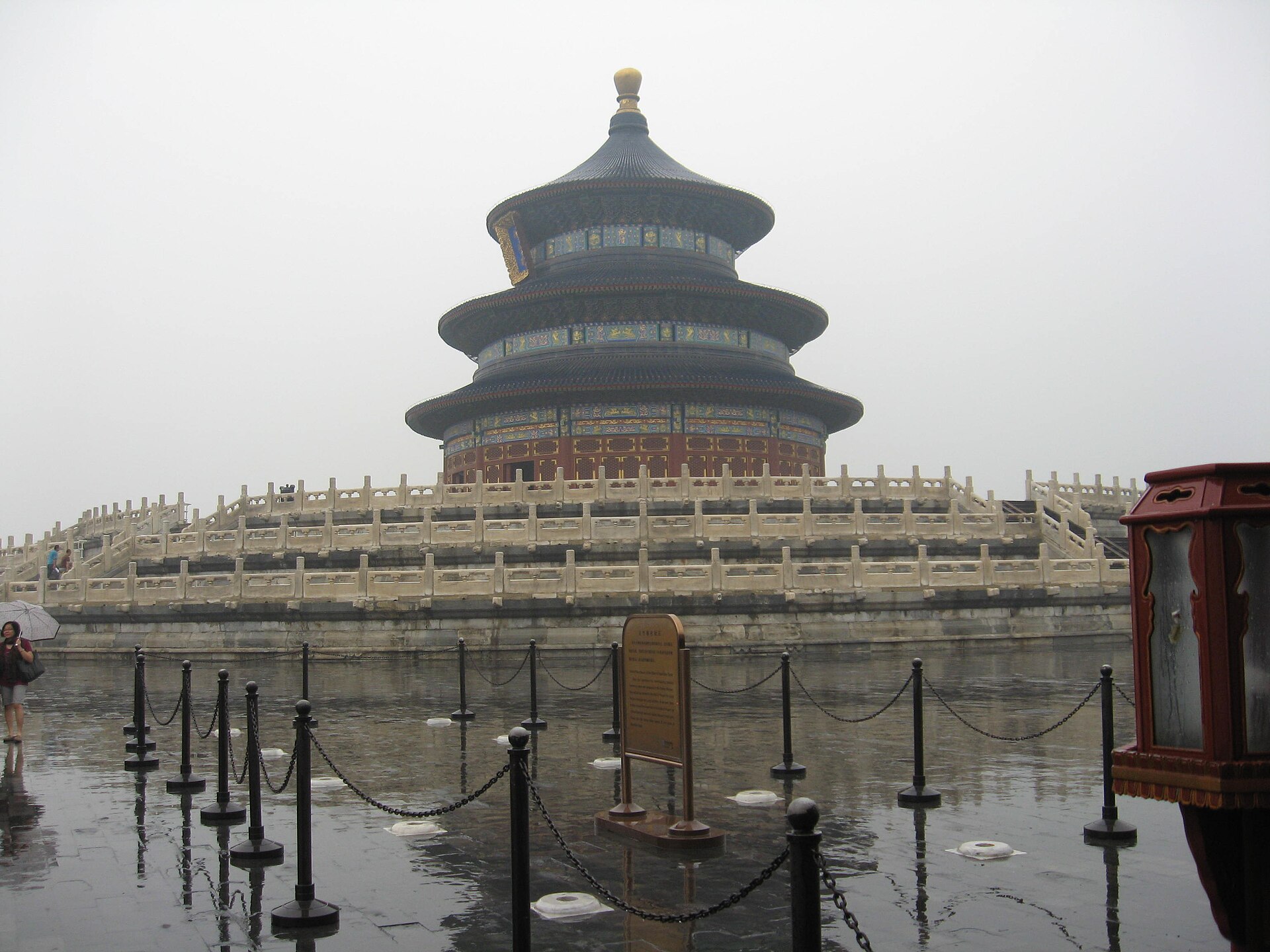
The Temple of Heaven is not just one of Beijing's most beautiful buildings — that round, triple-eaved blue roof — it is also set in wide, shaded parkland. In the mornings you will see locals dancing, doing tai chi, singing opera and playing chess, a slice of real daily life that is wonderful to watch when you are on your own. You can stroll it at your own pace with no need to hurry.
6
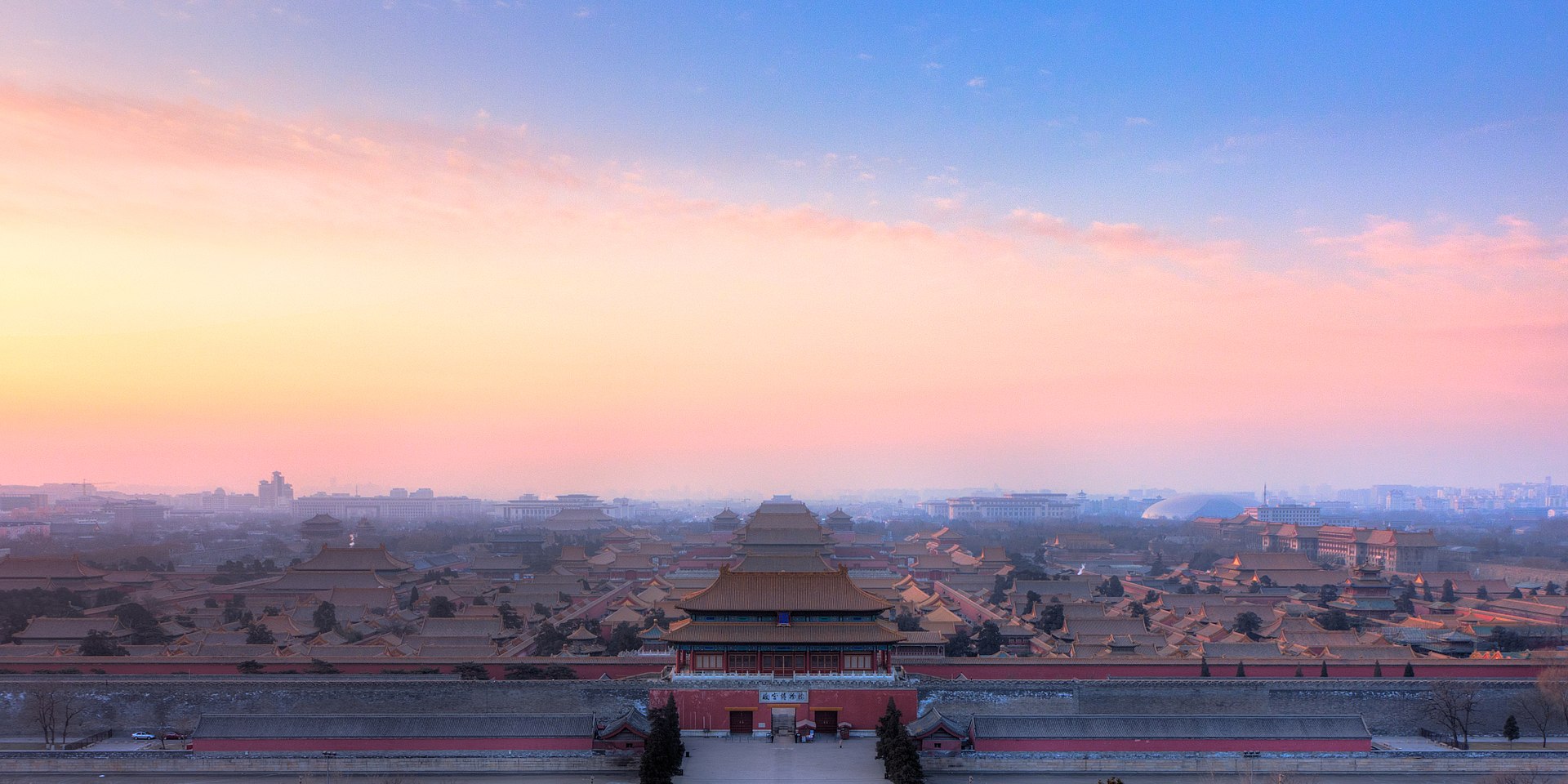
The Forbidden City is excellent to do alone, because you move at your own pace, stop to read what you want, and photograph for as long as you like — allow at least half a day. Important: you must book tickets online in advance using your passport number, and they often sell out several days ahead in high season. Tiananmen Square next door also requires a security check and registration.
One of the joys of solo travel is spending as long as you like in a museum or temple. The Lama Temple (Yonghegong) is a beautiful, peaceful Tibetan Buddhist temple with an enormous sandalwood Buddha statue. The National Museum of China, on Tiananmen Square, is free (book ahead with your passport) and holds a vast sweep of Chinese history. Both suit solo visitors: quiet, air-conditioned, and no one to wait for.
Honestly, Peking duck and big hotpots are made for sharing — order a whole duck solo and you will not finish it. But Beijing is full of food that suits eating alone: jianbing (a savoury breakfast crepe), steamed and fried dumplings, noodle soups, and skewers. Many places have counter seating or small tables, and eating alone is completely normal here — nobody looks twice. If you really want to try duck, pick a restaurant that serves a half portion or a single set.
If you want to meet people and understand the city more deeply at the same time, a walking tour or hutong tour is a great move for a solo traveller. You walk with a guide and other travellers, hear the history you would never pick up alone, and these often end with the group going off to eat together. Many hostels run free or cheap walking tours for guests — just ask at the desk.
The single tool that makes Beijing easiest to do solo is the subway. Signs and announcements are in English at every station, the network is huge and comprehensive, and fares start at ¥3 (~฿15) by distance. You can hop on any line and explore a new neighbourhood alone, safely. Buy a single-journey ticket at the machine, or just tap to pay with Alipay or WeChat — no Chinese required.
The subway is a solo traveller's best friend — English signage, cheap, and safe. For late nights or carrying bags, use DiDi (China's ride-hailing app, the Uber equivalent), which you can pay through Alipay or WeChat. Key tip: always keep your destination saved in Chinese characters to show the driver, because most drivers cannot read English.
If loneliness is the worry, the most effective tools are staying at a hostel with a common area, joining walking tours, and looking out for language-exchange meetups that some cafes and bars run. There are a lot of solo travellers about, and many are happy to team up to sightsee or grab a meal — you just have to say hello first.
Outside hotels and the main tourist sites, English is limited. Download a translate app that works offline before you go — Pleco (the popular Chinese dictionary) or Google Translate with the Chinese language pack saved for when you have no signal. The camera-translate feature is a big help for reading menus and signs, making ordering and asking directions far easier.
Google, Instagram and WhatsApp are blocked in China, so prepare a VPN and travel eSIM before you travel (VPN websites are themselves blocked once you are inside China). An eSIM keeps your usual apps working. For payments, link Alipay or WeChat Pay to a foreign card in advance, because cash is barely used — you tap to pay everywhere, from street stalls to train tickets.