Tap your phone at the gate of your first Beijing subway station and the city suddenly feels manageable — a ~27-line network for ¥3–10 a ride, metered taxis from ¥13, and shared bikes that unlock through an app for every flat hutong lane.
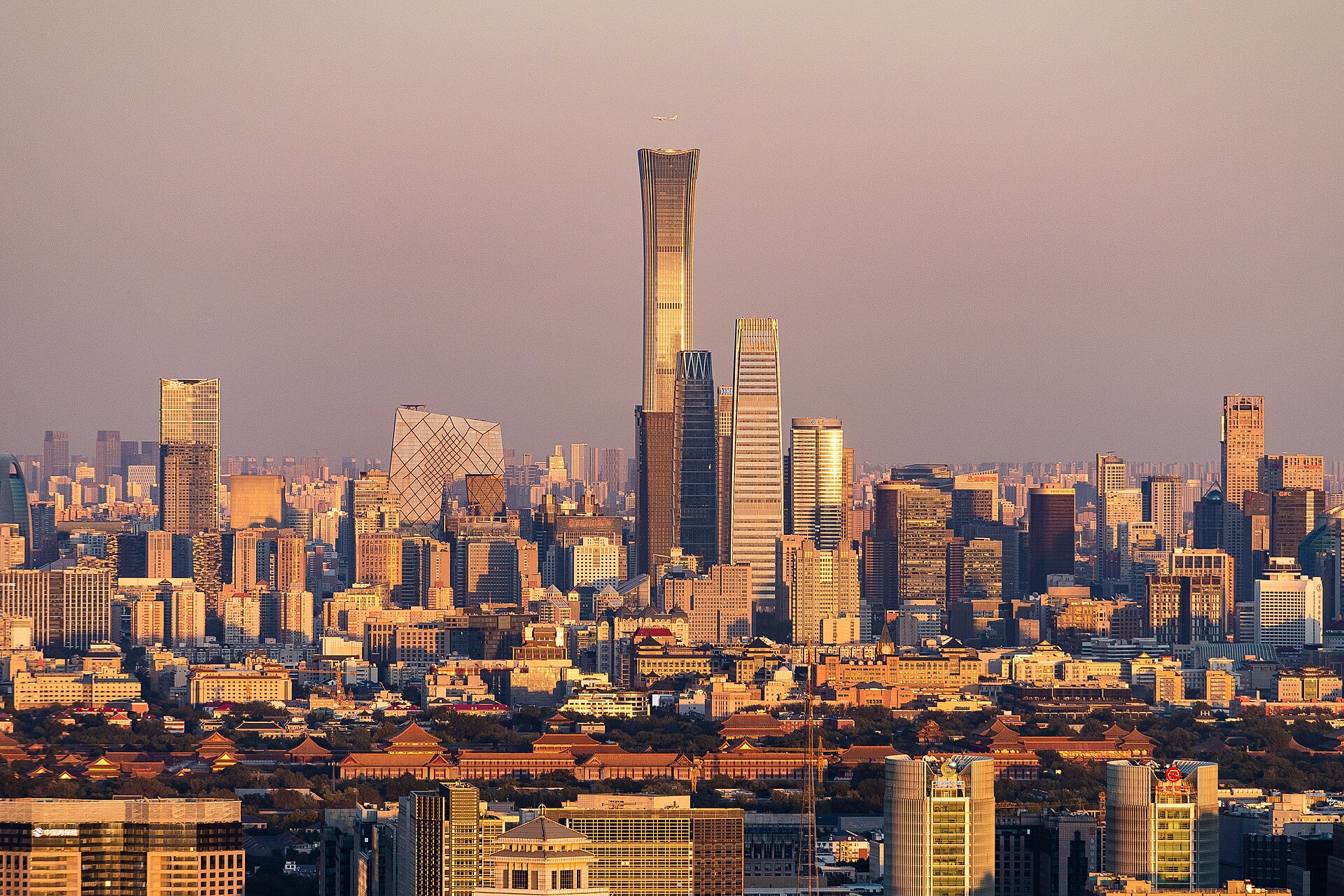
Beijing is vast — the distance from one side of the old city to the other is greater than most visitors expect. The good news is that the city has one of the largest metro systems in the world, with around 27 lines. It is clean, cheap, and the best way to get around, reaching virtually everywhere a traveller wants to go, from Tiananmen Square and the Forbidden City to the CBD and the old hutong lanes.
Fares are distance-based, roughly ¥3–10 per trip, and trains run from about 05:00 to 23:00 (last trains on each line leave earlier than that). One thing to know in advance: every station has a bag X-ray security check at the entrance, and you should carry your passport, as some stations may ask to see it.
This guide covers every way to get around Beijing — from the subway, which does the heavy lifting on any trip, to metered taxis and DiDi (handy when you have luggage or it is late), to shared bikes that suit the flat hutongs around Houhai, plus how to pay and which map app actually works in China. A little preparation goes a long way here.
Your first choice for virtually every journey across the city. Clean trains, bilingual signage, and distance-based fares of ¥3–10.
The Beijing Subway (北京地铁) runs from around 05:00 to 23:00, though this varies by line — last trains on the longer lines leave well before that. If you plan to return late, check the timetable at the station first. Fares are distance-based, starting at ¥3 for short hops and rising to about ¥10 for the longest runs. Signs, in-car announcements, and ticket machines are all in both Chinese and English.
| Line | Route | Key stops |
|---|---|---|
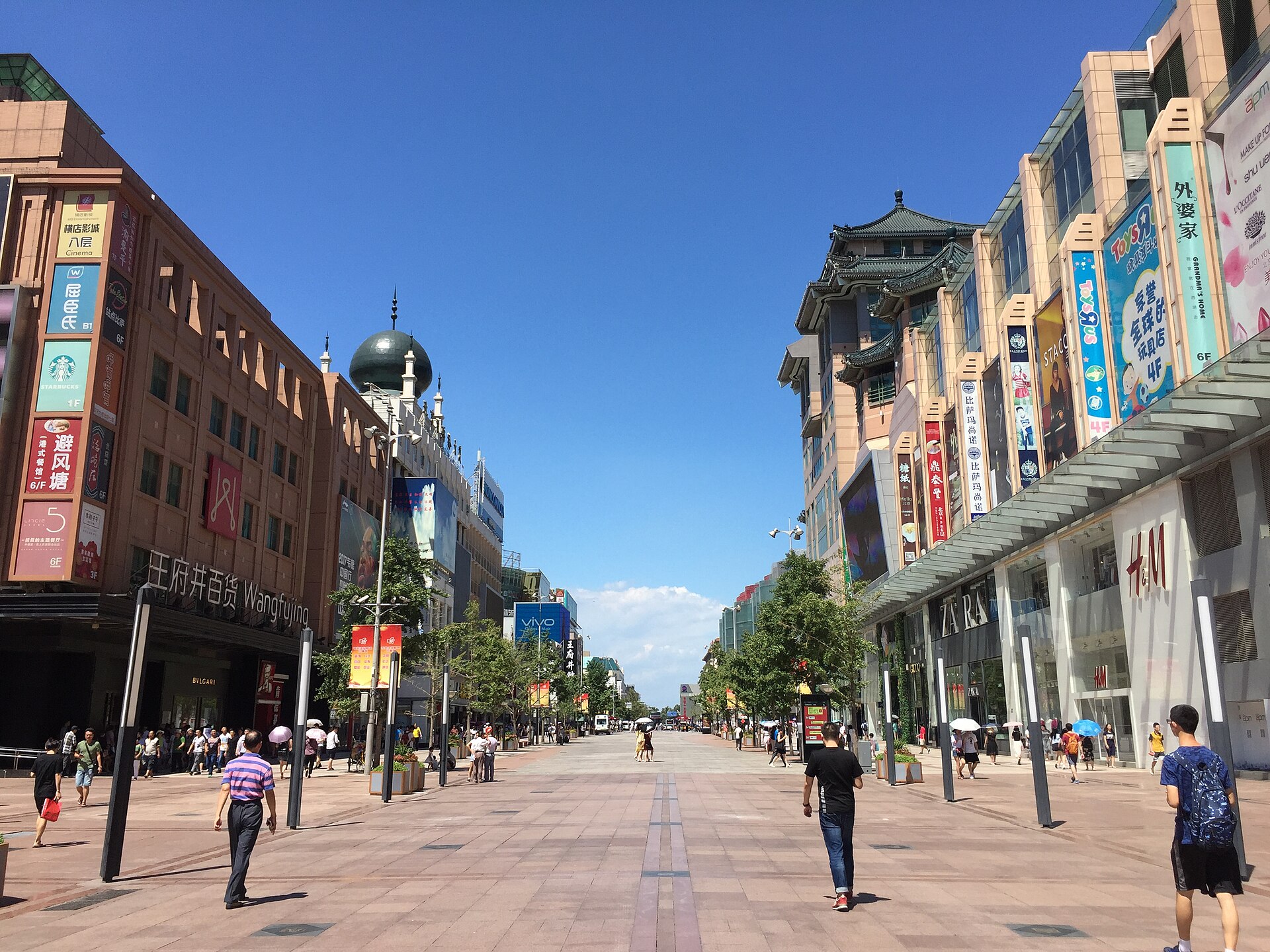
| Line 1 (the spine) | East ↔ West | Tiananmen West/East · Wangfujing · CBD / Guomao |
| Line 2 (loop) | Around the old city wall | Lama Temple (Yonghegong) · Qianmen · Beijing Railway Station |
| Line 5 | North ↔ South | Temple of Heaven · Lama Temple (interchange with Line 2) |
| Line 6 | East ↔ West (northern) | Hutongs · Gulou (Drum Tower) · Houhai |
| Line 8 | North ↔ South (through centre) | Olympic Park (Bird's Nest / Water Cube) · Gulou |
| Line 14 / Daxing | To the 798 area / Daxing Airport | 798 Art Zone (near Wangjing) · Daxing International Airport (PKX) |
Easiest for visitors. Open Alipay, set up the transit mini-program, then scan the QR at the gate. Set this up before you travel.
Same concept as Alipay. Open the Beijing subway mini-program in WeChat and scan at the gate. Works on all lines.
Buy a single-journey ticket or a rechargeable Yikatong (一卡通) card from station machines. They have English menus and take notes and coins.
The official Beijing subway app (亿通行) generates a QR you scan straight through the gate — a good alternative to Alipay or WeChat.
Honest summary: setting up Alipay or WeChat before you travel is worth it, because the same app covers taxis, DiDi, shared bikes, restaurants, and convenience stores — not just the subway. Read the step-by-step setup for a foreign card in the Alipay & WeChat Pay guide.
Beijing taxis are metered, with a flag-fall of about ¥13 for the first 3 km, then roughly ¥2.3 per km, plus a small surcharge at night. The real fare runs higher in heavy traffic because of waiting time — these figures are worth double-checking before you travel.
The one tip that makes taxis work: have your destination written in Chinese characters. Most drivers speak little or no English. A hotel business card, or a Google Translate screenshot of the address in Chinese, sorts this every time.
DiDi (滴滴) is the dominant ride-hailing app in China. Link it to Alipay or WeChat and you pay directly in the app. It is the right call when the subway has closed for the night, when you have luggage, or when your route involves several line changes.
The app works without any Chinese, but it pays to have your destination written in Chinese characters in case the driver calls to confirm the pickup point — this happens often and gets you matched faster.
Shared Bikes
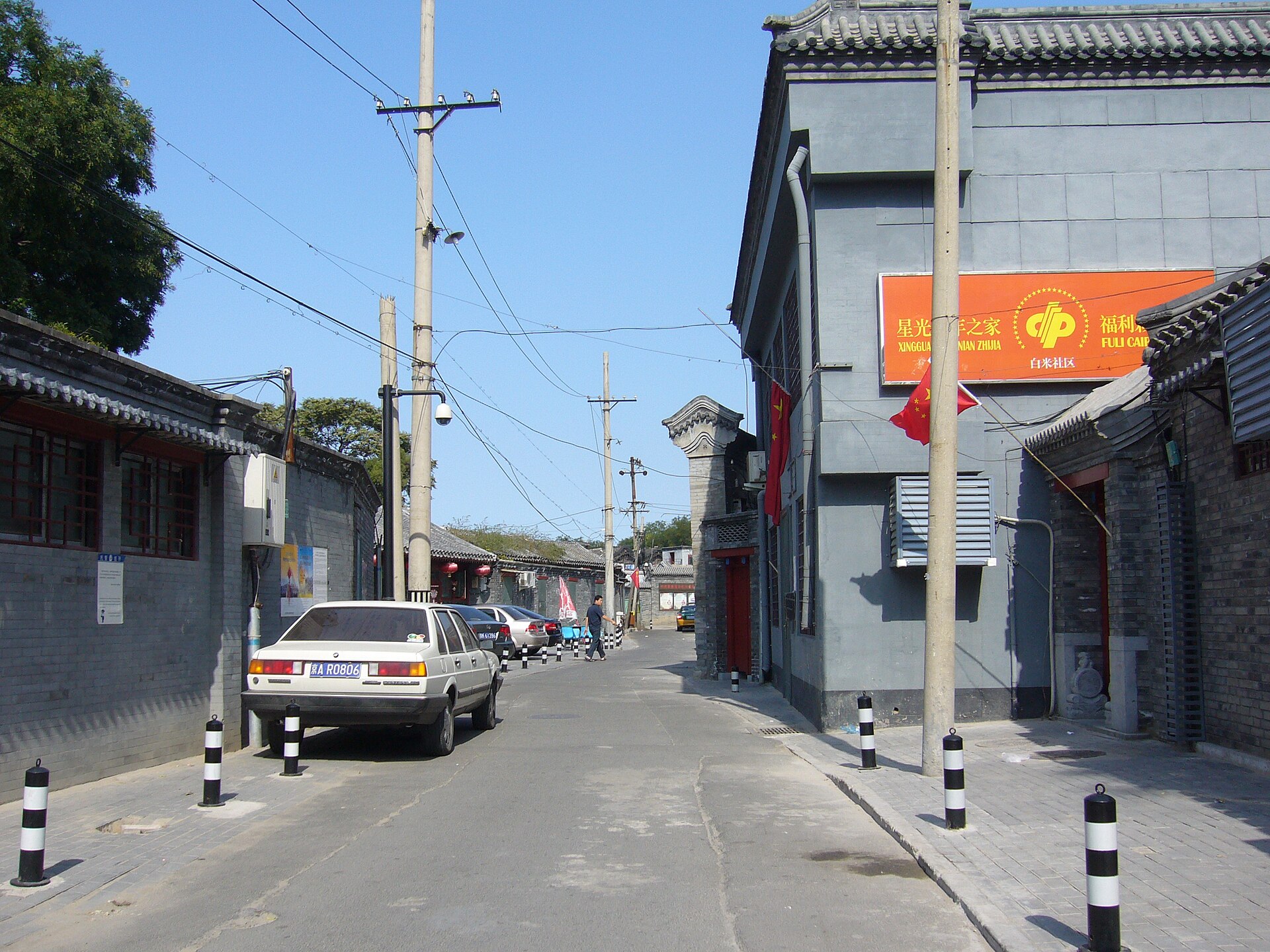
Beijing is flat, which makes the shared bikes from Meituan and HelloBike a genuine pleasure — especially for the narrow, level hutong lanes around Houhai that cars cannot reach. It is the most enjoyable way to wander the old quarters.
Unlock a bike by scanning the QR on its frame through the Meituan or HelloBike app (linked to Alipay or WeChat). Rental is charged in short time blocks and costs very little; just return it to a designated parking zone when you are done.
Beijing's bus network covers hundreds of routes that reach corners of the city the subway does not. Fares are very low, paid with a Yikatong card or a QR scan.
Honest note: most stops and route numbers are in Chinese only, so for visitors the subway is a much easier first choice. Buses become workable once you open Amap (Gaode), which has full bus data and tells you exactly which route to board — useful for specific trips with no subway nearby.
This matters more than people expect. Google Maps is unreliable in China — both the map and its public transit directions are frequently wrong or simply absent. Two apps give accurate, real-time transit directions without any workaround, while a VPN helps for other Google services such as Gmail or full Google Maps.
Amap has accurate, live data for every subway line, bus route, and intercity train in China. You can search destinations in English, and its transit planner gives step-by-step directions, down to which exit to use — no VPN required to use it.
Apple Maps in China uses Amap's data as its backend, which makes its transit directions for the Beijing subway accurate. If you have an iPhone, it is the path of least resistance — no extra app, no VPN.
If you want LINE, Instagram, Gmail or full Google Maps while in China, you will need a VPN installed and tested before you fly — most VPN websites are blocked once you are inside the country. See the full breakdown in the China internet, VPN and eSIM guide.
If there is one preparation that makes a difference, it is this: set up Alipay or WeChat with the subway QR ready before you leave home. Download the app, link a Visa or Mastercard through its international mode, and locate the Metro/Transport feature. When you land in Beijing, you will tap the phone at the gate and walk straight through — no queuing at a machine while tired and jet-lagged. And don't forget to carry your passport, since some X-ray checkpoints may ask to see it.
One more practical note: avoid peak hours if you can — 08:00–09:00 and 17:00–19:00 are genuinely crowded on the inner-city lines. If you are arriving from the airport or hauling luggage, shifting your journey outside these windows makes the whole experience easier.