Ask a Shenzhener what the local dish is and the answer tells you everything — there really isn't one. Forty years ago this was a fishing village; today it's a city of 17 million where almost everyone is from somewhere else. So the food identity here is the melting pot itself — and that mix is exactly what counts as local in Shenzhen.
This is one of the hardest cities in China to explain when someone asks about "local food." In 1979 Shenzhen (深圳) was still a cluster of small fishing villages on the Hong Kong border, before the government named it a Special Economic Zone in 1980 and young people from every province poured in to work, turning it into a megacity of around 17 million in a few decades. The result is that almost everyone in Shenzhen is from somewhere else — the most common opener in the city is "where are you from?" — and that's the key to why there isn't a single native dish to point to.
Told properly, Shenzhen's food identity is the diversity itself — a city that pools every regional cuisine in China, cooked by people who actually grew up with it rather than a chain working off a standardised recipe. Want Hunan stir-fries, Sichuan málà, Xi'an hand-pulled noodles, northeastern barbecue, northern steamed buns? They're all here, and often more authentic than elsewhere because there are people from that region eating in the room.
The base you'll find on every corner is Cantonese cooking (粤菜), because the city sits in Guangdong — morning dim sum, roast meats hanging in shop windows, soups simmered for hours, congee, noodles and rice rolls. Layered on top are the three traditions that give Shenzhen its signature: Chaoshan (Teochew, 潮汕), the largest migrant community and the one that set much of the city's baseline; the Hakka (客家), the original locals before the SEZ; and the Hunan-Sichuan food of the working population. Finish with the Hong Kong influence next door and the tea-and-coffee scene of a young city born right here. This page is the hub that ties all of it together — pick the deep-dive guide for any tradition below.
Starting from the city's Cantonese base, moving through the Chaoshan and Hakka signatures, the Hunan-Sichuan worker food, the Hong Kong influence, and the young-city scene.
1
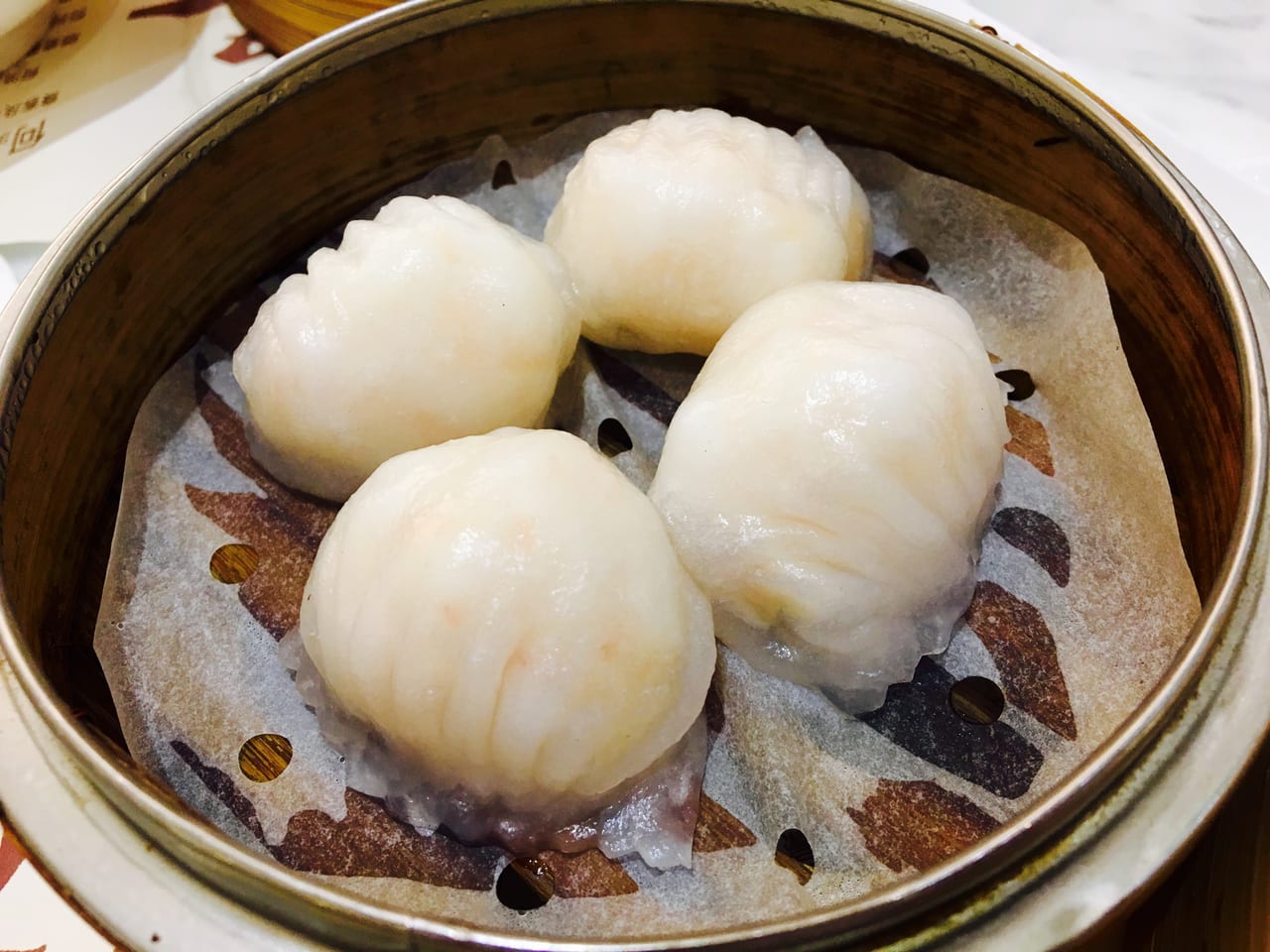
The roots you'll find on every corner, since Shenzhen sits in Guangdong — morning dim sum and tea (早茶) with har gow, siu mai, char siu bao and egg tarts; siu laap roast meats (烧腊), roast goose, char siu and soy chicken over rice; slow-boiled soups (老火汤) simmered for hours; and the everyday congee-noodle-rice-roll trio. It's the safe, easy place to start on a first visit — from air-conditioned halls in the business districts to morning stalls in the residential areas.
2
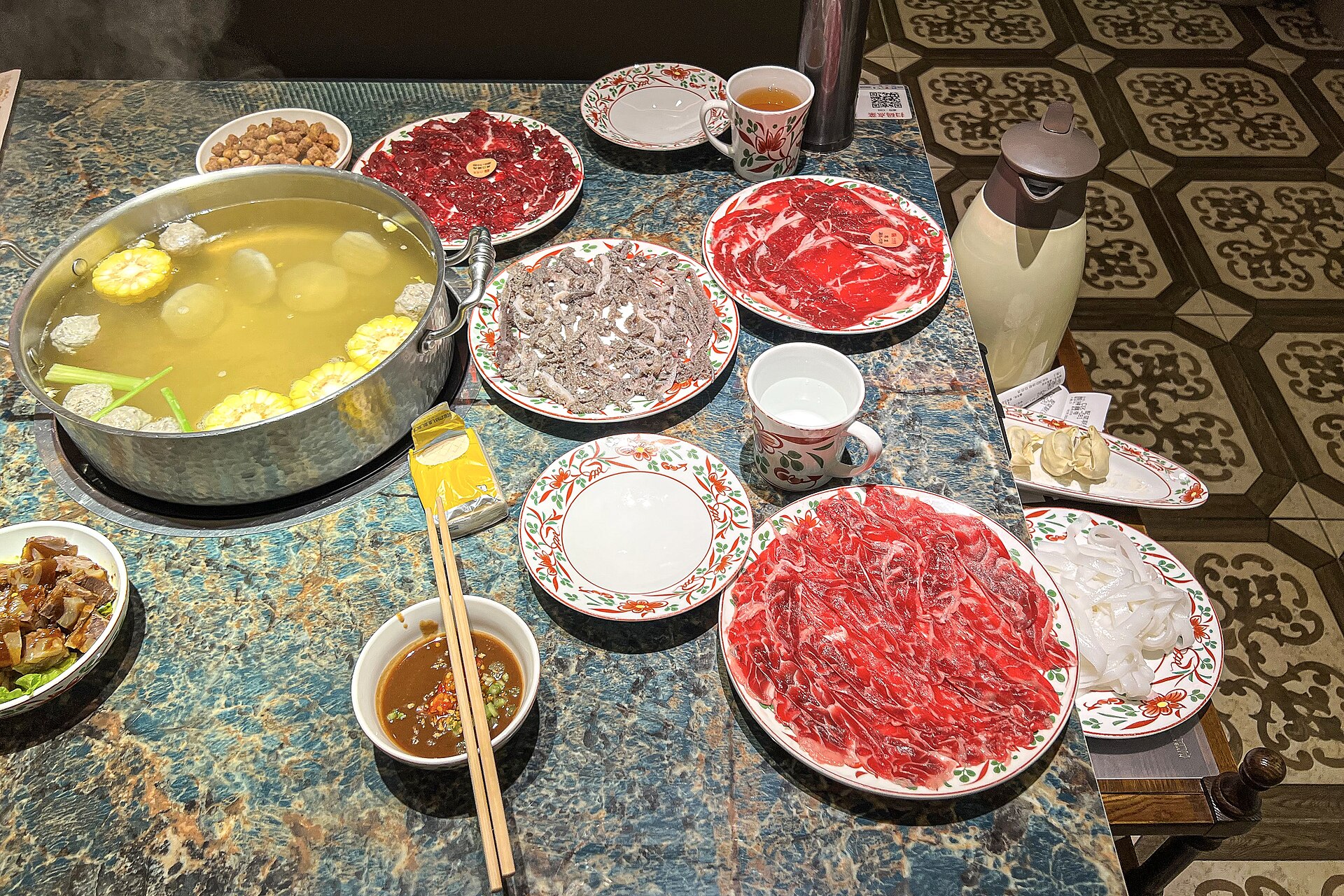
This is the tradition that gives Shenzhen its strongest signature — Teochew people from the Han River estuary (Chaozhou and Shantou) are one of the city's biggest migrant groups and set much of its baseline food culture. The highlights: fresh hand-sliced beef hotpot (牛肉火锅) in a clear, never-spicy beef-bone broth, dunked for seconds; braised goose (卤鹅); oyster omelette (蚝烙); hand-pounded beef balls; and seafood clay-pot congee (砂锅粥). The genuine places often have Chaoshan locals dining and chatting in the Teochew dialect — if you love quality beef and seafood, don't miss it.
3
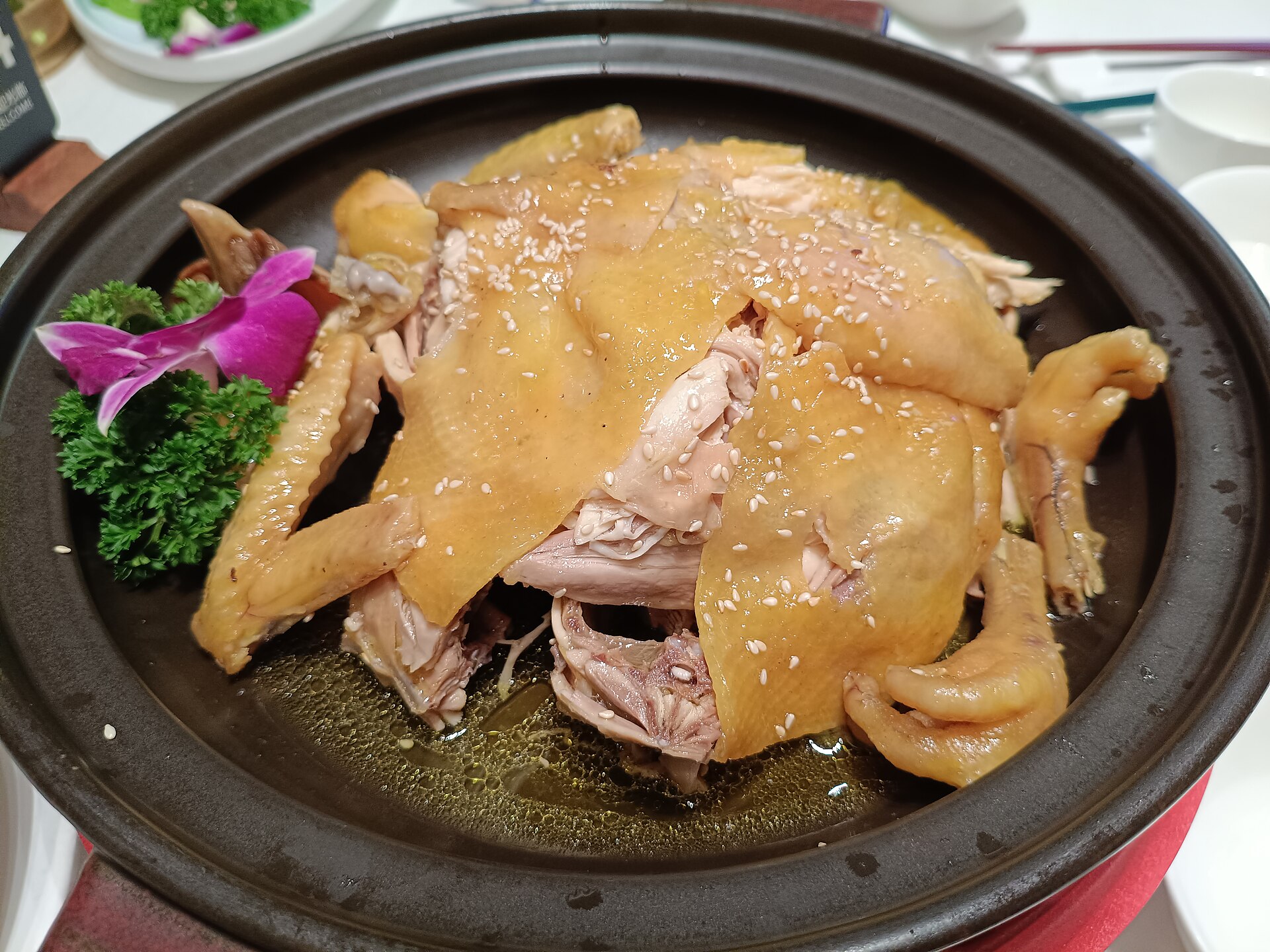
If anything comes closest to "original to the area," it's this — the Hakka were the original locals before the SEZ. The old villages of Bao'an, Longgang and the Dapeng (大鹏) peninsula were Hakka, with walled villages and old earthen houses such as Hehu New Village (鹤湖新居, built 1817) and the 300-year-old Gankeng (甘坑) old town. Signature dishes are salt-baked chicken (盐焗鸡), stuffed tofu (酿豆腐), pork belly with preserved greens (梅菜扣肉), and the communal poon choi (盆菜), a big basin layered with many ingredients shared by the whole table. Hearty, rustic, full-flavoured countryside cooking.
This is the tradition that tells the migrant-city story most directly — Hunan workers form the backbone of Shenzhen's working population, so humble Hunan rice-plate and stir-fry shops (湘菜) are everywhere and hold their own against places in Hunan itself. Fresh, chilli-forward heat, balanced by Sichuan food (川菜): there are enough Sichuan migrants here to support niche regional dishes you rarely find outside the province, not just chain-style mapo tofu and kung pao. This is working lunch — big plates, good value, properly spicy — the opposite of the fresh, unspicy Cantonese and Chaoshan style.
5
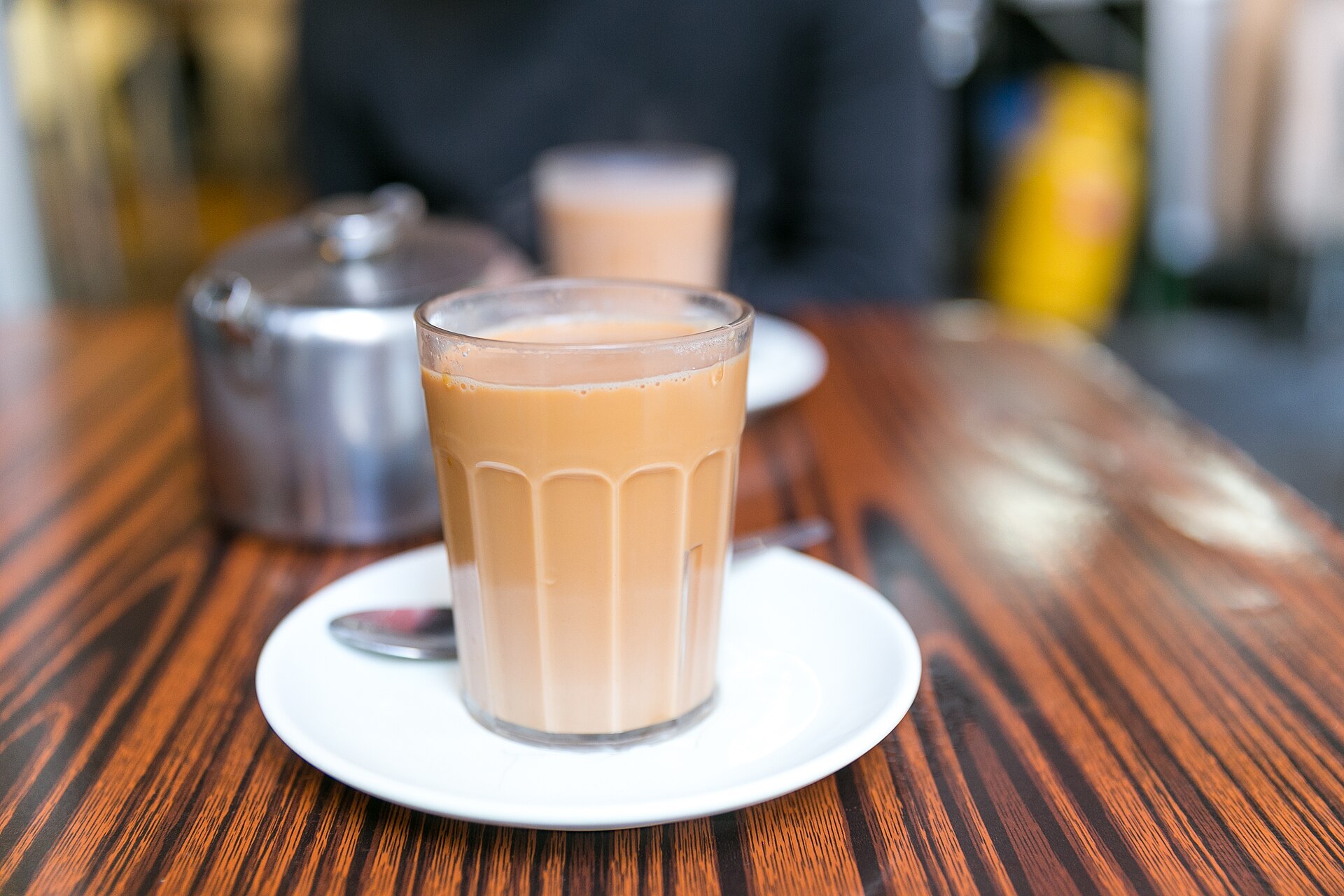
Shenzhen is just across the border from Hong Kong, so the HK food influence runs deep — especially the cha chaan teng (茶餐厅), the fast, cheap Hong Kong-style cafe. The star is HK milk tea (港式奶茶), strained through cloth until silky, strong and rich against condensed milk, paired with a pineapple bun (菠萝包), an egg tart, baked pork-chop rice, or the tea-coffee blend called "yuanyang" (鸳鸯). Tellingly, one of the most Cantonese things about the city is the Hong Kong weekenders themselves, crossing the border to eat and shop on their days off.
Shenzhen is a young tech city (Tencent, Huawei and DJI are based here), so the new-wave eating-and-drinking scene is especially lively — and the fun part is that two of China's biggest new-wave tea brands (新茶饮) have roots here. HEYTEA (喜茶) started in Jiangmen in 2012 (originally Royal Tea, 皇茶) and later moved its headquarters to Nanshan District in Shenzhen, while Nayuki (奈雪的茶) was founded directly in Shenzhen in 2015. Both pushed Chinese tea upmarket with quality leaf, fresh fruit and cheese foam. Layered on top is the specialty coffee of creative quarters like OCT-LOFT and Shekou — the taste of a young city.
The key is that almost everyone in Shenzhen is from somewhere else — when Hunan people open Hunan restaurants, Teochew people open Teochew restaurants, and Sichuan people cook Sichuan dishes for other Sichuanese, the flavours don't get flattened to a middle-of-the-road chain version. Some Sichuan dishes here are hard to find outside Sichuan itself, and a tiny Hunan rice-plate shop can rival what you'd get back in Hunan.
So when you plan a meal here, think in traditions, not "the dish of the city" — decide which tradition you're in the mood for today (Cantonese / Chaoshan / Hakka / Hunan-Sichuan / Hong Kong), then go find the standout place for it. That's the way to eat well and not be disappointed.
If you're only here for a few days, focus on the three traditions that are the city's signature: one — Cantonese morning dim sum, the easy and reliable base · two — Chaoshan beef hotpot for dinner, Shenzhen's biggest highlight and nothing like a numbing málà hotpot · three — a glass of HK milk tea or a HEYTEA / Nayuki bubble tea born right here as an afternoon break. With more time, branch into Hakka salt-baked chicken, braised goose and roast meats over rice.
Payment + language: most places run on WeChat Pay and Alipay — set one up linked to a Visa or Mastercard via tourist mode before you go. Many local places have no English menu, so show the dish photos from this article, or use a photo-translation app. Big malls and chains usually have picture menus that help.
Shenzhen is huge — knowing which community each tradition comes from, and which districts they cluster in, makes planning a meal much easier.
The city's roots, since it sits in Guangdong — dim sum, roast meats, slow-boiled soups, congee, noodles and rice rolls, found on every corner. Everything from air-conditioned halls in the business districts to morning stalls in the residential areas. It's the safe place to start if it's your first visit.
Shenzhen has a big Chaoshan population, so the restaurants for fresh hand-sliced beef hotpot, braised goose, oyster omelette, beef balls and seafood clay-pot congee (砂锅粥) are skilled and authentic. Clear broths, fresh flavours, no chilli heat — if you love quality beef and seafood, this is the city's highlight you shouldn't miss.
The Hakka were the original locals before the SEZ — the Hehu walled village (鹤湖新居, 1817) in Longgang, the 300-year-old Gankeng old town, and the old Dapeng fortress were Hakka and fishing country. The food is homely and hearty: salt-baked chicken, stuffed tofu, preserved-greens pork, and the communal poon choi. Look for Hakka restaurants (客家菜馆) in these districts.
Hunan and Sichuan worker food sits around office and residential areas citywide — proper heat at a low price. Layered on are the HK cha chaan teng (because of the border), the new-wave tea scene (HEYTEA / Nayuki) and the specialty coffee of creative quarters like OCT-LOFT and Shekou. Good for a cold drink and a sit-down.
This page is the overview that ties everything together — pick the deep-dive guide for each tradition below for what to eat, where, and how to order.