Picture a pot of clear beef-bone broth ticking away on the table, beside plates of fresh beef sliced paper-thin and laid out in glistening red ribbons. You pinch a slice with chopsticks, count one-two-three in the broth, then lift it out for the sand-tea dip. This is Chaoshan cooking — and Shenzhen's huge Teochew community makes it some of the best you'll eat outside its homeland.
Shenzhen grew from small fishing villages into a megacity in a few short decades, drawing over 17 million people from every Chinese province. One of the largest and most deeply rooted communities here is the Chaoshan (潮汕 / Teochew) people, from the Chaozhou–Shantou area in eastern Guangdong. They brought their home cooking with them — and they make it for real, because many of the cooks grew up eating it, not approximating it.
The heart of Chaoshan food runs against the idea that Chinese cuisine means heat and spice. It's all about freshness and the natural taste of an ingredient, especially never-frozen beef, seafood, and braises built up in long-simmered master stocks. Its most famous signature is hand-sliced beef hotpot (牛肉火锅), where each cut is dipped in clear broth for mere seconds, alongside lou-ngo braised goose (卤鹅), where the meat goes tender and soaks up the braise. We picked six dishes and categories that tell the fullest story of Chaoshan food in Shenzhen, with places locals actually queue for.
Starting with the beef hotpot — the dish at the heart of it, and the one Chaoshan people are proudest of
1
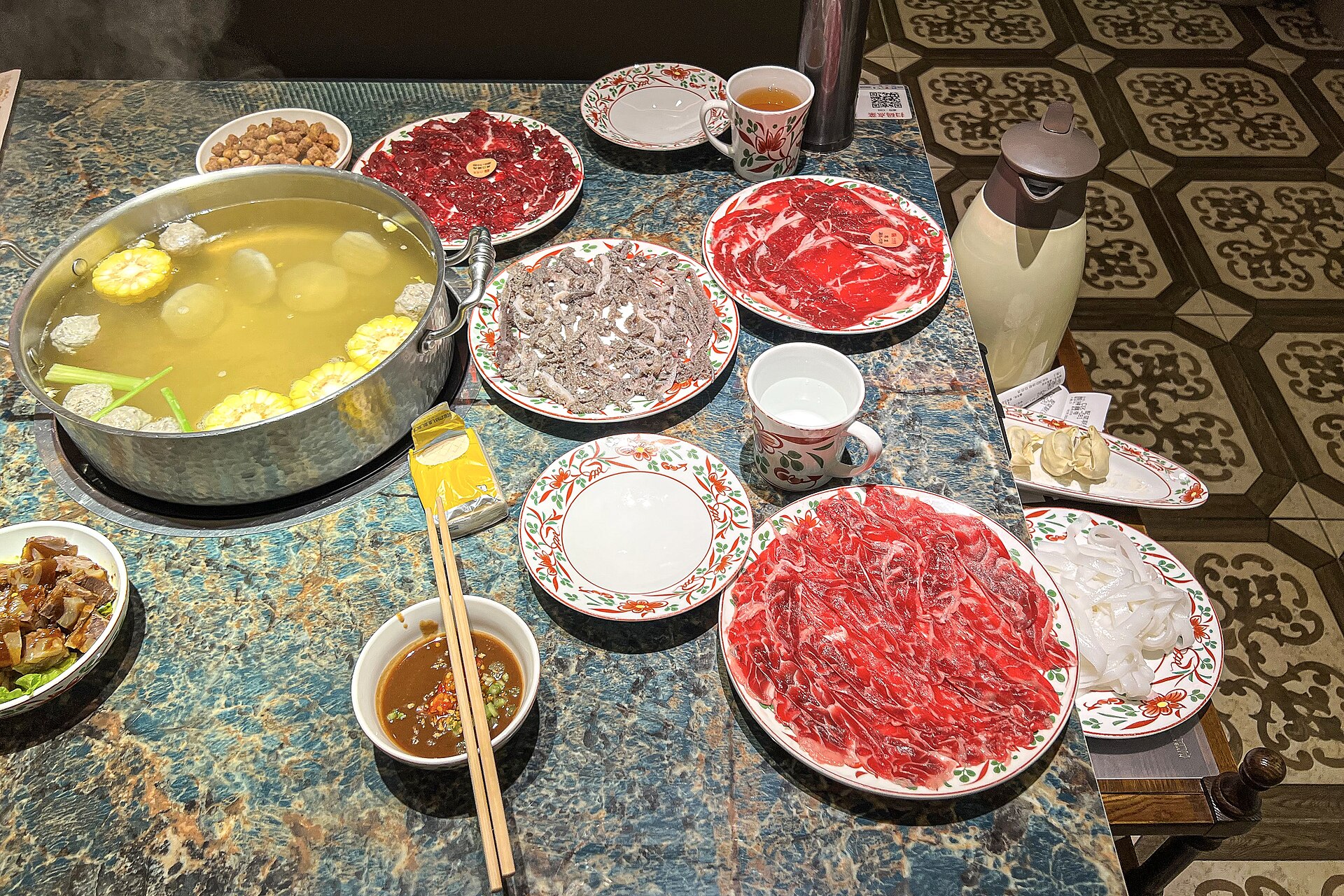
This is the dish Shenzhen will queue an hour for. It is not a spicy hotpot — the broth is a clear beef-bone soup with white radish, corn and goji berries, no chilli and no heavy spice, because the star is the never-frozen beef: slaughtered that morning, hand-sliced thin and sorted by cut, each part with its own name and dunk time. How to eat it: pinch a slice with chopsticks, count a few seconds in the broth, and the moment it changes colour, lift it out and dip it in sand-tea sauce. Leave it too long and the meat turns tough and loses its sweetness.
2
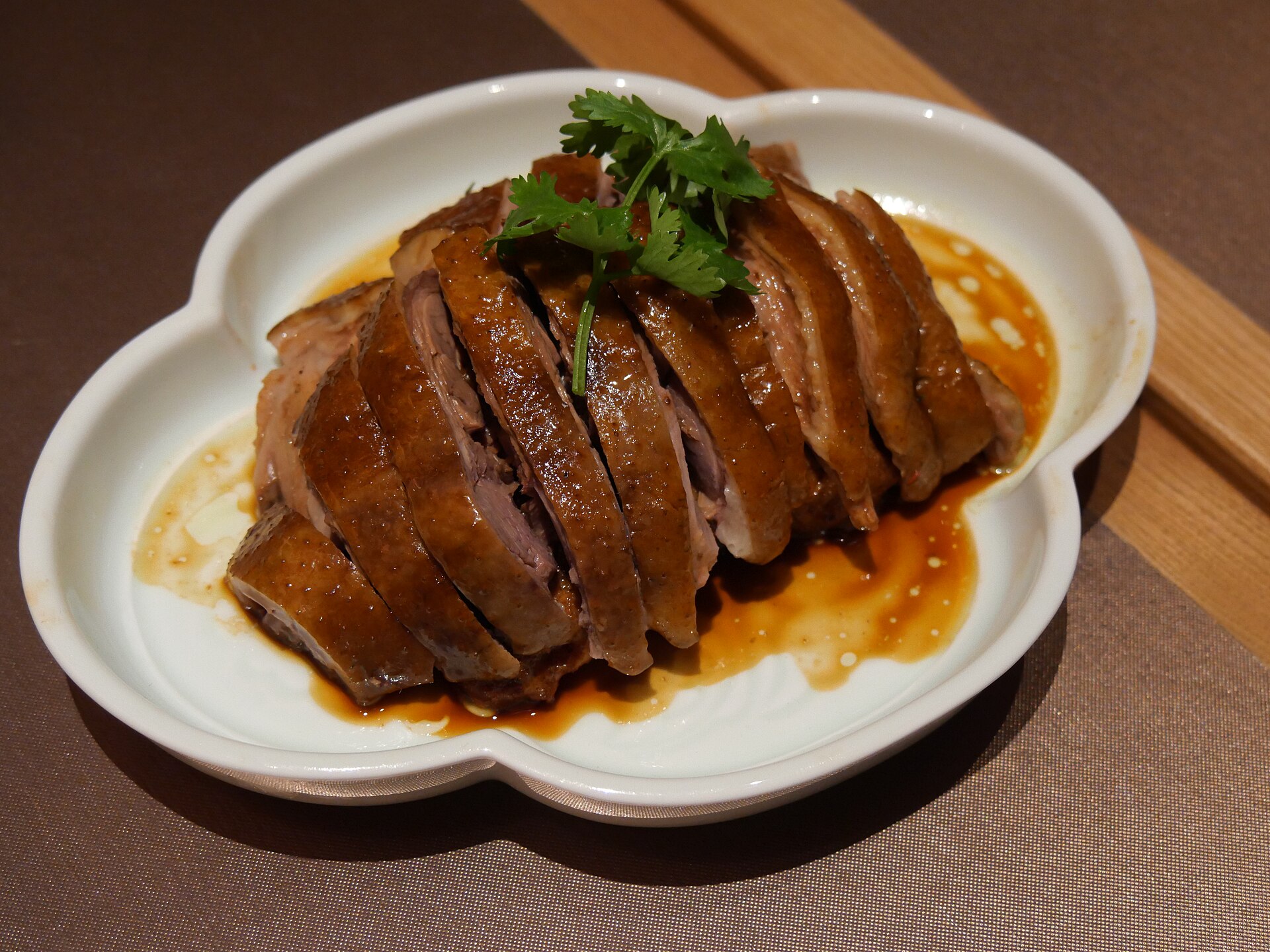
If beef hotpot is the lead, braised goose is the co-star. A whole goose is simmered in a dark master stock (卤水) that the shop has built up and topped over years, with more than ten spices, star anise and cinnamon, so the meat turns tender and soaks up the braise all the way through. It's sliced and served cold or warm with a garlic-vinegar dip to cut the richness. The prized breed is the lion-head goose (狮头鹅) from Chaoshan, the largest goose in the world; braised goose head and liver are premium cuts that some shops price high. Unlike crisp-skinned Cantonese roast goose, this is all about tender meat that's soaked up flavour.
3
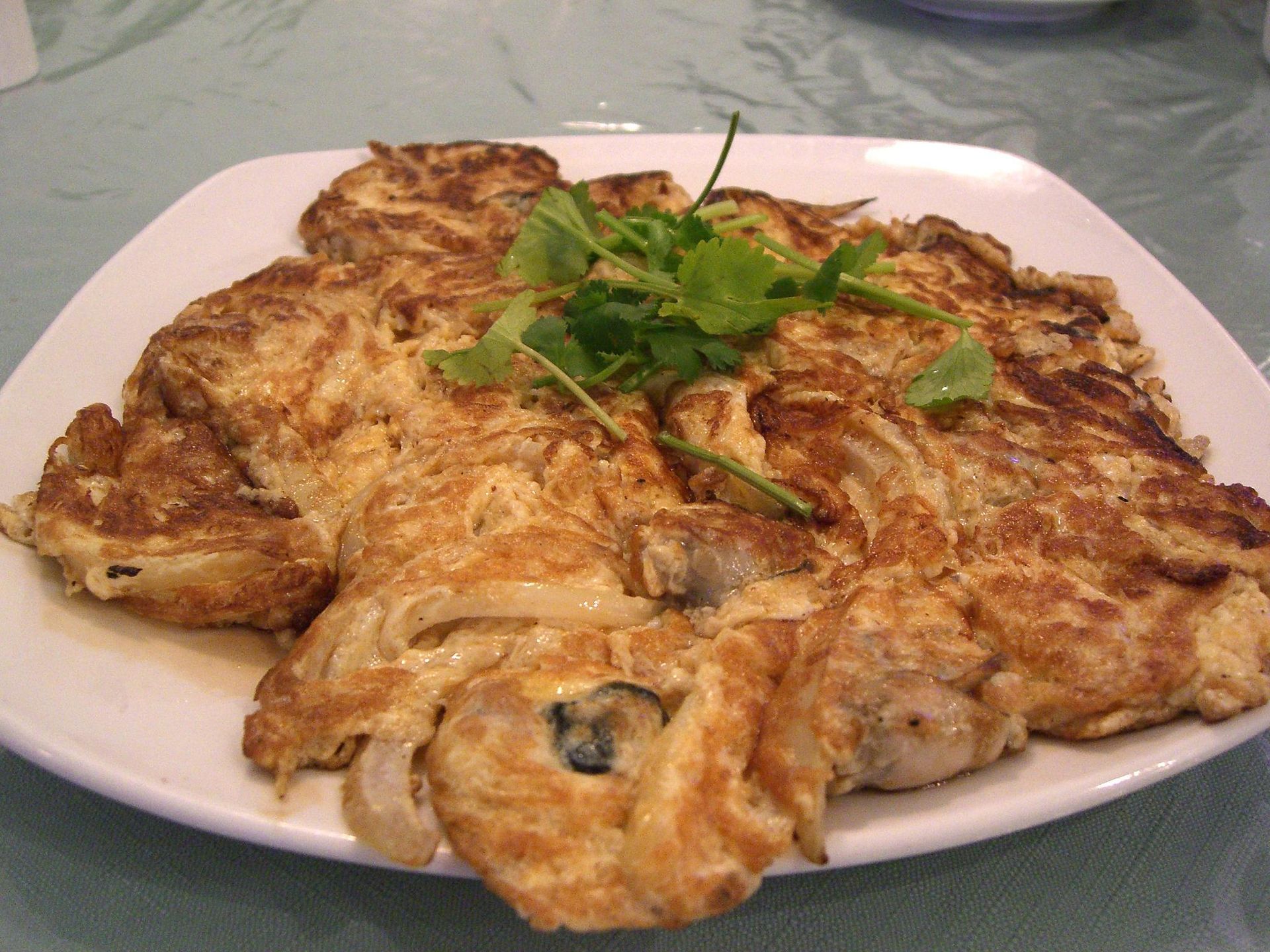
A Chaoshan home-table classic. The proper version (蚝烙) is crisper and thicker than the soft oyster omelettes you may have met elsewhere: a sweet-potato-starch-and-egg batter fried in a screaming-hot pan with plenty of oil until the edges go crackly and singed, while the inside stays soft and a little chewy, with plump fresh oysters running through it. It's served hot with a fish-sauce-and-chilli or sour-chilli dip and a squeeze of lime. A fried dish that plays nicely against the lightness of the hotpot — order it to share in the middle of the table.
The legendary late-night meal of the Chaoshan people — congee bubbling away in a clay pot, made to order in front of you. Unlike Cantonese congee, which is simmered until the grains dissolve into cream, Chaoshan clay-pot congee keeps the rice swollen but distinct. The rice is cooked in stock, then big sea prawns, crab, shellfish or fish go in fresh, and all that sweetness from the sea melts into the grains. It's finished with Chinese celery, spring onion and fried garlic — slurped hot, it's the most comforting thing going. Shenzhen orders it after midnight or as the last round of a drinking session; one pot easily feeds two or three.
Real Chaoshan beef balls are nothing like ordinary meatballs. They're made from pure fresh beef pounded with iron clubs thousands of times until the meat turns into a single springy mass, with no starch or barely any, so the texture is bouncy and bounces right back when you bite. There are smooth all-beef balls (牛肉丸) and a version with tendon running through (牛筋丸) that's even chewier and more fun. Eat them in the hotpot, blanched in a clear soup with Chinese celery on top, or in a bowl of beef-ball noodles — dipped in the same sand-tea sauce. They're the snack every Chaoshan household keeps on hand.
"Da-leng" (打冷) is the most fun way for a visitor to eat Chaoshan — the shop lines up already-cooked dishes served cool in trays at the front, and you walk along and point at what you want. There's chilled steamed fish (鱼饭), fish-sauce-cured crab (腌蟹), blanched prawns, pickled shellfish, braised goose, duck, tofu and egg, plus pickles and beans. It's great for sharing over beer, and the best part is you don't need to read a Chinese menu — you see the real thing and just point. It's the way to sample lots of Chaoshan dishes in a single sitting.
If you think Chinese hotpot means fiery mala, read this first — because Chaoshan is a completely different story
Plenty of people hear "Chinese hotpot" and picture a red, chilli-slicked pot with oil floating on top, numbing and fiery — the Sichuan or Chongqing (川渝) style built on beef tallow simmered with dried chillies, mala peppercorns and heavy spice. There, the broth is the star, and almost anything you boil in it tastes good because the soup is so bold. Chaoshan beef hotpot follows the opposite philosophy entirely.
Chaoshan hotpot uses a clear beef-bone broth seasoned only lightly with white radish, corn and goji — no chilli, no oil, no built-in heat. It's designed so the fresh beef is the star, not the soup. Never-frozen beef is naturally sweet and tender, so a few seconds in the broth is all it needs; a fiery Sichuan-style soup would simply bury that delicate sweetness. Put simply: Sichuan is about the flavour of the broth, Chaoshan is about the flavour of the meat — which is exactly why Chaoshan eaters care enough to sort their beef into named cuts.
Shenzhen is vast, but Chaoshan food is spread across the city — here's a simple steer before you set out
The older side of the city where the first arrivals settled, full of long-running local restaurants — including Chaoshan beef-hotpot houses, braised-goose shops and late-night congee spots. Wander the Dongmen (东门) area and you can eat your way around. Handy if you're staying near the Luohu border crossing.
The central district has plenty of air-conditioned Chaoshan restaurants and big-name chains inside malls. Good if you want beef hotpot in comfort — air-con, cards accepted, picture menus. The big chain Baheli Haiji (八合里海记) tends to have branches around here, with long queues on weekend evenings.
The outer districts have dense migrant communities, including a large Chaoshan population, and the genuinely authentic, well-priced Chaoshan restaurants often hide out here — around markets and snack streets. If you want a real local atmosphere and local prices, it's worth heading out of the centre.
The newer side of skyscrapers and tech firms, plus the Shekou waterfront with its nicer seafood and Chaoshan restaurants. Good if you want a clay-pot seafood congee or da-leng cold dishes in a relaxed sit-down setting. Several places here take cards and have staff who can manage some English.
Names and restaurant types locals recommend — use them as a starting point to search on Dazhong Dianping
The most talked-about hand-sliced beef-hotpot chain in Shenzhen, on the Must-Eat list of Dazhong Dianping (China's number-one restaurant-review app) for several years running, with many branches across the city. The draw is fresh hand-sliced beef served as separate plates by cut, a clear beef-bone broth, and the house sand-tea sauce. To be straight with you, the queues get long on weekend evenings — some branches run over an hour. Come early or come prepared to wait.
Beyond the big chain, Shenzhen has independent Chaoshan beef-hotpot houses all over. How to pick a good one without reading Chinese: look for a place that slices fresh beef by hand on display at the front, has trays of bright-red beef arranged by cut, and is full of locals. These places tend to be cutting all day because freshness is the whole point. If you see frozen beef or pre-rolled portions, it isn't the real hand-sliced thing.
Chaoshan braised-goose shops in Shenzhen come as both sit-down restaurants and take-away counters that chop goose into a box. The marks of quality are the master stock built up over time (the older it is, the deeper and more fragrant) and the goose itself — lion-head goose (狮头鹅) from Chaoshan is big and meaty. Order braised goose over rice with a garlic-vinegar dip for an easy meal, or get a sharing plate with congee. The premium cuts are braised goose head and liver.
Shenzhen never quite sleeps, and many clay-pot and Chaoshan congee houses stay open until 2–3am as the place people land after work or a night out. Order a clay-pot congee loaded with prawns and crab to share, or get plain congee with da-leng cold dishes picked from the counter. The mood is easy, the prices friendly — it's the warm side of a big city that a lot of visitors miss.