早茶 — Cantonese morning tea, the meal Shenzhen loves most
Quick on weekdays, but on weekends it becomes a long, leisurely family meal — this is the city's Cantonese inheritance.
 1
1
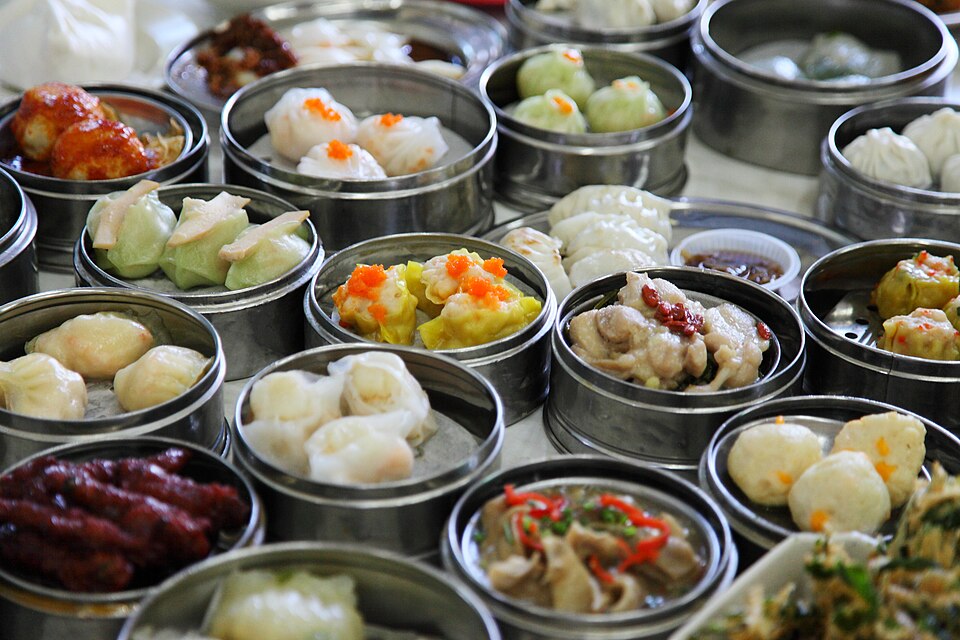
Shenzhen's Cantonese base begins with "zou caa" (早茶), morning tea. You pick a pot of tea, then order dim sum basket by basket — crystal-skin har gow, pork-and-prawn siu mai, char siu buns, egg tarts that shatter on the first bite, steamed chicken feet with black bean, and cheung fun. Because Shenzhen is a young working city, weekday breakfast tends to be quick (cheung fun, congee, baozi), and the long tea session is saved for weekends when families gather. For the full atmosphere, head to a dim sum restaurant inside a mall in Futian or Luohu mid-morning on a Saturday or Sunday.
 2
2
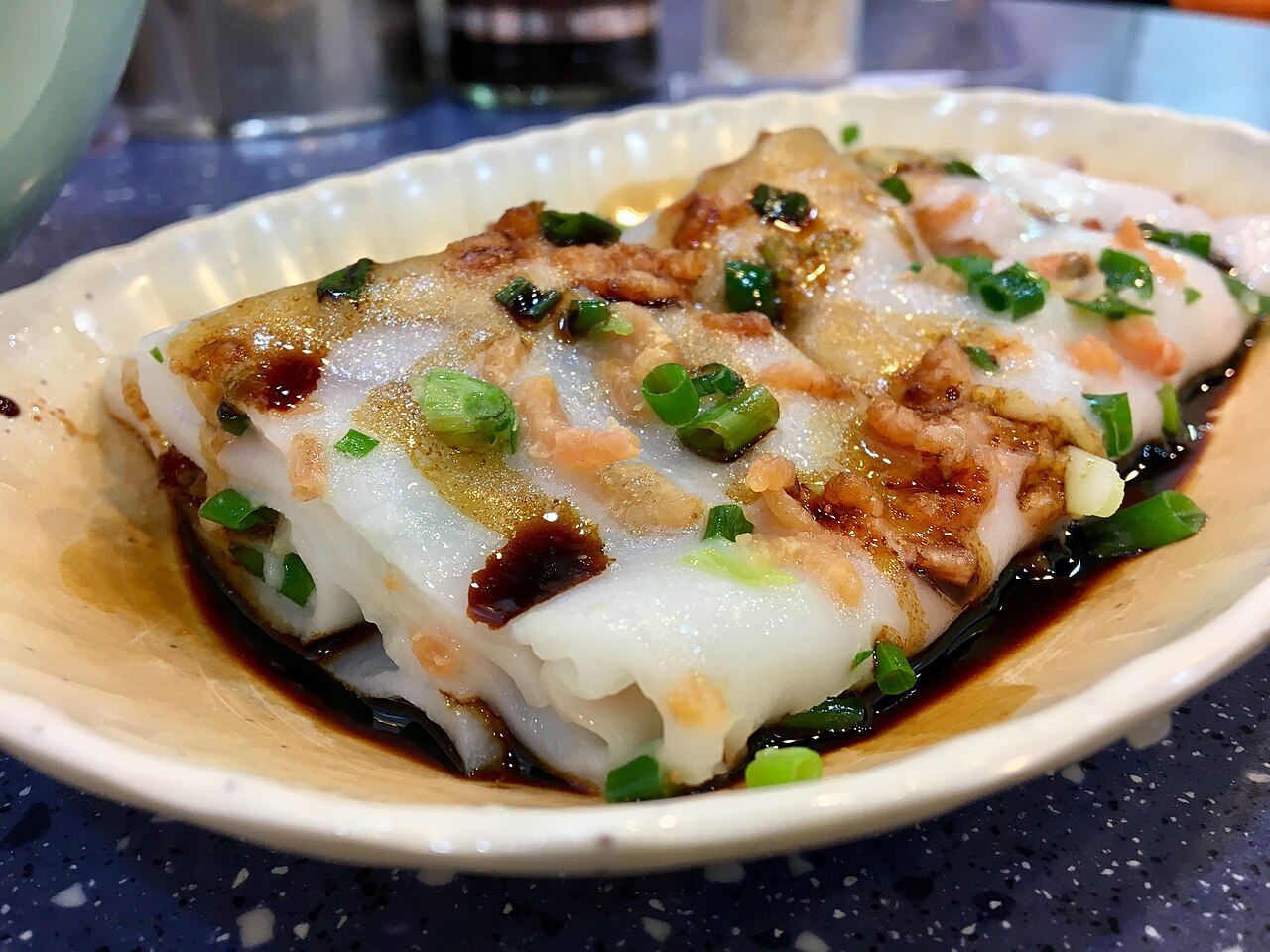
If morning tea is the weekend treat, "coeng fan" (肠粉) is the weekday breakfast Shenzheners actually eat every day. A good shop steams the rice-flour sheets fresh to order, one at a time — so thin and slippery you barely chew — with prawn, char siu, beef or egg folded inside, then dresses them in the shop's own sweet soy sauce, which some places simmer themselves until it's wonderfully fragrant. There are two styles: "laai coeng" (拉肠), the soft freshly steamed sheets, and "zyu coeng" (猪肠粉), plain rolled noodles in sauce. Add a bowl of congee and you're full for very little. You'll find it at morning stalls and small shops in residential areas across every district.
 3
3
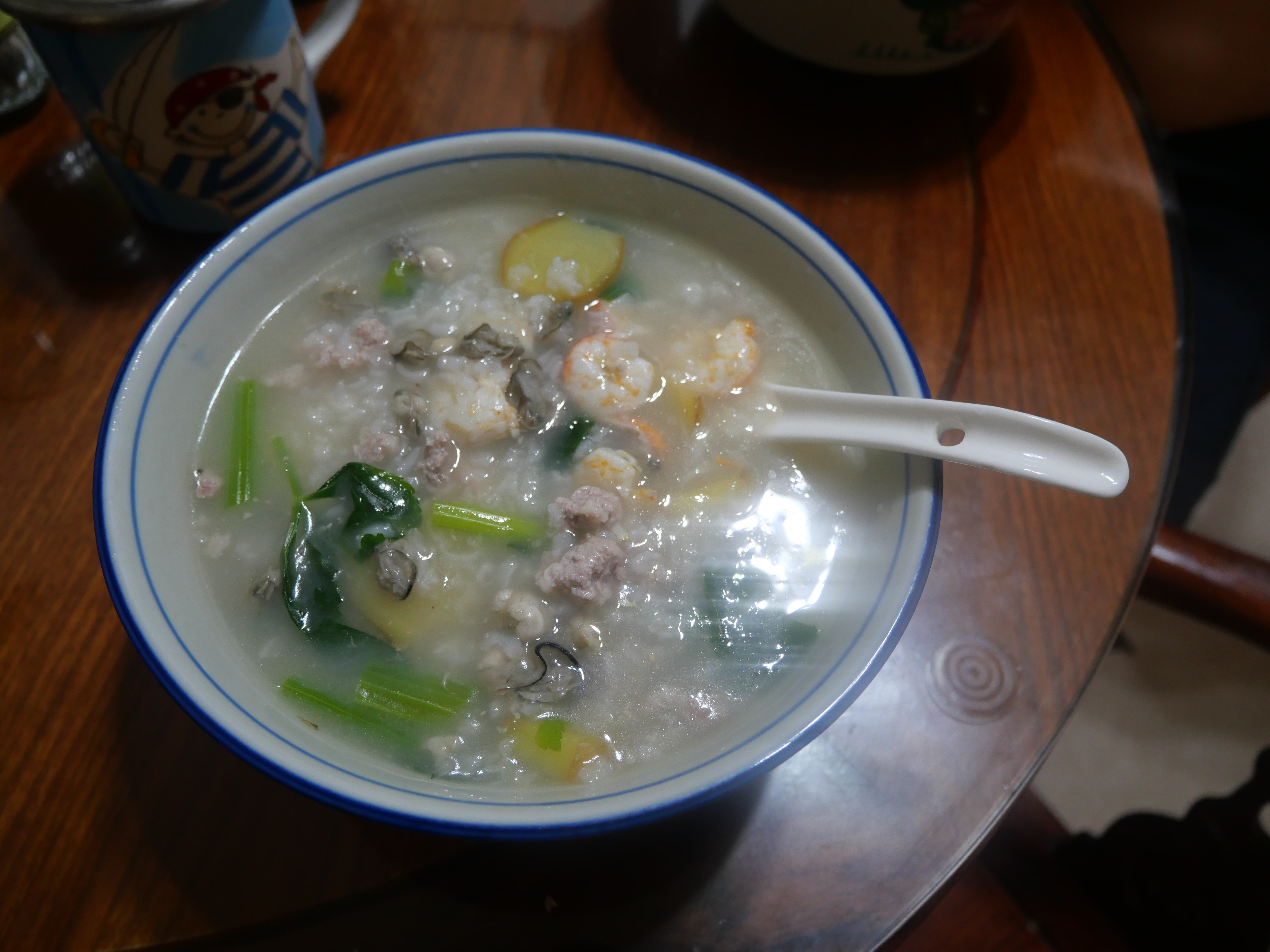
Now to the Chaoshan side, and Shenzhen has a big Teochew community. "Saa gwo zuk" (砂锅粥), clay-pot seafood congee, is quite different from Cantonese congee. Where Cantonese porridge is simmered until smooth and creamy, the Chaoshan version is cooked so the rice grains stay distinct — soft and bloomed but not collapsed — in a clay pot with broth, then fresh prawns, blue crab, clams or fish are dropped in to cook so their sweetness soaks into the rice. It's finished with celery and fried garlic. It works as a hearty breakfast and a late-night meal, and Teochew people consider it gentle and restorative. Clay-pot congee shops are spread across the city, especially in areas with a dense Chaoshan population.
 4
4
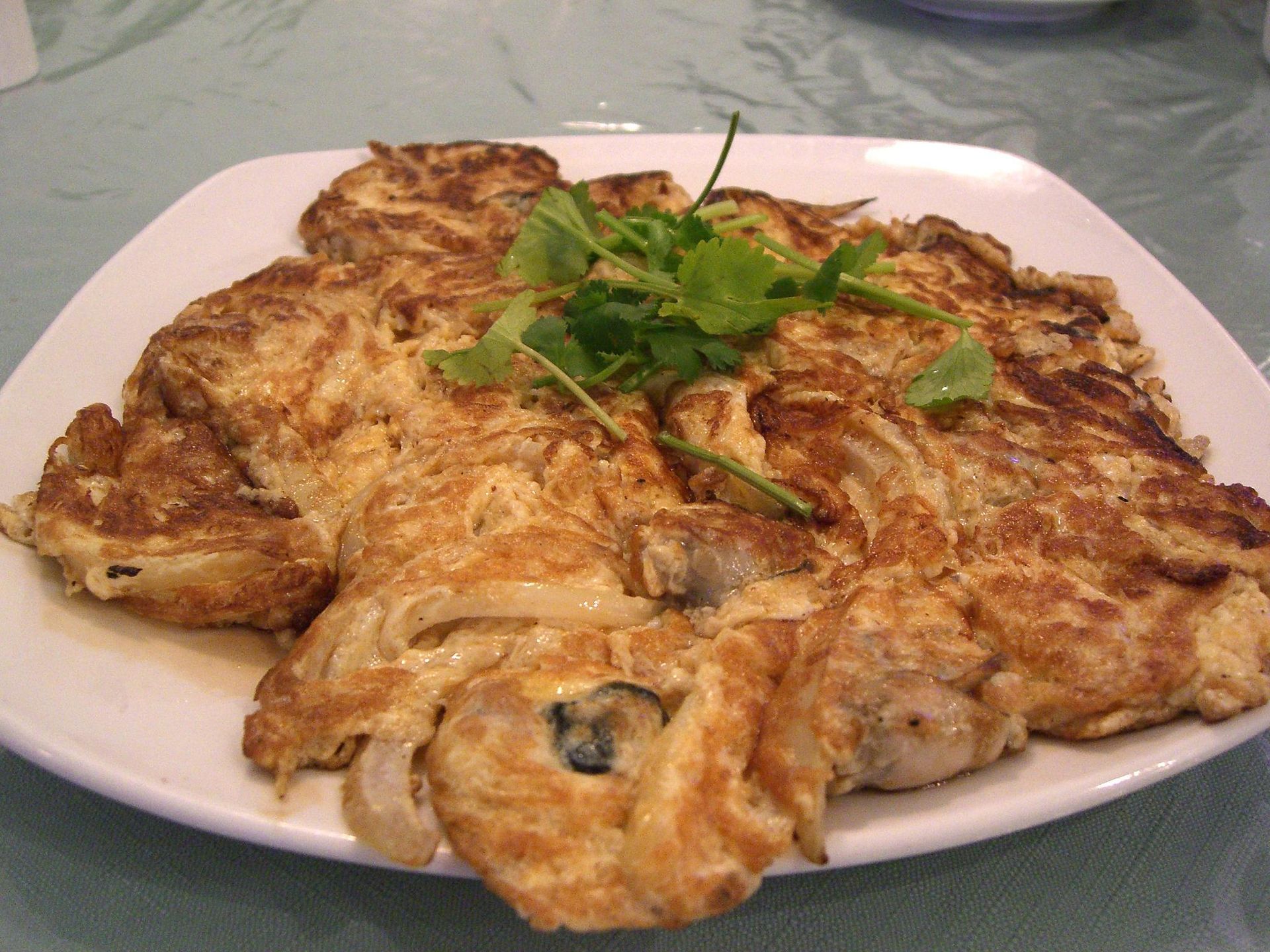
Many Southeast Asian visitors already know the oyster omelette — and this is the Chaoshan original, "hou lok" (蚝烙). Sweet-potato starch is mixed with egg and fried in a hot pan with fresh oysters until the edges turn crisp and golden while the centre stays soft and chewy, then finished with spring onion and coriander and served hot with chilli sauce (辣椒酱) or fish-sauce-and-chilli. A good Chaoshan kitchen uses plump fresh oysters and keeps the batter thin enough to crisp. In Shenzhen you'll find it both as a morning bite in Teochew congee-and-seafood shops and as an afternoon snack at stalls in food streets like Dongmen. It's one of the more approachable Chaoshan dishes for first-timers.
 5
5
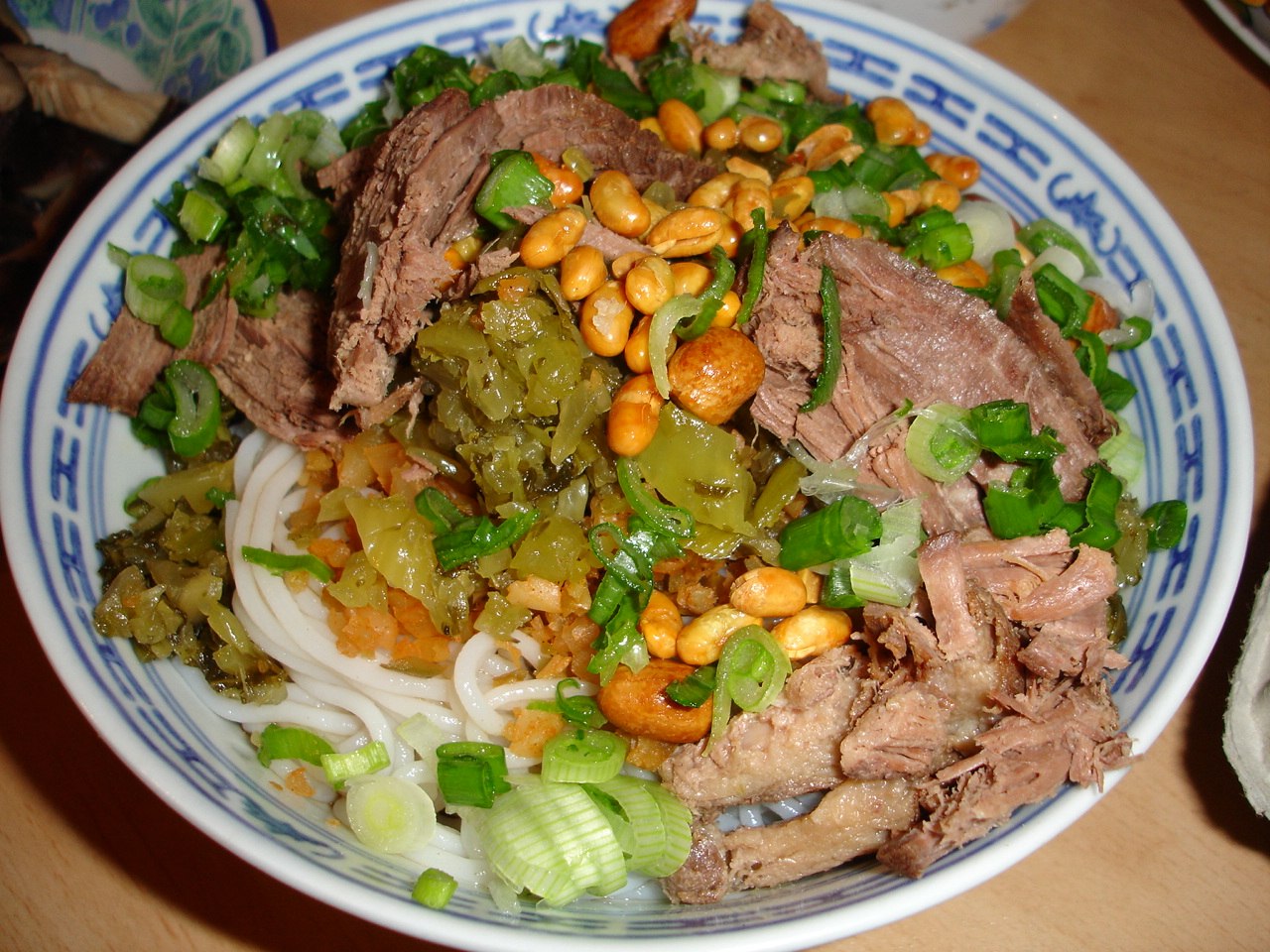
This is the breakfast that tells the migrant-city story most directly. Shenzhen has a large Hunan community who came to work, and they brought their Hunan breakfast noodles (湖南米粉) with them. It's hot rice noodles — in soup or dry — topped with "ma zi" (码子), the pre-cooked topping: spicy minced pork, braised beef, or stir-fried offal with chilli, then pickled chilli and roasted peanuts to taste. The flavour is bold and wakes you up in one bowl. It isn't a Cantonese dish at all, but you'll find it all over Shenzhen because Hunan people run the shops themselves — a clear example of how breakfasts from across China have collected in this one city.
 6
6
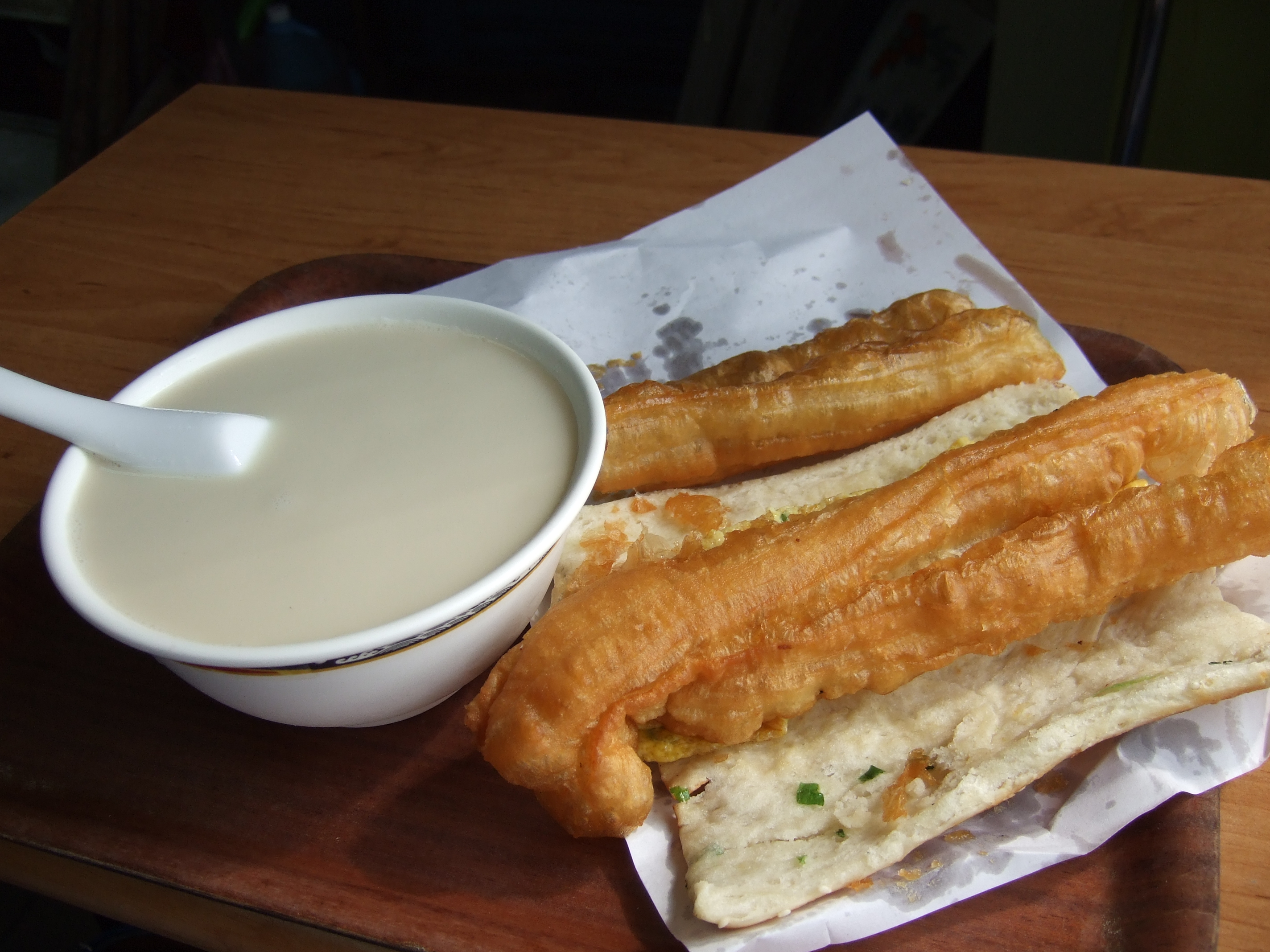
People from northern and central China who moved to Shenzhen brought their home breakfast too — and it's the easiest, most familiar set on this list. Baozi (包子) are hot steamed buns filled with pork and spring onion, vegetables, or prawn; you tiao (油条) is the Chinese fried dough stick, crisp outside and soft inside; and doujiang (豆浆) is fresh hot soy milk, served sweet or savoury. The traditional way to eat it is to tear off pieces of you tiao and dunk them in the soy milk so they soak it up. If you've just arrived in Shenzhen and aren't ready for the bolder dishes, start here — it's filling, cheap, and there's nothing intimidating about it. Find it at breakfast shops and chains like Yonghe King citywide.
 7
7
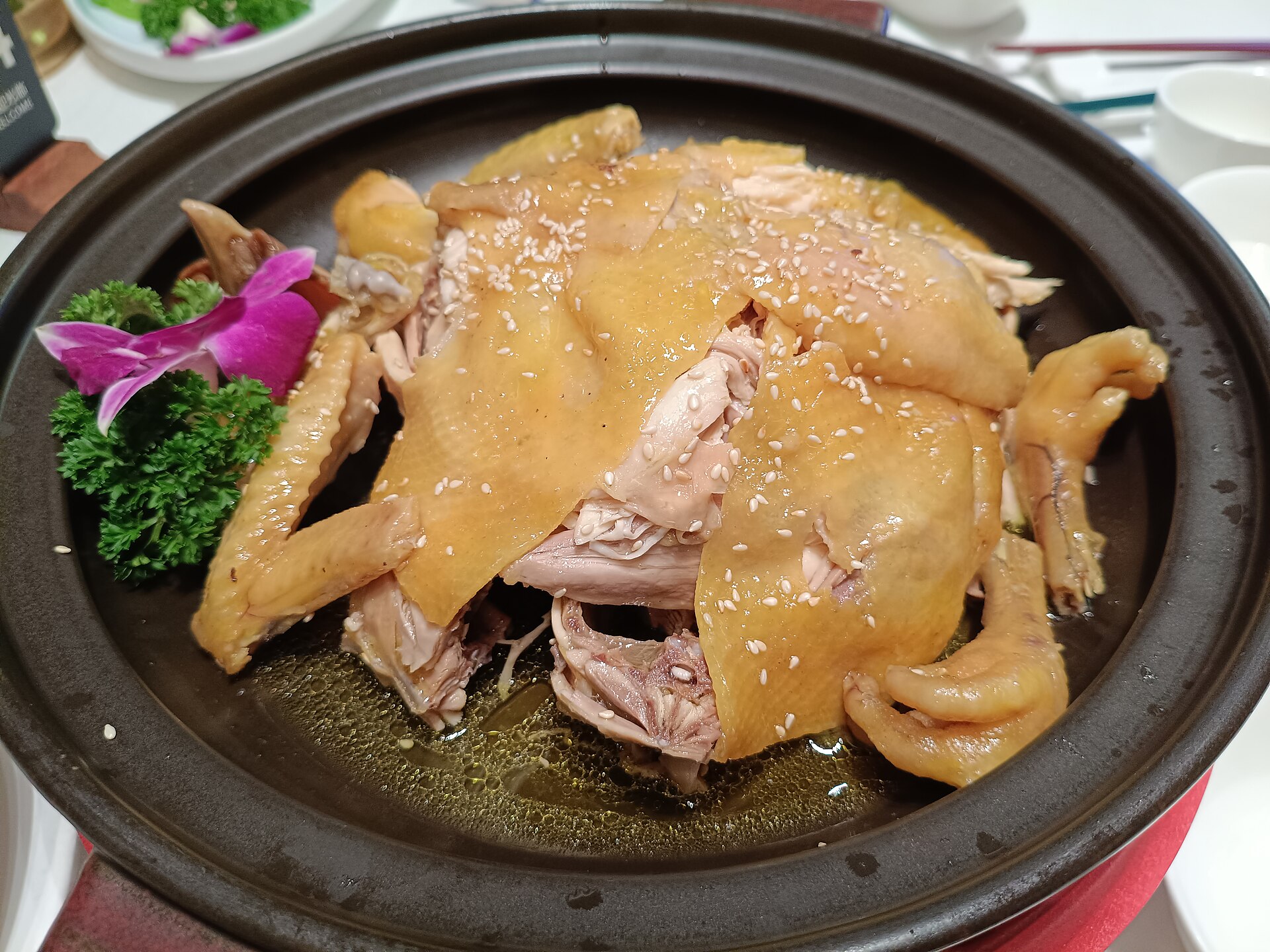
Long before the modern migrants arrived, the Hakka were the original locals here — the old villages of Bao'an (宝安) and Longgang (龙岗) were Hakka country. Hakka breakfast is homely and robust, the food of the countryside: Hakka rice congee eaten with salted sides and pickles, buns stuffed with preserved mustard greens, and heartier plates like salt-baked chicken (盐焗鸡), a whole bird baked in hot salt until the skin turns glossy and golden, or stuffed tofu (酿豆腐), which some shops serve from early on. Hakka food is found at Hakka restaurants (客家菜馆) in Longgang and Bao'an, and it's the oldest flavour in this area — from before the city became a metropolis.
 8
8
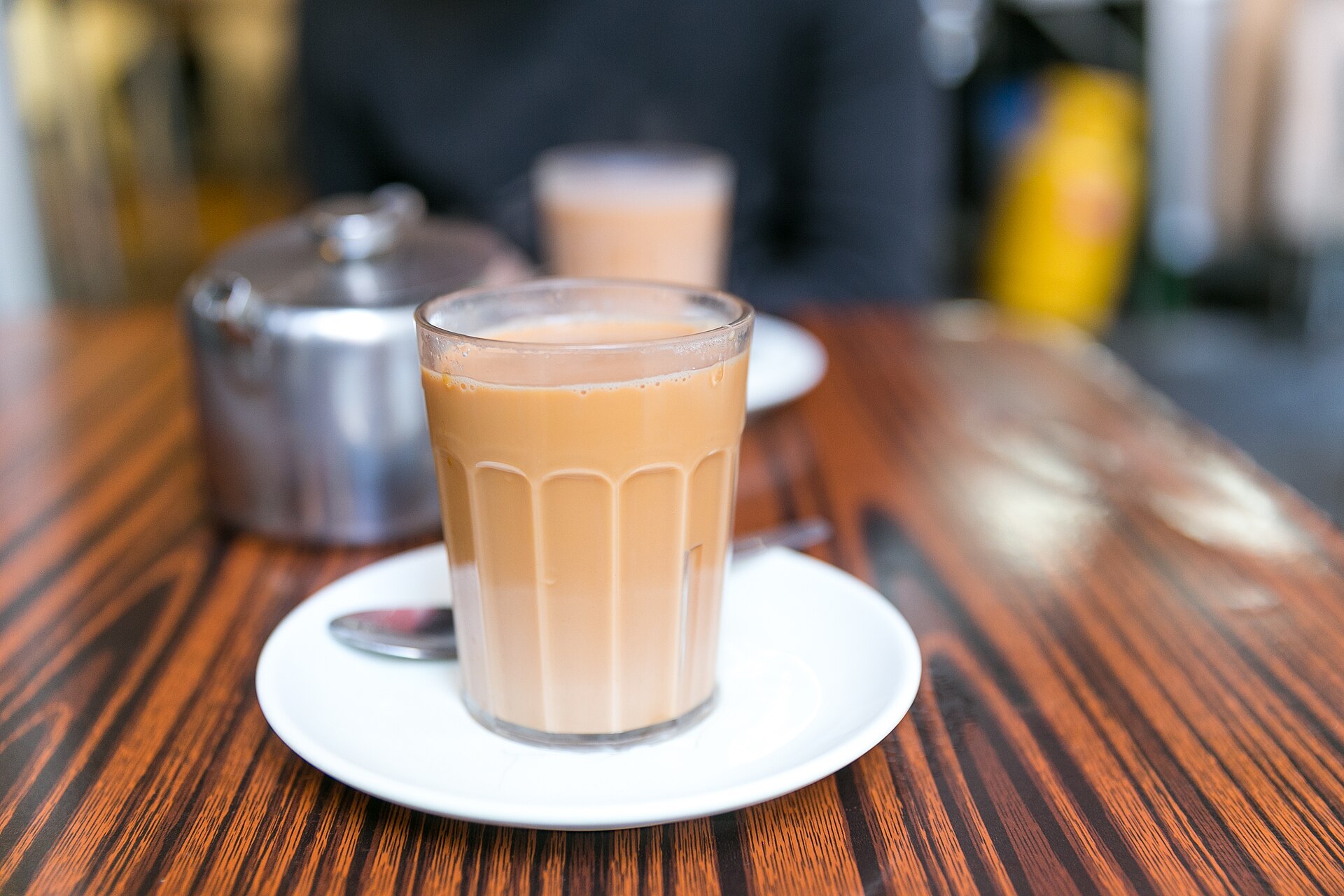
Shenzhen is just across the border from Hong Kong, so the Hong Kong breakfast has soaked right in — especially the "cha chaan teng" (茶餐厅), the Hong Kong-style cafe serving fast, cheap breakfast sets. The star is Hong Kong milk tea (港式奶茶), strained through a cloth bag until silky (nicknamed "silk-stocking tea"), strong and fragrant against condensed milk, served hot or iced. Pair it with a pineapple bun (菠萝包) with its crisp sweet top, an egg tart (蛋挞), soy-sauce eggs with buttered toast, or instant noodles with ham and egg. If you want the Hong Kong coffee-and-tea mix, order a "yuenyeung" (鸳鸯). It's an easy, low-cost breakfast that Shenzheners have every day.