Picture opening the curtains in the morning and seeing 52 European-era buildings lined up along the river. That is the Bund — and that is why first-time visitors almost always end up here.
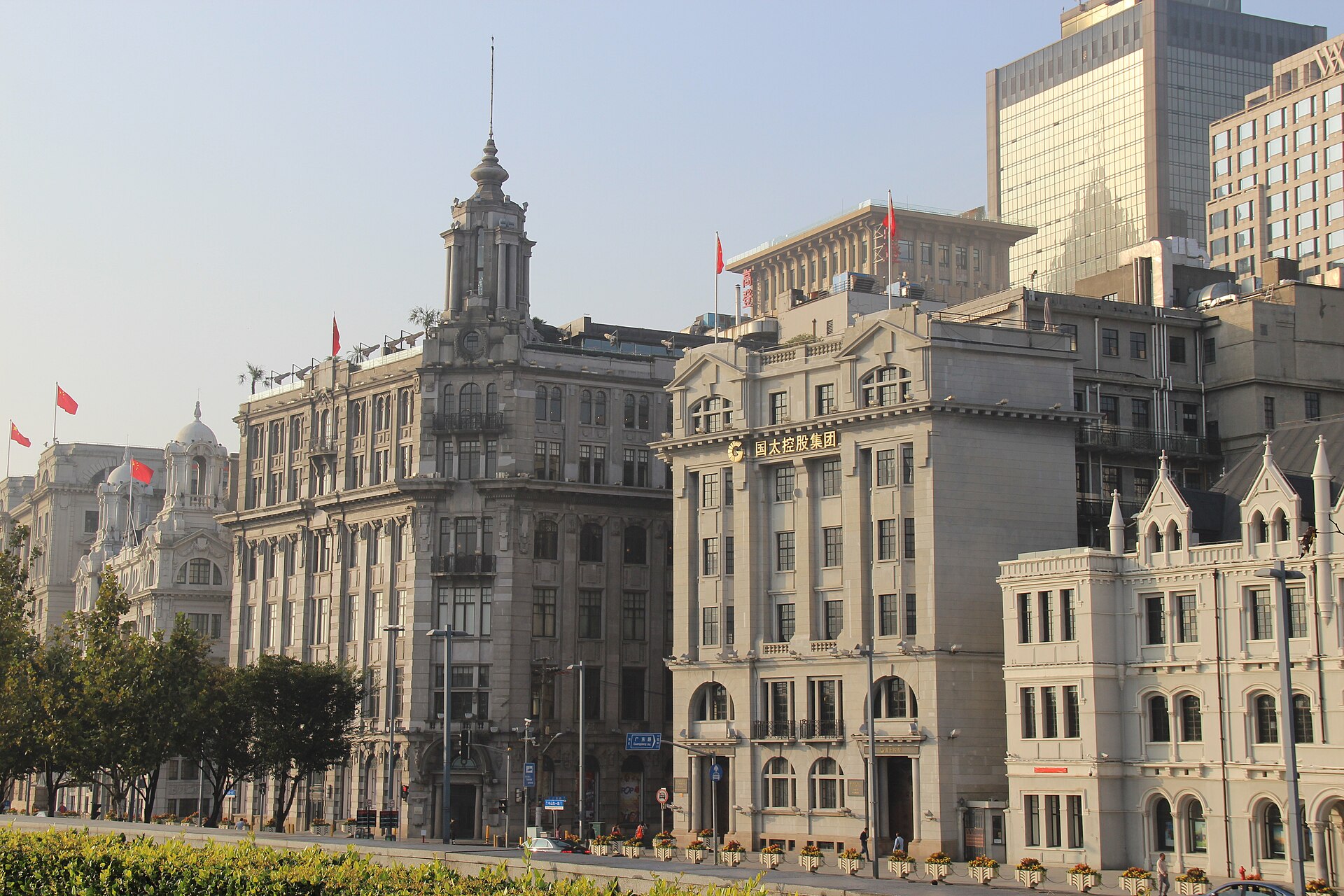
If you are coming to Shanghai for the first time and do not know where to base yourself, this is the area that is hardest to get wrong. The Bund (Waitan, 外滩) is a 1.5-kilometre waterfront promenade backed by more than 52 neoclassical and Art Deco buildings constructed between roughly 1920 and 1940, when Shanghai was the largest international trading port in Asia. Those buildings still stand facing the Huangpu River today. Across the water is Pudong — the modern skyline with the Oriental Pearl Tower, Shanghai Tower (632 m, China's tallest), and Jin Mao. The view from the Bund looking east is a literal collision of past and future that no other city on earth has managed to replicate.
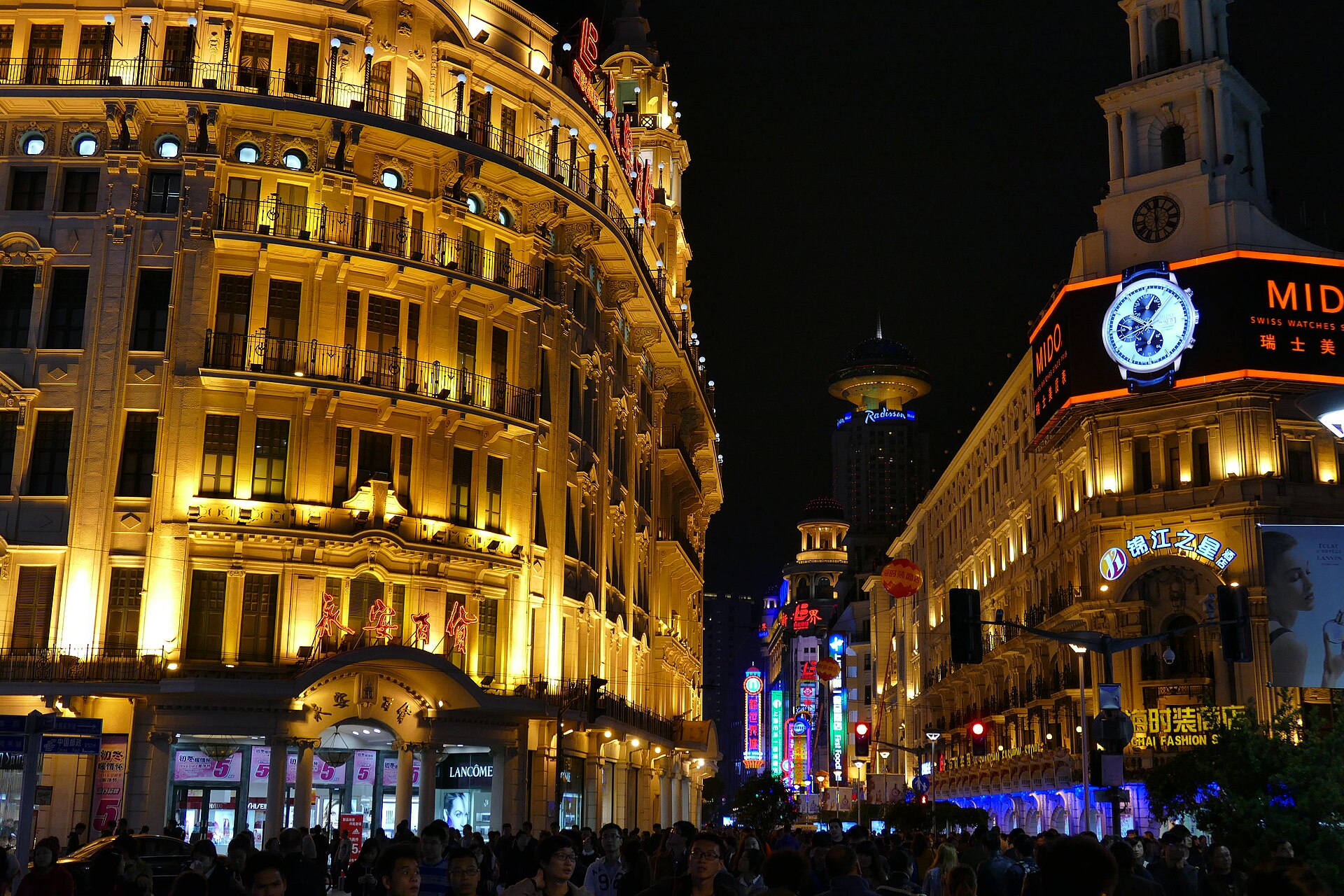
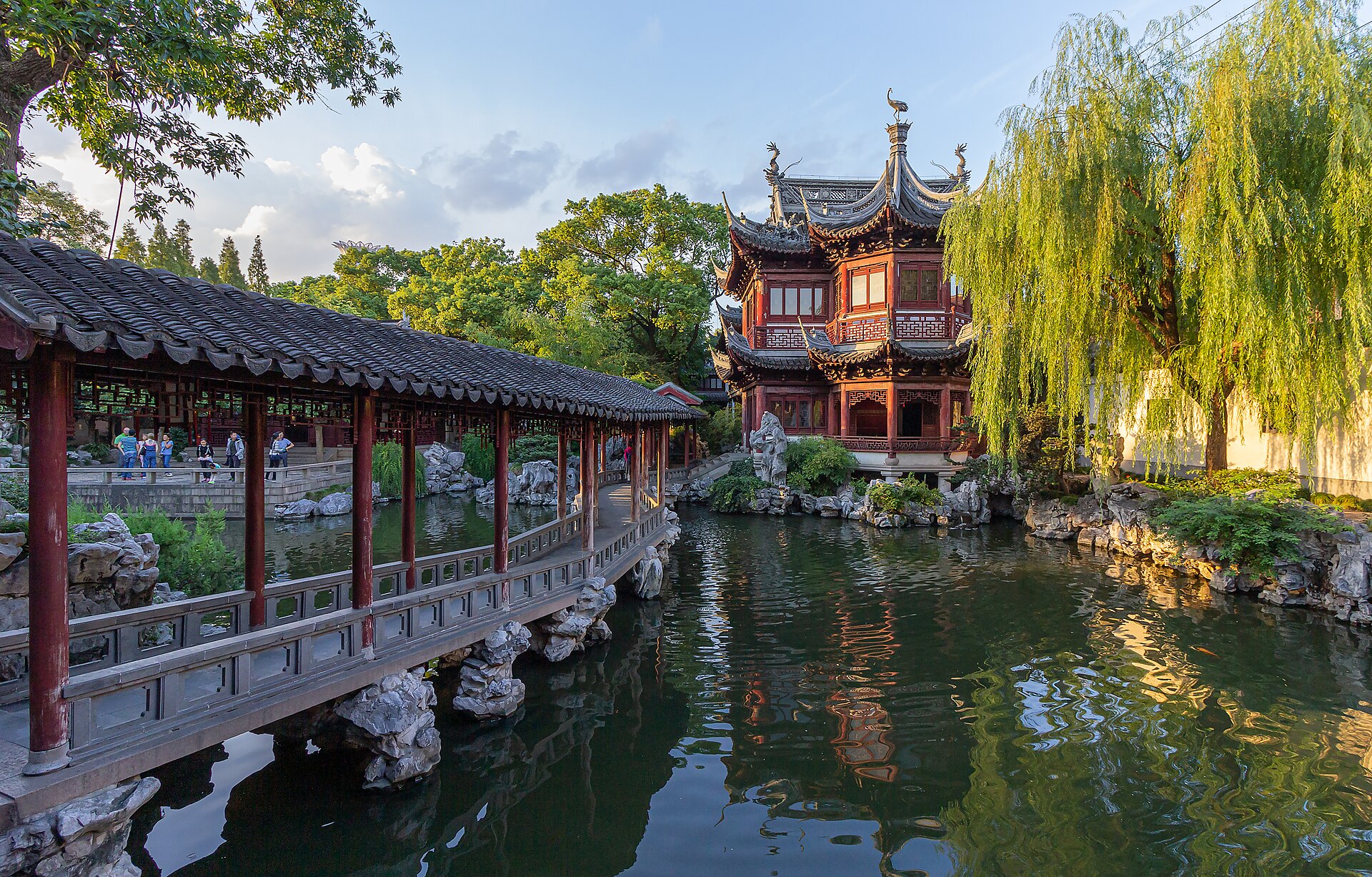
The Huangpu district that contains the Bund is considerably wider than just the waterfront. Running west from it is East Nanjing Road (Nanjing Dong Lu) — China's busiest pedestrian shopping street, a river of neon and old department stores stretching from the riverside to People's Square. At the far end sits People's Square (Renmin Guangchang, 人民广场): a large public park containing the Shanghai Museum, the Grand Theatre, and — crucially — the biggest metro interchange in the city, where Lines 1, 2 and 8 all meet. Push south from there and you reach Yu Garden and the Old Town (Yuyuan, 豫园), a Ming-dynasty classical garden surrounded by a bazaar that is the most authentically "old Shanghai" corner still standing.
What makes this the most practical first-timer base is simple: the Bund, East Nanjing Road, People's Square and Yu Garden all sit within a 25-minute walk of each other. No planning required. Walk out the door and you are already somewhere worth being.
Compiled from real guest reviews — this area has strong advocates and people who wish they had stayed elsewhere. The difference usually comes down to what kind of traveller you are.
The honest framing: the Huangpu district is the most tourist-dense area in Shanghai. On weekend evenings the Bund promenade fills up considerably, and Nanjing Road is busy at almost all hours. That density is the trade-off for unbeatable convenience.
If this is your first Shanghai trip, this area is the lowest-risk base in the city. The Bund is a short walk from your hotel. When you want Pudong, Line 2 takes five minutes to Lujiazui. The most important landmarks all fit inside a half-hour walk from the People's Square centre. You cannot misplace yourself.
A river-facing room at the Peninsula or Waldorf Astoria is one of the most memorable hotel experiences in Asia — guests who book it consistently describe waking at 2 am, looking out at a lit-up Pudong, and feeling the money was justified. The price premium is real (starting around ¥2,000+), but the experience is genuinely singular.
People's Square metro interchange is the most connected point in Shanghai. Line 1 north to Jing'an; Line 2 east through Lujiazui to Pudong Airport; Line 8 south. If your itinerary covers multiple neighbourhoods in a single day, being based here means you spend less time on the metro and more time at your destinations.
If busy tourist streets drain you, the Jing'an or Former French Concession neighbourhoods offer a calmer residential pace without sacrificing metro access. For budget travellers who want the best room for their money, you often get more for the same spend just a couple of metro stops away — the full breakdown is at where to stay in Shanghai.
Properties directly fronting the Bund — The Peninsula (9.4), Waldorf Astoria (9.0) — occupy historic buildings on the waterfront itself. River-view rooms start at roughly ¥2,000–4,000 (~฿10,000–20,000) per night. The honest advantages: a two-minute walk to the promenade, the view from your window is genuinely extraordinary. The honest caveats: street noise from the riverside road can reach some rooms, and if the view is not your primary motivation, you are paying a premium that does not translate into other benefits.
Reviews: Fairmont Peace Hotel (8.8 · Art Deco 1929) · Banyan Tree on the Bund (8.8)
East Nanjing Road is illuminated and busy every evening — a pedestrian boulevard of old department stores, snack stalls and neon signage that captures something of old Shanghai's commercial energy at night. Hotels here, such as Atour Hotel Nanjing Road (8.6) and Hanting (8.2), run roughly ¥350–800 (~฿1,750–4,000) per night. Ten minutes on foot to the Bund, ten minutes to People's Square — the midpoint of everything.
Reviews: ibis Nanjing Road (8.3) · Atour Light Shanghai Bund (9.6)
People's Square is a large public park and civic hub at the geographic centre of Puxi, surrounded by the Shanghai Museum, the Grand Theatre and three metro lines. Hotels here deliver the best value-per-yuan in the Huangpu area. JI Hotel People's Square (9.5, ~9,300 reviews) runs around ¥300–500 (~฿1,500–2,500) per night. Radisson Blu New World (8.5) is in the same zone. For anyone whose itinerary spans multiple neighbourhoods, being at the main interchange is the most practical call in the whole city.
Reviews: Yangtze Boutique Shanghai (9.0 · original 1934 Art Deco) · Jinjiang Inn People's Square (8.0 · budget entry)
The Yu Garden area is the most "old Shanghai" corner that still exists — the nine-turn zigzag bridge over the carp pond, Nanxiang Xiaolongbao dumplings with the long queue, the City God Temple bazaar with its incense and craft stalls. Hotels here are roughly a ten-minute walk from the nearest metro (Line 10, Yuyuan Garden station). The trade-off is clear: if your itinerary requires frequent metro use across the city, the People's Square zone is a more efficient base. If you want the old-town atmosphere outside your window every morning, this corner delivers it.
Reviews: Radisson Blu New World (4-star, 8.5) · Campanile Hotel Bund (9.2)
Free to walk, open 24 hours, 1.5 kilometres long. Most people complete the promenade in thirty to forty minutes, though the photography usually extends that considerably. The best window is dusk — roughly 5.30 to 6.30 pm — when both banks light up simultaneously and the view becomes what you came for. Early morning before 8 am offers the same buildings in quiet, with soft light and almost no other visitors. On weekend evenings the promenade fills up; the experience is still worthwhile but less peaceful.
For the full picture: The Bund — complete guide
The ~1.2 km pedestrianised stretch from the Bund to People's Square is one of the most heavily trafficked shopping streets on earth. Old department stores like the No.1 Department Store (established 1936) anchor the east end. A vintage tram runs the length of it. At night the neon is genuinely atmospheric in an old-Shanghai way that the more polished malls elsewhere in the city do not replicate. For serious shopping, Xintiandi or the Jing'an malls are better; for the visual experience and a walk between the Bund and People's Square, Nanjing Road is the right route.
Full guide: Nanjing Road — the complete guide
A large park and civic plaza at the geographic centre of Puxi. The Shanghai Museum sits on its southern edge — free entry, closed Mondays — and is one of the finest collections of classical Chinese art and artefacts in the country. If that interests you, budget a half day. What makes People's Square indispensable for most visitors is the triple metro interchange (Lines 1, 2 and 8), which makes the whole city accessible from a single point. Line 2 east reaches Lujiazui and eventually Pudong Airport. Line 1 north takes you to Jing'an and eventually Hongqiao station.
A Ming-dynasty classical garden built by Pan Yunduan in 1559, admission ~¥40 (~฿200), open 9 am–4.30 pm, closed Mondays. Inside: pavilions, a koi pond, rock formations and the famous Exquisite Jade Rock. Around it: the City God Temple bazaar, with Nanxiang Xiaolongbao (arguably the most sought-after soup dumplings in Shanghai), tea houses and craft stalls. It is crowded on weekend afternoons and during public holidays — weekday mornings are considerably calmer. The old-town atmosphere here is the most intact version of pre-modern Shanghai that the city still has.
Full guide: Yu Garden — everything before you visit
Standing on the Bund and looking east across the Huangpu, you see the Oriental Pearl Tower in pink, Shanghai Tower in its twisting glass form at 632 m, and the stepped crown of Jin Mao Tower at 421 m. This view is best appreciated from the Bund itself. To go across and see them up close — including the observation decks — take Line 2 from East Nanjing Road to Lujiazui in five minutes. Details at Oriental Pearl Tower guide.
From Bund-front five-star splurges to solid budget picks at the metro interchange — the full range is here.
The strongest argument for staying in Huangpu is pure convenience: step out of the hotel and the Bund, Nanjing Road or a metro station is already in front of you. No other neighbourhood in Shanghai concentrates the major landmarks this tightly. The one honest limitation: it is the most visited area in the city, and the crowds on the Bund and Nanjing Road during weekend evenings are genuinely dense.
Or read the individual hotel reviews directly:
Multiple metro lines serve this area, with People's Square as the largest hub. Choose your station based on your hotel location and where you want to start.
7.30 am — The Bund before the crowds. Early morning gives you the cleanest photographs and a promenade that feels unhurried. Spend thirty minutes walking the full 1.5 km, then sit somewhere and watch Pudong across the water.
8.30 am — Walk west along East Nanjing Road toward People's Square. Stop for a Shanghai breakfast: shengjian bao (pan-fried pork dumplings with a crispy base) or cifantuan (sticky rice roll) from a street stall — typically under ¥15 (~฿75).
10.00 am — Shanghai Museum at People's Square (free, closed Mondays) or a walk through the park.
11.30 am — Walk or take Line 10 south to Yu Garden. Explore the garden (~¥40 entry) and the Old Town market around it.
12.30 pm — Lunch near the Old Town. Nanxiang Xiaolongbao at the original restaurant on Yuyuan Road (queue is real but worth it) or a Shanghainese benbang meal at one of the surrounding restaurants.
Follow the half-day route in the morning, then continue:
2.00 pm — Take Line 2 to Lujiazui for the Pudong experience. The observation decks of the Oriental Pearl Tower or Shanghai Tower give a completely different perspective on the city — looking back at the Bund from across the river is a view that completes the story.
4.30 pm — Cross back to Puxi — metro, Sightseeing Tunnel or the ¥2 ferry — and position yourself on the Bund for the dusk transition.
5.30–6.30 pm — The Bund at dusk. Both sides of the river illuminate simultaneously. This is what you came for.
7.00 pm — Dinner in the area, then a night walk along East Nanjing Road when the neon is at full intensity.
For the full picture of Shanghai's neighbourhoods and planning: Shanghai top attractions · complete Shanghai city guide · where to stay in Shanghai — all six areas compared