10 things to do beyond diving
From Koh Nang Yuan and the viewpoints to snorkel coves and boat days — each with directions, costs and the right time to go.
 1
1
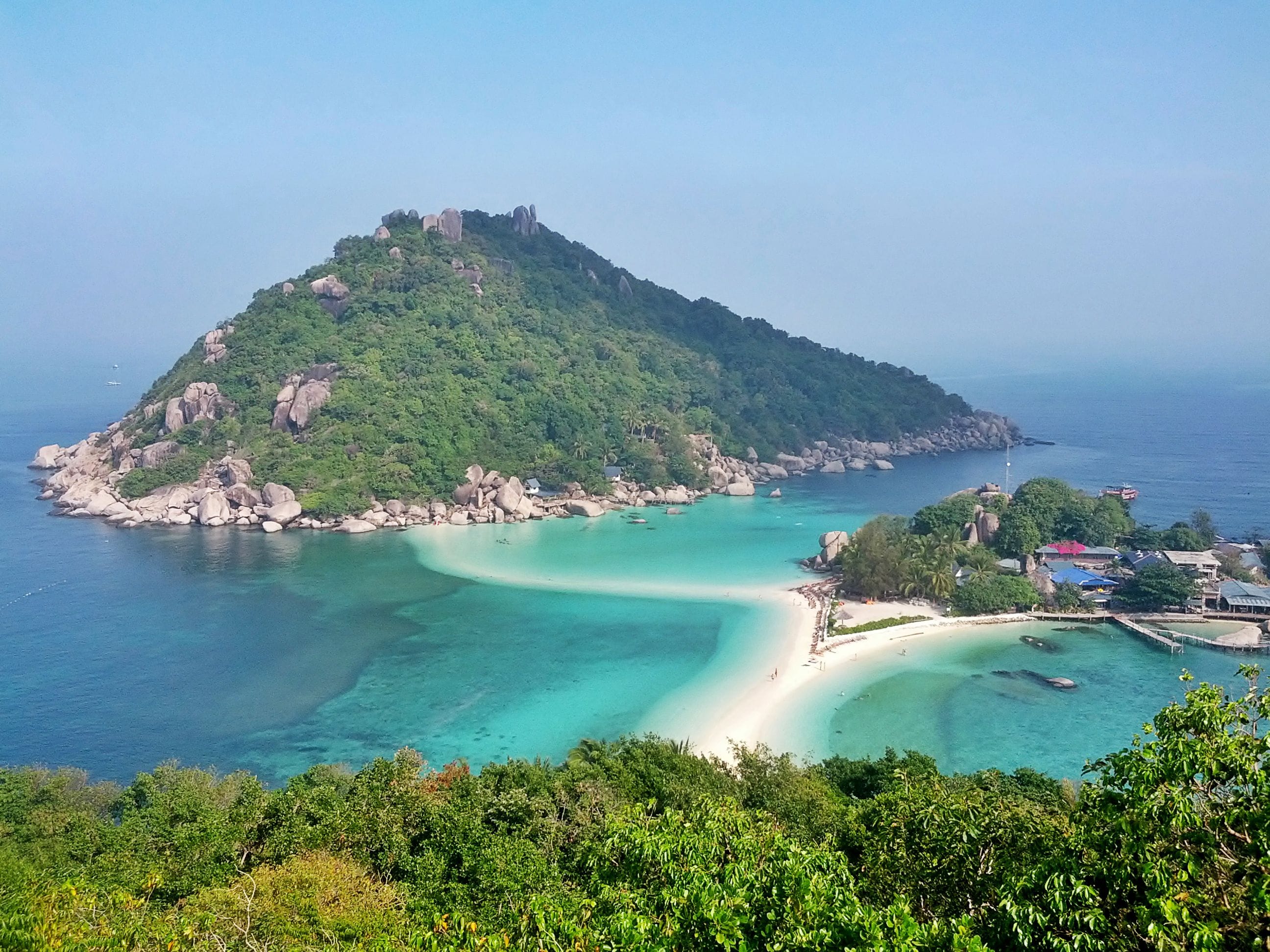
The most iconic image of Koh Tao is here — Koh Nang Yuan, three small islets joined by a white triple sandbar in turquoise water, just off the north-west coast. The hilltop viewpoint is a 10–15 minute climb (steps and a steep rocky stretch near the top) for the shot that's on every postcard, and there's shallow reef around the islets to snorkel. You get there on a day-trip boat or by longtail from Sairee/Mae Haad. There's an island entry fee of roughly ฿100–200 per person, and no plastic bottles are allowed (bring a refillable one). Go in the morning before the tour boats arrive — it's quieter and the water is clearer.
The best-known viewpoint on Koh Tao itself sits in the south near Chalok Baan Kao. Climb the granite ridge and you look down on two bays meeting — Chalok and Thian — in a near-heart shape, the water two shades of blue against pale sand. Plenty of people rate it the best view on the island. The path is steps and a short rocky stretch, around 10–15 minutes, fairly steep near the end but not long. There's a small upkeep fee of roughly ฿50–100 per person (collected by the private owners of the trail). Wear shoes with grip, and go early or late afternoon for softer light than the middle of the day.
Besides John-Suwan, Koh Tao has several hill viewpoints you can drive or ride up to for the island from above — the popular ones are the Mango Bay viewpoint in the north, looking down on a curved, clear-water bay, and the photo spot at the big white Love Koh Tao sign on a hillside. Several are viewpoint cafés or bars that either charge entry or ask you to buy a drink. Being straight with you: some of the access tracks are steep, rough and unpaved, so if you're not a genuinely confident scooter rider, a taxi/local driver or a round-island tour is the safer way up. Late afternoon is especially good for the sunset.
 4
4
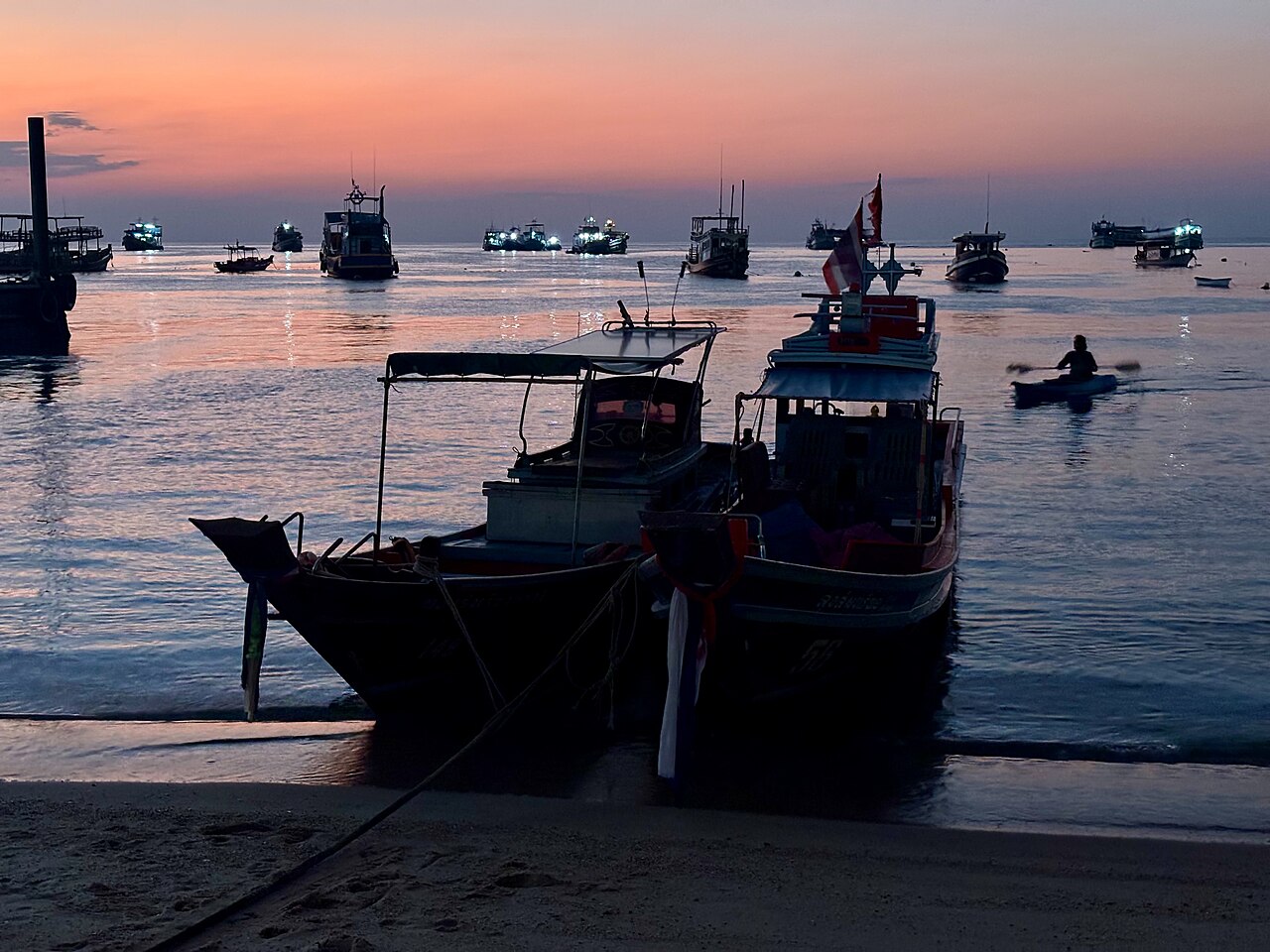
Sairee Beach is the longest beach and the heart of Koh Tao — the hotels, restaurants, dive schools, cafés and beach bars are all clustered here. In the daytime you can swim in the shallows and rent a sun lounger, but the best time is late afternoon for the sunset, since the beach faces west and the sun drops right into the sea, with dive boats and longtails moored as a foreground. Several beach bars put chairs on the sand for a sundowner. You can walk between Sairee and Mae Haad (the pier) easily along the beachfront and village lanes, so this is an area you can explore without renting anything.
The highlight for anyone who wants to see marine life without diving — Shark Bay and the Hin Ngam spot in the south are where you have a good chance of seeing small blacktip reef sharks cruising the shallows around the reef. They're shy and harmless to people. You can snorkel in from the beach or come on a round-island boat tour. Your odds are best early morning or near dusk, when the sharks come in to feed closer to shore — nothing is guaranteed, but plenty of people do see them. Bring your own mask and snorkel or rent on the beach, don't chase or feed the sharks, and watch the current at low tide.
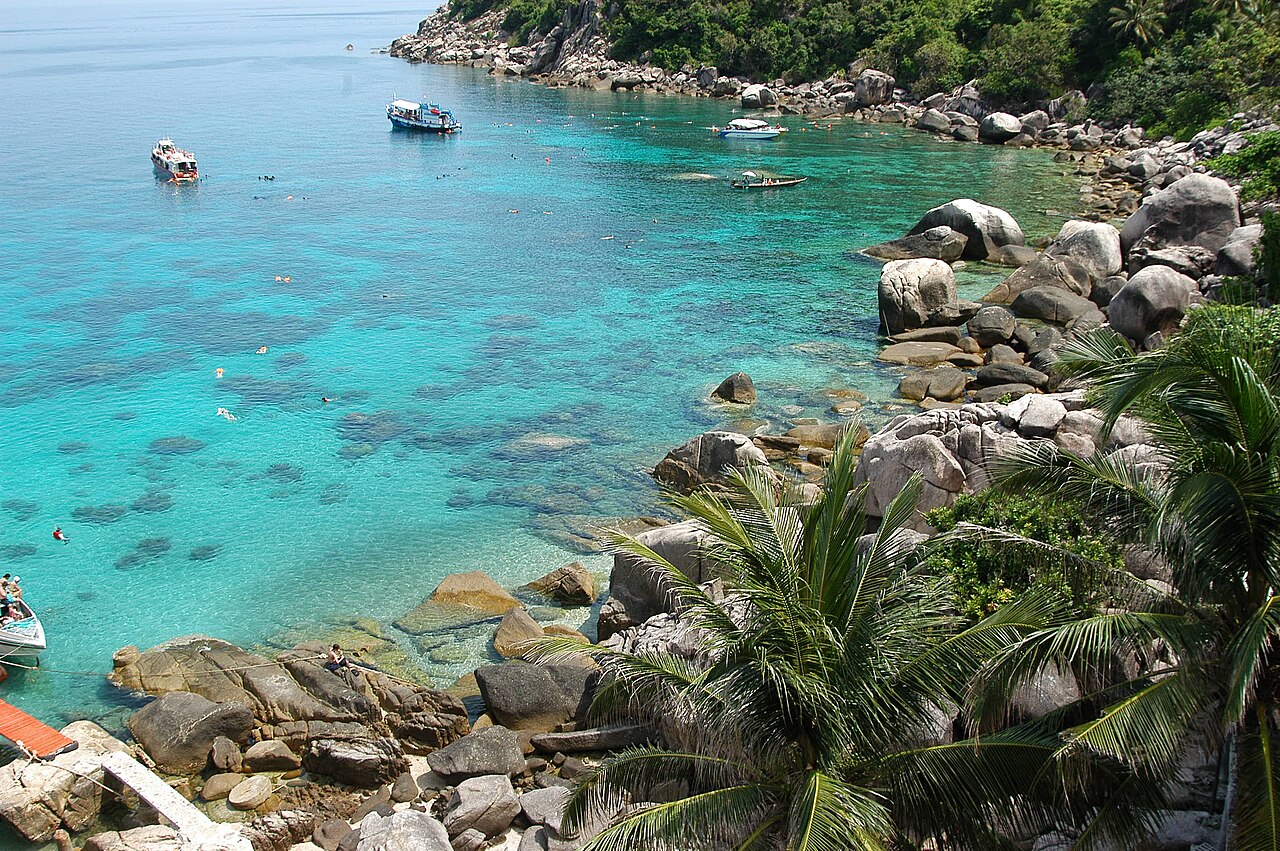
A small horseshoe bay on the south-east of the island, Aow Leuk is one of the best snorkel spots you can reach straight from the sand — clear water, white sand, and reef with fish close to shore. It suits anyone who wants easy snorkelling without a boat ride out. There are a couple of small restaurants and gear-rental spots behind the beach, and at times there's a small beach-access fee per person (collected by the private operators of the area). The road down is a fairly steep hill, so if you're not confident on a scooter, take a taxi down. The water is clearest and calmest March–September; go early while it's quiet.
 7
7
Tanote Bay on the east coast is quieter and more natural than the Sairee side. Its signature is a big boulder out in the bay that some people climb to jump off (check the depth and the swell carefully first). The water is clear and there's shallow reef around the bay with plenty of fish to snorkel over. There are a handful of resorts and restaurants along the sand and the mood is easy-going, not crowded. Being straight with you: the road over the hill to Tanote is steep and very rough, and one of the spots where scooter accidents happen often — if you're not confident, take a taxi/songthaew or come by boat on a round-island tour instead.
Koh Tao's middle is hills and forest, with short walking trails and viewpoints scattered through it for anyone who wants gentle exercise and a view — many are walking tracks or rough roads that climb to a ridge with sea on both sides in not very long, and some link up to viewpoint cafés and bars. A popular option is the climb to the north and interior viewpoints off the main road. Being straight with you: the island gets hot and the paths are slippery rock after rain. Wear shoes with grip, carry water, and walk in the morning or late afternoon, not the midday sun. If you're hiking alone, tell your accommodation where you're going.
Koh Tao doesn't have a big town, but Mae Haad — the main ferry pier — and the adjoining Sairee strip are the island's hub, and easy to wander in the evening. Seafood places, Thai and Western restaurants, coffee shops, dessert spots, shops and dive-gear stores line the small lanes. Food on the island is a little pricier than on the mainland because everything comes by boat, but there are budget-friendly local spots too. You can walk from Mae Haad to Sairee along the beachfront without renting anything — it's a low-key thing to do that pairs nicely with dinner and the sunset.
The easiest way to tick off Koh Tao's above-water highlights in a single day is a round-island snorkelling boat trip — the boat stops at Koh Nang Yuan (for the viewpoint and snorkelling) and then loops the snorkel bays around the island, such as Shark Bay/Hin Ngam, Aow Leuk and Tanote Bay, depending on the programme. It's ideal for non-divers, since you get several snorkel stops without driving the hill roads yourself. Trips usually leave in the morning, by speedboat or big boat, and most include snorkel gear and lunch. Check whether the Koh Nang Yuan entry fee is included, and note that in the monsoon, October–December, trips can stop running on rough days. Book ahead in high season for a surer seat.
We deliberately kept the diving out of the above-water list above, because diving is the main event on Koh Tao and it has its own world — it's one of the cheapest and most popular places to learn to dive (Open Water) anywhere, with famous sites like Sail Rock between Koh Tao and Koh Phangan, Chumphon Pinnacle (whale sharks in some seasons), and the Japanese Gardens and Twins around Koh Nang Yuan. Being straight with you: choose a dive school with a good safety record, good reviews and small group sizes, not just the cheapest one — and whale sharks are seasonal and never guaranteed. The full details — dive sites, course prices and how to choose a school — are in our separate dive guide.