Two of Japan's big regions with completely different characters — Kansai, based in Osaka, lets you cover several cities compactly and cheaper, while Kanto, based in Tokyo, is a modern megacity with a wide range of day trips. A clear comparison before you plan (spoiler: if you have 7+ days, doing both regions is the best value).
Picture this — you're planning your first trip to Japan and you hit the question plenty of people have hesitated over: should you head for Kansai (the western side, based in Osaka) or Kanto (the eastern side, based in Tokyo)? The two regions are only about two and a half hours apart by bullet train, so people always end up comparing them. Both have delicious food, both are safe, both have great rail coverage — but once you're actually there, you can feel that they're two trips in completely different moods.
Let's be honest up front: this isn't a question of which region is "better," it's a question of what kind of trip you want. Kanto is the side of Tokyo the megacity — huge, modern, packed with shopping and nightlife — plus a wide range of day trips from Yokohama to Hakone, Nikko, Kamakura and Mount Fuji. Kansai is the side of culture and food: sleep in Osaka alone and ride out to cover Kyoto, Nara, Kobe and Himeji compactly, at friendlier prices, with Kansai Airport (KIX) as your way in.
This article compares both across every dimension — main cities, atmosphere, highlights, day trips, the airport you fly into, budget — and, just as importantly, how to do both regions on one trip. Because when the bullet train links them this quickly, if you have 7 days or more the best answer is to "do both" as a Golden Route.
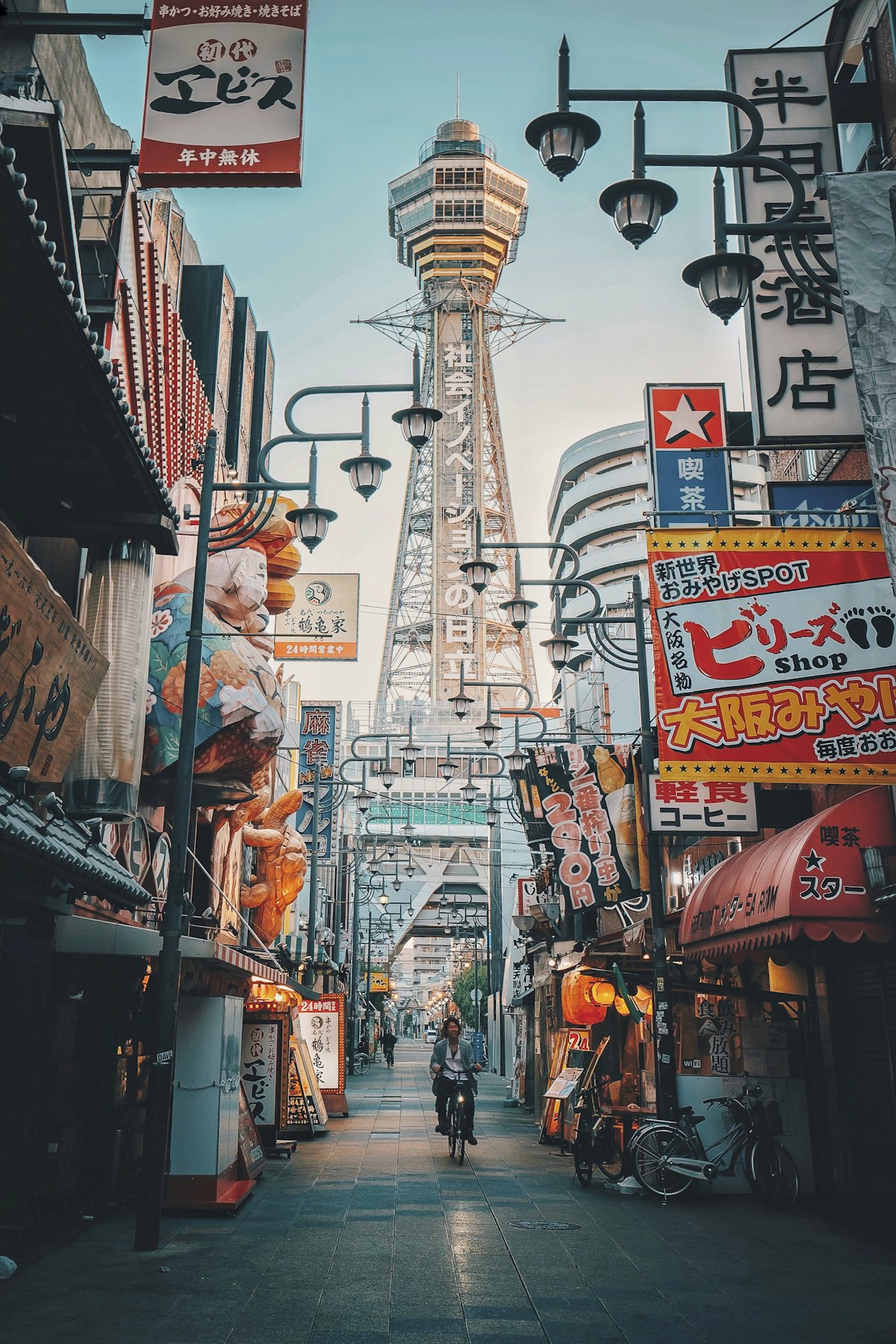
Kansai has something Kanto can't easily match — several great cities sitting very close together. Sleep in Osaka as your one base and ride the train to cover the whole region: Kyoto is full of temples and shrines and the Gion geisha district, Nara has deer wandering its park, Kobe is famous for legendary beef and bay views, and Himeji has the white World Heritage castle, the most beautiful in Japan. All of it is under an hour by train from Osaka.
The highlight of Kansai is compact trips that still cover plenty of styles — one day you can walk Kyoto's temples in the morning, feed the Nara deer in the afternoon, then come back for takoyaki in Dotonbori in the evening. Osaka itself is the food capital, with the Dotonbori-Namba area packed in every alley, plus a magnet like Universal Studios Japan with Super Nintendo World and the Donkey Kong Country zone (opened in late 2024).
On budget, Kansai has the edge too — hotels and food in Osaka run about 15–30% cheaper than Tokyo, and covering several cities from one base means you don't change hotels often. If you lean towards culture, temples and food, and want to see several cities at an unhurried pace, Kansai pays you back in full. Kyoto itself can be a base too if you're focused on temples and shrines.
The cultural heart of Kansai. Kyoto has the Golden Pavilion, the Fushimi Inari shrine and the Gion geisha district, while Nara lets you feed deer in its park on a short day trip. See sights on our Kyoto attractions page and plan your trip with our Nara travel guide.
See Kyoto attractions →Osaka is Kansai's base for food and fun. The Dotonbori area is packed with takoyaki, okonomiyaki and kushikatsu, plus Universal Studios Japan with Super Nintendo World. See sights on our Osaka attractions page and plan your trip with our Osaka travel guide.
Read the full guide →Kobe is famous for Kobe beef and bay views, while Himeji has the white World Heritage castle, the most beautiful in Japan. Both connect from Osaka in a day, which is what lets Kansai cover so many cities from one base. Find well-placed stays in our Osaka hotels roundup or read our Kobe travel guide.
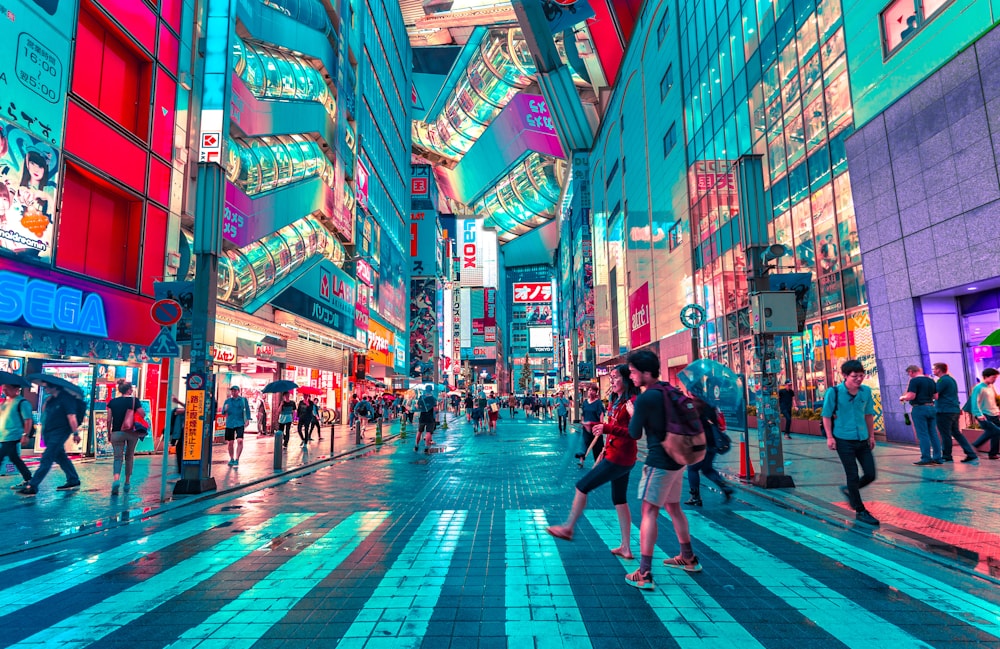
Read the Kobe guide →Kanto doesn't compete with Kansai on the number of cities — it plays on scale and variety. This is the side of Tokyo the megacity, so big you'll never see all of it. Dozens of neighbourhoods, each almost a city in itself: Shibuya buzzing and colourful, Shinjuku that never sleeps, Asakusa still carrying an old-Japan air, glamorous Ginza, fashion-mad Harajuku. The train and subway lines weave together like a spider's web and take you anywhere, plus the port city of Yokohama is under half an hour away.
The highlight of Kanto is varied, large-scale day trips — from Tokyo you can reach Mount Fuji-view onsen at Hakone, World Heritage shrines at Nikko, the seaside Great Buddha at Kamakura, and Lake Kawaguchiko with full Mount Fuji views. Each sits in a different direction, so you can pick whatever suits each day.
There's a fair point to make too: Kanto is a big, wide region, and some days you lose time on long cross-town train rides. Hotels and food in Tokyo run about 15–30% higher than Osaka (2026 prices). What offsets it is the completeness of the megacity — shopping, nightlife, pop culture and restaurants at every level. If you come to see modern Japan and a wide choice of day trips, Kanto has it all.
Kanto's charm is in how different each Tokyo neighbourhood feels — the Shibuya scramble where thousands cross at once, Shinjuku's neon towers after dark, and the ancient Senso-ji temple in Asakusa. See everything on our Tokyo attractions page and plan your trip with our Tokyo travel guide.
See all attractions →Kanto's edge is the range of day trips: Mount Fuji-view onsen at Hakone, World Heritage shrines at Nikko, and the seaside Great Buddha at Kamakura. Out in the morning, back by evening — easy.
Read the Hakone guide →A port city under half an hour from Tokyo by train, with Japan's largest Chinatown, a bayside Ferris wheel and the Minato Mirai district. It's an easy extra day trip. Find well-placed Tokyo stays in our Tokyo hotels roundup and plan your trip with our Yokohama travel guide.
Read the Yokohama guide →| Dimension | Kansai | Kanto |
|---|---|---|
| Main cities | Osaka (base), Kyoto, Nara, Kobe, Himeji | Tokyo (base), Yokohama |
| Atmosphere | Culture and temples, food, friendly, several cities compactly | Modern megacity, varied neighbourhoods, fast and buzzing |
| Highlights | Kyoto temples, Nara deer, Kobe beef, Himeji Castle, Dotonbori + USJ | Tokyo's all-round neighbourhoods, shopping-nightlife-pop culture + Disney Resort |
| Day trips | Kyoto ~15 min, Kobe ~30 min, Nara ~35–50 min (close together) | Hakone ~90 min, Kamakura ~53 min, Nikko ~2 hrs, Fuji (different directions) |
| Airport in | Kansai Airport (KIX) | Narita (NRT) / Haneda (HND) |
| Budget | About 15–30% cheaper — mid-range hotel ~¥12,000–18,000/night | Higher — mid-range hotel ~¥18,000–25,000/night |
| Best for | Temple-culture and food lovers, tight budgets, several cities from one base | Shoppers, city people, pop culture, first-timers wanting the megacity, varied-theme day trips |
| How many days | ~4–5 days to cover Osaka-Kyoto-Nara comfortably | ~4–5 days for Tokyo + 1–2 day trips |
When the two regions are linked by a ~2.5-hour bullet train, picking just one is often not the best answer if you have 7 days or more. Here's how to pair Kanto and Kansai on a single trip — what people call the Golden Route.
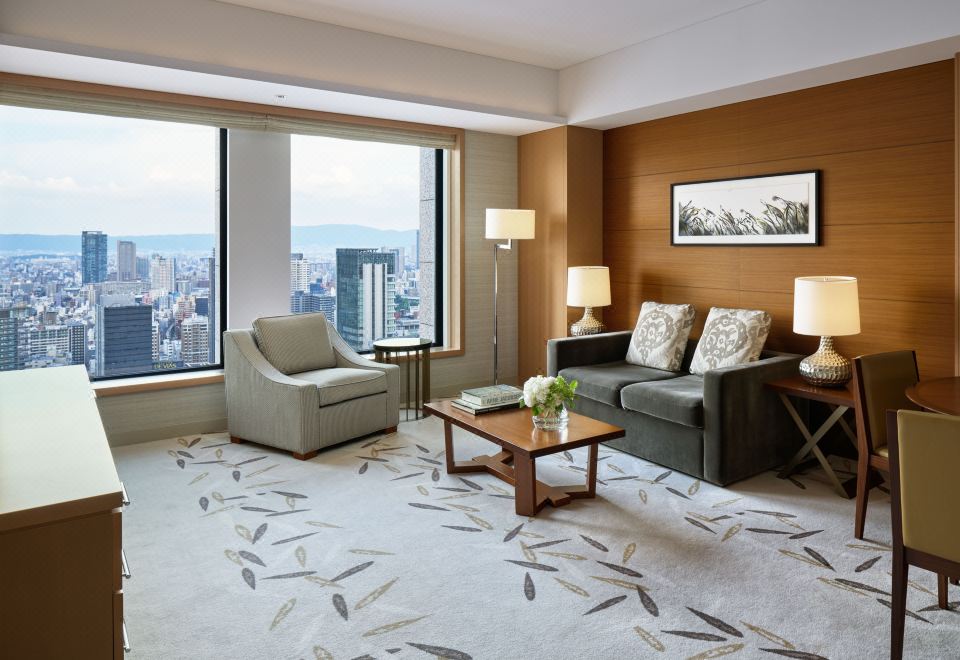
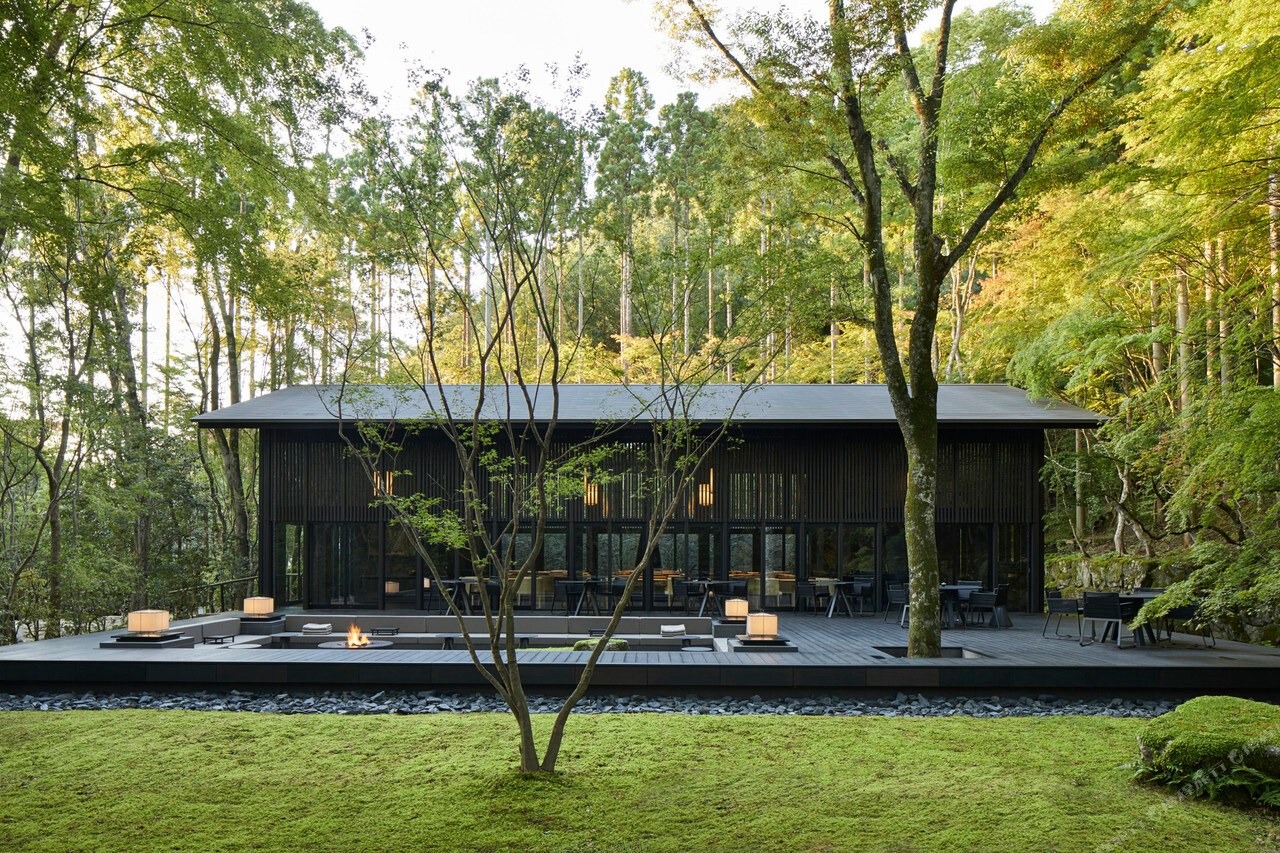
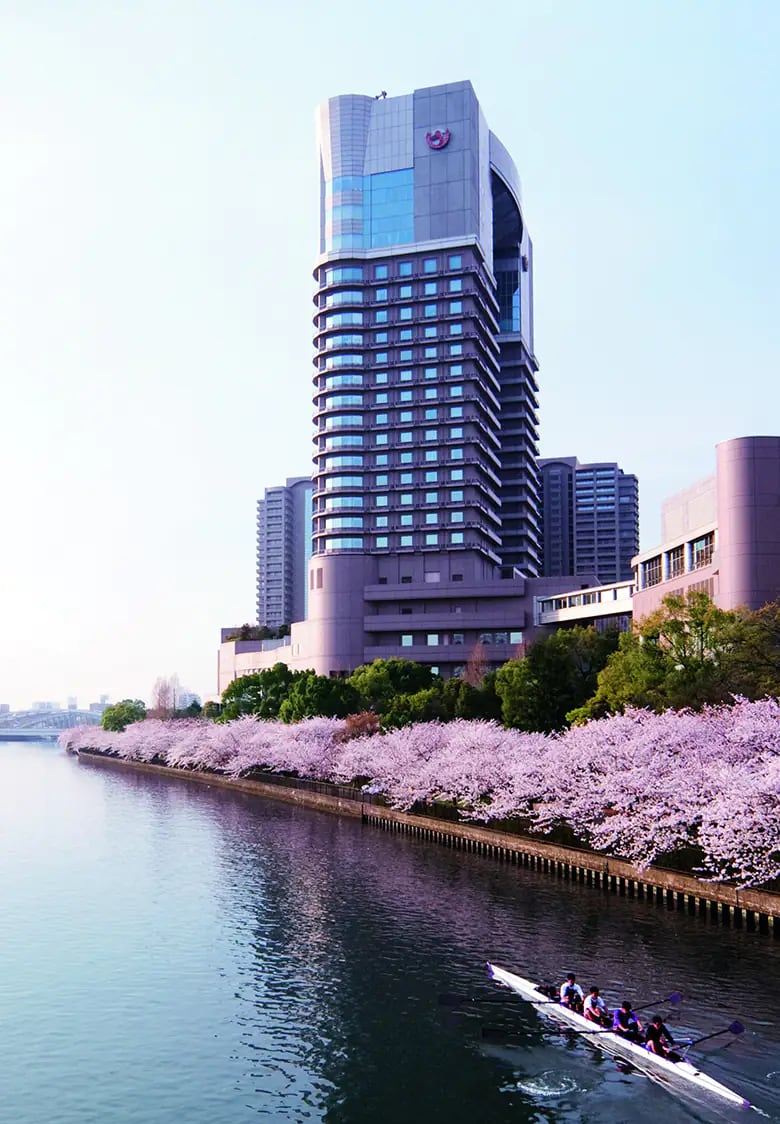
Base in Kansai (Osaka/Kyoto) or Kanto (Tokyo) — real hotels we reviewed, with starting prices