🌏 Destinations · All 🇯🇵 Japan · Full guide Tokyo Osaka Kyoto 🌸 Best Time to Visit 🧭 Travel Guide About Contact 🇹🇭 ไทย🇬🇧 English🇨🇳 中文🇪🇸 Español🇫🇷 Français
🌸 Season Guide · Updated 2026

When Is the Best Time to Visit Japan?

Cherry blossoms, autumn leaves, or snow — Japan transforms completely with each season. We break down exactly what you'll find in each window: what the weather is like, how busy it gets, whether prices run high or low, and which months to avoid — so you can pick the time that matches the trip in your head.

Start Here

The First Question of Every Japan Trip —which month should I go?

Honestly, there's no single answer, because Japan in April and Japan in February are almost two different countries. The exact trip you've pictured in your head — strolling under pink cherry blossoms, soaking in an onsen surrounded by snow, or photographing red maple leaves in Kyoto — each of those images needs a completely different month. So the better question isn't "which month is best," but "what do I want to see, and which month is that?"

On this page we'll walk through each season in turn — from the big picture of what each one offers, to a month-by-month table comparing weather, crowds, and prices side by side, plus the three highlights travellers chase most — cherry blossoms, autumn leaves, and snow — along with the long holiday periods to avoid if you'd rather not face packed crowds and soaring prices.

🌸
Spring · Mar–May
Cherry blossoms and comfortable weather — but peak season for both crowds and prices.
☀️
Summer · Jun–Aug
Hot and humid with an early rainy season, but bursting with festivals and fireworks.
🍁
Autumn · Sep–Nov
Red leaves, dry comfortable air, clear skies — the easiest season for walking and sightseeing.
❄️
Winter · Dec–Feb
Snow, skiing, onsen, illuminations — and the cheapest stretch of the year.

⚡ Updated for 2026

The figures on this page (cherry blossom and autumn-leaf windows, ski season, festivals, holidays, and pass prices) are based on the latest 2025–2026 data and forecasts. Bloom and leaf-change dates shift every year with the weather, so before you book, always re-check the latest cherry blossom / koyo forecasts and current ticket and pass prices on the official sites.

The 4 Seasons at a Glance

What Each One Offers —pick the right season first, then the month

Start with the big picture of which season matches the trip you have in mind. Each card sums up what you'll find, what the weather is like, and who it suits best.
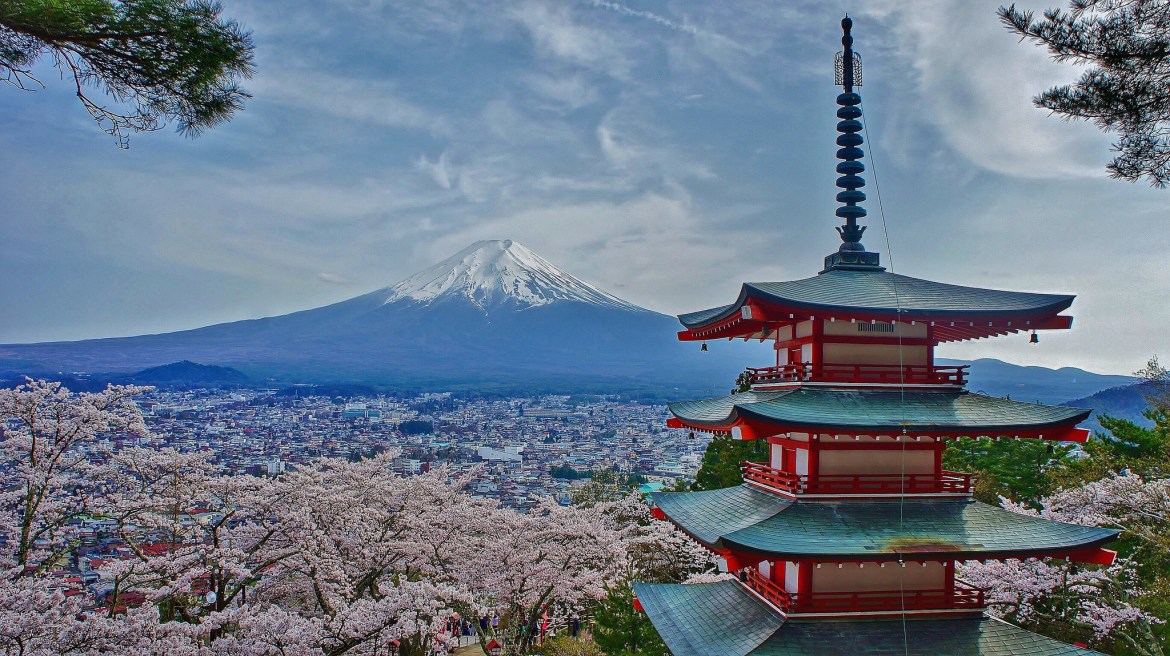
Chureito Pagoda with Mount Fuji and cherry blossoms in spring in Japan 🌸 Spring Mar–May
Spring — Cherry Blossom Season
Spring · March–May

The season the whole world wants to be in Japan. Cherry blossoms arch over the cities in clouds of pink, and the weather is cool and comfortable (around 10–20°C). The trade-off is the biggest crowds and highest prices of the year, especially during full bloom.
🌡️Weather: Cool and pleasant, ~10–20°C; still chilly mornings and evenings
Highlights: Cherry blossoms, picnics under the trees (hanami), shibazakura fields
💸Prices: Highest — especially late Mar–early Apr and Golden Week
👍Best for: Cherry blossom chasers, photographers, honeymooners
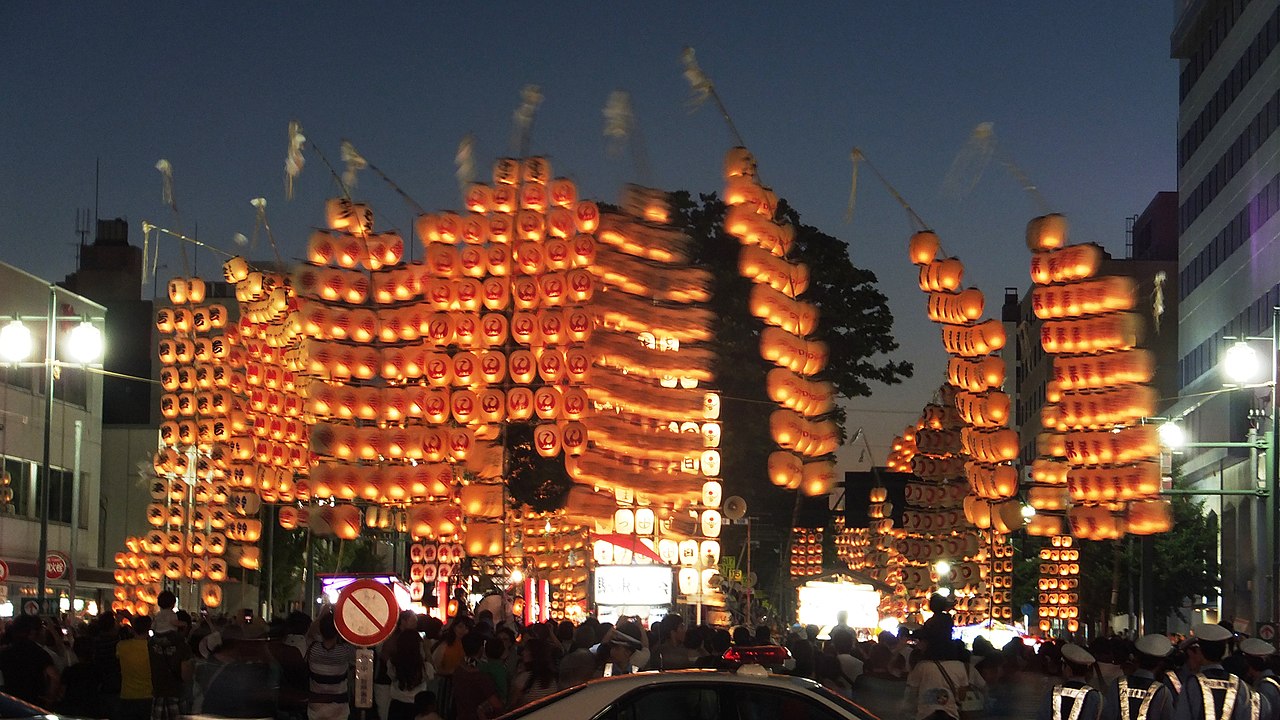
Kanto Festival in Akita with giant lantern poles in summer in Japan ☀️ Summer Jun–Aug
Summer — Festivals and Fireworks
Summer · June–August

Genuinely hot and humid (Tokyo tops 31°C+ with soaring humidity), with the tsuyu rainy season from early June to mid-July. But it's also Japan at its liveliest — matsuri festivals, riverside fireworks, lantern festivals, and the perfect excuse to escape the heat by heading north to Hokkaido.
🌡️Weather: Hot and humid, ~25–35°C; rainy season early Jun–mid-Jul
Highlights: Gion, Tenjin, Nebuta, Kanto festivals; fireworks (hanabi)
💸Prices: Moderate; spike during Obon in mid-August
👍Best for: Festival lovers, Hokkaido in summer, those who handle heat well
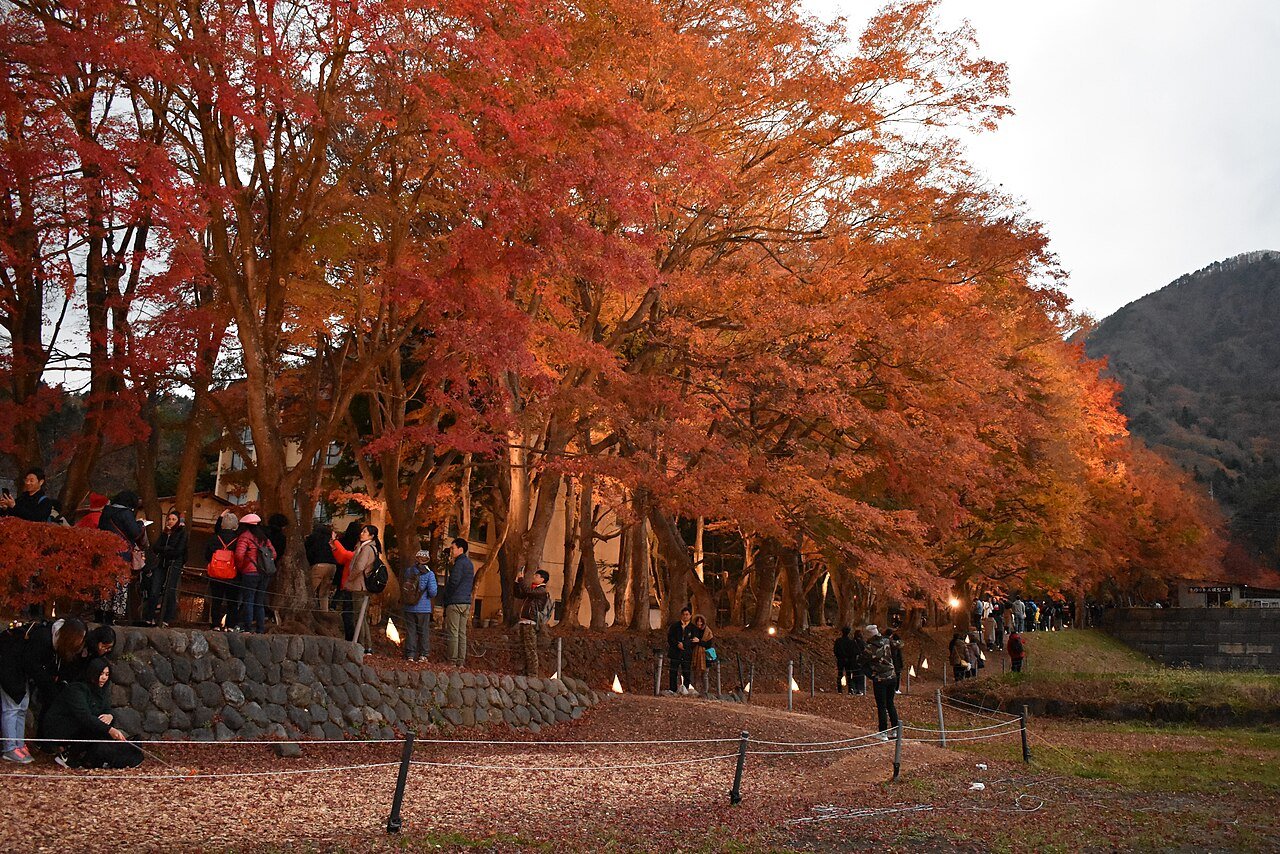
Red maple leaves during koyo at Lake Kawaguchiko near Mount Fuji in autumn 🍁 Autumn Sep–Nov
Autumn — Red Leaf Season
Autumn · September–November

The season many call the easiest for travel — dry, cool air, clear skies, neither too hot nor too cold. Maple leaves gradually turn red and orange, moving from north to south. The beauty rivals the cherry blossoms but with slightly smaller crowds (except at Kyoto's famous spots).
🌡️Weather: Dry and pleasant, ~10–22°C; November turns cold
Highlights: Autumn leaves (koyo), evening illuminations, harvest season
💸Prices: High in November; early September is still cheaper
👍Best for: Long walking days, nature photography, temples and gardens
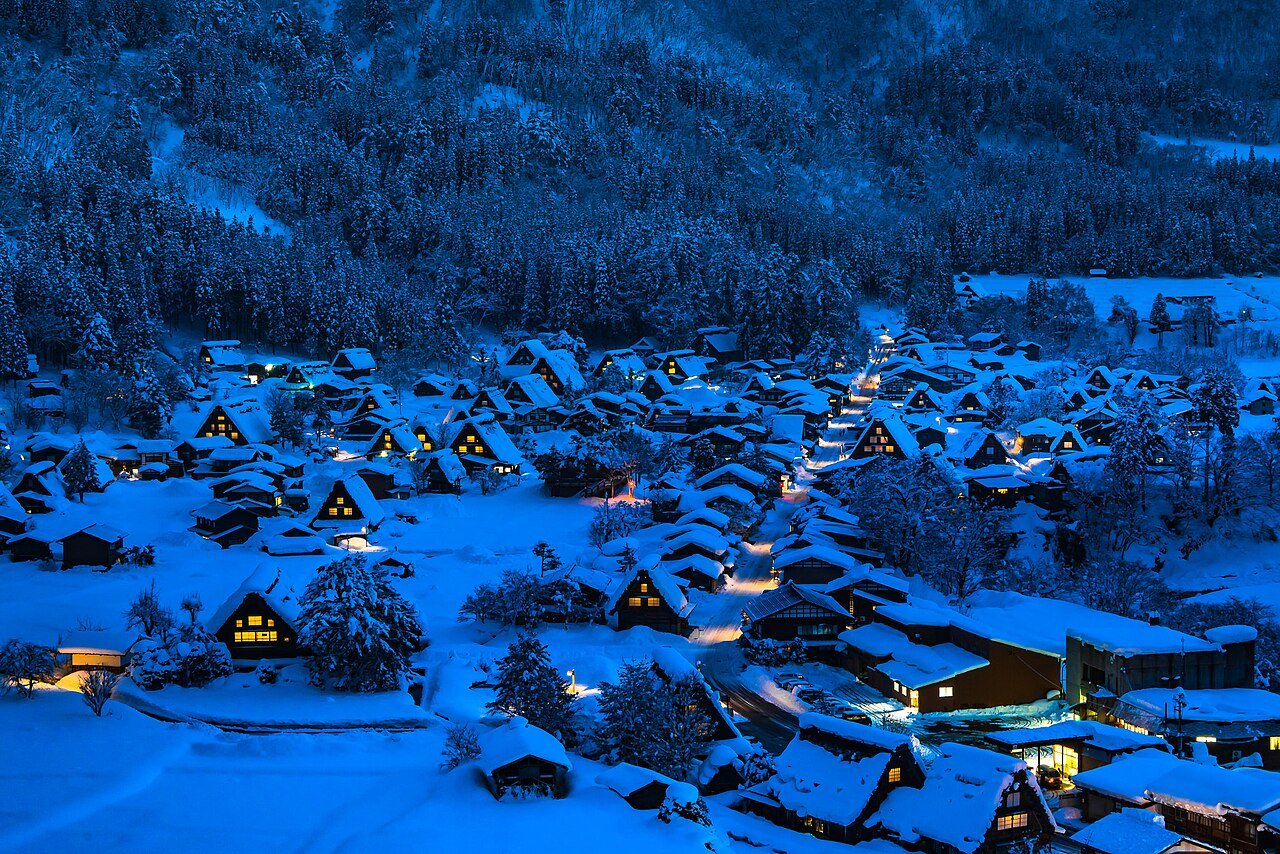
Shirakawa-go village blanketed in snow at night in winter in Japan ❄️ Winter Dec–Feb
Winter — Snow and Onsen
Winter · December–February

Some of the best powder snow on the planet, the kind that's hard to find anywhere else — skiing, snowboarding, soaking in an onsen surrounded by snow, winter illuminations, and snow festivals. It's genuinely cold (Tokyo ~6°C, Hokkaido below zero), but skies are often clear, and it's the cheapest stretch of the year (outside the New Year holidays).
🌡️Weather: Cold; Tokyo ~2–10°C; Hokkaido below zero
Highlights: Ski/snow, onsen, Sapporo Snow Festival, illuminations
💸Prices: Cheapest (Jan–Feb); except New Year, which spikes
👍Best for: Skiers and snow lovers, onsen fans, budget-minded travellers
Month by Month

All 12 Months, Compared at a Glance —weather, crowds, prices, and highlights

See in one sweep where the months you're free fall on the calendar. "Prices / crowds" reflects overall popularity and accommodation prices relative to the rest of the year.

MonthWeather (Tokyo)HighlightsPrices / Crowds
JanuaryColdest, ~2–10°C, clear skiesNew Year · snow/ski · illuminationsCheap (after mid-month)
FebruaryCold, ~3–11°CBest powder skiing · Sapporo Snow Festival (4–11 Feb) · plum blossomsCheap
MarchWarming up, ~6–14°CCherry blossoms start late in the month (south/Tokyo)Moderate → High
AprilPleasant, ~10–19°CCherry blossom peak (early month) · shibazakura fields late in the monthHighest
MayMild and pleasant, ~15–23°CFresh greenery · Fuji + shibazakura · ⚠️ Golden Week 29 Apr–6 MayHigh (during GW)
JuneHumid, ~19–26°CTsuyu rainy season begins · hydrangeasCheap
JulyHot and humid, ~24–30°CRainy season ends mid-month · Gion/Tenjin festivals · fireworksModerate
AugustHottest, ~26–31°C+Nebuta/Kanto/Tanabata festivals · ⚠️ Obon 13–16 AugModerate (spikes during Obon)
SeptemberStill warm, ~22–28°CHeat eases · ⚠️ typhoon peakCheap–Moderate
OctoberVery pleasant, ~15–22°CClear skies, best weather · leaves start changing (north)Moderate
NovemberCool, ~9–17°CAutumn leaf peak (Tokyo/Fuji late month)High
DecemberCold, ~4–12°CKyoto autumn leaves (early month) · illuminations · ⚠️ New Year late monthModerate (spikes at New Year)
Highlight 1

Chasing Cherry Blossoms —aim carefully, because full bloom lasts only a week

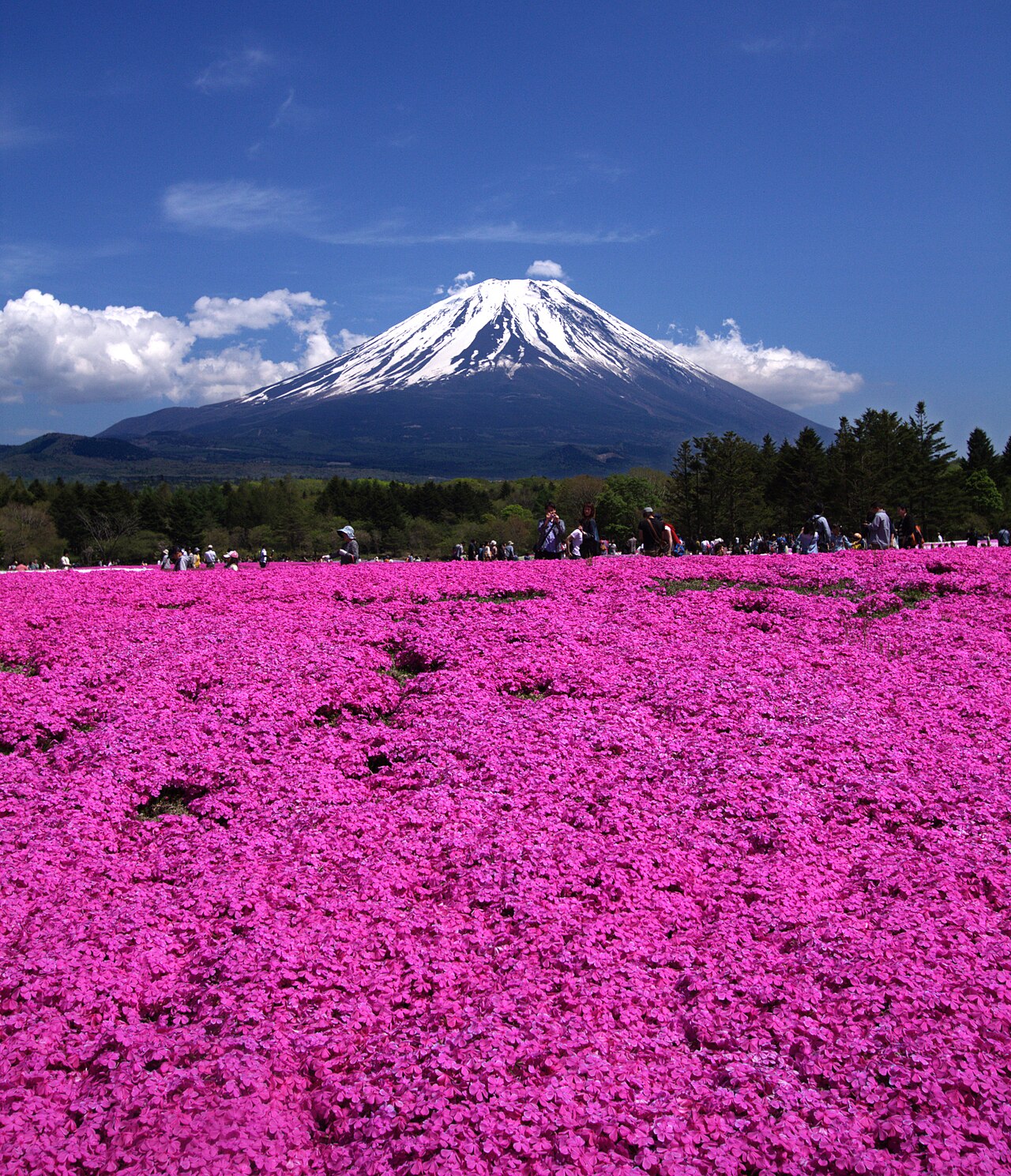
Field of deep-pink shibazakura with Mount Fuji in late spring
Shibazakura fields around Fuji bloom mid-Apr to late May, after the early cherry blossoms have already faded.
Cherry Blossom · late Mar–Apr

Catch the "full bloom" window

The Somei-Yoshino blossoms we see all over the cities reach full bloom for only about a week, then fall — and rain or strong wind can cut that even shorter. The trick is not to lock your dates too tightly, and to keep a backup plan for heading north or south to follow the blooms.

  • Tokyo/Osaka: usually full bloom late Mar–early Apr (in 2026, Tokyo peaks around 27 Mar)
  • Kyoto: follows close behind, around early Apr (in 2026, peak around 1 Apr)
  • Kyushu/the south: blooms first (mid–late Mar)
  • Hokkaido: blooms last, late Apr–early May — a backup if you miss it elsewhere
  • Shibazakura fields around Fuji: a different species, blooming longer from mid-Apr to late May

💡 Tips for booking a cherry blossom trip

Book flights and accommodation 3–6 months ahead, since this is the country's peak season. Official cherry blossom forecasts start coming out around January and keep updating — always check before locking in your tickets. And if you go during this period, watch out for the Golden Week holidays that follow at the end of April.

Highlight 2

Autumn Leaves (Koyo) —as beautiful as cherry blossoms, with slightly smaller crowds

Autumn Leaves · Oct–Dec

Follow the red from north to south

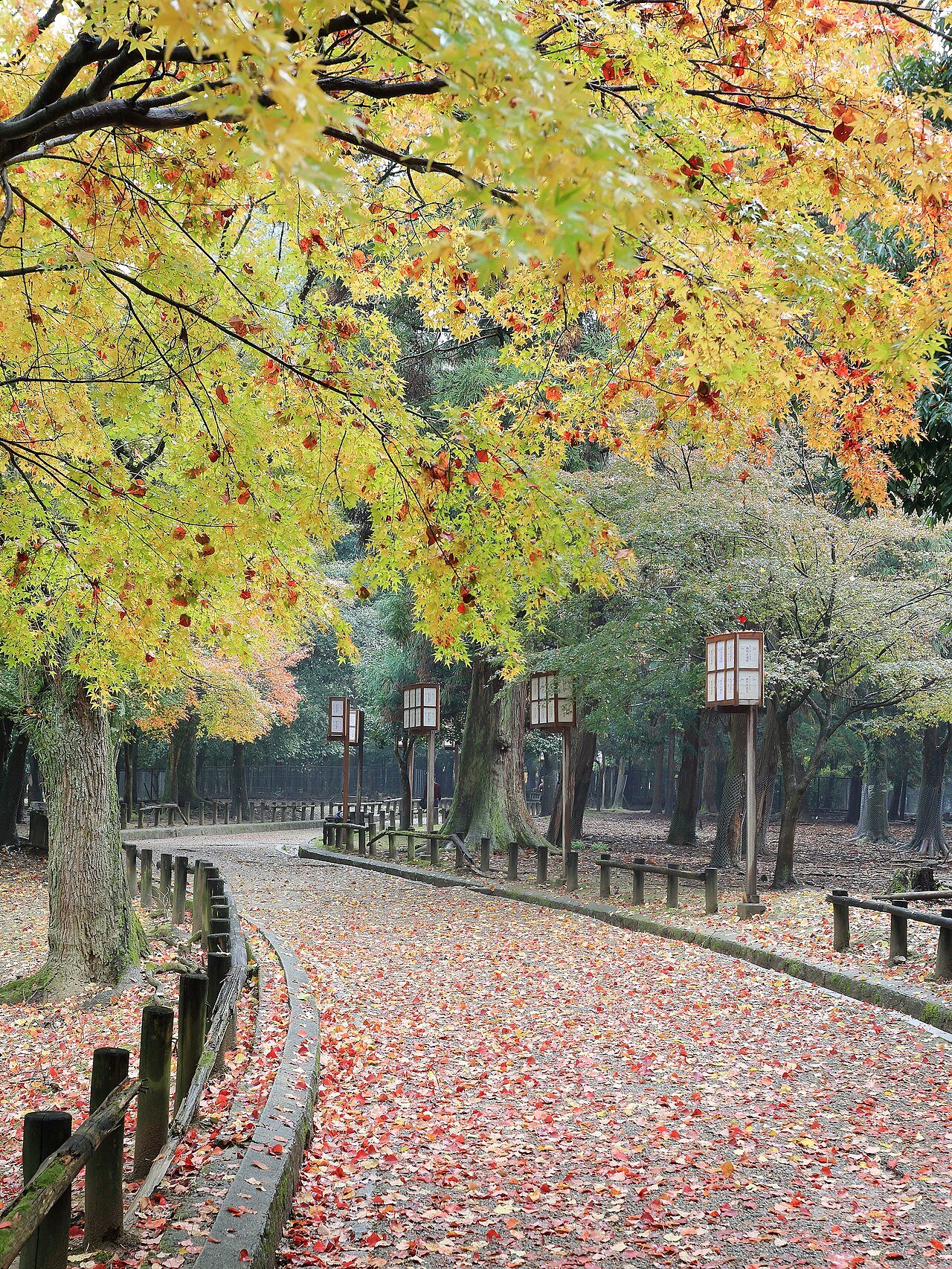
Unlike cherry blossoms, which bloom from south to north, autumn leaves move "from north to south" and have a noticeably longer window — which makes them easier to plan around. Warmer recent years have pushed the peak slightly later, especially in Kyoto, which usually peaks latest of all.

  • Hokkaido: starts in early November — the earliest in the country
  • Tokyo / Fuji area: peaks late Nov–early Dec
  • Kyoto: usually peaks latest, around mid-December
  • Top spots: Arashiyama · Kiyomizu-dera · Shinjuku Gyoen · Kawaguchiko · Nikko (Irohazaka)
  • Bonus: many temples and gardens run evening illuminations during the peak

Kyoto's famous spots get extremely busy at peak and accommodation fills fast — if you're set on Kyoto, book ahead and hit the most popular spots early in the morning.

Path carpeted with yellow-orange fallen leaves lined with stone lanterns in Nara Park during koyo
An autumn-leaf path in Nara Park — the leaf window runs longer than the cherry blossoms, making it easier to plan.
Highlight 3

Snow, Skiing, and Onsen —mid-Jan to Feb is the best powder window

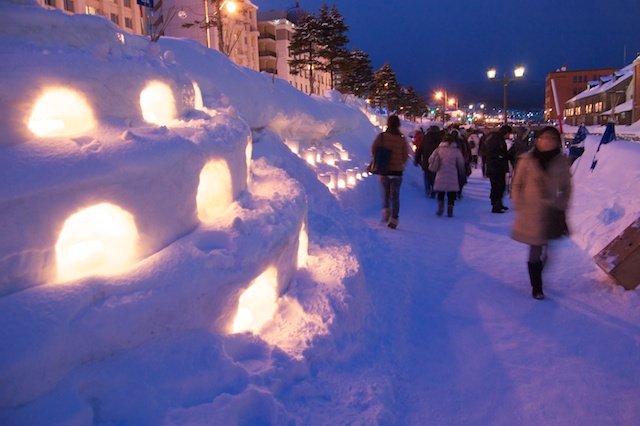
Otaru Snow Light Path Festival with glowing snow lanterns at night in winter
Otaru Snow Light Path Festival, Hokkaido — February is when the snow is deepest and most beautiful.
Snow & Ski · Dec–Apr

Pick your month by whether you'll "ski" or just "watch"

Japan's ski season runs from around late November to April (some Hokkaido resorts into May), but if you want the finest powder snow, your target is mid-January to February, especially Hokkaido (Niseko/Furano) and Nagano (Hakuba).

  • Best powder for skiing: mid-Jan–Feb
  • Beautiful snow + festivals: February — Sapporo Snow Festival (2026: 4–11 Feb)
  • Quieter/cheaper skiing: late Nov–early Dec or Mar–Apr
  • Dream snow village: Shirakawa-go runs illuminations only on select nights in Jan–Feb
  • Pair it with onsen: soaking in a hot spring surrounded by snow is Japan's winter signature

💡 Popular ski resorts book up far ahead

Accommodation at top resorts like Niseko often sells out months to a year ahead, especially around Christmas and New Year. If you have a dream ski trip in mind, book as early as possible — and avoid New Year week for better prices and fewer crowds.

Periods to Avoid

3 Windows When All of Japan Travels at Once —packed crowds, soaring prices

If you can, try to avoid these three windows — or if you can't, book everything ahead and allow extra travel time.

🎌
Golden Week (29 Apr–6 May 2026)
Japan's longest run of holidays — trains, Shinkansen, and accommodation fill up, prices spike, and attractions are packed nationwide.
🏮
Obon (around 13–16 Aug 2026)
When people travel home to honour their ancestors. Travel starts getting crowded from around 8 Aug, and Shinkansen tickets and rental cars become hard to find.
🎍
New Year (late Dec–early Jan)
Many shops and sites close around 29 Dec–3 Jan and accommodation prices soar — but shrines come alive with New Year rituals.
🌧️
Tsuyu rainy season (early Jun–mid-Jul)
Frequent rain and very high humidity on Honshu (Okinawa starts and ends earlier), but accommodation is cheaper and crowds thinner — fine if you don't mind getting wet.
🌀
Typhoon peak (Aug–Sep)
Some days bring heavy rain and strong wind, and flights may be delayed. Keep a backup plan and get travel insurance.
The "sweet spot" windows for value
Late May · early–mid October · late November after the autumn-leaf peak — good weather, thinning crowds, and prices down from peak.
Budget by Season

How Much Do Prices Move with the Season —and which month gives the best value

Peak accommodation prices can run 1.5–2x the low season in the same city. Here's the overview of how the budget shifts across the year.

PeriodPrice levelWho it suits
Cherry blossoms (late Mar–early Apr)Most expensiveThose willing to pay for the blossoms; book far ahead
Golden Week (late Apr–early May)ExpensiveThose whose own holidays line up; book very early
Autumn leaves (Nov)ExpensiveNature photographers; easy, pleasant-weather travel
New Year (late Dec–early Jan)ExpensiveThose who want to experience Japanese New Year
Summer (Jul–Aug, outside Obon)ModerateFestival lovers; escaping the heat in Hokkaido
Early autumn (Sep–early Oct)Moderate–CheapThose wanting the weather improving before peak prices
Winter (mid-Jan–Feb, outside New Year)CheapestSkiers and snow lovers; budget hunters
Rainy season (Jun–early Jul)CheapBudget travellers who don't mind rain and indoor sightseeing

💴 Money tips that actually help

If your trip involves several Shinkansen legs between cities, a JR Pass (7-day Ordinary around ¥50,000 from the official site — prices via agents/abroad run slightly higher from Oct 2026 onward · check the latest price on the official site) may pay off. But if you're staying in one city or sticking mostly to in-town travel, an IC card (Suica/ICOCA) is better value. For getting a good yen exchange rate, read our guide to exchanging yen.

Related Guides

Got Your Month —now keep planning your Japan trip

🇯🇵

The Complete Japan Travel Guide

Every region and city, visa, travel budget, IC Card, JR Pass, and Japan itineraries for travellers.

Japan Guide →
💴

How to Exchange Yen for the Best Rate

Compare the ways to exchange yen, which rates are best, whether you can use ATMs in Japan, and how much cash to carry.

Yen Exchange Guide →
🧭

Japan Travel Prep Info

Visa · eSIM · IC Card · JR Pass · power plugs · Japanese etiquette — everything before you fly to Japan.

Travel Prep Info →
🗼

10 Tokyo Attractions

Shibuya Crossing · Senso-ji · Shinjuku · Akihabara · Harajuku and many more unmissable spots in the Tokyo metropolis.

Tokyo Attractions →
🍜

10 Osaka Attractions

Osaka Castle · Dotonbori · USJ · Kuromon · Kaiyukan — the top spots all on one page.

Osaka Attractions →
🍱

What to Eat by Season in Japan

Japan's seasonal foods — each season has its own must-try dishes to work through.

Seasonal Food →
Frequently Asked Questions

Questions About the Best Time to Visit Japan

When is the best time to visit Japan?
There's no single best month for everyone — it depends on what you want to see. For cherry blossoms, late March to early April (Tokyo/Kyoto/Osaka). For autumn leaves, mid to late November. For snow and skiing, mid-January to February. Overall, the most comfortable, low-rain windows are late October through November and late March through May. The periods to avoid if you can are June to mid-July (the rainy season) and the long Golden Week and Obon holidays, when crowds and prices both spike.
When do cherry blossoms bloom, and how far ahead should I book?
The Somei-Yoshino cherry trees in Tokyo, Kyoto, and Osaka reach full bloom around late March to early April (in 2026, Tokyo around 27 Mar, Kyoto around 1 Apr). Full bloom lasts only about a week and shifts with the weather — rain or strong wind scatters the petals quickly. The south and Kyushu bloom first; Hokkaido blooms later (late Apr–early May). Because this is the country's peak season, book flights and accommodation 3–6 months ahead, and check the official cherry blossom forecasts that start appearing around January.
Where and when should I see the autumn leaves (koyo)?
The colours move from north to south — Hokkaido starts in early November, Tokyo and the Fuji area peak from late November to early December, while Kyoto usually peaks latest, around mid-December. Top spots include Arashiyama and Kiyomizu-dera in Kyoto, Shinjuku Gyoen in Tokyo, Lake Kawaguchiko around Fuji, and the Irohazaka road in Nikko. It gets busy and accommodation fills fast, so book ahead.
When should I go for snow and skiing?
Japan's ski season runs from around late November to April (some Hokkaido resorts into May), but the best powder is mid-January to February, especially Hokkaido (Niseko/Furano) and Nagano (Hakuba). If you just want to see beautiful snow without skiing, February is when the snow is deepest, and it's when the Sapporo Snow Festival is held (4–11 Feb in 2026). Late November–early December and March–April suit those who want quieter slopes at lower prices.
When should I avoid visiting Japan?
Three windows to avoid if you can — (1) Golden Week (29 Apr–6 May 2026), a run of holidays when Japanese travellers tour domestically, so accommodation and trains fill up and prices spike; (2) Obon (mid-August; around 13–16 Aug in 2026, with travel building from around 8 Aug), when people head back to their hometowns; and (3) the tsuyu rainy season, roughly early June to mid-July, which is frequently wet and very humid. If you can't avoid these, book everything in advance and allow extra travel time.
When is the cheapest time to visit Japan?
The cheapest periods are usually January (after New Year, from around mid-month), February (outside the snow-festival window), and the June–early July rainy season — all off-peak, with flights and accommodation noticeably lower. The most expensive periods are cherry blossoms, autumn leaves, Golden Week, and New Year, when peak accommodation prices can run 1.5–2x the low season. If you're on a budget but still want good weather, aim for late November after the autumn-leaf peak, or early December before the New Year holidays.
Ready to Plan?

You Know Which Month —
now start building your Japan trip

Open the full Japan travel guide for cities, itineraries, and trip prep — or start searching for accommodation in the city you want to visit during the season you've chosen.

🔴 Book Japan Hotels Japan Guide