Home Destinations 🇯🇵 Japan Tokyo Guide Tokyo Attractions About 🇹🇭 ไทย🇬🇧 English🇨🇳 中文🇪🇸 Español🇫🇷 Français
🏙️ Attractions Guide · Updated 2026

10 Must-Visit Tokyo Attractions
All Top Picks in One Place

Ancient temple next to a futuristic tower · the world's busiest pedestrian crossing · a forest shrine in the city heart · immersive digital art · kawaii fashion street — Tokyo's top attractions reviewed and collected in one page, with real photos, locations, and transit directions.

Quick Overview

One City,Every Kind of Adventure

Tokyo is widely rated as one of Asia's "most fascinating cities to explore" — the JR Yamanote Line and Tokyo Metro connect virtually every neighbourhood, a 1,400-year-old temple sits minutes from a bleeding-edge digital art museum, and street food at every station keeps energy levels high all day. We've handpicked the 10 most popular spots that visitors consistently rate as "absolutely worth the trip" — each with GPS coordinates, transit directions, practical hours, and tips to keep your day running smoothly.

🚇
Train Network Everywhere
JR Yamanote + Tokyo Metro reach every major attraction — no rental car needed.
🍣
Food Capital of the World
More Michelin stars than any other city — from ramen stalls to omakase counters.
⛩️
Old Meets New
Senso-ji Temple (645 AD) and teamLab digital art are just a few stops apart.
🌸
Beautiful Every Season
Cherry blossoms in spring, lush gardens in summer, golden foliage in autumn, illuminations in winter.
10 Top Spots

Tokyo AttractionsWorth Every Minute

Ranked by popularity — from globally iconic landmarks to neighbourhood gems beloved by locals. Each listing includes the location, how to get there, opening hours, and tips drawn from real visitor reviews.
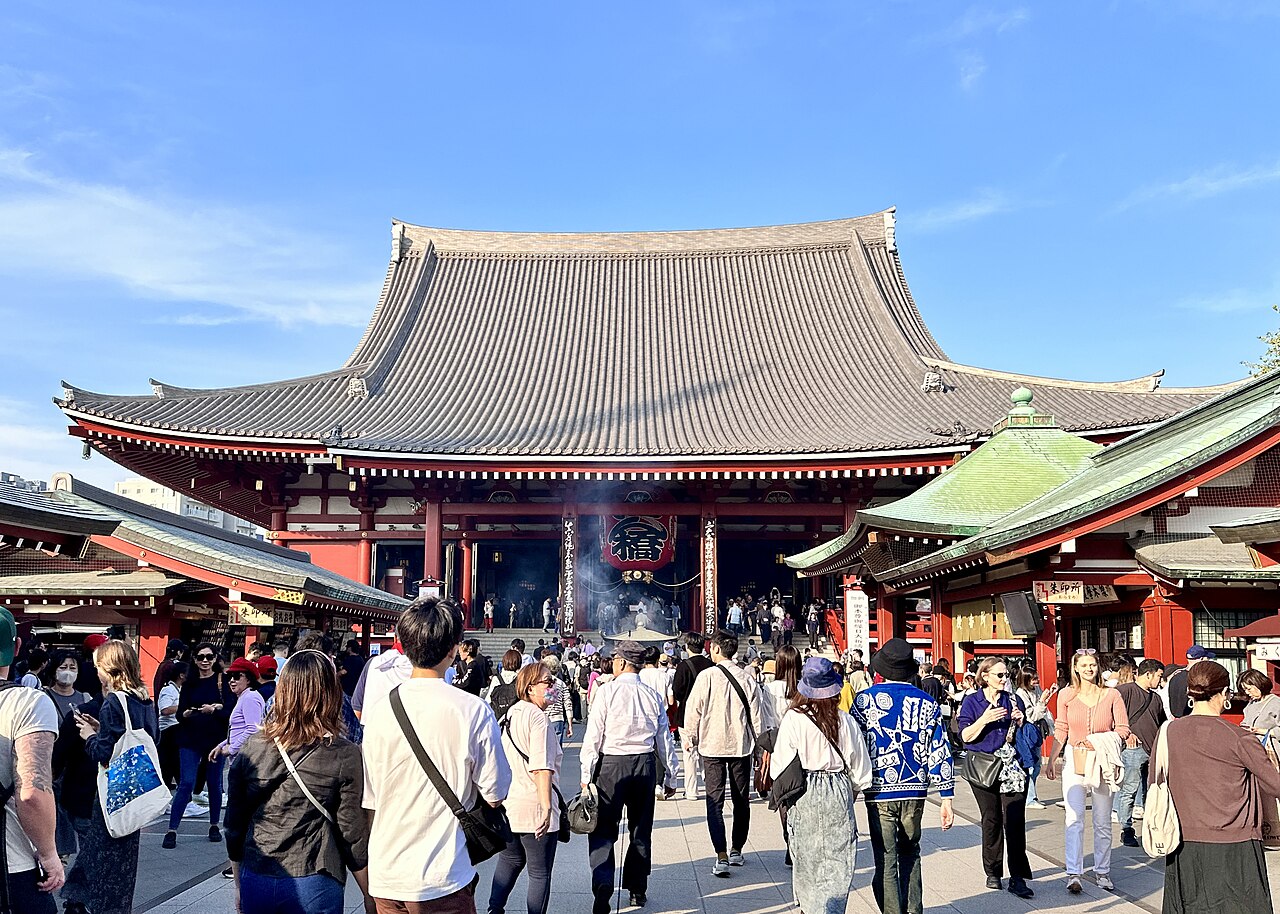
Senso-ji Temple gate at Asakusa, Tokyo's oldest temple ⛩️ Historic Temple1
Senso-ji Temple
Senso-ji · Asakusa District

Tokyo's oldest temple, founded in 645 AD, is the city's single most-visited attraction. Walk the Nakamise shopping street lined with traditional snack stalls and souvenir shops, then pass through the iconic Kaminarimon gate with its enormous red lantern. The five-story pagoda beside the main hall is the classic photo composition that appears on every Tokyo postcard.

📍Location: Asakusa, eastern Tokyo
Hours: 6:00–17:00 (grounds open 24 hrs) · Free entry
🚆Getting there: Asakusa Station (Ginza Line / Asakusa Line)
💡Tip: Arrive at 6–7 am for the quietest, most atmospheric experience — Nakamise shops aren't open yet, but the temple feels entirely different without the crowds.
Tokyo City Guide →
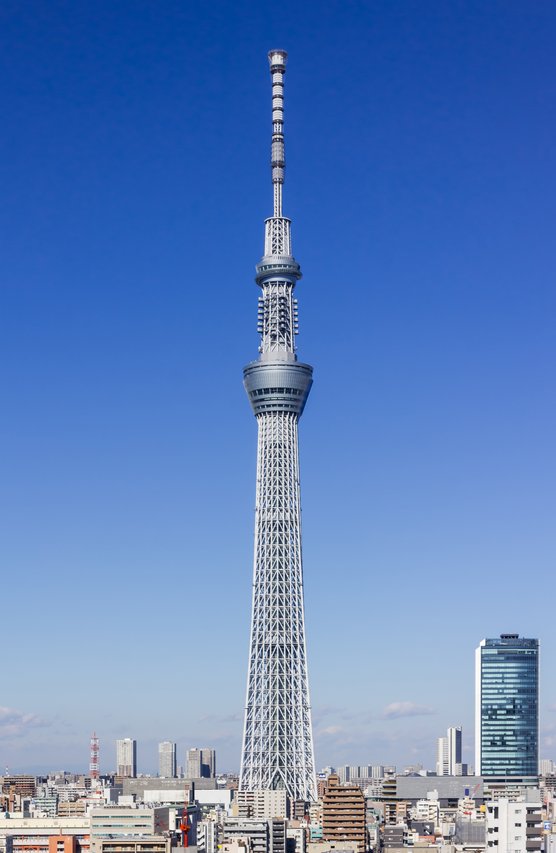
Tokyo Skytree — Japan's tallest tower at 634 metres 🗼 Landmark Tower2
Tokyo Skytree
Tokyo Skytree · Sumida District

Standing at 634 metres, Tokyo Skytree is Japan's tallest structure and the second tallest in the world. The Tembo Deck at 350 m offers a full panorama, and the Tembo Galleria at 450 m adds a glass-floored walkway for the brave. On clear days you can see Mount Fuji on the horizon. The giant Solamachi shopping complex at the base is worth exploring too.

📍Location: Sumida, eastern Tokyo (10-min walk from Asakusa)
Hours: 8:00–21:00 · Tembo Deck ¥3,100 (adult)
🚆Getting there: Oshiage Station (Hanzomon Line / Asakusa Line)
💡Tip: Pair it with Senso-ji — they're a 10-minute walk apart. Buy tickets online in advance to skip the queue.
Tokyo City Guide →
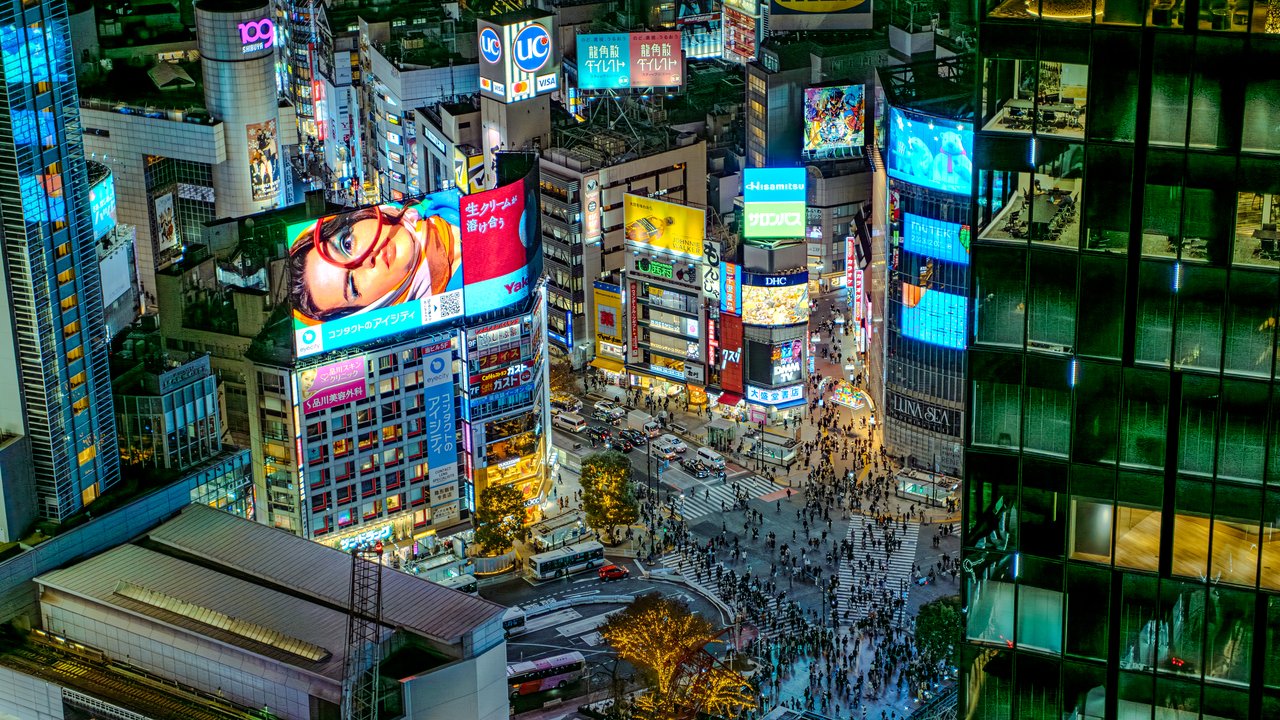
Shibuya Crossing — world's busiest pedestrian scramble 🚦 Tokyo Icon3
Shibuya Crossing
Shibuya Crossing · Shibuya District

The world's busiest pedestrian crossing — when the lights turn red, traffic stops in all directions and hundreds of people flood the intersection simultaneously. Watch from a second-floor window seat at a café around the crossing, then head down to experience it on foot. The bronze statue of loyal dog Hachiko at the Hachiko exit is Tokyo's most famous meeting point.

📍Location: Shibuya, western Tokyo
Hours: 24/7 · Free
🚆Getting there: Shibuya Station — Hachiko exit (JR Yamanote Line)
💡Tip: View from the Shibuya Sky observation deck (Scramble Square) or the Starbucks 2nd floor in the evenings when the crossing is busiest and most photogenic.
Tokyo City Guide →
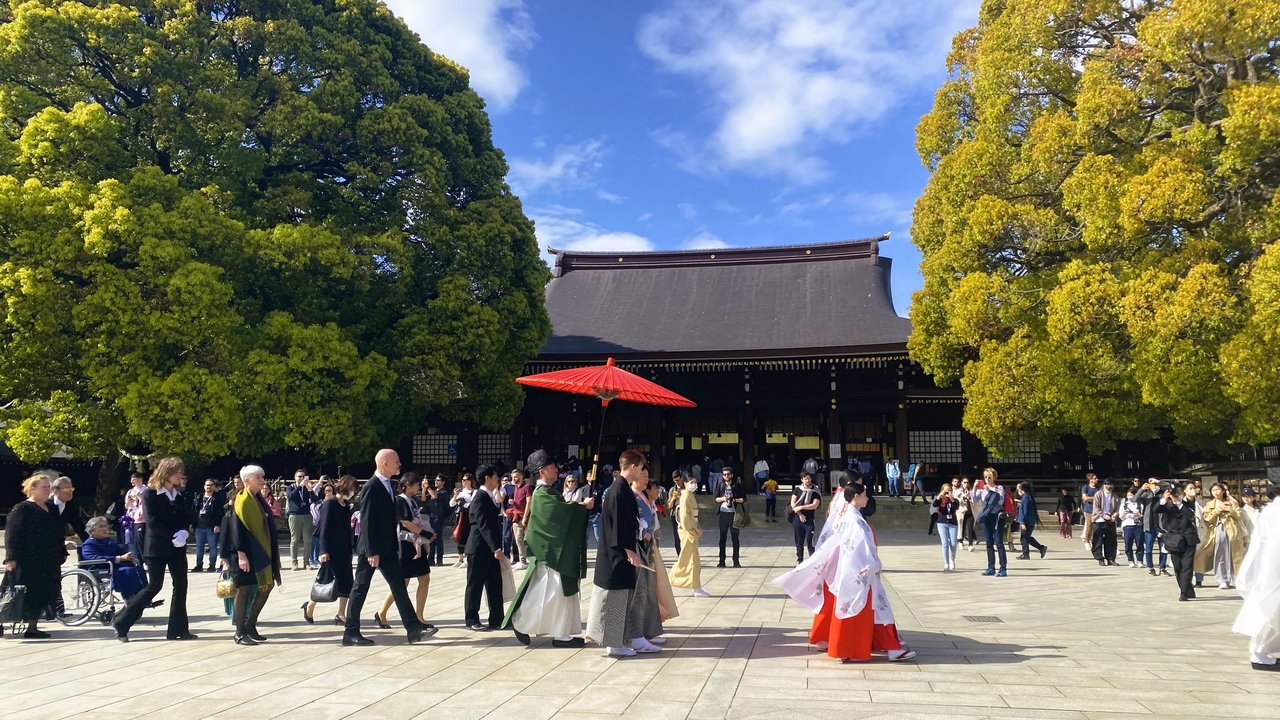
Meiji Shrine forest path — a peaceful Shinto sanctuary in central Tokyo ⛩️ Forest Shrine4
Meiji Shrine
Meiji Jingu · Shibuya / Yoyogi

A Shinto shrine hidden within a forest of 70,000 trees, dedicated to Emperor Meiji, who opened Japan to the world in the late 19th century. Built in 1920, it feels completely removed from the city bustle despite being in the heart of Tokyo. The approach through towering torii gates is one of the most serene walks in Japan. On lucky days you may witness a traditional Shinto wedding ceremony.

📍Location: Shibuya/Yoyogi, western Tokyo
Hours: Sunrise–sunset · Free entry
🚆Getting there: Harajuku Station (JR Yamanote Line)
💡Tip: Pair with Harajuku — they share the same station. Visit the shrine in the morning, then walk to Takeshita Street in the afternoon for the contrast of utter calm versus colourful chaos.
Tokyo City Guide →
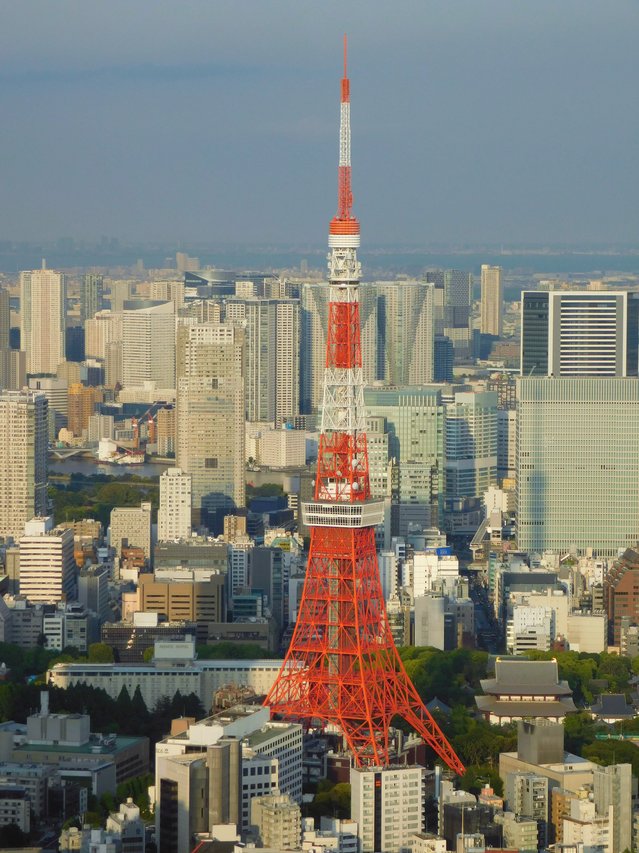
Tokyo Tower glowing red at night — a classic 1958 landmark 🗼 Classic Icon5
Tokyo Tower
Tokyo Tower · Minato District

The red Eiffel-style tower that defined Tokyo's postwar rebirth — built in 1958, standing 333 metres tall. The Main Deck at 150 m still delivers great city views, and on clear days Mount Fuji appears on the horizon. While Skytree has surpassed it in height, Tokyo Tower's warm orange glow illuminating the night sky remains one of the most beloved images of the city.

📍Location: Minato, southern Tokyo
Hours: 9:00–23:00 · Main Deck ¥1,200 (adult)
🚆Getting there: Akabanebashi Station (Oedo Line) or Kamiyacho (Hibiya Line)
💡Tip: Come at night — the tower is far more striking after dark. Photograph the exterior during magic hour before going up to the deck.
Tokyo City Guide →
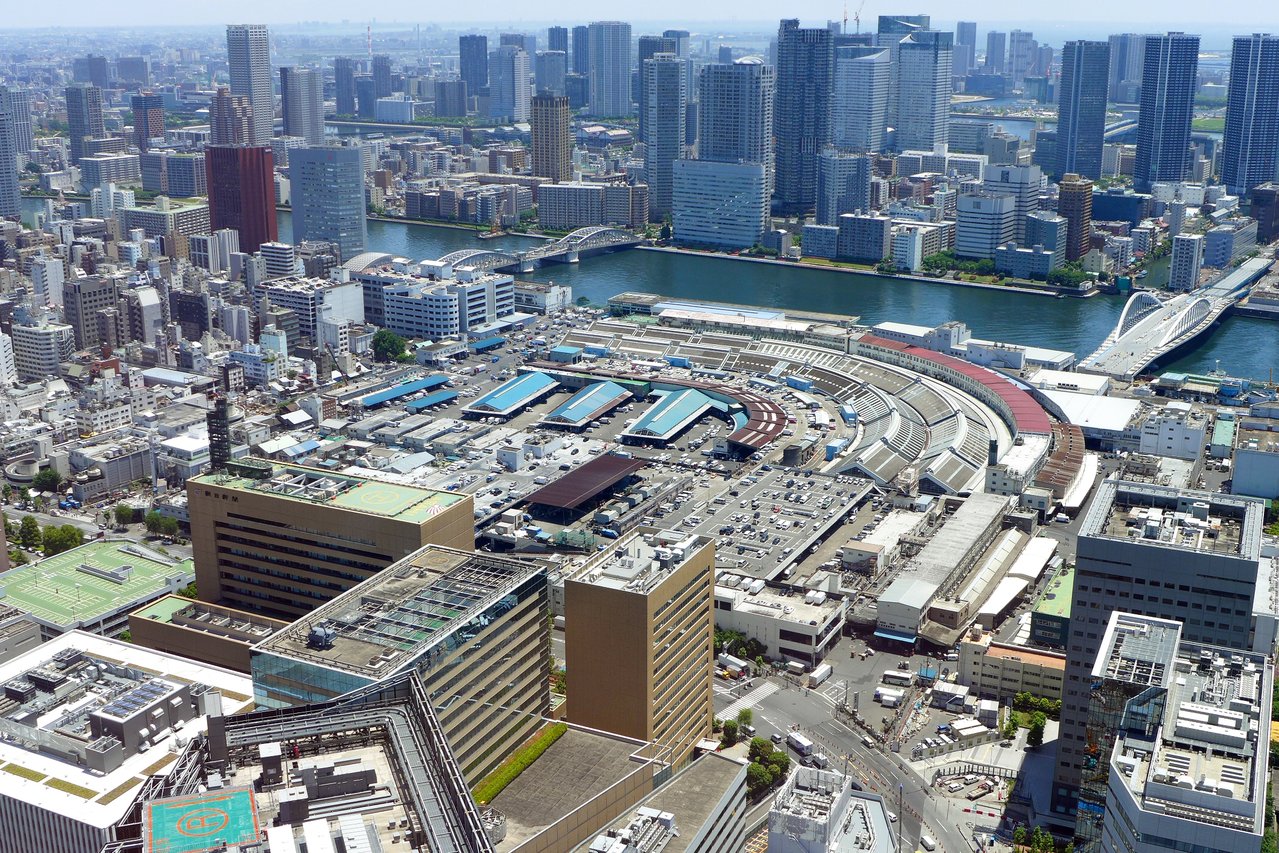
Tsukiji Outer Market — Tokyo's famous morning seafood street 🐟 Food Market6
Tsukiji Outer Market
Tsukiji Outer Market · Chuo District

Even after the inner wholesale market moved to Toyosu, the Tsukiji Outer Market remains Tokyo's most atmospheric morning food street. Stalls open before dawn selling fresh sushi, sea urchin, grilled scallops, fluffy tamagoyaki (rolled omelette), and Japanese street food at their freshest. Arriving by 8 am puts you among local chefs and market vendors — an experience unique to Tokyo.

📍Location: Chuo, central Tokyo
Hours: 5:00–14:00 (most shops closed Sun & Wed) · Free to enter
🚆Getting there: Tsukijishijo Station (Oedo Line)
💡Tip: Go before 8 am for the freshest selection. Try tamagoyaki hot from the pan and grab a sushi piece from a stall for ¥100–200 each.
Tokyo City Guide →
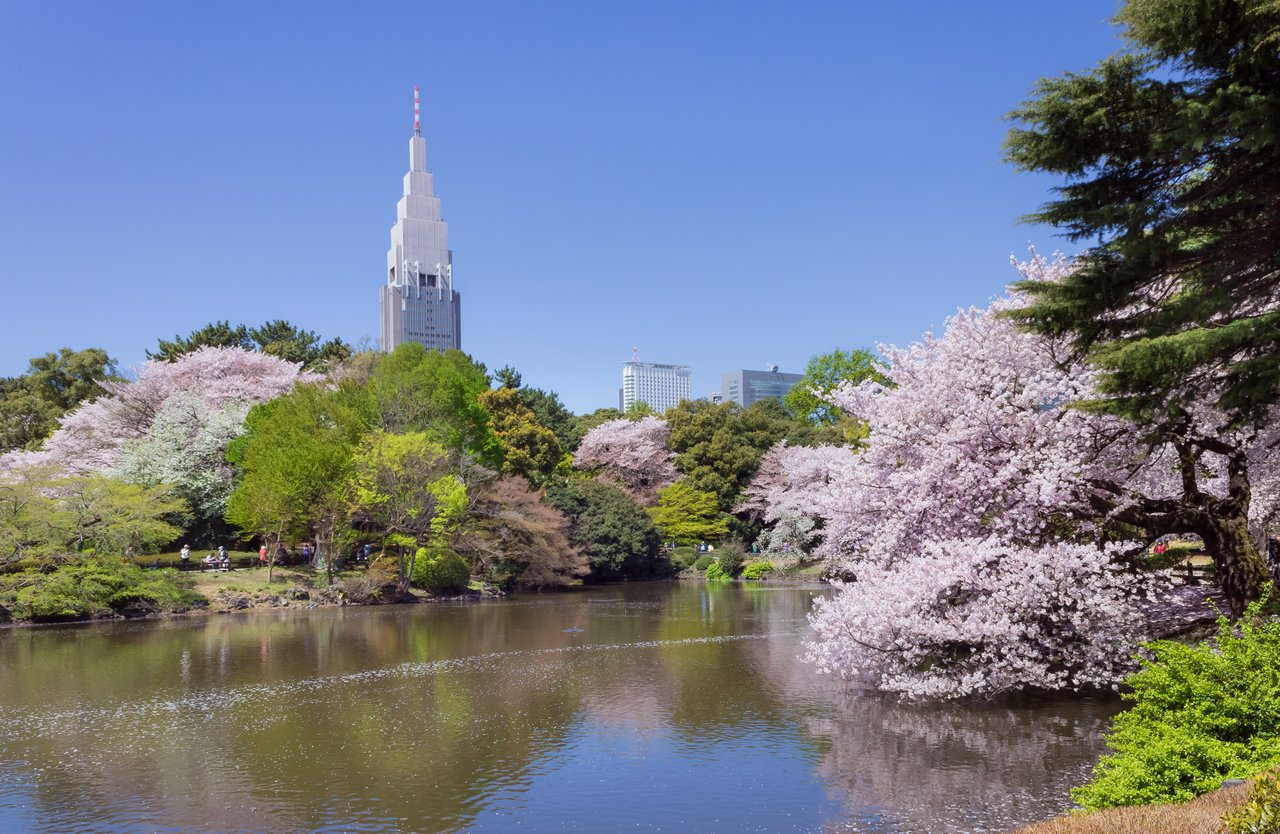
Shinjuku Gyoen — one of Tokyo's most beautiful national gardens 🌿 National Garden7
Shinjuku Gyoen
Shinjuku Gyoen · Shinjuku District

Tokyo's most beloved national garden — 58 hectares blending Japanese, French, and English garden styles. During cherry blossom season (late March to early April) the park is Japan's finest place to hanami (flower-viewing), with over 1,000 trees in bloom. The traditional Japanese tea house inside serves matcha with wagashi sweets. A perfect refuge from the non-stop energy of nearby Shinjuku.

📍Location: Shinjuku, western Tokyo
Hours: 9:00–16:30 (closed Mon) · ¥500 (adult)
🚆Getting there: Shinjuku-gyoen-mae Station (Marunouchi Line)
💡Tip: Alcohol is not permitted in the park. Buy traditional wagashi sweets from the stall inside and take them to the tea house for a proper matcha pairing.
Tokyo City Guide →
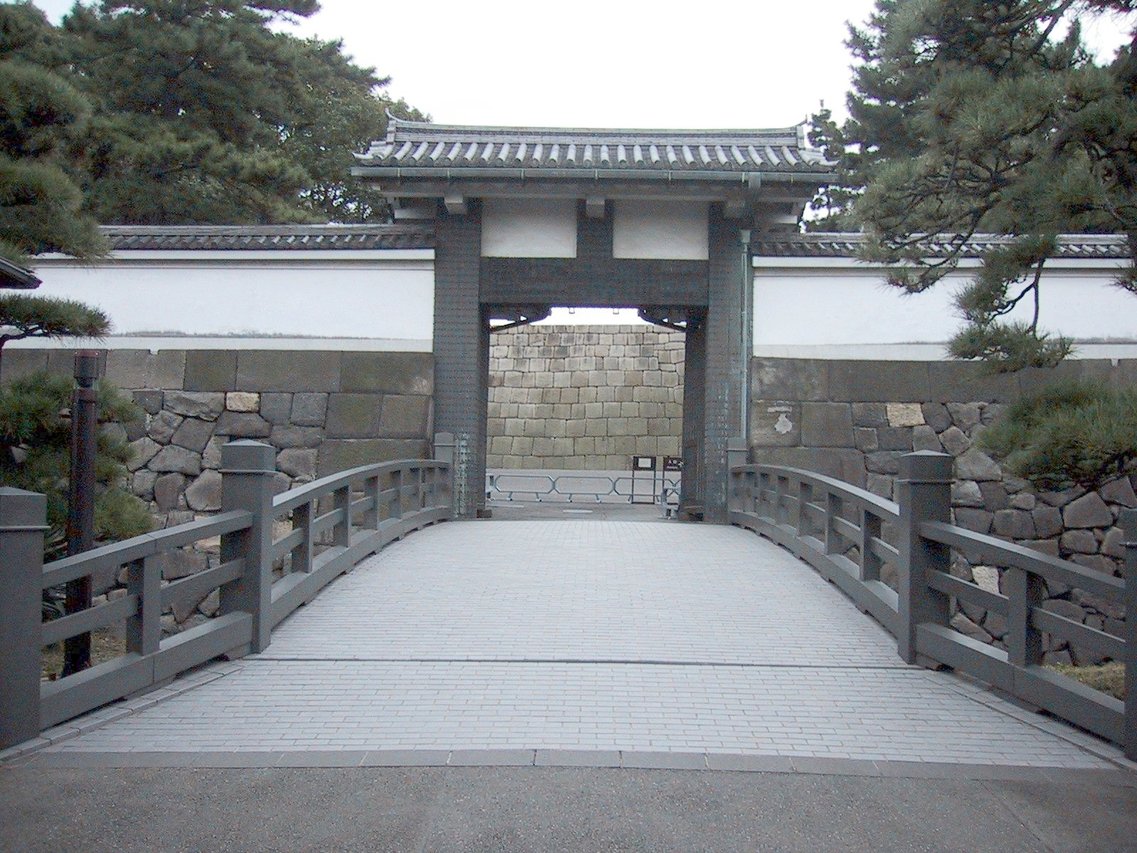
Imperial Palace East Gardens — ruins of Edo Castle, Tokyo 🏯 Historic Gardens8
Imperial Palace East Gardens
Imperial Palace East Gardens · Chiyoda District

The publicly accessible eastern section of the Imperial Palace grounds — built on the ruins of Edo Castle, once the largest castle complex in the world. The massive stone foundations, outer moat, and remaining watchtower give a tangible sense of Japan's shogunate era. Traditional Japanese gardens dotted throughout make it one of Tokyo's most peaceful green spaces. Free entry and a short walk from Tokyo Station.

📍Location: Chiyoda, central Tokyo
Hours: 9:00–17:00 (closed Mon & Fri) · Free entry
🚆Getting there: Otemachi Station (multiple lines) or Tokyo Station (JR)
💡Tip: Combine with Tokyo Station next door — browse the famous Gransta underground shopping complex before or after your garden walk.
Tokyo City Guide →
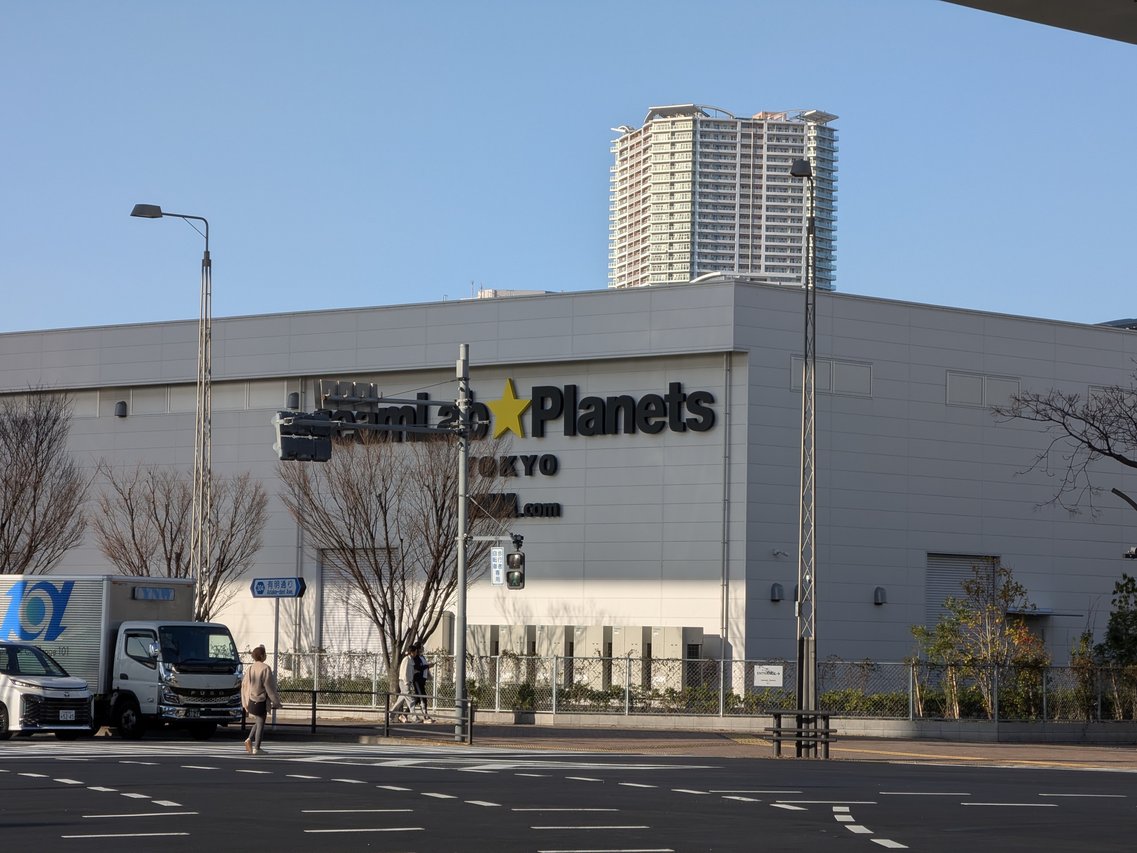
teamLab Planets Tokyo — immersive digital art museum in Toyosu 🎨 Digital Art9
teamLab Planets
teamLab Planets · Toyosu District

The world's most celebrated immersive digital art museum. Visitors walk barefoot through shallow water as projected flowers bloom beneath their feet, rooms fill with infinite mirror light, and massive floral installations cascade around them. Every one of the five rooms is a completely different sensory experience. Allow 90–120 minutes. Advance booking is mandatory — tickets frequently sell out weeks ahead.

📍Location: Toyosu, eastern Tokyo
Hours: By timed entry slot · ¥3,800 (adult) · Advance booking required
🚆Getting there: Shin-Toyosu Station (Yurikamome Line)
💡Tip: Wear white or light-coloured clothing to reflect the projections most vividly. Book at least 1–2 weeks ahead; peak season slots go even faster.
Tokyo City Guide →
Harajuku Takeshita Street — Tokyo's kawaii youth fashion mecca 🛍️ Fashion District10
Harajuku + Takeshita Street
Harajuku · Takeshita-dori · Shibuya

Japan's youth fashion capital — a single pedestrian lane just 350 metres long, but packed with kawaii boutiques, cosplay shops, rainbow crêpe stands, fluffy cotton candy stalls, and teenagers in eye-catching outfits. The street is a microcosm of Japanese pop culture unlike anything else in the world. Walk Meiji Shrine in the morning for peaceful forest calm, then step into this riot of colour and street food right after.

📍Location: Shibuya — Takeshita-dori, off Harajuku Station
Hours: 24/7 (shops ~11:00–20:00) · Free to enter
🚆Getting there: Harajuku Station (JR Yamanote) or Meiji-jingumae (Chiyoda Line)
💡Tip: Busiest on Saturday and Sunday afternoons. Visit on a weekday morning if you want to photograph the street without crowds.
Tokyo City Guide →
Map

All 10 Tokyo Attractionson One Map

See how the sights are distributed across the city — cluster nearby spots into a single day to save travel time.

Tokyo Travel Tips

6 Things That Make Your Tokyo TripSmoother and Better Value

💳
Get a Suica or Pasmo Card
The IC card works on every JR train, Metro, bus, and ferry — and pays for snacks at vending machines and convenience stores across the city.
🗺️
Plan by Yamanote Loop Zones
The JR Yamanote Line circles the city like a clock — group attractions by the same stretch of the loop to minimise backtracking.
🌸
Season Changes Everything
Cherry blossoms (March–April) are the most popular season; autumn foliage (November) and winter illuminations are equally beautiful with fewer crowds.
🎟️
Book in Advance for Popular Spots
teamLab Planets, top ramen restaurants, and some Michelin venues sell out weeks ahead — plan before you arrive.
📶
Get an eSIM Before You Fly
Mobile data is essential for navigating Google Maps, checking train times on the Japan Official Travel App, and finding restaurants on the go.
👟
Wear Comfortable Shoes
A Tokyo sightseeing day averages 15,000–20,000 steps. Good footwear makes a bigger difference here than almost anywhere else.
Frequently Asked Questions

FAQ —Tokyo Travel

How many days do I need for Tokyo?
Tokyo is a city you could spend weeks in, but to see the top 10 highlights on this page comfortably, allow at least 5–7 days. Three full days cover the main city sights; add 2–3 more days for day trips to Nikko, Kamakura, or Hakone for stunning variety without leaving the region.
Which transit card should I use in Tokyo?
Suica or Pasmo — both are rechargeable IC cards that work on JR trains, Tokyo Metro, Toei Subway, buses, and ferries across Tokyo. They also pay for drinks at vending machines and snacks at convenience stores. Buy one at the airport (Narita or Haneda) or from any station ticket machine.
Is the Tokyo Wide Pass or Tokyo Metro Pass worth it?
The Tokyo Metro Pass (24/48/72 hours, ¥600–800/day) makes sense if you ride Metro lines 4+ times per day — but it doesn't cover JR trains. The Tokyo Wide Pass (¥15,000 / 3 days) is worth it only if you plan Shinkansen day trips to Nikko or further. For most city-based itineraries, a topped-up Suica is simpler and more economical.
What is the best season to visit Tokyo?
Spring (March–May) is peak season for cherry blossoms — iconic but very crowded. Autumn (October–November) brings spectacular red and gold foliage with noticeably fewer tourists. Summer (June–August) hosts the most festivals and fireworks but is hot and humid. Winter (December–February) offers beautiful illuminations, smaller crowds, and occasional snow in January.
Which neighbourhood should I stay in for sightseeing?
Shinjuku — the central hub with the best access to all directions and a huge range of prices. Asakusa — old-town atmosphere, steps from Senso-ji and a short walk to Skytree. Shibuya — lively, walking distance to Harajuku and Meiji Shrine. Ginza — upscale option close to Tsukiji. Ueno — budget-friendly, near museums and Ueno Park.
Is English widely spoken in Tokyo?
Tokyo is extremely visitor-friendly. Train signs on every line are in English, major attractions have English-speaking staff, and most restaurants have picture menus or English translations. Smaller neighbourhood izakayas may require Google Translate's camera mode, but getting around independently is never a serious obstacle.
Ready to Go?

Pick Your Favourite Spots
and Start Planning Your Tokyo Trip

Open the full Tokyo city guide for hotels, restaurants, and a complete itinerary — or start searching for accommodation in the neighbourhood closest to the sights you want to see.

🔴 Search Tokyo Hotels Tokyo Guide