Kyoto AttractionsWorth Every Minute
Ranked by popularity — from globally iconic landmarks to neighbourhood gems beloved by locals. Each listing includes the location, how to get there, opening hours, and tips drawn from real visitor reviews.
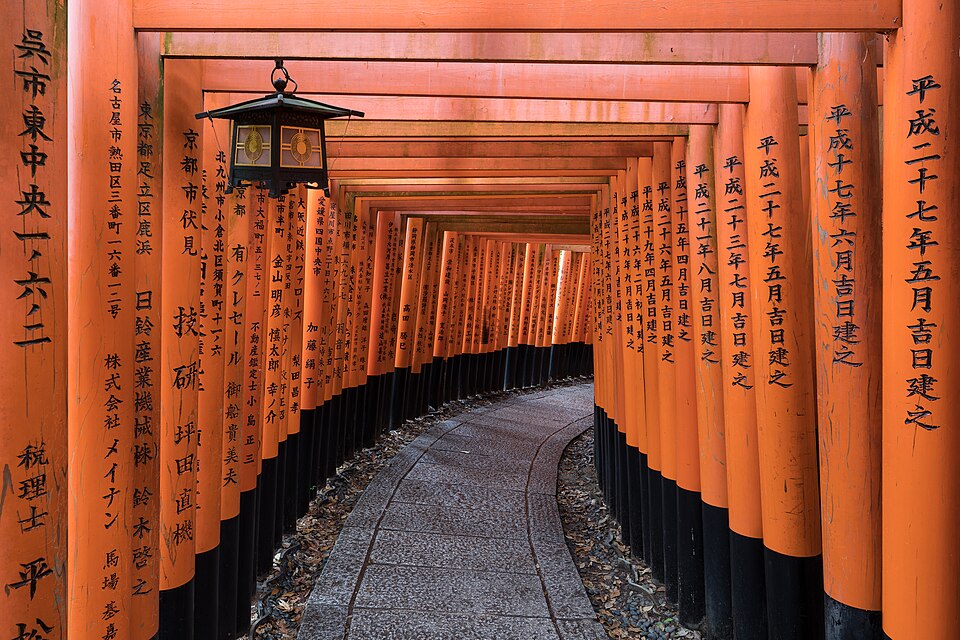 ⛩️ Shinto Shrine1
Kyoto's single most-photographed sight and one of Japan's most visited attractions. Nearly 10,000 vermillion torii gates wind up the forested slopes of Mount Inari in a series of tunnels that seem to stretch into infinity. The gate trail is free to walk at any hour and takes about 2 hours for the full circuit to the summit and back. The head shrine at the base dates to 711 AD and is dedicated to Inari, the god of rice, sake, and prosperity.
Kyoto City Guide →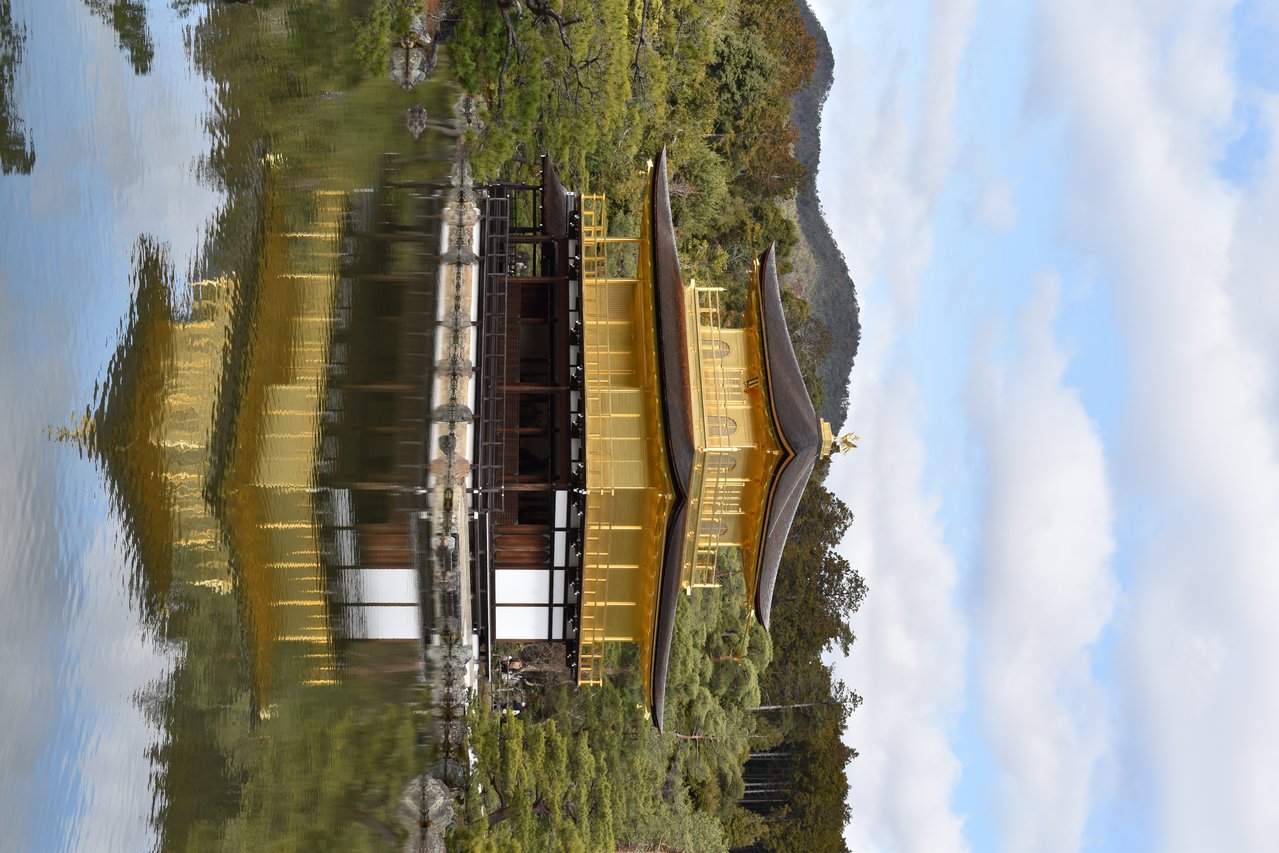 🥇 Golden Pavilion2
The most iconic image in all of Kyoto — a three-storey Zen Buddhist pavilion whose top two floors are coated entirely in gold leaf, reflected perfectly in the Mirror Pond (Kyoko-chi) below. Originally built as a retirement villa for Shogun Ashikaga Yoshimitsu in 1397, it was converted to a Zen temple after his death. The current structure is a 1955 reconstruction after an arson attack. A UNESCO World Heritage Site and one of Japan's most recognisable landmarks.
Kyoto City Guide →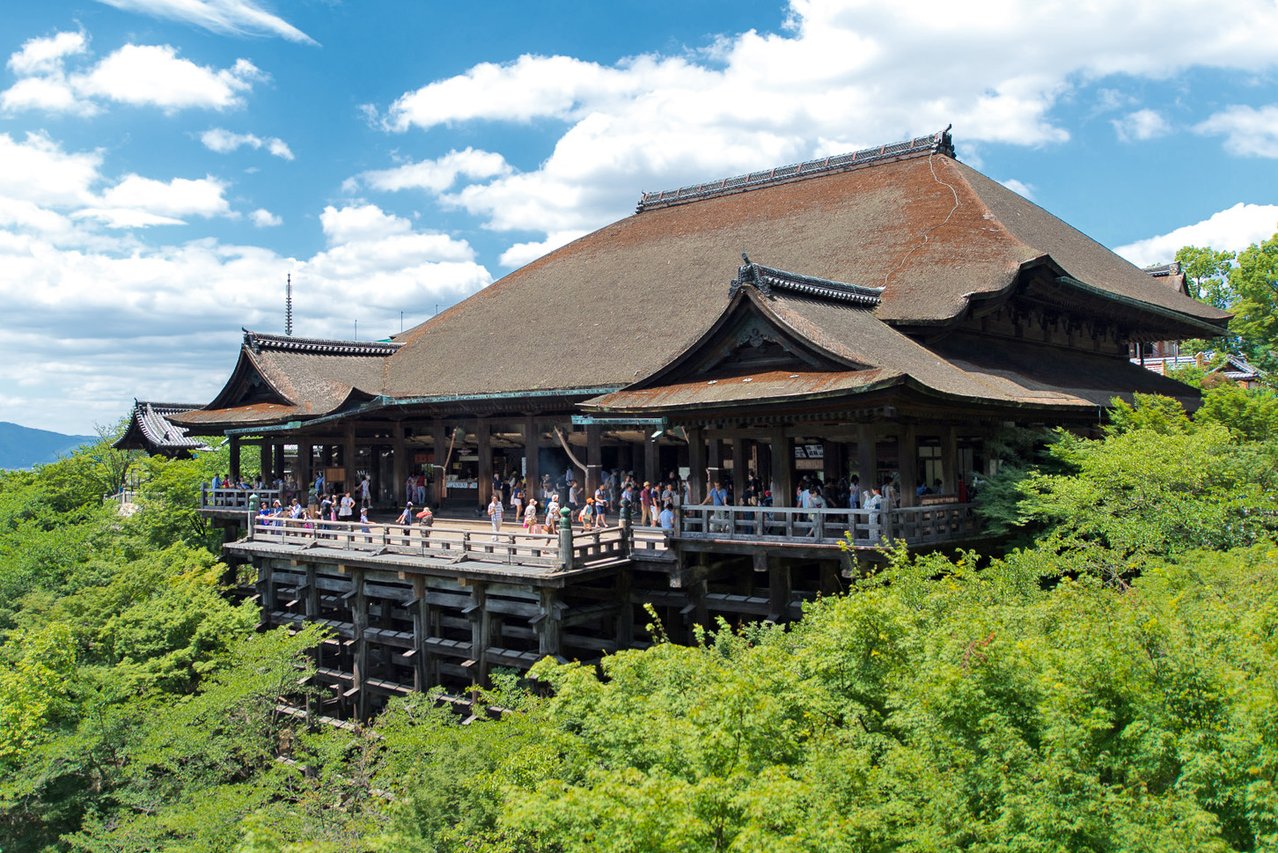 🏯 UNESCO Temple3
Kyoto's hillside masterpiece — a UNESCO-listed temple whose famous wooden stage projects 13 metres out over a steep wooded cliff, supported by 139 keyaki (zelkova) pillars without a single nail. Built in 778 AD and last reconstructed in 1633, the main hall is dedicated to Kannon, the goddess of mercy. Below, three streams of sacred Otowa waterfall offer wishes for longevity, love, and studies. The cobblestone Sannen-zaka and Ninnen-zaka lanes leading up are lined with tea houses and craft shops.
Kyoto City Guide →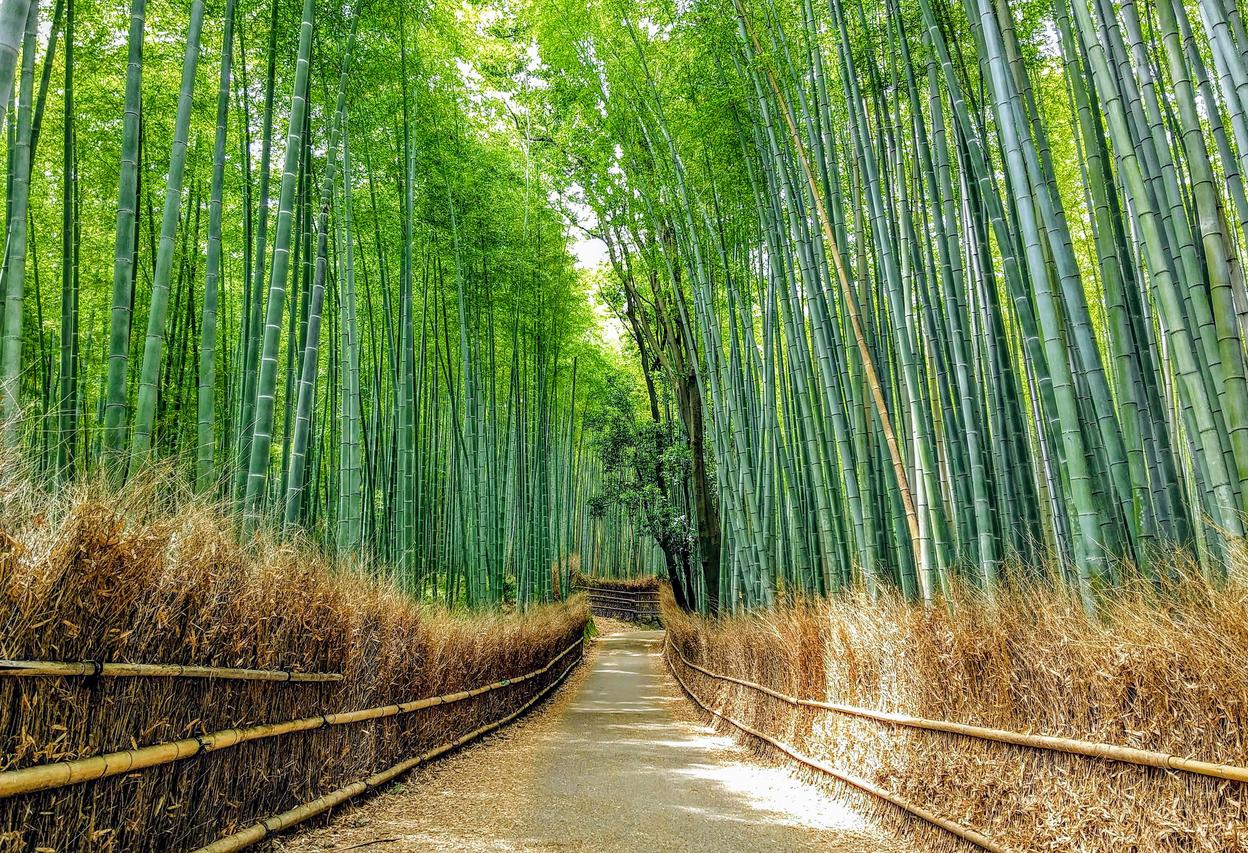 🎋 Bamboo Forest4
A narrow path cutting through soaring bamboo stalks so tall and dense they block the sky — one of the most photographed natural scenes in Japan. The rustling sound of the canes moving in the wind was even designated an "Intangible Cultural Property" of Japan. The grove is the centrepiece of Arashiyama, a village district along the Oi River that also offers the Tenryu-ji Zen garden (UNESCO), the Togetsukyo Bridge, and the Iwatayama Monkey Park for views over the valley.
Kyoto City Guide →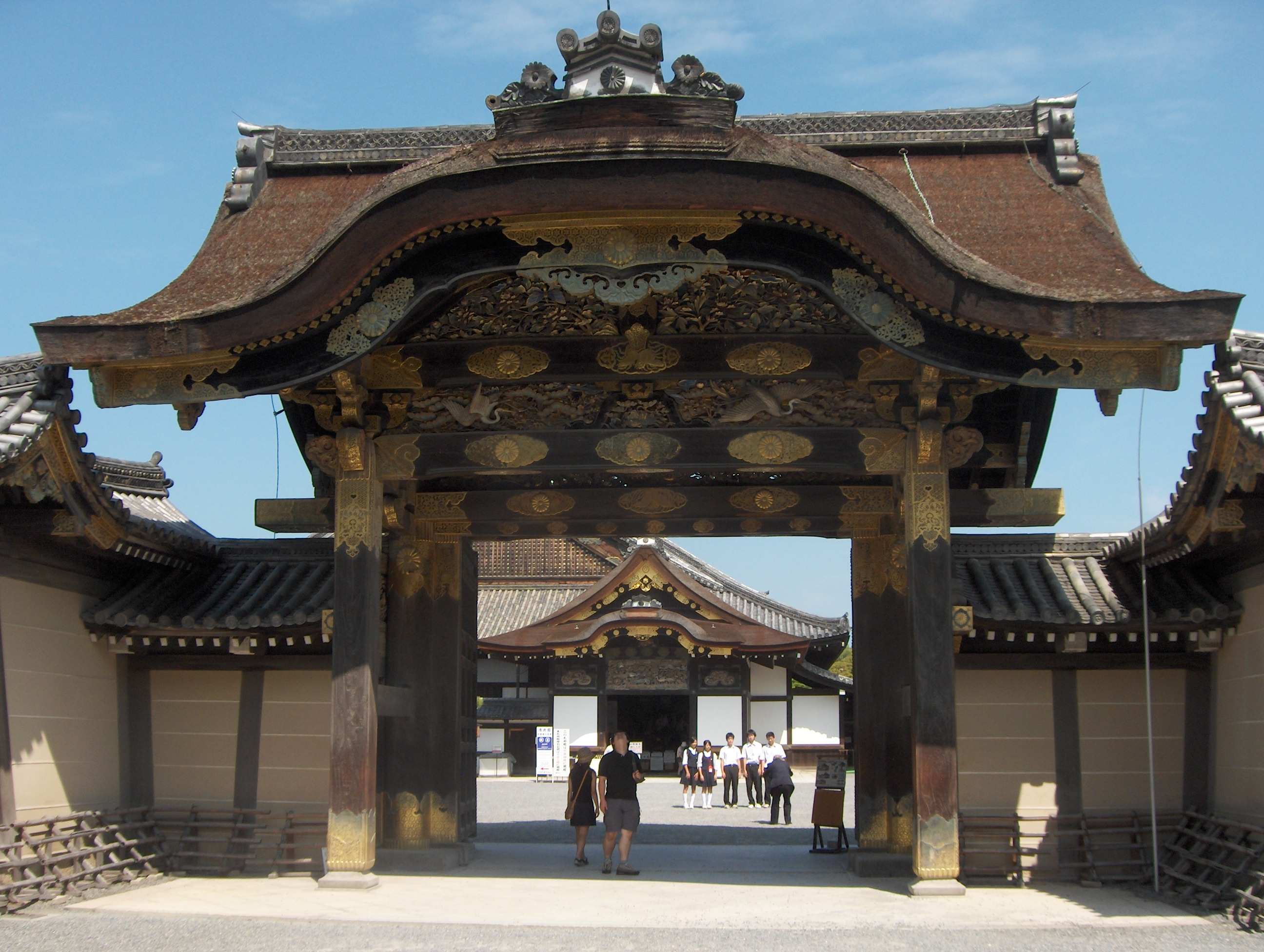 🏯 UNESCO Castle5
Built in 1603 as the Kyoto residence of Shogun Tokugawa Ieyasu, Nijo Castle is a UNESCO World Heritage Site famous for its extraordinary "nightingale floors" — the Ninomaru Palace corridors were deliberately engineered to squeak like birds when walked upon, alerting the shogun to any approaching assassin. The interiors are decorated with spectacular Kano-school gilded paintings. The surrounding Ninomaru garden, designed by tea master Kobori Enshu, is one of the finest example of daimyo landscape design.
Kyoto City Guide →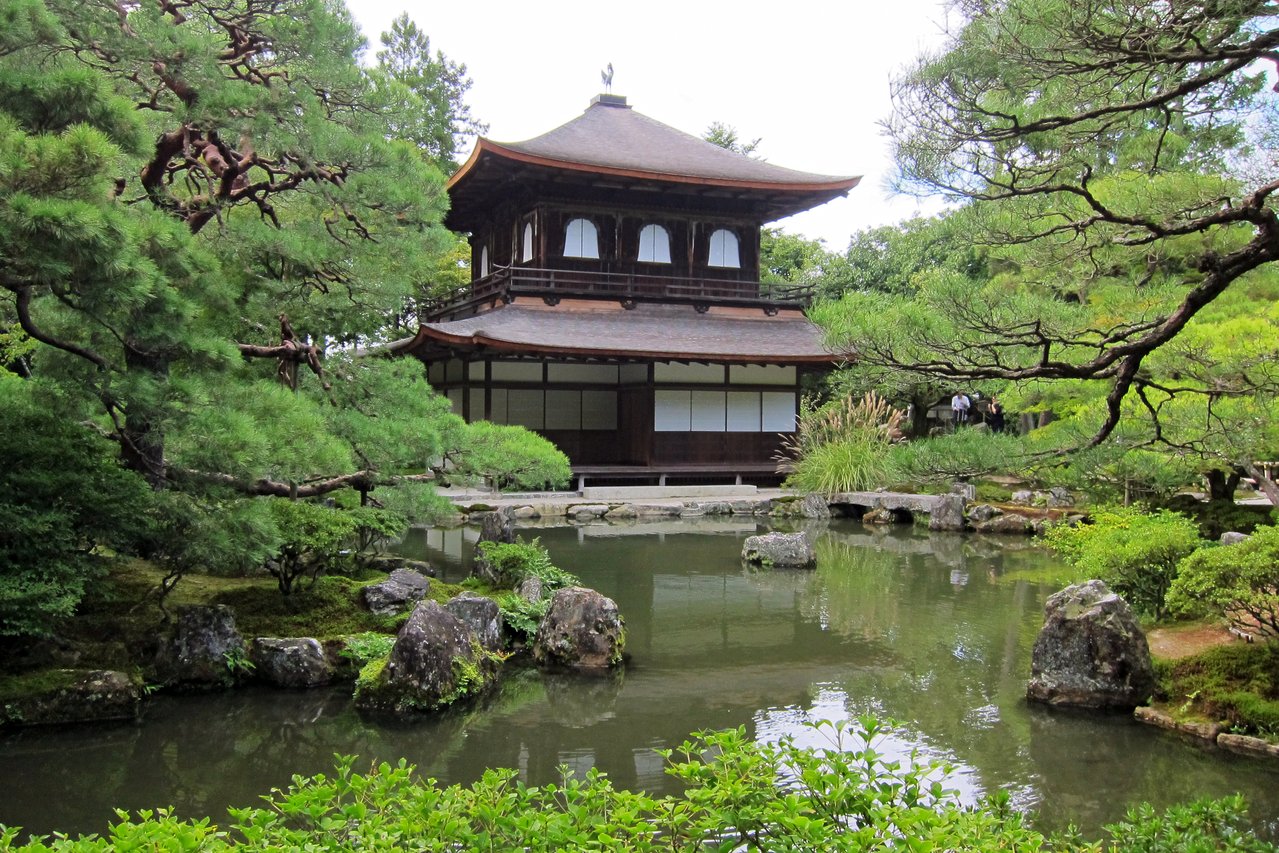 🌿 Zen Garden6
Officially named Jisho-ji, Ginkaku-ji was intended to be covered in silver leaf (in contrast to the Golden Pavilion) but the plan was never realised — the pavilion remains natural dark wood, which many visitors find more elegant and restrained. What makes it unmissable is the surrounding garden: a meticulously raked silver-sand sea called the "Sea of Silver Sand," a precise cone of sand called Kogetsudai, and a moss-carpeted woodland trail to a hilltop viewpoint over the city. The starting point of the famous Philosopher's Path.
Kyoto City Guide →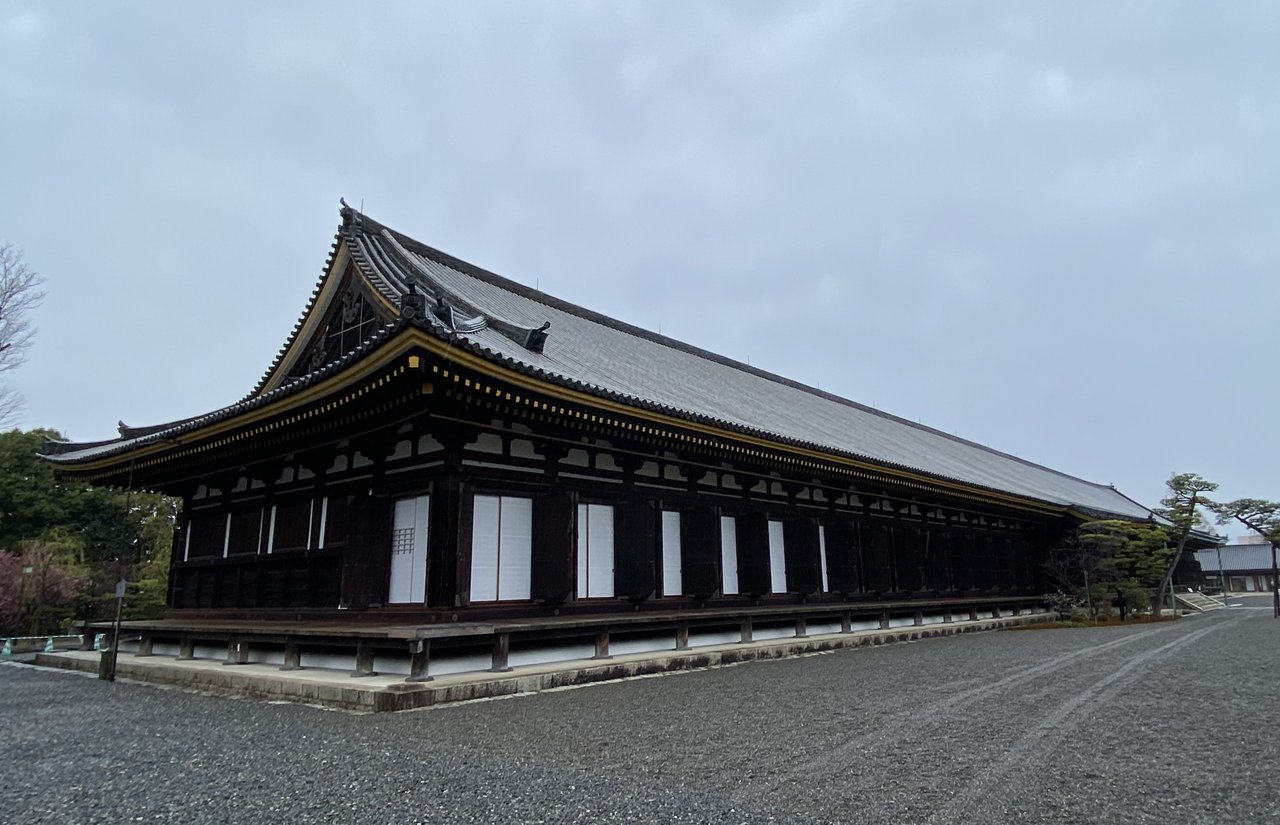 🛕 Buddhist Hall7
Japan's longest wooden building — a 120-metre hall housing exactly 1,001 life-sized gilded statues of Kannon (the goddess of mercy) standing in 33 rows, each one subtly different in expression and hand position. The central statue, enthroned 3.3 metres tall, is a National Treasure. Founded in 1164 and rebuilt in 1266, the hall also displays 28 guardian deities and a striking pair of Fūjin (wind god) and Raijin (thunder god) figures at the ends. Profoundly atmospheric and rarely overcrowded.
Kyoto City Guide →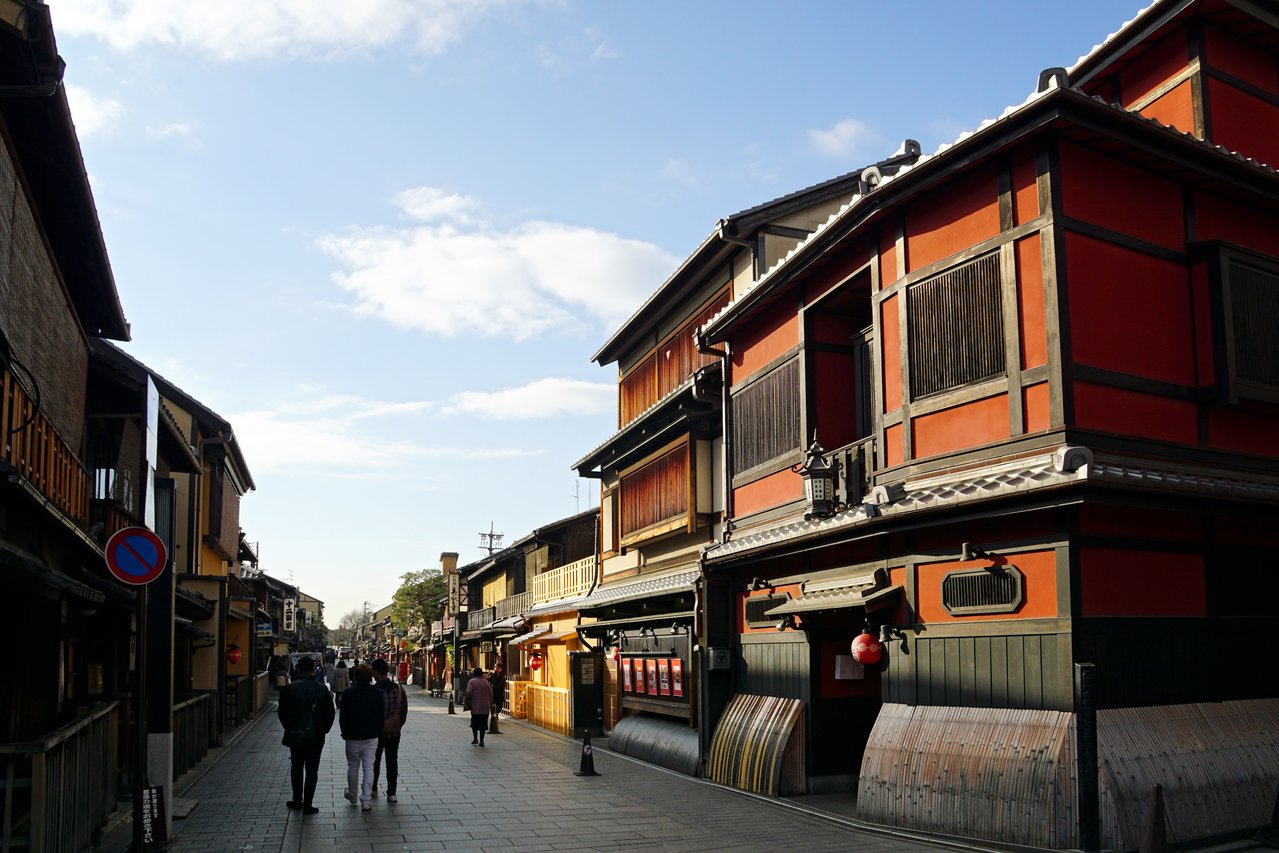 🏮 Geisha District8
Japan's most famous geisha district, where traditional ochaya (teahouses) line the stone-paved Hanamikoji Street and the atmospheric Shimbashi canal alley. Gion has been Kyoto's entertainment quarter for centuries and is still home to geiko (Kyoto geisha) and maiko (apprentices) who appear in the evenings on their way to evening engagements. The preserved machiya wooden townhouses, paper lanterns, and stepping-stone lanes of Ishibei-koji make Gion one of the most photogenic neighbourhoods in Japan.
Kyoto City Guide →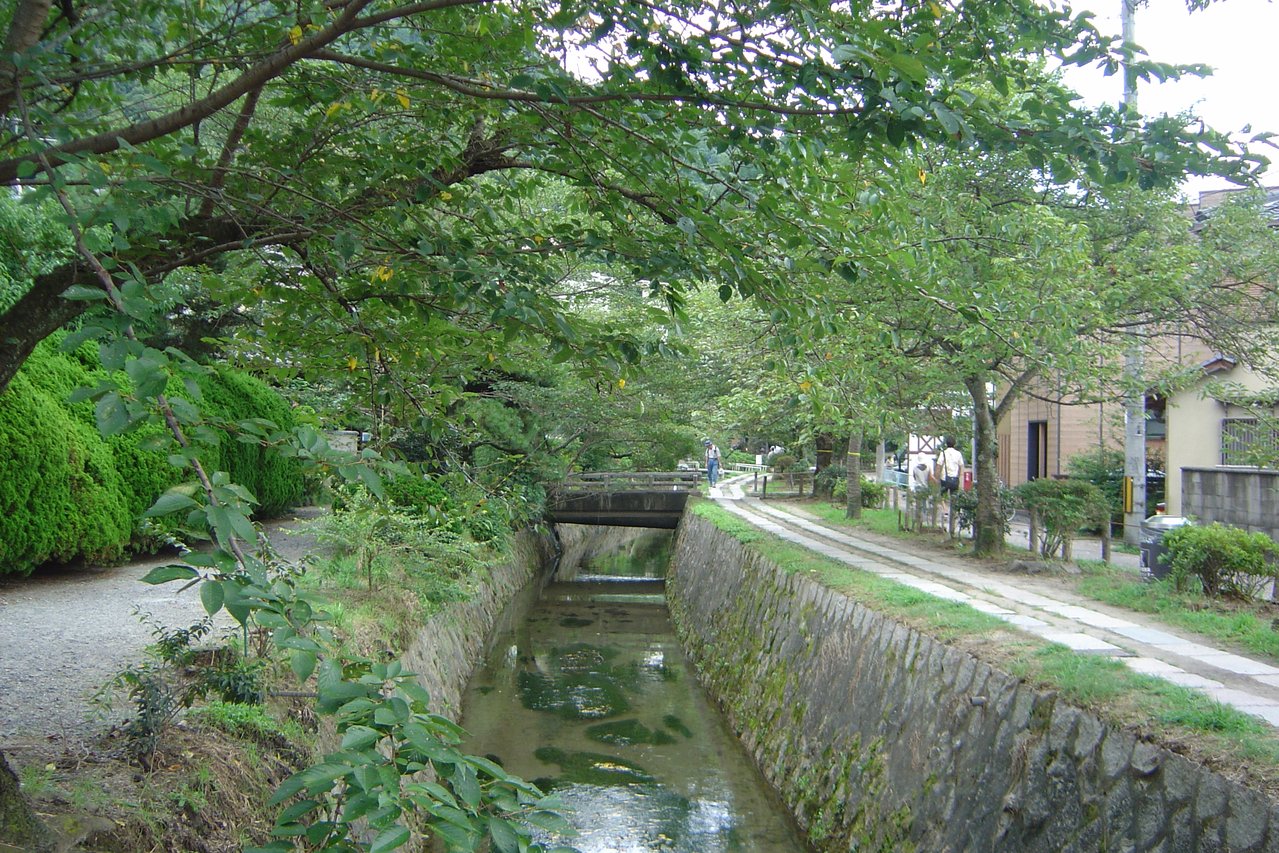 🌸 Canal Walk9
A 2-kilometre stone-paved path following a narrow canal, flanked by hundreds of cherry trees and peppered with small cafés, galleries, and Buddhist temples. Named after philosopher Nishida Kitaro, who reportedly meditated while walking this route daily. In spring the sakura overhanging the canal create a pink tunnel — one of the most celebrated cherry-blossom spots in Japan. In autumn, maples turn the water red and gold. Between Ginkaku-ji at the north end and Nanzen-ji at the south, the path passes the atmospheric Eikan-do and Honen-in temples.
Kyoto City Guide →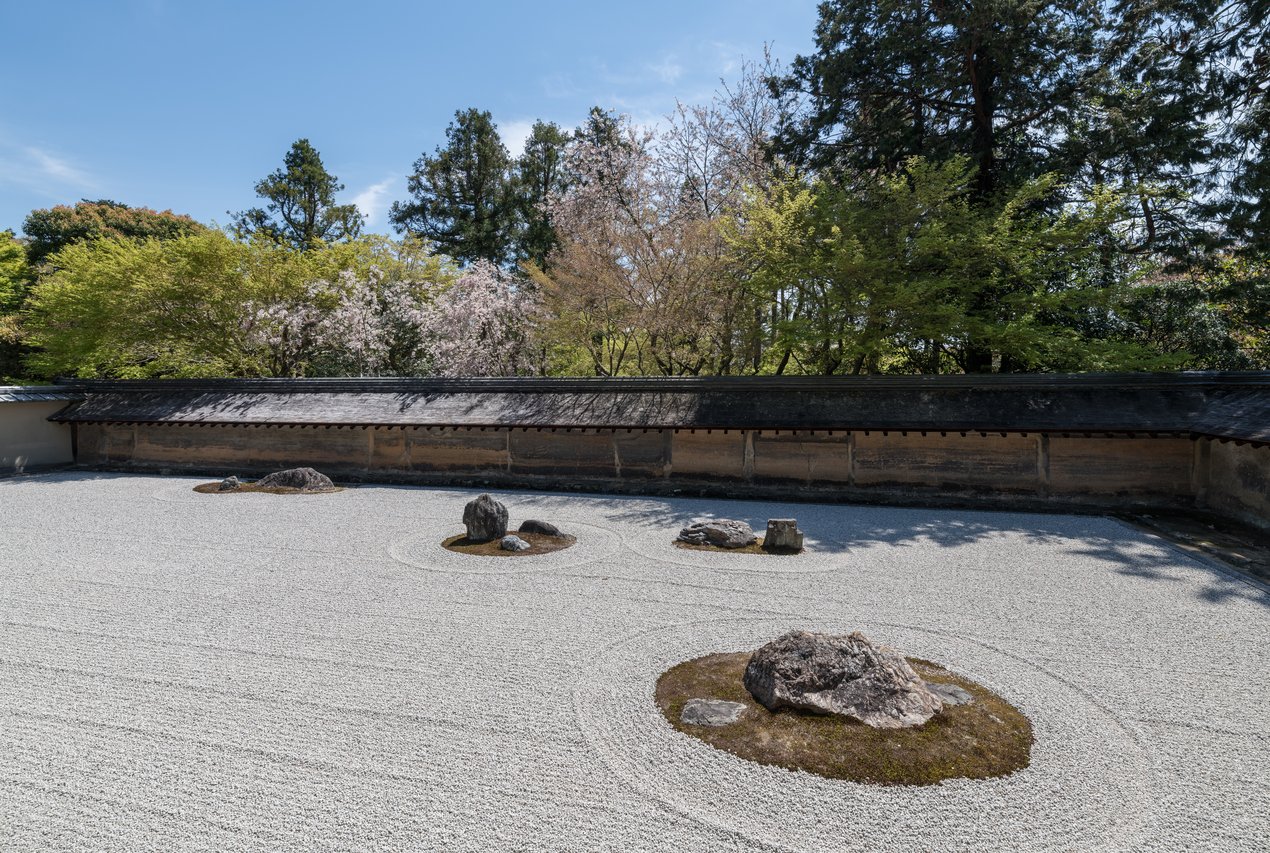 🪨 Zen Garden10
One of the world's most famous and enigmatic gardens — a flat rectangular courtyard of raked white gravel containing exactly 15 moss-covered rocks arranged in five groups. No matter where you stand on the viewing veranda, one rock is always hidden from view. The garden's meaning has never been officially explained, and the deliberate ambiguity has made it the subject of philosophical debate for over 500 years. Beyond the rock garden, Ryoan-ji's large pond and forested grounds offer serene walking paths away from the crowds.
Kyoto City Guide →