🌏 Destinations · All 🇯🇵 Japan · full guide Eat in Tokyo Eat in Osaka Ramen Guide 🍜 What to Eat in Japan 🧭 Travel Prep Guide About Contact 🇹🇭 ไทย🇬🇧 English🇨🇳 中文🇪🇸 Español🇫🇷 Français
🍜 The Japanese Food Handbook

What to Eat in Japan — Must-Try Dishes, How to Order, and Table Manners

Off the plane, starving, and no idea what to order? We've rounded up 8 dishes you have to try at least once, how to order at a ticket machine or photo menu without getting flustered, the table manners locals genuinely care about, and what to budget for food each day — all on one page, enough for every meal of your trip.

Start Here

Japanese Food Is So Much More Than Sushi —It's a Whole World on One Plate

Ever stood frozen outside a restaurant in Japan, signs everywhere and not a single word you can read, with no idea which door to walk through? Honestly, that's how nearly everyone feels on day one. But once you get the hang of it, you'll realise Japan is a genuine paradise for anyone who loves to eat — from a convenience-store onigiri rice ball that costs a few hundred yen, all the way up to a Michelin-starred sushi counter — and the amazing part is how unbelievably good even the cheap stuff can be.

This page is your starting point for eating in Japan for the first time — we'll introduce 8 dishes you have to try, tell you where to eat them and roughly what they cost, teach you how to order at a ticket machine or photo menu without speaking a word of Japanese, clear up the table manners people often get wrong, and point you to the food cities worth saving room for. Want to go deeper on a particular dish? We've got separate guides to ramen · sushi · izakaya ready for you.

🍜 Don't be intimidated, really: all-Japanese menus, ticket machines, plastic food samples out front — it all looks complicated, but it's designed so you can just point at what you want. You can eat brilliantly for your whole trip without speaking Japanese; you just need to know the system, and this page lays it all out.
🍜
Noodles
Ramen, udon, soba — each city has its own signature style.
🍚
Rice Dishes
Sushi, all kinds of rice bowls, curry rice, katsudon.
🍤
Grilled & Fried
Tempura, tonkatsu, yakitori, karaage.
🐟
Raw & Seafood
Sashimi, shellfish, seasonal fresh fish of a quality that's hard to find anywhere else.
The Dishes You Have to Try

8 Japanese DishesYou'll Love at First Bite

Short on time? Start with these — we picked dishes that are easy to find, that Japanese people genuinely eat, and that best capture the flavour of the country, with notes on where to eat them and roughly what they cost.
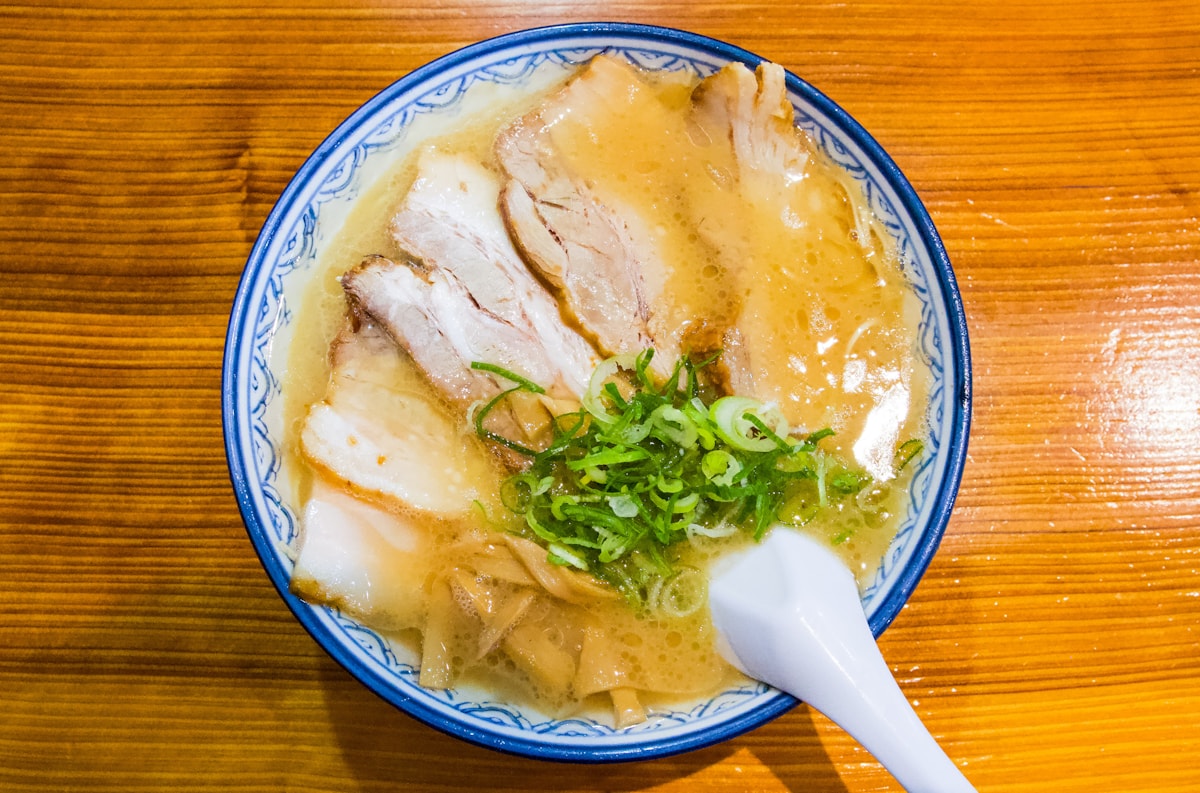
Tonkotsu ramen in a rich, milky pork-bone broth topped with chashu, bamboo shoots, and spring onion 🍜 Nationwide1
Ramen
Ramen · ラーメン

The noodle soup that became each city's hometown dish — broths run from clear shoyu and salt to rich miso, all the way to milky tonkotsu pork-bone, topped with chashu, a soft-boiled egg, and spring onion. Slurp it loud and hot. It's one of the most filling and best-value quick meals you'll have.

📍Where to eat: Fukuoka (tonkotsu) · Sapporo (miso) · specialist shops in every big city
💴Rough price: ~600–1,200 yen/bowl (an extra noodle refill, kaedama, runs ~100–150 yen)
Full Ramen Guide →
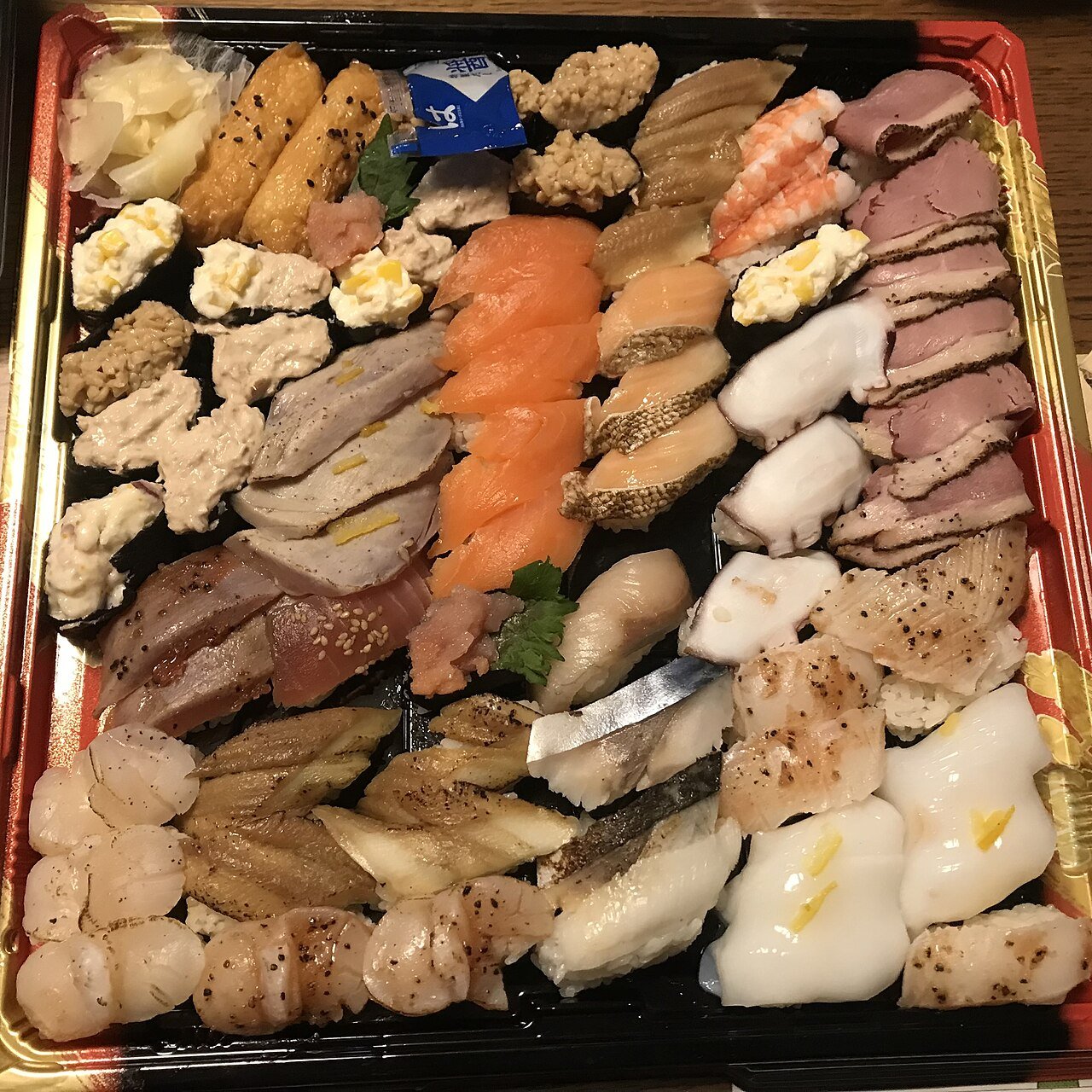
A platter of assorted sushi and sashimi with salmon, scallop, and fresh raw fish 🍣 Nationwide2
Sushi & Sashimi
Sushi & Sashimi · 寿司

Bite-sized rice topped with fresh raw fish (nigiri), or raw fish on its own with no rice (sashimi). The freshness of the ingredients here is hard to match. Beginners can start at a conveyor-belt (kaiten) shop where plates cost a few dozen yen and it's all good fun, or sit at the counter for a chef-made omakase — a different experience entirely.

📍Where to eat: Toyosu/Tsukiji markets in Tokyo · Otaru & Kanazawa (fresh seafood)
💴Rough price: conveyor belt ~100–300 yen/plate · counter omakase from several thousand into the tens of thousands of yen
Full Sushi Guide →
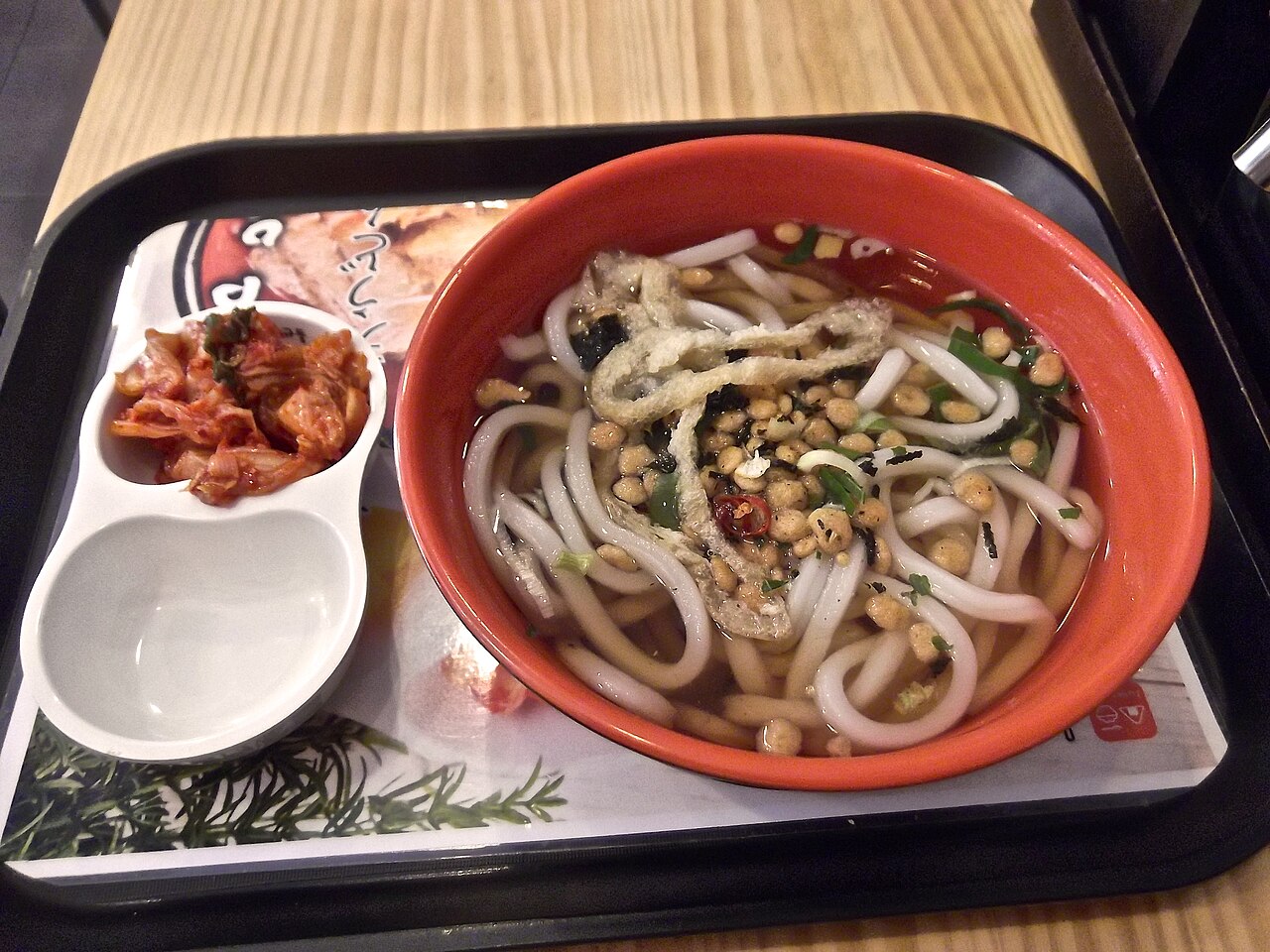
Thick white udon noodles in a clear broth topped with tempura and crispy batter bits 🥢 Nationwide3
Udon
Udon · うどん

Thick, soft, chewy wheat noodles, served either in a hot dashi broth or chilled with a strong dipping sauce. The most famous is "Sanuki udon" from Kagawa, with its signature springy bite. It's a gentle, easy-on-the-stomach dish, friendly on the wallet, and you'll find it almost everywhere — from stand-and-eat counters in train stations to long-established shops.

📍Where to eat: Kagawa (Sanuki) · stand-and-eat counters in train stations nationwide
💴Rough price: ~300–800 yen/bowl (stand-and-eat counters are cheaper)
What to Eat in Osaka →
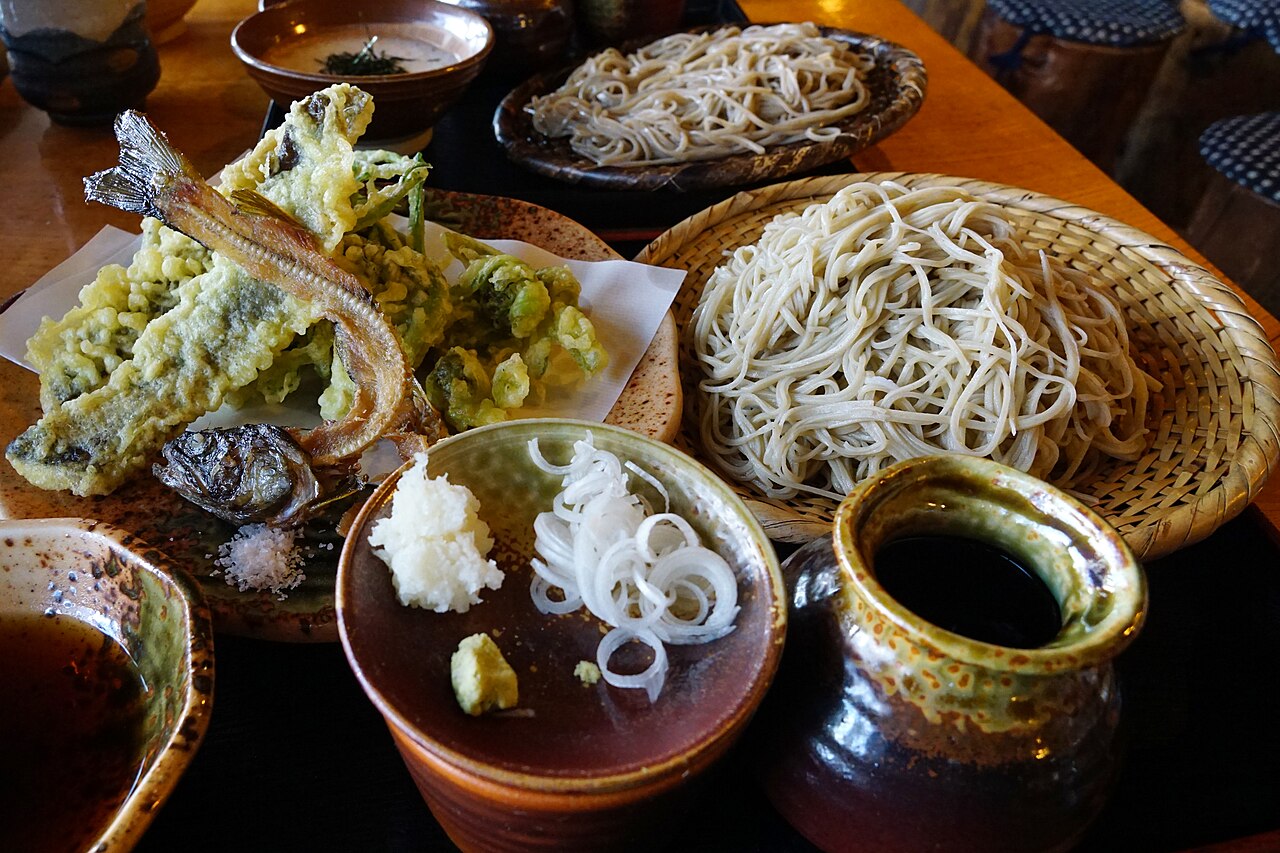
Cold soba noodles on a bamboo tray served with tempura, dipping sauce, and grated daikon 🥢 Nationwide4
Soba
Soba · そば

Light-brown buckwheat noodles with a distinctive nutty aroma, eaten cold on a bamboo tray (zaru soba) dipped in a strong sauce, or in hot broth. The famous regions are Nagano (Shinshu) and Izumo, where cool mountain air suits buckwheat. It's lighter than ramen and is the lucky dish Japanese families eat on New Year's Eve.

📍Where to eat: Nagano (Shinshu soba) · Matsumoto · old soba shops in Kyoto/Tokyo
💴Rough price: ~600–1,200 yen/serving (high-end hand-made shops cost more)
What to Eat in Tokyo →
🍤
🍤 Nationwide5
Tempura
Tempura · 天ぷら

Prawn, fish, and vegetables in a thin batter, fried until lightly crisp and never greasy, dipped in tentsuyu sauce or matcha salt. The skill is all in the wafer-thin batter and clean oil. Specialist shops fry each piece to order and serve it piping hot from the pan, or have it over rice (tendon) or with udon.

📍Where to eat: specialist tempura shops in Tokyo · department-store and station outlets nationwide
💴Rough price: tendon over rice ~800–1,500 yen · specialist counters are much higher
What to Eat in Tokyo →
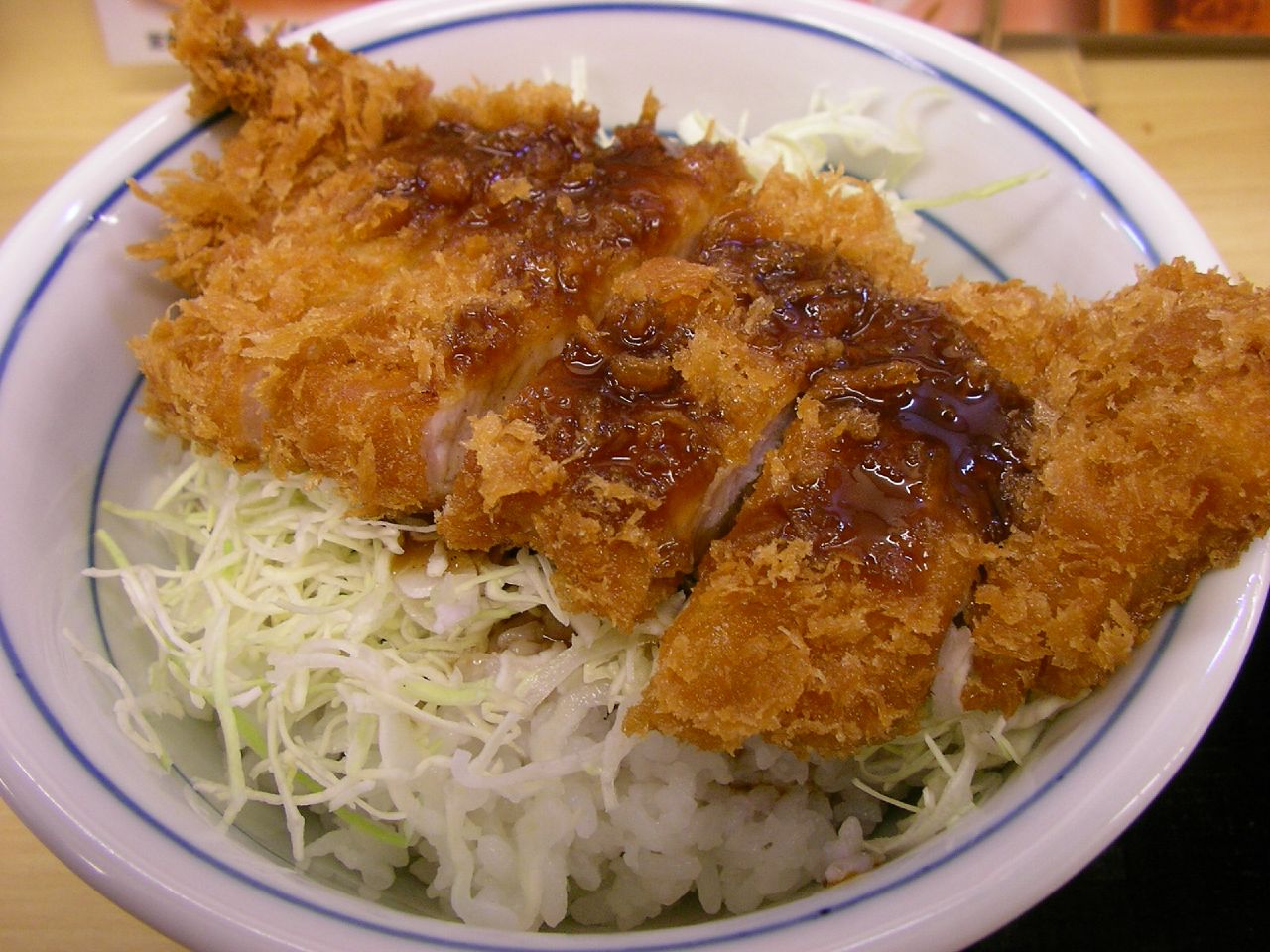
Katsudon — crumbed deep-fried pork in sauce served over steamed rice with shredded cabbage 🍚 Nationwide6
Tonkatsu & Katsudon
Tonkatsu & Katsudon · とんかつ

Pork coated in panko breadcrumbs and fried crisp outside, tender inside, served sliced with shredded cabbage and rice (tonkatsu), or simmered with egg over rice as a hot katsudon. Some regions, like Fukui, drench it in a dark sauce instead of egg. With a thick tonkatsu sauce, it's a hearty, great-value plate that goes down very well with Thai palates.

📍Where to eat: specialist tonkatsu shops nationwide · Fukui (sauce katsudon)
💴Rough price: tonkatsu set ~900–2,000 yen · katsudon ~700–1,200 yen
Japan Chain Restaurants Guide →
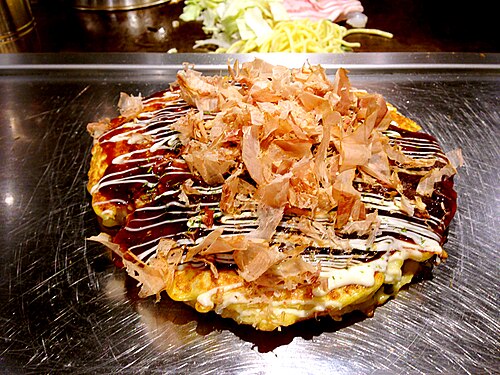
Okonomiyaki on a hot iron griddle topped with sauce, mayonnaise, and dancing bonito flakes 🍳 Osaka / Hiroshima7
Okonomiyaki
Okonomiyaki · お好み焼き

A savoury pancake nicknamed "Japanese pizza" — batter mixed with cabbage and whatever fillings you like, grilled on an iron plate, then drizzled with thick sauce and mayo and topped with bonito flakes that wave in the rising heat. The Osaka style mixes everything into the batter; Hiroshima layers it with yakisoba noodles. Many shops let you grill your own at the table — great fun.

📍Where to eat: Osaka (Dotonbori) · Hiroshima (layered style)
💴Rough price: ~800–1,500 yen/serving
What to Eat in Osaka →
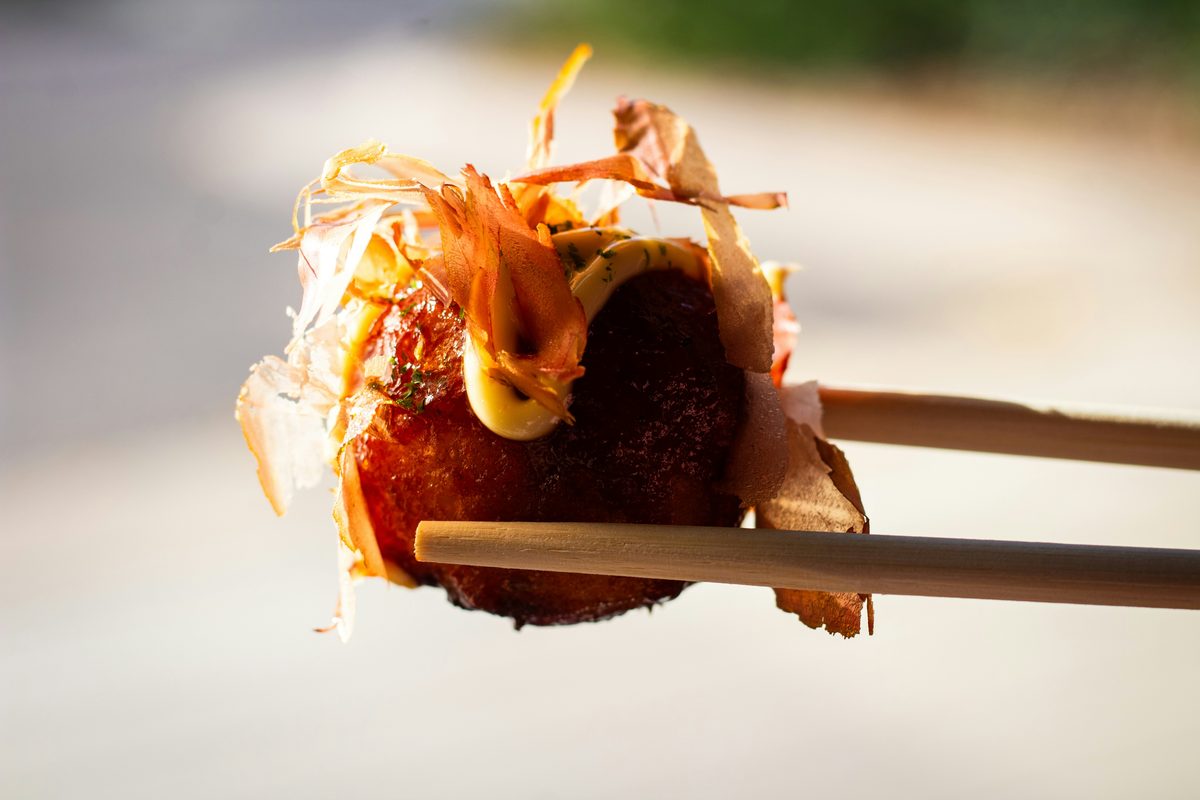
Takoyaki octopus balls picked up with chopsticks, topped with mayonnaise and bonito flakes 🐙 Osaka8
Takoyaki
Takoyaki · たこ焼き

Round balls of batter with octopus inside, cooked in a dimpled pan until crisp outside and molten within, then topped with sauce, mayo, and dried bonito and seaweed. It's Osaka's hometown street food, a must while you stroll Dotonbori. Heads up: bite straight in and the centre is scorching — blow on it first to be safe.

📍Where to eat: Osaka (Dotonbori stalls) · festivals nationwide
💴Rough price: ~500–800 yen/box (6–8 balls)
Osaka Attractions →
How to Order Without Getting Lost

4 Ordering SystemsYou'll Run Into Often in Japan

Restaurants in Japan are built to be easy to order from even if you don't speak Japanese — get to know these 4 formats and you'll never feel stuck walking into any of them.

TYPE 1
The Ticket Machine

Many ramen and rice-bowl shops have a ticket machine out front — feed in cash, pick your dish (often with photos or an English button), take your ticket and change, then hand the ticket to the staff as you sit. You don't have to say a word.

TYPE 2
Photo Menus / Plastic Samples

Many places have plastic food samples (sampuru) displayed out front, or a menu with a photo of every dish — just point at what you want. It's completely normal, nothing to be shy about. If you're stuck, a translate-app camera over the menu helps.

TYPE 3
Order a Teishoku Set for Value

Teishoku (定食) is a set meal that comes with rice, miso soup, and side dishes — better value and more filling than ordering a single plate. Many places run a discounted lunch set (around 800–1,000 yen), the cheapest time of day to eat well.

TYPE 4
Pay at the Counter on the Way Out

Mostly you don't pay at the table — take your bill (or mention your table) to the counter by the exit when you leave. Many places mainly take cash, so keep some on you, and no tipping — just pay exactly what the bill says.

Table Manners

Eat with EaseWithout Slipping Up

Locals don't expect tourists to get everything exactly right, but a handful of things are taken seriously — know them and you can eat with peace of mind. And some may surprise you.

🥢
Two Chopstick No-Gos
Never stand chopsticks upright in a bowl of rice, and never pass food chopstick-to-chopstick — both are funeral rites. To share, set the food down on a plate first.
🍜
Slurp Your Noodles Loudly
Ramen, soba, and udon — slurp away, it's completely normal and some say it makes them taste better. But only for noodles, mind you.
🙏
Say Itadakimasu / Gochisousama
Before eating, say "itadakimasu" (thanks for this meal); when you finish, "gochisousama deshita" — small courtesies that warm up the whole table.
💴
No Tipping
Japan has no tipping culture; leave money behind and staff will chase you to return it. Good service is in the price already — just pay exactly what the bill says.
🧼
The Oshibori Hand Towel
The small rolled towel handed to you when you sit (hot in winter, cool in summer) is for wiping your hands before eating, not your face. Fold it and set it aside when done.
🚮
Don't Eat While Walking · Sort Your Rubbish
Many consider eating on the move impolite — buy street food and stand by the stall to eat it. And sort your rubbish into the right bins.
Food Cities

5 Cities WorthSaving Extra Room For

Every city in Japan eats well, but these five are especially known for their food — and each has its own eating guide — Tokyo · Osaka · Fukuoka · Sapporo · Kyoto

Related Guides

Go Deeper on Each Dish and the Food Cities

🍜

Ramen Guide

The 6 broth styles, each city's regional ramen, and how to order at the ticket machine in detail.

Ramen Guide →
🍣

Sushi Guide

The types of sushi, how to eat it the proper way, and how to choose between conveyor belt, counter, or takeaway.

Sushi Guide →
🍶

Izakaya Guide

A first-timer's tour of the Japanese pub — understanding otoshi, how to order, and nomihodai all-you-can-drink.

Izakaya Guide →
🍢

What to Eat in Osaka

Japan's street-food capital — takoyaki, okonomiyaki, kushikatsu, and the Dotonbori district.

Eat in Osaka →
🗼

What to Eat in Tokyo

From Toyosu Market sushi and famous ramen shops to long-established eateries and food in the buzzy districts.

Eat in Tokyo →
🍁

Seasonal Food

Dishes you'll only find in each season — snow crab in winter, bamboo shoots in spring, sanma fish in autumn.

Seasonal Food →
Frequently Asked Questions

Questions AboutEating in Japan

Is it hard to find vegetarian or halal food in Japan?
It's harder than in many countries, because most Japanese cooking uses dashi stock made from katsuobushi (dried bonito) even in dishes that look vegetable-based. Big cities like Tokyo, Kyoto, and Osaka have more and more vegetarian, vegan, and halal restaurants (the HappyCow app or a halal search helps a lot), while rural areas are still limited. The best approach is to learn a simple way to say what you can't eat in Japanese, book restaurants that state it clearly in advance, and keep some convenience-store snacks or fruit as a backup.
Do I need to tip when eating out in Japan?
No — and you shouldn't. Japan has no tipping culture. If you leave change on the table, staff will usually chase after you to return it because they assume you forgot. Good service is the standard and is already included in the price. Some upscale places add a service charge to the bill already, so just pay what the bill says.
How much should I budget for food per day in Japan?
On a budget (convenience stores plus rice-bowl and ramen chains), about 2,000–3,000 yen a day · for a typical eater (a set teishoku lunch plus a sit-down dinner), about 4,000–6,000 yen · if you chase famous dishes, izakaya, or sushi counters it climbs much higher. Rough menu prices: a beef bowl (gyudon) ~450–500 yen, ramen ~600–1,200 yen, a teishoku set ~800–1,000 yen. 2026 prices may change, so check at the restaurant.
Is it really okay to slurp noodles loudly?
Yes, it really is. Slurping ramen, soba, and udon loudly is completely normal, and some say it even makes them taste better (drawing in air with the noodles lifts the aroma of the broth). It's not bad manners — but it's only for noodles. You don't slurp other foods, and chopsticks still have rules, such as never standing them upright in rice and never passing food chopstick-to-chopstick.
What do I do if a restaurant has no English menu?
Don't worry. Many places have a ticket machine for ordering (often with photos or an English button), or plastic food samples out front and photo menus you can simply point at. If you're really stuck, use the Google Translate camera to read the menu live, or point at a dish on a nearby table. Pointing at pictures or samples is completely normal in Japan — nothing to be embarrassed about.
Is convenience-store (konbini) food in Japan actually good?
It really is good, and the quality is better than the price suggests. Convenience stores like 7-Eleven, Lawson, and FamilyMart sell onigiri rice balls, egg sandwiches, hot bento boxes, fried chicken, and desserts that Japanese people genuinely eat every day. They're great for breakfast, a quick meal, or a budget meal — usually around 150–600 yen per item, and a handy way to keep your spending in check on a trip.
Ready to Go Eat?

Start with the First Bowl
Dive into the World of Japanese Ramen

If we had to pick one dish to try first, we'd vote ramen — read on for how the 6 broth styles differ, which ramen each city does best, and how to order at the ticket machine without getting flustered. Once you're set, line up a well-placed hotel near the best restaurants.

🔴 Find Hotels in Tokyo 🍜 Ramen Guide