Before you work through the dishes one by one, it helps to understand why Xiamen food is so mild and fresh, why broth and seafood are everything here, and how a satay-nut flavour ended up in a bowl of noodles. This is the philosophy that ties every Minnan dish together.
If you've ever worried that Chinese food has to be fiery, Xiamen will change your mind in a single meal — because this is the heart of Minnan cuisine (闽南菜), the cooking of southern Fujian around Xiamen, Quanzhou and Zhangzhou, a branch of Fujian cuisine (闽菜) and one of the eight great Chinese culinary traditions. The flavour here is mild, fresh, gently sweet-savoury and built on seafood and broth — none of the numbing málà heat of Sichuan or Hunan, and none of the heavy richness of the north.
The reason is geography. Xiamen is an island port city, and seafood lands every morning — oysters, mantis shrimp, crab, fish, razor clams. So Minnan cooking holds that fresh ingredients should taste of themselves, and it refuses to bury them under heavy seasoning. Cooks lean on steaming, blanching and light stir-frying, and they make clear broths rather than deep-frying. The humid southern climate pushes people toward lighter food too. What makes Xiamen taste like nowhere else is shacha (沙茶) sauce — a finely ground blend of peanuts, dried shrimp and dried fish, fragrant and lightly sweet — which descends from the satay sauce of Southeast Asia. And that detail says something deeper than flavour.
For centuries, Xiamen was the port people sailed from to make a living across Southeast Asia. Overseas-Chinese (华侨) returnees from Indonesia, Malaysia and the Philippines carried flavours home — satay, peanuts, spices — and Minnan cooks reworked them for a southern-Chinese palate. The city's food reads like a travel diary, which is also why it tastes familiar to so many Southeast Asian visitors: a number of dishes are direct cousins. Fresh popiah, sticky-rice zongzi, fish balls and sweet peanut soup speak the same dialect as the Hokkien and Teochew kitchens you find across the region. This guide lays out the philosophy first, then points you toward the deep-dive guides for each dish.
Nothing fiery, nothing heavy. The focus is the freshness of the seafood and a natural sweet-savoury balance, with light cooking that lets the ingredient lead.
Shacha sauce — peanuts, dried shrimp, dried fish — descends from the satay that overseas-Chinese returnees carried home from Southeast Asia.
A strong soup culture, from the silky mianxian paste to clear fish-ball soup to Fujian's long-simmered Buddha-jumps-the-wall.
A port city where people sailed out and brought flavour back — which is why Minnan food is cousin to the Hokkien kitchens of Taiwan and Southeast Asia.
Not just a menu — these are chosen to show how the southern-Fujian palate actually works, from broth and the shacha flavour to seafood that's left to taste of itself.
1
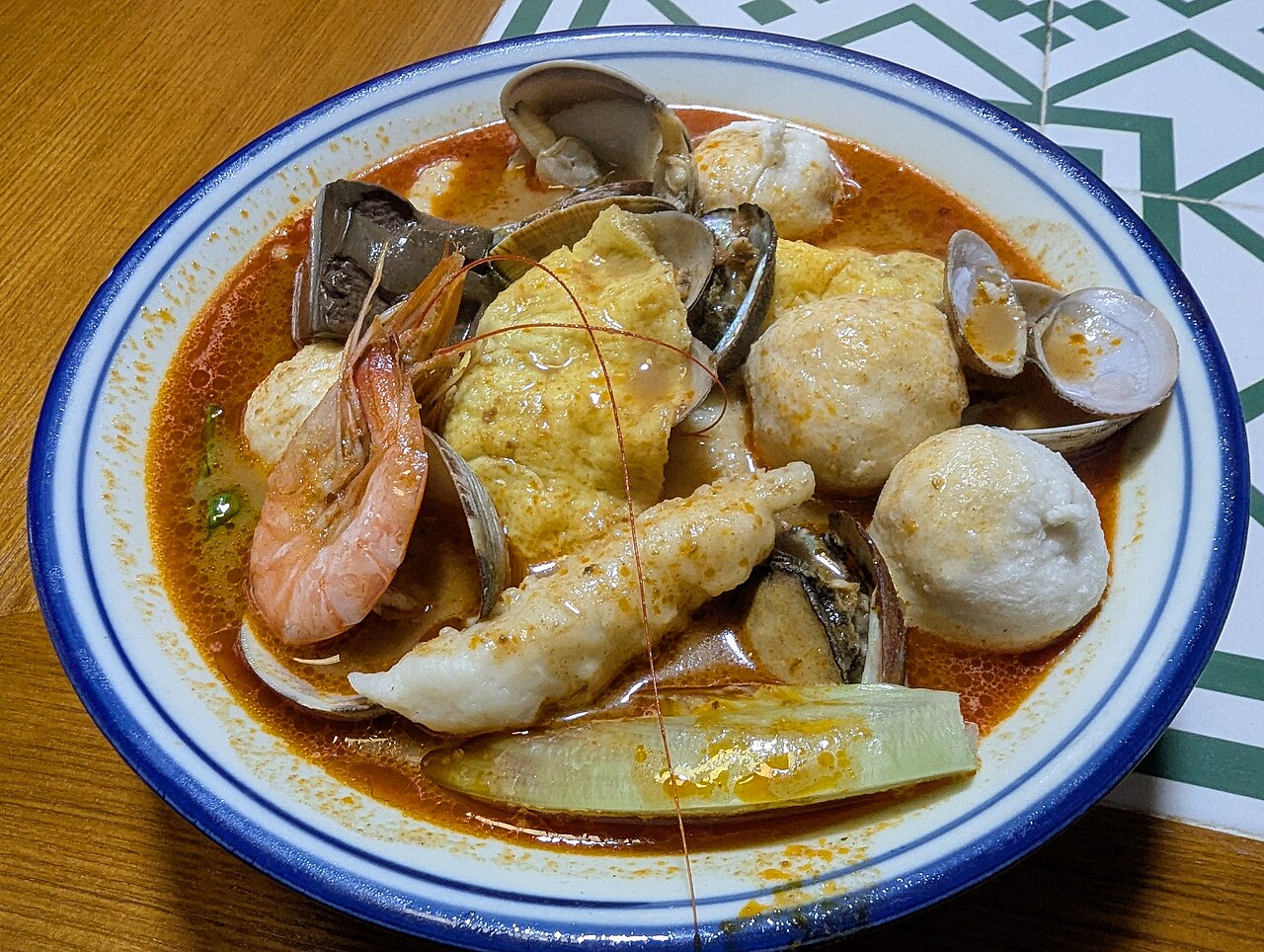
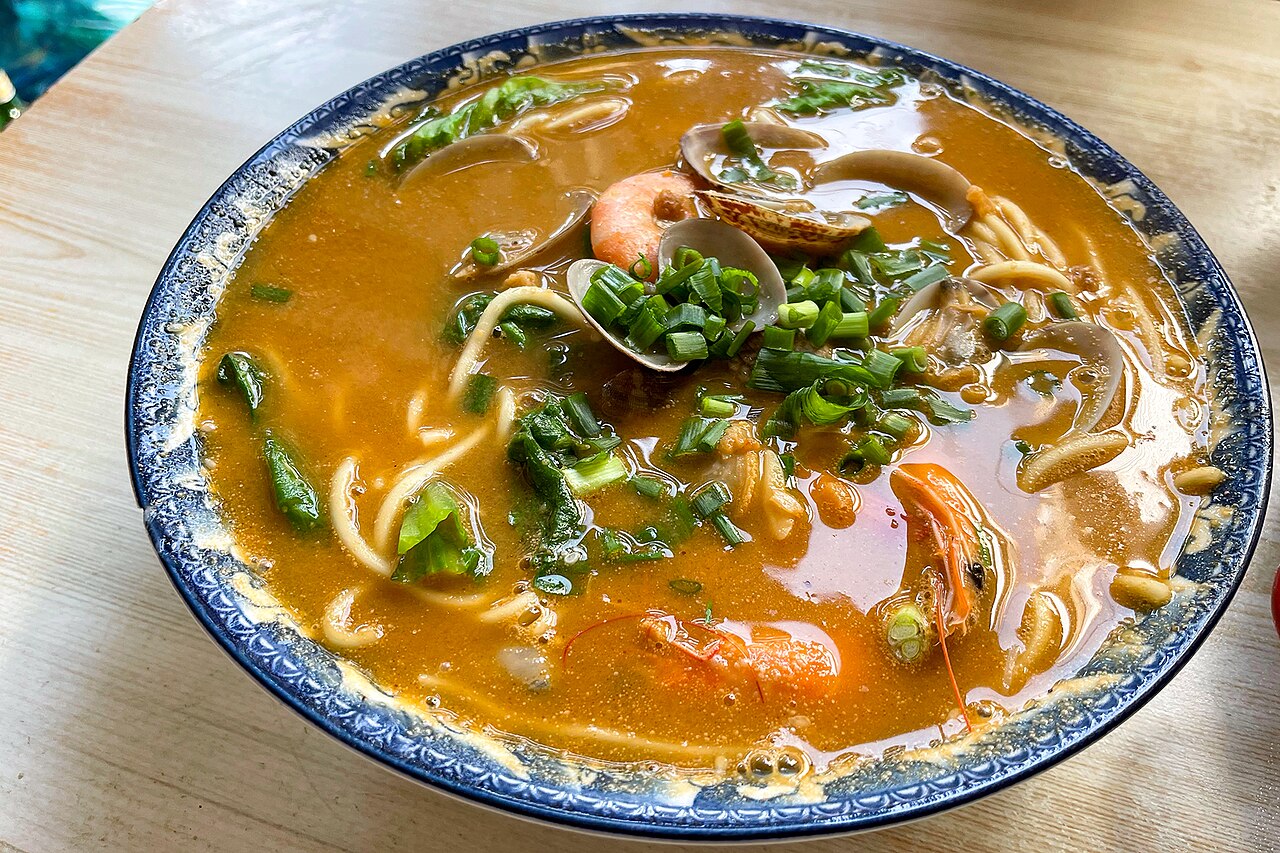
To understand Minnan cooking in one bite, order this first — yellow noodles blanched in a warm, orange broth simmered with shacha (沙茶) sauce, fragrant, nutty and lightly sweet rather than spicy. The charm is choosing your own toppings à la carte: shrimp, squid, pork intestine, tofu skin, fish cake. A single bowl holds the whole story — the overseas satay flavour, the fresh seafood, and the city's soup culture all at once.
A classic that shares its DNA with Taiwan — small fresh oysters bound with sweet-potato starch and egg, then fried into a two-textured cake, crisp at the edges and soft in the middle. Xiamen's oysters are small but burst with sea-sweetness, finished with a lightly sweet-and-sour starch dip. It's a perfect example of the Minnan rule that the oyster should lead, never the seasoning. Locals pair it with mianxian paste for breakfast.
A legendary Xiamen breakfast and the city's broth culture in a bowl — ultra-fine rice vermicelli simmered in a pork-and-seafood broth thickened with starch until it turns silky and smooth. You add oysters, pork offal, shrimp or whatever you fancy. The flavour is gentle and rounded, the kind of thing that warms you through first thing. Locals break a youtiao (油条, fried dough stick) into it to soak up the thick broth. Simple, but it sticks with you, and you'll see it in every lane of the old town.
4
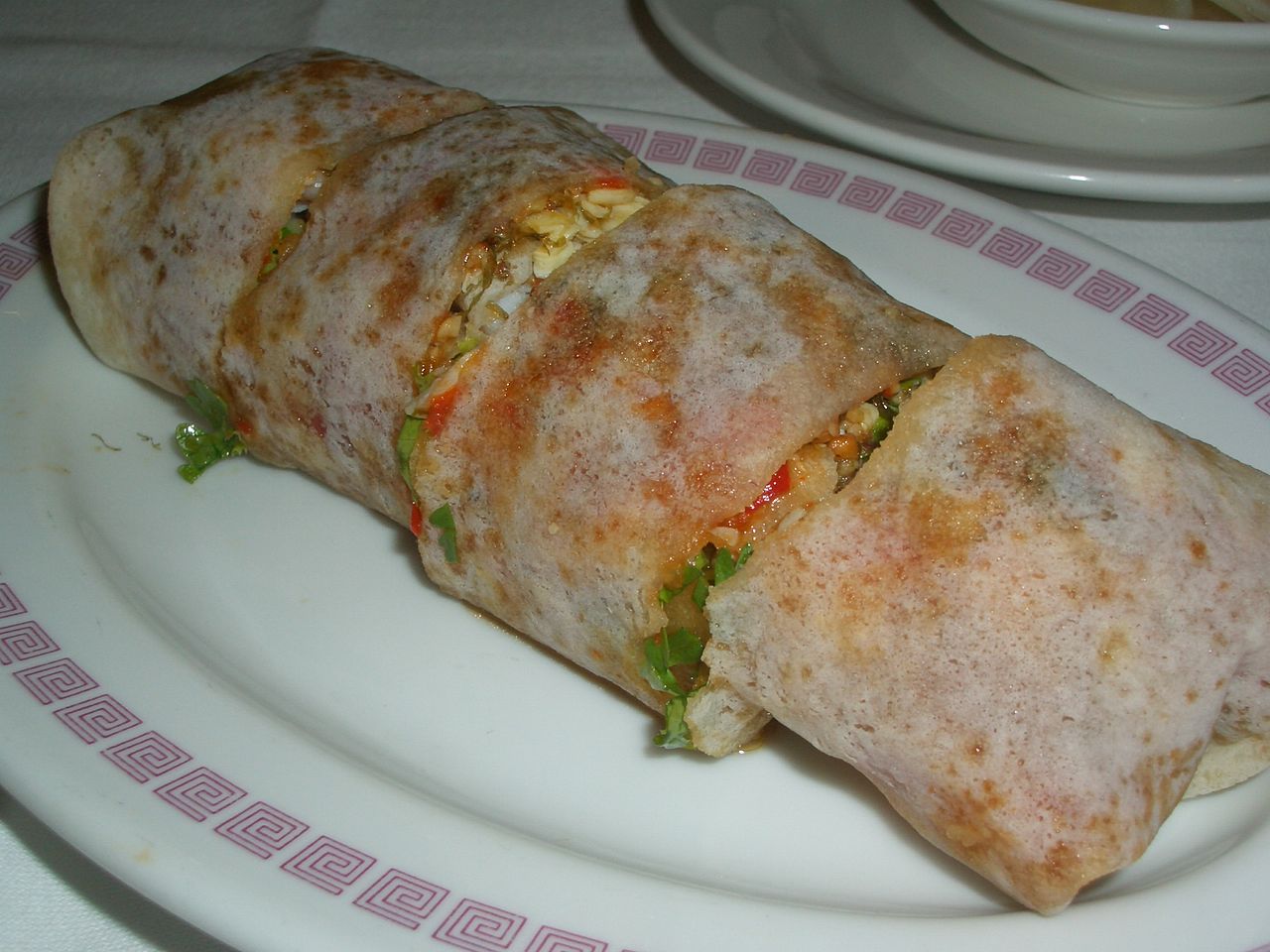
An unfried spring roll that Southeast Asian visitors recognise instantly — a thin, soft fresh skin wrapped around several braised vegetables, bamboo shoots, carrot, cabbage, tofu and tiny dried shrimp, plus crunchy bits like ground peanuts, fried seaweed and crisp flour, so each bite is both soft and crisp. The flavour is gently sweet-savoury from the braised filling. It's a traditional dish for the Qingming (清明) festival, and clear proof that Minnan cooking and the Hokkien kitchens of Southeast Asia are one and the same lineage.
5
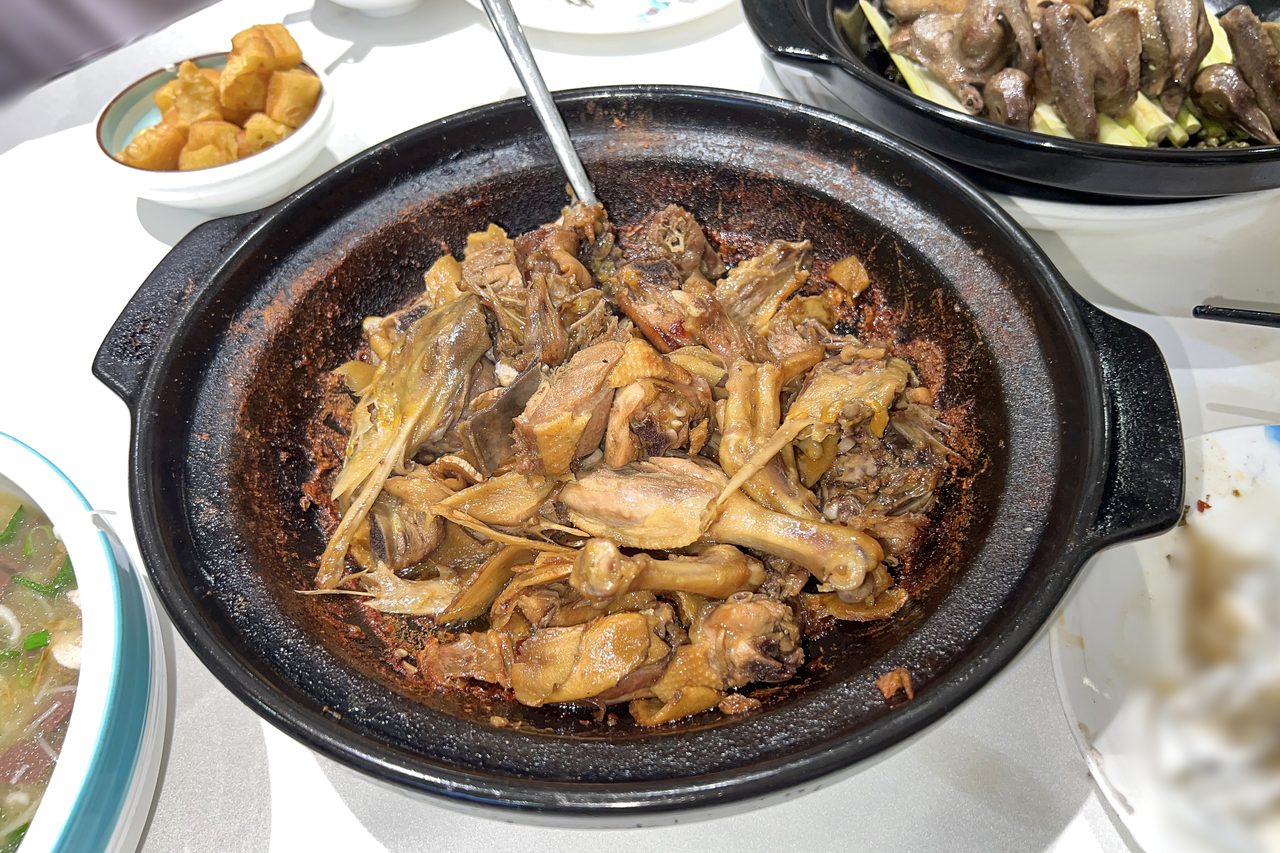
A comforting Minnan dish eaten across Fujian and Taiwan — old-ginger duck (姜母鸭), duck stir-fried with sesame oil, thick slices of mature ginger and rice wine, then slow-braised in a claypot until the meat is tender and the broth turns deeply ginger-fragrant. The flavour is warm and aromatic from the ginger and sesame, never spicy or sharp. It shows another side of this kitchen — gentle, tonic, herbal cooking in a pot. People order it in cooler weather and share a pot around the table.
A sea city is bound to be good at things made from fish — Xiamen's fish balls (鱼丸) are pounded from fresh sea fish until bouncy and springy, some hiding a juicy minced-pork centre, floating in a clear, lightly seasoned broth with scallions. Fish-skin soup (鱼皮) and other fish-paste bites are popular along the pedestrian streets too. These are the soul of the clear-broth tradition: Minnan cooks believe the freshness of the fish should be tasted in the broth, with very little done to it.
7
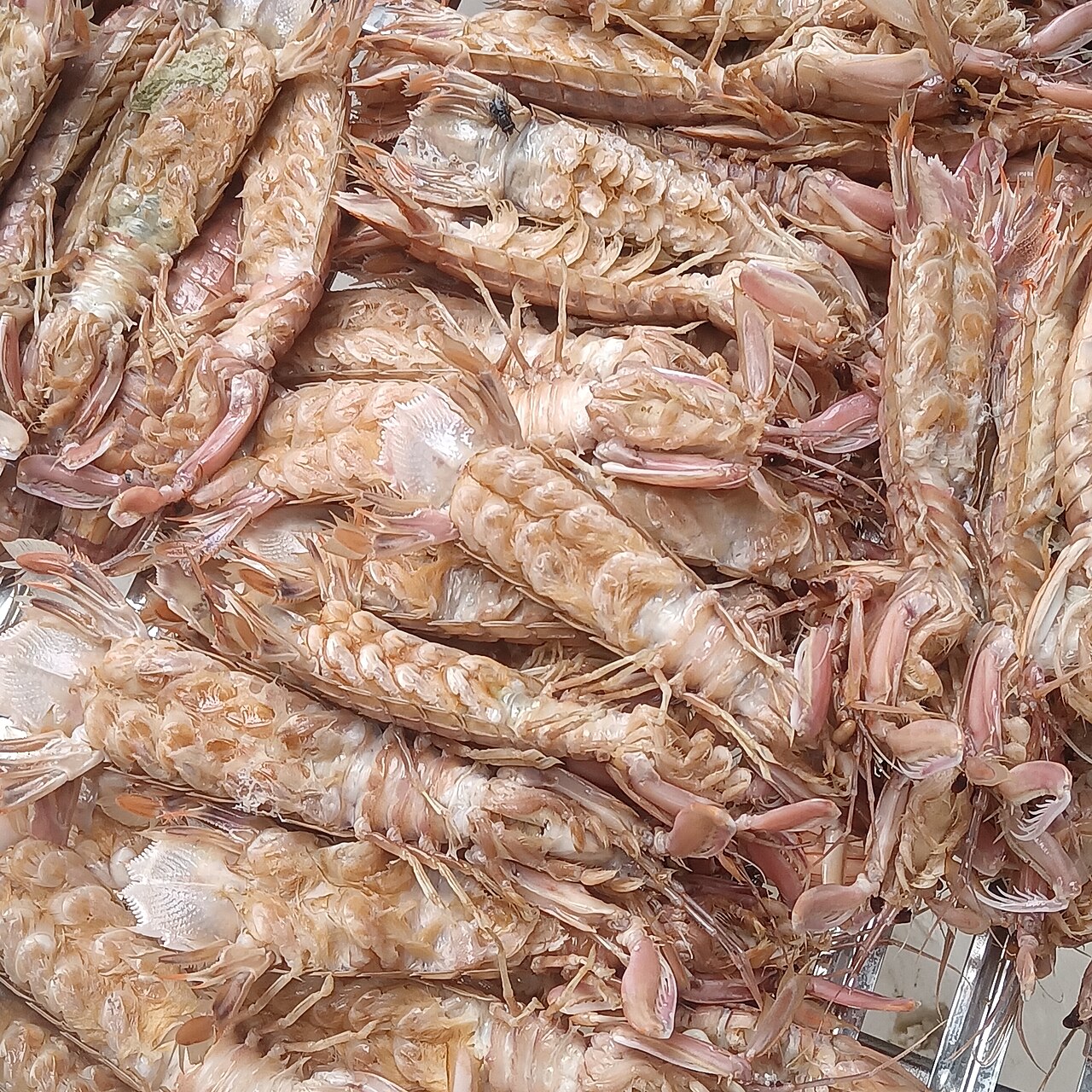
The experience that explains the Minnan philosophy most directly — at the Bashi market (八市 / 第八市场), an old wet market in the old town, you pick fresh seafood from the stalls (razor clams, blood cockles, mantis shrimp, crab, shrimp), then take it to a cook-stall beside the market to have it steamed, done with garlic, or lightly stir-fried. The whole philosophy is in the method — freshness leads, seasoning doesn't smother it. The key tip is to confirm the price and weigh everything first, to avoid being overcharged. Go early, 7–9am, for the freshest catch.
8
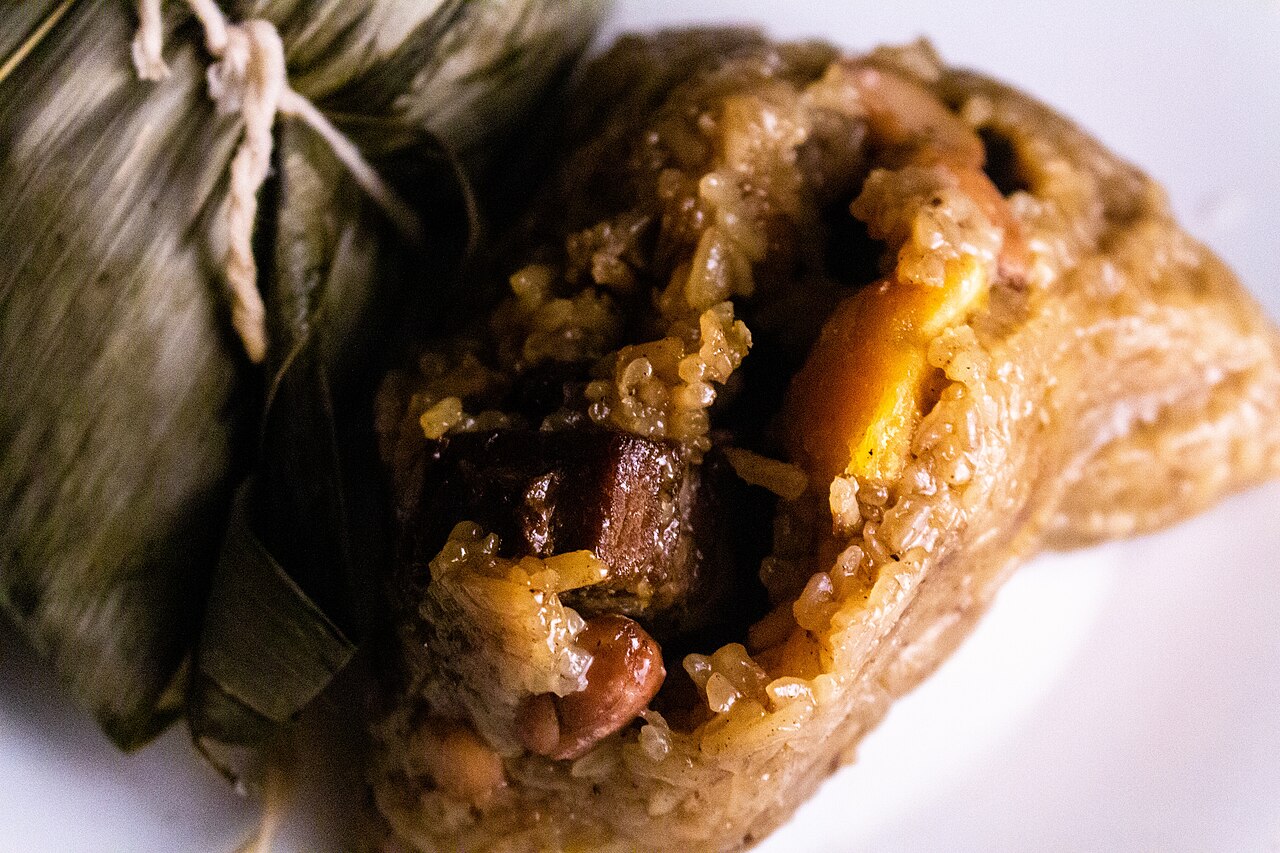
Another layer of this kitchen is its gentle snacks and sweets — filled pies (馅饼) with thin, flaky pastry around sweet mung-bean or savoury fillings, a favourite souvenir from Gulangyu; Xiamen zongzi (烧肉粽), sticky rice in a bamboo leaf packed with pork belly, chestnut and salted egg yolk, eaten warm with a peanut sauce; and sweet peanut soup (花生汤), peanuts simmered until they melt. The legendary spot is Huang Ze He (黄则和) on Zhongshan Road. These are the soft, sweet accent of a cuisine that never overdoes the seasoning.
One level up is Fujian's grandest heritage — Buddha-jumps-the-wall (佛跳墙), a Fuzhou banquet soup that simmers dozens of fine ingredients together in a jar of yellow wine, so fragrant the story goes that even a monk would leap a wall to taste it. It's more a Fuzhou dish than strictly Minnan, but it's the clearest evidence that Fujian's broth-and-slow-simmer culture is the same root as the clear soups and silky pastes you meet all over Xiamen. You'll find it at Fujian restaurants and larger hotels in the city.
These four things sit behind every dish. Know them and ordering Minnan food gets a lot more fun.
Xiamen is an island port and seafood arrives every morning, so Minnan cooks won't smother the ingredient — oysters, mantis shrimp, crab, razor clams and fish are usually steamed, blanched or lightly done with garlic so the sea flavour speaks for itself. The truest way to eat it is to pick it fresh at the Bashi market (八市) and have a stall cook it. That's the first lesson of this city's table.
The shacha (沙茶) sauce of peanuts, dried shrimp, dried fish and spices is what sets Xiamen apart from every other Chinese city. It comes from the satay sauce overseas-Chinese returnees carried home from Southeast Asia, and it became the heart of shacha noodles as well as hotpot dips and grills. This single flavour is the evidence that the city's food was born from travel.
Fujian is famous for soup, from the thick mianxian paste at breakfast to clear fish-ball soup to the slow-simmered, banquet-level Buddha-jumps-the-wall (佛跳墙). Broth is the lifeblood of this kitchen, and it's why a Xiamen meal leaves you feeling light and well rather than heavy and oily.
The core Minnan flavour is a careful balance of sweet and savoury, with a little fermented seasoning and sugar for depth — but almost no chilli. If you don't eat spicy food, this city is a gift, and Southeast Asian visitors will find the flavour familiar at once, because it's the same dialect as the Hokkien and Teochew kitchens that settled across the region long ago.
Now that you've got the philosophy, pick the guide for whatever you most want to eat — we've split out a guide for each category.
Not a list of fancy restaurants — these are the areas and spots that actually tell the Minnan story. Put them in your plan (info as of Jun 2026 · re-check opening hours before you go).
If you want to understand Minnan cooking, this is the classroom — the wet market where locals shop and eat every single day. Pick fresh seafood for a stall to cook, and find oyster omelette, mianxian paste, popiah and the full range of Minnan snacks in one area, the cheapest and most authentic in the city. The key is to confirm the price and weigh the seafood clearly first, every time. Go early, 7–9am, for the freshest catch.
A historic 1.2km pedestrian street, open since 1925, lined with old arcade-style shophouses (骑楼) that speak to the deep food links between Minnan culture and Taiwan. The lanes off this street hide shacha-noodle shops, popiah stalls, the Huang Ze He peanut soup and plenty of old-timers. To be honest, the main street is fairly touristy, but turn into the small side lanes and you'll find the real thing at local prices. It connects on foot to the Bashi market.
To taste the shacha flavour at its best, legendary shops like Wutang (乌糖沙茶面) and Yuehua (月华沙茶面) are the names locals always mention. People queue every day and the good stuff sells out fast by midday. You order by pointing at the toppings you want from the case — shrimp, squid, pork intestine, tofu skin, fish cake — and the cook blanches them into your bowl and ladles over the thick satay-nut broth. Look for the place packed with locals; that's the signal. Just ¥12–30 a bowl, depending on toppings.
A Xiamen dessert institution that's been on Zhongshan Road for over half a century — famous for silky sweet peanut soup, peanuts simmered until they melt in your mouth. People love to crack a soft-boiled egg into the hot bowl. Beyond the soup there's a range of Minnan snacks too, popiah, old-style sweets and light bites. It's the classic stop to refuel on something sweet as you walk Zhongshan Road, equally well known to locals and visitors — the clearest look at this cuisine's gentle, sweet side.