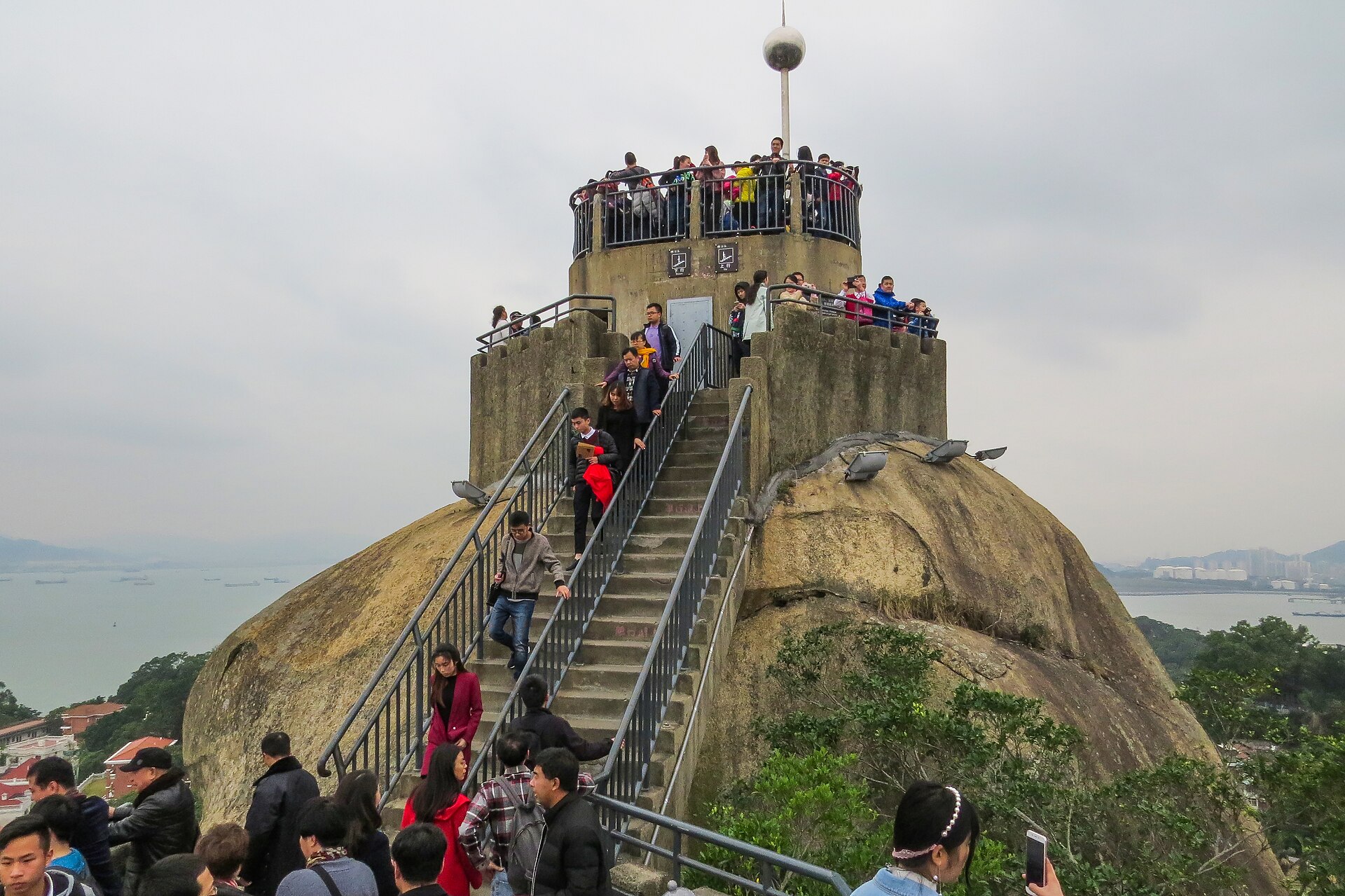
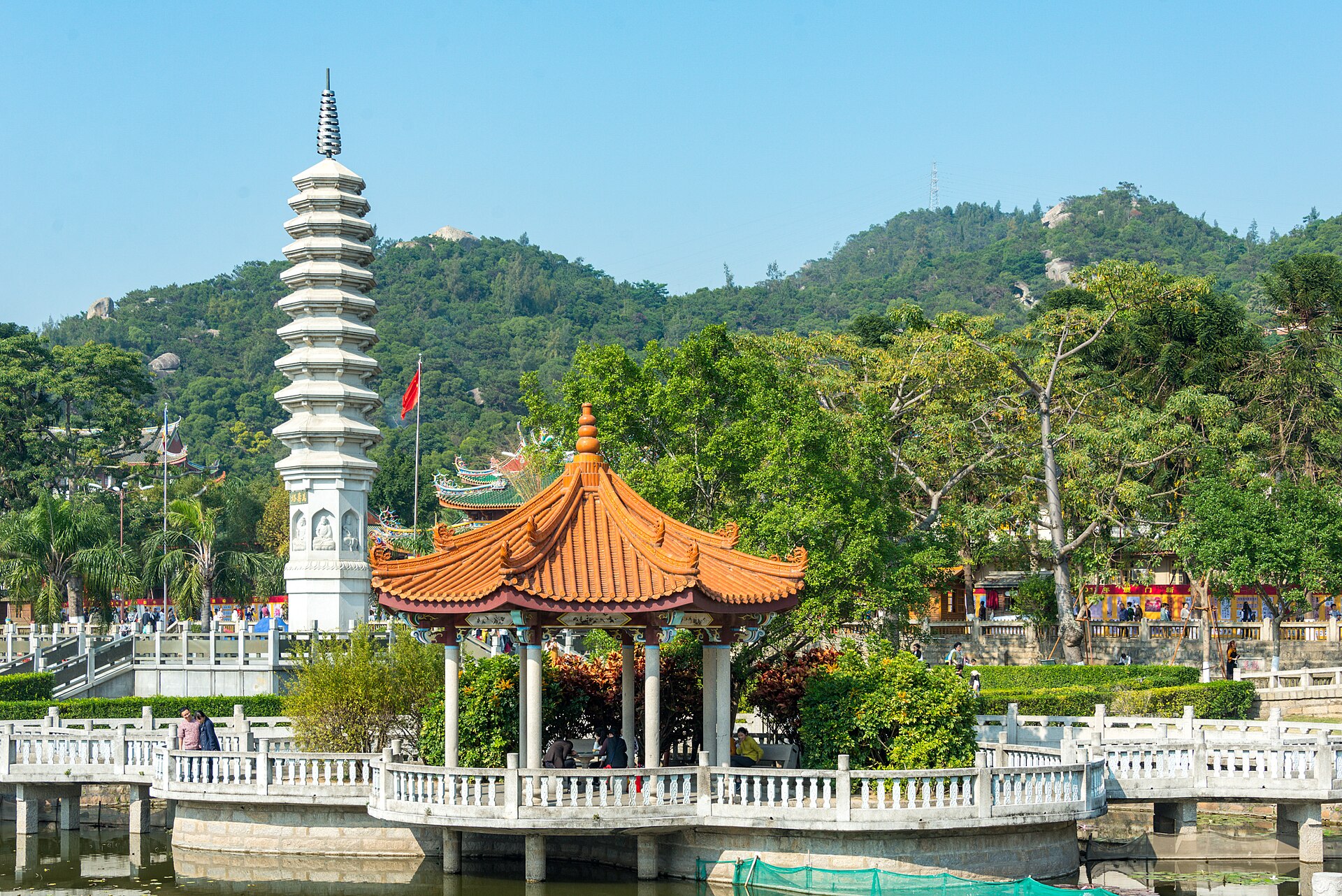
Xiamen is a subtropical island city on the Taiwan Strait, so its weather is gentler than inland China — but it still swings hard across the year, from sticky, sweat-through plum-rain weeks to dry, clear late-year days when you can walk the seafront from dawn to dusk. Each season has its appeal, and each has something to warn you about before you book.
If you can only pick one month, pick November. Temperatures sit at a comfortable 17–25°C, the humidity has eased, the sky is clear and the sun is gentle. You can walk the Huandao Road seafront, cycle along the coast, take the ferry across to Gulangyu island or wander Xiamen University all day without melting — and the sea and skyline are at their sharpest of the year. If you prefer flowers in bloom and warm spring air, March to April is the other golden window.
A heads-up before you book: Xiamen is an island, so summer brings typhoon season (July–September), which can delay flights, suspend the Gulangyu ferry and close the beaches. Just before that come the plum rains (May–June), days of continuous rain. And the long holidays — Chinese New Year and National Day (1–7 Oct) — double or triple hotel prices and pack the city out. Check these before you commit and the rest of the trip falls into place.
The weather, what it delivers, and what you are trading for it — told straight.
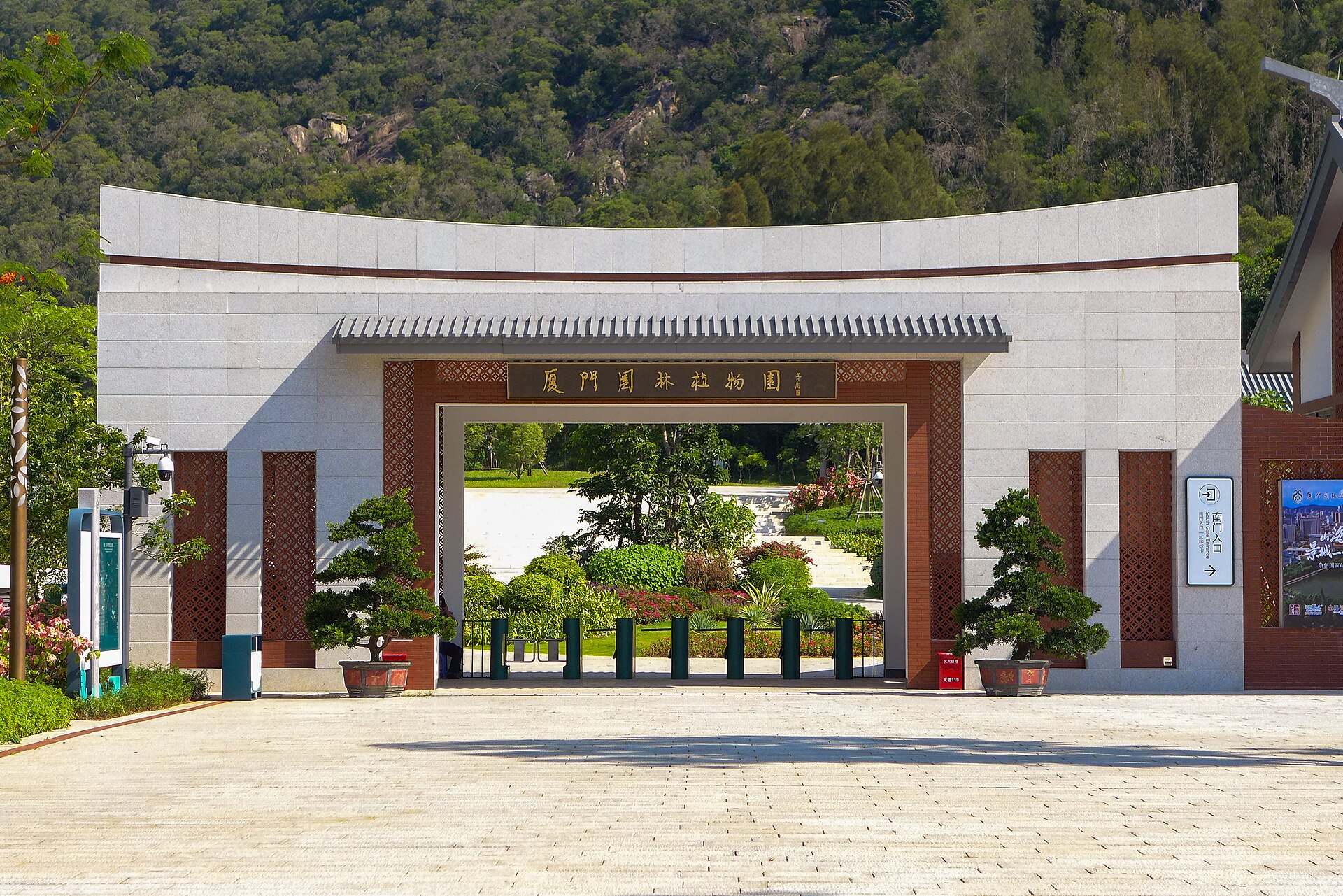
Xiamen Botanical Garden · Spring
Golden window (rain late on)
March and April are genuinely lovely — pleasantly warm, clear, with humidity that hasn't yet turned heavy. Flowers bloom across the Botanical Garden and Xiamen University, the phoenix trees and greenery make the city feel fresh, and you can wander Gulangyu and the seafront comfortably all day. Early mornings still carry a cool spring breeze.
By late April into May it warms up and the humidity climbs, and late May marks the start of the plum rains (meiyu) — a stretch of continuous rain. If you're aiming for spring, target the early half (March to mid-April) for the best of the weather, and to stay ahead of the plum rains.
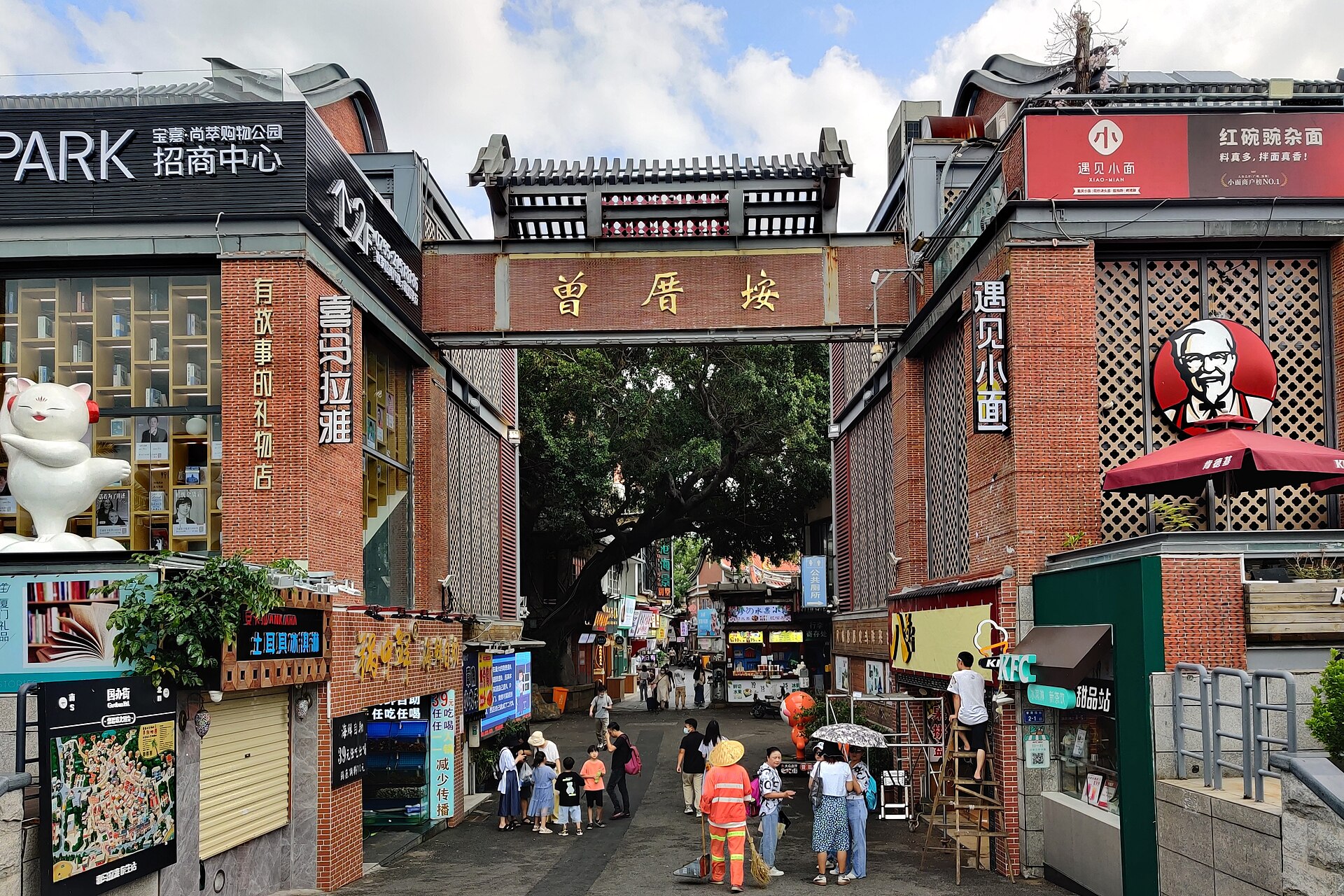
Zengcuoan · Summer
Hot, humid + typhoons
Xiamen summers are hot and very humid — the thermometer reads 24–33°C but it feels hotter. August is the hottest month, June still overlaps the heavy plum rains, and the real concern is typhoon season (July–September), peaking around August–September. Xiamen averages four to five typhoons a year. When one hits, flights from Gaoqi airport can be delayed or cancelled, the ferry to Gulangyu island stops running, and the beaches close.
The upside: the sea is warm and clear, good for swimming on bright days, Zengcuoan beach buzzes, and the big malls, museums and cafes are gloriously air-conditioned refuges from the heat. Hotel rates during the plum rains and non-holiday June are often better, too. If you can handle the warmth and check the forecast first, summer is workable.
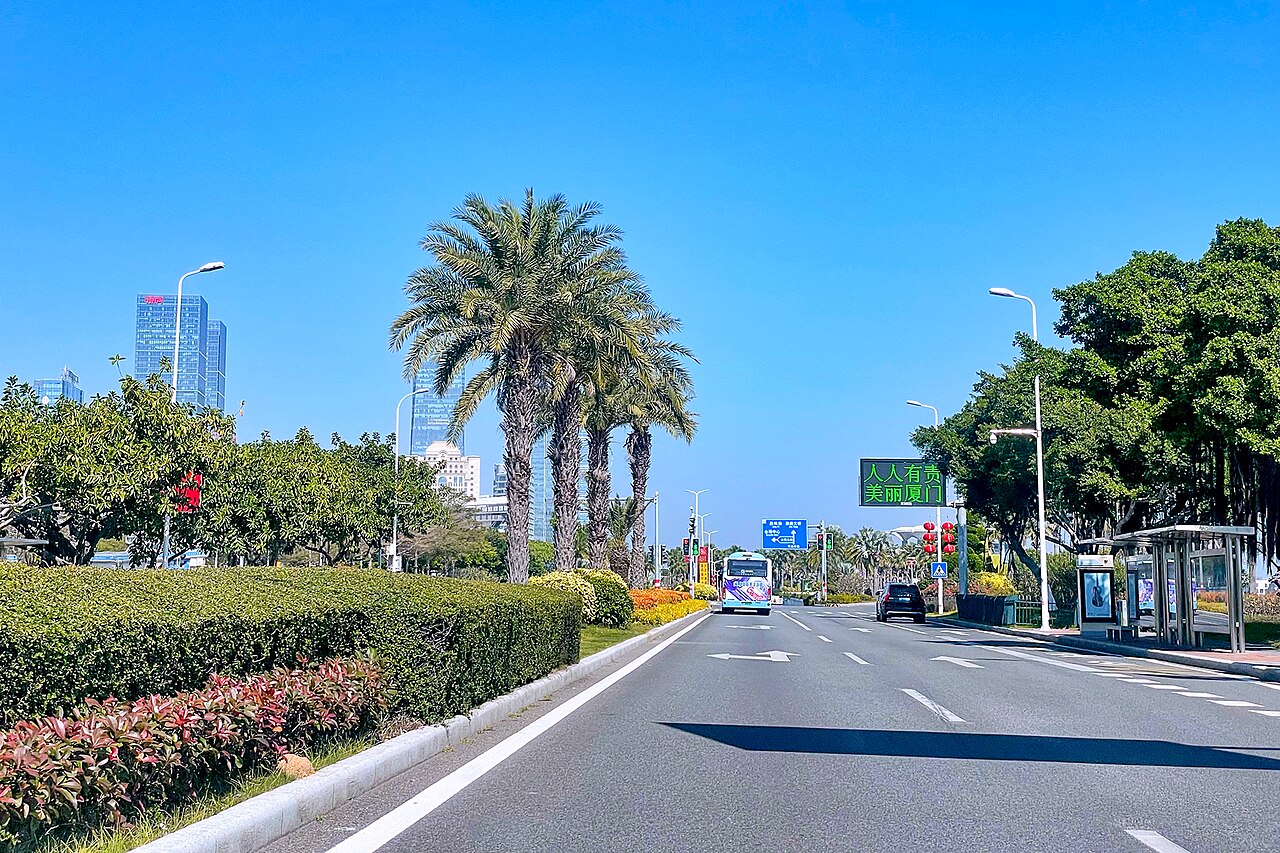
Huandao Road waterfront · Autumn–early winter
The best
This is Xiamen at its best. October dries out and cools down; November and December are dry and comfortable, with easing humidity, clear skies and gentle sun. At 12–28°C you can cycle the Huandao Road seafront, take the ferry to Gulangyu, walk Xiamen University or hit Zengcuoan beach all day without flagging — and the sea and skyline are at their sharpest of the year.
There's just one October trap to dodge: National Day (1–7 Oct), when the whole country travels at once. Xiamen is one of the most popular destinations in China, so the Gulangyu ferry sells out and needs booking ahead, and hotel prices double or triple. Aim for after 8 October, or better still November, when the weather is at its finest and the crowds have thinned.
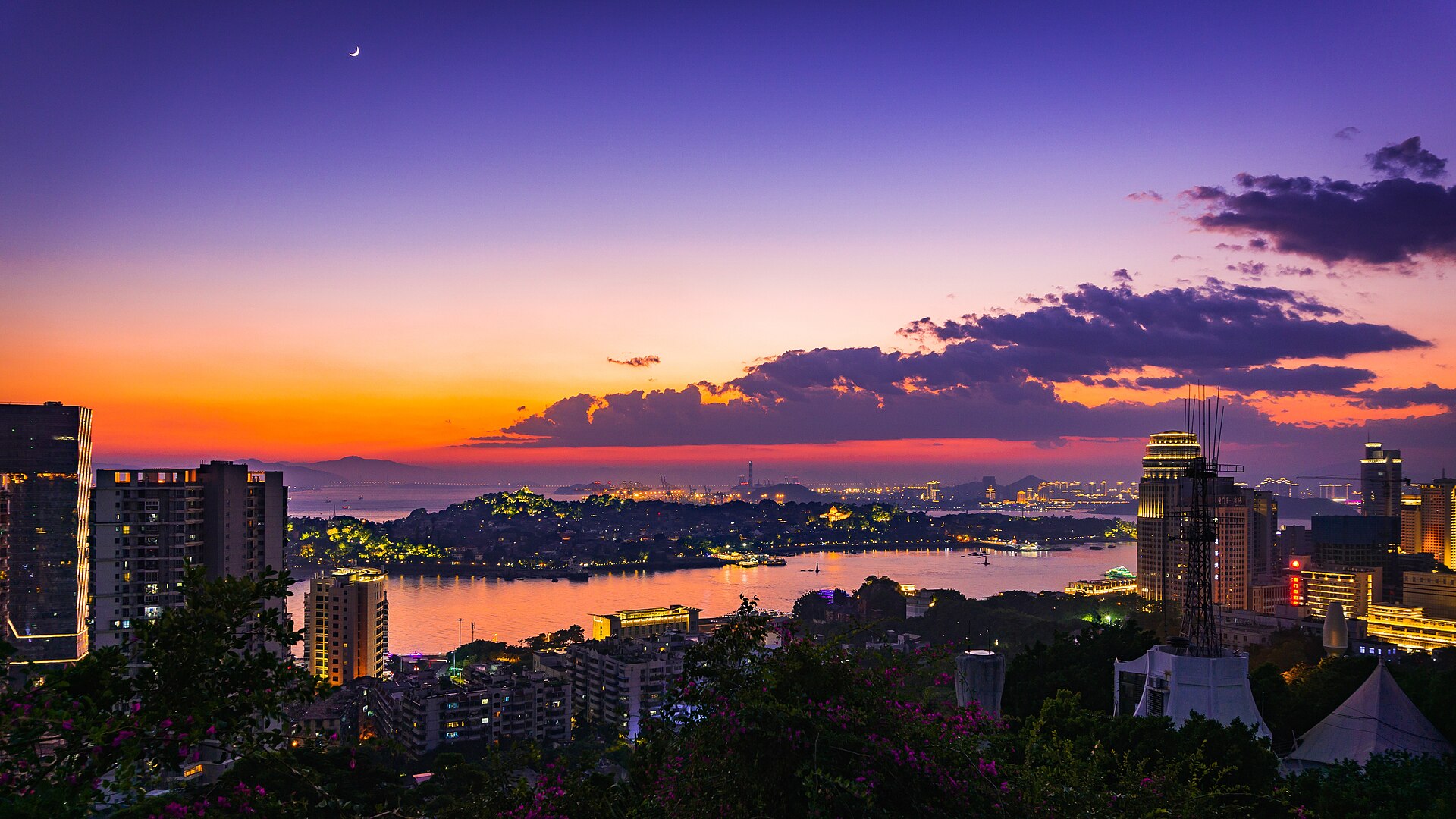
Gulangyu island · Winter
Mild and pleasant
Xiamen winters are nothing like northern China's. Temperatures run a mild 10–18°C with gentle sun. January is usually dry and clear — excellent for walking, with humidity near its annual low around December. February turns more humid, with grey skies on some days. Early mornings carry a cool sea breeze, but a long-sleeve top and a light jacket is all you need; no heavy coat required. It's a touch cooler and windier out on Gulangyu's seafront than in the city.
Chinese New Year (late January or February) is a special period — Xiamen is a hugely popular destination, so when the whole country travels at once, hotel and train prices spike, the ferry and the main sights get very busy, and some smaller shops close for several days. Plan well ahead if your dates fall over the holiday.
Temperature, rainfall and humidity, and crowd levels — in one table for easy comparison.
| Month | Temperature | Rain / humidity | Crowds | Notes |
|---|---|---|---|---|
| January | 10–17°C | Low | Low | Cool, dry, clear · marathon early month |
| February | 11–18°C | Turning humid · grey | High (CNY) | Chinese New Year — prices spike · ferry packed |
| March | 13–20°C | Low–moderate | Moderate | Warming up, very good · flowers in bloom |
| April | 17–24°C | Moderate | Moderate | Pleasantly warm, clear · the golden window |
| May | 21–28°C | Heavy (plum rains begin) | High (Labour Day 1–5) | Warm to hot · plum rains start late month |
| June | 24–30°C | Heaviest (plum rains) | Low | Heavy plum rains, humid · low season value |
| July | 26–33°C | Heavy | High (school holidays) | Hot, humid · typhoon season begins |
| August | 26–33°C | Heavy | High (school holidays) | Hottest · typhoon peak |
| September | 24–31°C | Moderate | Moderate | Improving · typhoons still possible · Mid-Autumn |
| October | 21–28°C | Low | High (National Day 1–7) | Dry, cool, clear · avoid 1–7 Oct |
| November | 17–25°C | Very low | Moderate | Best of the year · dry, clear skies |
| December | 12–20°C | Low | Low | Cool, driest of the year · good value |
Xiamen contends with plum rains, typhoon season and China's national holidays — these hit a trip the hardest.
Xiamen is an island city on the Taiwan Strait, so summer is typhoon season — the city averages four to five storms a year. When one hits, flights at Gaoqi airport can be delayed or cancelled, the ferry to Gulangyu island stops running, and the beaches close because of the rough surf. Occasionally the authorities raise a high typhoon signal that shuts down outdoor activity across the city for a day. If you must travel in this window, check the forecast daily, keep an indoor backup plan, and leave extra time for any flight or ferry connection.
The plum rains are southern China's long wet spell. In Xiamen they usually start around May and run to late June — continuous rain for days at a time, occasionally up to ten, with very high humidity, grey skies all day and laundry that never quite dries. The upside is that it's low season, so hotel rates are often good, but the views of the sea and Gulangyu are dull throughout. If you can avoid it, do; if you must travel then, focus on indoor activities and always carry an umbrella and a rain jacket.
China's long holidays are when the whole country travels at once. Xiamen ranks among the most-visited cities — hotel prices double or triple, trains and flights are hard to book, and the ferry to Gulangyu island needs booking ahead with long queues. Xiamen University, Zhongshan Road, Nanputuo Temple and Sunlight Rock get so busy they're hard to walk. If your dates land over a holiday, plan well ahead; for an easy-going trip, choose a different time.
These are reasons to time your visit, not reasons to avoid it.
The Xiamen Marathon is one of the world's Platinum Label road races, and usually the first big marathon on China's running calendar. The course runs along the scenic Huandao Road seafront, and early-January weather is cool and ideal for running. Hotels near the start line book out and some roads close for the day, so if you're not running, plan your movements around it — but the atmosphere is worth seeing.
Xiamen celebrates Mid-Autumn differently from most cities, with Bobing (博饼) — a dice game where you roll six dice into a bowl and win prizes by the combinations you throw. The tradition is said to have been invented by the general Zheng Chenggong (Koxinga) to cheer up homesick troops while he was based in Xiamen, and it's now a national intangible cultural heritage. During the festival the whole city plays Bobing at home, at work and in shops, with Hokkien-style mooncakes everywhere — and the weather is just starting to improve.
The Dragon Boat (Duanwu) Festival is deeply rooted in southern China. Lakes and waterways around Xiamen — such as Yundang Lake and the Jimei side — hold lively dragon boat races, and sticky-rice zongzi (粽子) are eaten by tradition. It overlaps the plum-rain season — bring an umbrella if you plan to watch by the water.
Not exhaustive — just the things that actually matter for Xiamen.
Match where you go to the weather — more fun, less sweat.
Whatever month you arrive, there is something worth seeing.