The country solo travellers from all over the world pick first in Asia — hostels that make friends for you in five minutes, a well-worn Bangkok–Chiang Mai–islands trail that is easy to follow, comfortable overnight trains, and beaches and mountains that are fun even on your own.
If you are planning your first solo trip and wondering whether Thailand is going to be intimidating, here is the short answer: it is one of the easiest and friendliest countries in Asia to do alone — including for women travelling solo — with a huge number of independent travellers passing through all year. Violent crime against tourists is uncommon. There are only a couple of things you genuinely need to watch out for, and we cover all of them in this guide.
What makes Thailand easy to do alone is how set up for travellers it is. Good-value hostels and guesthouses are in every town, day tours and boat trips are simple to book, and there is a well-worn route — what travellers call the "banana pancake trail" — of Bangkok, then Chiang Mai and Pai, then down to the southern islands. Follow that line and you will run into other travellers the whole way. And the things solo travellers worry about most — how to eat alone, how not to feel lonely — all have real, workable answers here.
This guide covers everything a solo traveller in Thailand needs: honest safety advice, the classic route, getting around between and within cities, the things that are genuinely good to do alone, how to eat solo without feeling awkward, how to meet people along the way, budget, and a sample 2–3 week itinerary.
Safer than you would expect — but there are a few small scams worth knowing first, so you do not fall for them.
Thailand has a low rate of violent crime against tourists, and independent travellers move around the whole country alone all year. Walking back to your accommodation in the evening through normal tourist areas is fine. The thing to watch is pickpocketing in dense crowds, as anywhere, and looking after your valuables at parties and bars. Keep your passport and wallet secure and you are well covered.
Women who travel Thailand alone overwhelmingly report feeling safe — on the trains, in restaurants, and around tourist areas after dark. It has been a popular destination for solo-female travellers for years. Apply the same basic caution you would anywhere: avoid deserted, dark alleys late at night, never leave your drink unattended, and trust your instincts, and you can travel with real confidence.
The classic Thailand scams are taxis and tuk-tuks that refuse to use the meter and quote an inflated flat fare, and the touts near major sights who tell you "the temple is closed today" then offer a cheap tuk-tuk tour that ends at a gem or tailor shop. The fix is simple: book rides through the Grab app, which shows the price first, and never believe a stranger who says a site is closed or steers you to a shop you did not choose.
If you rent a scooter, film a video around the whole bike before you take it, to avoid being charged for pre-existing scratches. Always wear the helmet, and carry an International Driving Permit — without one your insurance will not pay out in an accident. At parties like the Full Moon, drink sensibly, watch your own drink, wear shoes against broken glass on the sand, and never touch drugs — Thai drug laws are severe and there are sting operations.
Thailand has a lot of islands and towns to choose from: Koh Tao for diving, Koh Phangan for parties, Chiang Mai and Pai for a laid-back mountain scene, and Krabi or Koh Lanta for somewhere quieter. Our islands guide helps you work out which one suits travelling solo best.
See the Thai Islands Guide →Ordered by what solo travellers tend to enjoy most and find easiest.

1
Almost every solo Thailand trip begins in Bangkok, and the area that acts as the solo-traveller hub is Khao San Road and quieter Soi Rambuttri beside it. It is packed with cheap hostels, bars, restaurants and tour and bus counters, and you will meet people from your first night. Spend 2 to 3 days settling into the city — see the temples, take a Chao Phraya river boat, hit a night market — then move on.

2
Worried about feeling lonely on a solo trip? The single most effective move is to head north to Chiang Mai and Pai, the two towns solo travellers love most in Thailand. Chiang Mai has loads of hostels in the Old City and the Nimman area, a relaxed feel and a low cost of living. Pai is a tiny mountain town where everyone seems to know each other — sit at the same cafe and you have made a friend. Both have common areas to chat in and run group trips for guests.
3
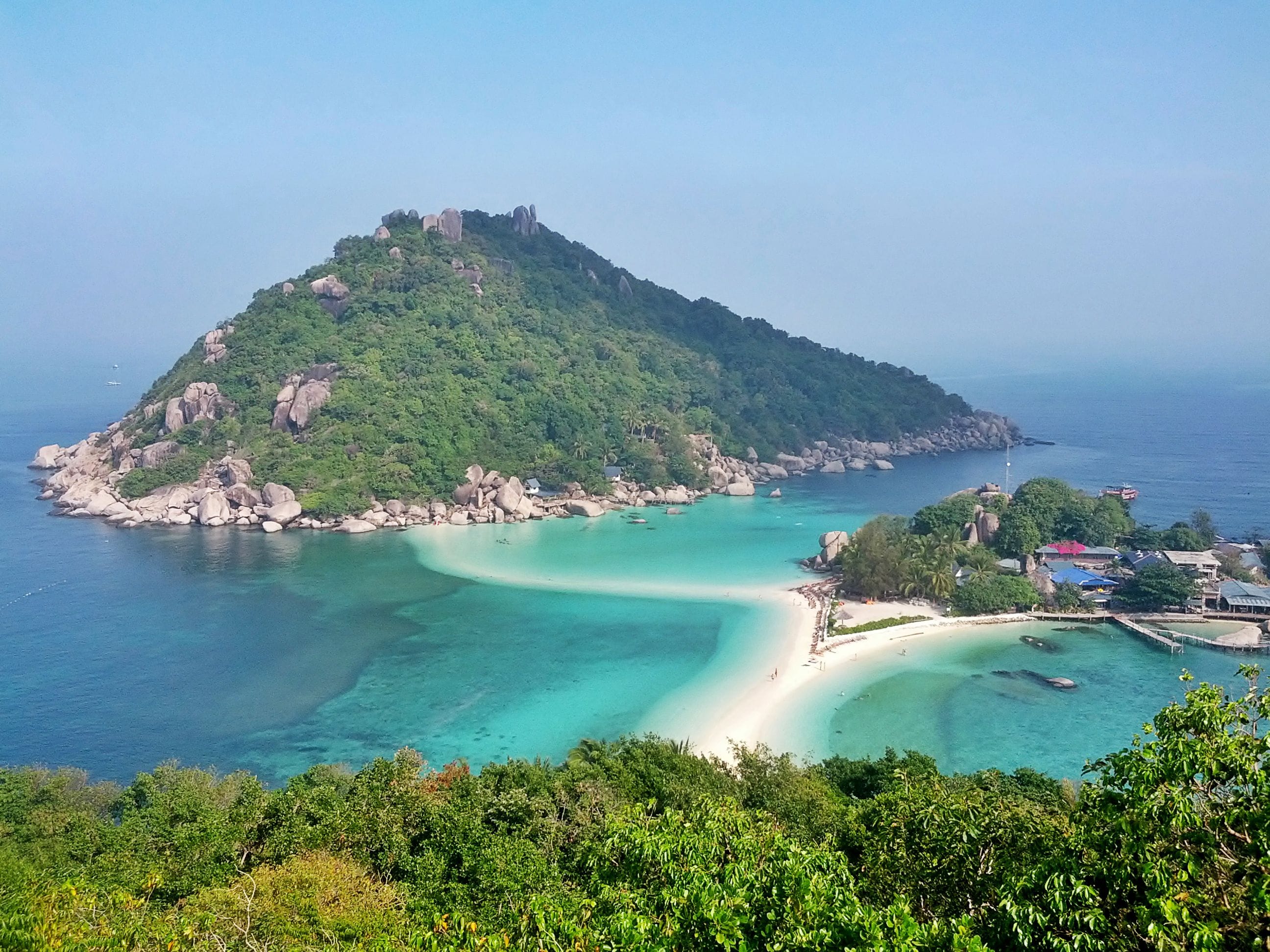
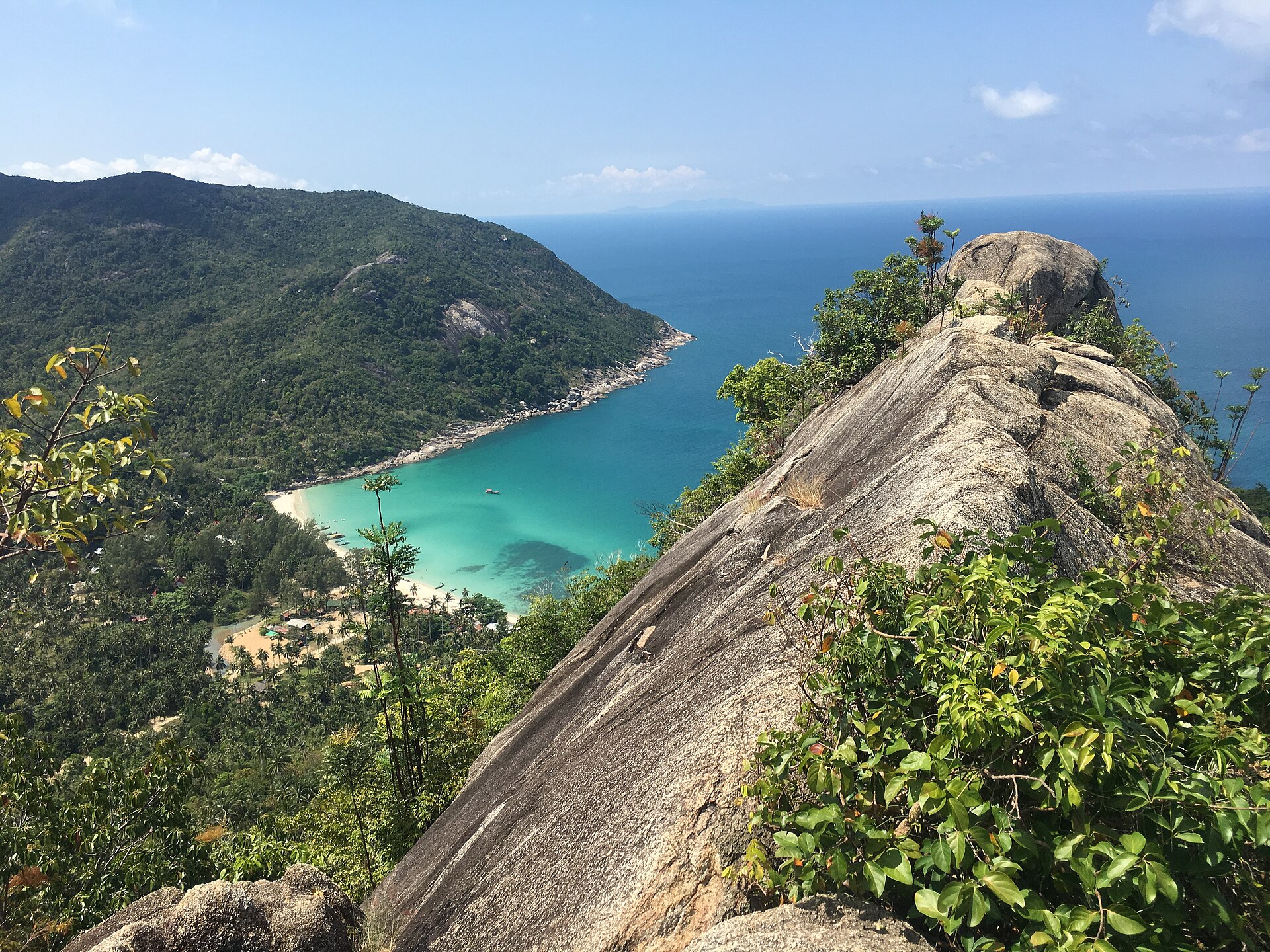
The classic route ends at the sea, and Thailand has islands for every style. The Gulf side (Koh Samui, Koh Phangan, Koh Tao) swims best Feb–Sep, while the Andaman side (Phuket, Krabi) is best Nov–Apr. Small islands like Koh Tao and Koh Phangan have beachfront hostels where it is very easy to meet people solo, while Phuket and Krabi work as bases for island-hopping day trips. You set the entire pace.
Koh Tao is one of the cheapest places in the world to learn to dive, and it suits solo travellers brilliantly. The Open Water course runs over 3 to 4 days in a small group, so you spend several days with the same people — learning, diving and usually eating together afterwards. Plenty of people arrive alone and leave with a whole new crew. The water is clear and the dive sites are close, which makes it one of the best places anywhere to start diving.
5
The Full Moon Party at Haad Rin on Koh Phangan is a beach party the whole world shows up to, held on each full moon. Solo travellers have an easy time here because everyone is there to socialise. If your dates miss the full moon, the island also runs Half Moon and Jungle parties through the month. The cautions: drink sensibly, watch your drink and valuables, wear shoes against broken glass on the sand, and note down where your accommodation is.
A Thai cooking class is a great solo activity, especially in Chiang Mai and Bangkok where there are many to choose from. Most run a half to full day and start with a market walk to pick ingredients together, then you cook tom yum, pad thai and green curry. It is a small group where you can chat the whole time, and you finish by eating what you made and taking the recipes home — a very natural way to meet people when you are travelling alone.
7
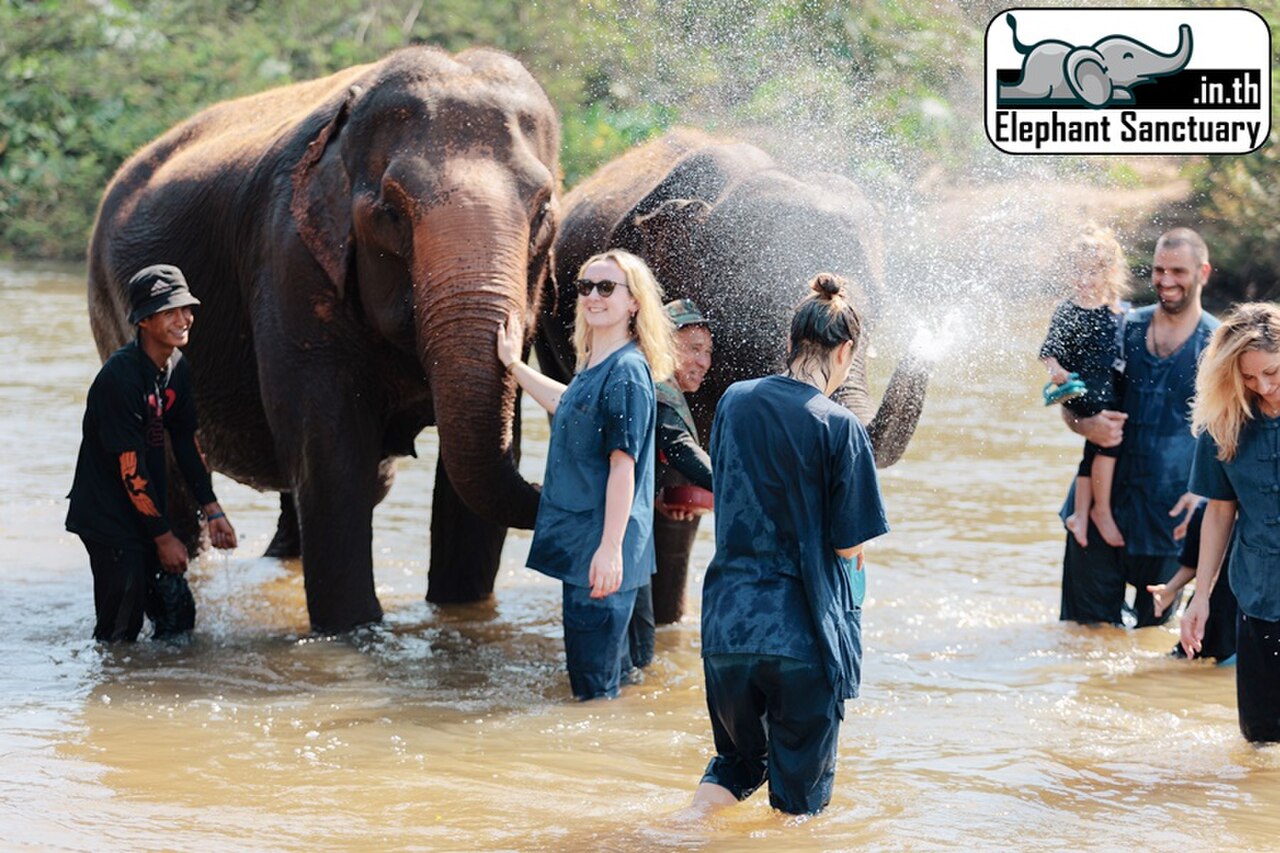
If you want to meet people and reach places that are hard to do alone in a day, small-group day tours are a great move solo. Think ethical elephant sanctuaries around Chiang Mai, island-hopping tours around Koh Phi Phi or Phang Nga Bay, and sunset cruises. You go with other travellers, many also solo, the transport is handled, and these often end with the group heading off to eat together.
8
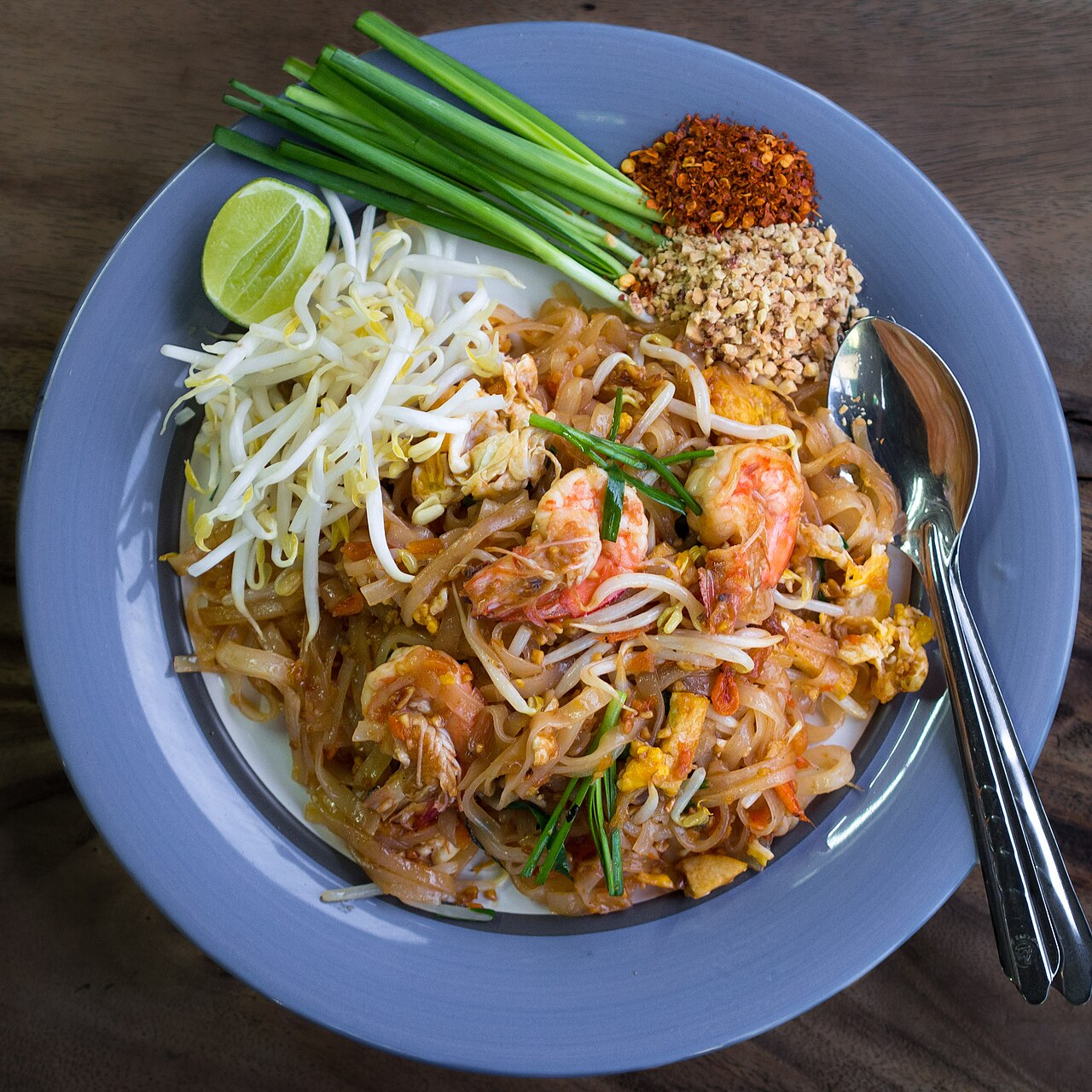
This is where Thailand makes solo travellers most comfortable — most Thai food is a single plate sized for one person: pad thai, khao man gai (chicken rice), pad kaphrao, noodle soups and som tam. Street stalls and mall food courts are everywhere, cheap and simple to order, and eating alone is completely normal here, so nobody looks twice. Unlike some countries where food is ordered to share, in Thailand you can eat solo at almost every meal.
Long-distance travel in Thailand is an experience in itself, especially the overnight sleeper train on the Bangkok–Chiang Mai line and the southern line down to the islands. You sleep on the train, wake up in a new city, save a night's accommodation, and usually chat to your carriage along the way. The sleepers are safe and clean, and they suit solo travel well. For towns with no train, like Pai, minivans and buses reach everywhere. Book sleepers and buses ahead.
In town, a few tools make solo travel easy and safe — Grab (the ride app) shows the fare before you book and you pay in the app, so there is no haggling or worrying about being overcharged. Bangkok has the cheap, fast BTS/MRT and Chao Phraya river boats. Smaller towns and islands use songthaews (shared pick-ups) or a rented scooter (helmet on, licence with you). The key thing: there is no metro outside Bangkok, so elsewhere rely on Grab and songthaews.
The route solo travellers have worn smooth is Bangkok → Chiang Mai + Pai → south to the islands. Start with 2 to 3 days in Bangkok, go north to Chiang Mai and Pai for around 5 to 7 days, then head south to the islands, choosing the Gulf or Andaman coast by season. There are hostels and other travellers along the whole line, which makes it easy to do solo and far from lonely.
For long distances you have three choices: budget flights (fast, often cheap booked ahead), the overnight sleeper train (saves a night's room), and buses or minivans (reach everywhere, including Pai). Reaching the islands means a ferry. In town, rely on Grab, with the BTS/MRT and river boats to add in Bangkok.
If loneliness is the worry, the most effective tools are staying at a hostel with a common area, joining small-group day tours and boat trips, taking a Thai cooking class, getting your dive certification at Koh Tao, and going to parties like the Full Moon. There are a lot of solo travellers about, and many are happy to team up to sightsee or grab a meal — you just have to say hello first.
Thailand is excellent value solo. Backpackers get by on around ฿800–1,500 a day (hostel bed, street food, public transport), while a more comfortable style runs around ฿2,000–3,500 a day. The big-ticket costs are long-distance travel and tours. Carry some cash, as small shops and many islands are still cash-only. ATMs are everywhere but charge a foreign-card fee.
The classic route, easy to follow and simple to stretch or shrink by time and season.
Bangkok for 2 to 3 days — temples, a Chao Phraya river boat, a night market, and finding your feet in the city. Stay near Khao San / Rambuttri if you want to meet people. Then take an overnight train or fly to Chiang Mai for 2 to 3 days (Old City, cafes, an elephant sanctuary, a cooking class), and on to Pai by minivan for 2 relaxed days in the valley.
Fly south from Chiang Mai, then pick a coast by season — the Gulf side (Samui–Phangan–Koh Tao) if you want to learn to dive or hit the Full Moon, or the Andaman side (Phuket–Krabi–Koh Lanta) if you want limestone-island tours and great beaches. Base on one main island for 4 to 5 days, with 1 to 2 island-hopping day trips.
With a third week, add another island of a different style (Koh Tao on to easygoing Samui, say, or Krabi on to quieter Koh Lanta), or come back up to see historic cities like Ayutthaya and Kanchanaburi, both reachable by train from Bangkok, before flying home out of Bangkok.
The common first-solo-trip mistake is cramming in too many places. Moving constantly is tiring and eats time in transit. Pick 3 to 4 main bases and stay several nights at each instead — you will meet people at the hostel and actually get to know the place. Leave some slack for days you want to rest or change plans on the fly.