The classic question before a first overseas trip — Japan is big and varied with visa-free entry for up to 15 days, while Korea is compact and a slightly shorter flight, but you need a K-ETA first. A clear, balanced comparison across every dimension before you decide.
Picture this — you're about to book your first overseas trip with friends or family, and you hit the question that never quite settles: should it be Japan or Korea? Both are hugely popular, both are a few hours' direct flight from Bangkok, both are safe, both have great food, fun shopping and pretty seasons for photos. But once you get into the detail, they're two very different moods of trip.
Let's be honest up front: this isn't a question of which one is "better," it's a question of what kind of trip you want. Japan is a big, very varied country — megacities, nature, volcanoes, onsen, temples, theme parks, and trains that reach almost every corner. Korea is more compact, with most of the sightseeing clustered in and around Seoul, and it shines on shopping, cafés, skincare, K-pop, dramas and the kind of spicy street food that lands well with Thai tastes.
This article compares both across every dimension — the vibe, flights from Bangkok, the visa and K-ETA you need to know about, food, pop-culture shopping, nature-and-onsen, budget, and how many days each one really needs. One thing to flag up front: we're a Japan guide and we don't have our own Korea guide yet, but we'll do our best to tell the Korea side as straight as possible, not just cheer for Japan.
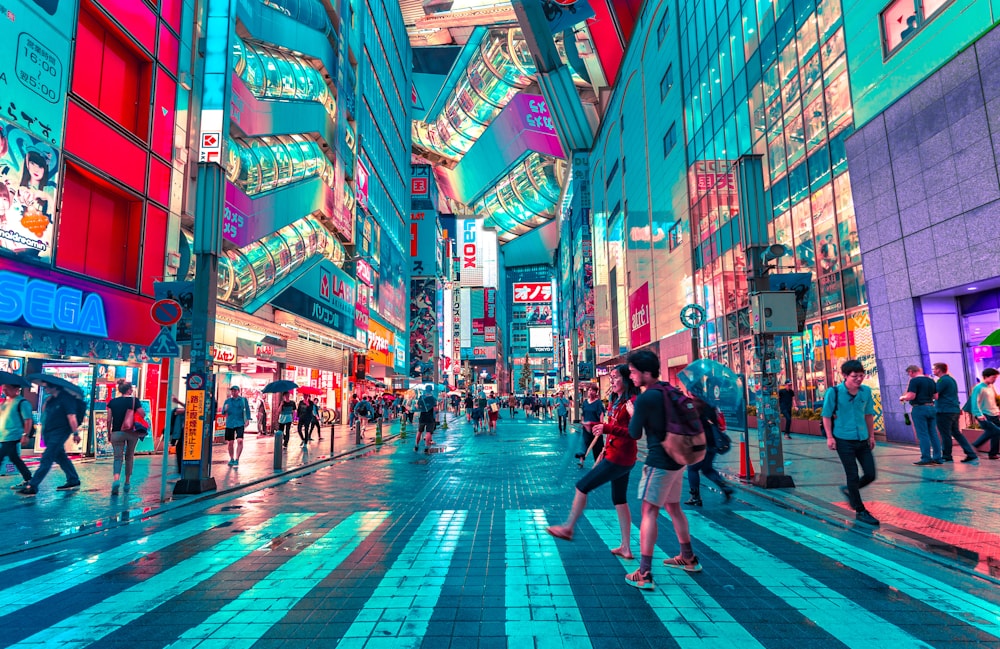
Japan's biggest strength is sheer size and variety you'll never run out of. This isn't just one capital — it's many regions with clearly different moods. Tokyo is the modern megacity, Kyoto is temples and geisha, Hokkaido is nature and snow, Okinawa is clear blue sea, and mountain villages like Shirakawa-go look like they stepped out of a cartoon. The rail network, including the shinkansen, hops you between cities with ease.
The thing that makes Japan special is having every style in one country — soak in an onsen deep in a valley, climb up to see red autumn leaves, hit a theme park like Tokyo Disney or Universal Studios Japan, or chase temples, shrines and castles without ever finishing the list. People who like planning their own routes have a field day, because the legs connect in so many ways, and however many times you come, there's always somewhere new.
On food, Japan stands out for variety and depth — sushi, ramen, tempura, tonkatsu, right through to regional specialities each prefecture calls its own. You can eat from a hundred-yen alley joint to a fine-dining counter in the tens of thousands. And the part Thai travellers love: you enter visa-free for tourist stays of up to 15 days, with nothing to register in advance.
Most first-timers start in Tokyo, a megacity with a dozen-plus neighbourhoods like Shibuya, Shinjuku and Asakusa — or base yourself in Osaka for Kansai. See the full guides in our Tokyo travel guide and Osaka travel guide.
Read the Tokyo guide →The charm Korea can't quite match is onsen and full four-season nature — soak in a hot spring deep in a valley, catch red leaves in late November, or cherry blossoms in late March. Time your trip with our best time to visit Japan guide.
See when to go →Japanese food runs deep and wide, with each prefecture's own specialities, from a tiny alley ramen shop to omakase sushi. There's something at every budget. Start with the dishes to try in our Japan food guide.
Read more →Korea doesn't compete with Japan on size or variety — it plays a different game. This is a compact, modern destination centred on Seoul. Most visitors spend the bulk of their time in and around the capital — Myeongdong, Hongdae, Gangnam and Gyeongbokgung Palace — plus easy day trips like Nami Island or Paju. It's simple to plan, because you don't move cities often.
Korea's headline is exactly what so many Thai travellers fall for — shopping, cafés, skincare and pop culture. Cosmetics shops line whole streets, photogenic cafés keep you snapping all day, and there are filming locations and artist spots for K-pop and K-drama fans to trace. Then there's the bold, spicy street food — tteokbokki, fried chicken and Korean BBQ — that hits the spot for Thai palates from the first bite.
The honest part: Korea is a compact trip, and most people cover the highlights in 4–6 days. If you're after full-on nature or Japan-style onsen, you may feel the choice is narrower. But it makes up for it by being a slightly shorter flight than Japan, with food and city transport that often cost a little less — and the thing to know first is that Thai travellers must apply for a K-ETA online before they go (details in the table and FAQ below).
For many people the heart of a Korea trip is the shopping — skincare shops by the streetful, photogenic cafés made for pictures, and youthful street fashion in Hongdae. It's all within reach on a subway that's easy even for first-timers.
Fans of Korean music and series have an especially good time — filming locations you recognise from the screen, artist merch stores, and frequent concert events. It's the pull that keeps so many Thai travellers coming back to Korea again and again.
Korean food stands out for being bold and fiery — tteokbokki on the street, fried chicken with beer, Korean BBQ, and steaming hot soups at friendly prices. It's a style that clicks with Thai palates almost instantly.
Note: Wherebest is a Japan guide and doesn't have its own Korea guide yet. The Korea details on this page are summarised from general facts so you can compare them against Japan. Before you travel, double-check the entry rules and latest information from official sources.
| Dimension | Japan | Korea |
|---|---|---|
| Overall vibe | Big and varied — cities, nature and culture all covered | Compact and modern — focused on Seoul and the main cities |
| Flight from Bangkok | Tokyo about 6 hrs 14 min (direct) | Seoul about 5 hrs 32 min — roughly 40 min closer |
| Visa / entry | Visa-free ≤15 days, no advance registration | K-ETA required first + visa-free ≤90 days |
| Food | Varied and deep — sushi, ramen, regional dishes in every prefecture | Bold and spicy, Thai-friendly — tteokbokki, fried chicken, BBQ |
| Shopping / pop culture | Shopping for every taste, anime-games, deep pop culture | Skincare, cafés, K-pop and K-drama are the main draw |
| Nature / onsen | Full-on — mountains, sea, four seasons, onsen-ryokan | Some, but a narrower choice — mostly city travel |
| Overall budget | About the same — cross-city travel costs more across several prefectures | About the same — food and city transport often a little cheaper |
| How many days is ideal | 5–7 days or more — the more regions, the more time you need | 4–6 days is plenty, based mainly in Seoul |
Unlike two cities in the same country, Japan and Korea are different countries — separate flights and separate immigration checks. So most people go one country per trip rather than cram both into one. Here's a simple way to think it through before you decide.
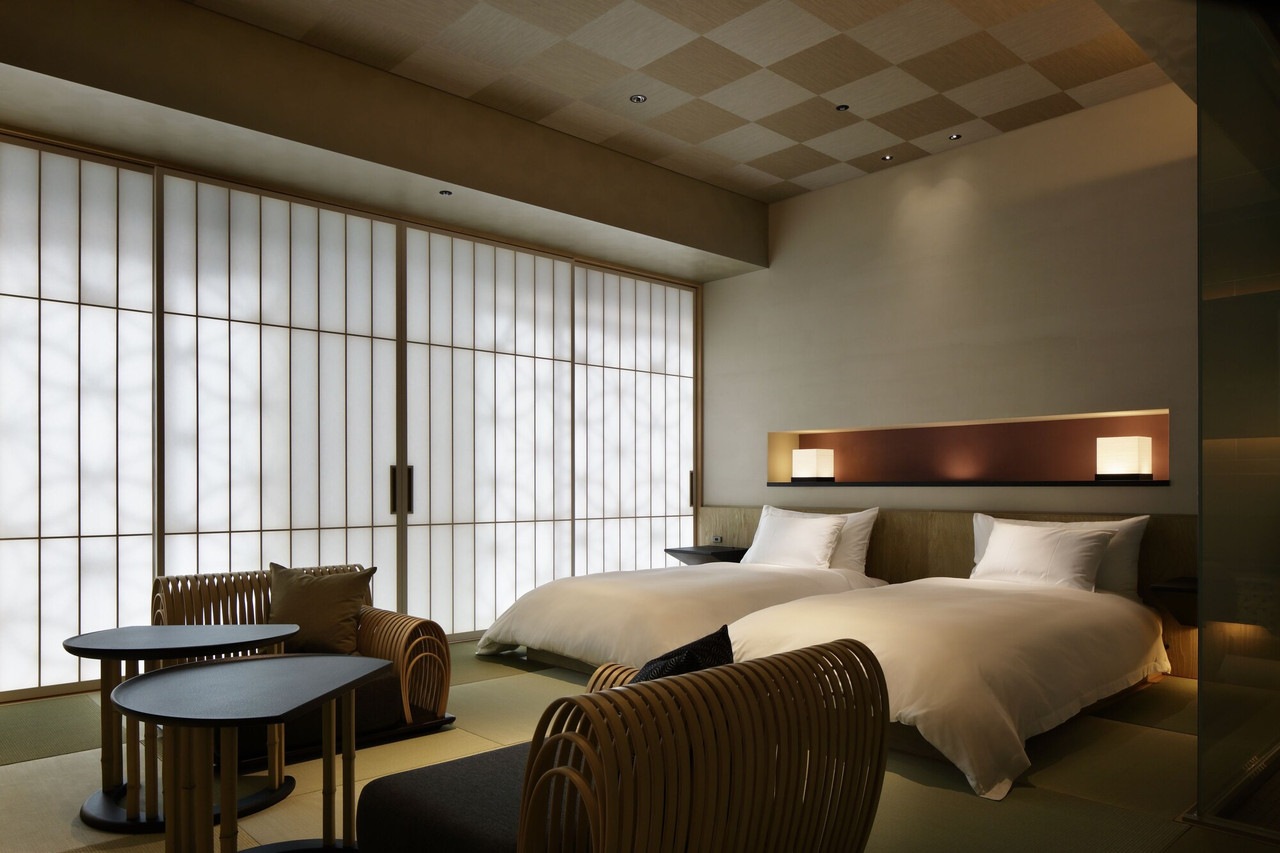
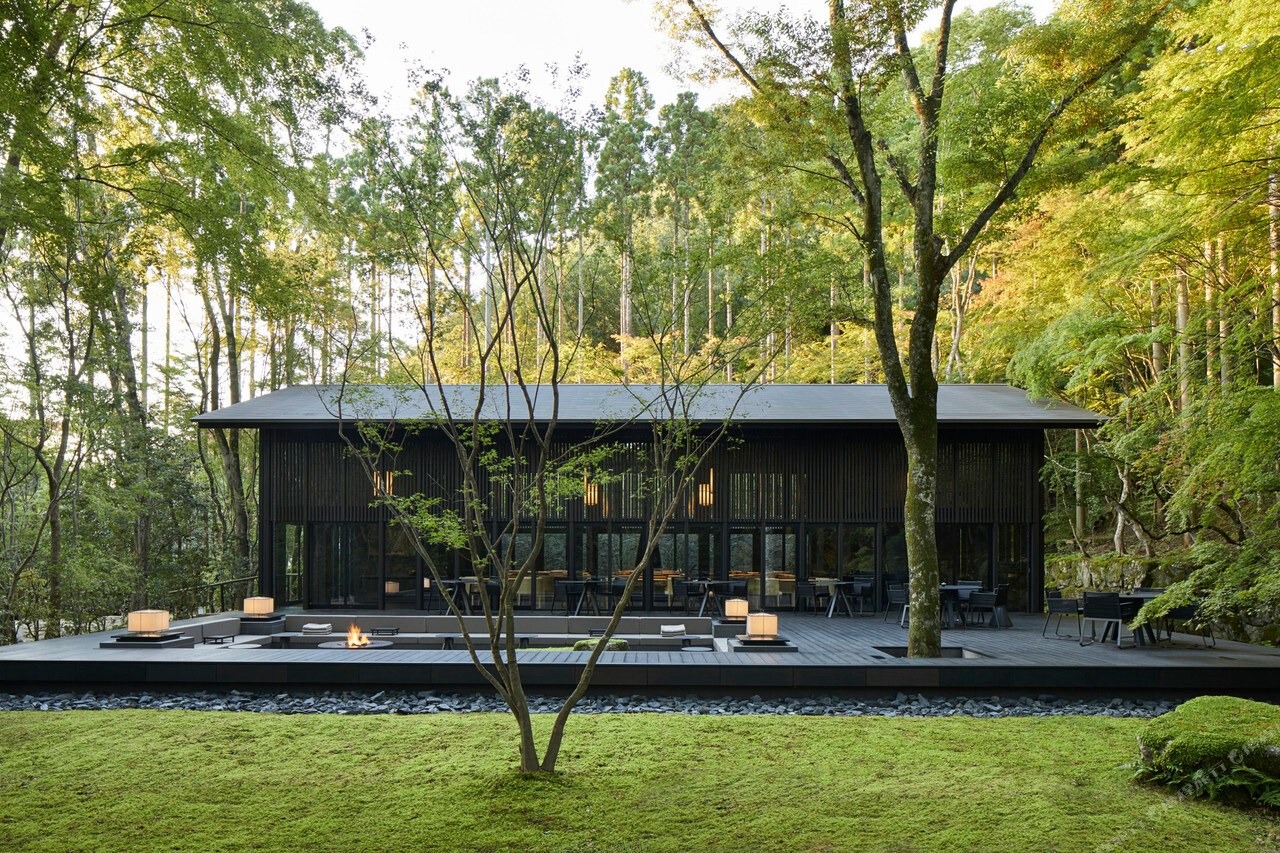
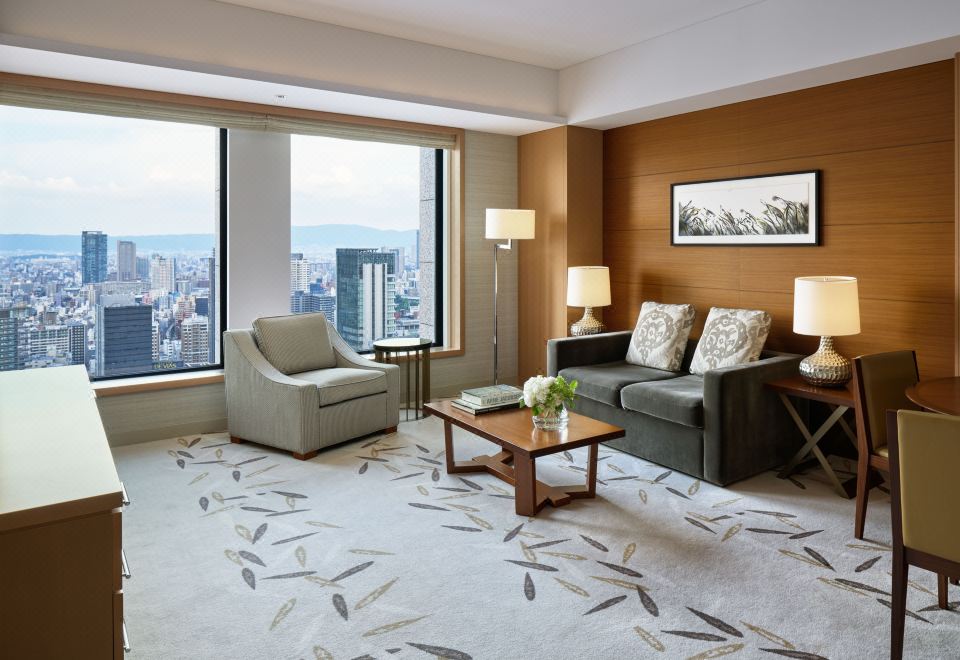
Choosing Japan? These are standout hotels in Tokyo, Kyoto and Osaka we reviewed firsthand (we don't cover Korea yet)