6 Shandong Lu dishes to try in Qingdao
From the showpiece plates that flex the Shandong kitchen, to the local food people eat day in, day out.
 1
1
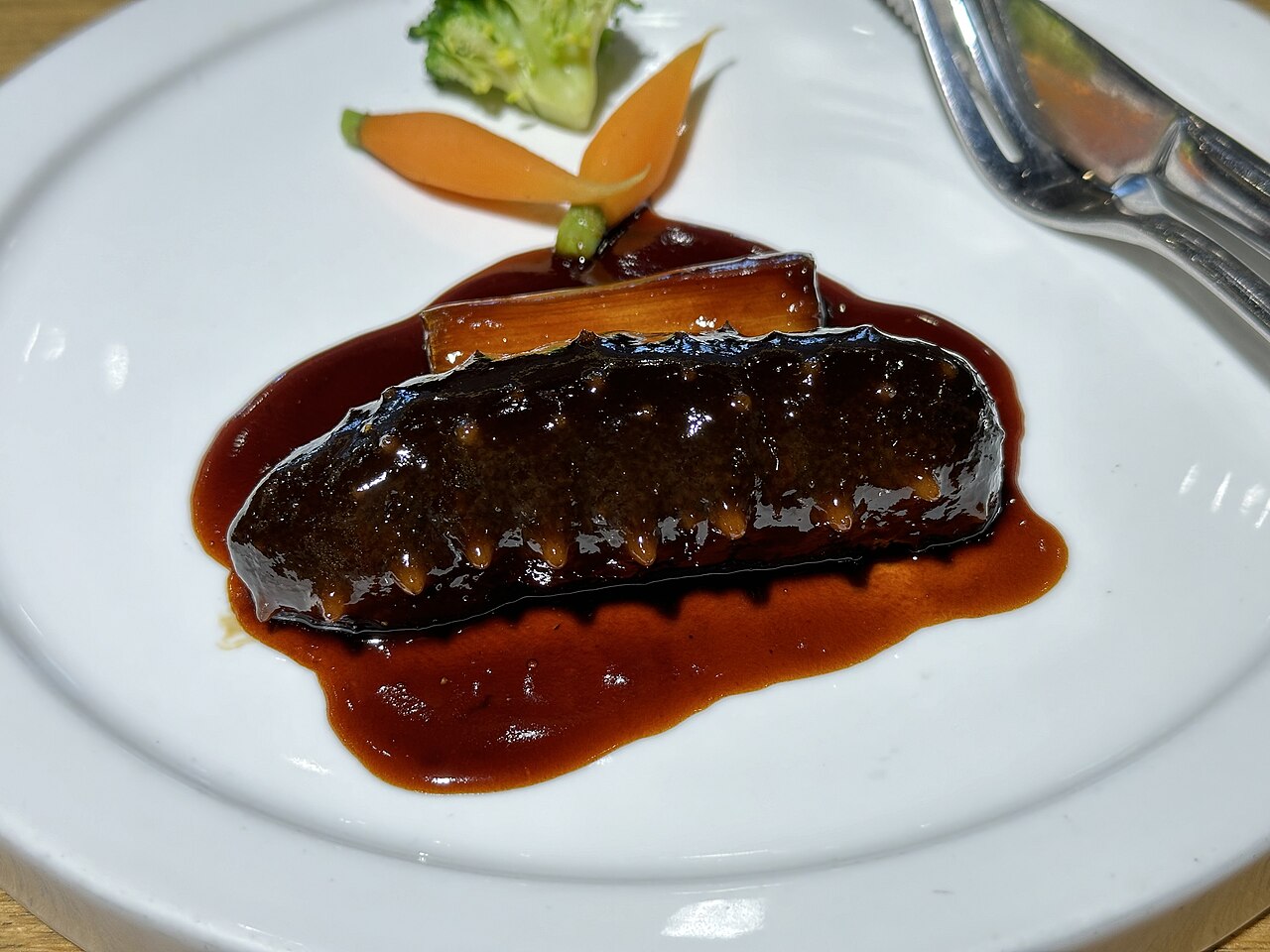
This is the luxury dish of coastal Lu cooking. Sea cucumber (海参) is an expensive ingredient and considered a tonic in Chinese food culture. Carefully soaked and cleaned, it's braised slowly with scallion until springy and tender, then coated in a rich, glossy soy-sugar sauce; the scallion turns sweet and fragrant and soaks right into the flesh. The sea cucumber itself is mild but has a wonderful slippery, springy texture. It's one of the best showcases of a chef's skill and the refinement of the Shandong kitchen, and it's pricey because of the ingredient — usually ordered at a proper Lu restaurant or for a special meal. If you want to taste real, traditional Lu cooking, don't skip this one.
 2
2
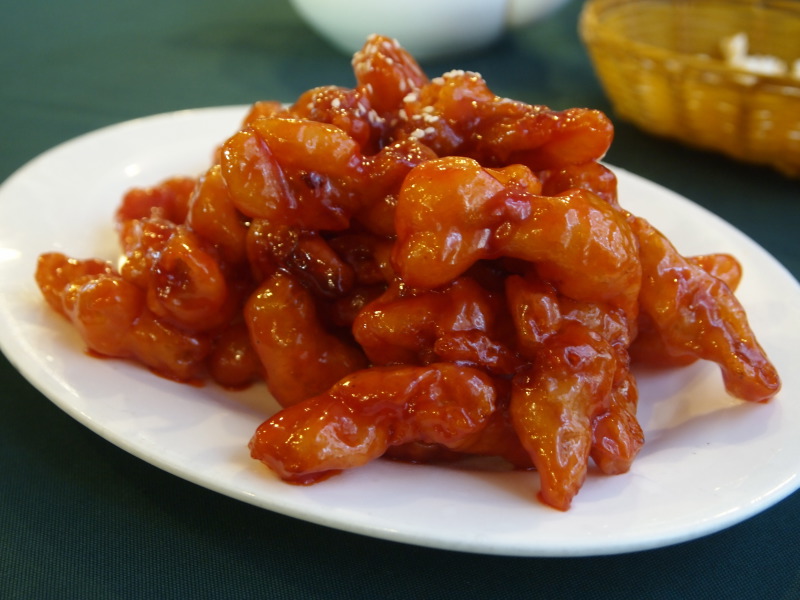
The sweet-and-sour (糖醋) flavour is one of Shandong's signatures, and 糖醋里脊 is its most approachable ambassador — pork tenderloin cut into strips, battered and fried until crisp outside and tender within, then tossed in a glossy red-orange sweet-sour sauce and showered with sesame. You get a crunch, then a balanced sweet-sour hit that never turns cloying. It's a dish kids love and adults rate, and you'll find it both in proper Shandong restaurants and in home-style places all over Qingdao. Its cousin is 糖醋鲤鱼, sweet-and-sour carp, a Jinan classic famous across the province. If you're just starting with Lu cuisine, begin here.
A legendary dish from Jinan, Shandong's capital, 九转大肠 means "nine-turn large intestine". It was created in the Qing dynasty and named after a Daoist "nine-turn elixir". Pork large intestine is cleaned and cooked through several steps until it carries every flavour dimension in one bite — sour, sweet, salty, bitter and a touch of spicy all at once. The texture is chewy and rich, glazed in a sugar sauce caramelised in hot oil. It's a must-try for offal lovers. Honestly, the flavour is bold and the aroma distinct, so not everyone is used to it — but a kitchen that does it well makes it fragrant and rounded enough to win you over. It's the dish that best shows the complexity of the Lu kitchen.
If you want to eat the way Qingdao locals eat every day, this is the dish. 排骨米饭 is pork-rib rice — good pork ribs seasoned with a blend of spices and slow-braised for hours until the meat falls off the bone, served over hot steamed rice with a sauce the rice soaks up. It's savoury, fragrant and a touch sweet, easy to eat and filling at a gentle price. The legendary shop is Wanhechun (万和春), with several branches including the Taidong (台东) area. It's the city's everyday comfort food, the lunch office workers order without a second thought. If you're on a budget or want a local dish with nothing strange about it, start right here.
Potstickers (锅贴) are a beloved Qingdao snack that belongs to the Lu tradition. 三鲜锅贴 are "three-delicacy" potstickers, filled with pork, prawn and seasonal vegetables, wrapped and pan-fried until the base is golden and crisp while the top stays soft. You bite through the crunch into a juicy, fragrant filling, and a dip of black vinegar with shredded ginger cuts the richness. They work for breakfast or as a snack, and a famous spot like Qingdao Guotie (青岛锅贴) draws the crowds. Pair them with a soup or warm soy milk. It's an easy starter that everyone enjoys.
A home-style plate that shows off a technique unique to Shandong. 锅塌 (guota) is a method where an ingredient is coated in flour and egg, fried until golden and fragrant, then simmered in clear stock until the broth soaks in — a technique the Lu kitchen is proud of. 锅塌豆腐 uses slices of tofu, egg-fried then simmered in stock, so the tofu turns soft and eggy-fragrant, full of broth in every bite, with a gentle, balanced savoury-fresh taste. Beyond tofu there are fish (锅塌鱼) and prawn versions to try. This dish captures the soul of Lu cooking clearly — understated, but deep with skill and stock — and it's ideal for anyone who doesn't eat spicy and wants to understand what the Shandong kitchen is good at.