🌏 All Destinations 🇹🇼 Taiwan · Full Guide Taipei 🏝️ Matsu Islands 🏨 Hotels · All Reviews 🍜 See & Do 🧭 Travel Guide About 🇹🇭 ไทย🇬🇧 English🇨🇳 中文🇪🇸 Español🇫🇷 Français
Natural Phenomenon · Updated 2026

Matsu Blue Tears
Taiwan's Bioluminescent Sea — When & How

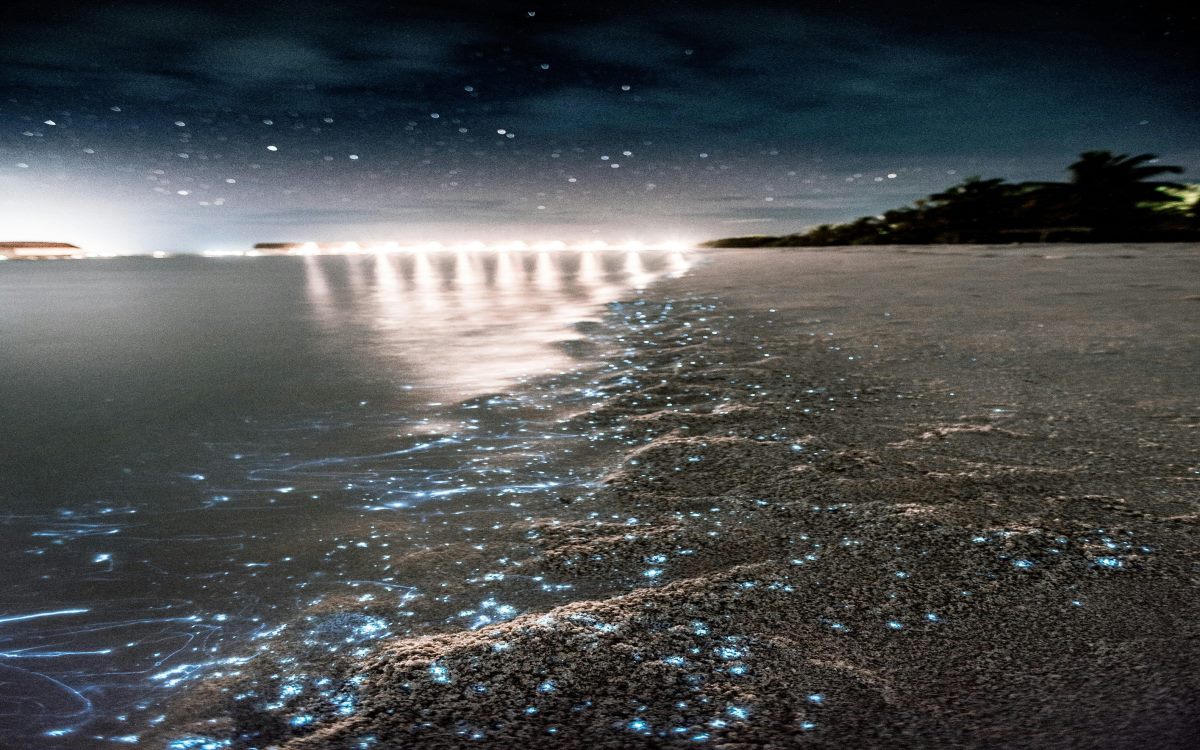
On the right night in the right season, the ocean around Taiwan's Matsu Islands glows electric blue. Every wave that breaks, every hand that trails through the water, ignites a ripple of cold neon light. This is Blue Tears — one of the most remarkable natural spectacles in Asia.

Best Season
May – June (Peak)
How to Fly
TSA → LZN · 50 min
Beihai Boat Tour
NT$350 · KKday
Sighting Rate
~50–60% per night
ปรากฏการณ์ Blue Tears ที่มาจู่
Blue Tears เห็นได้เฉพาะคืนเดือนมืด พ.ค.-มิ.ย.
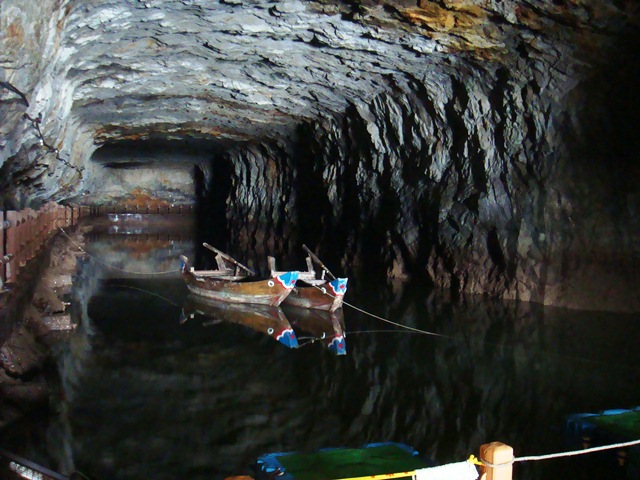
อุโมงค์ Beihai — จุดดู Blue Tears ที่ดีสุด
Beihai Tunnel เป็นจุดล่องเรือดู Blue Tears
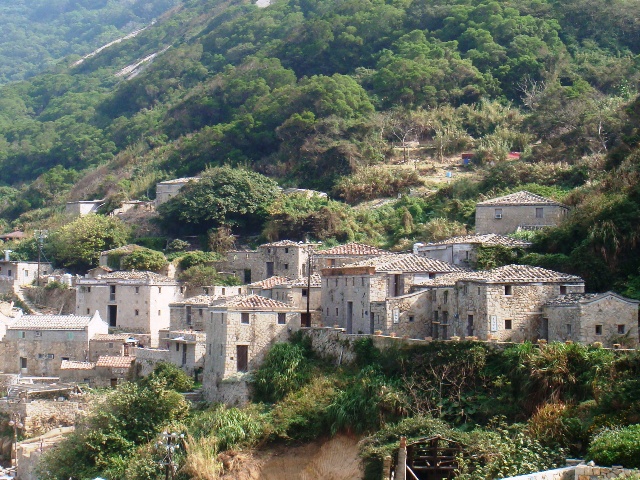
หมู่บ้านชินบี Beigan — สไตล์เมดิเตอร์เรเนียน
Qinbi Village บน Beigan = หมู่บ้านสไตล์ Mediterranean
What Are Blue Tears?

Stars that fell into the ocean — the science behind Matsu Blue Tears

Blue Tears (藍眼淚) is the local name for bioluminescence produced by a marine dinoflagellate called Noctiluca scintillans. These single-celled organisms glow a vivid blue-green when physically disturbed — a crashing wave, the splash of a paddle, or a hand sweeping through the water. The light is entirely self-generated, a cold chemical reaction triggered by movement. No electricity, no mirrors, no special effects.

Why is Matsu particularly special for Blue Tears?

Matsu sits near the mouth of the Min River on China's southeastern coast. Each spring and summer, the river flushes nutrients into the East China Sea, triggering a massive bloom of diatoms — the primary food source for Noctiluca scintillans. The algae multiply by the billions, concentrating along Matsu's rocky shores. Cold currents and the islands' irregular coastline keep them here long enough to produce truly spectacular displays.

🔬
Noctiluca scintillans
A bioluminescent dinoflagellate that glows only when disturbed — found in enormous density in Matsu's coastal waters
🌑
Moonless Nights Only
Moonlight drowns out the dim blue glow — choose nights near the new moon for the best visibility
🌊
Needs Disturbance
Kick sand at the waterline, splash in the shallows, or ride a boat — movement activates the glow
📅
April–August Only
Outside the bloom season (Sep–Mar) there are zero Noctiluca in the water — no conditions will produce Blue Tears
Plan Your Timing

Which month should you go? — The full Blue Tears calendar

The month you visit is the single most important variable. Get this wrong and no amount of luck will help.

None
Sep – Mar
Off-season
Noctiluca are entirely absent from Matsu's waters. No bioluminescence regardless of conditions.
Getting there
April
Early bloom
Algae populations begin building. Blue Tears visible on good nights, but intensity is lower than peak months.
Best
May – June
Peak Season
Densest bloom. Brightest, most consistent Blue Tears. This is the window everyone aims for — book early.
Still good
July
Fading bloom
Blue Tears still visible but density declining from peak. Heat and typhoons may complicate plans.
Faint
August
End of season
Diminishing returns. Possible sightings but unreliable. Not recommended if Blue Tears is your primary goal.

The honest small print: what has to align on the night

Even inside peak season, multiple variables need to cooperate simultaneously: (1) the moon must be absent or nearly so — even a half-moon can wash out weaker displays; (2) moderate wind is helpful, as it keeps waves constantly breaking at the shoreline; (3) clear water — heavy rain before your visit can cloud the sea and scatter the algae.

The prime viewing window is roughly 9 PM to midnight, during or just after high tide, when algae are pushed toward shore. Earlier in the night tends to yield better results than the small hours, when the density disperses.

Getting There

Taipei to Matsu — fly or take the overnight ferry

✈️

Fly from Taipei Songshan (TSA)

The standard choice — just 50 minutes in the air. Fly from Taipei Songshan Airport (TSA), not Taoyuan. Mandarin Airlines and UNI Air operate the route to Nangan (LZN) or Beigan (MFK).

Round-trip approx. NT$3,500 · Book 2–3 months ahead for May–June peak season — tickets sell out · Spring fog is common and causes cancellations; build a buffer day into your trip
🚢

Overnight Ferry from Keelung

Departs Keelung around 10 PM, arrives in Matsu by morning — roughly 9–10 hours at sea. Slower but cheaper, and you wake up in the islands having saved a night's accommodation.

Round-trip approx. NT$2,800 · Easier to book than flights · Inter-island ferries between Nangan / Beigan / Dongyin: NT$160–200 each leg · Rent a scooter on arrival for NT$500/day
Four Islands, Four Personalities

Which island should you base yourself on?

🏝️
Main Island

Nangan (南竿)

The hub with the main airport, ferry terminal, most accommodation, and the famous Beihai Tunnel boat tour. The natural first base for visitors.

🏡
Second Largest

Beigan (北竿)

Quieter than Nangan, with the stunning Qinbi stone village (1700s Fujian architecture) and Tanqi Beach. Several B&Bs have terraces from which Blue Tears are visible on good nights.

💫
Best for Blue Tears

Dongyin (東引)

The northernmost island, windswept and dramatic. Regulars say this is the single best island for Blue Tears — crashing cliffs, very dark skies, and the magnificent 1904 Dongyong Lighthouse.

🐟
Remote & Quiet

Juguang (莒光)

The smallest and least-visited cluster. Fuzheng Beach occasionally produces faint Blue Tears in season. Perfect for travellers who genuinely want to get away from it all.

Top Viewing Spots

3 best places to see Blue Tears — from highest success rate to most atmospheric

1
Beihai Tunnel
北海坑道 · Nangan · Highest Success Rate

A Cold War military tunnel hand-carved beneath Nangan — visitors board small sampan boats and drift in near-total darkness. Algae accumulate in the sheltered tunnel water throughout the season, making this the most reliable spot for Blue Tears sightings. Every nudge of the paddle or drip from the oar ignites blue sparks. This is where most first-timers should go first.

Price: NT$350 per person
Book: KKday or call (0836) 22177
Times: Evening tours ~8–10 PM · Operates Mar–Sep
Tip: You can also walk up and join the waitlist on the day
2
Qiaozi Beach — Beigan
橋仔村 · Beigan · Natural Ocean Experience

Small wooden boats depart from Qiaozi village on Beigan's north shore. During peak season, the surrounding sea is dense enough with Noctiluca that the water around the hull glows constantly. Many Beigan B&Bs also have balconies with direct water views — on a strong Blue Tears night, guests can watch from their room without ever getting in a boat.

Price: NT$500 per person
Book: Through local B&Bs or ask at your accommodation
Times: Departs approximately 8–11 PM
Tip: Stay 2 nights in Beigan to catch a good evening
3
Andong Tunnel — Dongyin
安東坑道 · Dongyin · Most Atmospheric

A military tunnel that opens directly onto the cliffs of Dongyin, the windiest, darkest island in the archipelago. Waves smash against the rocks in blazing blue bursts. The sky here is almost entirely light-pollution-free. Travellers who have done all three spots consistently say Dongyin's clifftop Blue Tears experience is the most awe-inspiring — but it requires a ferry hop from Nangan or Beigan.

Price: Tunnel free to enter · Ferry to Dongyin NT$160–200
Access: Inter-island ferry from Nangan or Beigan (~40 min)
Times: Open at all hours · Blue Tears after sunset
Tip: Stay overnight on Dongyin — it's worth it
Book Your Blue Tears Tour
Beihai Tunnel Blue Tears Sampan Ride — easy online booking

Drift through a hand-carved military tunnel in complete darkness, with Blue Tears glowing around every stroke of the oar. NT$350 per person. Free cancellation if weather doesn't cooperate.

✨ Book Beihai Tunnel Blue Tears — KKday 🔍 Browse Matsu Tours — Klook

* Affiliate links — Wherebest may earn a commission at no extra cost to you. Our reviews remain independent.

Beyond Blue Tears

Matsu by day — what to do when the ocean stays dark

Blue Tears is a magnificent bonus. The islands earn their keep in daylight too — Cold War history here is found nowhere else on earth.

🏛️
Beihai Tunnel + Dahan Stronghold
The 640-metre Beihai Tunnel was blasted and chiselled by hand — take the sampan by day too. Dahan Stronghold clings to a clifftop with panoramic views of the East China Sea.
🥃
Tunnel 88 + Kaoliang Tasting
A former military tunnel now aged with Matsu's famous Kaoliang sorghum liquor. Free tasting, bottles to buy at cellar prices. The cool tunnel air carries a distinct aroma you'll remember.
🏘️
Qinbi Stone Village — Beigan
Hand-built from granite in the 1700s by Fujian settlers, Qinbi is the kind of place that stops you in your tracks. Often called "the Mediterranean of Taiwan" — arguably more interesting than that comparison suggests.
🔦
Dongyong Lighthouse — 1904
Built by the British in Gothic Revival style, still operational after 120 years. The walk to the lighthouse through clifftop mist on a grey Dongyin morning is quietly spectacular.
🍜
Fish Noodles + Yellow Wine
魚麵 (yu mian) are noodles made almost entirely from fish paste — a Matsu original found nowhere else in Taiwan. Pair with Lao Jiu, the amber-coloured fermented rice wine made locally for generations.
Island Hopping by Ferry
Inter-island ferries run for NT$160–200 per leg, 30–60 minutes between islands. Spend a morning on Beigan, an afternoon back on Nangan, and an overnight on Dongyin for the full Matsu picture.
Pack List

What to bring for a Blue Tears night

🧥
Warm Jacket
Matsu nights are 5°C colder than Taipei. Dongyin adds biting wind on top. A windproof layer is essential.
📷
Camera + Tripod
Long exposure (1–10 sec) is needed to capture the glow. A phone in Pro / Night mode works; a small tripod transforms results.
🔭
Binoculars
Useful for spotting Blue Tears at the cliff base from above, and for stargazing in Matsu's remarkably dark skies.
💊
Seasick Tablets
For the boat tours and the overnight ferry from Keelung. Take 30 minutes before departure.
🌙
Moon Phase Calendar
Check before you book. Plan your viewing nights around the new moon. A full moon makes Blue Tears almost invisible.
🔦
Red-mode Torch
Red light preserves your dark-adapted night vision. White torches destroy your eyes' adjustment to darkness in seconds — avoid them on the beach.
Where to Stay

Matsu Hotels — four reviewed & recommended

Base in Nangan for convenience, or choose Beigan for a chance to watch Blue Tears from your balcony.

Hotels reviewed by Wherebest in Matsu
Sorted by verified guest score — click to read the full review
Beigan · 270° seaview B&B

So Lohas B&B (舒漫活)

270° unobstructed ocean views — guests report watching Blue Tears directly from their balcony on strong nights. Scooter rental on-site.
9.6 / 10 · 90 reviews
Read full review →
Nangan · Design Guesthouse

Dayspring Inn (日光春和)

TripAdvisor's #1 Nangan property · 303 reviews · Every room faces the sea · Free airport transfers · Exceptional vegan breakfast
8.9 / 10 · 303 reviews
Read full review →
Nangan · Clifftop Seaview B&B

Matsu Blue Zhuhai B&B (蔚藍珠海)

Cliff-edge position above the East China Sea · Five minutes on foot to the Blue Tears Museum · Sun terrace and garden
9.0 / 10 · 60 reviews
Read full review →
Nangan · B&B with Restaurant

Matsu Island View B&B (嵐灣景觀)

Beachfront at Zhuluo · Restaurant in the property serving fresh Matsu seafood · Free airport pickup · Mountain and sea views
9.1 / 10 · 80 reviews
Read full review →
See all 7 Matsu hotels →
FAQ

Blue Tears Matsu — every question answered

When is the best time to see Blue Tears in Matsu?
May and June are peak season, when Noctiluca scintillans blooms most densely and produces the brightest, most consistent displays. April and July are also viable. August produces diminishing sightings. From September through March there are no Noctiluca in the water at all — no conditions will produce Blue Tears during this period.
What are the realistic chances of seeing Blue Tears?
Around 50–60% per night, even during peak season in May–June. The sighting depends on the moon phase (new moon is ideal), wind direction, water clarity, and algae density on that specific night. Staying 2–3 nights significantly improves your odds. The Beihai Tunnel boat tour has higher success rates than open beaches because algae accumulate in the sheltered water inside the tunnel.
How do I book a Blue Tears boat tour in Matsu?
Book the Beihai Tunnel sampan tour (NT$350/person) through KKday at the link above, or by calling (0836) 22177 in Chinese. The Qiaozi boat tour on Beigan (NT$500/person) is arranged through local B&Bs. Tours depart roughly 8–11 PM and are cancelled immediately if sea conditions aren't safe. Book ahead for peak season but walk-up waitlisting is also possible.
How do I get to Matsu from Taipei?
Fly from Taipei Songshan Airport (TSA) — not Taoyuan — to Nangan (LZN) on Mandarin Airlines or UNI Air. The flight takes 50 minutes with round-trip fares around NT$3,500. Book 2–3 months in advance for May–June. Alternatively, the overnight ferry from Keelung takes 9–10 hours and costs around NT$2,800 round-trip — more relaxed and tickets are easier to get.
Is Matsu worth visiting even if I don't see Blue Tears?
Absolutely yes. The Cold War military tunnels (Beihai, hand-carved by soldiers using basic tools), Dahan clifftop stronghold, Tunnel 88 Kaoliang liquor cellar, the 1700s Qinbi stone village, and the 1904 Dongyong Lighthouse make Matsu a compelling destination independent of bioluminescence. Local specialties — fish noodles and Yellow Wine — complete a very distinctive experience. Think of Blue Tears as a spectacular bonus rather than the only reason to visit.
Continue Exploring Matsu

Related Matsu guides

🗺️

Matsu Attractions — Top 10

Beihai Tunnel · Dahan Stronghold · Tunnel 88 Kaoliang · Qinbi Village · Dongyong Lighthouse · island hopping

Explore Top 10 →
🏨

Matsu Hotels — Top 7 Reviewed

From Beigan seaview B&Bs with balcony Blue Tears views to design guesthouses on Nangan — reviewed and ranked.

See Hotel Reviews →
✈️

Plan a Matsu Trip from Taipei

Flight logistics, day-by-day island itinerary, and how to build your trip around the best Blue Tears nights.

Plan Your Trip →
Ready to Plan

Book your Matsu Blue Tears trip
before peak season fills up

Flights and accommodation in Matsu sell out months in advance during May–June. The earlier you book, the better your island and date options.

✨ Book Blue Tears Tour Matsu Guide