Home Destinations Taiwan Hotel Reviews About Contact 🇹🇭 ไทย 🇬🇧 English 🇨🇳 中文 🇪🇸 Español 🇫🇷 Français
🇹🇼 Matsu Islands (馬祖) · Off Fujian Coast · Taiwan

Matsu Islands (馬祖) — Cold War Frontline + Blue Tears + Fujian Heritage

4 main islands (Nangan + Beigan + Dongyin + Juguang) · 50-min flight from Taipei Songshan (TSA) · Cold War tunnels + Blue Tears bioluminescence (Apr-Sep) + Fujian stone villages — not typical Taiwan

✨ Blue Tears Bioluminescence 🏯 Cold War Tunnels 🏘️ Fujian Stone Villages 🥃 Kaoliang 38° Liquor ⛴️ Inter-Island Ferries
Apr–Sep
Best Season
3–4 nights
Recommended Stay
50-min flight from TSA
From Taipei Songshan
Cultural + Blue Tears
Best For
📅 Updated May 2026 · Hotel picks, Blue Tears season, Cold War sites, and flight info verified
Matsu Islands in 60 seconds

Taiwan's most historically unique island group — Cold War frontline, Blue Tears, Fujian stone villages

Matsu is Taiwan's most remote island group — 4 main islands off China's Fujian coast. Cold War frontline from 1949–1990s with massive military tunnel networks still preserved today. Fujian stone architecture not found elsewhere in Taiwan. Famous for Blue Tears bioluminescence (Apr-Sep) caused by dinoflagellates lighting the harbor waters at night. Not a beach resort — a place for history, culture, and rare natural phenomena.

⚠️ Many services close Oct–Mar due to storms and frequent flight/ferry cancellations. Most accommodation is family B&Bs and small guesthouses — no international hotel brands. Properties spread across Nangan, Beigan, and Dongyin islands. Book 1+ month ahead in Blue Tears peak season (Apr–Jun).

🏯
Cold War Military History
Beihai Tunnel, Dahan Stronghold, and underground military complexes from Matsu's frontline era — preserved and open to visitors, unlike anywhere else in Taiwan.
Blue Tears Bioluminescence
Dinoflagellates turn Matsu's harbor waters electric blue Apr–Sep — a rare natural phenomenon that draws visitors specifically for nighttime boat tours.
🏘️
Fujian Stone Village Architecture
Qinbi Village and Jieshou Village preserve Fujian coastal architecture — grey granite stone houses on hillside slopes — not found anywhere else in Taiwan.
🥃
Kaoliang Liquor Culture
Matsu's Tunnan Kaoliang 38° is Taiwan's most famous sorghum liquor — a living craft distillery culture with tours and tastings unavailable elsewhere.
Where to stay in Matsu Islands

B&Bs & Small Guesthouses — No International Hotel Brands

Matsu has no international chain hotels. Accommodation is family B&B and small guesthouse style across Nangan, Beigan, and Dongyin. Most are traditional stone-house conversions or modern simple guesthouses. Book 1+ month ahead during Blue Tears peak season (Apr–Jun) — capacity is very limited on all islands.

🏯
Nangan (南竿)
Main Island — Airport + Ferry Hub

Matsu's main island with most accommodation, restaurants, and transport links. Nangan Airport (LZN) receives flights from Taipei Songshan. Home to Beihai Tunnel, Dahan Stronghold, and Tianhou Temple. Most first-time visitors base on Nangan before island-hopping to Beigan.

🎯 Best for: First-timers · Flight arrivals · Cold War history + Blue Tears base
🏘️
Beigan (北竿)
10–15 min ferry from Nangan · NT$100

The second island — a 10–15 minute inter-island ferry from Nangan (NT$100). Home to Qinbi Village, the most photographed Fujian stone hillside village in Matsu. Beigan Airport (MFK) also has direct flights from Taipei Songshan. Quieter and more scenic than Nangan — great for a night or two.

🎯 Best for: Qinbi Village + Fujian architecture · Scenic island feel · Blue Tears
💡
Dongyin (東引)
Most Remote — Separate Ferry Required

The most isolated island — accessible by separate ferry from Nangan (not on the Nangan–Beigan shuttle route). Home to Dongyong Lighthouse (1904, British-built) and the most off-grid experience in Matsu. Plan 1–2 extra nights. For travelers with 5+ nights and an appetite for remoteness.

🎯 Best for: 1904 Lighthouse · True remoteness · 5+ night itineraries only
🏝️
Juguang (莒光)
Southern Islands — Slow Travel

A pair of small southern islands (Dongju + Xiju) — less visited than Nangan and Beigan with strong Fujian fishing village atmosphere and good snorkeling. Accessible by ferry from Nangan. Not typically on the main tourist circuit, but worth a visit for travelers seeking something quieter.

🎯 Best for: Slow travel · Authentic fishing village · Snorkeling
🏨 Start Here

Find Your Matsu Islands Hotel

1 curated hotel roundup · 7 individual reviews · from Dayspring Inn (best-known on Nangan) to B&Bs on Beigan and Dongyin.

🏝️ See Top 7 Matsu Islands Hotels — Start Here →
Recommended Hotels

7 Best Places to Stay in Matsu Islands

The highest-scoring, most practical, and best-located options across Nangan, Beigan, and Dongyin. Compare prices across 3 platforms.
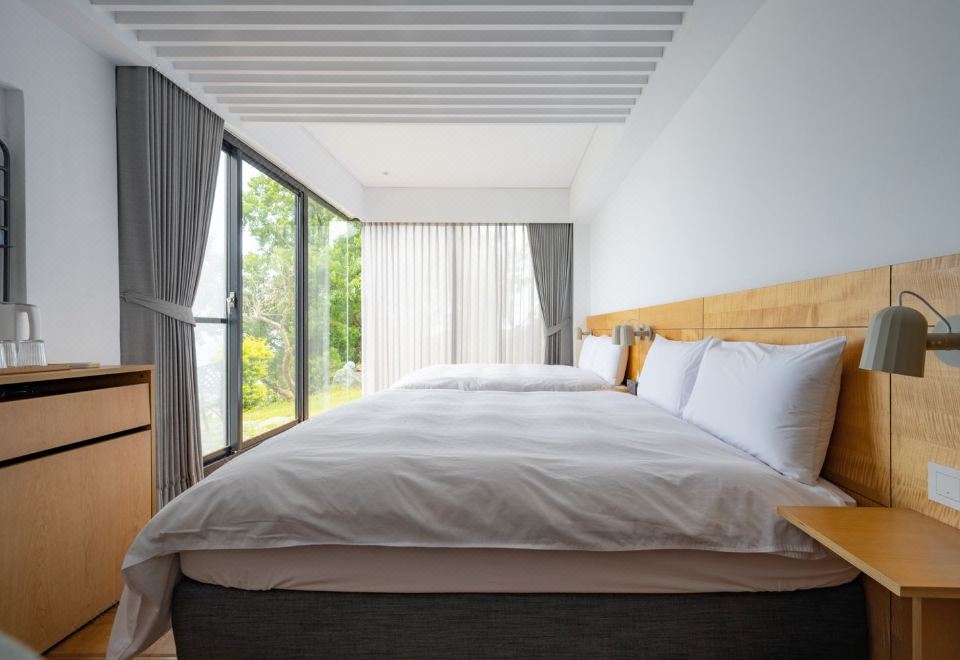
Dayspring Inn Matsu Nangan
🏆
Best on Nangan9.0
Dayspring Inn (晨曦民宿)
Nangan · Near Nangan Ferry Terminal

Nangan's best-reviewed property — well-located near the ferry terminal and Fuxing Village. Warm hosts who know Matsu's Blue Tears season, tunnel tours, and inter-island ferry schedules. Clean, modern rooms with good Wi-Fi. Book 4–6 weeks ahead during Blue Tears peak.
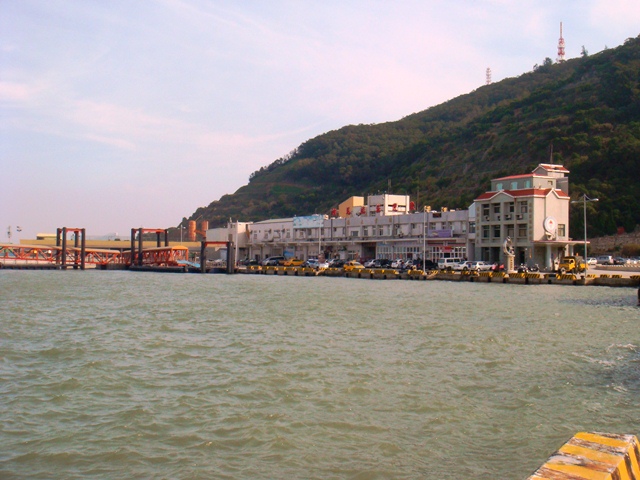
⚖️ Compare 3 sites
Island View B&B Matsu Beigan
🌊
Beigan Top Pick9.1
Island View B&B (島景民宿)
Beigan · Near Qinbi Village

The highest-scored B&B on Beigan — positioned close to Qinbi Village with harbor views. Hosts give practical guidance on Blue Tears boat tours and the best time to watch the bioluminescence from shore. Simple Fujian stone-style converted rooms with authentic character.
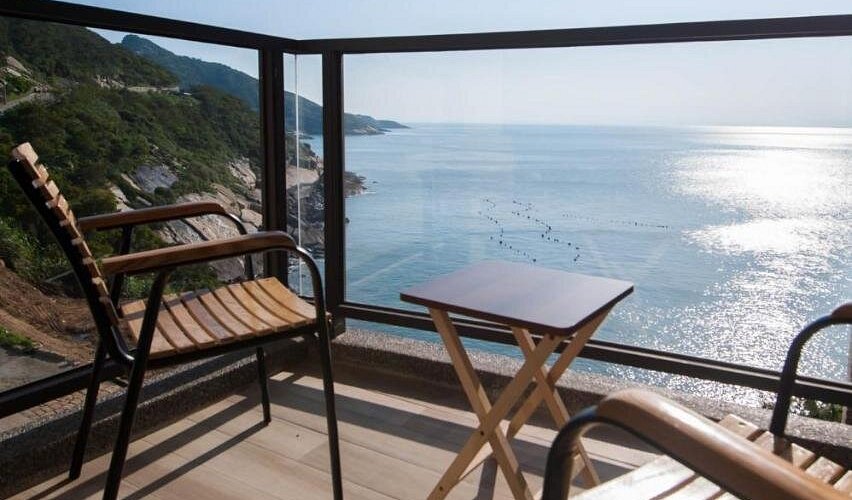
⚖️ Compare 3 sites
So Lohas Matsu Nangan
Blue Tears Base8.9
So Lohas (逍遙民宿)
Nangan · Harbor area

Well-positioned on Nangan with easy access to harbor boat tours — which is where the Blue Tears experience starts. Hosts actively help guests plan their bioluminescence night tour. Good base for the Beihai Tunnel and Dahan Stronghold during the day, Blue Tears at night.
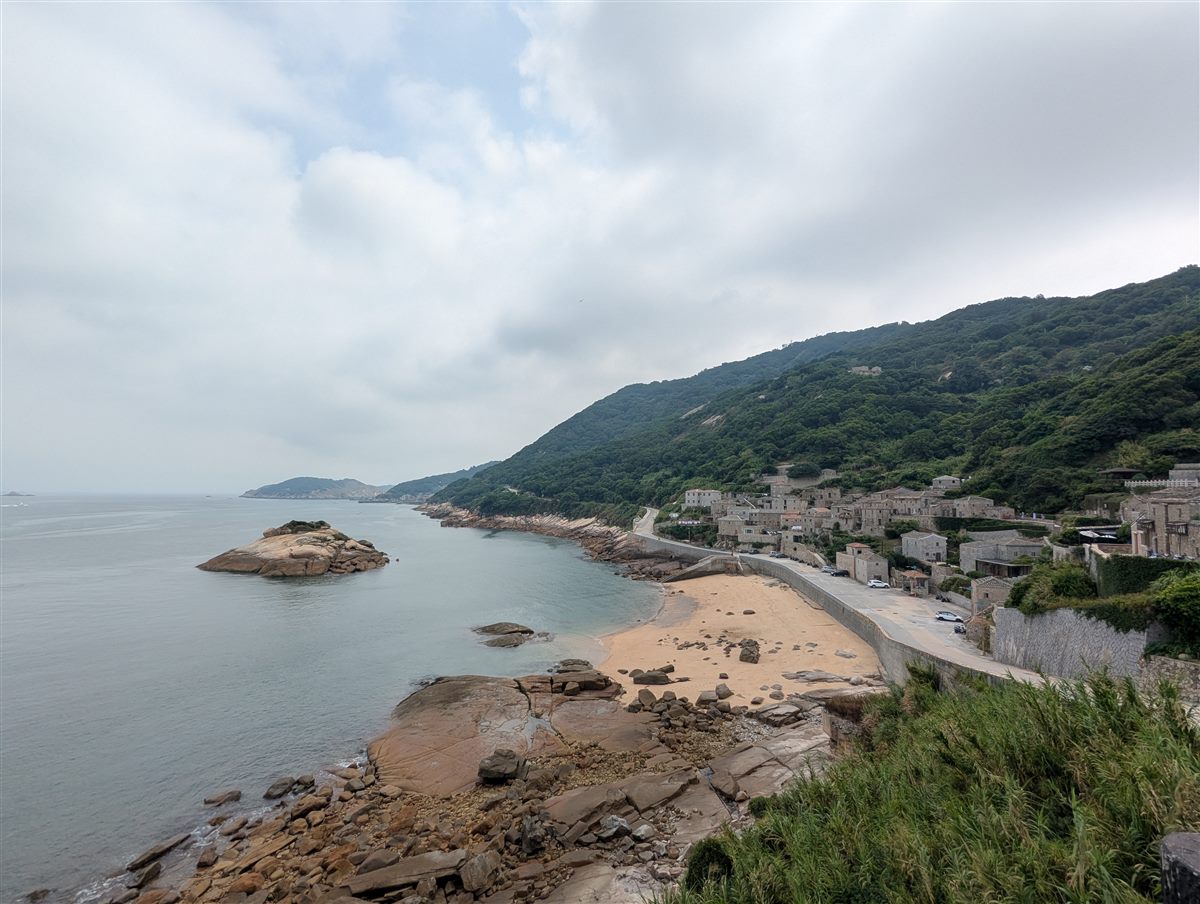
⚖️ Compare 3 sites
Blue Zhuhai Inn Matsu Beigan
🏘️
Qinbi Village Stay8.8
Blue Zhuhai Inn (藍珠海)
Beigan · Qinbi Village area

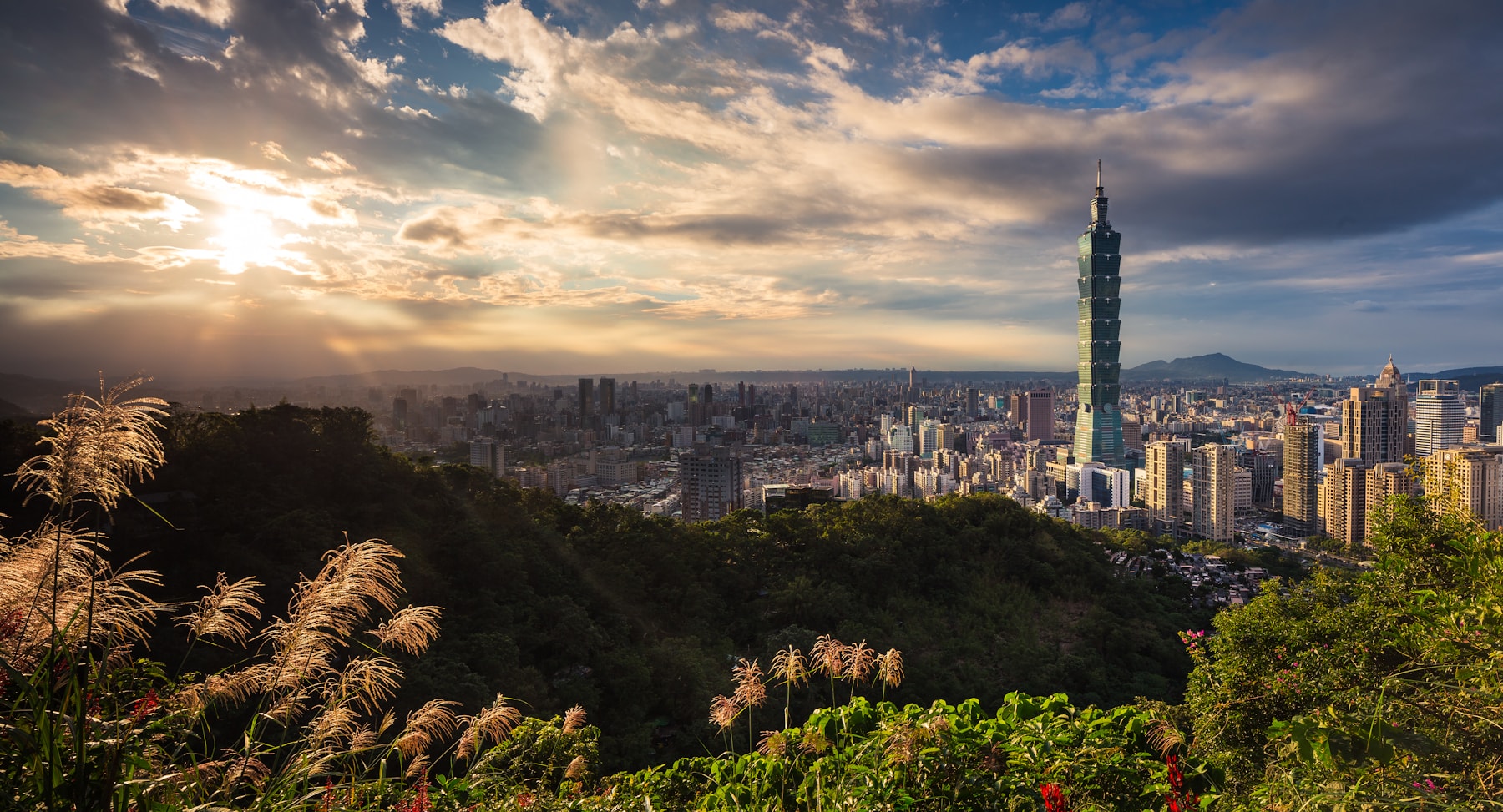
A B&B in and around Qinbi's famous Fujian stone architecture — staying here puts you inside Matsu's most photographed village. Wake up in the grey granite village atmosphere before tourists arrive. Sea views from upper rooms at dusk are among Matsu's best sunset spots.
⚖️ Compare 3 sites
Chin-Be Village Inn Matsu Nangan
🍶
Culture + Kaoliang8.7
Chin-Be Village Inn (津貝民宿)
Nangan · Near Jieshou Village

A village-style B&B near Jieshou Village — Nangan's most intact stone street with cafe culture and Kaoliang tasting bars. Good base for travelers focused on Matsu's food and liquor culture alongside history. Warm hosts, home-cooked Fujian-Matsu breakfast included.

⚖️ Compare 3 sites
Dongyin First B&B Matsu
💡
Dongyin Pick8.8
Dongyin First B&B (東引第一)
Dongyin · Near Dongyong Lighthouse

The best-reviewed option on Dongyin — Matsu's most remote island. Simple but clean, with easy access to the 1904 Dongyong Lighthouse trail and cliff walks. Hosts are used to travellers arriving by the irregular ferry from Nangan — they know the boat schedules and weather patterns well.
⚖️ Compare 3 sites
Jinsha B&B Matsu Nangan
🎒
Budget Best Value8.5
Jinsha B&B (金沙民宿)
Nangan · Budget-friendly option

Matsu's best value option for budget travelers — clean private rooms at lower rates than the island average. Located on Nangan with easy scooter access to key sites. Hosts are straightforward and helpful with logistics. Good for solo travelers or those spending most of their time outside exploring tunnels and villages.

⚖️ Compare 3 sites
Search Matsu Islands Hotels
Compare Matsu Islands accommodation prices across 3 platforms

Matsu has very limited accommodation capacity across all islands. During Blue Tears peak (April–June), B&Bs on Nangan and Beigan fill 4–6 weeks ahead. Book as soon as you book your flight from Taipei Songshan. October–March sees most properties reduce availability due to storm season.

What to eat in Matsu Islands

Matsu Food — Kaoliang Liquor, Fish Noodles & Fujian Heritage Dishes

Matsu's food scene reflects its Fujian heritage — distinctive from mainland Taiwan cuisine. Dining options are small-scale: family restaurants, B&B home cooking, and a handful of village eateries. Bring cash and expect fresh local seafood, honest portions, and flavors you will not find in Taipei.

🥃
Kaoliang 38° (高粱酒)
Tunnan Kaoliang — Matsu's #1 Export

Matsu Kaoliang is Taiwan's most famous sorghum liquor — the Tunnan distillery on Nangan produces both the 58° (fiery, traditional) and 38° (smoother, more accessible for visitors) varieties. Matsu Kaoliang has won international awards and is sold cheaper at source than anywhere on mainland Taiwan. Pick up a bottle at the distillery or any local shop. A small tasting glass with fresh seafood is Matsu's version of an aperitif.

Matsu's #1 Souvenir
🍶
Lao Jiu Yellow Wine (老酒)
馬祖老酒 — Glutinous Rice Wine

Lao Jiu is Matsu's traditional glutinous rice wine — aged in earthen jars for months. Amber in color, slightly sweet and medicinal in flavor. Used in cooking (especially with seafood and meat) and drunk warm as a digestif. Local restaurants often use it to braise fish and pork — the flavor infuses everything with a distinctly Fujian depth. Available at village restaurants and local shops.

Traditional Fujian Brew
🍜
Fish Noodles (魚麵)
馬祖特產 — Matsu Signature Dish

Fish noodles (魚麵) are Matsu's most distinctive food — noodles made by blending fresh fish into the dough, giving them a natural seafood flavor without any sauce needed. Served in clear broth or dry-style. Every local restaurant on Nangan and Beigan has a version. A bowl of fish noodles with a glass of Lao Jiu is the quintessential Matsu meal.

Matsu Must-Try
🍢
Glutinous Rice Cakes (繼光餅)
馬祖繼光餅 — Military History Snack

Ji Guang Bing are ring-shaped sesame bread rolls with a hole in the middle — named after the Ming Dynasty general Qi Jiguang who reportedly used them to feed soldiers quickly (strung on a rope). In Matsu, they became a staple for the military garrison era. Today they are filled with egg, pork, or vegetables — the island's most popular street snack. Available at village bakeries and morning markets on Nangan.

Military History Snack
🦞
Buddha Jumps Over the Wall (馬祖版佛跳牆)
海鮮燉鍋 — Festive Seafood Stew

Matsu's version of Buddha Jumps Over the Wall (佛跳牆) is a festive Fujian seafood stew — abalone, sea cucumber, fish maw, pork, and mushrooms slow-braised together. Served at family restaurants and B&Bs for groups or on special occasion. Richer and more seafood-forward than the Taiwanese mainland version. Order ahead — it takes hours to prepare and is not a walk-in dish at most places.

Order 1 Day Ahead
🐟
Fresh Local Seafood
現撈海鮮 — Straight from the Harbor

Matsu's harbor delivers daily catches of grouper, clams, oysters, and squid — significantly fresher than anything available in Taipei. Village restaurants near the ferry terminals on Nangan and Beigan serve simple seafood set meals at honest prices. Ask what came in that morning — the catch varies daily. Steamed whole fish with ginger and soy is the cleanest preparation and lets the freshness speak.

Fresh Daily · Honest Prices
What to do in Matsu Islands

Six Reasons to Come to Matsu

Matsu draws travelers for history, bioluminescence, and authentic Fujian culture — not beaches or diving. Every visitor comes for a specific combination of these six. See our full Matsu attractions guide for deeper coverage.

🏯
Cold War Tunnels (Beihai + Dahan)
北海坑道 / 大漢據點 — Nangan

Beihai Tunnel (北海坑道) is Matsu's most dramatic Cold War site — a massive granite tunnel complex carved by 823 soldiers over 15 months (1968–1970) large enough for military boats. Now open to visitors; you can kayak inside the tunnel. Dahan Stronghold (大漢據點) is a cliff-edge artillery fortification with panoramic sea views and preserved military equipment. Both are on Nangan and are essential Matsu experiences.

Nangan · Kayak Inside the Tunnel
Blue Tears Bioluminescence (Apr–Sep)
藍眼淚 — Nangan + Beigan Harbors

Blue Tears (藍眼淚) is Matsu's most famous phenomenon — dinoflagellates (Noctiluca scintillans) cause harbor waters to glow electric blue at night during Apr–Sep. Requires calm, dark nights (no moon, light wind). Join a local boat tour from Nangan harbor (NT$300–600) for the best viewing — offshore is more spectacular than shore-watching. Peak May–Jun. Cannot be guaranteed — plan 2–3 nights to improve your chances of a clear night.

Apr–Sep · Boat Tour Recommended
🏘️
Qinbi Village Fujian Architecture
芹壁村 — Beigan Island

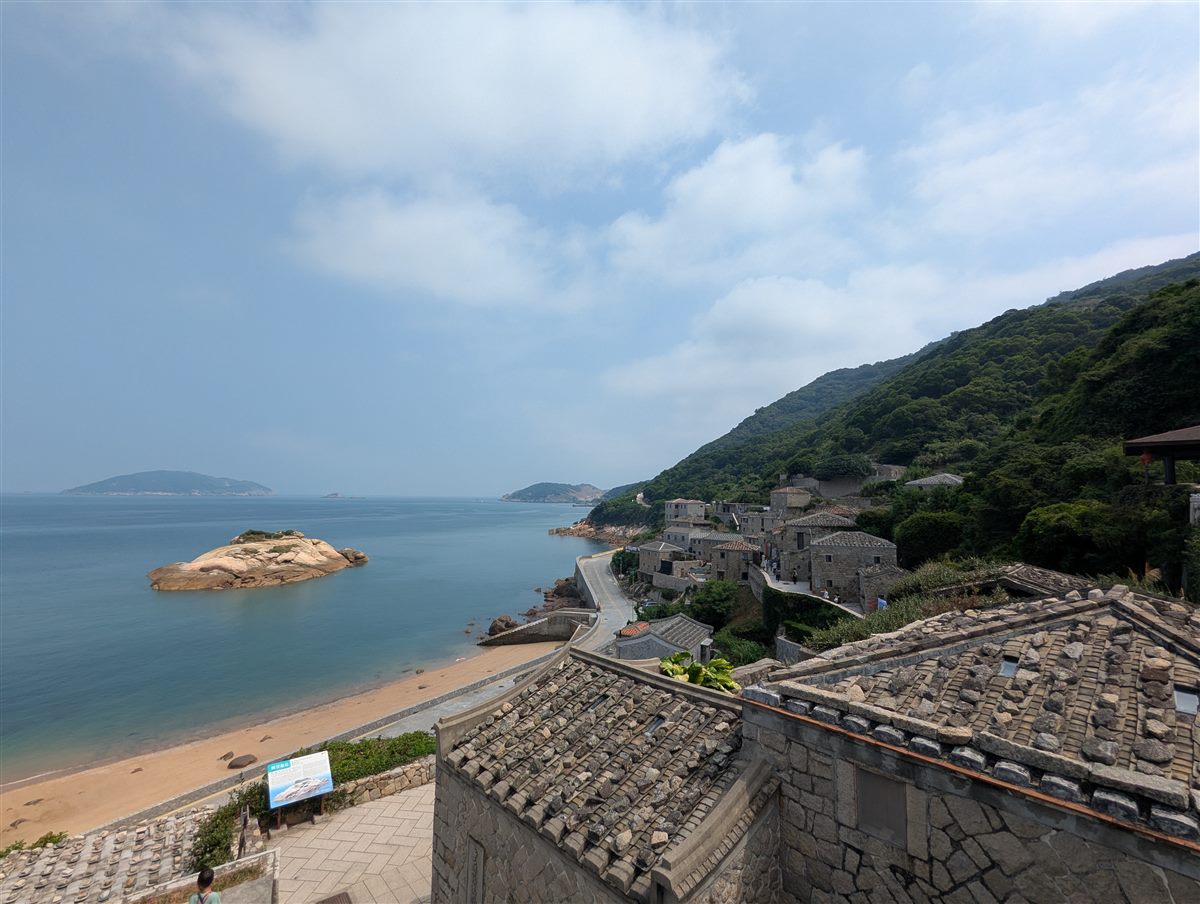
Qinbi Village (芹壁村) on Beigan is Matsu's most photographed sight — a hillside village of grey granite stone houses in classic Fujian coastal style, facing a protected harbor. The architecture was built by Fujian fishing families who settled these islands centuries ago. Today, several houses have been converted to guesthouses and cafes. Arrive early morning or late afternoon for the best light and fewer visitors.

Beigan · 10-min ferry from Nangan
🛕
Tianhou Temple (Mazu's Birthplace)
天后宮 — Mazu Goddess of the Sea

Matsu Island is named after Mazu (媽祖) — the sea goddess worshipped across Taiwan, China, and Southeast Asia. Local belief holds that Mazu was born on these islands, making Tianhou Temple one of the most spiritually significant Mazu temples in the world. The main Tianhou Temple on Nangan is a genuine pilgrimage destination for believers and an impressive architectural landmark for all visitors — especially during Mazu's birthday celebrations (lunar calendar Apr–May).

Nangan · Mazu Pilgrimage Site
💡
Dongyong Lighthouse (1904 British-built)
東湧燈塔 — Dongyin Island

The Dongyong Lighthouse on Dongyin was built in 1904 by British engineers — one of the best-preserved colonial-era lighthouses in Taiwan. Set on dramatic sea cliffs at the northern tip of Dongyin, the white lighthouse tower and red-roofed keeper's quarters are a striking sight. The hike from Dongyin village along the cliff trail to the lighthouse (30–40 min) is Dongyin's best walk. Worth the extra ferry trip for travelers with 5+ nights.

Dongyin · 1904 British Lighthouse
🥃
Lao Jiu Kaoliang Distillery Tours
馬祖酒廠 — Nangan

The Matsu Distillery on Nangan produces Tunnan Kaoliang — Taiwan's most famous sorghum liquor. The distillery offers tours of the production process and tastings of the 38° and 58° varieties. The museum section covers Matsu's Kaoliang history (the spirit became famous during the military garrison era when soldiers were the primary consumers). Buy bottles direct — cheaper than anywhere on Taiwan's mainland. Walk-in tours available; check current hours on arrival.

Nangan · Free Tour + Tasting
Sample Itinerary

Matsu Islands in 4 Nights — Nangan + Beigan Done Right

Matsu rewards 4 nights — enough for Nangan's Cold War sites, a Beigan day trip (or overnight), a Blue Tears boat tour, and the Jieshou Village food scene. See our full logistics guide from Taipei for flight and ferry details.

DAY
1
Arrive Nangan
Morning
Fly from Taipei Songshan (TSA) to Nangan Airport (LZN) — 50 minutes — ⚠️ TSA not Taoyuan (TPE) — easy mistake for first-timers
11:00
Check in to B&B on Nangan and rent a scooter — NT$400–600/day; essential for getting between tunnel sites
13:00
Lunch at Jieshou Village — fish noodle soup + Ji Guang Bing ring bread — Nangan's most atmospheric old street
14:30
Beihai Tunnel (北海坑道) — granite military tunnel, kayak inside — Matsu's most dramatic Cold War site; 30 min drive from Nangan town
16:30
Dahan Stronghold (大漢據點) — cliff-edge artillery fortification with sea views — 20 min from Beihai; military history + panoramic photos
Night
Blue Tears boat tour from Nangan harbor — book that afternoon if sky is clear — NT$300–600; calm dark nights only (ask host for current conditions)
DAY
2
Beigan + Qinbi
08:30
Inter-island ferry Nangan → Beigan — 10–15 minutes, NT$100 — first ferry around 08:30; check schedule at guesthouse
09:30
Rent scooter on Beigan and head to Qinbi Village (芹壁村) — arrive before 10:00 for morning light and quiet before tour groups
11:00
Walk the stone lanes of Qinbi — granite houses, harbor views, cafe stops — 45-min walk through the village; several converted stone-house cafes open by 10:30
13:00
Lunch at Beigan village restaurant — fresh seafood set meal — simpler and cheaper than Nangan; ask what came in this morning
15:00
Beigan coastal scooter loop — Tangqi beach + Zimo (Ox Horn) beach — Tangqi is Beigan's best Blue Tears shore-watching spot if calm at night
17:30
Ferry back to Nangan — last ferry check at ferry office; last boat usually 17:30–18:00
DAY
3
Tianhou + Kaoliang
09:00
Tianhou Temple (天后宮) — Mazu's birthplace per local belief — the most spiritually significant Mazu temple in the archipelago; quiet mornings best
10:30
Matsu Distillery tour — Tunnan Kaoliang 38° and 58° tasting — walk-in welcome; buy bottles direct at source price (cheaper than Taipei)
13:00
Jieshou Village again — Lao Jiu braised pork lunch + afternoon Kaoliang tasting bar — the village now has craft-style bars serving Kaoliang cocktails
15:00
Explore Renai Village and Fuxing Village — residential Nangan at its most local — fewer tourists; stone lanes, cats, and harbor views
Night
Second Blue Tears attempt if previous nights were cloudy — Apr–Jun peak; late May usually best conditions
DAY
4
Morning + Depart
07:00
Sunrise walk along Nangan's north coast cliffs — views toward Beigan and Dongyin on clear mornings
09:00
B&B breakfast + return scooter — most flights to Taipei Songshan depart 10:30–13:00
10:00
Buy Kaoliang, Ji Guang Bing, and dried seafood souvenirs — distillery shop near airport is the most convenient stop
11:30
Fly back to Taipei Songshan (TSA) — 50 minutes — arrive TSA early afternoon; easy MRT connection back to city
Practical Info

Everything you need to know before you go to Matsu

Getting there, best season, inter-island ferries, cash, motion sickness, and the honest caveats about storm closures that most guides skip.

🏝️ Matsu Islands Quick Facts
📍LocationOff China's Fujian coast — 4 main island groups: Nangan, Beigan, Dongyin, Juguang. Reachable from Taipei Songshan (flight) or Keelung (overnight ferry). Not near Taitung or Taoyuan.
✈️FlightUNI Air / Mandarin Airlines: Taipei Songshan (TSA) → Nangan (LZN) or Beigan (MFK), ~50 min, approximately NT$1,500–2,250 one-way (NT$3,000–4,500 RT). Book 2–4 weeks ahead Apr–Sep. ⚠️ Departs from TSA (Songshan), NOT TPE (Taoyuan).
⛴️FerryOvernight ferry from Keelung: 8–10 hours to Nangan or Beigan, NT$700–1,200/berth. Departs late evening, arrives early morning. Slower but an experience. Frequently cancelled Oct–Mar due to northeast monsoon storms.
⛴️Inter-islandNangan ↔ Beigan ferry: 10–15 min, NT$100. Frequent daytime departures. Dongyin requires a separate ferry from Nangan (not on the same shuttle — 2–3 hours). Check schedules at ferry office on arrival.
🌡️Best SeasonApr–Sep: calm weather, Blue Tears active, all services open. Apr–Jun: Blue Tears peak — book 1+ month ahead. Oct–Mar: frequent storm cancellations, many guesthouses reduce hours or close. Avoid Oct–Mar unless flexible with schedule.
💴Cash & ATMATMs on Nangan and Beigan (Chunghwa Telecom + post office). Bring NT$3,000–5,000 cash per person beyond accommodation. Dongyin and Juguang have fewer ATMs — top up on Nangan first. Many restaurants and small shops are cash-only.
1
Flight vs ferry — which is better for Matsu?

The 50-minute flight from Taipei Songshan is strongly recommended for most travelers. Overnight ferry from Keelung (8–10 hours) is an experience worth doing once — but not if you have limited time or are prone to seasickness. For a 4-night itinerary, flying both ways saves time for the islands themselves. Flights are subject to cancellation due to fog and wind (less common than Orchid Island but still possible in shoulder season) — take travel insurance.

2
Best approach: Nangan first, Beigan second

First-time visitors should base on Nangan (most services, flights direct, Beihai Tunnel, Tianhou Temple) then take the 10-min ferry to Beigan for a day or overnight. Qinbi Village on Beigan is a must-visit. Dongyin requires a separate trip and 5+ nights total — plan that for a second visit or if you specifically want the lighthouse and maximum remoteness. Juguang is the quietest — best for travelers who have already seen Nangan and Beigan.

3
Bring motion sickness medication + warm layers

Matsu's inter-island ferries can be rough even in good weather — the channel between Nangan and Beigan is short but choppy. The overnight Keelung ferry is open ocean. Bring Dramamine or equivalent. Matsu is also significantly windier than Taiwan's main island — even in summer, evening temperatures can feel cool on clifftop sites. Pack a light jacket for evenings and early mornings at tunnel sites and lighthouse walks.

4
Blue Tears strategy — maximize your chances

Blue Tears cannot be guaranteed — the bioluminescence requires calm water, dark nights (avoid full moon), and warm temperatures (peak May–Jun). To maximize chances: (1) Stay 3–4 nights to have multiple opportunities. (2) Check with your B&B host each afternoon — local knowledge beats any forecast. (3) Join a boat tour from Nangan harbor rather than shore-watching only — offshore views are far more spectacular. (4) Don't plan your whole trip around Blue Tears — treat it as a bonus, enjoy Matsu's history and architecture regardless.

🏯
Matsu Tours from Taipei
Guided tours to Matsu's Cold War tunnels and Blue Tears bioluminescence — from Klook's Taiwan island experience catalog.
See Tours →
📶
Taiwan eSIM (Chunghwa)
Chunghwa Telecom has the best coverage on Matsu. Essential for inter-island ferry schedules and Blue Tears boat tour bookings.
Get eSIM →
🛡️
Travel Insurance
Covers flight cancellations due to fog and storms — genuinely worth having for Matsu, where weather disruptions can extend stays unexpectedly.
See Plans →
FAQ

Common Questions About Visiting Matsu Islands

Matsu vs other Taiwan islands — what's the difference?
Matsu is fundamentally different from Taiwan's other islands. While Penghu, Green Island, Orchid Island, and Kenting are Pacific or Taiwan Strait destinations focused on beaches and diving, Matsu is off the coast of China's Fujian province — not near Taiwan at all. The culture is Fujian, the architecture is mainland Chinese coastal stone village style, and the history is Cold War military frontline. Matsu was actively fortified and garrisoned from 1949 until the 1990s — the tunnels, bunkers, and strongholds are preserved and open to visitors. Matsu draws travelers interested in history, bioluminescence (Blue Tears), and authentic non-tourist culture rather than beach holidays.
How do I get to Matsu?
Two options: (1) Flight — approximately 50 minutes from Taipei Songshan Airport (TSA) on UNI Air or Mandarin Airlines. Return approximately NT$3,000–4,500. Both Nangan Airport (LZN) and Beigan Airport (MFK) have services. Book 2–4 weeks ahead Apr–Sep. ⚠️ Critical: flights depart from Songshan (TSA), NOT Taoyuan (TPE) — many first-timers go to the wrong airport. (2) Overnight ferry — 8–10 hours from Keelung to Nangan or Beigan, approximately NT$700–1,200 per berth. Departs late evening, arrives early morning. Slower but worth doing once for the experience. Both flights and ferries can be cancelled Oct–Mar due to northeast monsoon storms.
Where are the best Blue Tears viewing spots?
Blue Tears (藍眼淚) bioluminescence is caused by Noctiluca scintillans dinoflagellates in Matsu's waters — Apr–Sep is the active season, with peak activity typically May–Jun. Best viewing: (1) Join a boat tour from Nangan harbor (NT$300–600) — offshore viewing is far more spectacular than shore-watching. (2) Beigan's Tangqi beach has good shore-viewing on calm nights. (3) Qinbi Bay on Beigan. The phenomenon requires calm, dark nights — no moon, minimal wind. Cannot be guaranteed. Stay 3–4 nights to improve your chances. Ask your B&B host each afternoon — local knowledge is the best real-time indicator.
How many nights should I stay in Matsu?
Minimum 3 nights to see Nangan and Beigan properly. Four nights is the recommended baseline — covers Nangan's Cold War sites (Beihai Tunnel + Dahan Stronghold), Tianhou Temple, Jieshou Village, a Beigan day trip (Qinbi Village), and gives 2–3 nights of Blue Tears opportunity. Dongyin requires a separate ferry trip and an additional 1–2 nights — worth it for the 1904 lighthouse, but only with 5+ total nights. Avoid planning a day trip from Taipei — the 50-min flight makes it tempting, but Matsu needs overnight time to experience properly.
Beigan vs Nangan vs Dongyin — which island to base on?
Nangan (南竿) is Matsu's main island — most accommodation, best transport links, Nangan Airport, Beihai Tunnel, Dahan Stronghold, Tianhou Temple, and Jieshou Village. Start here. Beigan (北竿) is the second island — 10–15 min ferry (NT$100). Qinbi Village on Beigan is Matsu's most photographed Fujian stone village — a must-visit. Beigan Airport also has direct flights from Taipei Songshan. Dongyin (東引) is the most remote — separate ferry from Nangan (not on the Nangan–Beigan shuttle), 1904 British-built lighthouse, genuinely off-grid. Best for travelers with 5+ nights total. Most visitors do Nangan + Beigan; add Dongyin only for longer itineraries.
Are there ATMs and Wi-Fi in Matsu?
ATMs exist on Nangan and Beigan — the Chunghwa Telecom branch and post offices on both islands have reliable machines. Bring NT$3,000–5,000 cash per person for a 3-night trip (beyond accommodation cost). Dongyin and Juguang have fewer ATMs — top up on Nangan before taking any inter-island ferries. Wi-Fi is available at most guesthouses and B&Bs. Mobile 4G coverage on Nangan and Beigan is generally adequate with Chunghwa Telecom. Dongyin coverage is patchier — download offline maps before leaving Nangan. Many smaller restaurants are cash-only.
Matsu Islands Map

Key Islands & Attractions on the Map

Click any pin to see what's there — Nangan is the main island; Beigan is 10–15 min ferry. Dongyin is the most remote, to the northeast.

Plan your Matsu Islands trip

Cold War Tunnels, Blue Tears,
Fujian Stone Villages — Taiwan's Cold War Frontier

Matsu is Taiwan's most historically unique island group — off China's Fujian coast, steeped in Cold War military history, and famous for Blue Tears bioluminescence. Plan your visit between April and September for Blue Tears season and calm weather.

🏝️
Matsu vs Penghu vs Green Island vs Orchid Island vs Kenting — which Taiwan island for you?
Compare Taiwan's main island destinations: Matsu (Cold War history + Blue Tears), Penghu (coral + windsurfing), Green Island (diving + hot spring), Orchid Island (Tao culture), Kenting (beach resort)
Read the comparison →
🗺️
Taiwan Route Comparison — Where to go in 5 / 7 / 10 Days?
Matsu fits perfectly as a 4-night extension to a Taiwan main island itinerary — fly from Taipei Songshan before or after your main Taiwan loop
Read the comparison →
🗺️ Nearby — extend your Matsu trip

If you liked Matsu, try these next

A good trip doesn't end at one city — 3 Taiwan destinations easily reached from Matsu.

🏝️ Book Matsu Hotels Taiwan Guide