Matsu Attractions by Category
From hand-drilled Cold War tunnels and bioluminescent seas to 1700s stone villages and a British-built lighthouse — each attraction includes entry prices, best timing, and honest practical tips.
 🏛️ Matsu's #1 Attraction1
The most extraordinary thing you can do in Matsu, and arguably in all of Taiwan. Between 1968 and 1970, 80,000 soldiers drilled an underground harbour directly into the granite mountainside of Nangan — large enough to shelter a fleet of small naval vessels. Today visitors board a wooden sampan and glide through the dim cavern in near silence. On moonless nights between April and September, the water inside glows brilliant blue — Blue Tears bioluminescence produced by Noctiluca scintillans algae disturbed by the oars. People come to Matsu for many things; they remember this for the rest of their lives.
 🔭 Cold War Bunker2
A web of interconnected bunkers, gun emplacements, and command rooms built into the mountainside of Nangan, overlooking the Taiwan Strait. On clear days you can see the Chinese coastline from the observation posts — a fact that makes the history feel viscerally real rather than abstract. Much of the complex is open for self-guided walking. The concrete Cold War architecture photographs beautifully, especially in the golden hour when long shadows accentuate every crack and weathering mark. Free entry. Allow 45–60 minutes to explore properly.
 🍶 Tunnel + Tasting3
What do you do with a Cold War military tunnel when the war is over? If you are Matsu, you store sorghum spirit in it. Tunnel 88 is a granite cavern whose constant temperature and humidity make it a near-perfect ageing environment for Kaoliang 38°, Matsu's signature sorghum liquor. Entry is free, tasting is free, and the experience of sipping fierce white spirit in a tunnel carved during the Cold War is — well — distinctly Matsu. Matsu Kaoliang is lighter and more floral than Kinmen's version, which surprises most first-timers. Souvenir bottles start at NT$200.
 🪖 Beigan Bunkers4
Beigan island has its own network of Cold War bunkers along its north coast — far fewer visitors than Nangan, which means you can often have an entire fortification to yourself. Several sites retain original artillery pieces in their original firing positions; the granite seawall bunkers are built so low to the cliff edge that they feel like they might slide into the sea at any moment. The sunset views from these positions are considered the best in all of Matsu — open ocean in every direction, no obstruction.
 💙 Rare Phenomenon5
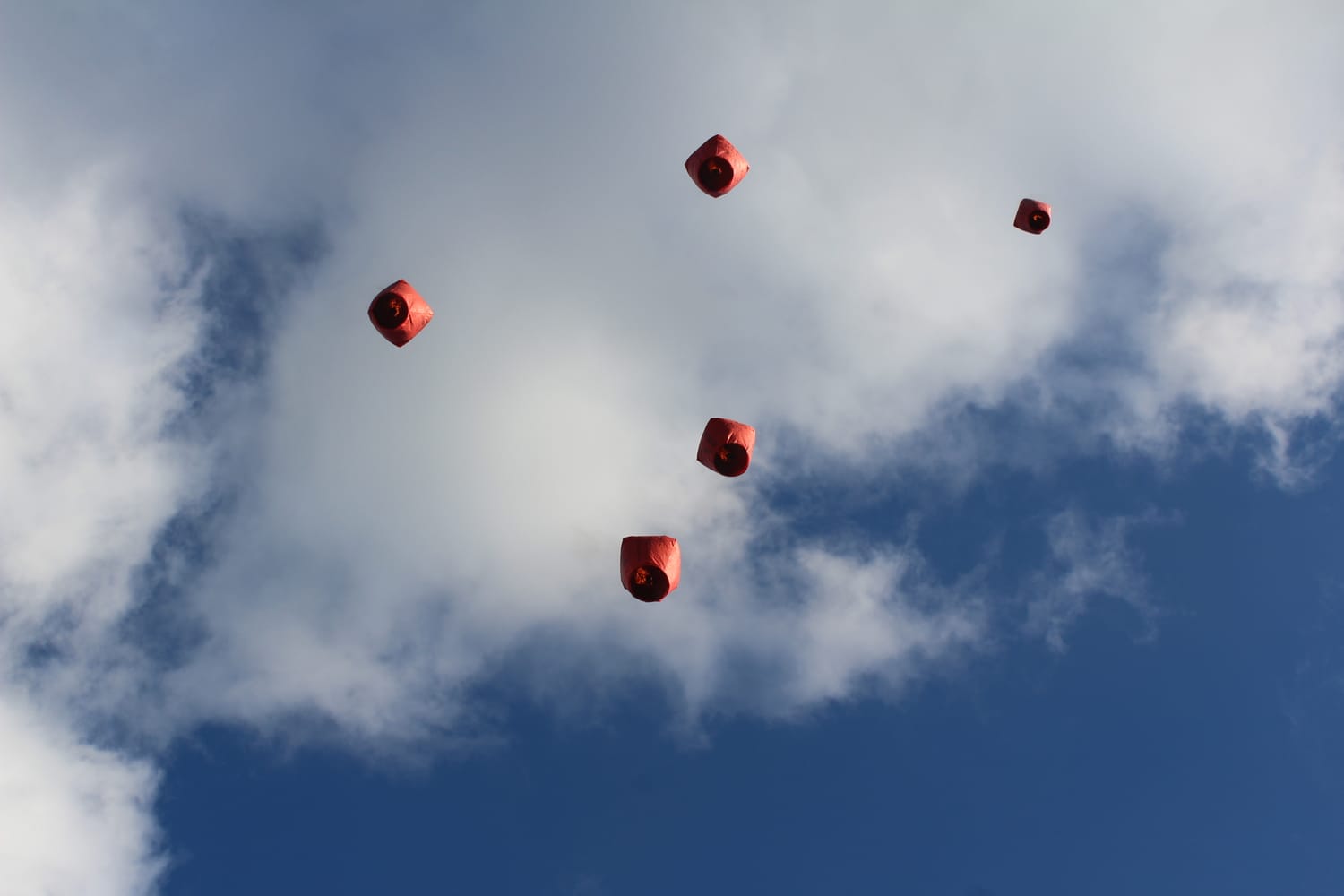
The phenomenon that put Matsu on the world map. The microalgae Noctiluca scintillans accumulates in Matsu's sheltered waters in high densities each spring and summer. When agitated — by waves, a paddle stroke, a hand trailed through the water — each cell releases a flash of blue-white bioluminescence. The collective effect turns the sea into liquid starlight. Best viewing: the night sampan in Beihai Tunnel, where complete darkness and enclosed water intensify the glow. Also stunning from B&B terraces on Beigan's waterfront, or on any beach on a moonless night.
🎫 Find Matsu Blue Tears tours on Klook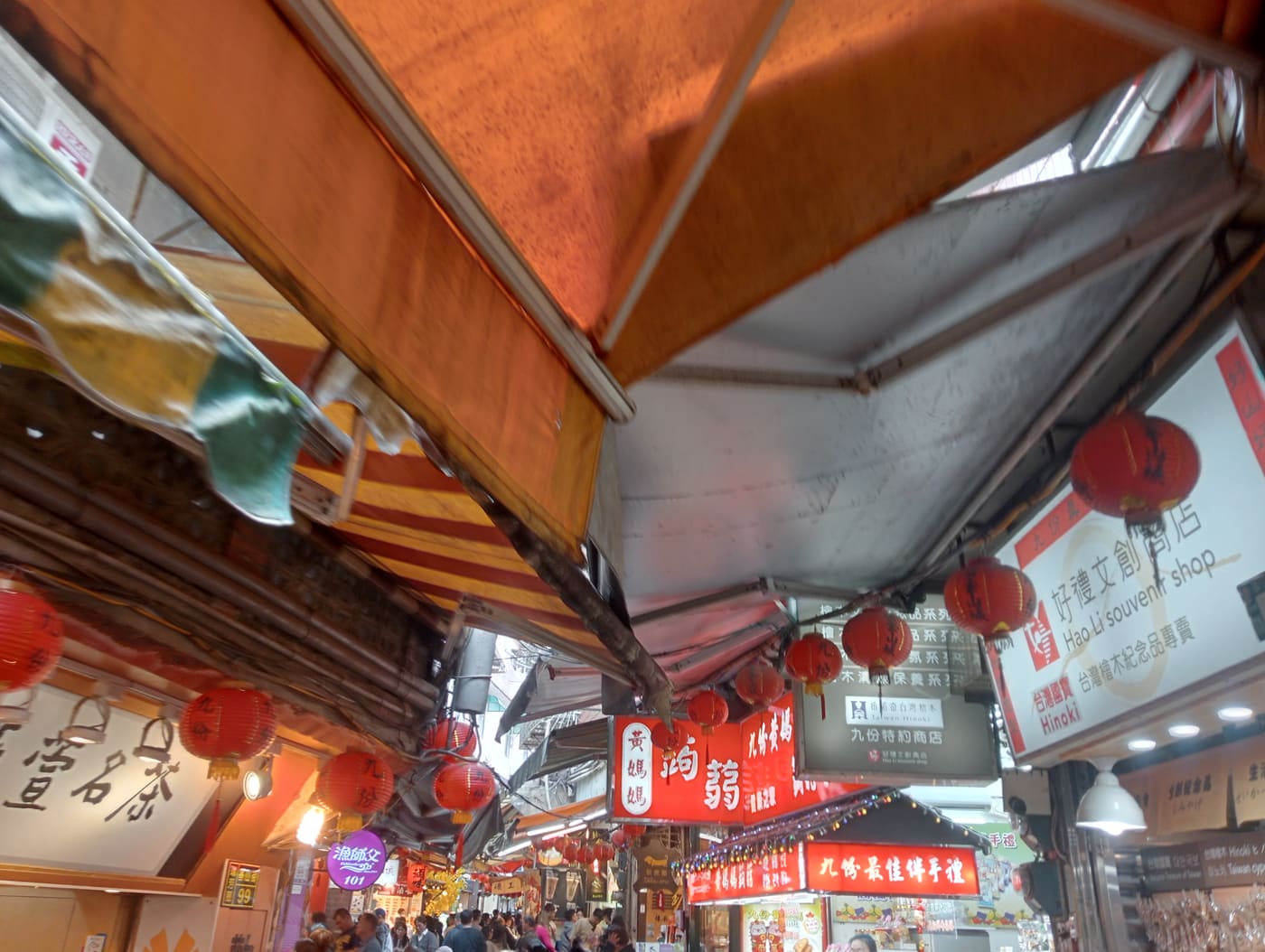 🏘️ Heritage Village6
The best-preserved Fujian stone village in all of Matsu — and one of the most beautiful architectural sites in Taiwan. Grey-brown granite houses, each built by hand by craftsmen who crossed from Fujian province in the late 17th century, step down a hillside toward the sea in terrace after terrace. The effect is so Mediterranean that the nickname "Taiwan's Greece" stuck. Several houses have been converted to guesthouses — staying overnight here, watching Blue Tears from the terrace after dark, is one of the finest travel experiences Taiwan offers. During the day it is simply beautiful to walk; no entry fee, no crowds before 09:00.
 🙏 Most Sacred Site7
Mazu (媽祖) is the sea goddess revered by fishing communities throughout coastal China and Taiwan — the divine protector of sailors, fisherfolk, and everyone who has ever gone to sea and hoped to come home. Local legend holds that Mazu's body washed ashore here on Nangan (some accounts say she was born on the island), making Tianhou Temple the most spiritually significant site in Matsu and one of the most important Mazu temples in Taiwan. The annual birthday festival — held on the 23rd day of the 3rd lunar month, usually in April — draws thousands of pilgrims from across Taiwan.
 🔦 Lighthouse 19048
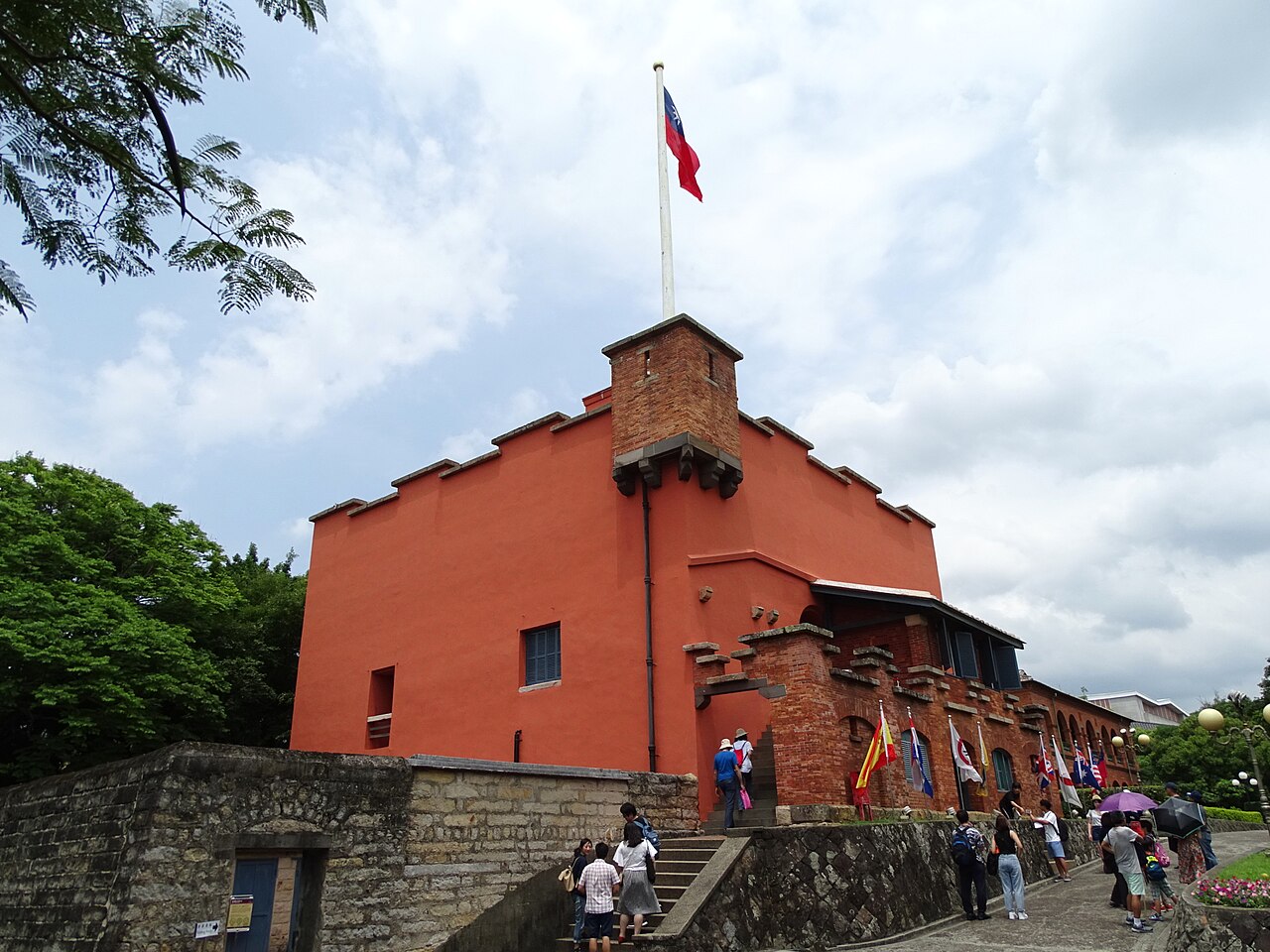
A white Victorian lighthouse built by the British in 1904 on the remote island of Dongyin (東引), the northernmost point of Matsu. Its light is visible 18 nautical miles out to sea. The lighthouse sits on a promontory with open ocean on three sides — nothing between it and the horizon in any direction. The sunset here is extraordinary: unobstructed, windswept, with the kind of sky that makes people sit in silence until it is completely dark. Reaching Dongyin requires a 2–3 hour ferry from Nangan; plan at least one overnight if you go.
 🍶 Local Specialty9
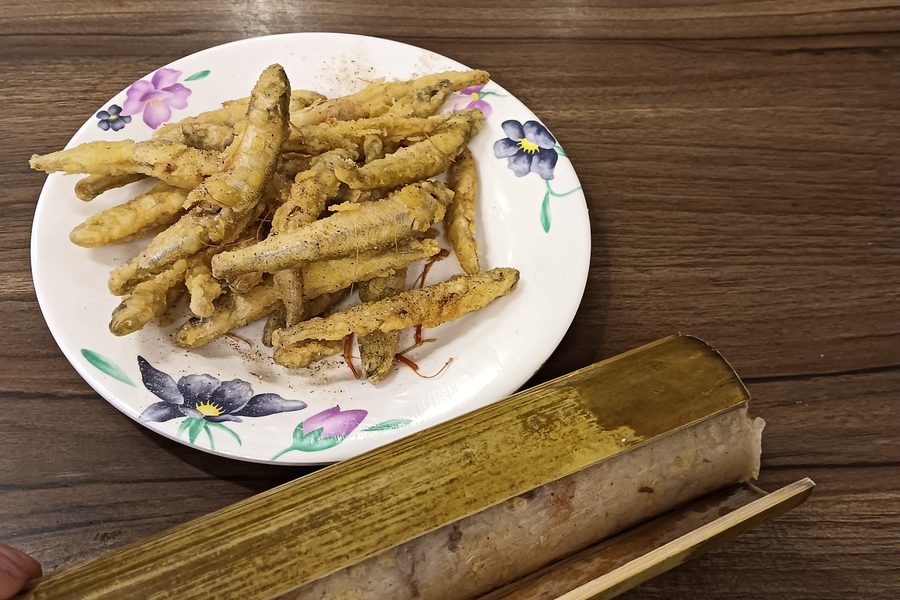
Yellow Wine (老酒) is Matsu's other great spirit — a sweet, amber-coloured rice wine at around 20% alcohol, worlds apart from the fierce burn of Kaoliang. It is made from glutinous rice and sugar, fermented in traditional stone vessels, and tastes faintly of honey, mushroom, and the sea air of the island that produced it. Distilleries on Nangan offer tours and tastings; most require only a phone call ahead to arrange. Yellow Wine chicken soup (老酒雞) — chicken simmered low and slow in Yellow Wine — is the dish every Matsu local orders for guests. Souvenir bottles, beautifully designed, start at NT$300.
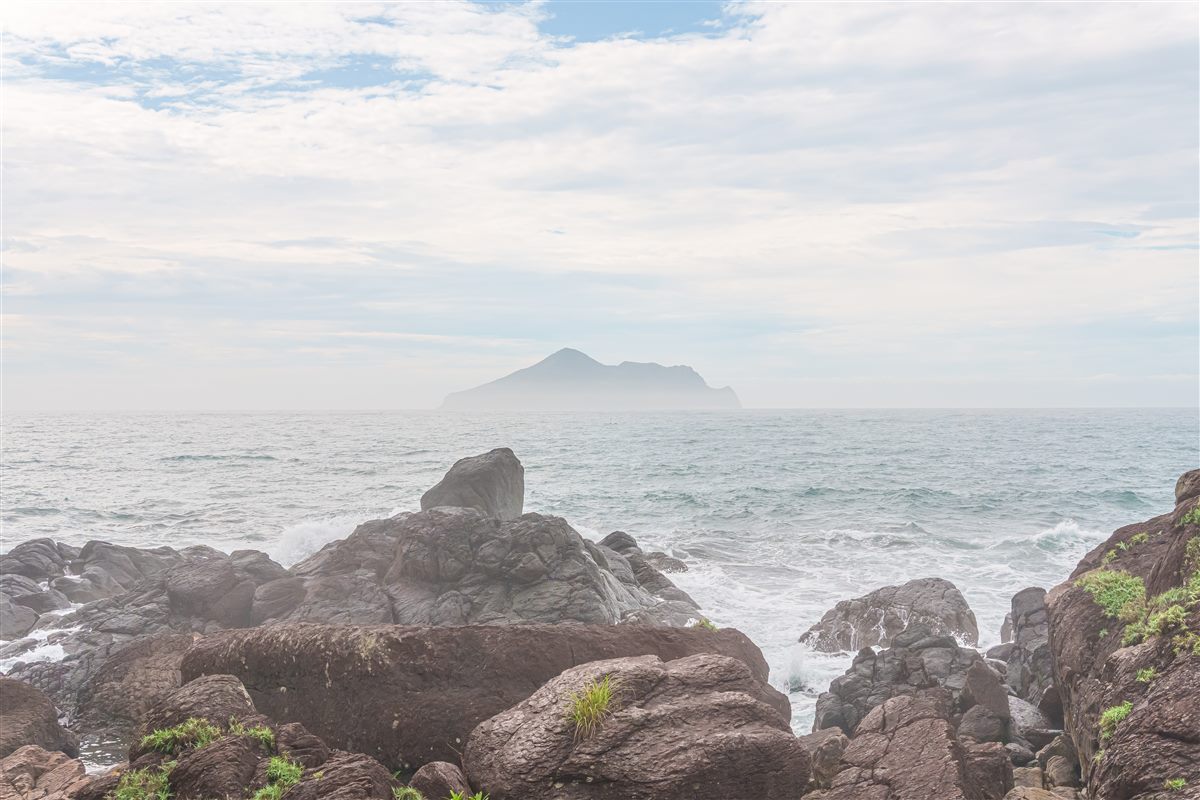 ⛴️ Island Hopping10
The Matsu archipelago has four main islands — Nangan (南竿) · Beigan (北竿) · Juguang (莒光) · Dongyin (東引) — each with a distinct character and its own Cold War history. The most-used crossing is Nangan to Beigan: just 10–15 minutes, NT$100 each way, with several departures daily. This makes visiting both on the same trip straightforward. Each island rewards a half-day minimum; Dongyin deserves an overnight. Island-hopping is not just a logistical necessity in Matsu — it is one of the great pleasures of being here.