6 things to eat before you leave Hakone
Ranked by how irreplaceably Hakone they are — from the sulphur pools at the top of the mountain down to your ryokan room.
 1
1
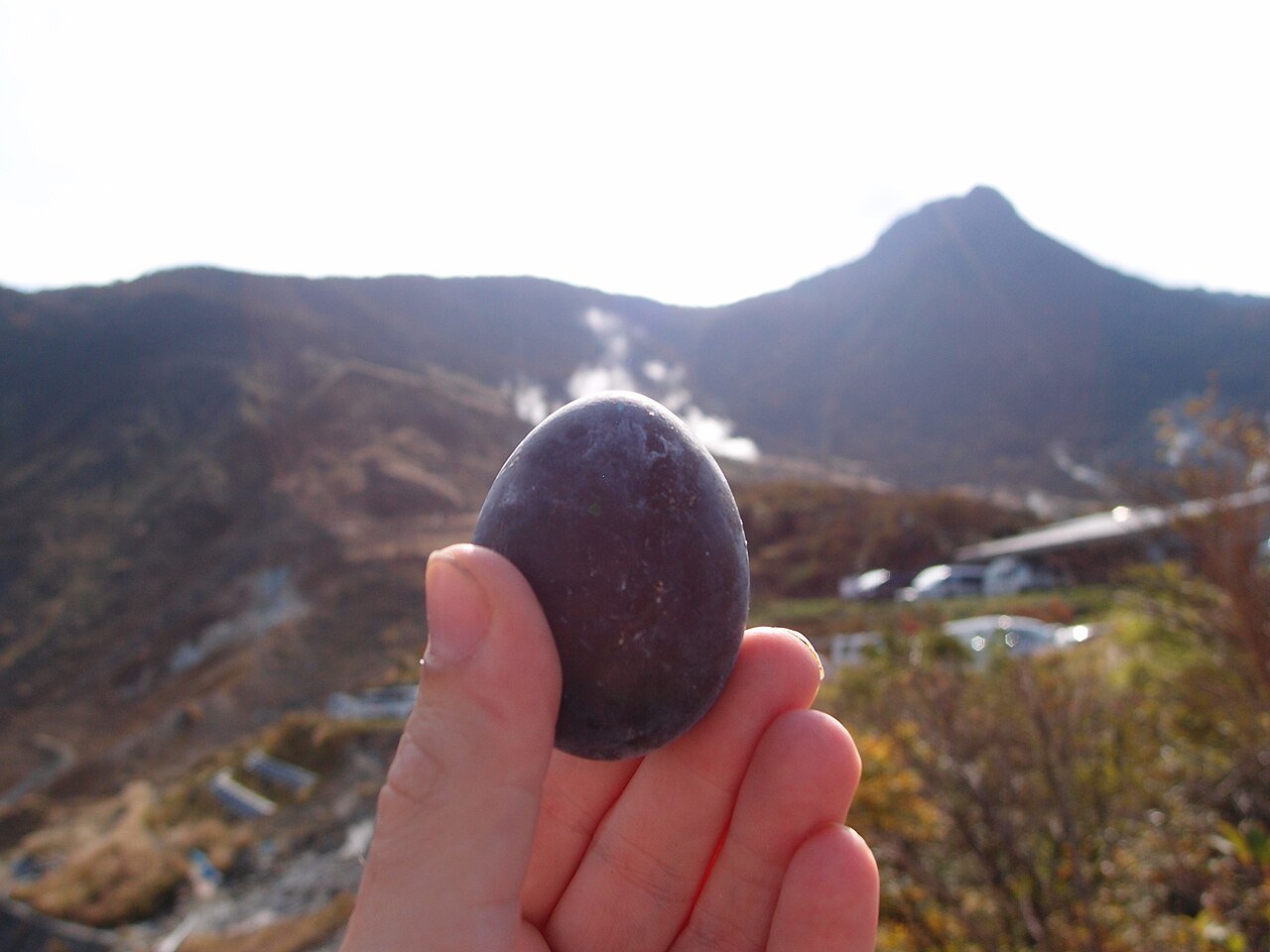
Picture an ordinary egg lowered into an 80°C sulphur pool at Owakudani. Within about an hour the shell turns dead-black — the iron in the water reacts with the hydrogen-sulphide gas to coat it in iron sulphide — and then it's steamed for fifteen minutes more. Crack it and the white inside is exactly like any boiled egg, just a touch sweeter, with a faint, intriguing mineral note. Local lore says one egg adds seven years to your life (and tops out, helpfully, at two). We can't promise that part — but eating one up there, in the steam, does feel like something.
 2
2
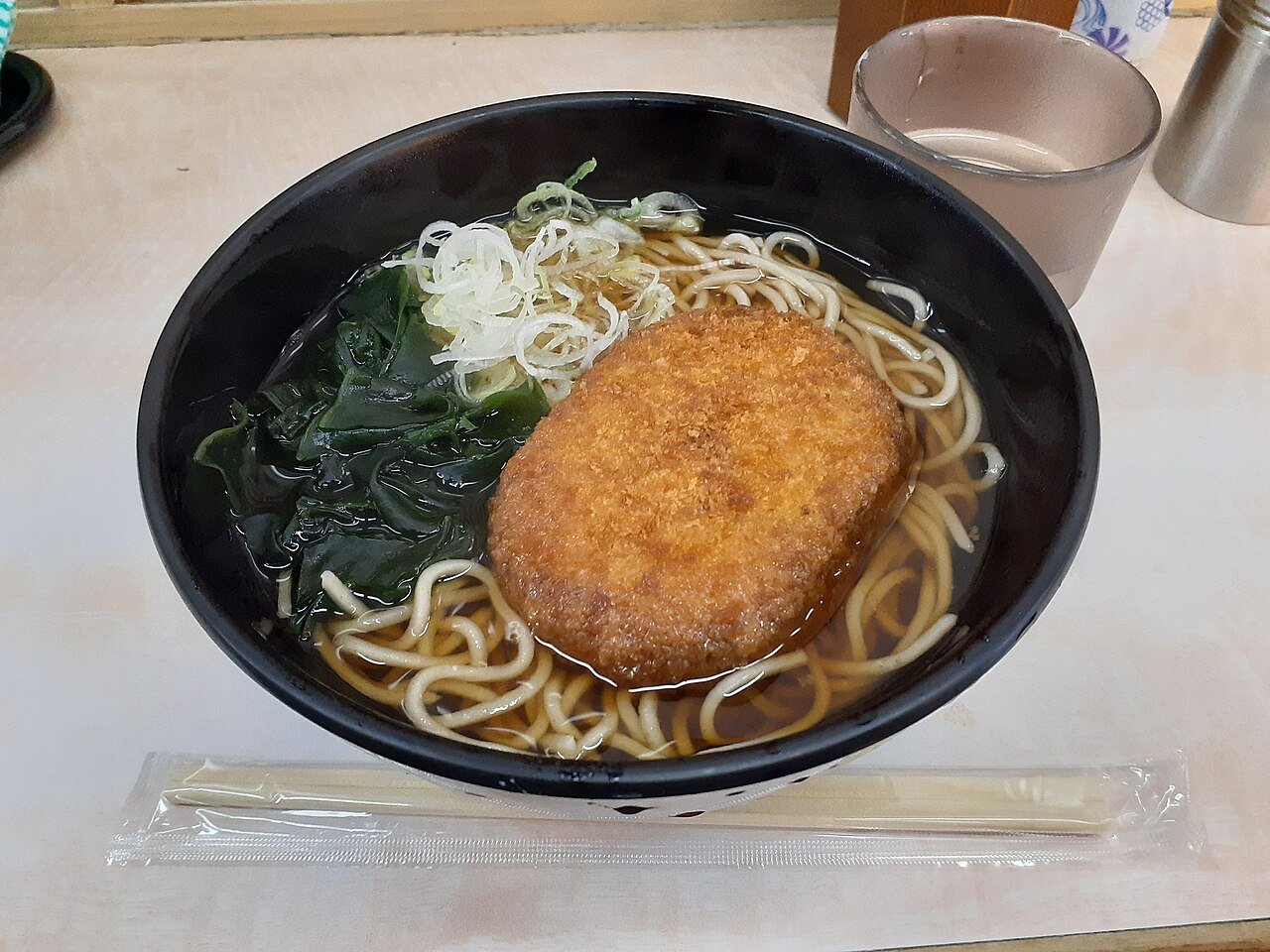
A friend who's eaten soba for years swears Hakone's is different — and there's a reason. The water used to work the dough comes from the mountain's own mineral springs. The best shop in Yumoto, Hatsuhana Soba Honten, goes a step further and binds its noodles with natural-farming grated mountain yam and local egg, no water at all. The result is springy, tight and quietly sweet — and somehow it sits lighter than ordinary soba. Have it hot or cold, but cold (zaru / seiro) lets the noodle itself do the talking.
Yuba is what happens when you heat soya milk and lift off the delicate film that forms on the surface — like the skin on warm milk, but from soya beans. The texture is soft and silken, the flavour gentle and clean. Hakone is known for it because the pure mountain spring water used to make the soya milk gives the yuba an extra softness and fragrance. Eat it fresh with soy sauce and wasabi, or over rice as Yuba-don at Naokichi — a light, genuinely lovely lunch before a walk or a soak.
 4
4
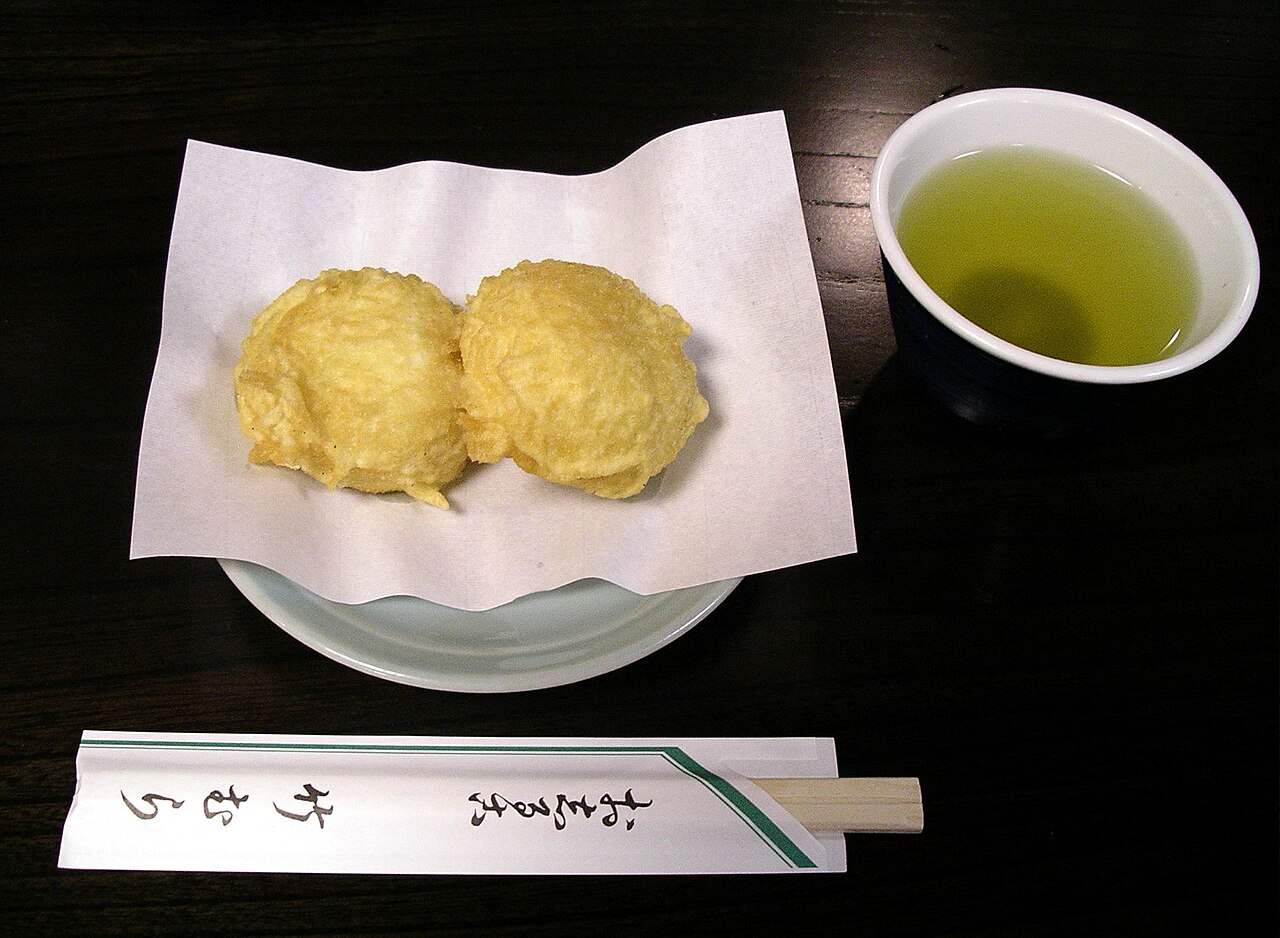
Step out of Yumoto Station and the first thing to greet you is a drift of sweet steam — that's onsen manju. Soft steamed buns filled with sweet-salty red bean paste, made in Hakone with hot-spring water or steam, which leaves the dough faintly scented with minerals. Marushima Honten has been selling them for over a hundred years, two minutes from the station, while Manju-ya Nanohana bakes them fresh on the shopfront all day long. Buy them hot and eat them as you walk — a small, simple pleasure that Hakone's visitors have been passing on to each other for centuries.
 5
5
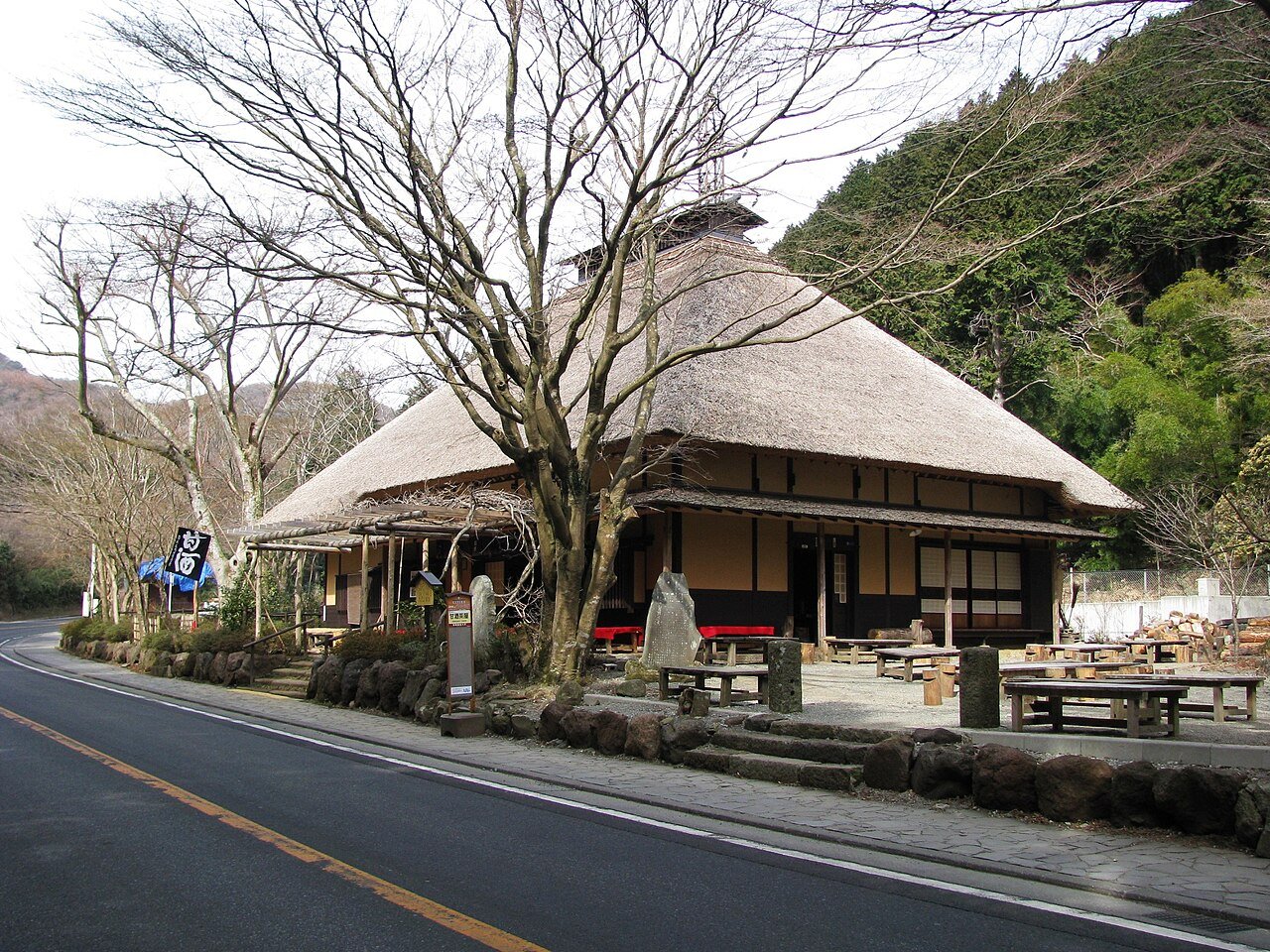
There's a teahouse in Hakone that has been open since 1618 — before Japan had ever seen a railway. Amazake Chaya stands on the old Tokaido road between Moto-Hakone and Yumoto, its thatched roof and worn wooden benches unchanged through the centuries. The thing to order is amazake — a sweet, non-alcoholic fermented-rice drink, warm and gently sweet right down to the bone — with a piece of fresh mochi steamed that morning. The Yamamoto family, now in its 13th generation, still runs it. To walk past without stopping would be a shame.
 6
6
If there's one reason to stay the night in Hakone rather than make it a day trip, kaiseki is it. Dinner at an onsen ryokan is an 8–12 course set served in your room after your bath — built around the season's Kanagawa ingredients: fresh seafood from Sagami Bay, regional pork or beef, local yuba and tofu, vegetables grown in volcanic soil — each one prepared simply, with serious technique. You eat it in a yukata robe, watching the dark outside, the sound of a stream somewhere below. This is the part of Hakone that feels like nowhere else.