Hakone is not one place — it is a loop of five quite different onsen towns, each with its own spring water, atmosphere, and price level. Pick the right one and your whole trip clicks into place.
Here is something that does not get said often enough: Hakone's public transport is genuinely impressive — the mountain railway, cable car, ropeway and lake ferry connect everything — but the distances between districts add up. Book a ryokan at the wrong end of the loop and you will spend 40 minutes on buses before you reach the main sights on your one free morning.
We have mapped Hakone into five distinct districts, each with a different vibe, different spring water, and a different type of traveller it suits best. Get this right upfront and the rest of the planning becomes easy.
If you want to know how to spend the day — what to see, when to go, how Hakone Free Pass works — head to the full Hakone travel guide. If you just need to decide where to sleep, keep reading.
For most people who come to Hakone for a genuine onsen and ryokan experience, Gora makes the most sense. Gōra Station is the start of the cable car that takes you up toward Owakudani, so the transport loop practically begins at your front door. The district has the deepest range of accommodation in Hakone — from Gora Kadan (Relais & Châteaux, Michelin 3 Keys, private rotenburo baths in a royal garden, from ¥120,000 a night) all the way down to Hakone Tent, an onsen guesthouse with two private spring baths using real Owakudani mineral water for ¥3,500 a night. Evenings are quiet, restaurants are few but there are enough, and many hotels include kaiseki dinner in the rate so you do not need to go out.
Our top picks in Gora: Hakone Gora Kadan (Michelin 3 Keys ryokan · private rotenburo · 9.5/10) or Hakone Tent (onsen guesthouse · two private mineral baths · score 8.8 · from ¥3,500)
Full Hakone guide →Real hotel picks with review links — choose the area that matches your trip
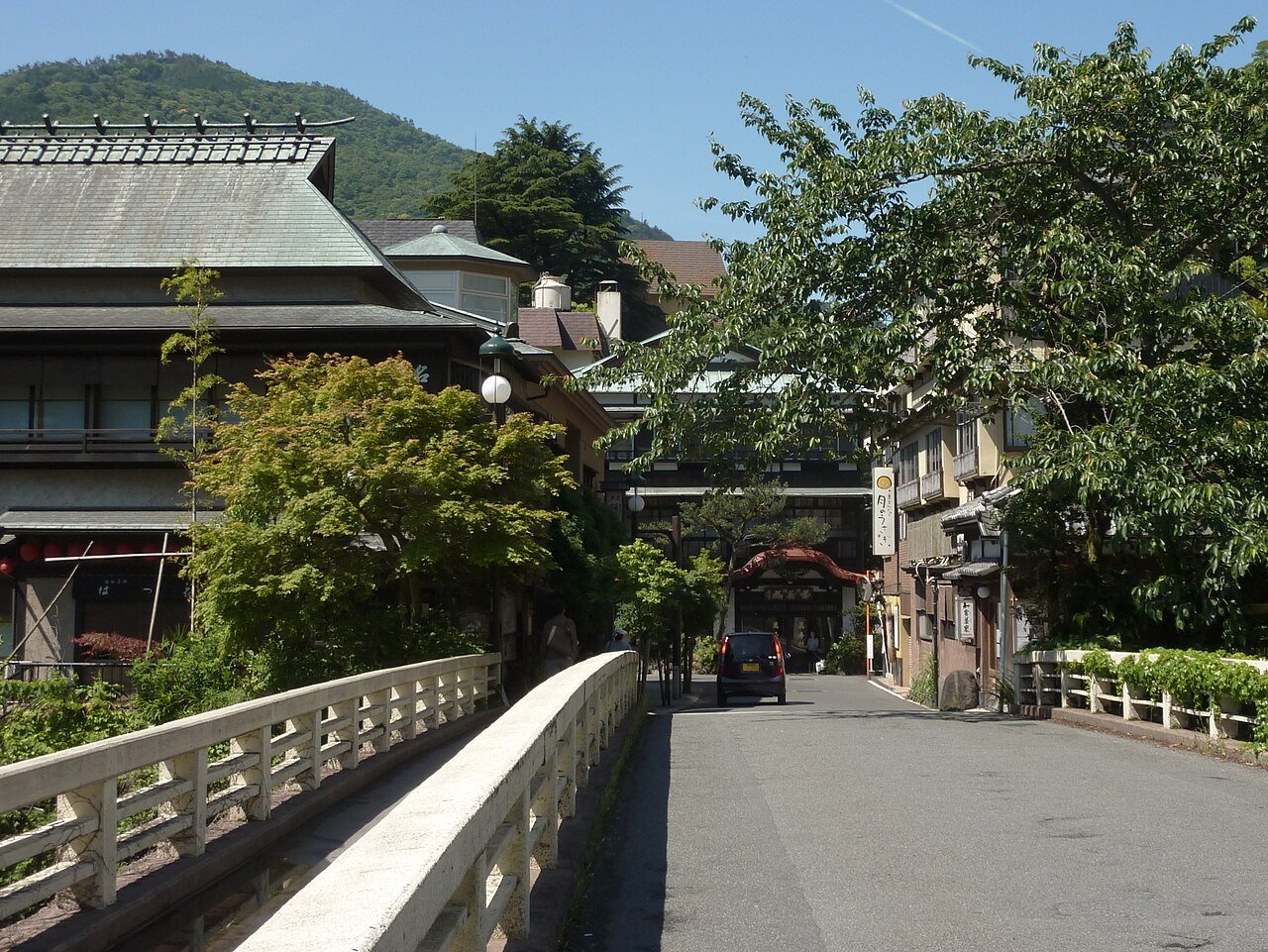
Area 1
Best for: First-timers arriving with heavy luggage who want the easiest possible start. The Odakyu Romancecar from Shinjuku, Tokyo arrives here directly — no changes, no confusion. The town is the liveliest in Hakone, with dozens of restaurants, souvenir shops, bakeries and foot-bath cafes around the station. Accommodation ranges from hostels at ¥2,500 to full-service ryokan above ¥60,000. The trade-off: it is more crowded than other areas, and you will need another 20–40 minutes on the mountain railway if your sights are in Miyanoshita or Gora.
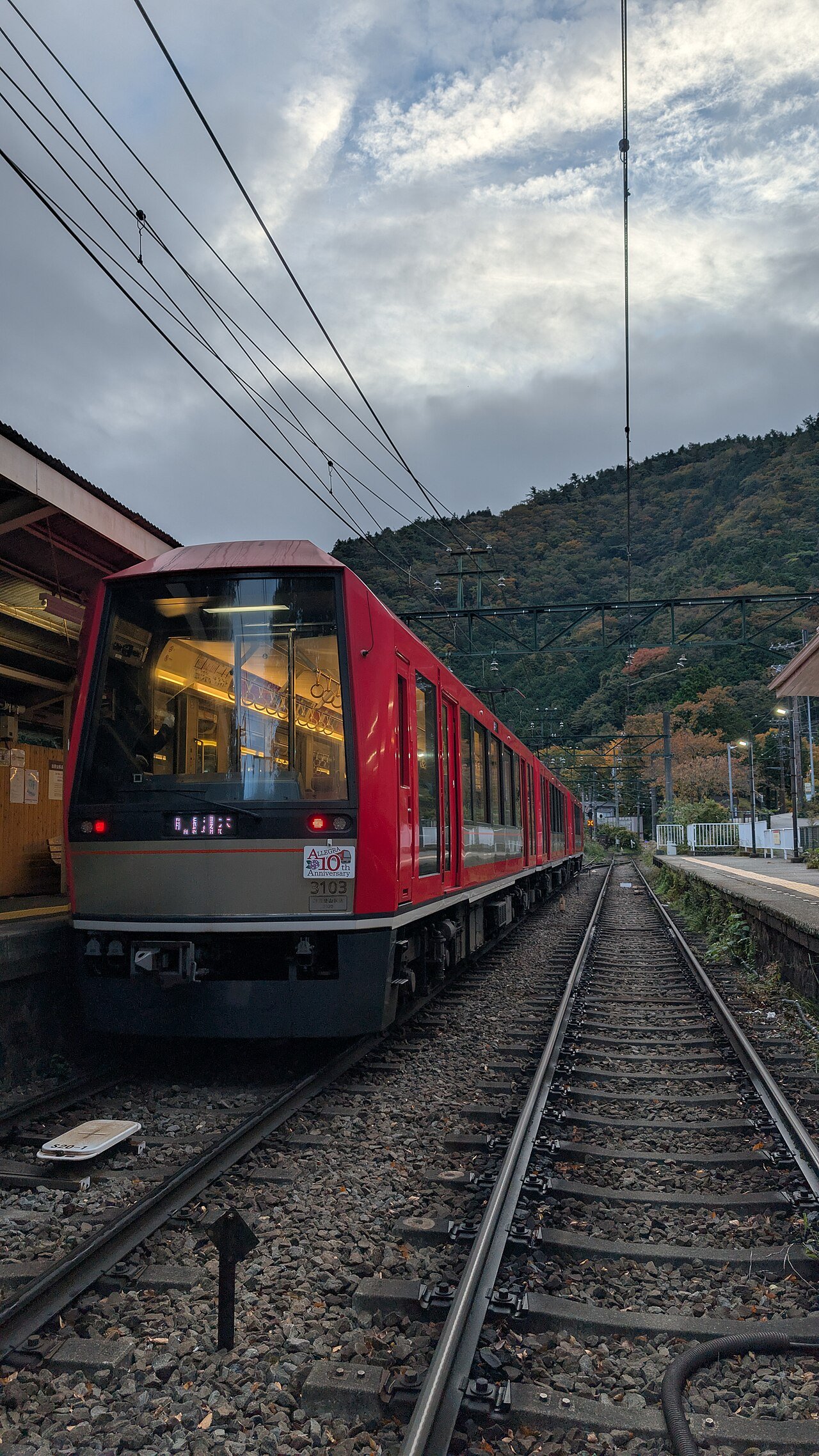
Area 2
Best for: History enthusiasts, architecture lovers, and anyone who finds charm in a slower, older Japan. The Miyanoshita Onsen source has been in use since the Edo period; Emperor Meiji stopped here on his 1873 tour of Japan. The area is noticeably quieter than Yumoto, with a small number of shops and cafes on the old post road. Hydrangeas line the railway embankments in June and July. The main drawback is that dining options are very limited — plan to eat at your hotel.
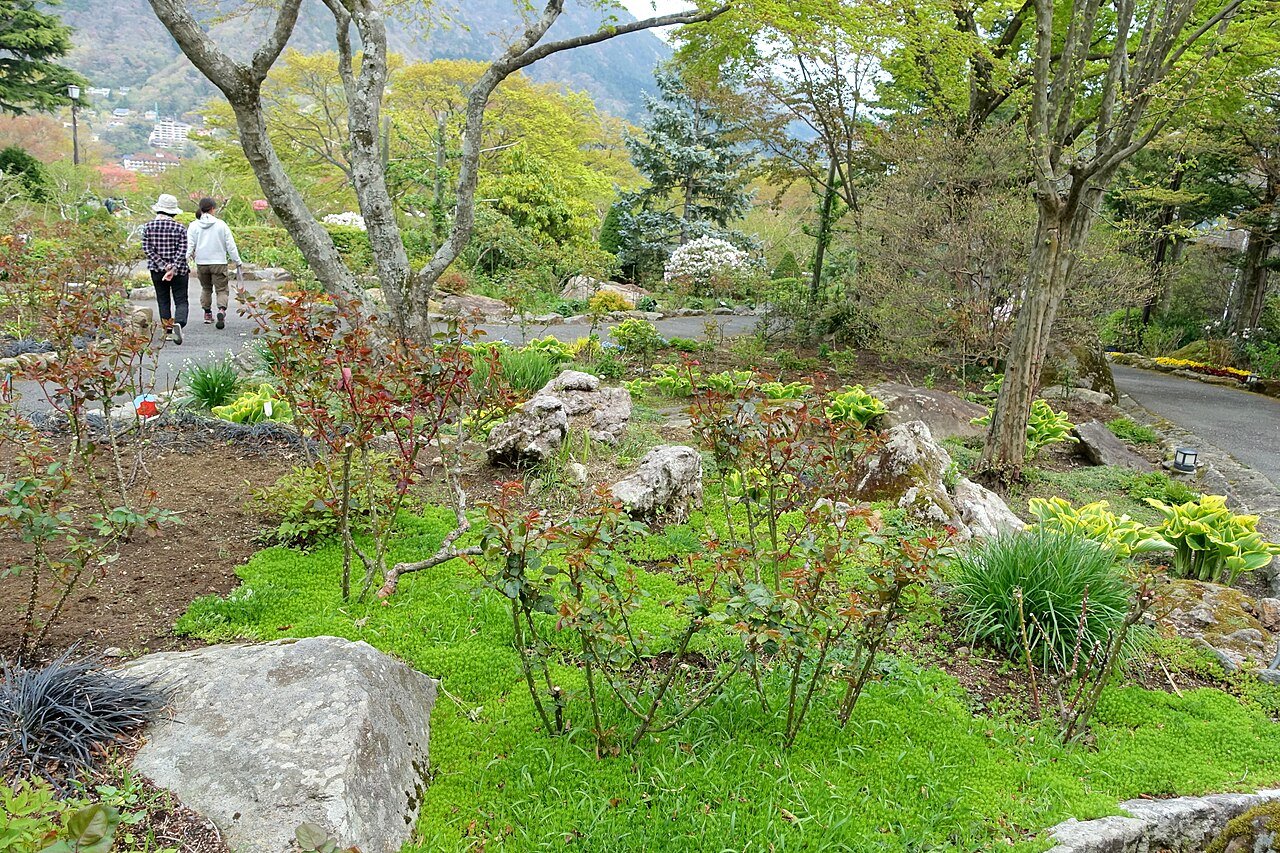
Area 3
Best for: Anyone who wants the fullest Hakone experience. Gora sits roughly in the centre of the transport loop — from Gōra Station you board the cable car to Sounzan, then the ropeway over Owakudani to the lake. The onsen district offers everything from a Michelin 3 Keys luxury ryokan to a highly rated budget guesthouse with private mineral baths. Evenings are peaceful; most hotels include kaiseki dinner so you rarely need to search for restaurants after dark.
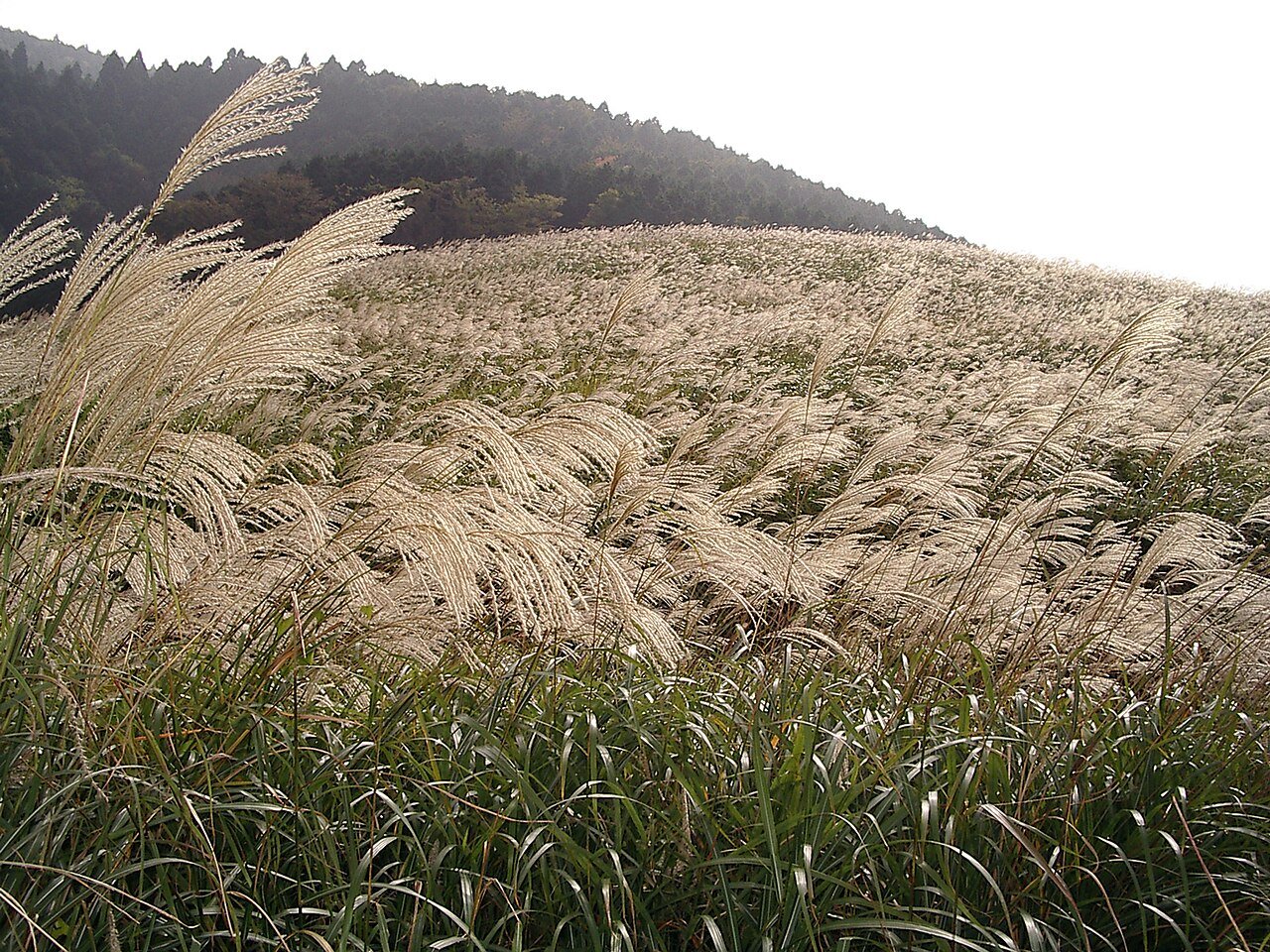
Area 4
Best for: Families with children, couples who want more space than a traditional ryokan room provides, and anyone seeking a larger resort with a pool and activities. Sengokuhara lies just north of Gora, open and airy rather than wooded and steep. The famous pampas grass meadow (Susuki Field) is spectacular in October and November. Hakone Open Air Museum — where children can roam freely — is close by. Dining options are sparse; nearly all accommodation includes meals.
Area 5
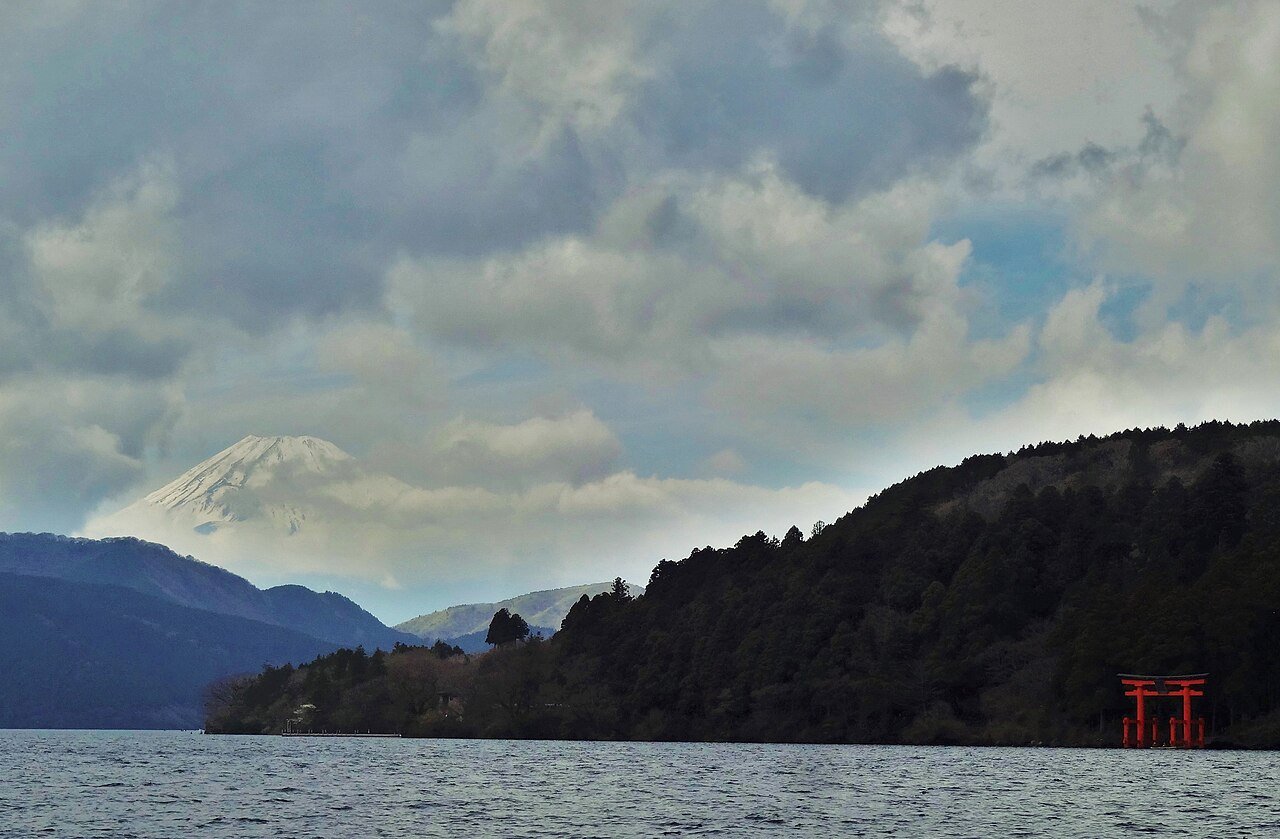
Best for: Travellers whose main goal is a Mt Fuji view from their window and easy access to Hakone Shrine and the lake ferry. On a clear morning, Fuji's reflection in the calm water of Lake Ashi is one of the finest views in Japan. The Motohakone district is quiet and mainly upper-mid to luxury-priced. Restaurants are scarce — plan to eat at your hotel. The main drawback: there is no mountain railway here, so getting to Owakudani and the cable car requires a bus or boat journey.
On a tight budget, Hakone Tent in Gora is the clearest recommendation in all of Hakone — two private mineral-spring baths included, a 3-minute walk from Gora Station, a bar and social evenings that make solo travel feel easy, from ¥3,500 per night with a score of 8.8 from over 1,300 reviews. Yumoto has mid-range inns from around ¥8,000–20,000 that are decent value too.
If you want the finest ryokan experience in Hakone and price is not the deciding factor, Hakone Gora Kadan is the answer — Michelin 3 Keys, Relais & Châteaux, kaiseki dinner included every night, private rotenburo in a former imperial villa garden, from ¥120,000 for two. The Fujiya Hotel is the right choice if you want historic atmosphere: founded in 1878, four heritage buildings, and the room where John Lennon and Yoko Ono once stayed.
Yumoto has Hakone's most varied dining — bowls of Hakone-style black ramen (broth darkened with soy), cold soba, and the local warabi mochi wagashi sweet are all easy to find around the station. Gora has only a handful of restaurants; most visitors eat kaiseki at their hotel and find that is exactly the right call. Sengokuhara has a few good cafes and bakeries scattered across the meadow. For broader sightseeing context, see the full Hakone guide.