Pick the right base for your Kanagawa trip
Each part of Kanagawa has a completely different vibe. Your base determines your whole trip — here are the four key areas and who each suits best.
Staying near Minato Mirai puts the Landmark Tower, Cosmo Clock 21 ferris wheel, Aka Renga red-brick warehouses and Cup Noodles Museum all within a 15-minute walk. Excellent transport to Kamakura and Tokyo.
Staying in Kamakura itself lets you beat the day-tripper crowds at the Great Buddha and Tsurugaoka Hachimangu in the early morning and evening. The Komachi-dori shopping street is right outside your door.
The reason people stay overnight in Hakone is the onsen ryokan experience — soaking in a private rotenburo (outdoor bath) with Mt Fuji glowing at dawn. Hakone-Yumoto is the entry point; Gora and Sengokuhara are quieter and more upscale.
A relaxed seaside base — Enoshima island is 10 minutes by foot from Katase-Enoshima station. Stay here for a slower pace, fresh seafood, the Sea Candle at sunset, and easy Enoden tram access to Kamakura.
3 hand-picked hotels across every budget
From a sleek Yokohama waterfront tower to a traditional Hakone onsen ryokan — real prices, direct booking links across 3 platforms.
Food you absolutely must try in Kanagawa
Kanagawa has its own distinct food identity — Yokohama gave Japan its iekei ramen and the most famous steamed dumpling brand in the country, while Kamakura's coast delivers the freshest shirasu whitebait you'll ever taste.
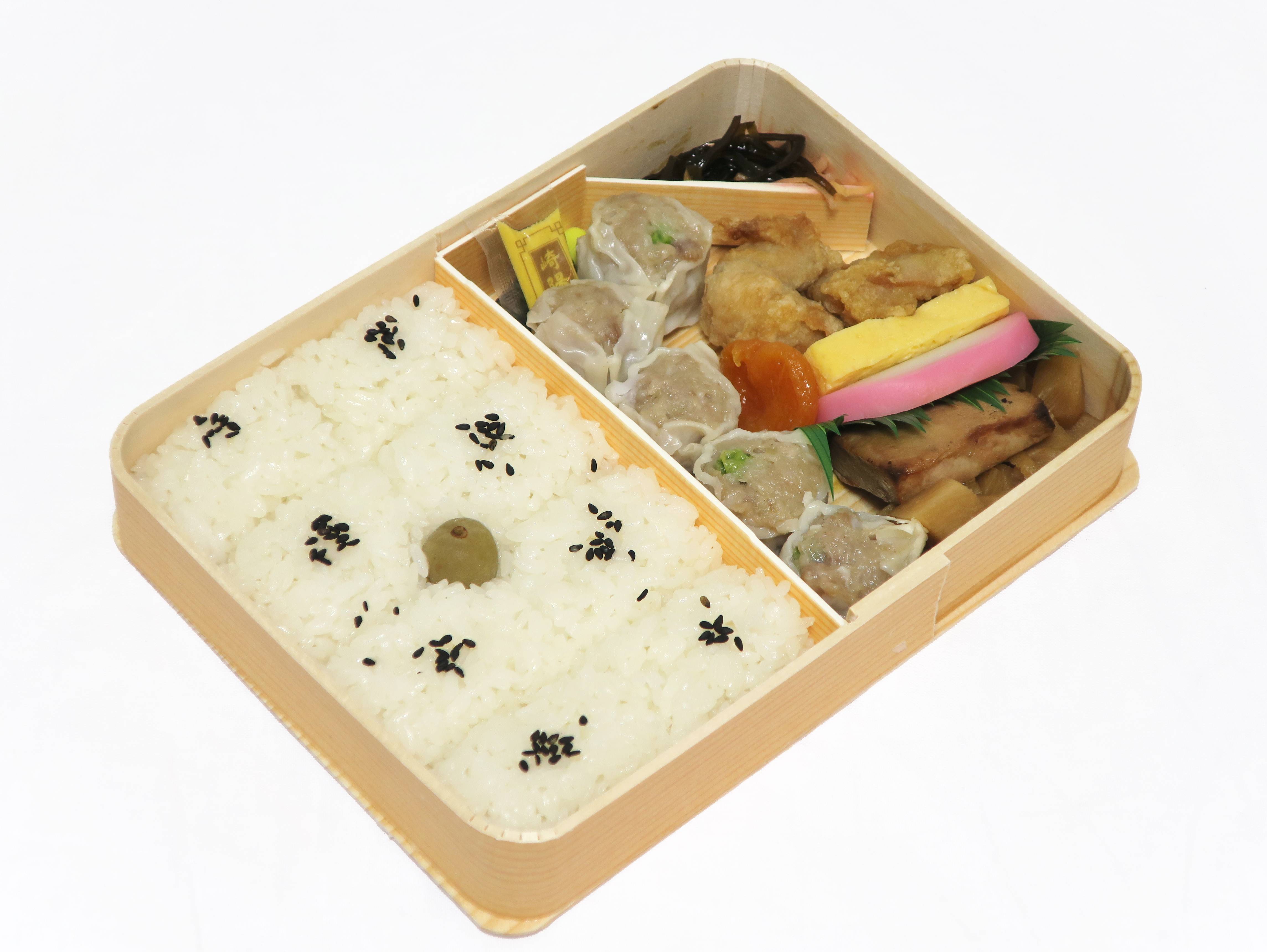
Yokohama's most beloved snack — small, perfectly seasoned steamed pork dumplings sold cold as ekiben (train bento) since 1908. Pick up a box at Yokohama Station and eat them like a local: cold, no dipping sauce needed.
Yokohama original · Since 1908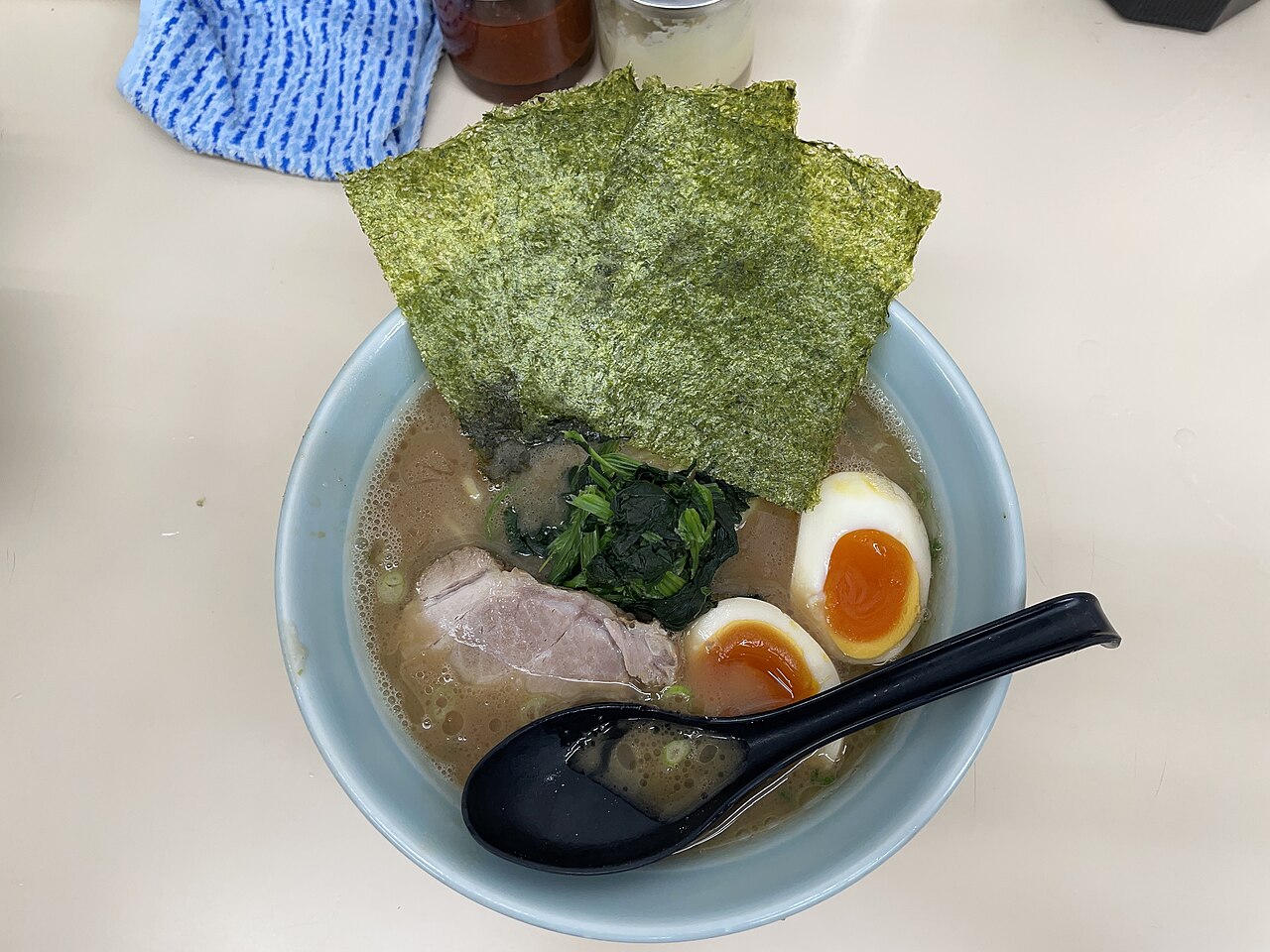
Born in Yokohama in 1974 at Yoshimuraya — a thick, rich blend of pork-bone broth and soy sauce, served with flat noodles, spinach, nori, and a slab of chashu. Hundreds of iekei shops now span all of Japan, but the originals are here.
Born in Yokohama · 1974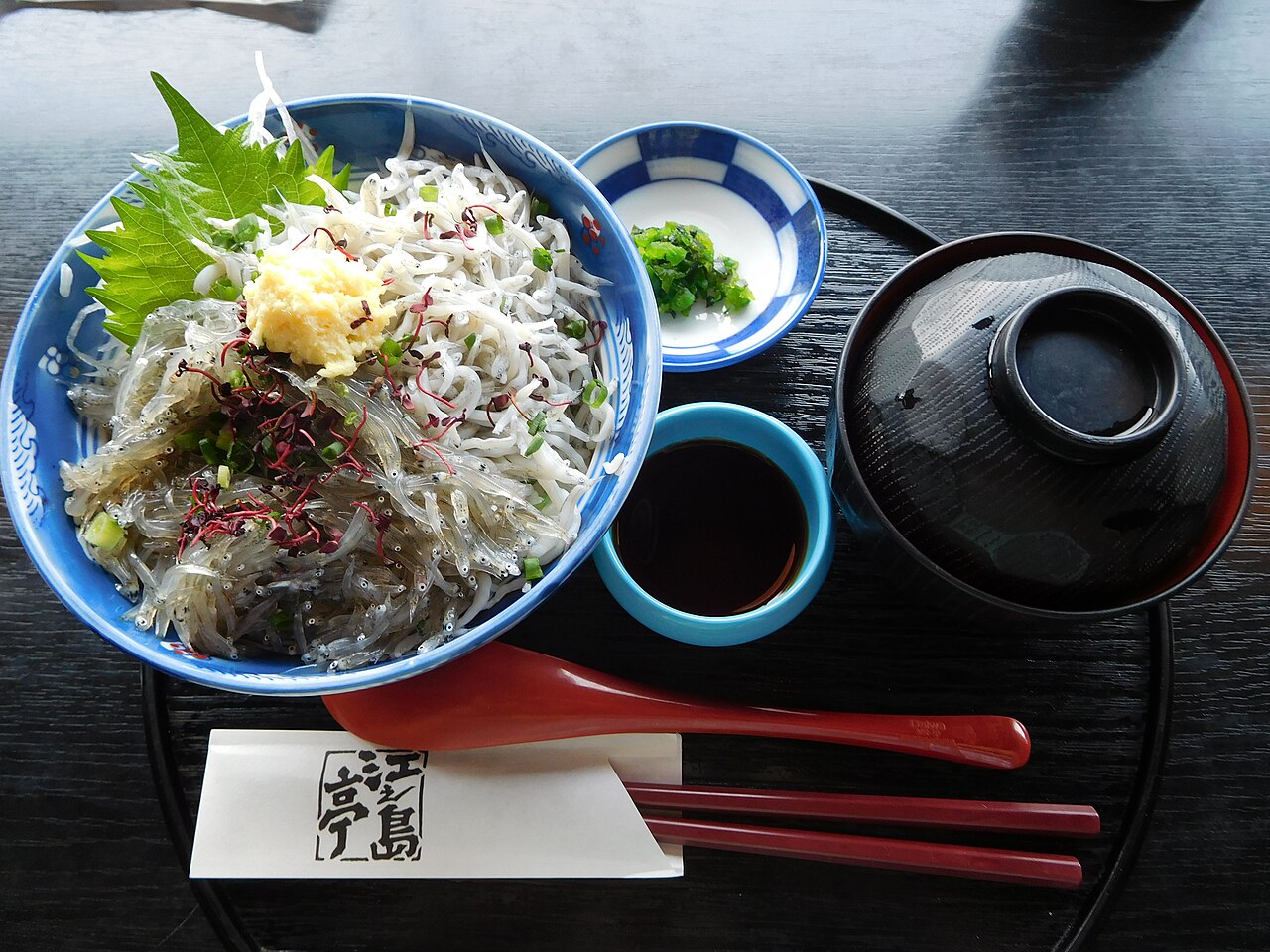
A bowl of steaming rice blanketed in fresh raw or par-boiled whitebait (tiny sardine fry), caught right off the Shonan coast. Best eaten at a seafood restaurant overlooking Enoshima island or along the Kamakura beachfront.
Shonan coast speciality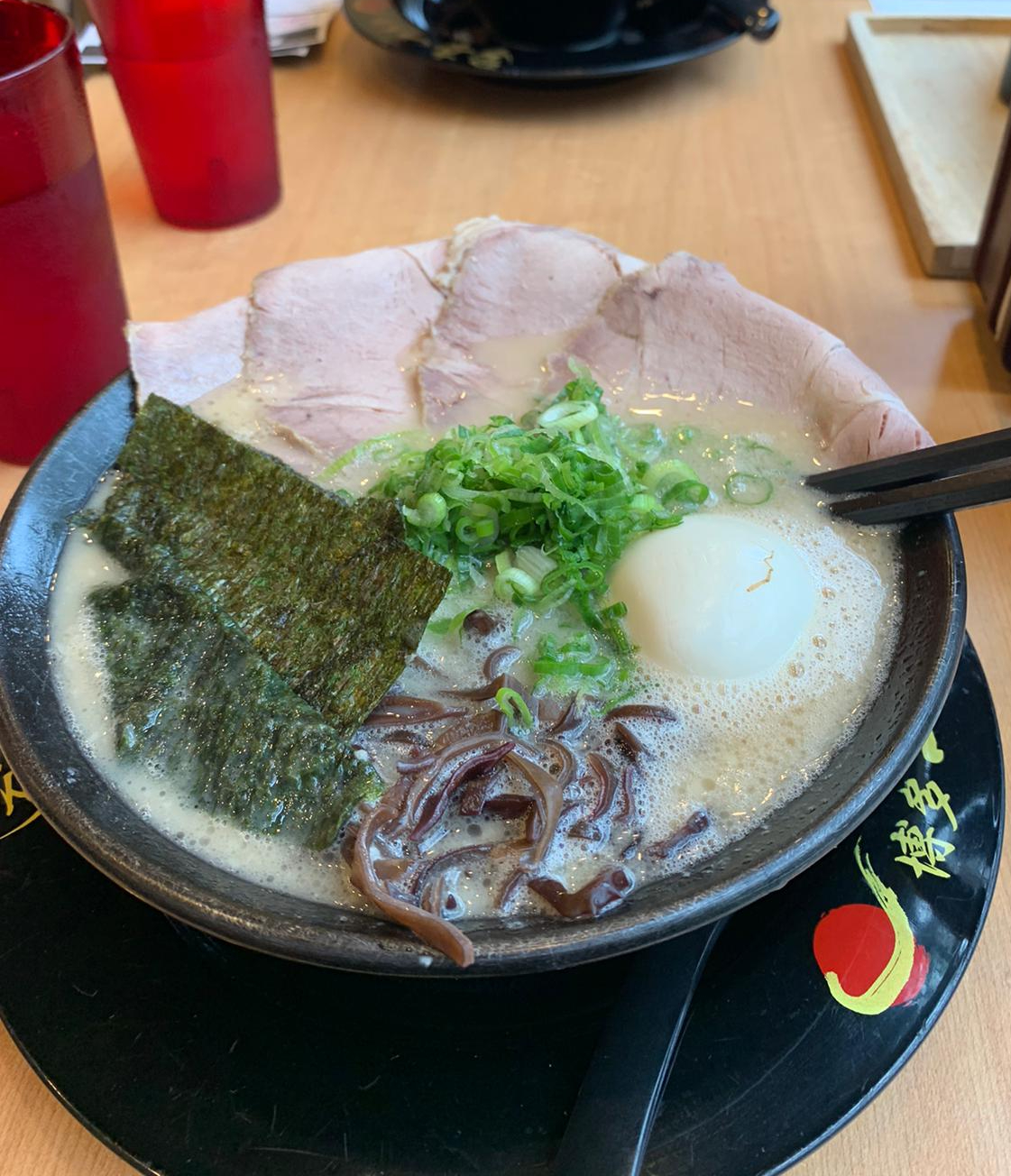
Japan's largest and most famous Chinatown — over 600 restaurants and food stalls packed into a few blocks. Go for dim sum at lunch, roast pork steamed buns fresh from the window, and elaborate Cantonese dinners. Open every day.
600+ restaurants · Open dailyAttractions you have to visit in Kanagawa
From an 800-year-old outdoor Buddha to a volcanic valley where you can eat black eggs, Kanagawa packs more visual variety into a day than almost anywhere else in Japan.
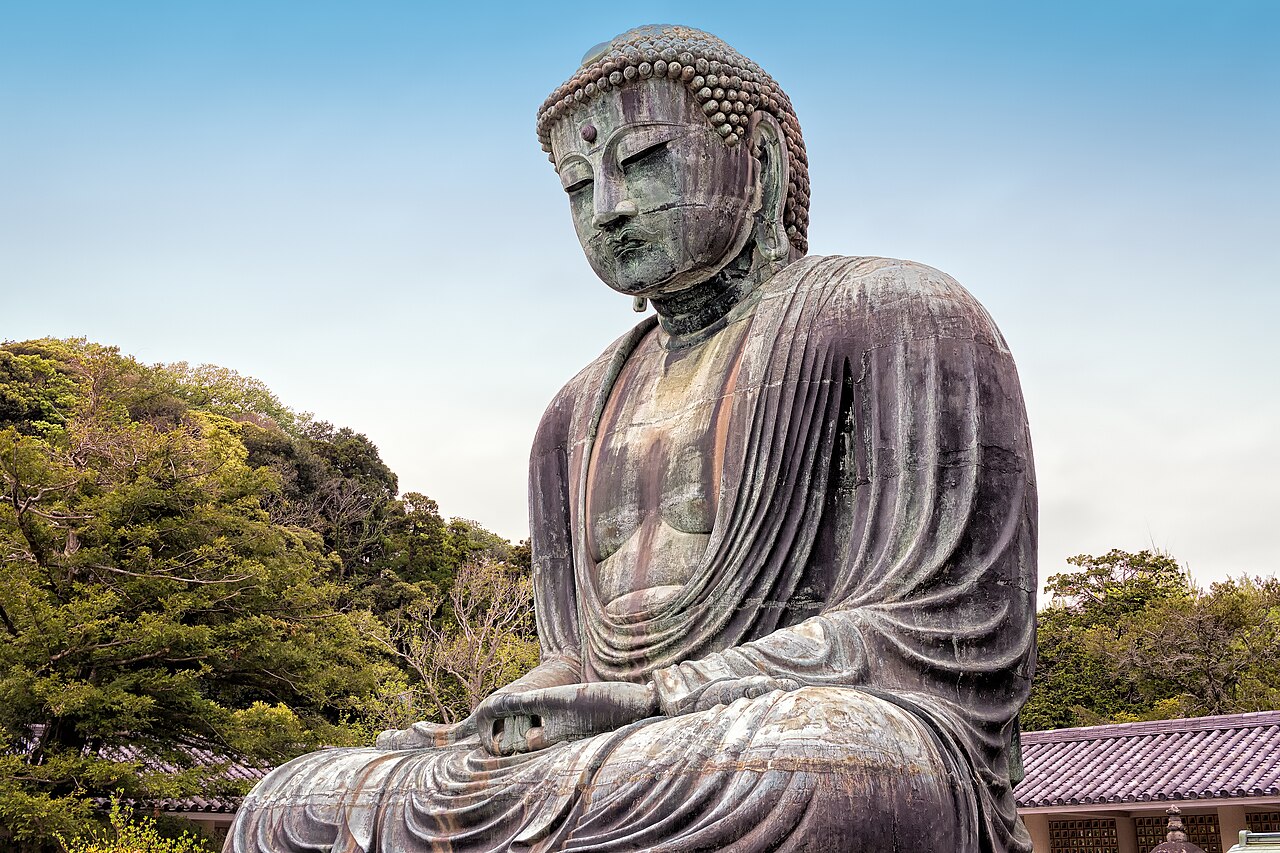
Japan's most iconic outdoor statue — a 13.35 m bronze Amida Buddha cast in 1252 and sitting serenely in the open air. You can walk inside the hollow statue for a small extra fee. Arrive before 09:00 to beat the crowds.
Must-see · Open 08:00–17:30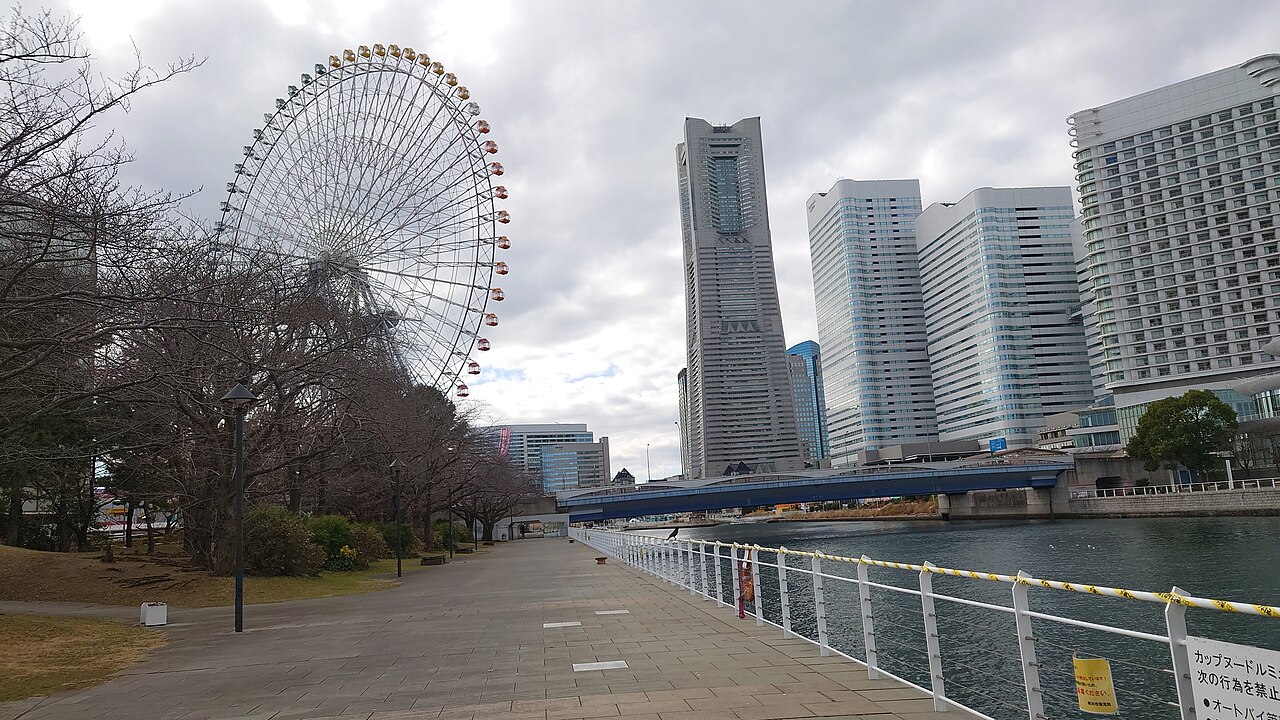
Yokohama's glittering waterfront district — the 296 m Landmark Tower, Cosmo Clock 21 ferris wheel, Aka Renga red-brick warehouses, Cup Noodles Museum, and the Yokohama Museum of Art, all within a 20-minute walk of each other.
Waterfront · All-day district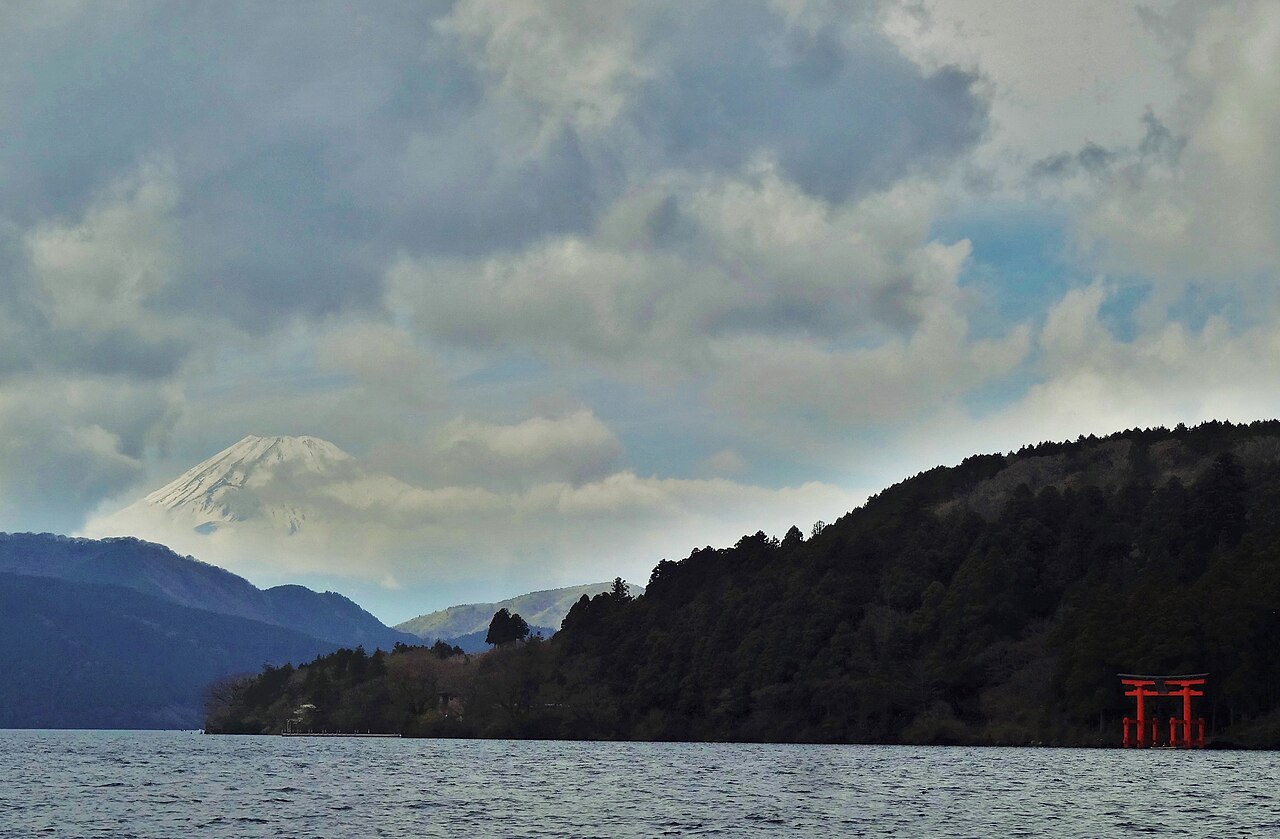
On a clear day, the red torii gate of Hakone Shrine rises from the water with Mt Fuji perfectly framed behind it. Take the pirate ship cruise across the lake, then walk to the shrine through a cedar forest. One of Japan's most photographed views.
Mt Fuji view · Best Oct–Feb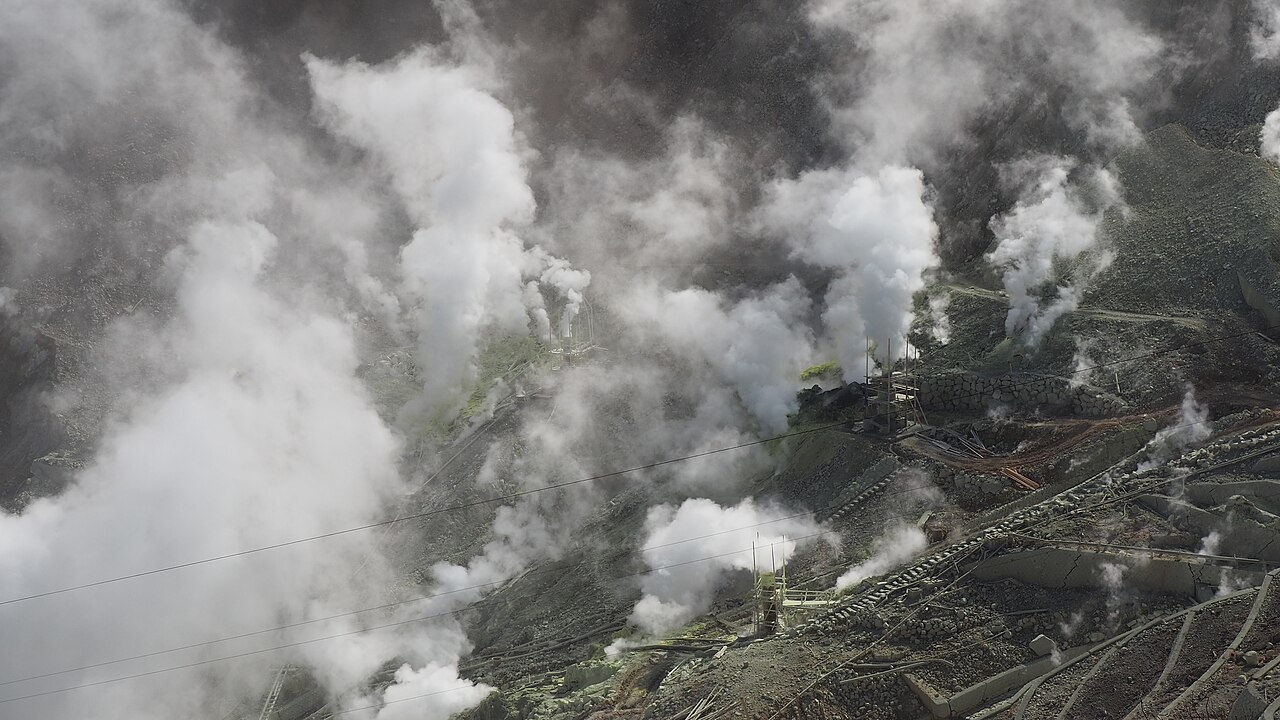
An active volcanic valley that steams and hisses dramatically — you can buy kuro-tamago (black eggs hard-boiled in the sulphur springs, said to add 7 years to your life). The Hakone Ropeway glides right over it for aerial views. Occasionally closed due to volcanic activity.
Volcanic · Ropeway access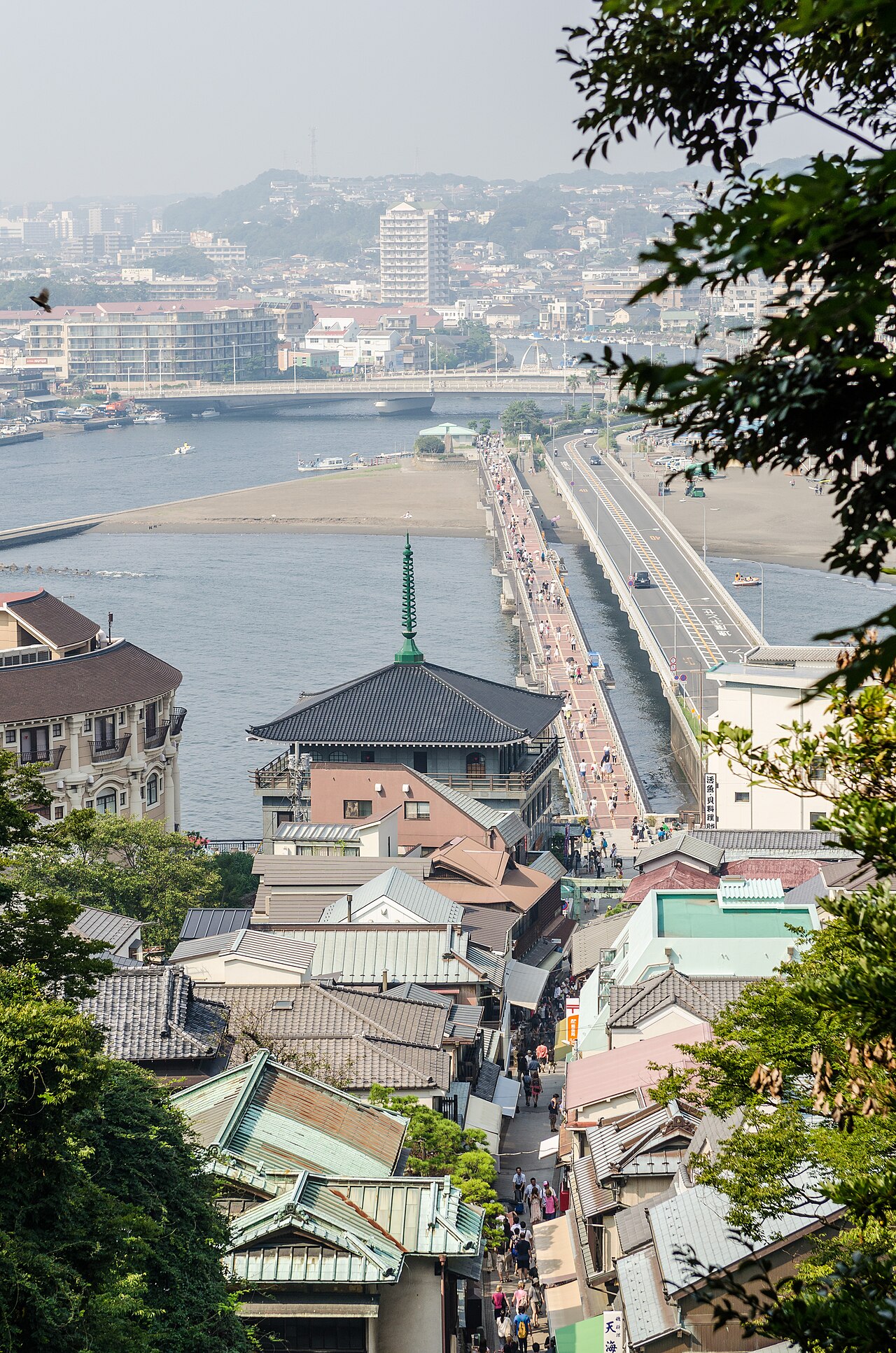
A small island connected to the mainland by a 600 m bridge — walk up through the covered shopping street to the Sea Candle lighthouse for panoramic Shonan coast views, then descend to the Iwaya sea caves. The Enoshima Aquarium is nearby.
Island walk · Sea Candle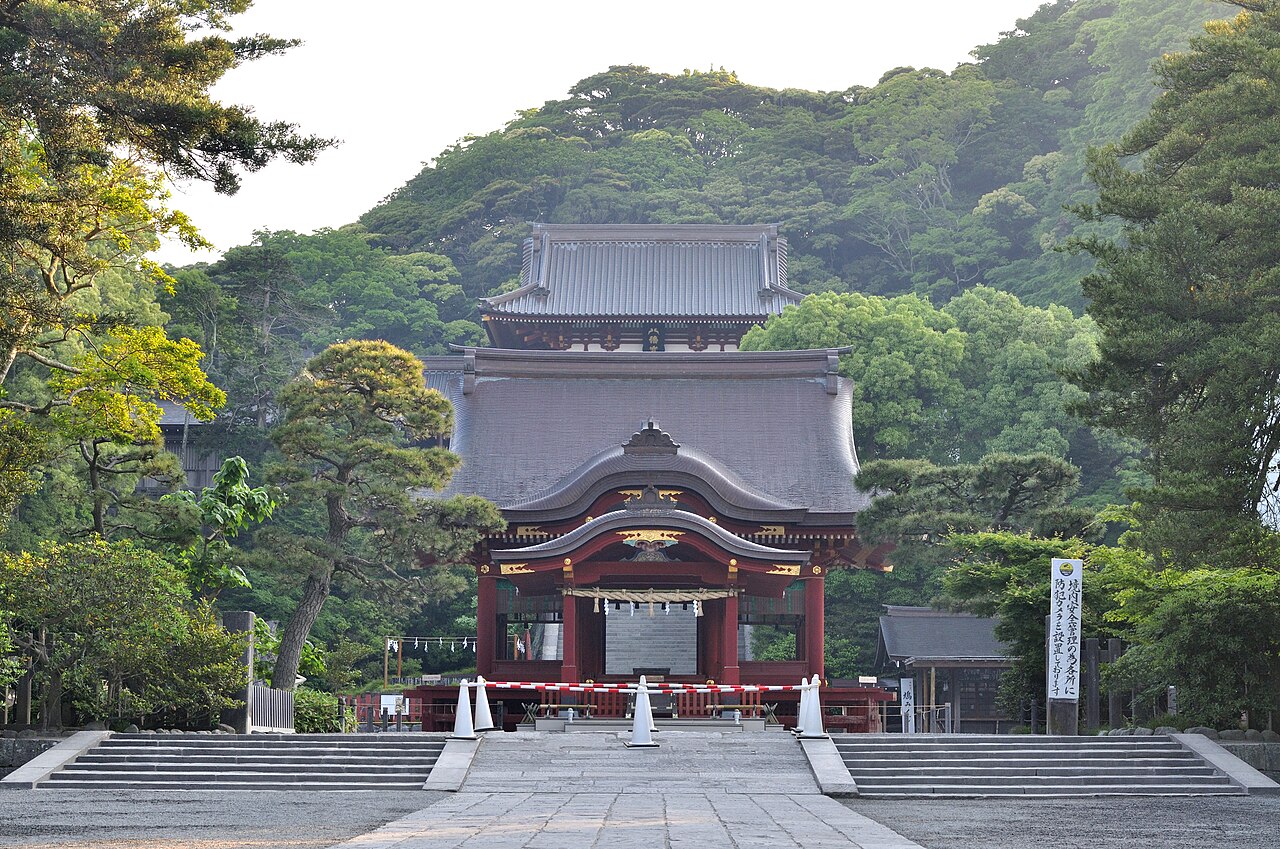
Kamakura's most important Shinto shrine, founded in 1063 and the spiritual heart of the old samurai capital. The long approach lined with cherry trees (sakura in spring, autumn foliage in November) leads to a striking vermilion main hall on the hill.
Sakura spring · Free entry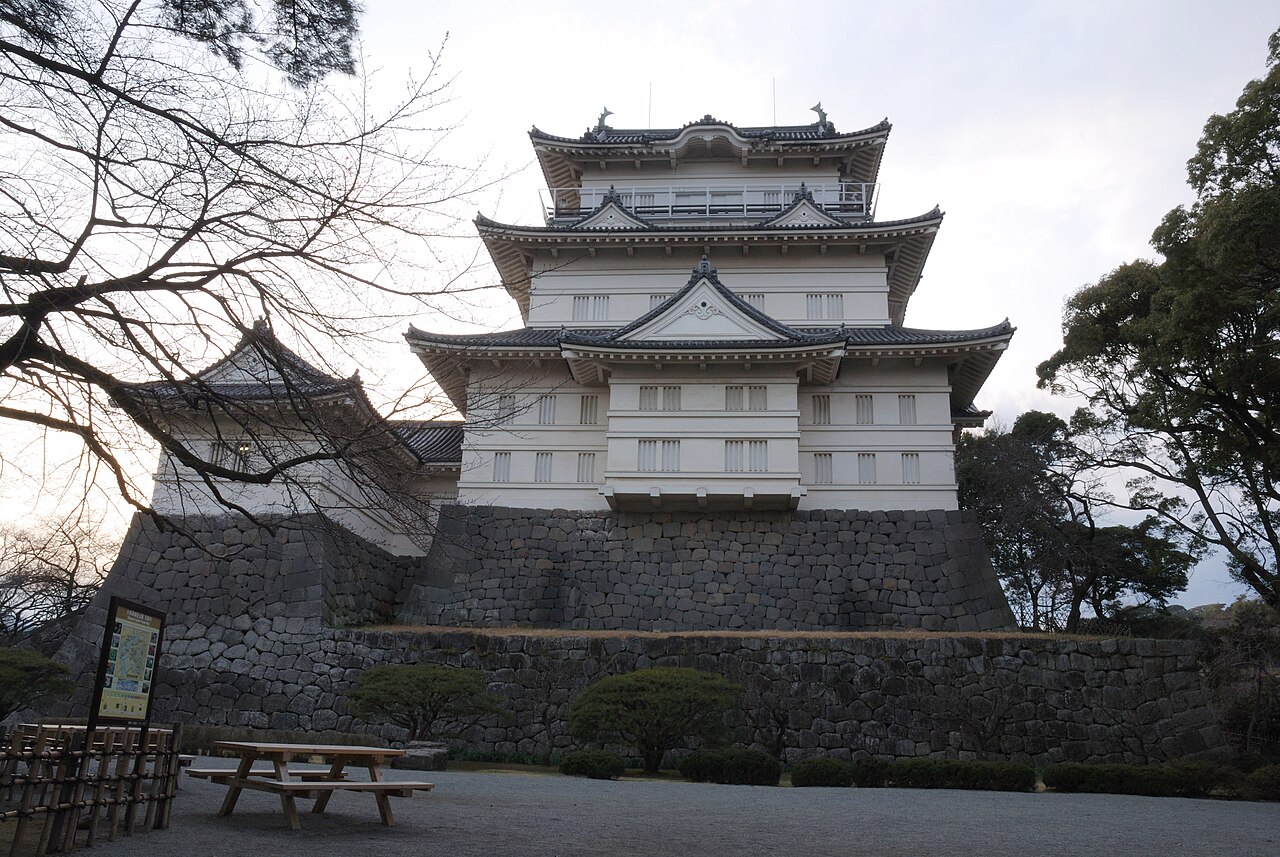
A beautifully restored white castle keep on the edge of Odawara city — the historical seat of the powerful Hojo clan. The castle grounds double as a cherry blossom park in April. It's 5 minutes from Odawara Station, a natural stop on the way to Hakone.
Castle · Cherry blossoms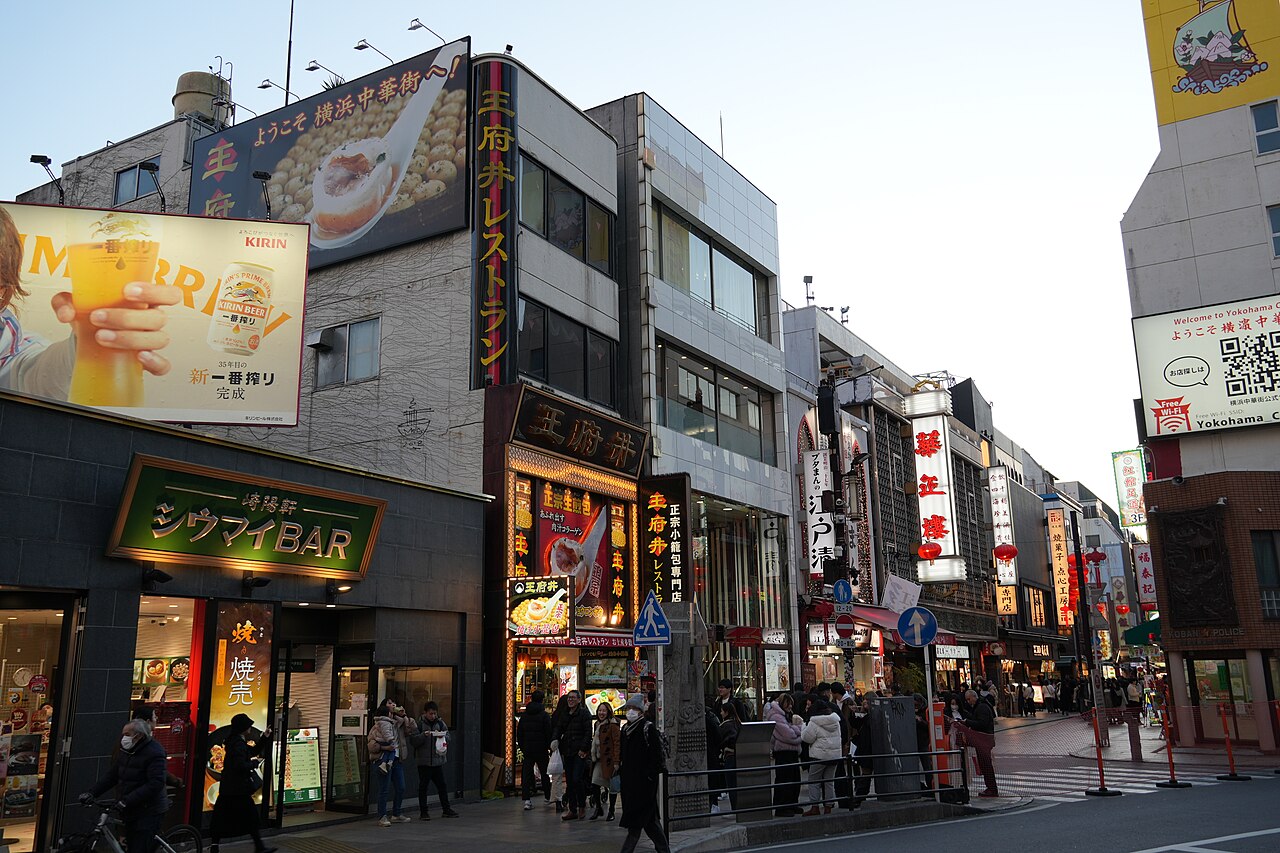
Japan's largest Chinatown — 600+ restaurants, food stalls, and shops packed into a vibrant few blocks. The ornate Kanteibyo temple sits at the heart. Best visited at lunch for dim sum or in the evening when the lanterns glow and the aroma of roast meat fills every alley.
Japan's largest ChinatownSample Kanagawa itinerary — 4 days, 3 nights
This itinerary flows with zero backtracking — Yokohama first (base for day 1), then Kamakura and Enoshima, then overnight in Hakone for the onsen experience and Mt Fuji views. Perfect for a first visit.
Everything you need to know before visiting Kanagawa
Kanagawa is extremely easy to navigate from Tokyo — but a few practical details (the Hakone Free Pass, IC cards, Romancecar booking) will save you real time and money.
One IC card covers every train and bus in Kanagawa — Tokyu, JR, Odakyu, Enoden tram, and city buses. Load it on Apple Pay or Google Pay before you leave home, or buy at any major station.
If you plan to visit Hakone, the Hakone Free Pass (¥5,000–6,000 from Shinjuku, 2-day) covers the Odakyu Romancecar, Hakone Tozan train, Owakudani ropeway, and Lake Ashi boat. Buy online or at Shinjuku Station before you go. · Japan transport guide →
The Odakyu Romancecar (reserved-seat express to Hakone) sells out on weekends and holidays — book the seat online or at Shinjuku the day before. Without a reservation you take the slower local train (~2 hrs).
Activate a Japan eSIM before you fly — covers Yokohama, Kamakura, Hakone and the whole Kanto region on 4G/5G from the moment you land.