10 Things to Do in Hakone
Listed in classic loop order — follow this sequence and you will never double back.
 1
1
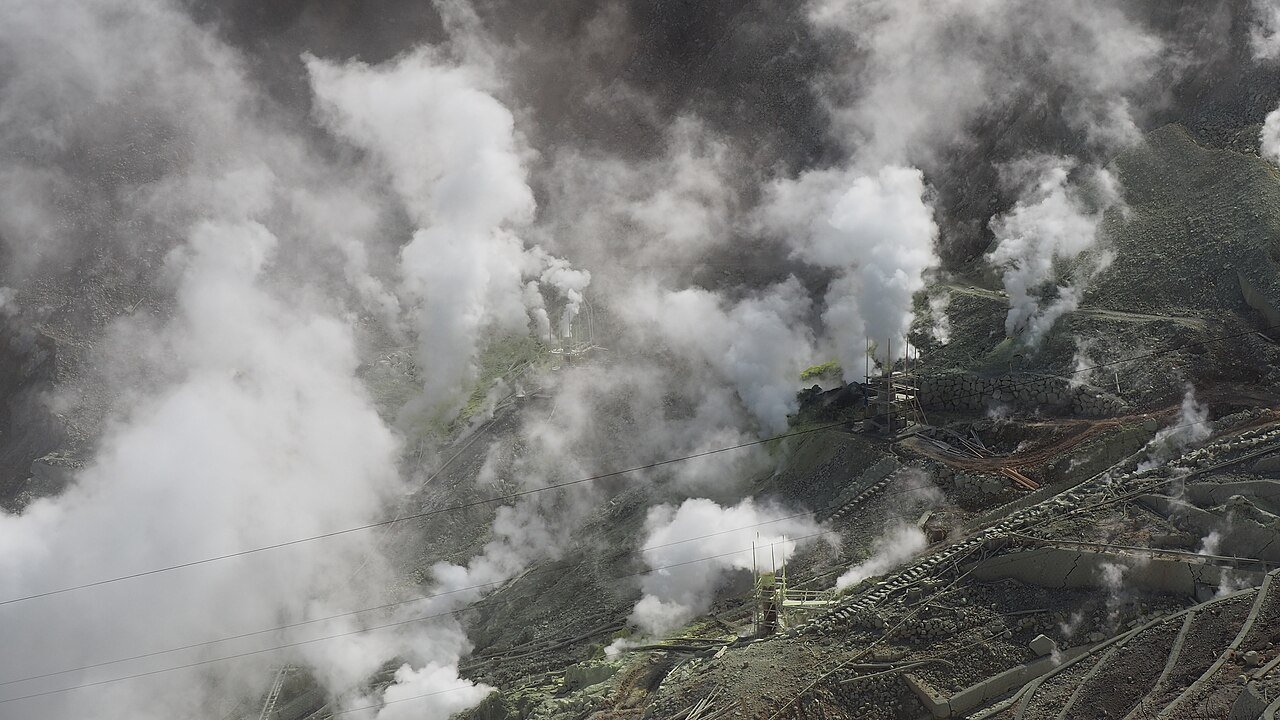
Stand at the crater rim and the earth does not look finished. Sulphur vents hiss, the ground gurgles, and white plumes drift across grey rock in every direction. Owakudani sits inside a volcanic caldera created by Mount Hakone's last major eruption 3,000 years ago — the steam and boiling springs are still very much alive. The star attraction is the Kuro-Tamago (black egg): regular hen eggs boiled in the sulphurous 100-degree spring water until their shells turn jet black from the iron-sulphide reaction. Local legend holds that eating one egg adds seven years to your life. Sold in packs of five for around ¥500 at the shop near the gondola station.
 2
2
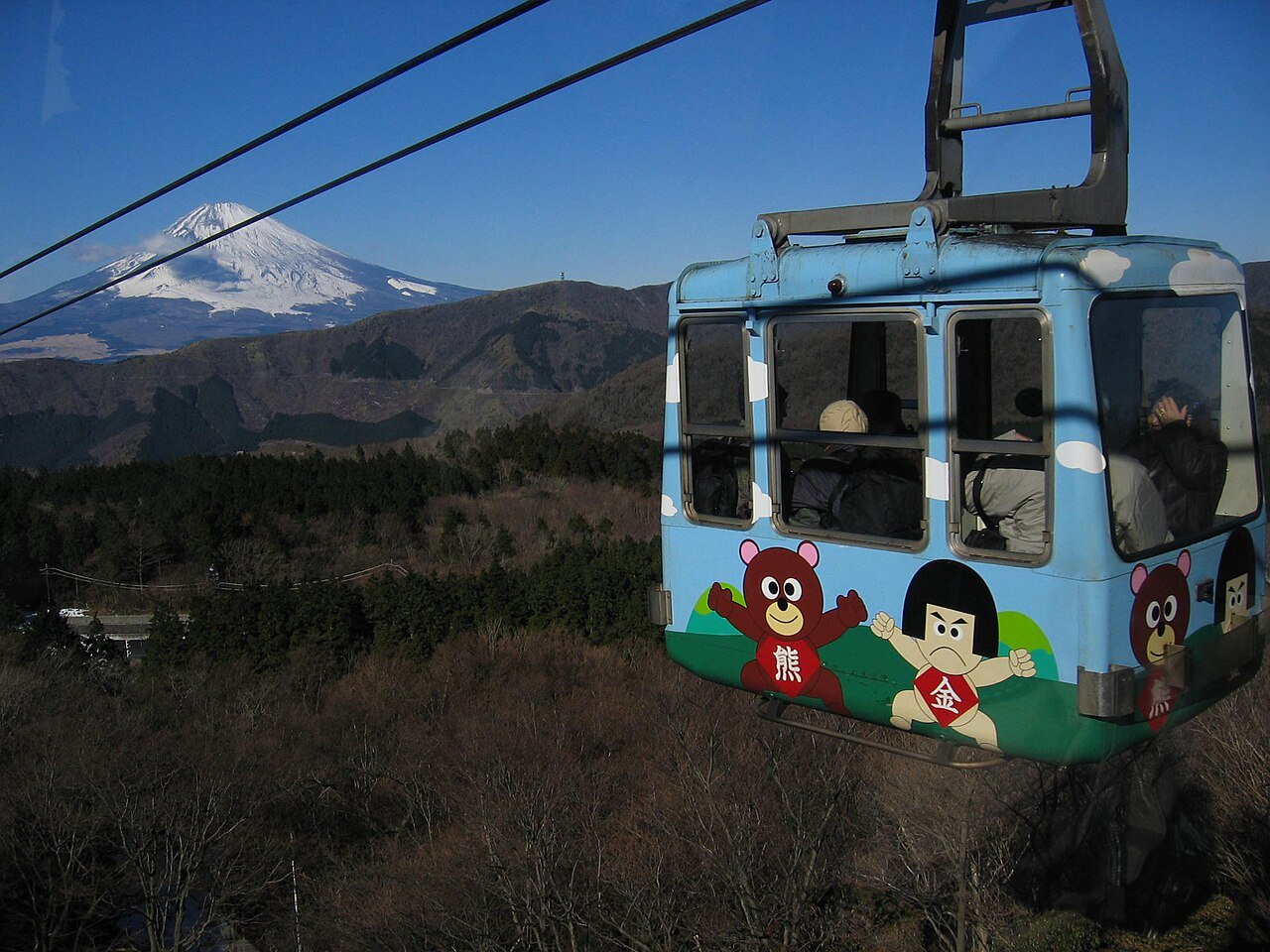
Picture yourself suspended in a glass-sided gondola, nothing but air between you and a valley that still exhales volcanic steam below. The Hakone Ropeway runs four kilometres from Sounzan to Togendai, stopping at Owakudani and Ubako, taking about 30 minutes end-to-end. The gondolas are continuous — no waiting for a fixed departure — and the views change constantly as you pass from forested ridge to open caldera to the distant shimmer of Lake Ashi. On a clear morning the cone of Fuji fills the eastern sky. The full ride is covered by the Hakone Freepass; a single one-way ticket costs ¥2,000 for adults.
 3
3
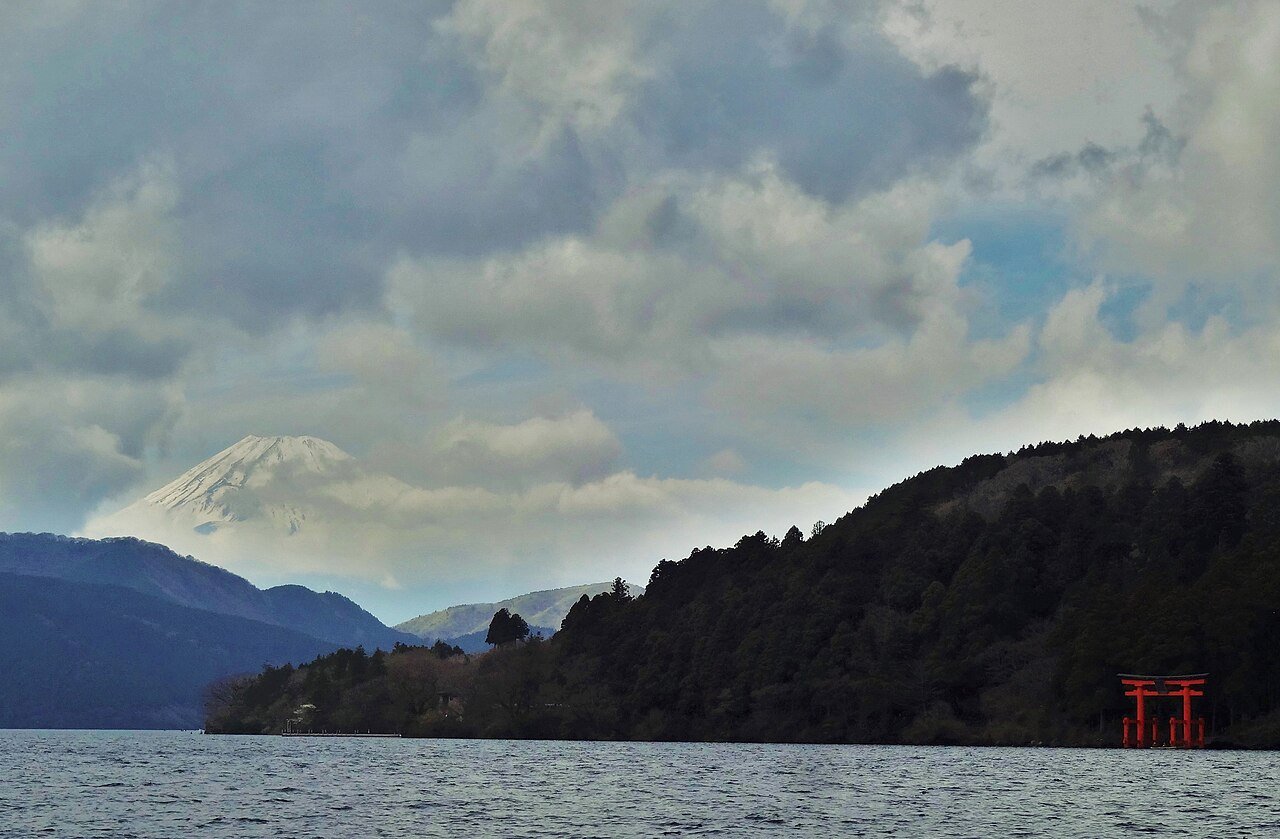
Lake Ashi formed when Hakone's volcanic cone collapsed roughly 3,000 years ago. The water is a deep, still blue that mirrors the mountains on calm mornings — and on very clear days, Fuji rises above the northern ridge in what has become one of Japan's defining postcard images. Three ornate galleons (Royal II, Victory, Queen Ashinoko) cruise between Togendai, Moto-Hakone and Hakone-machi on a schedule running from 09:00 to 17:00. The one-way fare is around ¥1,200; a round trip is ¥2,220. Step off at Moto-Hakone and you are a short walk from Hakone Shrine and the floating torii gate.
 4
4
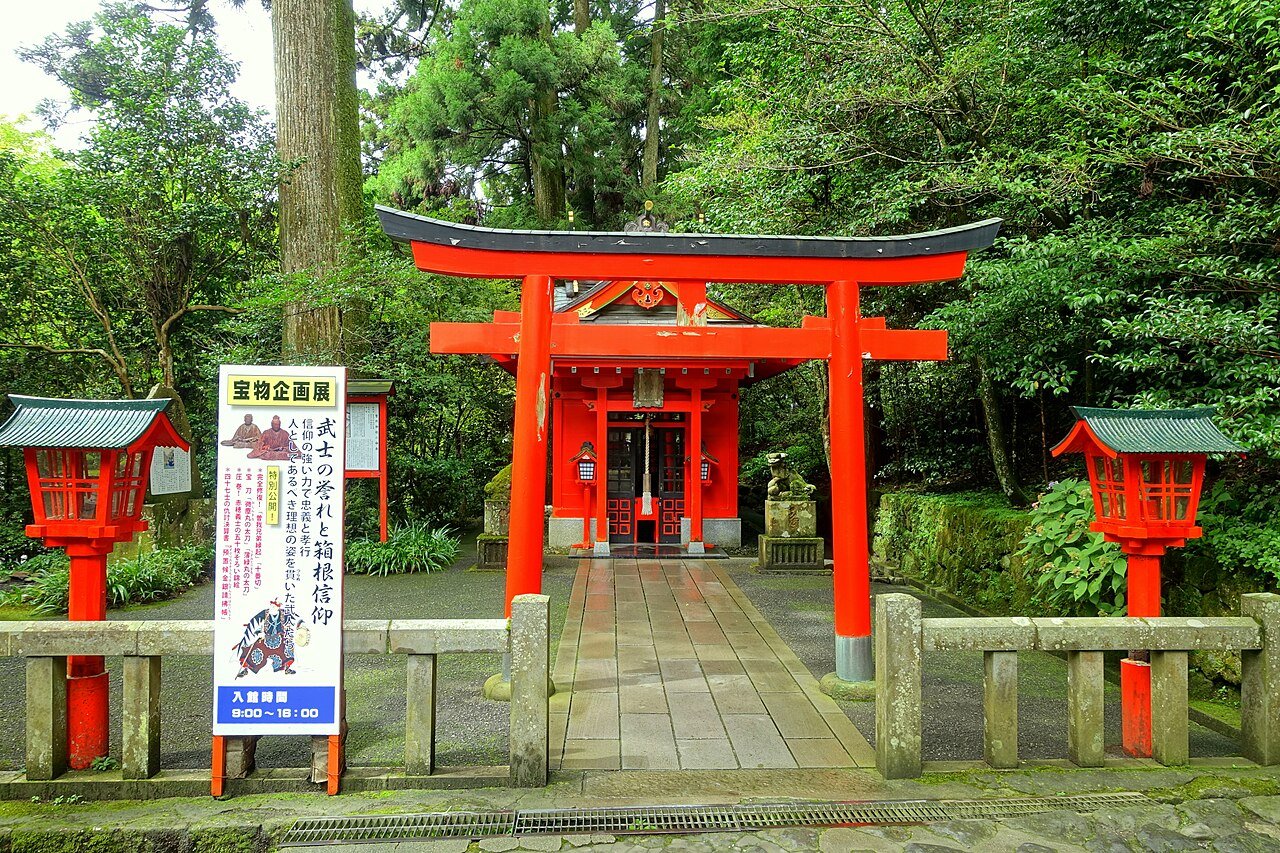
Hakone Shrine has stood on the shores of Lake Ashi for more than 1,200 years. The path to the main hall runs beneath towering cryptomeria cedars — trees several centuries old whose canopy closes the sky and lowers both the temperature and the noise of the world. The atmosphere at the top is genuinely still. The shrine is best known for its vermillion torii gate that stands in the lake at the Moto-Hakone pier, appearing to float on the water's surface. From the passing cruise ship the gate frames perfectly against the tree-covered mountains behind. On shore, the lakeside promenade from Moto-Hakone leads directly to the torii — a fifteen-minute walk well worth taking slowly.
 5
5
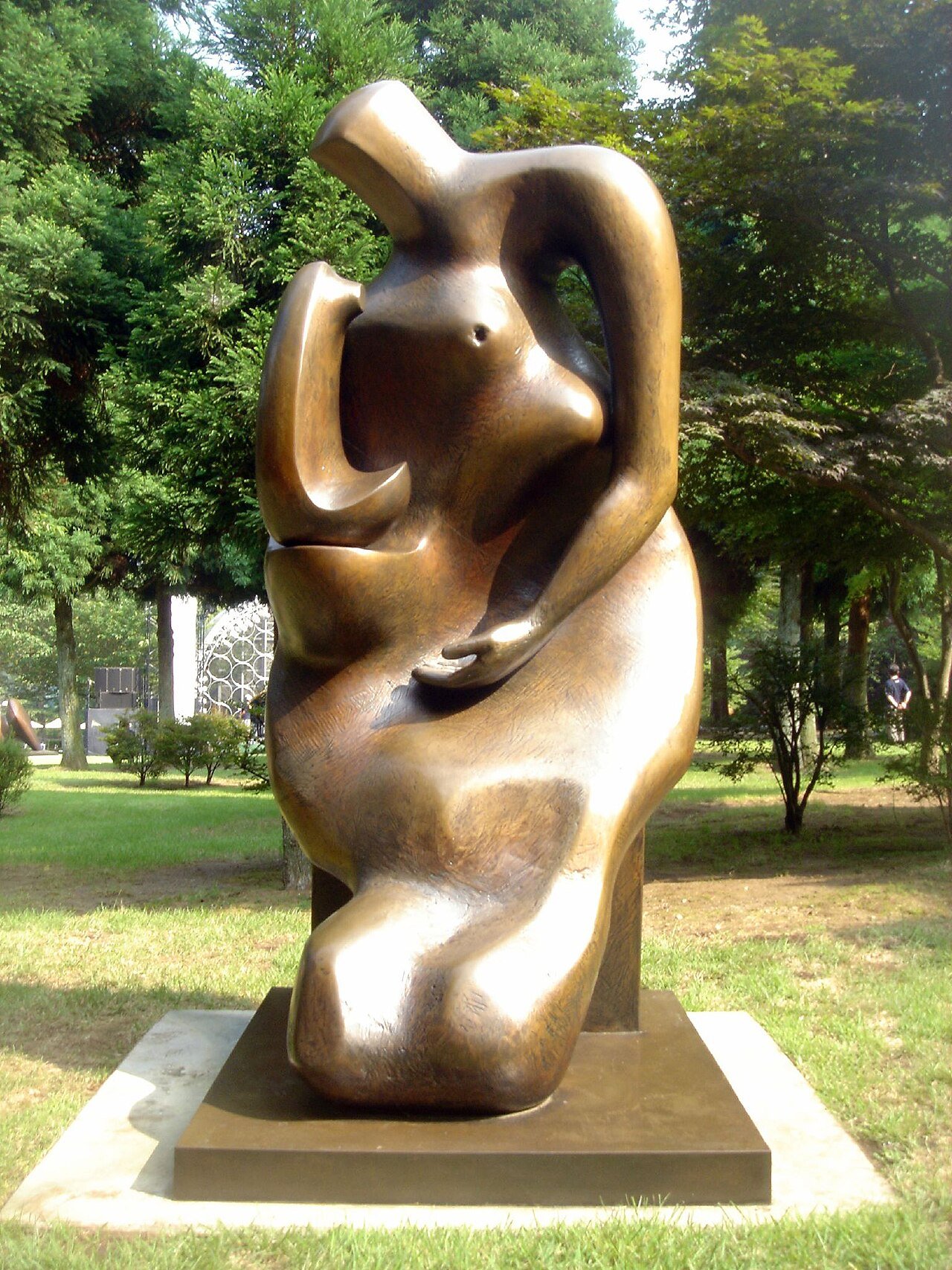
A museum where children run and adults forget to keep moving. Seven hectares of rolling hillside lawn hold more than 120 large-scale works by sculptors from around the world: a standing Rodin figure half-hidden in mist, a Moore reclining form the size of a car, Miró's riot of colour on a tower wall. The centrepiece is the Symphonic Sculpture, an 18-metre steel tower whose interior is entirely lined with thousands of pieces of stained glass — climb inside and you are wrapped in shifting rainbow light. The museum also holds one of Japan's best Picasso collections. There is an outdoor foot-bath onsen in the grounds, free with your ticket. Entry is ¥2,000 (¥1,800 if booked online).
 6
6
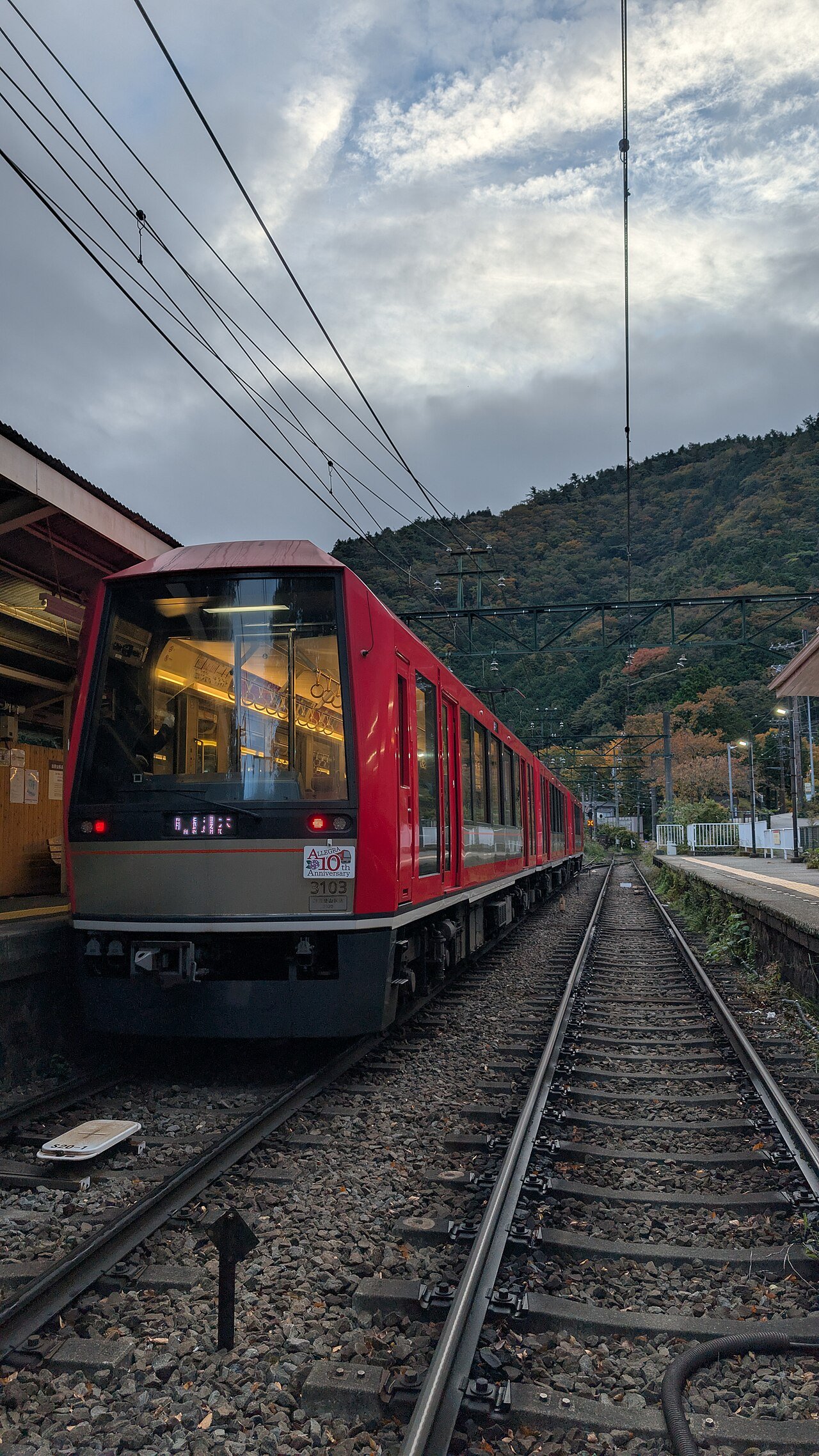
This is not just transit. The Hakone Tozan Railway climbs 8.9 kilometres from Hakone-Yumoto up to Gora, gaining 400 metres of elevation using three full switchbacks — the only way a train can tackle gradients this steep without cogwheels. At each switchback the driver runs to the opposite end of the carriage, the handle is transferred, and the train reverses direction. It is genuinely theatrical. In June and July the banks along the route are thick with hydrangea blossoms in shades of violet, blue and white, drawing dedicated visitors who ride slowly just to watch the flowers pass. The Open-Air Museum station (Chokoku-no-Mori) sits two stops before Gora terminal.
 7
7
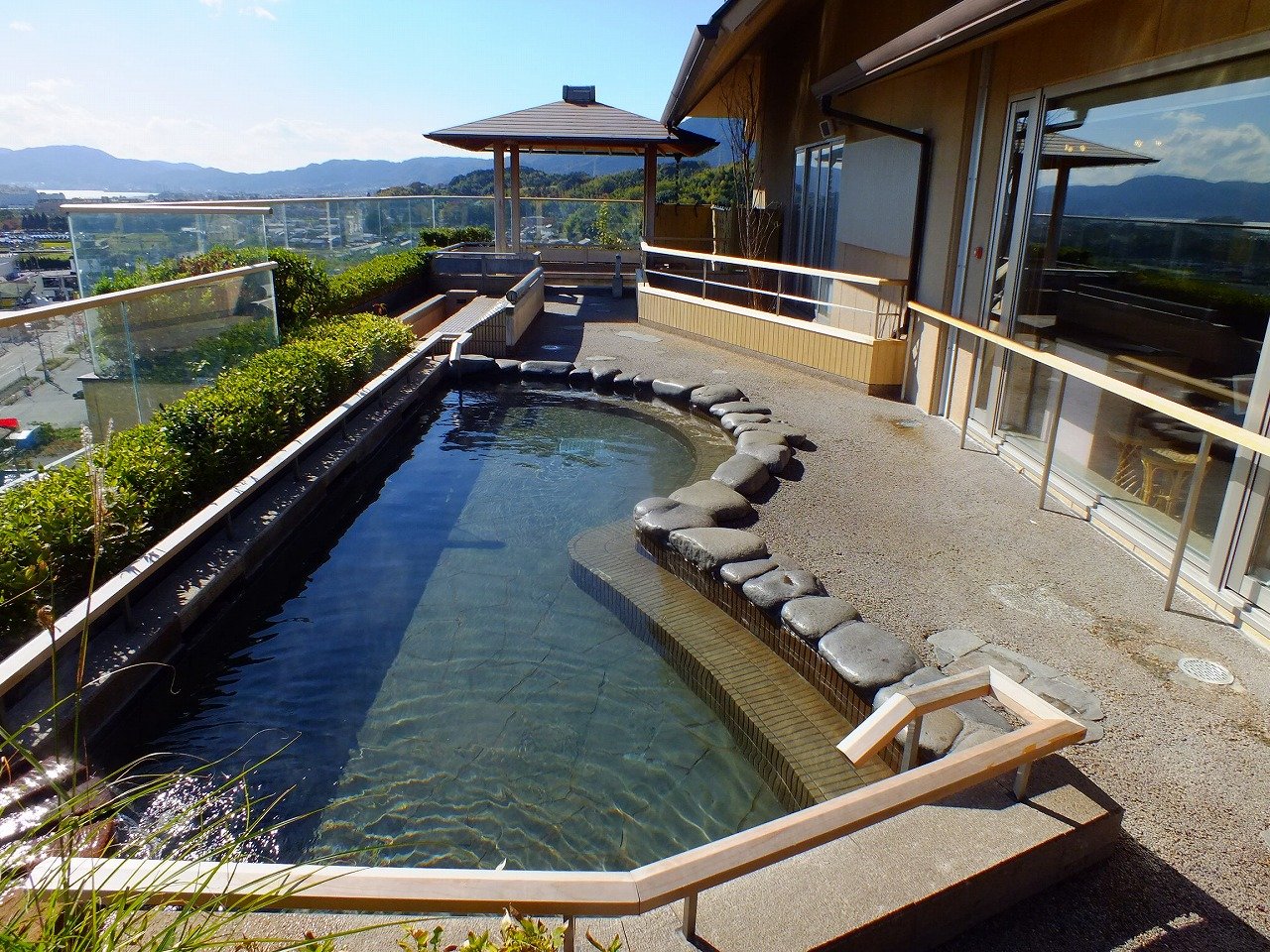
The same geothermal heat venting through Owakudani's fumaroles feeds the hot springs that have drawn visitors to these mountains for over a thousand years. Hakone has 17 distinct onsen districts, each with slightly different mineral content and water colour. Hakone-Yumoto is the most accessible entry point, with public baths starting from ¥800 near the station — perfect for a soak before catching the last train back. Further in, Kowakidani and Miyanoshita hold the best ryokan. For families or those uncomfortable with communal bathing, Yunessun at Kowakidani is a swimsuit-friendly water park with wine baths, sake pools and a Roman-style outdoor hot spring, tickets ¥2,500–3,500.
 8
8
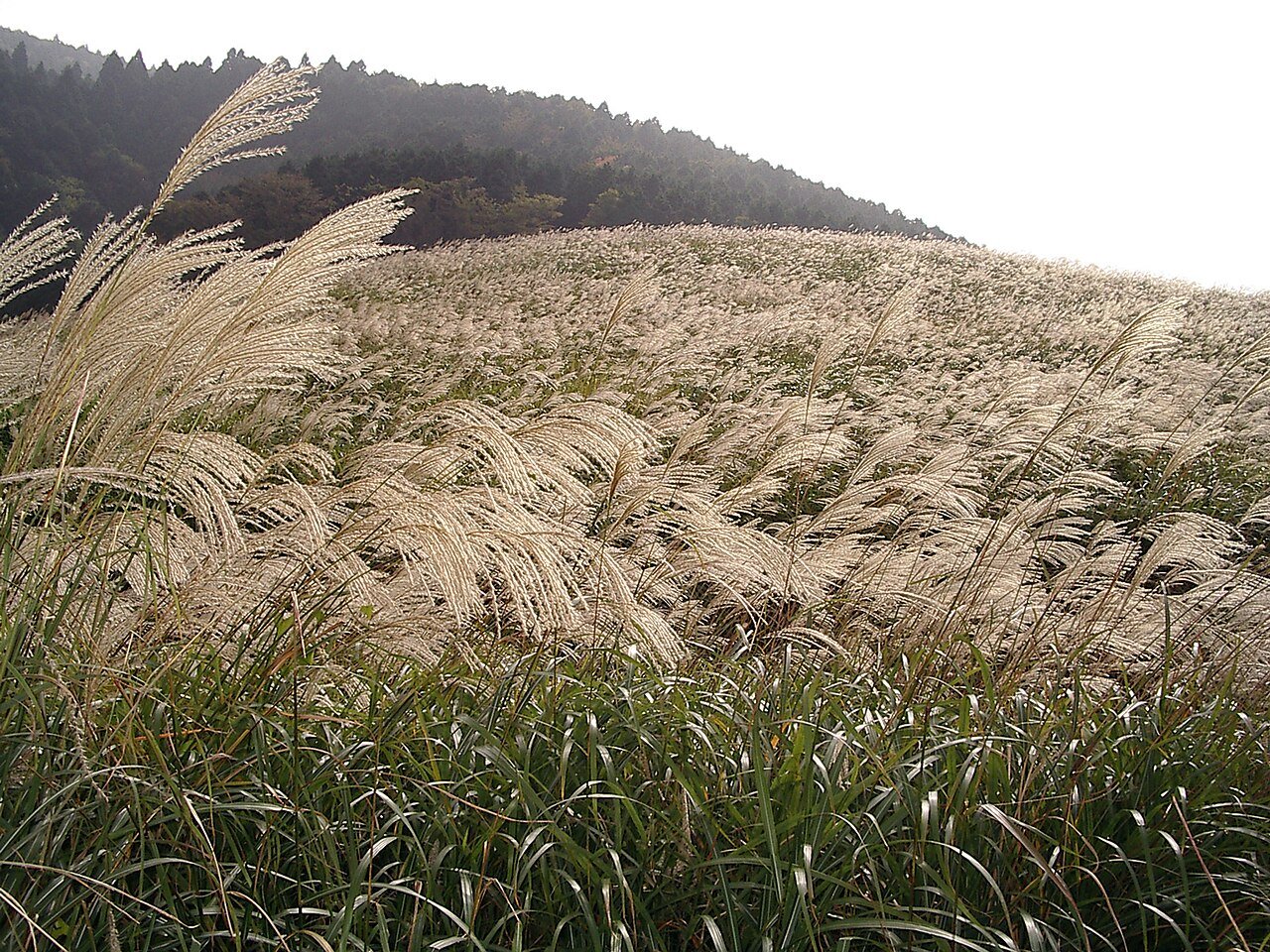
If someone asks what to do in Hakone in autumn, the answer is this field. Sengokuhara's broad plateau turns every October into a sea of silver-gold susuki — Japanese pampas grass over a metre high, rippling in every breeze, backlit by the low autumn sun so that the whole hillside seems to glow. Photographers come specifically in the pre-sunset hour when the light turns amber and the grass shimmers. The field is completely open, entry is free around the clock, and the plateau is quiet enough that you can hear the individual stalks rustling. The district around it has several high-end ryokan and resorts, making it a good alternative base to the busier Yumoto area.
Narukawa is Hakone's best-kept secret. The museum's second-floor lounge has a 50-metre picture window facing Lake Ashi — on a clear day the floating torii gate, the lake, and Fuji are all visible in a single panorama that takes a moment to process. The collection focuses on nihonga (traditional Japanese paintings using mineral pigments), with more than 4,000 works rotating through the galleries. Every visitor receives a complimentary cup of Japanese tea, served at a table directly in front of that window. Admission is ¥1,300 and includes the tea. Located near Moto-Hakone, it pairs naturally with a visit to Hakone Shrine next door.
 10
10
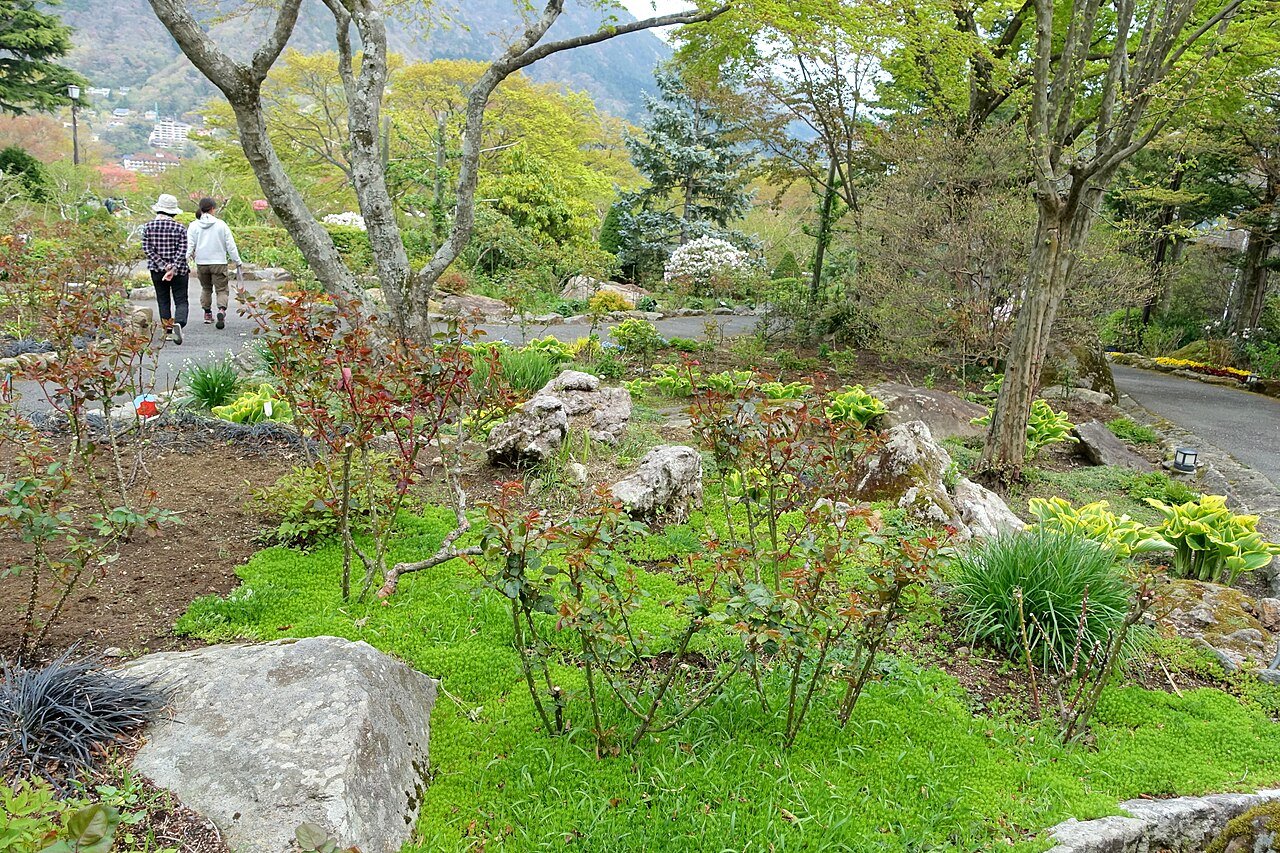
Gora is the quiet upper district where the Tozan Railway ends and the mountain transport chain begins. Gora Park is a formal French-style garden opened in 1914, planted with cherry blossoms, plum, rhododendrons and roses across four terraced tiers — entry is ¥600 and includes a cup of green tea. Around the park, small galleries, teahouses and a handful of excellent ryokan make Gora a good base for travellers who want a slower pace. From Gora Station, a funicular cable car climbs to Sounzan (¥430 one-way, free with Freepass), where you transfer to the Ropeway for Owakudani — the start of the classic loop.