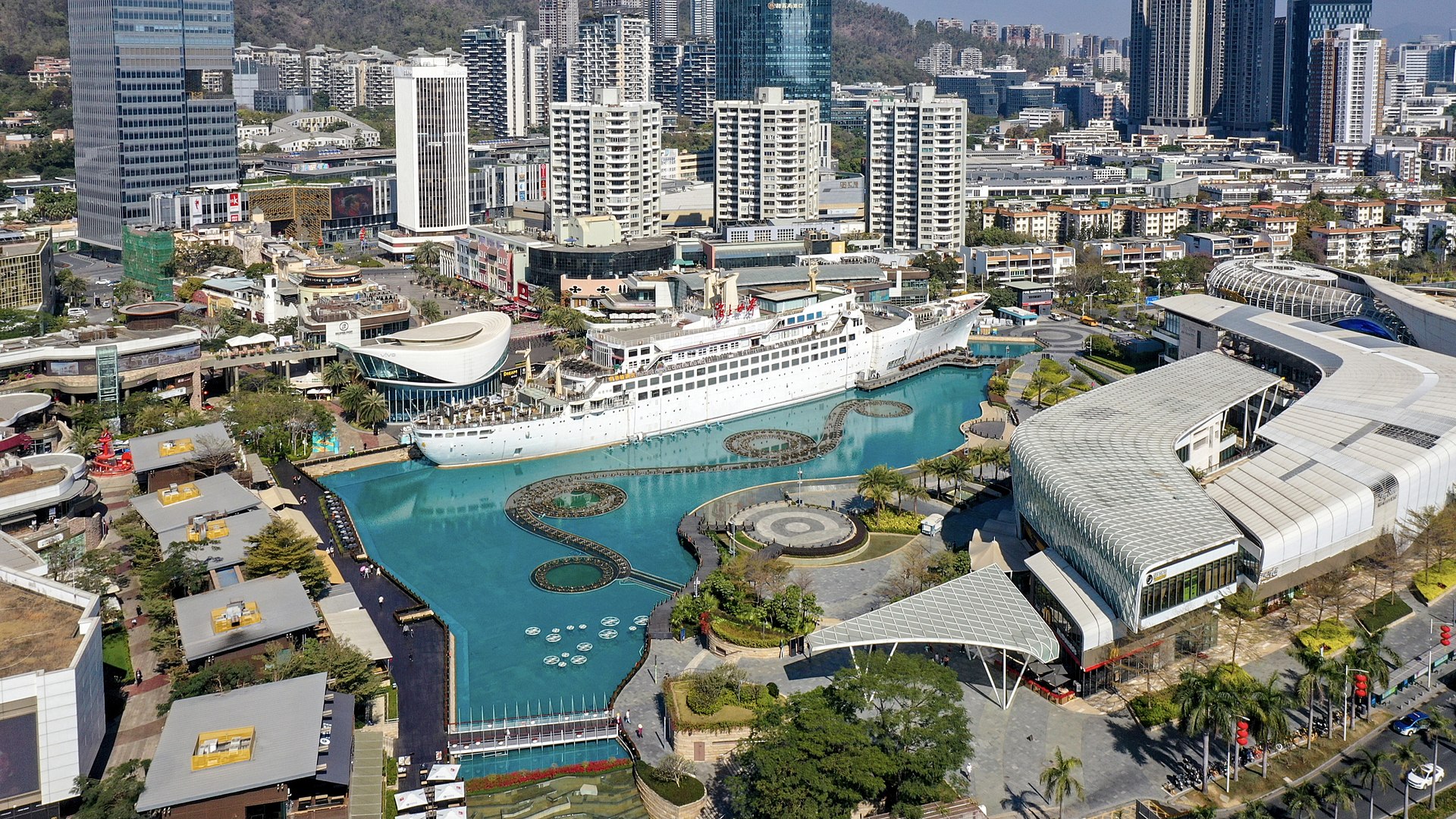
Shenzhen is unusual among Chinese cities because it sits right against Hong Kong: you can fly direct into Bao'an (SZX) in about three hours, fly into Hong Kong — where flights from Thailand are more frequent — and reach the city centre by a 14-minute train, or fly into Guangzhou and connect by high-speed rail. This guide compares all three, with fares and what to know before you book.
Few Chinese cities give you as many ways in as Shenzhen, simply because it sits right on the Hong Kong border. The first option is to fly direct into Shenzhen Bao'an International Airport (SZX) from Suvarnabhumi and Don Mueang — about 3 to 3.5 hours, with daily flights adding up to roughly 40 a week. That is about as close as flying within Southeast Asia.
The second is to fly into Hong Kong (HKG), which has far more frequent flights from Thailand than SZX, then take the high-speed train from West Kowloon into Futian station (福田) in central Shenzhen in just 14 minutes — fast enough that many travellers treat it as their main route. The third is to fly into Guangzhou (CAN) and connect by high-speed rail to Shenzhen North in about 30–35 minutes, which is ideal if you want to see two cities on one trip.
One thing to understand first: Shenzhen is mainland China, while Hong Kong is a separate special administrative region with its own system. So crossing from Hong Kong into Shenzhen means entering mainland China — you pass through immigration and must meet the entry rules. The good news is that Thai passport holders can currently enter China visa-free for tourism. Verify the latest conditions before you travel at the visa-free entry guide.
Fly direct to SZX for speed · land in Hong Kong for the 14-minute train · land in Guangzhou for two cities — all three work, so choose by fare and plan.
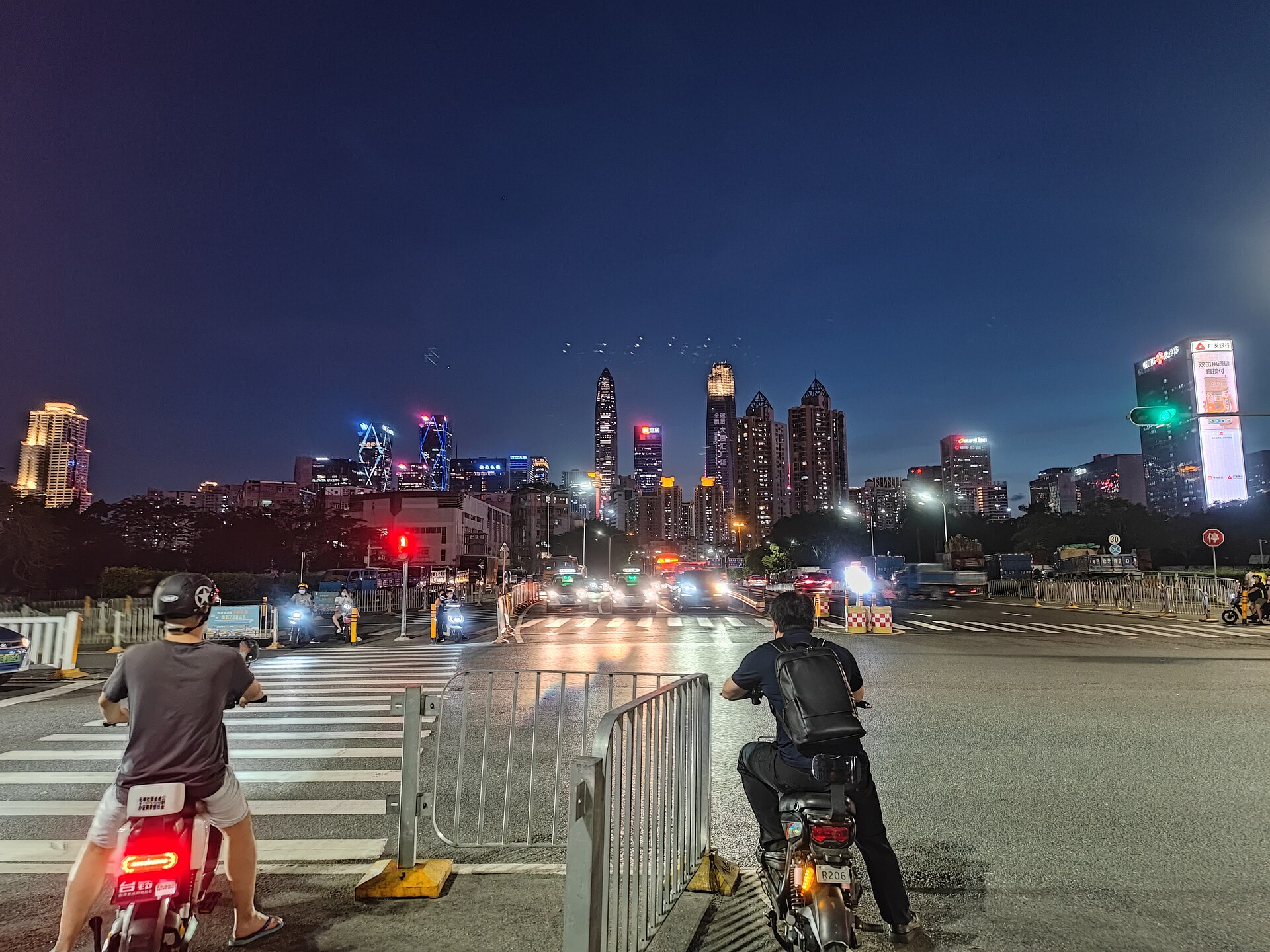
The main, most straightforward option, with daily direct flights from both Suvarnabhumi and Don Mueang. Land at Bao'an and take Metro Line 11 straight into Futian or Nanshan — it suits almost any trip where Shenzhen is the focus and you would rather not cross the Hong Kong border.
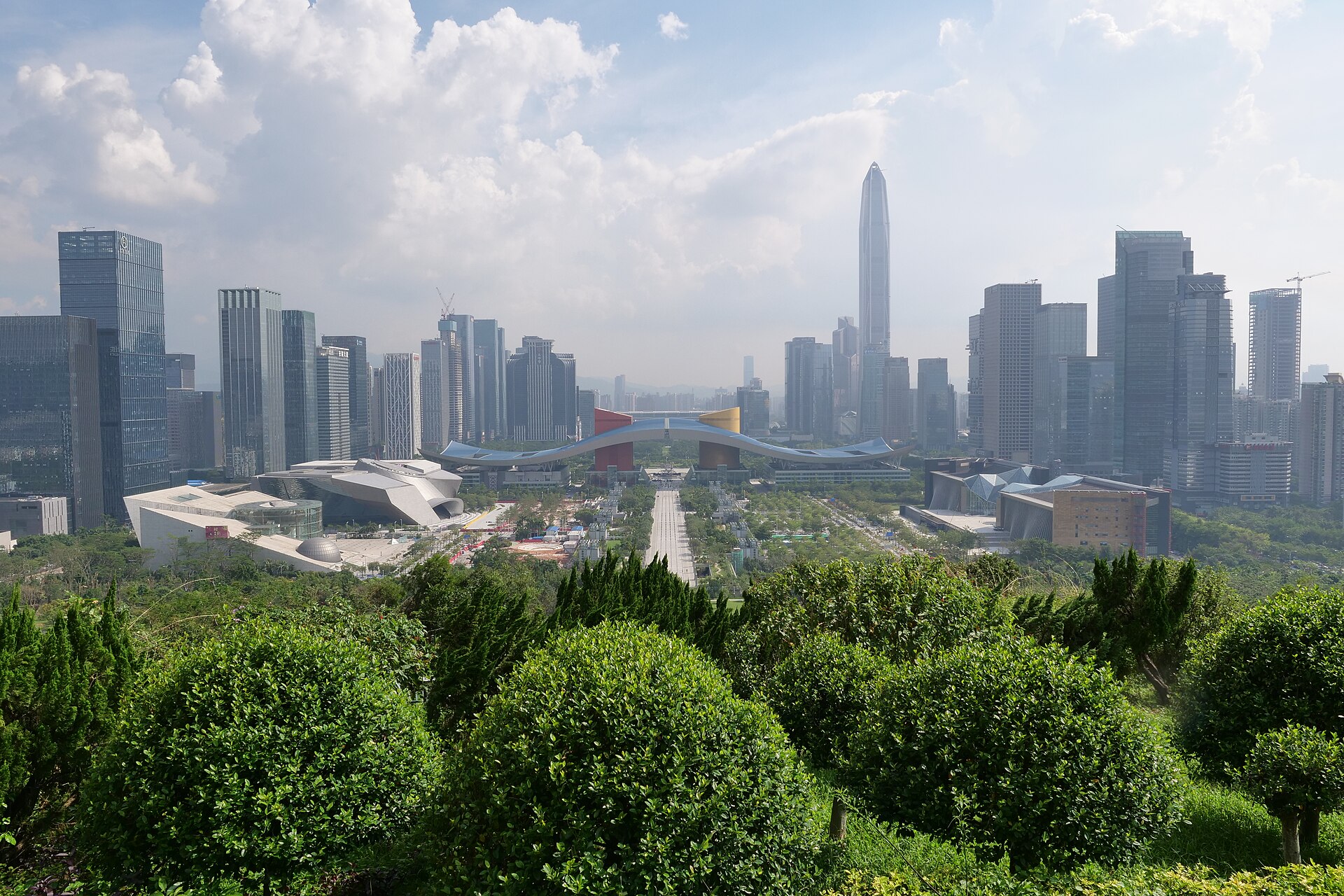
Hong Kong has far more frequent flights from Thailand than SZX, so if a direct fare into Bao'an is pricey or off your dates, look here. After landing, take the high-speed train from West Kowloon into Futian in central Shenzhen in just 14 minutes (¥64–75), or cross a land border by Metro. Allow time for immigration on both sides.
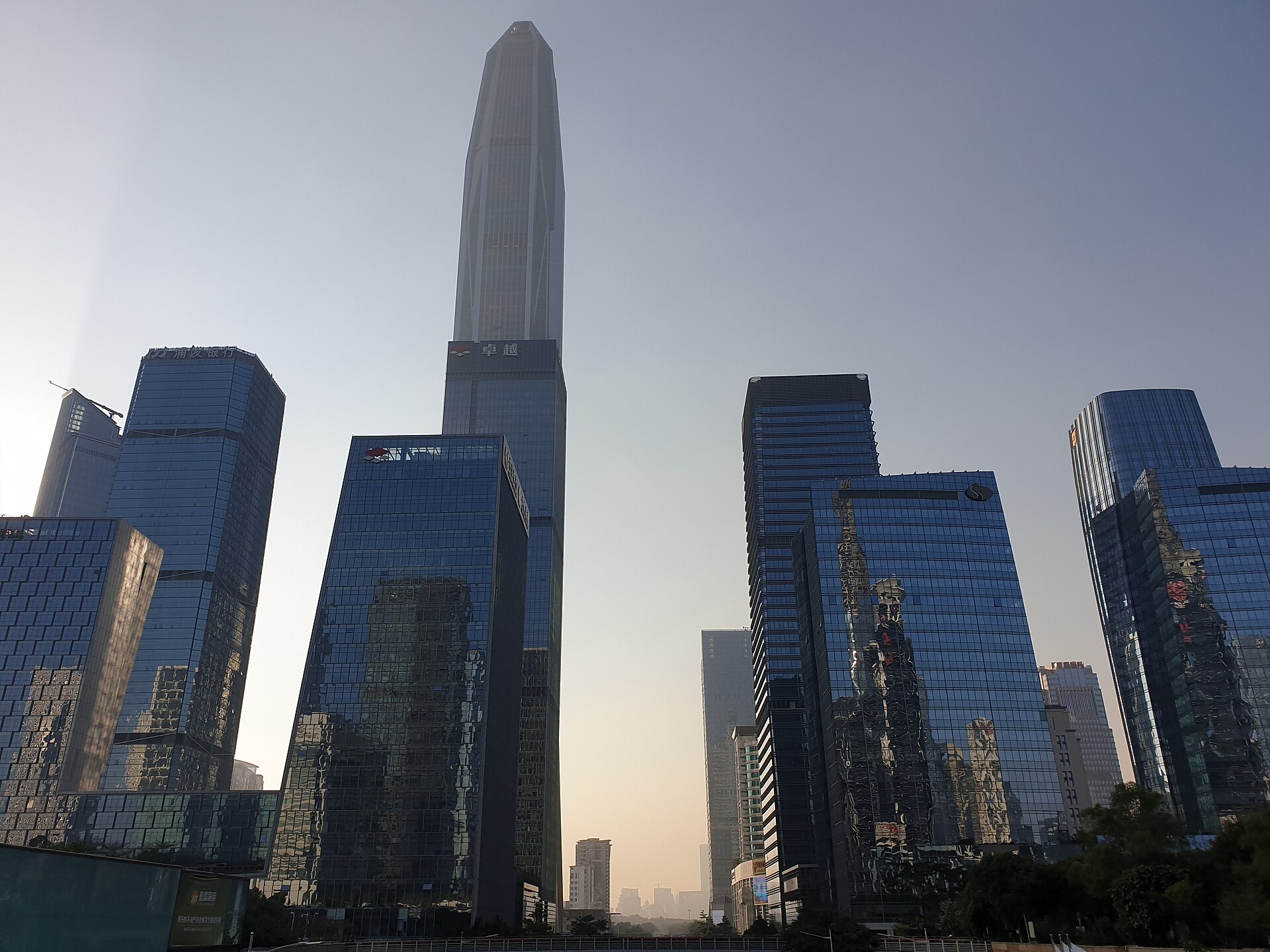
Both full-service and low-cost, daily · Schedules change seasonally — check current routes before booking.
| Airline | Type | Departs from | What's included | Notes |
|---|---|---|---|---|
| China Southern (CZ) | Full Service | Suvarnabhumi (BKK) | Checked bag + meal + seat selection | China's largest airline, serving this route consistently with Airbus A320-family jets and several departures to choose from. |
| Shenzhen Airlines (ZH) | Full Service | Suvarnabhumi (BKK) | Checked bag + meal + seat selection | The local carrier hubbed at Shenzhen (a Star Alliance member), so it runs frequent flights into SZX with full service. |
| Thai AirAsia (FD) | Low Cost | Don Mueang (DMK) | Base fare only — bag/seat charged separately | A popular budget option out of Don Mueang; book ahead for the best base fare. Ideal if you travel light, though it flies fewer frequencies than the full-service carriers. |
| Thai Lion Air (SL) | Low Cost | Don Mueang (DMK) | Base fare only — bag/seat charged separately | Another low-cost carrier from Don Mueang, flying the route on selected days. Base fares are often low — add bag and seat before you compare. |
Bao'an sits on the west side of the city, with an express metro line straight into the CBD — fast and cheap.
Every flight from Thailand lands here, at a large airport designed by a renowned architect. The main passenger building is Terminal 3 (T3), which is big and easy to walk, handling both domestic and international flights. Once you clear immigration, follow the English signage down to the metro station beneath the airport.
The most popular way in is Metro Line 11 (the airport express — faster than other lines, with a Business-Class car that has comfortable seating and luggage racks), running straight into Futian and Nanshan in about 45–55 minutes for ¥7–10. Metro Line 1 (Luobao) serves Luohu and the old town. Airport buses reach every district for about ¥20–30. A taxi or DiDi runs about ¥100–130 to Futian (around 50 minutes), ¥80–100 to Nanshan, or ¥130–150 to Luohu — easiest with heavy bags.
At 3 to 3.5 hours, the Bangkok–Shenzhen leg is a short, easy hop — and because Thailand and China share the same time zone, you step off the plane on the same clock with no jet lag. On a full-service carrier you get a meal and checked bag included; on a budget airline, if you are travelling as a family or with heavy bags, it is worth pre-buying a seat and your baggage allowance at booking, which is usually far cheaper than paying at the airport.
If you choose to fly into Hong Kong and take the train, there is one thing worth knowing about the border: the Hong Kong–Shenzhen high-speed line uses a "single-station" (co-location) immigration system at West Kowloon, meaning you clear both Hong Kong departure and China arrival in the same building before you board. So the moment you reach Futian, you simply walk out into the city. Allow a little extra time at peak hours, but overall it is far smoother than you might expect.
Land at Bao'an and clear immigration once inside the airport — no double border crossing. Best for anyone focused on Shenzhen or wary of fiddly borders. Take Metro Line 11 straight into Futian; the only thing to watch is the rush-hour crowds.
Hong Kong and Guangzhou have very frequent flights from Thailand, so if a direct SZX fare is pricey or sold out, look at this. From Hong Kong West Kowloon into Futian is 14 minutes; from Guangzhou South into Shenzhen North is 30–35 minutes. You pick up another city along the way, but allow time for immigration and the transfer, and bring a valid China visa.
The best season in Shenzhen — dry, cool and clear at around 18–26°C. Fares are reasonable if you avoid Golden Week in early October, when tickets and hotels surge and the theme parks pack out.
Mild and pleasant at around 12–20°C, with the odd grey or damp day. Fares are at their lowest outside Chinese New Year — but during the New Year period prices surge and seats fill fast, so avoid it if you can.
Warmer and very humid, with foggy and drizzly days. It is still a workable time to visit, with mid-range fares — though the early-May Labour Day holiday pushes prices up, so book ahead.
Hot and very humid, with heavy rain and the typhoon season (July–September), which can delay or cancel flights. Fares run mid-to-high as Chinese school holidays add demand — keep a backup plan in mind during typhoons.
Once you are in Shenzhen, you are perfectly placed to go anywhere. Shenzhen North and Futian are high-speed rail hubs linking the whole region: Guangzhou South in about 30–35 minutes · Hong Kong (West Kowloon) from Futian in 14 minutes · Guilin in around 3 hours · Changsha in around 3 hours. Many travellers pair Shenzhen with Hong Kong or Guangzhou on one trip, since they sit barely half an hour apart or less — and within the city, a metro network of more than 17 lines reaches every district.