Ordered by what's most rewarding — out to see the real thing
Sorted from easiest to furthest, with an honest note on which is half a day or a full day — and the Hong Kong trip comes with a visa point to read first.
If you can make only one trip out of the city, make it Hong Kong — and what amazes people is how absurdly fast it is. A high-speed train from Futian station in central Shenzhen reaches Hong Kong West Kowloon in about 14 minutes. The station is co-location, meaning you clear both mainland China and Hong Kong immigration under one roof, so you step off the train and you're in Tsim Sha Tsui.
A single day in Hong Kong covers a lot — the Peak Tram up to Victoria Peak, the Avenue of Stars along Victoria Harbour, the Symphony of Lights show at 8pm, dim sum, shopping in Mong Kok, or a Star Ferry crossing. The most important thing to read first: Hong Kong is a separate immigration jurisdiction from mainland China. See the "Before you go" section below for the visa details in full, or you may not be able to get back into Shenzhen.
Fancy real Cantonese dim sum from the source in a single day? Guangzhou, the capital of Guangdong and the birthplace of Cantonese food, is only ~30–45 minutes from Shenzhen by G-series high-speed train — as little as 29 minutes — running so often it feels like an intercity metro.
Get off at Guangzhou South and take the Metro in. What you can fit in a day — a yum cha (dim sum) breakfast in an old teahouse; Shamian Island, a leafy enclave of European colonial buildings on the Pearl River that's lovely to stroll and photograph; the Chen Clan Academy with its intricate carvings; and at dusk, the Canton Tower, the 600 m "slim waist" tower, for night views over the city. Honestly, Guangzhou is huge — pick one zone and enjoy it rather than racing across the whole city.
 3
3
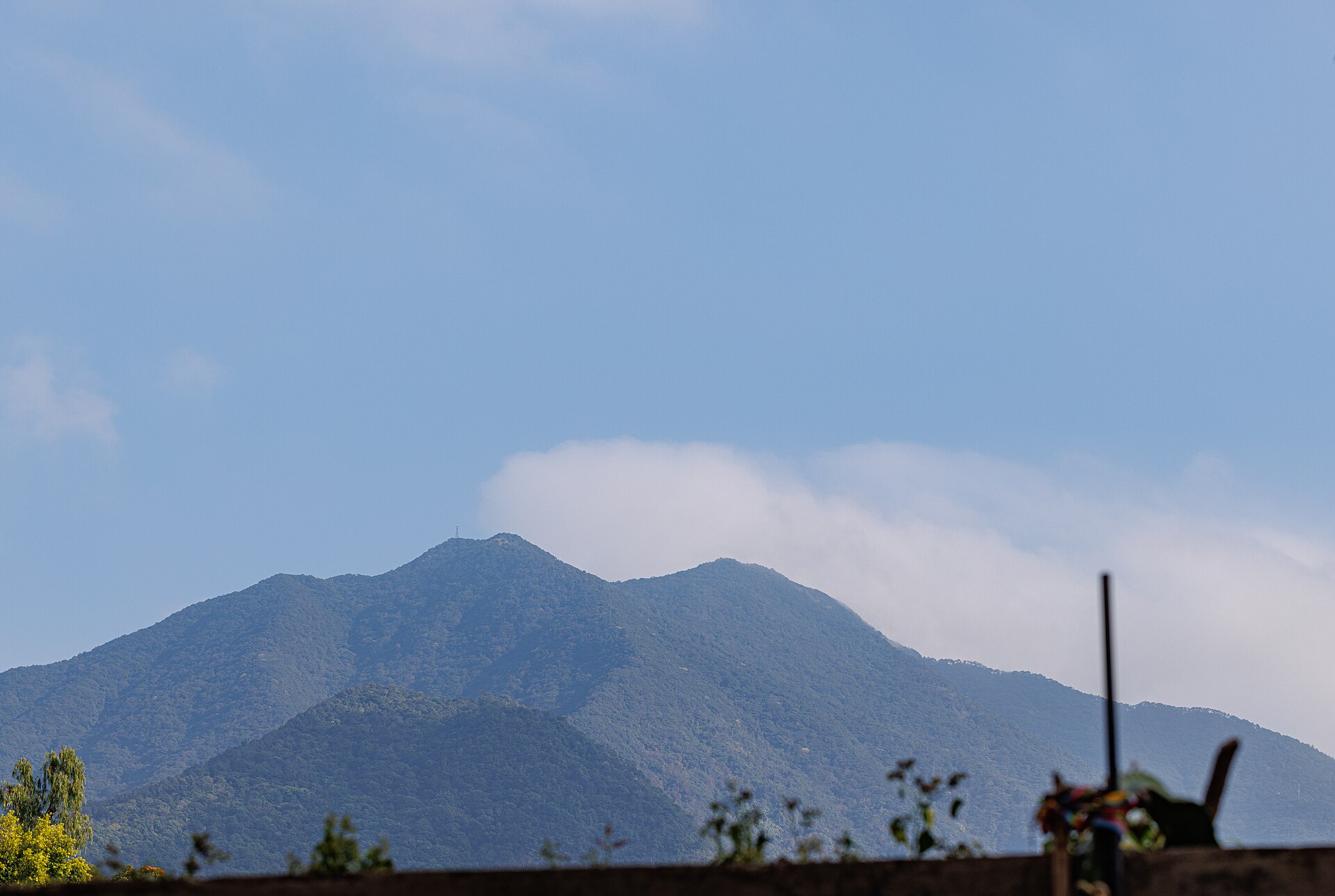
Tired of glass towers and want to breathe in a forest? Wutong Mountain is the answer, and it's right in town — Shenzhen's highest peak at 943.7 metres, free, with no entry ticket, and a trail the locals love so much that weekends get genuinely busy. There's the Big Wutong summit and the smaller Little Wutong, so you can pick to suit your legs.
The route up Big Wutong is a long, continuous incline — a decent effort, about 3–4 hours up. A reasonably fit person can manage it, but bring water and proper trainers and start early. The reward: on a clear day you can see all the way to Hong Kong and the South China Sea, and at dawn there's a good chance of a cloud sea drifting through the valleys — beautiful enough that people happily set off at 4am. Honestly, this is the best-value free trip in Shenzhen, as long as your legs are up to it.
Want to see Shenzhen with no skyscrapers in sight? Head out to the Dapeng Peninsula in the city's east, where you'll find Dapeng Fortress, an old walled town built in 1394 during the Ming dynasty to fend off pirates. Inside are winding stone lanes, former generals' residences, shrines and small cafés set in old houses — free to wander, and a world away from the downtown towers in atmosphere.
The other draw out here is the quiet east-coast beaches — drive a little further to Yangmeikeng, a coastal road with mountains on one side and the sea on the other, where the water is far clearer than the city beaches and you can rent a bike to ride along. Honestly, this trip needs a fair bit of travel time since there's no metro all the way, and on holidays the traffic is heavy — go on a weekday and you can comfortably do both the fort and a beach in one day.
Dongguan is a big industrial city sitting between Shenzhen and Guangzhou — a bonus trip for anyone staying in Shenzhen a while who wants a change of scene, or visiting for business or factories. It's very easy to reach, with frequent high-speed and intercity trains that take only about 20–40 minutes depending on the station and service.
Dongguan isn't a tourist city like Hong Kong or Guangzhou, but it has points of interest — the Opium War Museum at Humen, the historic spot where Lin Zexu destroyed seized opium in 1839; large parks; and old temples. Honestly, if your time is limited, Hong Kong, Guangzhou and Wutong Mountain are better value. But if you're here a while and want to tick off the Pearl River Delta cities, Dongguan is an easy half-day add-on.