Home Destinations 🇯🇵 Japan Tokyo Guide Tokyo Food Guide 🍜 Shinjuku Food Guide 🧭 Travel Guide About 🇹🇭 ไทย🇬🇧 English🇨🇳 中文🇪🇸 Español🇫🇷 Français
🍜 Food Guide · Updated 2026

Where to Eat
in Shinjuku

The smoky yakitori alley of Omoide Yokocho · the tiny-bar maze of Golden Gai · queue-out-the-door ramen · 24-hour eats for when you miss the last train · hot-stone gyukatsu · and great-value bites right by the world's busiest station — a walkable Shinjuku food guide with real 2026 prices and how to get there.

Quick Overview

You Step Off the Train at Shinjuku— So Where Do You Eat First?

Let's be honest: Shinjuku overwhelms most people the moment they leave the platform. It's the world's busiest station, handling more than 2.7 million passengers a day (a Guinness World Record), with 69 exits to choose from. It sounds intimidating — but once you know which alley the yakitori smoke is curling out of, and which lane hides the tiny bars, the whole place suddenly clicks into place.

When it comes to food, Shinjuku has it all within a few minutes' walk. There's Omoide Yokocho, the retro yakitori alley where charcoal smoke hangs over the whole lane; Golden Gai, a maze of more than 200 matchbox-sized bars; cult ramen shops like Fuunji and Menya Musashi with lines down the block; hot-stone gyukatsu worth queuing for; and 24-hour spots ready when you miss the last train. We've mapped it out as a stop-by-stop eating plan, with real 2026 prices, transit directions, and the things worth knowing before you sit down.

🍢
A Yakitori Alley
Omoide Yokocho packs 60-plus retro yakitori and izakaya counters into one smoky lane.
🏮
200+ Tiny Bars
Golden Gai is a 6-alley maze of bars seating just 4–8 people each — found nowhere else.
🌙
Eat Till Sunrise
Plenty of 24-hour spots — miss the midnight train and there's still ramen, gyoza, and BBQ.
🚆
All by the Station
The main food spots sit within a 5–10 minute walk of Shinjuku Station — no extra trains needed.
8 Spots Worth Eating

Eating Your Way Through Shinjuku— From Dusk to Dawn

Ordered the way you'd actually eat — starting with the yakitori alleys at dusk, on to ramen and gyukatsu, then closing with tiny bars and late-night spots. Each listing has real prices, how to get there, and tips drawn from real reviews.
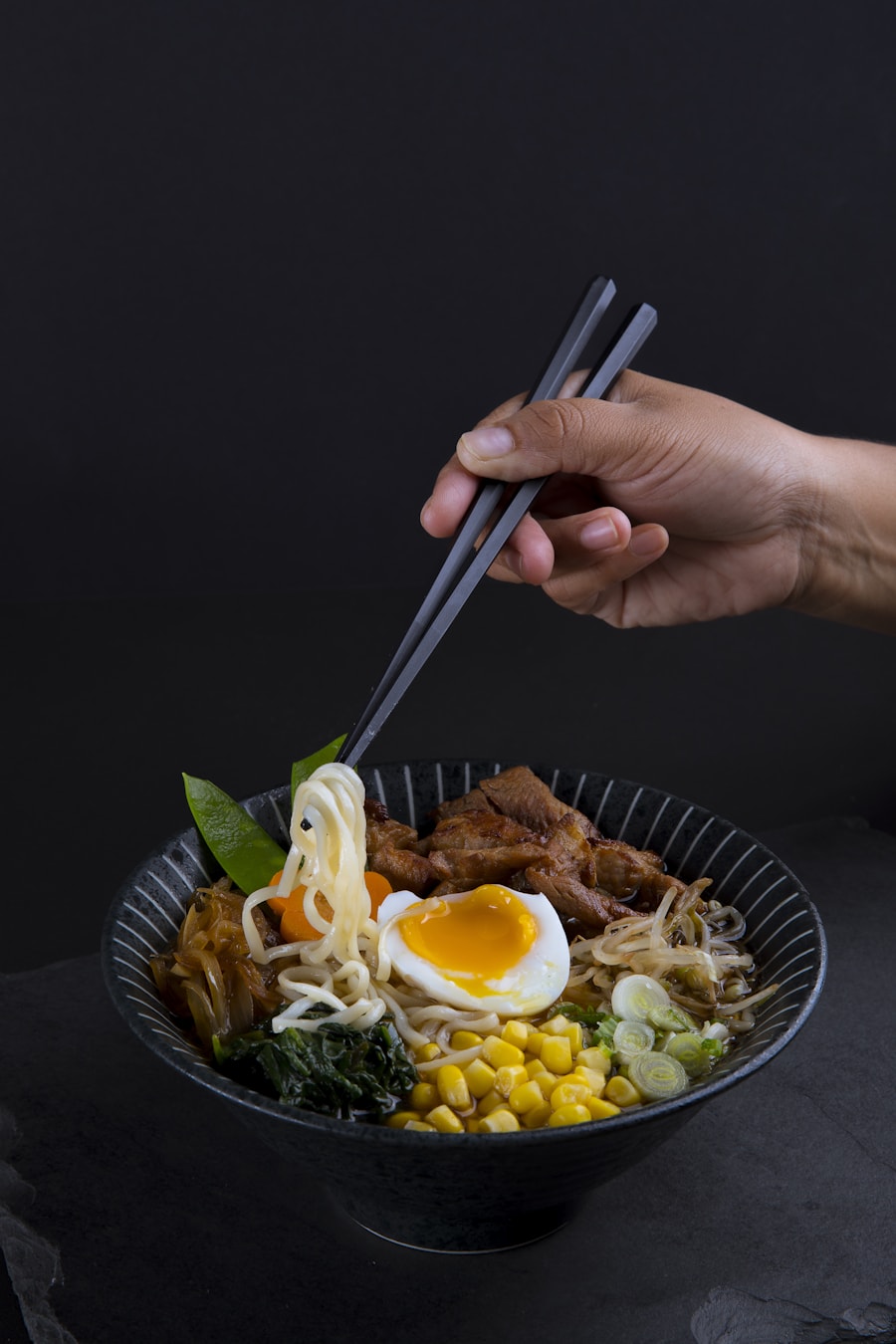
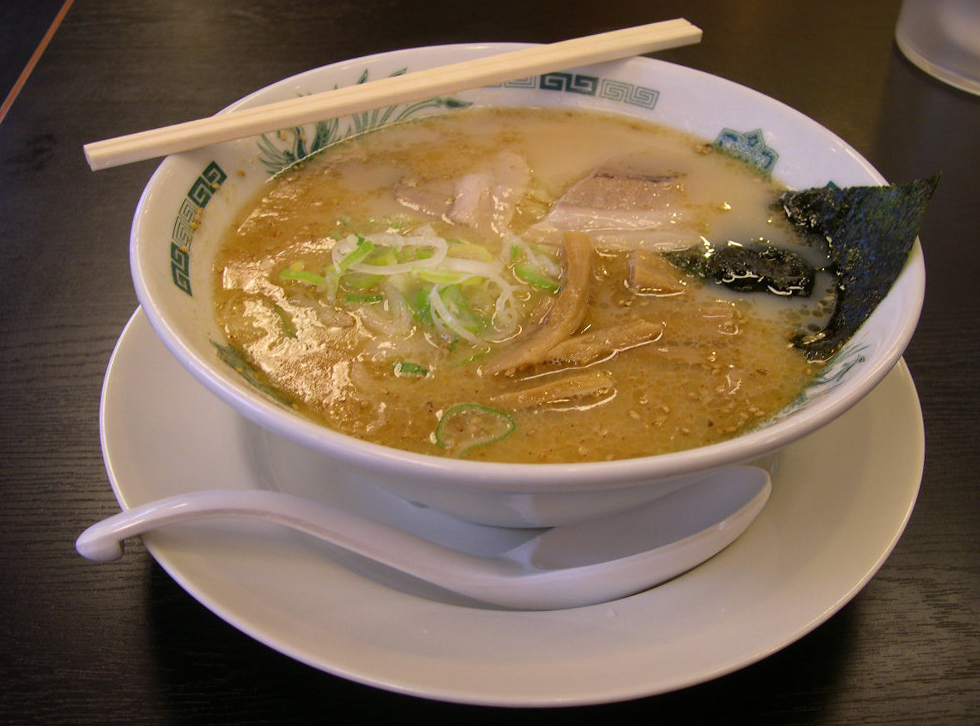
A hot bowl of ramen, evoking a dinner in the food alleys of Shinjuku's Omoide Yokocho 🍢 Retro Alley1
Illustrative: a bowl of ramen — the spirit of a Shinjuku alley dinner
Omoide Yokocho
Memory Lane · West Exit

A narrow lane beside Shinjuku Station's West Exit where yakitori smoke drifts down the whole alley from early evening. Around 80 premises — roughly 60 bars and restaurants — are crammed into about 2,000 square metres, mostly yakitori and grilled-offal counters. You sit elbow to elbow with strangers, order skewer by skewer, and nurse a beer. This is the Showa-era Tokyo atmosphere you simply can't find in the city's newer districts.

📍Location: Beside Shinjuku Station West Exit — under a 3-minute walk
Hours: Most shops 17:00–midnight (some serve lunch) · many closed Sundays
💴Prices: Skewers ¥150–300 · beer ¥300–500 · full meal with drinks ¥2,000–4,000/person
💡Tip: Arrive 16:00–17:30 to skip the wait; 18:00–20:00 is liveliest but packed. Most places are cash-mostly — bring small bills.
Tokyo Food Guide →
A bowl of rich, creamy ramen broth, like the chicken-and-fish tsukemen dip at Fuunji Shinjuku 🍜 Legendary Tsukemen2
Illustrative: a rich ramen broth — Fuunji is famous for tsukemen (dipping noodles)
Fuunji
Fūunji · West Shinjuku

Say tsukemen (noodles served separately for dipping) in Shinjuku and Fuunji is the name that comes up first. The dipping broth is made from chicken and dried fish, simmered down until it's thick and intensely savoury — you'll be hooked from the first dip of those chewy noodles. The small shop is tucked away on the west side and there's almost always a line, but the good news is the tables turn over fast.

📍Location: West Shinjuku, a few minutes' walk from the station
Hours: Lunch through dinner — check the latest hours, as popular shops close when the soup runs out
💴Prices: Tsukemen around ¥1,000+ (before tax)
💡Tip: Arrive before opening to be in the first wave, buy your meal ticket at the vending machine first, and ask for the "soup-wari" (broth to dilute the intense dipping sauce) at the end.
Tokyo Food Guide →
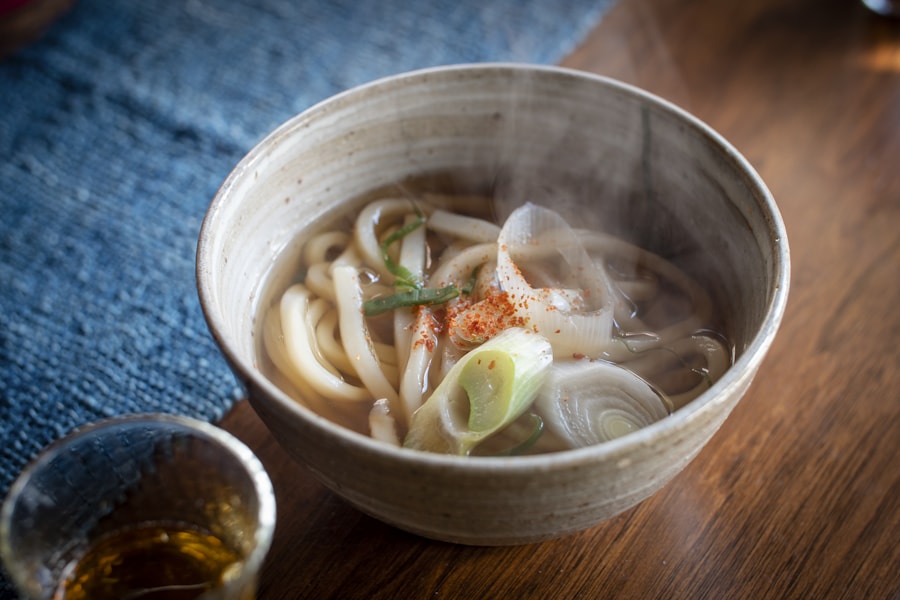
A bowl of Japanese noodles in clear broth, representing the double-soup ramen at Menya Musashi Shinjuku 🍜 Double-Soup Ramen3
Illustrative: a Japanese noodle bowl — Menya Musashi is known for its double-soup technique
Menya Musashi
Menya Musashi · Shinjuku

Open in Shinjuku since 1996, Menya Musashi has become a name ramen lovers know across the city. Its signature move is a "double soup" — two stocks blended together for a rounder, deeper flavour. The signature bowl arrives with a thick slice of stewed pork and a soft-boiled, soy-marinated egg. The shop is named after Miyamoto Musashi, the legendary swordsman, and the interior carries that same dark, serious mood.

📍Location: Shinjuku (main branch), walkable from the station
Hours: Lunch–dinner; lines form for weekday dinner — check the latest hours first
💴Prices: Musashi ramen with toppings around ¥1,150+ (before tax)
💡Tip: Order extra noodles (kaedama) if you're hungry. There are several branches around Shinjuku — pick whichever has the shorter line.
Tokyo Food Guide →
A bowl of tonkotsu pork-bone ramen, the style served at Ichiran's Shinjuku branch 🍜 Solo Booths4
Illustrative: tonkotsu ramen — Ichiran serves it in private booths
Ichiran
Ichiran · East Exit area

The tonkotsu ramen chain that almost every visitor has heard of. Its hook is the solo "flavour concentration booth" — a partitioned cubicle where you don't have to talk to anyone, and you customise your bowl (broth richness, noodle firmness, spice level) on a paper order sheet. It's ideal if you're dining alone or feel shy about the language. There's a branch near Shinjuku Station's East Exit.

📍Location: Near Shinjuku Station East Exit (branches across the city)
Hours: Open late; many branches run most of the day — check your branch first
💴Prices: Tonkotsu ramen from ~¥980+ · extra pork/egg/onion ¥120–250 each
💡Tip: Order and pay at the vending machine before entering the booth. Try the original spicy sauce at level 1–2 if you don't want it too hot.
Tokyo Food Guide →
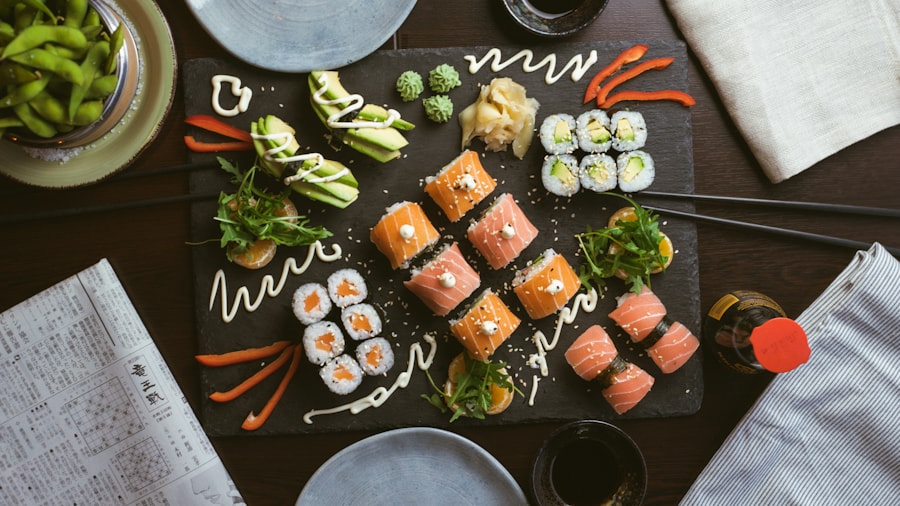
A spread of Japanese food, representing a gyukatsu meal in Shinjuku's Kabukicho 🥩 Grill It Yourself5
Illustrative: a Japanese food spread (not the gyukatsu restaurant itself)
Gyukatsu Motomura
Gyukatsu Motomura · Kabukicho

Crispy panko-breaded beef cutlet served rare in the middle, with a personal hot stone so you sear each bite yourself to your liking — this is the gyukatsu that keeps the lines going all day. The main branch sits in the heart of Kabukicho, about a 2-minute walk from the East Exit, served with rice, miso soup, and shredded cabbage. The most popular set pairs the cutlet with tororo (grated mountain yam) for about ¥1,400.

📍Location: Kabukicho, ~2-minute walk from the East Exit (several branches)
Hours: Lunch–dinner; lines almost constant — check your branch's hours
💴Prices: Around ¥1,500–2,500/person · popular tororo set ~¥1,400
💡Tip: The main branch (Honten) takes online reservations via TableCheck (3+ guests); other branches are queue-only — arrive before opening for the shortest wait.
Tokyo Food Guide →
A small, intimate drinking spot, evoking the tiny bars of Shinjuku's Golden Gai 🏮 Bar Maze6
Illustrative: a small drinking spot — the vibe of a Golden Gai bar
Golden Gai
Shinjuku Golden Gai · 6 alleys

A maze of six tiny lanes packing more than 200 matchbox bars into a tight grid, each seating just 4–8 people. Every bar has its owner's personality stamped on it — one plays nothing but rock, another is themed around films. There's nowhere else in Tokyo quite like it. But there's one rule to know before you walk in: the seating fee.

📍Location: Beside Kabukicho, a 7–10 minute walk from Shinjuku Station
Hours: Most bars open evening to late; some run until morning
💴Prices: Seating fee ¥500–1,500/person (often includes first drink/snack) · drinks ¥700–1,500 · budget ¥3,000–5,000/person for 2 hours
💡Tip: Always confirm the cover charge before sitting. Beginner-friendly, no-cover bars like Albatross and Ace's make a good first stop.
Tokyo Food Guide →
A steaming bowl of ramen, representing Shinjuku's 24-hour late-night eateries 🌙 Open 24 Hours7
Illustrative: a steaming ramen bowl — a Shinjuku midnight meal
24-Hour Eats
Late-Night Eats · Golden Gai & Kabukicho

Most last trains in Tokyo run around midnight to 1 am — and if you miss one, Shinjuku still gives you plenty of places to eat until the first morning trains. The most-recommended is Ramen Nagi in Golden Gai (open 24 hours, famous for a broth built from over 20 kinds of dried fish), about a 6-minute walk from JR Shinjuku Station. Kakekomi Gyoza in Kabukicho is open 24/7 with many styles of gyoza, and several budget yakiniku spots in Kabukicho stay open until morning too.

📍Location: Spread across Golden Gai and Kabukicho, 5–10 minutes from the station
Hours: Many open 24 hours — check the latest status on a map before walking over
💴Prices: Ramen/gyoza around ¥900–1,500 · budget yakiniku ¥3,000–5,000/person
💡Tip: Kabukicho is lively late, but you'll meet street touts in some lanes. Stick to main streets and choose places with clearly posted menus and prices.
Tokyo Food Guide →
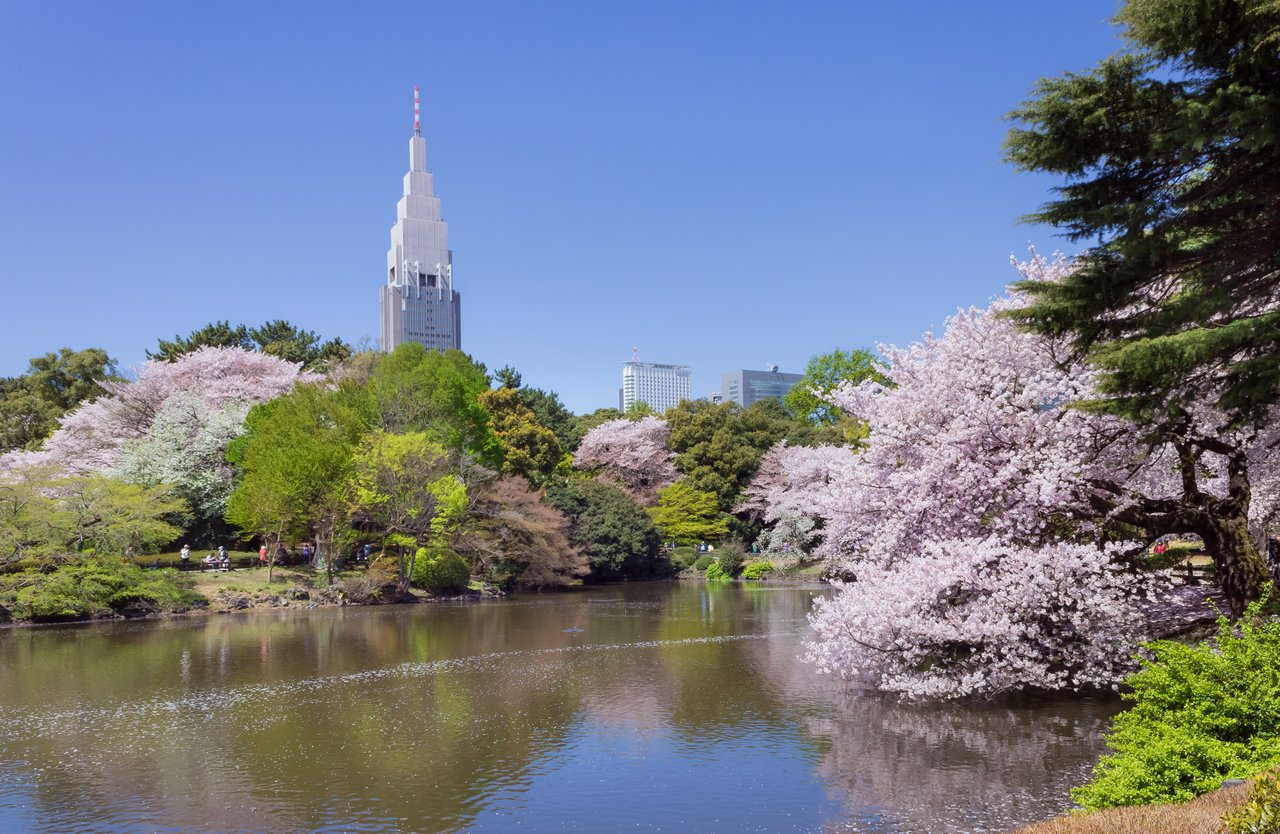
Shinjuku Gyoen park in cherry blossom season with the NTT Docomo tower behind 🌸 Daytime Reset8
Photo: Shinjuku Gyoen in cherry blossom season (a real photo of the site)
Walk It Off at Shinjuku Gyoen
Shinjuku Gyoen · Daytime

After a night of heavy eating, spend the next day strolling Shinjuku Gyoen — a large city-centre garden that blends Japanese, English, and French styles. In late March to April it's one of Tokyo's most famous cherry blossom spots, and a perfect place to rest before the evening alleys reopen. Cafés and sweets shops ring the garden, and you can grab a bento by the station to eat on the lawns.

📍Location: ~10-minute walk from Shinjuku Gyoenmae or the station's South Exit
Hours: Closed Mondays (may open daily in cherry blossom season) · entry fee applies — check the latest hours/prices on the official site
💴Prices: A few hundred yen to enter · grab a bento by the station to eat inside
💡Tip: Cherry blossom season is very busy — arrive at opening for the best atmosphere. Alcohol is not allowed inside the garden.
Tokyo Attractions →
Getting There · Updated 2026

Reaching ShinjukuWithout Getting Lost

Shinjuku Station has 69 exits, so keep it simple: the main food spots are at the West Exit (Omoide Yokocho) and the East Exit (Kabukicho / Golden Gai / gyukatsu), while Shinjuku Gyoen is by the South Exit.

✈️ From Narita Airport (NRT)

The Narita Express (N'EX) runs directly to Shinjuku Station with no transfers, taking about 80 minutes. A one-way reserved seat is ¥3,250. Foreign passport holders can buy the N'EX Tokyo Round Trip Ticket for ¥4,070 return. Free with a JR Pass.

✈️ From Haneda Airport (HND)

Easiest is to take the train/monorail into the city and change to the JR Yamanote Line to Shinjuku, or take an Airport Limousine Bus straight to a Shinjuku-area hotel. Fares vary by route — check the latest fares on the official sites before you travel.

🚇 Around the City — Trains & Subway

The JR Yamanote/Chuo lines and the Tokyo Metro/Toei subways link Shinjuku to all of Tokyo. Tap an IC card (Suica/PASMO) on any line. Frequent Metro riders (foreign passport holders) can buy the Tokyo Subway Ticket: 24 hr ¥1,000 · 48 hr ¥1,500 · 72 hr ¥2,000 (Tokyo Metro + Toei only, not JR).

🚪 Pick the Right Exit

West Exit → Omoide Yokocho + Metropolitan Government Building · East Exit → Kabukicho, Golden Gai, gyukatsu, Ichiran, Shinjuku Sanchome · South Exit → Takashimaya Times Square + the way to Shinjuku Gyoen · The East–West Passageway lets you cross under the station without passing through ticket gates.

Map

Where to Eat AroundShinjuku Station

See which side of the station the yakitori alley, bars, ramen, and late-night spots sit on — so you can plan one continuous evening walk.

Shinjuku Eating Tips

6 Things That Make Eating in ShinjukuSmoother and Stress-Free

💴
Carry Enough Cash
Retro alleys like Omoide Yokocho and many Golden Gai bars are still cash-mostly — always keep small bills and coins on you.
🪑
Ask About the Cover Charge
Tiny Golden Gai bars usually charge ¥500–1,500/person to sit. Confirm it clearly before you sit so the bill is no surprise.
🕔
Hit the Alleys Early
Get to Omoide Yokocho around 16:00–17:30 and you'll barely wait; 18:00–20:00 has the best atmosphere but the biggest queues.
🍜
Top Shops Close When Soup Runs Out
Cult ramen spots like Fuunji may close early once the soup's gone. Arrive before opening or skip the lunch peak.
🌙
Missing the Train Is Fine
Last trains run around midnight to 1 am. Miss one and the 24-hour spots will keep you fed until the first morning trains.
📶
Get an eSIM Before You Fly
Shinjuku is a labyrinth — data helps you navigate the station, check which shops are open or how long the queue is, and find the right exit.
Related Guides

Plan the Rest of Tokyo — Hotels, Food, and Sights

🏨

Hotels Near Shinjuku Station

A roundup of hotels within walking distance of Shinjuku Station — out early to the food alleys, back to your room fast after a late night. Every budget.

Shinjuku Hotels →
🍣

Full Tokyo Food Guide

Sushi · ramen · tempura · yakitori · Tsukiji market and the best of Tokyo eating, with prices and standout neighbourhoods.

Tokyo Food →
🗼

Top 10 Tokyo Attractions

Shibuya Crossing · Senso-ji · Shinjuku · Akihabara · Harajuku and the can't-miss sights across the city.

Tokyo Attractions →
🏙️

Full Tokyo City Guide

A complete overview of Tokyo across every tab — where to stay, eat, and explore, plus itineraries and trip prep.

Open Tokyo Guide →
🇯🇵

Full Japan Travel Guide

Every region and city, visa, budgets, IC cards, the JR Pass, and itineraries for first-time visitors.

Japan Guide →
ℹ️

Japan Travel Essentials

Visa · eSIM · IC cards · JR Pass · yen · plugs · etiquette — everything to sort before you fly to Japan.

Travel Essentials →
Frequently Asked Questions

FAQ —Eating in Shinjuku

Where should I eat in Shinjuku as a first-timer?
Start at Omoide Yokocho, the smoky yakitori alley beside the West Exit — retro atmosphere, skewers at ¥150–300 each, and a full meal with drinks for about ¥2,000–4,000 per person. For ramen, walk to Fuunji (tsukemen) or Menya Musashi on the west side. If you want to drink, head to Golden Gai with its 200-plus tiny bars. All three are within a 5–10 minute walk of Shinjuku Station.
What are Omoide Yokocho's hours and prices, and is it cash only?
Most shops open around 17:00 until midnight (a few serve lunch 11:30–14:00), and many close on Sundays. Yakitori skewers run ¥150–300, beer ¥300–500, and a full meal with drinks is roughly ¥2,000–4,000 per person. Most places are cash-mostly, so carry small bills and coins. A few now accept cards, but not all (updated 2026).
Does Golden Gai have a cover charge, and how much?
Most Golden Gai bars charge a seating fee (席料 sekiyo) of around ¥500–1,500 per person, which usually includes your first drink or a small snack (otoshi). Drinks run ¥700–1,500 each, so budget about ¥3,000–5,000 per person for a two-hour visit. Tip: always confirm the cover charge before sitting. Some bars advertise no cover (such as Albatross or Ace's) and make good first stops for newcomers.
Which ramen shops in Shinjuku are worth trying?
Fuunji on the west side is famous for tsukemen (dipping noodles in a rich chicken-and-fish broth) at about ¥1,000+ — long queues but fast turnover. Menya Musashi has been in Shinjuku since 1996, known for its double-soup technique, with ramen around ¥1,150+. Ichiran near the East Exit serves tonkotsu in solo dining booths, starting around ¥980+. For late nights, Ramen Nagi inside Golden Gai is open 24 hours.
Are there 24-hour restaurants in Shinjuku if I miss the last train?
Yes, several. Ramen Nagi in Golden Gai is open 24 hours, about a 6-minute walk from JR Shinjuku Station. Kakekomi Gyoza in Kabukicho is open 24/7 with many styles of gyoza. Several budget yakiniku spots in Kabukicho also stay open until morning. Last trains generally run around midnight to 1 am, so if you miss one there's plenty of room to eat until the first morning trains.
How do I get to Shinjuku from Narita Airport?
The Narita Express (N'EX) runs directly to Shinjuku Station with no transfers, taking about 80 minutes. A one-way reserved seat is ¥3,250 (updated 2026). Foreign passport holders can buy the N'EX Tokyo Round Trip Ticket for ¥4,070. If you have a JR Pass, you ride free. Check the latest fares on the official JR East website before you travel.
Ready to Go?

Stay Near the Food Alleys
Out Early, Back Late, Room in Minutes

Pick a hotel within walking distance of Shinjuku Station so you can hit the yakitori alleys at night and stroll home afterwards. See our roundup of Shinjuku-area hotels, or open the full Tokyo city guide to plan the whole trip.

🔴 Shinjuku Hotels Tokyo Food