12 dishes to try before you leave Tokyo
Ordered by how distinctive they are to the city — dishes you won't find quite like this anywhere else
 1
1
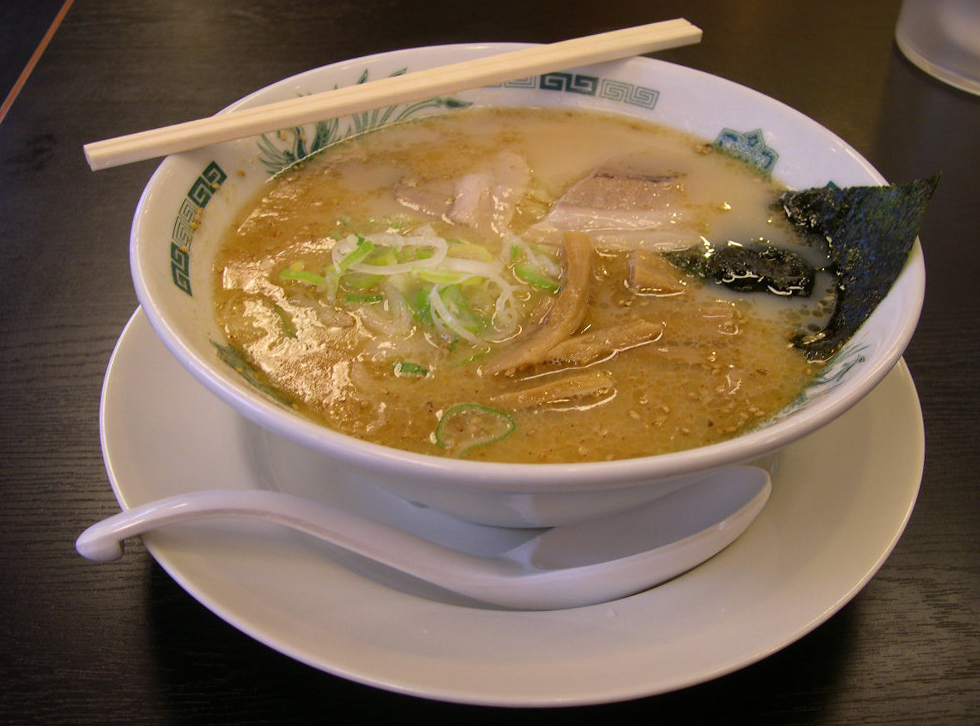
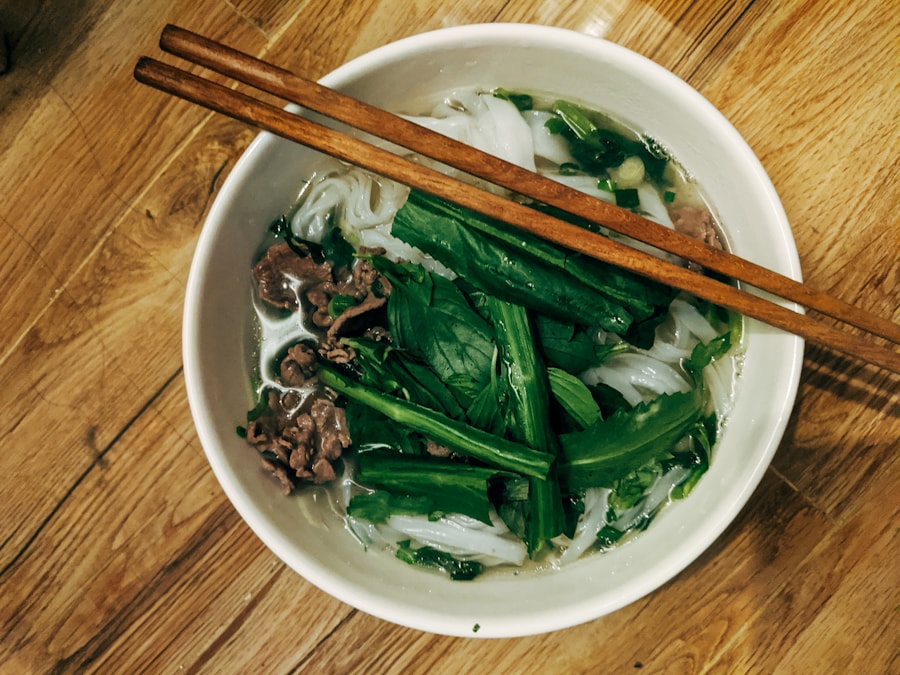
Ever tried it — the first bowl of ramen that makes you sit still for a moment and ask yourself, "Why has the bowl at home never tasted like this?" Tokyo is the only city in the world where every style of ramen can be found within ten train stations. Shoyu (clear soy-sauce broth) · tonkotsu (thick pork) · miso (rich and savoury) · shio (clear salt) — each one is a different world. Tokyo Ramen Street beneath Tokyo Station gathers 8 famous shops in one place; starting here won't disappoint.
 2
2
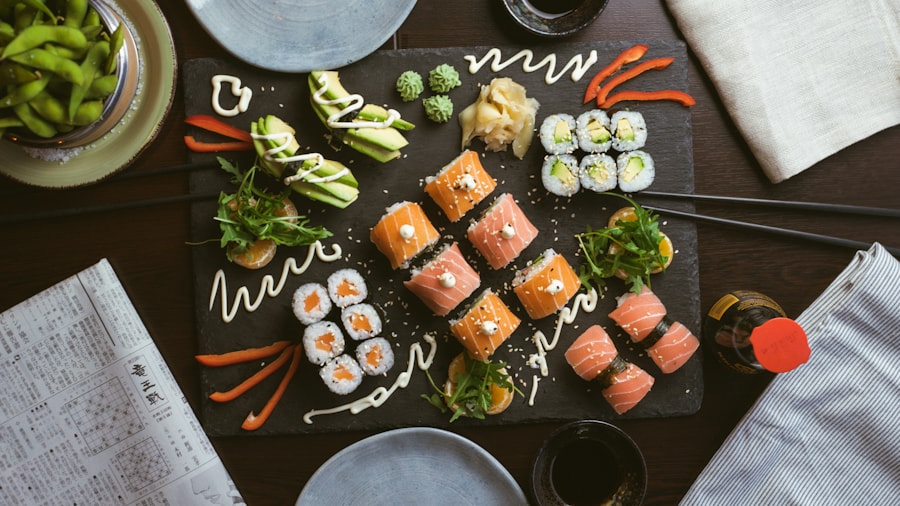
Sushi in Tokyo is Edomae sushi — the old-school style where the rice is seasoned with lightly fermented vinegar and fish from Tokyo Bay is cut and placed to be eaten in two bites without dipping in soy sauce. Start at Tsukiji Outer Market in the morning — sushi shops open from 05:30, the fish having left Toyosu market just hours earlier. Want to try kaitenzushi conveyor belt? Sushiro or Uobei start at ¥130 a plate. And if you're ready to invest, omakase at Sukiyabashi Jiro Honten in Ginza is a once-in-a-lifetime experience.
 3
3
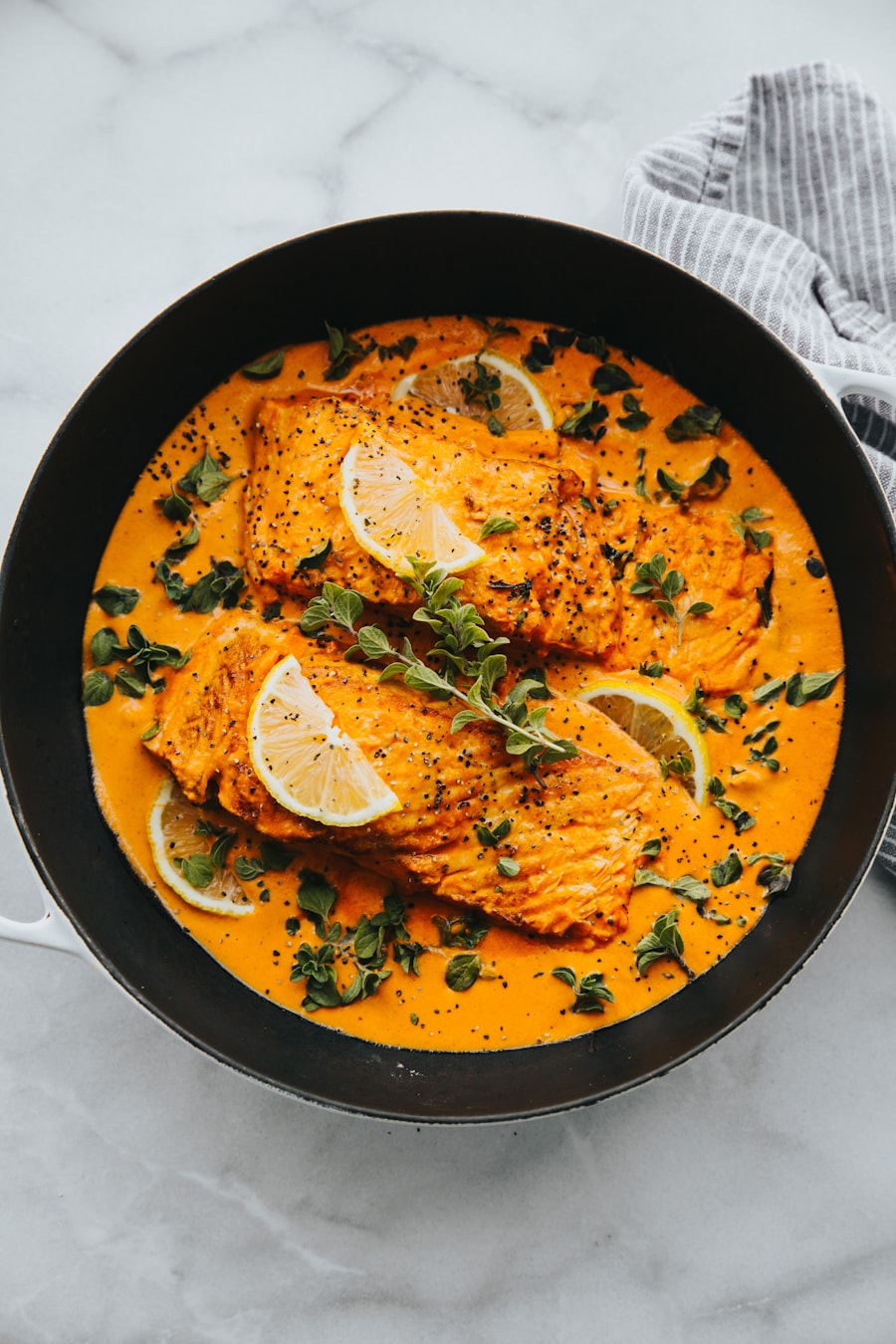
The tempura at Asakusa Daikokuya has been fried in sesame oil since 1887 — that alone tells you how seriously this city takes it. Ice-cold batter flash-fried in hot oil, the coating thin and translucent like wax paper wrapping the seafood inside. Tentsuyu sauce — dashi, mirin and grated daikon — cuts the richness. Daikokuya's signature is to coat the whole tray in rich sauce before serving rather than letting you dip, so the rice beneath the tempura soaks it up fragrantly. High-end shops like Tempura Tsunahachi Shinjuku serve one piece at a time from the pan in front of you, like watching a show.
 4
4
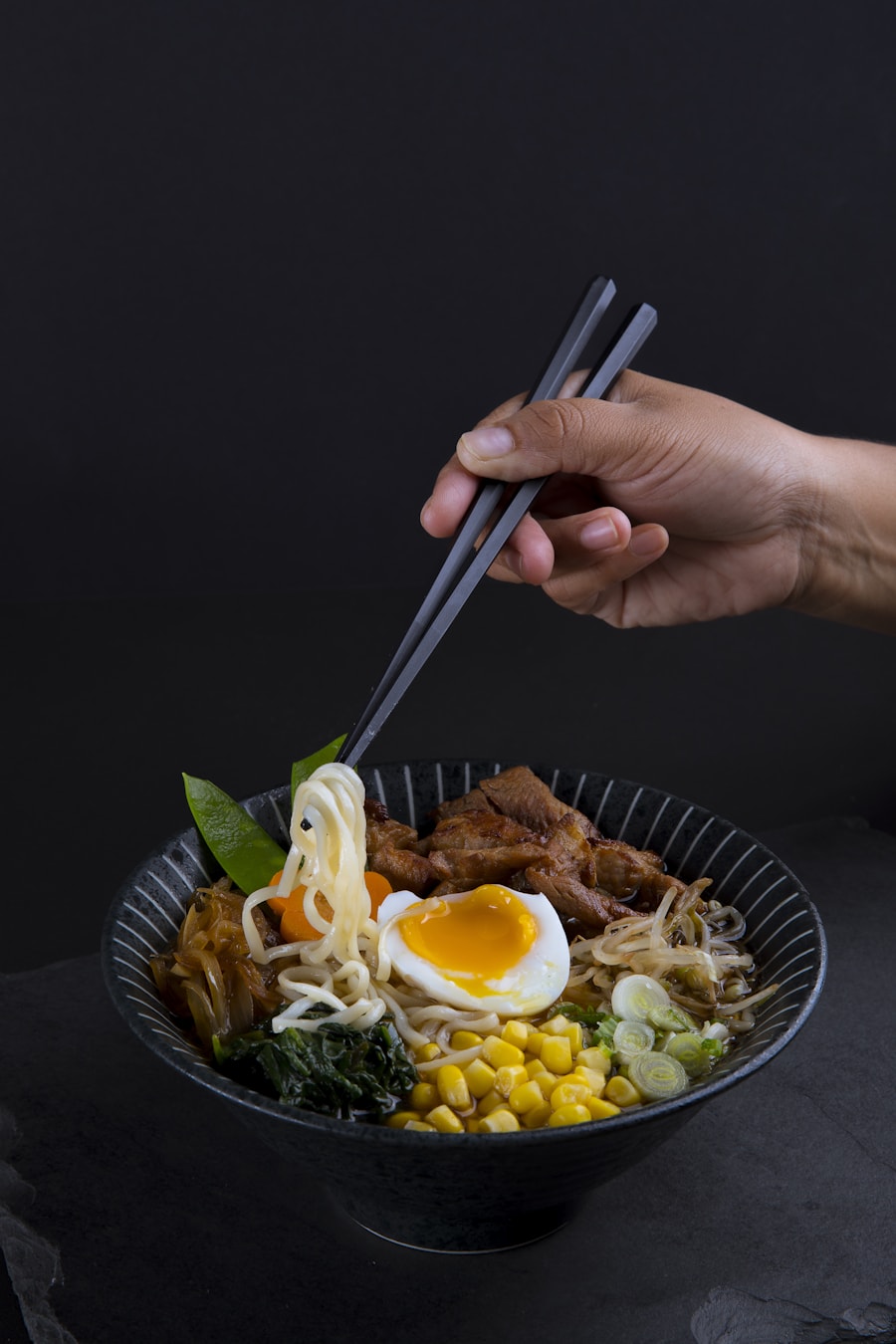
If you're in Tokyo at six on a Friday evening with a JR train running overhead, and you see a little alley full of charcoal smoke and the loud chatter of men in business suits — that's Omoide Yokocho (Memory Lane) in Shinjuku. Yakitori is skewered chicken grilled over charcoal, everything from thigh (momo) to heart (hatsu) to skin (kawa), brushed with sweet-savoury tare sauce or simply sprinkled with salt. At ¥300–600 a skewer, eating several with a cold beer is a date night in Japan no matter how long you've known each other.
 5
5
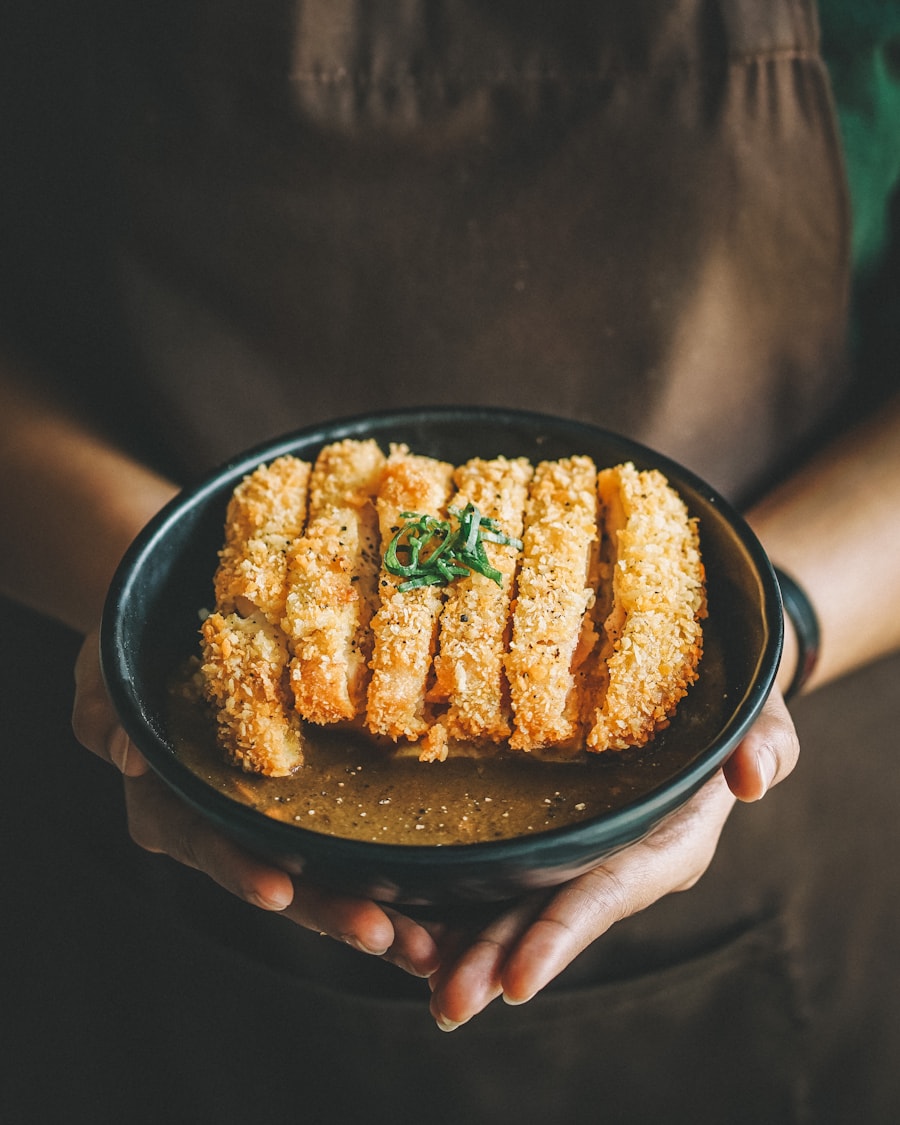
A style of ramen Tokyo invented — thick cold (or room-temperature) noodles served separately from a piping-hot concentrated broth packed full of fish dashi and pork. The noodles are twice as thick as regular ramen; dip them in and slurp them up with the soup clinging to every strand. The flavour is 5–6 times more intense than ordinary ramen. Fuunji in Shinjuku serves a Tsukemen Toripaitan (chicken broth) that's the most famous in the city. Queue right at the door before 11:30am so you don't wait more than an hour.
 6
6
Most tourists know okonomiyaki, but monjayaki is a Tokyo dish in particular — a runny dashi-based batter with ingredients (prawn, squid, corn, cheese) cooked yourself on a hot iron griddle at the table. Pour the runny batter over the ingredients and wait until the edges set, then flip it over until it forms a crisp layer with a still-slightly-runny centre. Eat it straight off the griddle with a small spatula. Tsukishima (an island connected by bridge, on the Oedo Line at Tsukishima station) has a long street full of monja shops — this is the one place to go.
 7
7
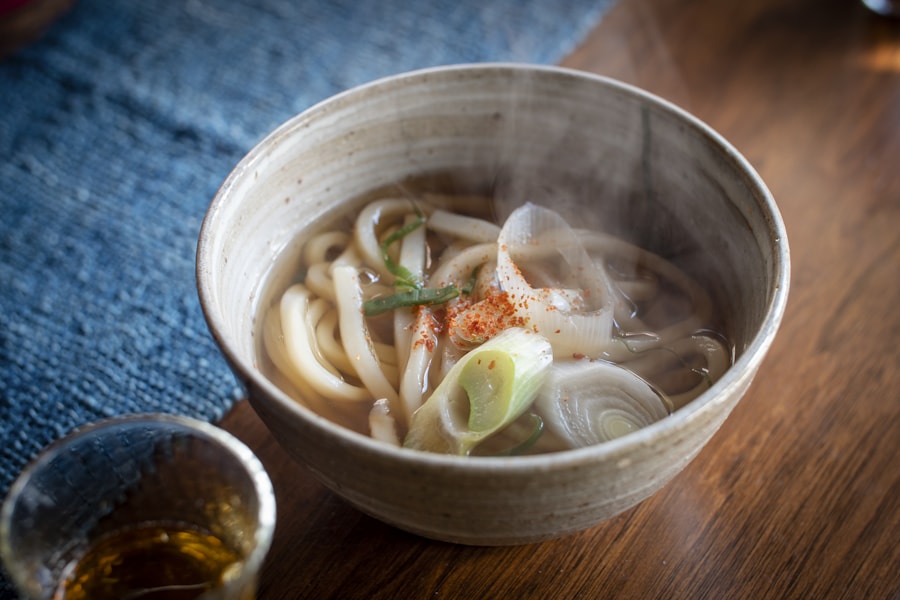
Soba is a dish Tokyo reveres more than most foreigners realise. The Kanda-Jimbocho district has soba shops decades old where chefs make the noodles from buckwheat flour by hand every morning. Cold zaru soba — noodles laid on a bamboo screen, dipped in a cold broth mixed with wasabi and chopped spring onion, the noodles faintly earthy and unlike any noodle anywhere in the world. Hot kake soba — noodles in a clear dashi broth so light you can see the bottom of the bowl. The good shops often don't open late — go before 10am for the freshly made noodles.
 8
8
An izakaya isn't a restaurant, isn't a bar — it's both at once. Edamame arrives free or cheap the moment you sit down. Karaage fried chicken, tender and crisp, is better than fried chicken in any country you've tried. Gyoza · yakitori · sweet tamagoyaki egg · tofu dengaku glazed with miso — everything is good but nothing is too heavy. Eaten with beer or a whisky highball, this is the life of Tokyo's working population every Friday night. Ebisu Yokocho and Shimbashi are the two neighbourhoods I'd most recommend.
 9
9
Someone once said the best food on their whole Japan trip was an onigiri from 7-Eleven at one in the morning after walking all day — it sounds like an exaggeration, but it's understandable. Japanese onigiri use rice cooked to a standard chosen specifically for this. The nori seaweed is folded separately from the rice until it reaches your hand (tear it in the 1-2-3 order on the wrapper). The main fillings are umeboshi (pickled plum), salmon (sake), tuna mayo (tekka-mayo), or plain white rice sprinkled with mentaiko. At ¥140–175, they're genuinely delicious and worth trying every day of your trip.
Tamagoyaki is a sweet, soft rolled egg with a savoury dashi umami — eaten hot off a skewer, or set on top of rice as nigiri sushi. At Tsukiji Outer Market there's a tamagoyaki shop every ten metres, but the best ones set up their griddle out front and roll it in front of you. The egg is soft and springy, with 3–4 layers, sweet without being sickly. Tsukiji Tamagoyaki Kanno is well known, at ¥150–200 a piece, and a great way to start the day. If you like it more savoury, tell the staff "dashi-maki tamago".
If ramen had a nationality, shoyu ramen would be a true Tokyoite — a clear golden-brown broth made from chicken bones and just-right aged soy sauce, with a deep but lighter umami than tonkotsu, so you can finish the whole bowl. Easy-to-eat thin curly noodles, chashu pork, bamboo shoots, menma, and a halved onsen egg. Taishoken in Higashi-Ikebukuro is the birthplace of tsukemen, but its shoyu ramen is just as good. The safest choice for anyone trying ramen for the first time.
The basement floor of a Tokyo department store is somewhere everyone should go — not because it's cheap, but because it's good. Isetan Shinjuku B2 or Mitsukoshi Ginza B2 have sweets, snacks, bento, fresh soba, high-end cakes and fresh-food counters far better than supermarkets in Europe. Come near closing time (around 19:30–20:00) and prices drop 20–30% on the spot. Buy dinner for that night and snacks as gifts all in one place. Don't forget the wagashi (Japanese sweets) — buy a beautiful box that looks more like art than food.