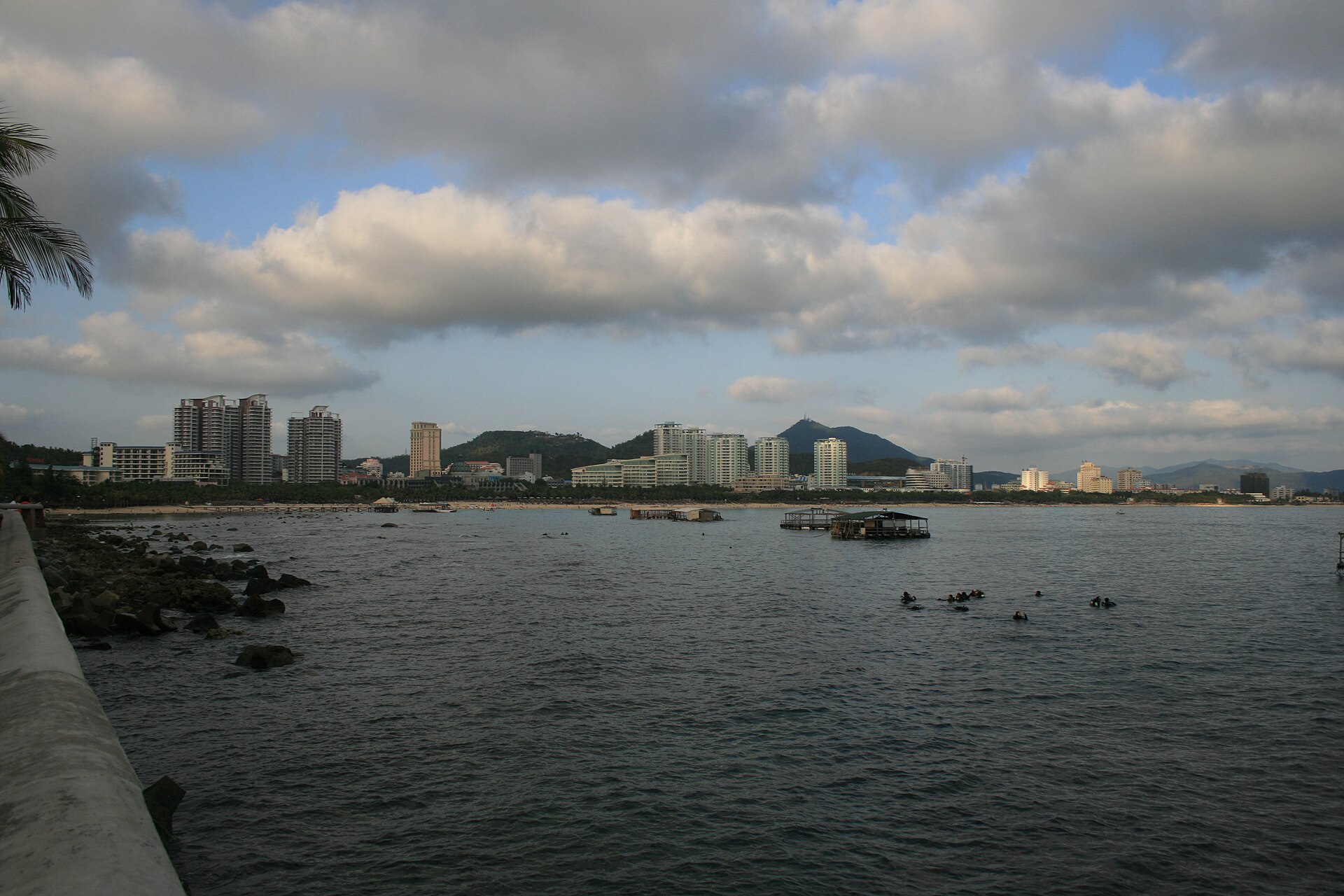
The signature Sanya meal isn't ordered from a menu — you choose your seafood alive at the market, then carry it to a shop next door to cook your way. This guide walks you through it step by step, and tells you straight how to enjoy it without getting fleeced.
Picture this: early evening in Sanya, the air still warm from a day of sun, and you walk into First Market where the smell of the sea mixes with crushed ice. Tubs run down both sides, full of prawns flicking their tails, big-clawed Hele crabs, scallops gaping open, grouper circling. You point at the ones you want, the vendor bags them and weighs them in front of you, and you carry that bag across to a cook shop opposite. Fifteen minutes later, the very seafood you just chose lands in front of you as a plate of garlic-steamed shrimp, still steaming — this is how Sanya eats the sea, and it's far more fun than ordering off a menu.
Hainan food is not numbing, peppercorn-heavy Sichuan cooking. It's tropical-island food built on freshness, lightness and natural flavour. The waters around the island give up seafood all year, and the cooking method Hainanese cooks love most is the one that keeps the sweetness of the meat intact rather than burying it under sauce. That whole "pick it yourself, then have it cooked" (加工) system is what sets Sanya apart — you control the freshness, the price and the way it's cooked. There are a few traps to know before you walk in, though, so we'll take it step by step. For the full picture of Hainan's must-eat dishes, read our Sanya food guide alongside this.
Follow this order at First Market (第一市场) and you'll eat well, pay fairly, and skip the scams
Point at these at the market, then tell the cook shop how you want them
Go in informed, not as a target, and it's genuinely worth it
Let's say it plainly first — First Market has a years-long reputation for overcharging and short-weighing tourists. This isn't a rumour; stories of people billed hundreds of yuan over the odds surface from time to time. But that doesn't mean you should avoid it. Authorities have tightened oversight, installed public scales for re-checking, and there are genuinely good processing shops that have been around for decades. The trick is to walk in knowing the drill, rather than walking in as easy prey.
The most common trap is the tout (拉客) — someone who approaches you, all friendly, and offers to lead you to a stall or shop they recommend. It sounds helpful, but these people take a cut from both the seafood seller and the cook shop, and that cut comes straight back to you in the bill. Don't follow touts, and don't trust a stall recommended by a taxi driver or a stranger. Choose with your own eyes instead: walk around, compare prices, read the boards, and decide for yourself.
1
A seafood plaza that gathers dozens of cook stalls in one place, and the one locals tend to prefer over First Market. It's a more comfortable sit-down setting, and by evening it fills with a mix of residents and visitors. The seafood itself costs a little more than First Market, but the processing fees are lower and the atmosphere is clearly better. Good if you want fresh seafood without wading through a wet market yourself.
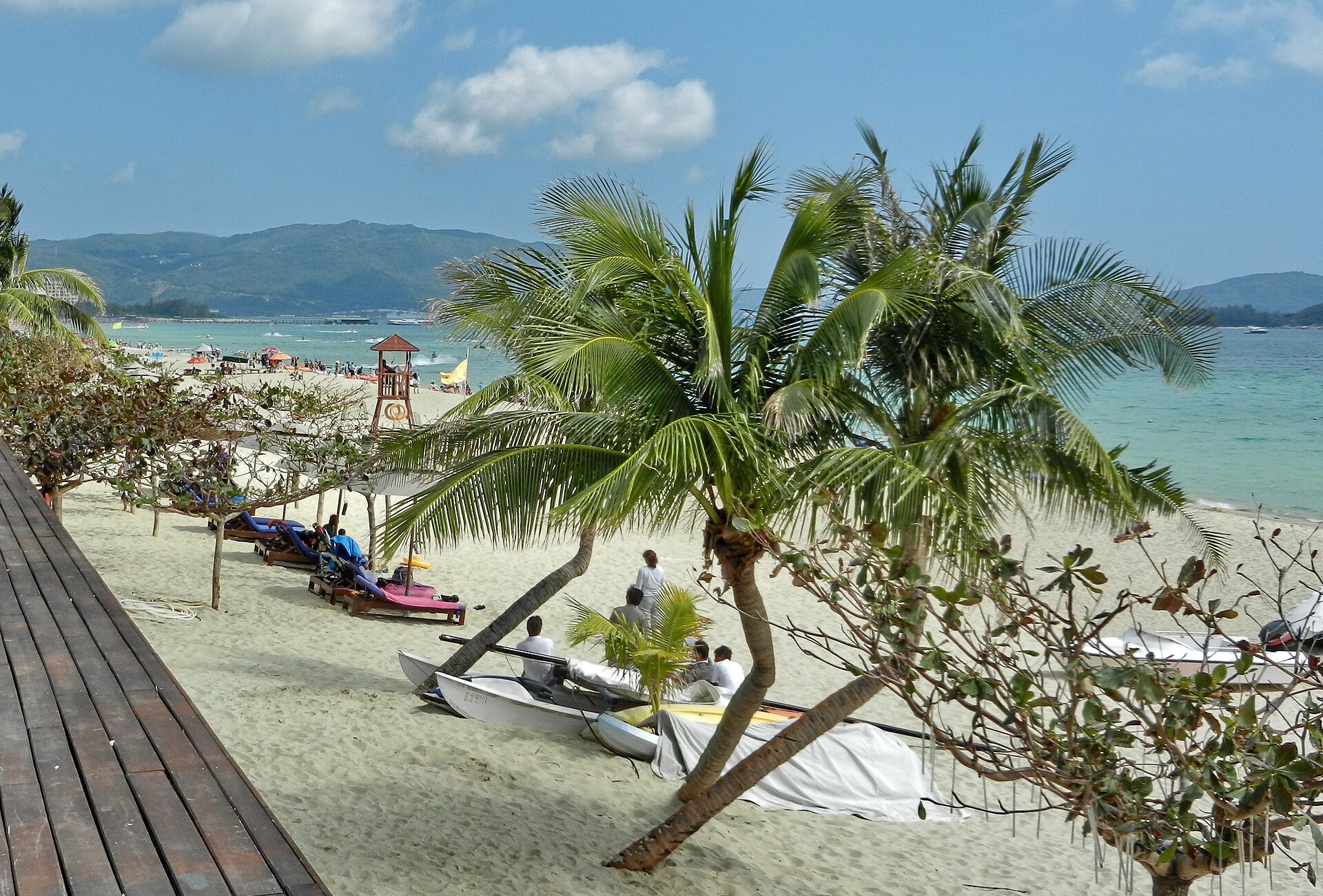
2
A large seafood plaza near the railway station built around the idea of "eat with confidence". It's more tightly regulated, with clearly marked public scales and openly displayed prices — a good choice for anyone who's heard the First Market horror stories and feels nervous. If you want the pick-it-yourself experience but with reassurance on pricing, this delivers. The choose-weigh-cook system is the same as First Market, just in a more orderly setting.
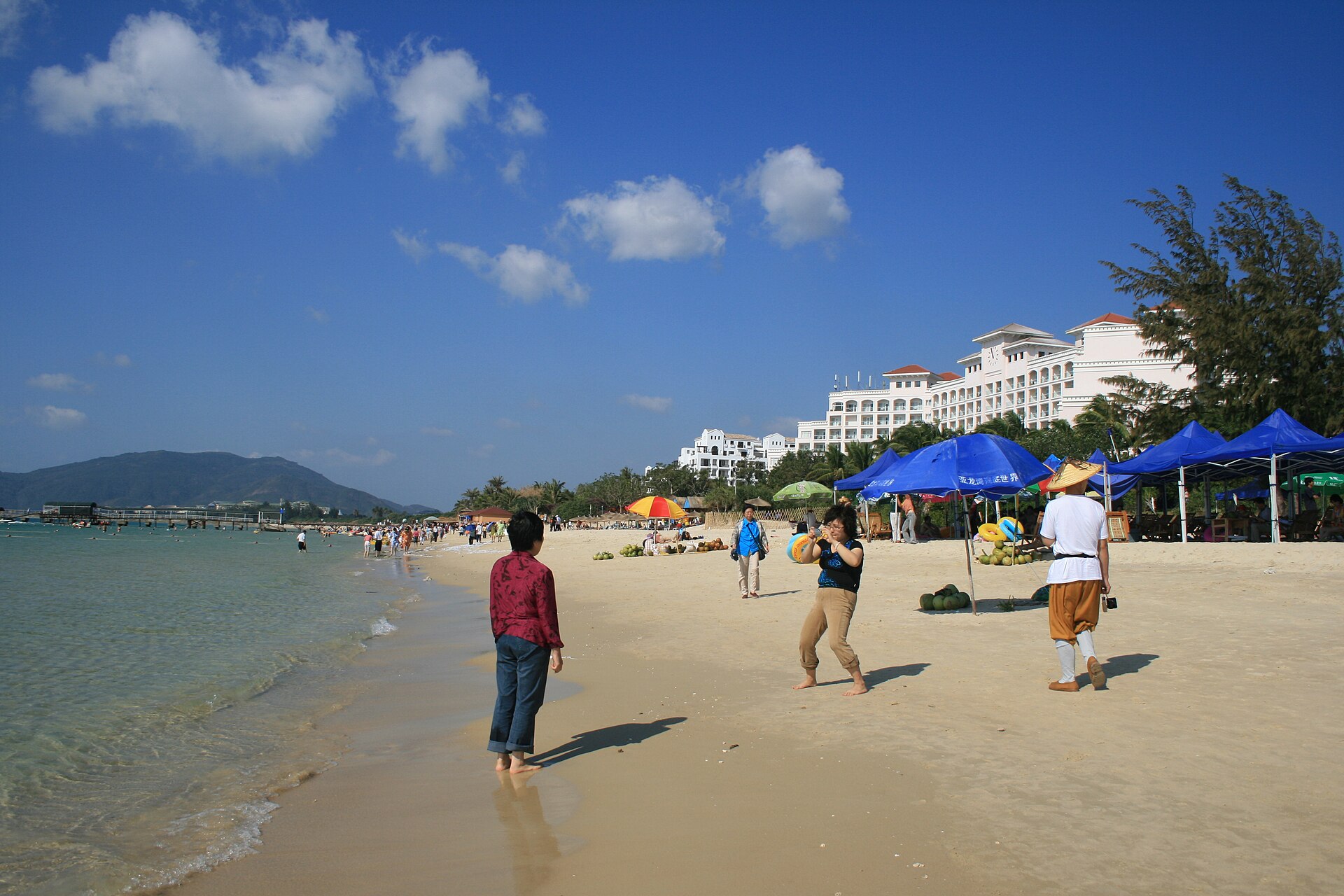
3
If you're staying at a beachfront resort and don't want to deal with a market at all, the Yalong Bay and Haitang Bay areas have hotel restaurants and beach spots serving fresh seafood in comfort — air conditioning, sea views, table service. The trade-off is a price several times the market's, but you get full convenience and setting. Ideal for a special meal, or a night you can't be bothered to go far.