10 sights worth your time
Ordered outward from the heart of the old town — not just photo stops, but places that genuinely tell Nakhon Si Thammarat's story.
 1
1
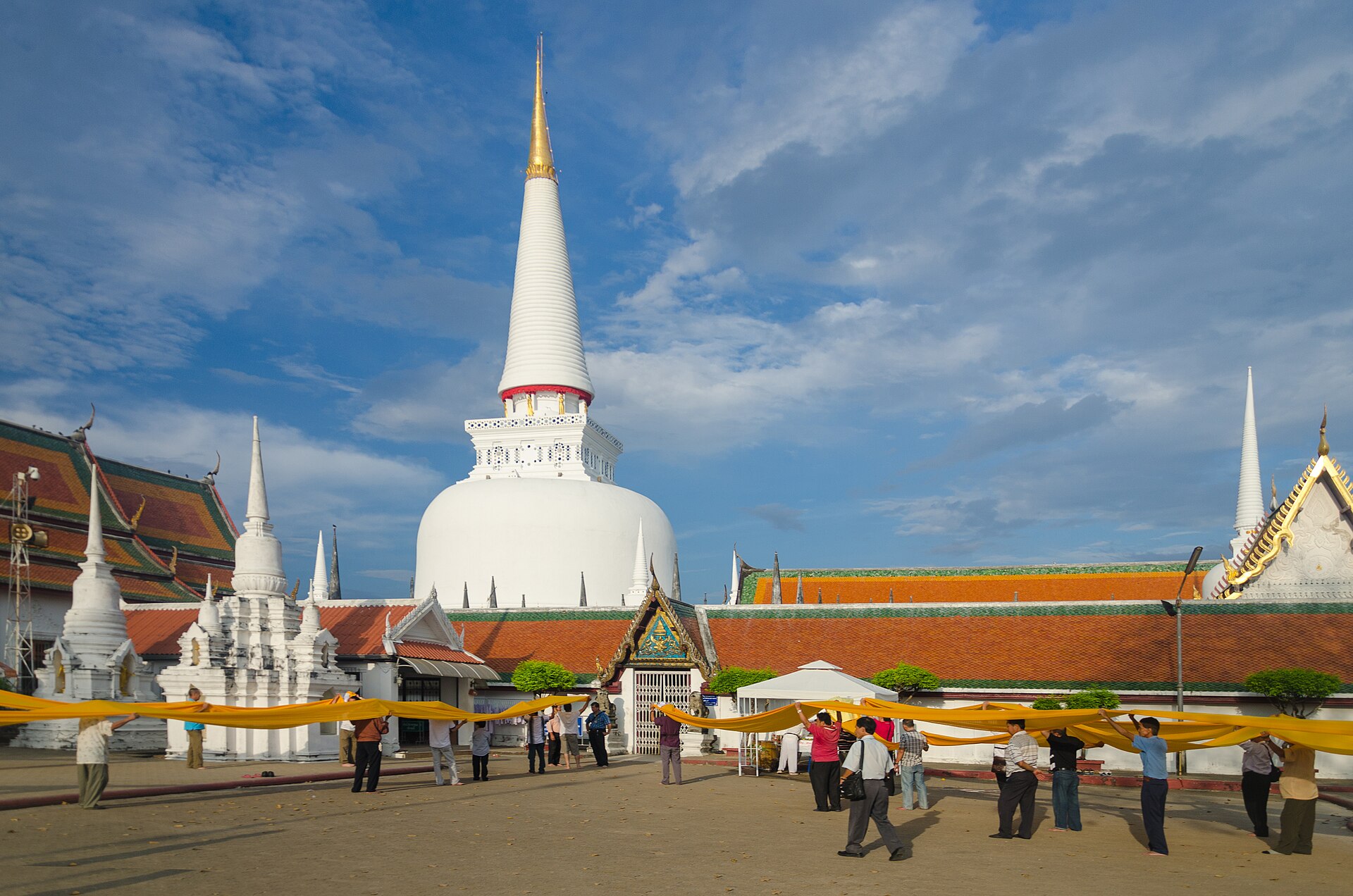
Picture it: you walk into the courtyard and your eye is pulled straight up to the Phra Borommathat chedi, a great white Sri Lankan-style chedi with a gold-clad spire, towering over the city and ringed by smaller chedis and a cloistered gallery. This is the single most important religious site in Nakhon Si Thammarat and one of the holiest temples in the south, a pilgrimage point for the whole region — and it sits on Thailand's UNESCO tentative list. Around the chedi are the Viharn Phra Ma, the painted halls and the temple's own museum of precious offerings. It's a large temple with a lot of detail, so we've given it a dedicated deep-dive guide of its own.
 2
2
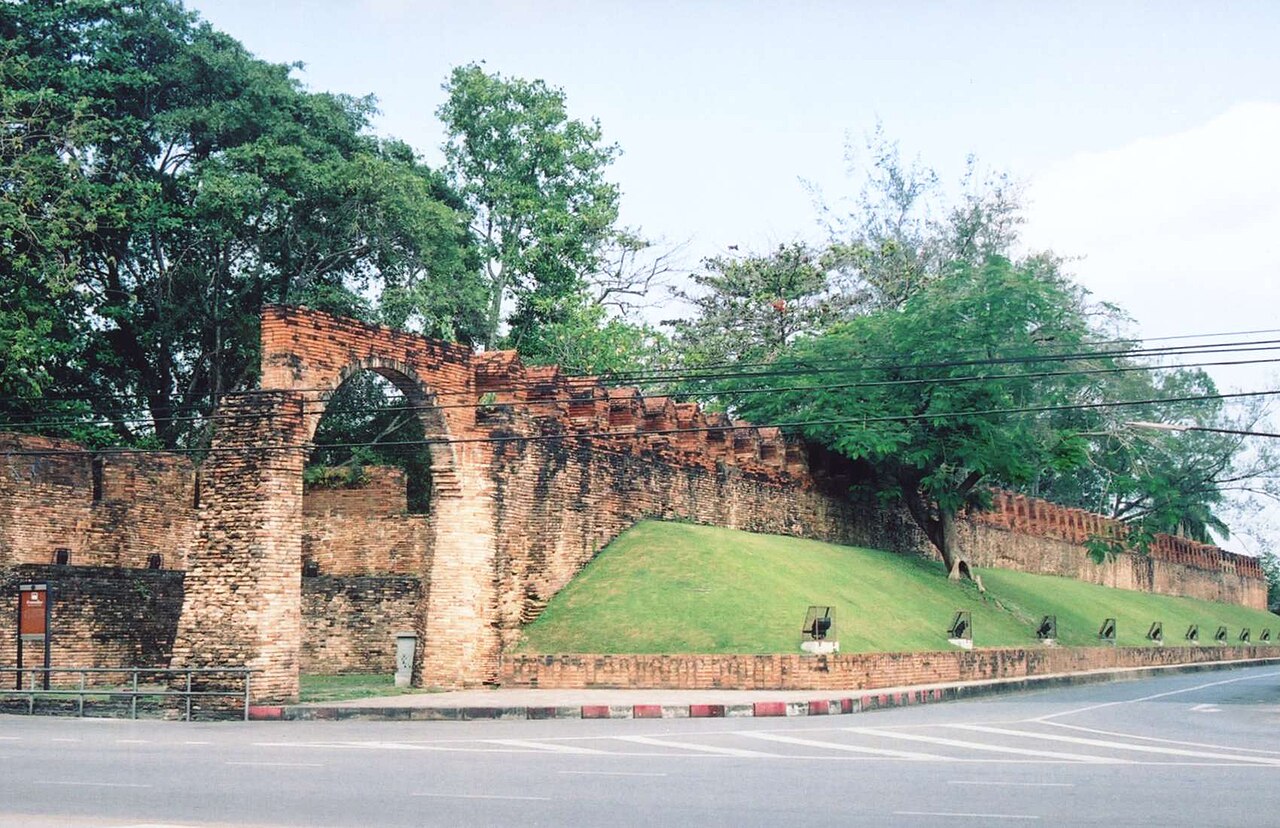
Where Wat Phra Mahathat tells the story of faith, the old city wall tells you this was a fortified port. The Nakhon Si Thammarat city wall is a surviving line of old brick rampart, clearest along the northern stretch near the Pratu Chai (north city gate), with the wall, crenellations and a moat running alongside the road. The city was laid out long and narrow, north to south, in the old style — walk along the wall and you start to grasp how far the old town stretched. It's a good photo stop and a good place to get your bearings on the city's layout before you head into the temples and the museum.
Near the city field stands the City Pillar Shrine (San Lak Mueang), where local people come regularly to pray for blessings. The shrine is a handsome group of southern Thai-style buildings, with four guardian shrines (San Jatu Lokesét) around the central pillar; the pillar itself is finely carved. It's both a place of devotion for residents and a stop where visitors pause to make a wish — busy with quiet faith, especially at weekends and during the Tenth-Month festival. You can pair it with Wat Phra Mahathat and the museum in one loop, since they're all within the old town.
To understand why this city matters, stop at the Nakhon Si Thammarat National Museum, which displays the city's antiquities — Dvaravati, Srivijaya and Lopburi art, Brahmin bronzes and Buddha images across the eras — the real objects that show this was a meeting point of many cultures. And Phra Buddha Sihing, a much-revered Buddha image in the subduing-Mara pose, is housed in its own hall (Ho Phra Phuttha Sihing) in the provincial-hall grounds; it's deeply venerated locally, especially at Songkran when it's brought out for the water-pouring rite. The museum is air-conditioned, which makes it a good midday break and a way to add context before or after the temples.
A spot many people walk past without realising it tells the city's deepest story — Ho Phra Isuan and Ho Phra Narai, the shrines of an old Brahmin community in the centre of Nakhon Si Thammarat. Ho Phra Isuan enshrines a lingam and Hindu images in the Shaivite tradition (the worship of Shiva), while Ho Phra Narai is dedicated to Vishnu (Narai), a sign that this city was once a major Brahmin-Hindu centre on the peninsula; there's also a giant-swing pillar tied to Brahmin rites. Several fine old bronze images were found here and are reckoned among the best of their kind (some are now displayed in the museum). Visit these and you'll see that Nakhon Si Thammarat is not only Buddhist, but carries deep Hindu roots that came before.
 6
6
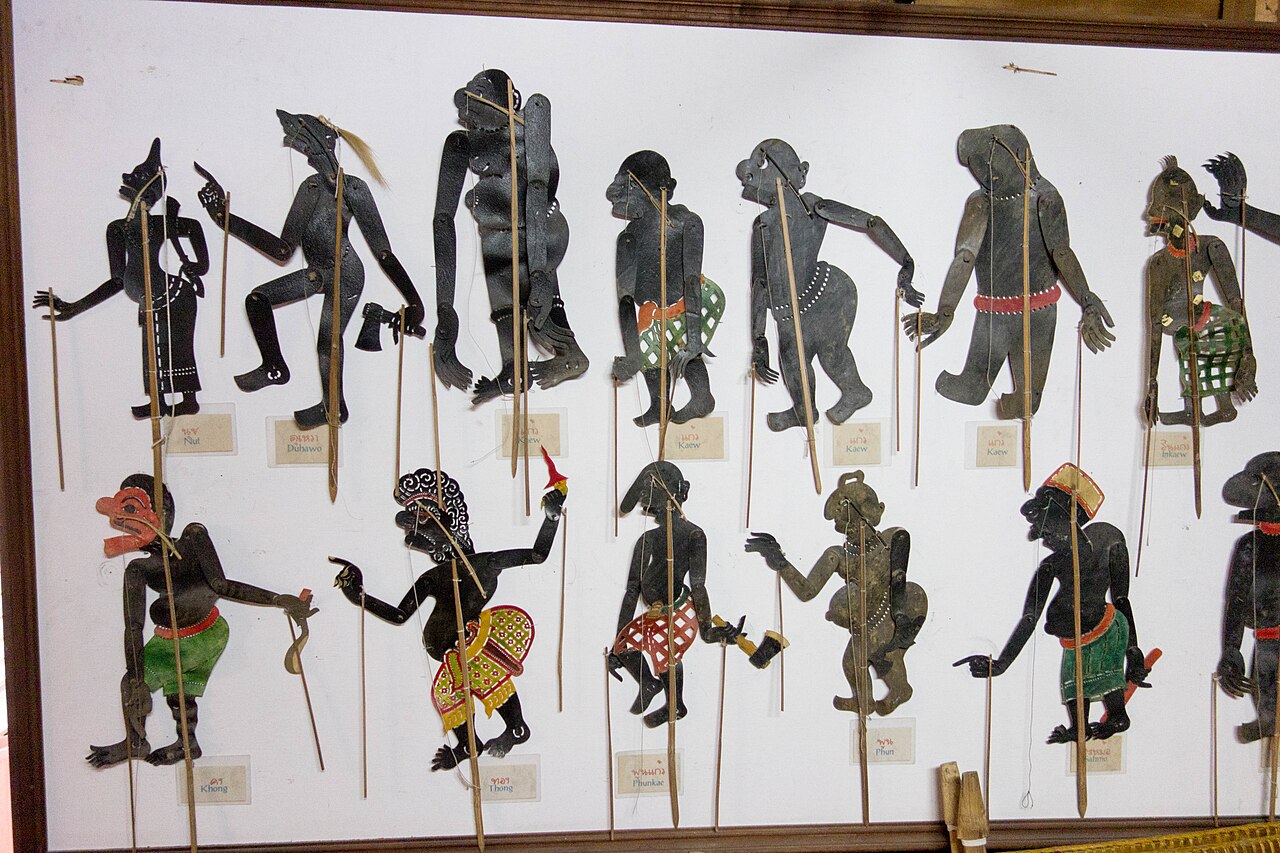
If you want to understand southern Thai culture as something alive, don't miss this. Nang talung is the shadow-puppet theatre of the south: figures cut from hide are moved behind a cloth screen lit from behind, casting shadows, with live narration and music. Nakhon Si Thammarat is a major home of the art, and the Suchart Subsin shadow-puppet house is the home-museum of an artist family open to visitors — you can see the hand-carved puppets, how they're made, and sometimes a demonstration of how they're performed. The city's other signature art is Nora, the southern Thai dance-drama, which is inscribed on UNESCO's list of intangible cultural heritage; you may catch a performance at a temple fair or a local festival.
Once you've done the temples and the museum, the thing that really introduces you to the city is eating where the locals eat. Nakhon Si Thammarat has a morning dim sum (timsam) culture much like Hat Yai and Trang — dim sum shops open at dawn with steamed buns, dumplings, har gow and salapao, eaten with old-style coffee, a breakfast locals grew up on. For lunch and dinner, seek out the bold southern dishes: gaeng tai pla, khao yam (herb rice salad) and southern-style khanom jeen with curry, plus local sweets such as khanom la. On some evenings there's a walking street and markets to browse and graze — the feel of a genuinely local meal.
 8
8
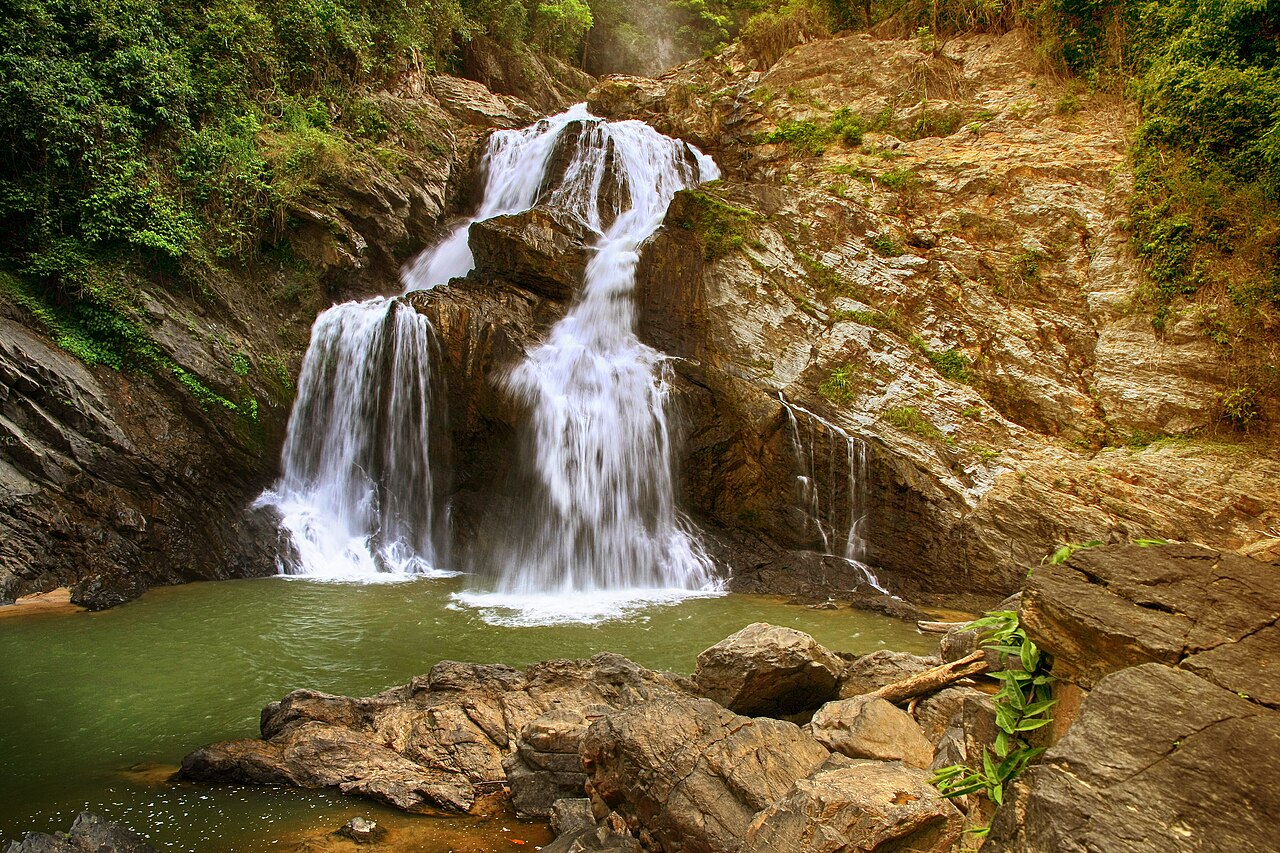
When you've finished the town and want nature, head out to Khao Luang National Park, home to Khao Luang itself, the highest peak in southern Thailand, with cool air and lush rainforest. The highlight is the Krung Ching waterfall, a big multi-tier falls — the most-visited tier is the lovely "Nan Fon Saen Ha" — reached by a forest trail that's shaded and signposted by distance, ending at clear, cool water. It suits anyone who enjoys a short-to-moderate forest walk. Besides Krung Ching, the Khao Luang area and the surrounds have other falls such as Phrom Lok and Ai Khiao. The falls are fullest late in the rains, but wet-season trails are slippery, so check the weather and ask the rangers before you set off.
 9
9
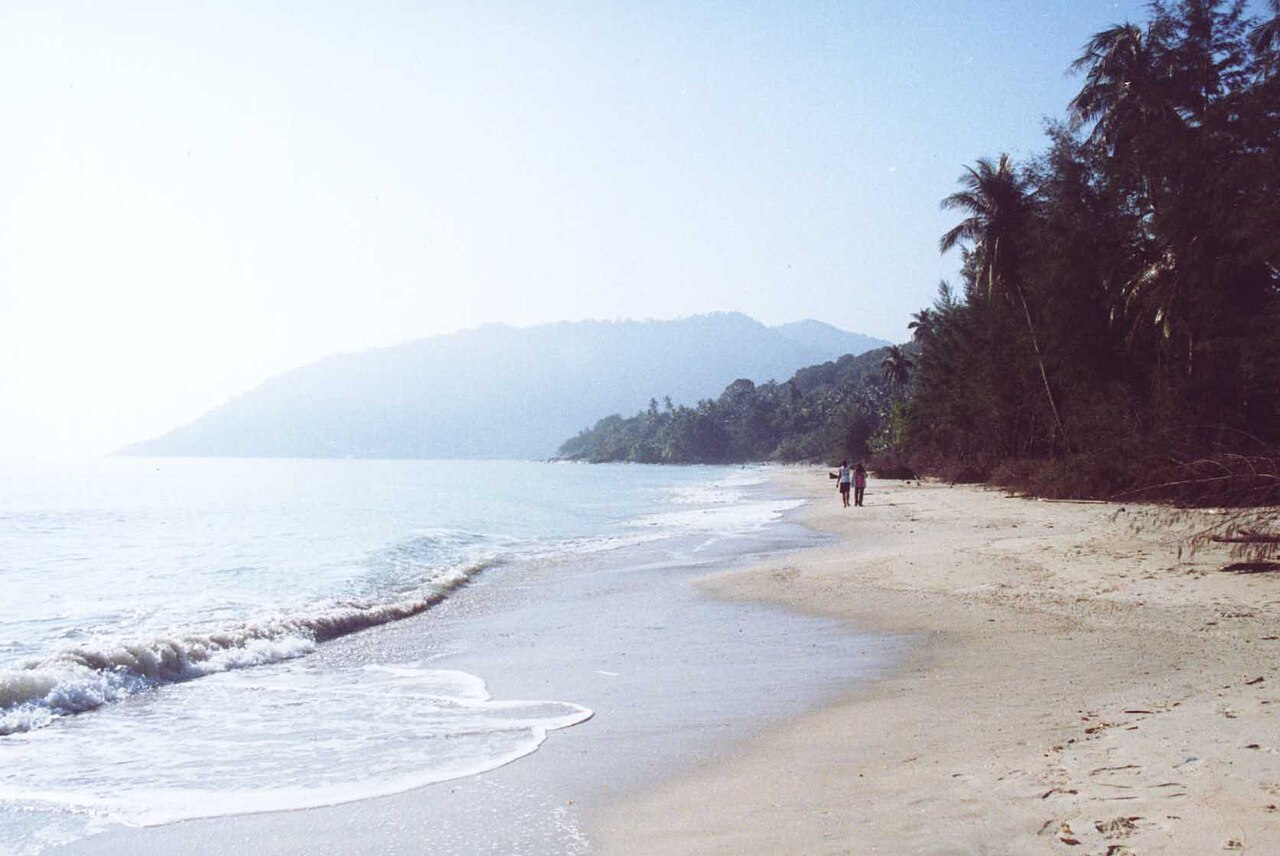
If you think Nakhon Si Thammarat has no coast, head north to Khanom, a quiet seaside district on the Gulf about 1–1.5 hours from town, across the bay from Koh Samui. The beaches here are long, quiet and uncrowded — good for an easy day with no fuss. The thing people come for is the pink-dolphin boat tours — the Indo-Pacific humpback dolphins that live in this bay. Tours run for most of the year, with calmer seas in the dry months (around Jan–Apr). Sightings depend on nature and are never guaranteed, but mornings give the best odds; choose an operator that keeps a respectful distance from the pod. Around Khanom there are also viewpoints and caves to stop at — it's worth a night to take it slowly.
Just south of Khanom is Sichon, another seaside district that locals love — long sandy beaches, seafood spots right on the shore, and an easy, uncrowded feel. It pairs naturally with Khanom for a one-to-two-day coast trip. Around Sichon there are smaller spots too, such as Hin Ngam beach and Khao Phlai Dam, and the temple at Wat Chedi (the "Ai Khai" shrine), a popular place to ask for blessings. If you'd rather have the sea closer to town, the Pak Phanang and Tha Sala areas have beaches and seafood as well. It's a relaxed way to round off a trip with some quiet Gulf coast before heading back into town.