Home Koh Lanta Thailand Krabi island trips About
Home  ›  Thailand  ›  Koh Lanta  ›  Diving & Snorkelling
🐠 Diving + Snorkelling · Koh Lanta

Diving & Snorkelling on Koh Lanta
An Andaman base — Hin Daeng, Hin Muang and clear islands all around

A laid-back Andaman island that looks quiet, yet it's one of the best launch points for diving and snorkelling on this coast. From here you can boat out to Hin Daeng, Hin Muang, Koh Haa, Koh Rok, the 4-islands or as far as Phi Phi in a single day. Here's the honest version: the top dive sites, trips for non-divers, how to choose a dive shop on safety, and the truth about the Andaman season you need before you plan.

Why Koh Lanta

A laid-back island that's a gateway to the Andaman Sea

Koh Lanta (เกาะลันตา) is a long, easy-going island in Krabi province, on the Andaman coast, known for its long beaches, a charming old town and a pace far slower than Phi Phi or Phuket. What many people don't realise is that it's also a fine base for Andaman diving, because it sits close to some of Thailand's best submerged pinnacles and offshore islands. From the pier in the north it's a fairly short boat ride to top-tier dive sites like Hin Daeng and Hin Muang.

The appeal of using Lanta as a base is that you stay on a relaxed island with beaches, cafes and restaurants, then head out to sea on day trips — no need to sleep on a boat unless you want to. Certified divers can dive deep, and people who've never dived can snorkel over coral and fish with ease on the boat tours. We'll say it plainly from the start: Lanta's diving appeal is in the islands and pinnacles offshore, not the island's own beachfront. The boat trips are the heart of it.

The short version, before the detail: the headline deep sites are Hin Daeng + Hin Muang (soft-coral walls, manta rays, occasional whale sharks, never guaranteed) · snorkel at Koh Haa, Koh Rok and on the 4-islands trip · most marine trips run from November to May, with a lot shut in the monsoon · and the single most important thing is to pick a dive shop that's safe and well-reviewed, not the cheapest one.
What kind of trip

Choose by whether you dive or not

From snorkelling on a tour boat for people who've never dived, to deep dives at pinnacles out at sea — there's a format for everyone. Prices are given as ranges because they shift with the year, season and destination.

🤿1
Snorkelling day trip
For non-divers · no certification needed

For anyone who has never dived or doesn't want to go deep. A tour boat stops at several spots in a day — trips like the 4-islands, Koh Rok or Koh Haa — with masks, snorkels and life vests provided, and lunch on some trips. It costs about ฿1,200–2,500 per person depending on the destination and boat type (a speedboat is faster but pricier than a big boat). Book on the island or on Klook.
Time: One day · no experience needed
Price: About ฿1,200–2,500 (ask what's included)
Best for: Families, couples, non-divers
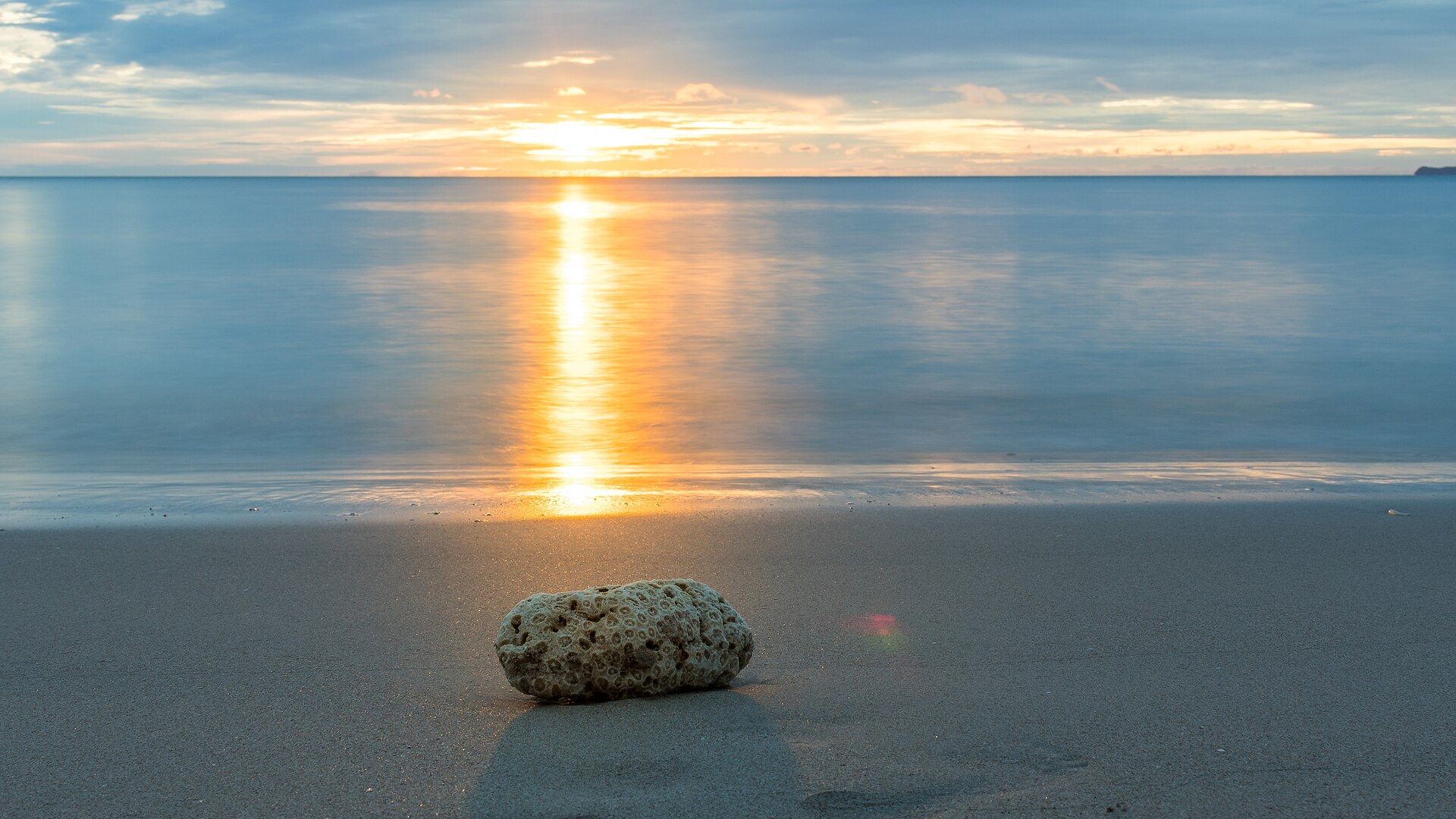
A calm Andaman Sea at dusk on a Koh Lanta beach — a long sunset reflection across the smooth water, a wide sandy shore, and an old coral rock on the sand; the mood of an Andaman diving base 2
A day-trip dive
Already certified · 2–3 dives a day

If you're already certified, book a day-trip dive boat out of Koh Lanta. These usually go out in the morning and back by evening, with 2–3 dives, and the favourite destinations are Hin Daeng, Hin Muang and Koh Haa. It costs around ฿3,500–6,000 a day depending on the site and number of dives (Hin Daeng and Hin Muang are far out, so they cost more and mean a longer boat ride). Tanks and weights are usually included; ask about gear hire and extras.

Format: Out in the morning, back by evening · 2–3 dives
Price: About ฿3,500–6,000/day (Hin Daeng is further, pricier)
Bring: Certification card + logbook
⛴️3
Liveaboard (sleep on the boat)
Multi-day diving · further afield, more sites

To dive several days in a row and reach further than a day trip allows, a liveaboard means eating and sleeping on the boat and diving several times a day. Many Andaman programmes include Hin Daeng, Hin Muang and Koh Haa, and may continue to other national-park areas. It suits experienced divers who want to cover many sites in one trip. It costs more and should be booked ahead, and it runs mainly in the high season.

Format: Sleep aboard, dive several days
Best for: Divers wanting to cover many sites
Note: Pricier, book ahead, high-season only
🎓4
Learn to dive + try-dives
No experience needed to start

Koh Lanta has dive shops that run courses too. To find out if you like it first, a Discover Scuba Diving session takes only half a day to a day, and if you want a certification, an Open Water (PADI/SSI) course takes about 3–4 days. Honestly, Lanta isn't a "cheap-course capital" like the Gulf islands; courses here tend to be quieter and in smaller groups. Ask clearly about prices and what's included, and choose on safety first.

Try-dive: Half a day–1 day · no experience needed
Open Water: About 3–4 days · a certification valid worldwide
Best for: Learning quietly, in a small group
How to book: dive trips and courses are best booked directly with a dive shop on the island — you can talk through the details, see the gear, and check whether the boat is actually running that day. Snorkelling boat tours, though — the 4-islands, Koh Rok and Koh Haa — can be booked ahead on Klook; see the foot of this page.
Top dive sites

What's down there in the Andaman

There are several dive sites and offshore islands around Koh Lanta; these are the ones people talk about most — some good for snorkelling, some deep sites you'll want experience for first.

🔴 Hin Daeng (Red Rock)
The top deep site · red soft-coral walls

A submerged pinnacle out at sea that many rate as the best dive site in the southern Andaman. Its signature is a wall draped in vivid red soft coral dropping away into the deep, dense fish, and a chance of manta rays and occasional whale sharks. It's far offshore, deep, and sometimes has strong current, so it's usually a full-day boat trip or a liveaboard. Best for experienced divers.

Level: Experienced · Highlight: Soft-coral wall + mantas
🟣 Hin Muang (Purple Rock)
Paired with Hin Daeng · a deep purple-coral wall

A pinnacle near Hin Daeng, usually dived in the same trip. The name "Purple Rock" comes from the purple-pink soft coral covering its deep wall — one of the deepest dive walls in Thailand, so it suits divers with an Advanced certification or solid experience. It's another site with a chance of manta rays and whale sharks. Keep an especially careful eye on your buoyancy and depth.

Level: Advanced/experienced · Highlight: Deep wall + purple soft coral
🐚 Koh Haa
Deep + snorkel · lagoon and a cavern

A cluster of small limestone islands you can dive both deep and shallow. In the middle is a clear turquoise lagoon, calm and good for snorkelling, plus an underwater cavern divers call the cathedral for the way light filters in. Visibility is usually good and there are plenty of fish, which makes it suit both new divers and snorkellers. You can reach it on a day-trip boat from Lanta.

Level: Beginner–general · Snorkellable: Yes (the lagoon)
🏖️ Koh Rok
Snorkel · white sand, very clear water

A pair of islands in Mu Ko Lanta National Park, known for fine white-sand beaches and very clear water — great for snorkelling over shallow coral and fish right off the beach. It's a popular day-trip stop, but because it's in the national park, Koh Rok is only open from around mid-October to mid-May and closes for the monsoon. There's a park fee; pack your rubbish out and never stand on the coral.

Level: Snorkel/beginner · Note: Open ~mid-Oct–mid-May
🏝️ The 4-islands trip
Emerald Cave + more · an Andaman classic

A classic boat trip that links several islands in a day, usually taking in Koh Kradan, Koh Chuek (snorkelling), Koh Ngai and the Emerald Cave (a cave you swim through to reach a hidden lagoon). It suits non-divers and families: clear water, shallow coral. It runs from Lanta or from piers on the Krabi side, with masks, snorkels and life vests provided.

Level: Snorkel/everyone · Highlight: Emerald Cave + Koh Kradan
🐡 Ko Phi Phi
A further trip · Maya Bay + snorkelling

The famous islands between Lanta and Phuket. A day-trip boat from Lanta takes you snorkelling around them, stopping at Maya Bay, Pileh Lagoon and clear-water snorkel spots. It's a beautiful trip but a crowded one, especially in high season. If you want to avoid the crowds, Koh Haa and Koh Rok are usually quieter. (We describe Phi Phi here, but there isn't a dedicated Phi Phi page to link.)

Level: Snorkel/everyone · Note: Beautiful but crowded in high season
⚠️ On whale sharks and manta rays, to be clear: both are the highlight everyone hopes for at Hin Daeng and Hin Muang, but they're wild animals nobody can summon. Some people see one on their first dive; others dive a whole trip and never do. Don't book a trip expecting a sighting, and be wary of anyone who promises one is "guaranteed". Treat it as a bonus if it happens — and if it doesn't, there's still a wall of soft coral and clouds of fish to see.
Snorkelling for non-divers

No deep dive needed to see reef and fish

No certification, no course — just hop on a tour boat that provides a mask and snorkel and you can see the Andaman's underwater world. These are the best snorkelling trips from Koh Lanta.

🐚 Koh Haa
A clear lagoon · easy snorkelling

One of the prettiest snorkelling spots from Lanta. The lagoon in the middle of the islands is still, clear and shallow — ideal for floating over coral and fish at an easy pace, with the odd turtle. It's quieter than the Phi Phi trips. Go on a day-trip boat, some of which also drop divers at Hin Daeng or Hin Muang on the same outing. Choose a smaller boat for more time in the water.

Highlight: Clear lagoon + turtles · Best for: Beginners/families
🏖️ Koh Rok
White-sand beaches · reef off the shore

A national-park island with fine white-sand beaches and very clear water. You can snorkel straight off the beach over shallow coral and fish. It's a popular day trip, clearer and quieter than Phi Phi — but it's only open from around mid-October to mid-May and closes for the monsoon. There's a park fee; never stand on the coral, and pack your rubbish out.

Highlight: White sand, clear water · Note: Open ~mid-Oct–mid-May, park fee
🏝️ The 4-islands + Emerald Cave
Several stops · clear water, for everyone

Koh Kradan and Koh Chuek are clear-water, coral-rich snorkelling stops on the 4-islands trip, while the Emerald Cave means swimming through a short dark tunnel (life vest on, with a guide) to reach a hidden lagoon ringed by cliffs. You can get straight in the water the whole trip, which makes it good for children or weaker swimmers.

Highlight: Clear water + Emerald Cave · Best for: Beginners/children
⛵ A one-day boat tour
Several spots in one day · no deep dive needed

The easiest option for non-divers is a snorkelling boat tour out of Lanta that stops at several spots in a single day. Choose the 4-islands, Koh Rok, Koh Haa or Phi Phi route. Snorkel gear and life vests are provided, and some trips include lunch. You can book on the island or on Klook. Choose a smaller-boat trip with fewer people and you'll get more time in the water.

Format: One day, several stops · Book: On the island, or Klook
Compare the beaches and everything to do: see which beaches are best for swimming or just lazing in the Koh Lanta beaches guide →, and find everything to do across the island, the old town and the national park included, in things to do on Koh Lanta →
Choosing a dive shop — straight talk

Don't choose on lowest price alone

Koh Lanta has several dive shops, in Saladan town and along the beaches, and plenty are good — but the very cheapest can mean big groups or worn gear. This is a safety decision, especially for far-out sites like Hin Daeng and Hin Muang. Choosing well is worth more than saving a few hundred baht.

🛡️ Check the safety record and real reviews
Read reviews from several sources, not just the shop's own site. Look for comments about safety, how attentive the instructors are, and care — not only "fun" or "cheap". A shop that's been running a long time with consistent reviews is usually safer to trust.
👥 Ask about group size and the ratio
The fewer divers per instructor or divemaster, the better — especially on a beginner course or a deep site. Ask directly how many people there are per guide. A small group means closer supervision and a safer dive. If the shop is evasive, or the groups are very large, look elsewhere.
🤿 Ask to see the gear and the boat
Good dive gear should look well looked-after and regularly serviced. Drop by the shop and see it in person before you book, ask how often the equipment is serviced, and what condition the boat is in for far-out runs like Hin Daeng. Gear that looks very old or damaged is a warning sign.
💬 Talk before you pay, and trust your gut
A good shop answers your questions happily and won't pressure you to pay quickly. Ask what certifications the instructors hold, what their safety procedures and emergency plan are, and whether the boat will actually run that day (many days are off in the monsoon). If you feel rushed or the answers are vague, walk on.
⚠️ Why we don't name a specific shop: there are good dive shops on Koh Lanta, but shops open and close, change owners, and many shut for the monsoon. So we won't name a shop whose current status we can't verify — we'd rather you choose using the criteria above yourself than trust one name. That approach works whatever year you visit.
The Andaman season, visibility and underwater etiquette

When to go and how to dive so the sea stays

Koh Lanta is on the Andaman side, so its season is the opposite of the Gulf islands — and unlike islands you can dive year-round, here most marine trips run only in the high season. This is something to know before you plan.

☀️ The best window: Nov–Apr
Calm seas, clear water, all trips running

The Andaman high season, roughly November to April, is when the sea is calm, the water clear, and the dive and snorkel trips all run — Hin Daeng, Hin Muang, Koh Haa and Koh Rok included. It's the most reliable time to come and dive. Manta rays and whale sharks tend to be reported more often around the season change, roughly Feb–Apr (still no guarantee). March and April are very hot.

Best: Nov–Apr · Mantas/whale sharks: A chance around Feb–Apr
🌧️ The monsoon: May–Oct
Rough seas, heavy rain · much shuts

May to October is the Andaman monsoon — heavy rain and rough seas. To be honest, many dive shops, boat trips and hotels close during it. National-park islands like Koh Rok shut, and ferries drop back to mainly minivans over the bridges. Trips to far pinnacles like Hin Daeng usually stop. If you want to dive, this isn't the time to come (though if you just want a quiet, cheap stay, the island is very calm).

Monsoon: May–Oct · Diving: Most marine trips stop
🪸 Don't touch or stand on coral
Coral is alive, and very slow to recover

The first rule of every dive and snorkel: don't touch, hold or stand on the coral. Coral is a living thing — slow-growing and fragile, and even a touch or a kick from a fin can damage it. Control your buoyancy, keep your gear from dangling and dragging, wear a life vest if you don't float steadily, and don't take anything from the sea. Just look.

Hard rule: No hands, no fin kicks, never stand on coral
🧴 Reef-safe sunscreen
Don't chase or feed wildlife · take your rubbish

Choose a reef-safe sunscreen that avoids chemicals known to harm coral, or wear a long-sleeve rash top instead. Don't feed the fish, don't chase or crowd turtles, rays or sharks for a photo, and take every piece of rubbish back out with you (the national-park islands are strict about this). Good diving leaves as little trace as possible, so the next generation sees the same sea you did.

Do: Reef-safe sunscreen/rash top, pack rubbish out · Don't: Feed/chase wildlife
Plan your timing in detail: see which months are clearest, driest and best to visit in the best time to visit Koh Lanta →, and if it's your first trip to the island, start with the Koh Lanta first-timer guide →
So, is diving Koh Lanta for you?

Honestly — the magic is in the islands offshore

If you want to dive top Andaman pinnacles like Hin Daeng and Hin Muang, or you're already certified and want plenty of dives on beautiful soft-coral walls, or you just want to snorkel clear islands without the crush — Koh Lanta is a good base and far more laid-back than Phuket or Phi Phi. You stay on a quiet island with beaches and cafes, then head out to sea on day trips.

But here's the truth: Lanta's diving appeal is in the islands and pinnacles offshore, not the island's own beachfront — and most marine trips run only in the high season. Come in the monsoon hoping to dive and you may be disappointed. Set your expectations there, come between November and April, and you'll enjoy it more. For getting around on days you're not at sea, a scooter is the main way.

⚠️ About getting around the island, to be clear: Koh Lanta is now road-accessible over two bridges (a minivan or car from Krabi takes about 2–2.5 hours — it's not ferry-only). On the island, one coastal road runs down the west side, and a scooter is handy and flatter going than Koh Tao, but there are still some hills and the bridges. Wear a helmet, photograph the bike before you take it, and don't hand over your passport as a deposit. In the monsoon many shops and services close, so allow for that in your plans.
Frequently asked

FAQ · before you dive Koh Lanta

What are the best dive sites on Koh Lanta?
The most famous deep dive sites you can reach from Koh Lanta are Hin Daeng and Hin Muang, two submerged pinnacles out in the Andaman Sea, known for walls covered in vivid red and purple soft coral, dense fish, and the chance of manta rays and occasional whale sharks. They're deep, sometimes with strong current, so they suit certified divers with some experience. Koh Haa, meanwhile, has both deep diving and snorkelling, with a clear lagoon and an underwater cavern divers call the "cathedral". All of these are full-day boat trips or liveaboards, and they run mainly from around November to May.
Can non-divers snorkel on Koh Lanta?
Yes, easily — no certification or course needed. The popular trips for non-divers are the 4-islands boat tour (Emerald Cave, Koh Kradan, Koh Chuek, Koh Ngai), Koh Rok with its white-sand beaches and very clear water, and Koh Haa with its lagoon. Some trips go as far as Ko Phi Phi. The boats provide masks, snorkels and life vests, and some include lunch. Koh Haa and Koh Rok tend to have clearer water and fewer people than the Phi Phi trips. Choose a smaller-boat trip and you'll get more time in the water — and note that most of these marine trips run only in the high season, roughly November to May. Compare the beaches in the Koh Lanta beaches guide →
Can you see whale sharks or manta rays on Koh Lanta?
Sometimes, but it's never guaranteed. Hin Daeng and Hin Muang are the sites known for manta rays and whale sharks — both harmless to people — which pass through Andaman waters in patches, reported more often around the season change, roughly February to April. But it comes down purely to nature. Some people are lucky and see one on their first dive; others dive a whole trip and never do. Don't book expecting a sighting, and be wary of anyone who promises one. Treat it as a bonus if it happens.
What's the best season for diving on Koh Lanta?
Koh Lanta is on the Andaman side, so its season is the opposite of the Gulf islands. The best window is roughly November to April, with calm seas, clear water and all the dive and snorkel trips running. The monsoon, around May to October, brings rough seas and heavy rain — and to be honest, many dive shops, boat trips and hotels close during it. National-park islands like Koh Rok shut, and ferries drop back to mainly minivans over the bridges. If you're coming to dive, plan for November to April to be safe.
How do I pick a dive shop on Koh Lanta safely?
Don't choose on lowest price alone. Look at three things: a safety record and real reviews from several sources, a group size that isn't too big (the fewer divers per instructor or divemaster, the better), and gear that looks well-maintained. Drop by a shop in Saladan town or along the beaches before you book, and ask what certifications the instructors hold, the instructor-to-diver ratio, how far the boat goes out to Hin Daeng or Hin Muang, and what safety equipment they carry. A good shop answers happily and won't pressure you to pay fast. Trust your gut too — if you feel rushed or the answers are vague, you can always look elsewhere.
Is diving on Koh Lanta safe?
Scuba diving is very safe when you go with a reputable shop — certified instructors, good equipment and small groups. Sites like Hin Daeng and Hin Muang are far offshore and sometimes have strong current, so they suit experienced divers and a shop you can trust. The key is choosing your shop well (not just the cheapest), listening carefully to the briefing, telling your instructor honestly about any health issues, and never forcing a dive if you don't feel ready or the weather is poor. For getting around the island, wear a helmet on a scooter and watch the coastal road, which has some hills.
Klook · Koh Lanta

4-islands, Koh Rok, Koh Haa and Phi Phi snorkel trips, bookable ahead

Snorkelling boat tours out of Koh Lanta — the 4-islands and Emerald Cave, Koh Rok, Koh Haa and Ko Phi Phi — plus minivan transfers from Krabi airport, all bookable on Klook in advance so you don't gamble on seats in high season. (Deep dives and courses are best booked directly with a dive shop on the island, where you can talk through the details and check the boat is running.)

See Koh Lanta options on Klook →
Wherebest is a Klook affiliate partner — we may earn a commission when you book through our links, at no extra cost to you.