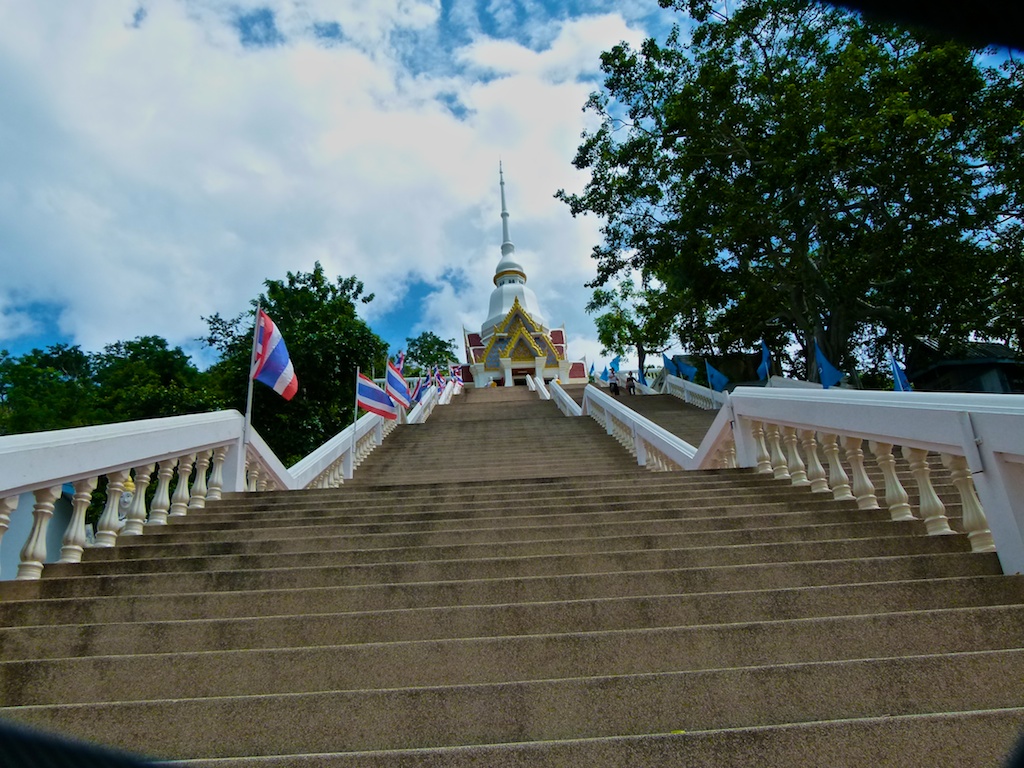
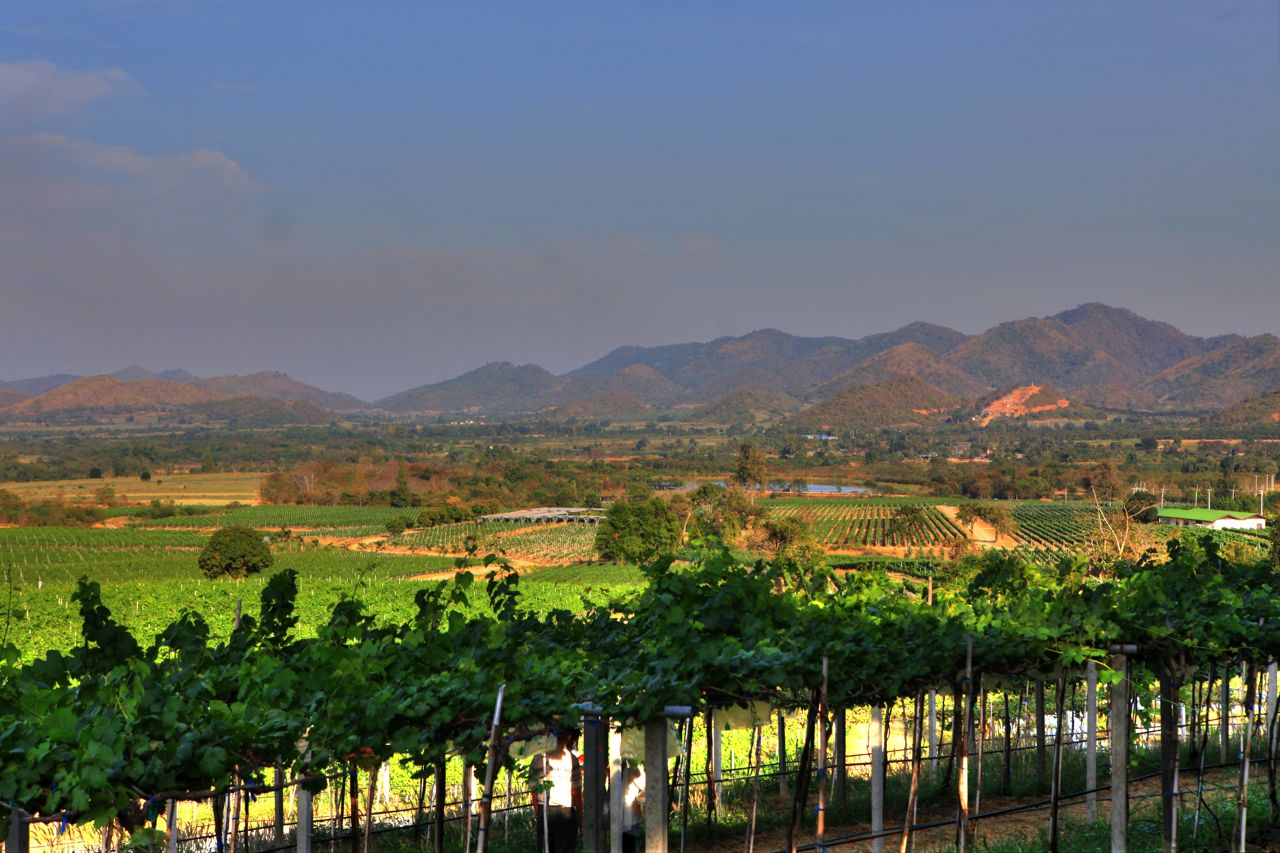
Hua Hin sits on Thailand's upper-Gulf coast and is one of the country's driest beaches — cool and dry from November to February, hot but still dry from March to May, with serious rain only in September and October. When Phuket and Krabi are rained out, Hua Hin usually still has sun. Here's our honest take on when to go.
If you can only pick one month, pick November or February — cool, comfortable temperatures of 20–30°C, low humidity, clear skies and a calm sea. Walking the beach strip, climbing Khao Takiab or sitting at a sea-view café is easy without the heat. This is high season, when Bangkok empties out to the coast on weekends.
The detail most people miss: Hua Hin is one of Thailand's driest beaches. When Phuket and Krabi are getting heavy rain (May–Oct), Hua Hin usually still has far more sun. Serious rain comes only in September–October, with October the wettest. If you're watching the budget, midweek stays outside the weekend are cheaper and quieter in any season. But weather always shifts — check the forecast before you plan a beach or cave day.
An upper-Gulf beach town splits into a cool-dry stretch, a hot stretch and a wet one — each with its upsides and its trade-offs, told straight.
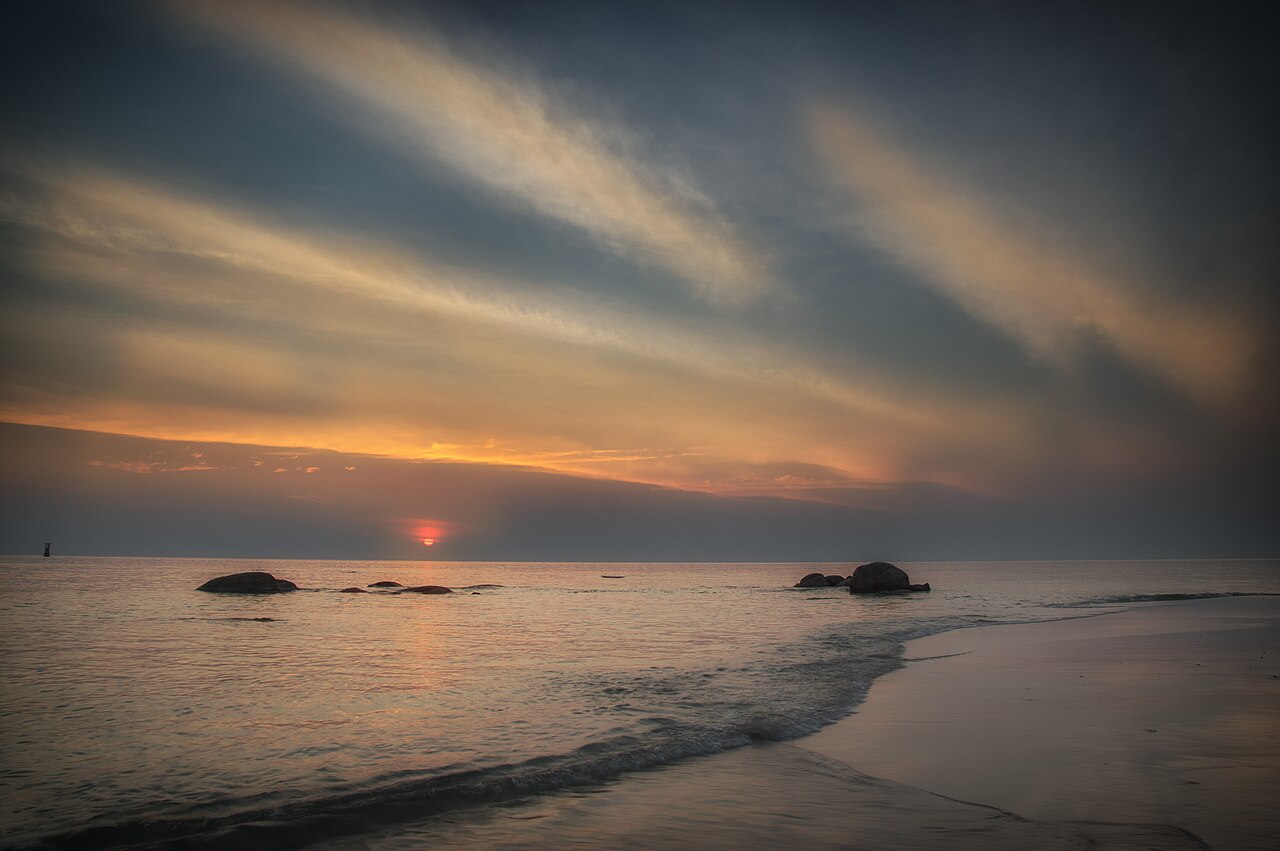
Hua Hin Beach · Cool, dry season
The best
This is Hua Hin at its finest. Rain all but disappears, skies are clear on most days, and the air sits at a comfortable 28–30°C by day with a cool sea breeze. Mornings and evenings in January–February drop to a pleasant 20–22°C, and the humidity is low — you can walk the beach, climb Khao Takiab or sit at a café all day without wilting. The sea is calmer than in other seasons and a little clearer.
The trade-off: this is high season. Bangkok visitors arrive in force, especially at weekends, so hotel rates climb and the popular places sell out fast over New Year. Go midweek and it's much quieter and cheaper.
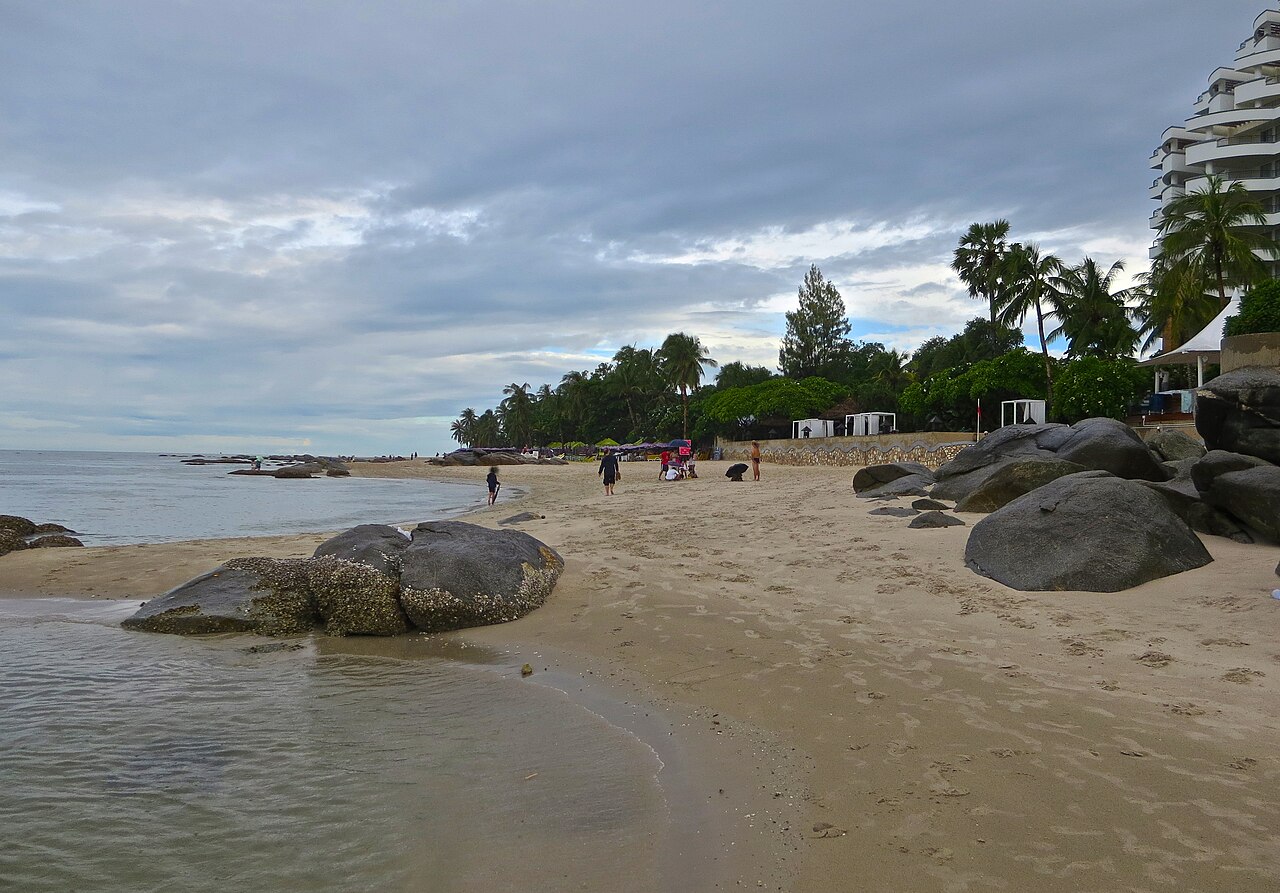
Hua Hin Beach · Hot season
Still good
It warms steadily, from around 32°C in March to genuinely hot in April–May, when daytime temperatures reach 34–35°C and the humidity rises. But it stays mostly dry and skies are still open — the move is to swim in the morning and use the pool through the afternoon, dodging the midday heat. The sea is calm and the water pleasantly warm.
April brings Songkran, when Hua Hin is fun for the water fights but crowded, with heavy traffic on the road down. Hotel rates climb over the holiday. Late May brings the first showers of the wet season.
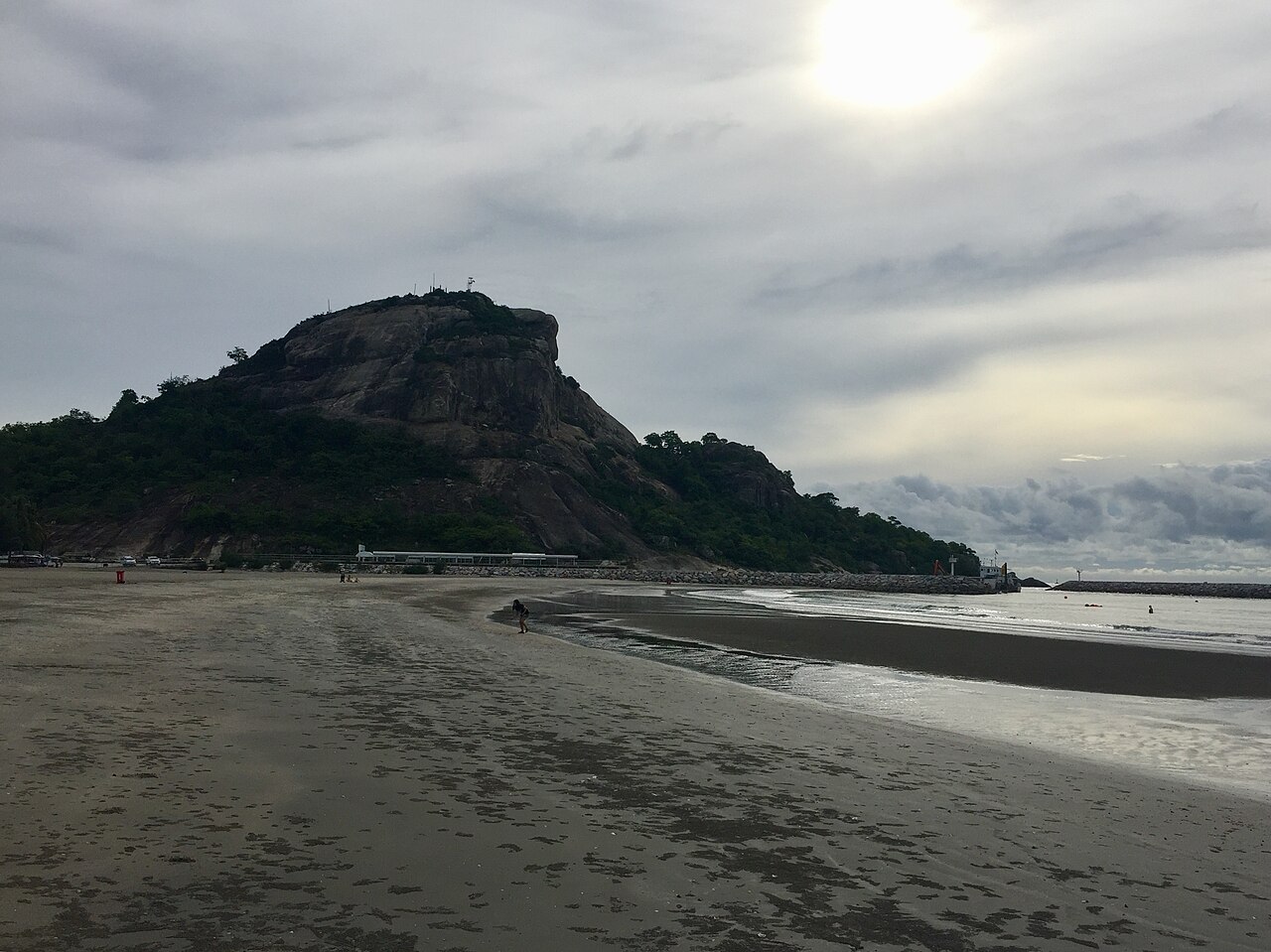
Khao Takiab · Early wet season
Best value
The wet season starts here, but it's lighter than many expect. Most of the rain comes as short, heavy bursts in the afternoon or evening that pass quickly, while mornings are usually sunny and good for the water. It's hotter and more humid than the cool season, around 32–34°C by day. Here's the key point: while Phuket and Krabi on the Andaman side are in their heavy wet season, Hua Hin still gets far more sun — which is why Bangkok uses it as a rainy-season escape.
Crowds thin midweek and hotel rates drop, with many resorts cutting prices. If you can take afternoon rain and the humidity, June–August is the best value of the year.
This is Hua Hin's wettest stretch, with October the rainiest month of the year. Rain can settle in over several days in some weeks, and the sea turns murkier with bigger waves. Even so, Hua Hin is still drier and the rain shorter than the Andaman coast in the same months — it isn't all-day rain every day.
It isn't always grim — prices are low, crowds are thin, and clear days bring the beach right back to its best. But you need a flexible plan, indoor backups like cafés, markets or a mall, and a daily check of the forecast before deciding on a beach day or a trip to Phraya Nakhon Cave. By late October the rain begins to ease and high season starts to open up.
Temperature, rainfall and crowd levels — in one table for easy comparison.
| Month | Temperature | Rain | Crowds | Notes |
|---|---|---|---|---|
| January | 20–30°C | Very low | High (high season) | Coolest, most comfortable · clear skies · calm sea |
| February | 21–31°C | Very low | Moderate–high | Ideal weather · cool breeze · good for everything |
| March | 23–32°C | Low | Moderate | Warming up · still dry · calm sea |
| April | 26–35°C | Low | High at Songkran | Hottest · Songkran crowds and traffic |
| May | 26–34°C | Moderate | Low (midweek) | Wet season begins · prices easing |
| June | 27–34°C | Moderate | Low | Hot, humid · afternoon rain · drier than islands |
| July | 27–34°C | Moderate | Low | Afternoon showers · quiet · low prices |
| August | 27–33°C | Moderate–heavy | Moderate (school holidays) | Rain picking up · still swimmable mornings |
| September | 26–32°C | Heavy | Low | Heavier rain · sea murkier · low prices |
| October | 26–32°C | Heaviest | Low | Wettest month · rain eases late month |
| November | 24–31°C | Low | Moderate | High season begins · weather clearly improving |
| December | 21–30°C | Very low | High (New Year) | Cool, clear · prices spike over New Year |
The upper Gulf gets less rain, and on a different schedule from both the Andaman coast and the lower Gulf — which is exactly what makes it a rainy-season escape.
Clear skies, almost no rain, cool air and a calmer, clearer sea — ideal for swimming, beach horse-riding, sea-view cafés and watching the sunset from Khao Hin Lek Fai. The Andaman coast (Phuket, Krabi) is also good in these months, but Hua Hin is close to Bangkok and reachable without a flight. See everything to do in our Hua Hin attractions guide.
While Phuket and Krabi on the Andaman side are deep in their wet season, Hua Hin still gets far more sun. Rain is usually a short afternoon burst, with mornings good for the water, and midweek hotel rates are lower. It makes a worthwhile beach trip when the other coast is washed out. Compare the Gulf and Andaman timing in our Thailand islands guide.
This is when Hua Hin really does get heavy rain, October most of all, with a murkier sea and bigger waves — though still lighter than the Andaman coast in the same months. Save outdoor trips like Phraya Nakhon Cave, Khao Takiab or the vineyard for clear days, and keep indoor options like markets and cafés for the wet ones. Check the forecast daily.
Some windows are extra busy, others are worth timing a trip around — here are Hua Hin's main events.
Hua Hin is fun for the Songkran water fights, and Bangkok pours down for the long holiday — the beach road and town get very lively. The upside is the festive mood and warm sea; the trade-off is the crowds, heavy traffic on the Phetkasem road, and hotel rates that spike over the holiday. If you'd rather avoid the chaos, skip this week, or book several weeks ahead.
A long-running open-air jazz event on the Hua Hin seafront, free to attend, with a relaxed evening atmosphere by the sea. It's usually held later in the year during the good-weather season, but the dates shift annually, so check that year's schedule if you're interested — hotels and crowds run heavier over the festival weekend.
Loy Krathong falls in early high season when the weather is at its best. Hua Hin floats krathong along the beach, by the markets and at the resorts — pretty, and cool in the evening, which makes it a good time to come for both the festival and the dry-season weather. The date shifts each year with the lunar calendar. See the wider picture in our Loy Krathong & Yi Peng guide.
A beach town close to Bangkok means a light bag — these are the things that actually matter for Hua Hin.
Whatever month you arrive, this beach town near Bangkok always has something worth seeing.