Hat Yai is a food-and-shopping city in Thailand's far south, not a beach town — cool and dry from November to February, hot from March to May, with a heavy northeast monsoon in October to December that peaks around November. Here's our honest take on when to go, including the flood risk worth knowing and the busy crowds to avoid.
If you can only pick one month, pick January or February — the monsoon is over, the air is at its driest and coolest, skies are clear, and daytime sits around 28–32°C with cooler mornings and evenings. Eating dim sum for breakfast, walking Kim Yong Market, riding the park cable car up to the giant Phra Buddha Mongkol Maharaj and sitting at a café are all easy without the heat. This is high season, when Malaysian and Singaporean visitors and Thais come in numbers.
The thing to know: Hat Yai sits on the lower Gulf and takes the northeast monsoon head-on, with heavy rain in October–December, peaking around November. Hat Yai has had major floods in unusually wet years — not every year, but worth keeping in mind and watching the forecast if you go then. The upside is that this is a food-and-shopping city, so when it rains you can still eat, shop and sit indoors — rain affects your plans far less than at a beach town. On a budget, midweek stays outside the weekend are cheaper and quieter in any season.
Thailand's southernmost city splits into a cool-dry stretch, a hot one, a mid-year rainy spell and the monsoon — each with its upsides and its trade-offs, told straight.
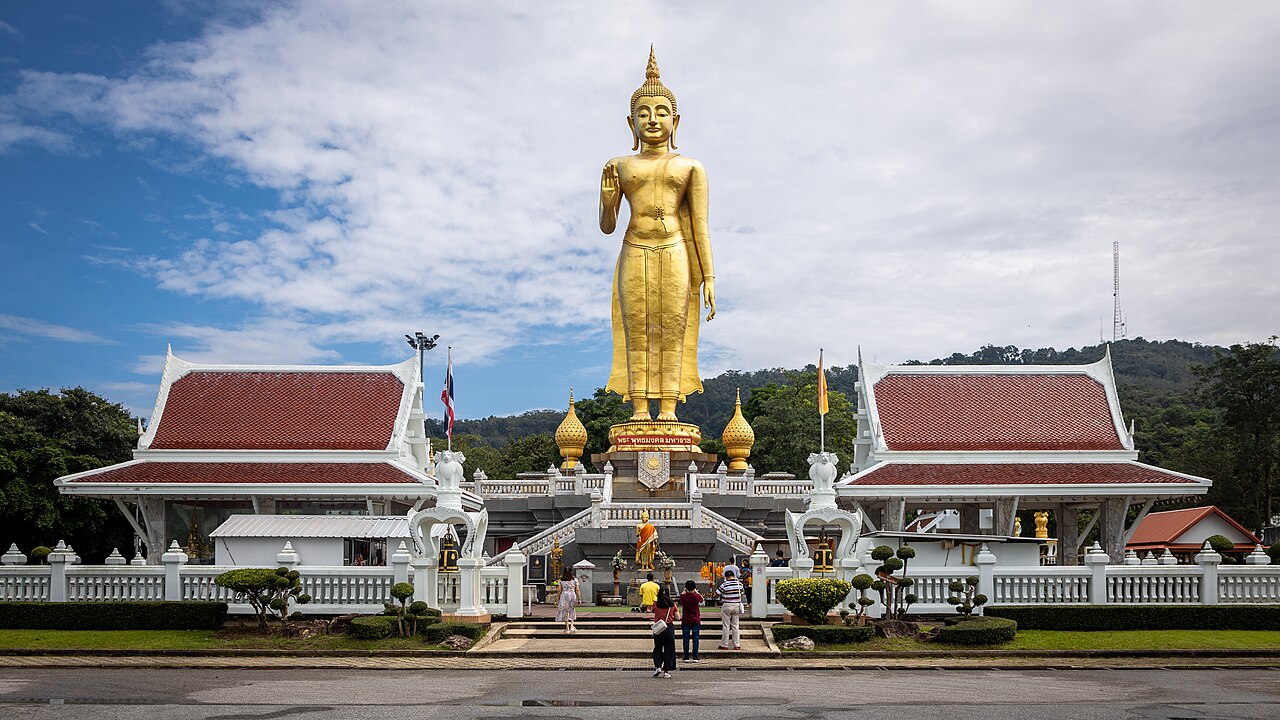
Hat Yai Municipal Park · Cool, dry season
The best
This is Hat Yai at its finest. The monsoon is done, rain all but disappears, and skies are clear on most days. The air sits at a comfortable 28–32°C by day, dropping to around 23–25°C in the morning and evening through January–February, with lower humidity than the rest of the year. You can eat dim sum for breakfast, walk Kim Yong Market, ride the cable car up the park and day-trip to Songkhla old town all day without wilting.
The trade-off: this is high season. Malaysian and Singaporean visitors and Thais arrive in force, especially at weekends and on long holidays, so hotel rates climb and the popular places sell out fast over New Year and Chinese New Year. Go midweek and it's much quieter and cheaper.
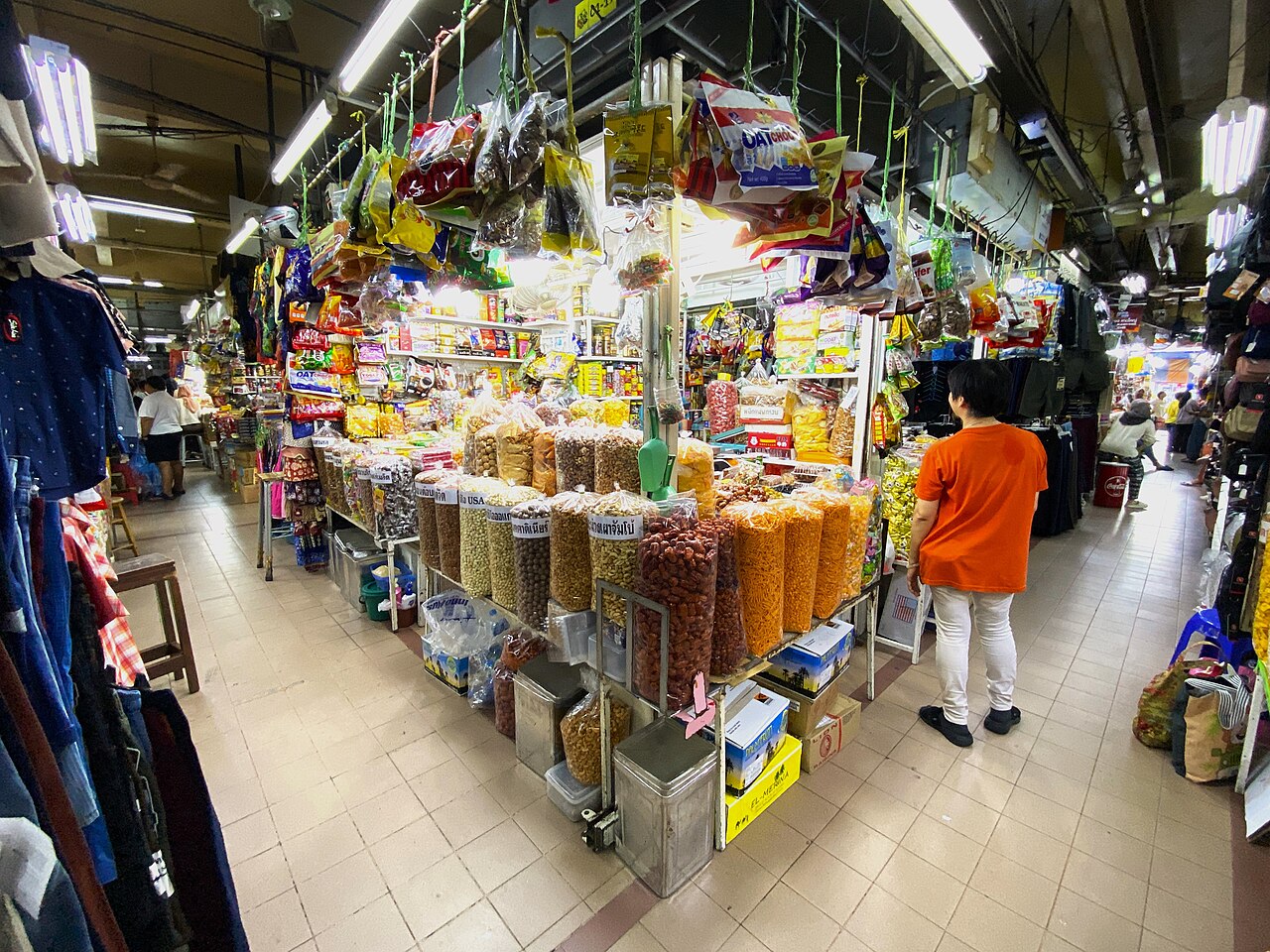
Kim Yong Market · Hot season, indoors
Still good
It warms steadily, from around 33°C in March to genuinely hot and humid in April–May, when daytime temperatures reach 34–36°C. But it stays mostly dry and skies are still open. The advantage of Hat Yai is that it's an indoor city — however fierce the sun, you can duck into Kim Yong Market, a mall, a dim-sum hall or a café. Save outdoor outings like Ton Nga Chang Waterfall or the park for the morning or late afternoon.
April brings Songkran, when Hat Yai is lively with water fights but crowded, with heavy traffic. Hotel rates climb over the holiday. By late May the first showers arrive in spells, taking some of the edge off the heat.
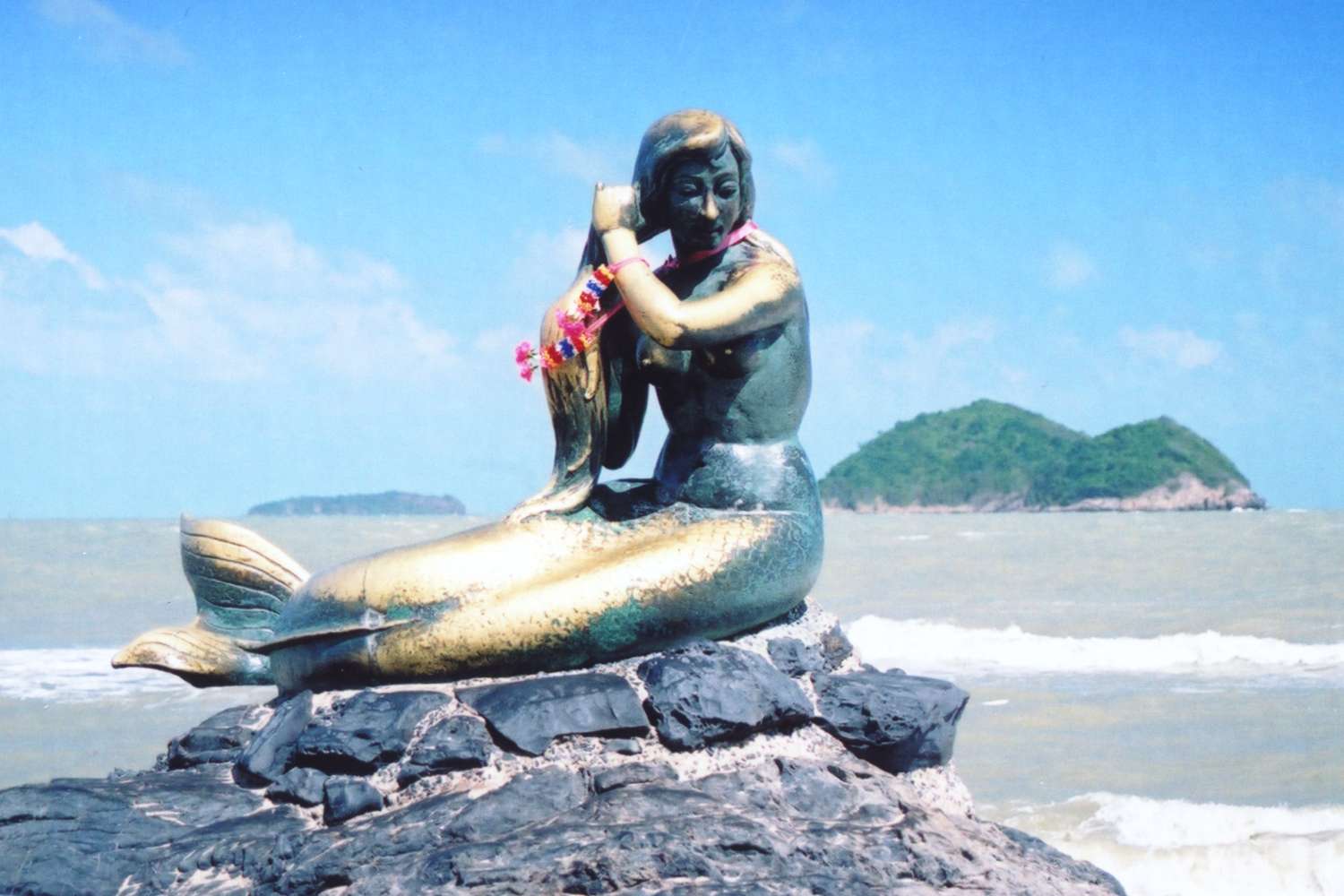
Songkhla old town · Mid-year rain
Best value
Showers come in spells through these months, but it isn't the heavy monsoon yet. Most of the rain falls as short, heavy bursts in the afternoon or evening that pass quickly, while mornings are usually sunny. It's hotter and more humid than the dry season, around 31–34°C by day. Because Hat Yai is a food-and-shopping city, afternoon rain barely touches your plans — you can walk the markets, hit the malls and sit in dim-sum halls regardless.
Crowds thin midweek and hotel rates drop, with many hotels cutting prices. If you can take afternoon rain and the humidity, June–September is the best value of the year — and a good time to day-trip to Songkhla old town or the waterfalls on a clear day.
This is Hat Yai's wettest stretch, when the northeast monsoon brings the rain in full, with November usually the rainiest month of the year. Rain can settle in over several days in some weeks. To be straight about it: Hat Yai has had major floods in unusually wet years. It does not happen every year, and most years pass normally, but it's a risk worth knowing and planning around.
It isn't always grim — prices are low, crowds are thinner than high season, and as an indoor city you can still eat and shop when it rains. But you need a flexible plan, a daily check of the forecast and any local advisories, a hotel in the inner city, and outdoor day trips saved for clear days only. By late December the rain begins to ease, opening the way into the dry season.
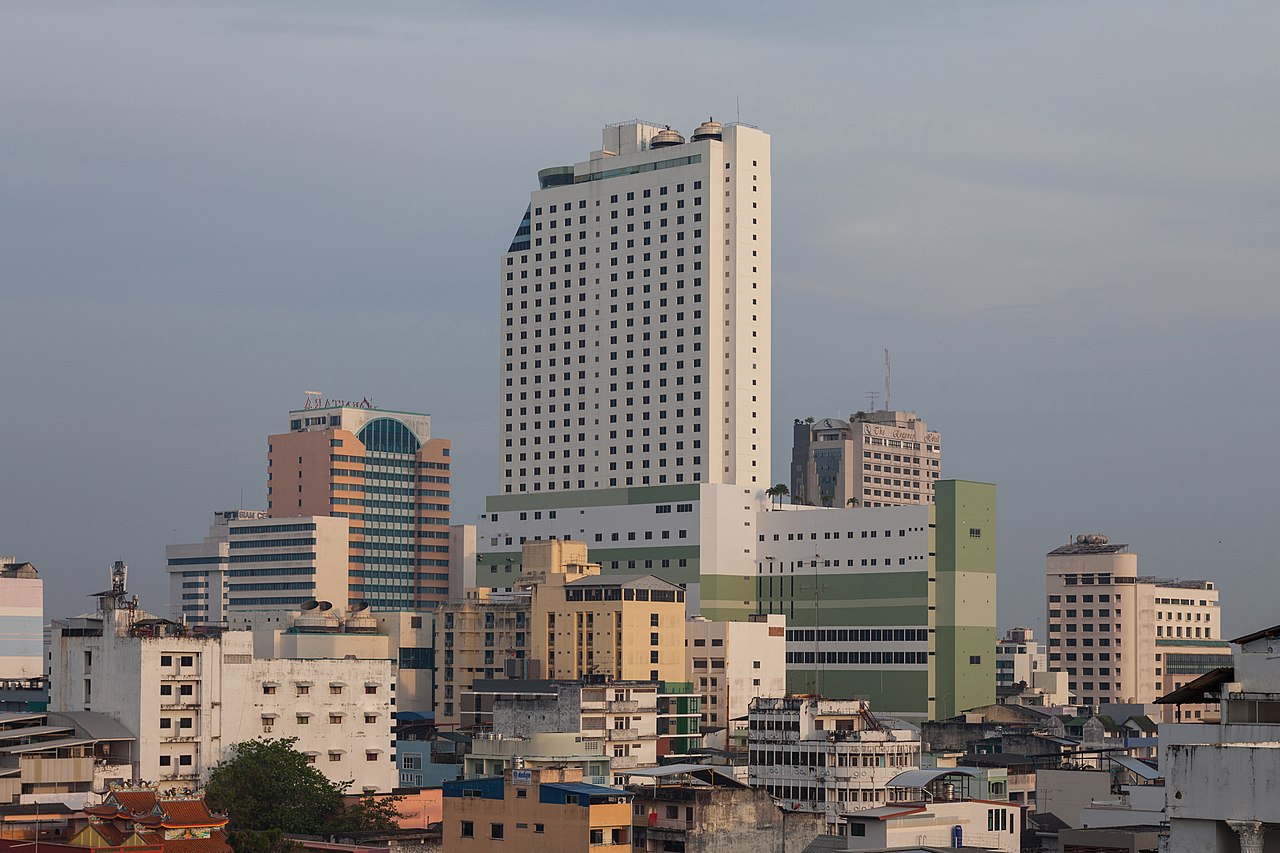
Temperature, rainfall and crowd levels — in one table for easy comparison.
| Month | Temperature | Rain | Crowds | Notes |
|---|---|---|---|---|
| January | 23–32°C | Low | High (high season) | Driest, coolest · clear skies · Chinese New Year late month some years |
| February | 23–33°C | Very low | Moderate–high | Ideal weather · great for eating and shopping all day |
| March | 24–34°C | Low | Moderate | Warming up · still dry · skies open |
| April | 26–36°C | Low | High at Songkran | Hottest · Songkran crowds and traffic |
| May | 26–35°C | Moderate | Low (midweek) | First afternoon showers · prices easing |
| June | 26–34°C | Moderate | Low | Hot, humid · afternoon showers · quiet |
| July | 26–34°C | Moderate | Low | Afternoon showers · low prices · good value |
| August | 26–34°C | Moderate | Moderate (Malaysian school holidays) | Showers in spells · busier on holidays |
| September | 25–33°C | Moderate–heavy | Low | Rain building before the monsoon · low prices |
| October | 24–32°C | Heavy | Low | Monsoon arrives · rain clearly heavier |
| November | 24–31°C | Heaviest | Low | Wettest month · flood risk some years |
| December | 24–31°C | Heavy–moderate | High (New Year) | Rain eases late month · New Year crowds, prices spike |
Hat Yai is an indoor food-and-shopping city, so rain affects your plans less than at a beach town — but each part of the year has its own rhythm worth knowing before you book.
The monsoon is over, skies are clear, rain is almost gone and the air is dry and cool — ideal for dim sum breakfasts, walking Kim Yong and Greenway markets, riding the cable car to Phra Buddha Mongkol Maharaj and day-tripping to Songkhla old town and Samila Beach. This is when Malaysian and Singaporean visitors come in the biggest numbers. See everything to do in our Hat Yai attractions guide.
Rain comes in afternoon and evening spells, not all day, and mornings are usually sunny. Because Hat Yai is a food-and-shopping city, the rain barely touches your plans — you can walk the markets, hit the malls and sit in dim-sum halls regardless. Midweek hotel rates are lower, making it the best-value eating-and-shopping trip of the year. Plan your meals in our Hat Yai food guide.
This is when Hat Yai really does get heavy rain, November most of all, with rain that can last several days, and floods in unusually wet years — not every year, but check the forecast and official advisories. Save outdoor day trips like Songkhla old town and Ton Nga Chang Waterfall for clear days, and keep indoor options like markets, malls and cafés for the wet ones. Compare seasons nationwide in our best time to visit Thailand guide.
Some windows are extra busy, others are worth timing a trip around — here are Hat Yai's key periods.
Hat Yai is a Thai-Chinese city, and Chinese New Year is very lively here, drawing crowds of Chinese-Malaysian and Singaporean visitors across the border. Rooms sell out fast and rates spike, so book several weeks ahead if you want to come. The upside is the festive mood, busy shrines and markets, and the full spread of Chinese-southern food; the trade-off is the crowds and some of the highest prices of the year.
Hat Yai is lively for the Songkran water fights, with Niphat Uthit road and the town centre busy, as Thais and Malaysians come for the long holiday. The upside is the festive mood and still-dry weather; the trade-off is the crowds, heavy traffic and hotel rates that spike over the holiday. If you'd rather avoid the chaos, skip this week, or book several weeks ahead.
Hat Yai fills up by the weekend more than by the season, because Malaysian and Singaporean visitors drive across the border on Saturdays and Sundays, and the Khlong Hae Floating Market runs only on Friday to Sunday evenings. For the buzz and the full set of markets, come at the weekend; for better rates and a quieter trip, come midweek. See all the markets in our Hat Yai night markets guide.
An indoor food-and-shopping city means a light bag — these are the things that actually matter for Hat Yai.
Whatever month you arrive, this far-south food-and-shopping city always has something to eat and somewhere to wander.