12 dishes to try before you leave Hat Yai
Ranked by how distinctive they are — the dishes that capture this trading city's Chinese-southern flavours.
The dish that tells you instantly you're in Hat Yai — chicken marinated, then fried until the skin is crisp and deep brown, finished with a topping of crispy fried shallots before serving, giving it a double layer of aroma and crunch. It's eaten with sticky rice and a sweet-sour-spicy dip; some shops do a salt-fried version or one with sauce. The famous shops in town have been open for decades and draw queues all day. It's both a meal and a takeaway gift, and a dish Malaysian and Singaporean visitors come specifically to try — you won't easily find this original taste off the map of Hat Yai.
In Hat Yai, dim sum is breakfast — an inheritance from the Chinese who put down roots here long ago. Dim sum shops open before dawn and people eat dumplings, har gow, buns, chive cakes, braised vegetables and steamed soy ribs with kopi or hot tea before the day starts. It comes in little steamers you pick one at a time, prices are easy, and you order several to share. The round-table buzz from 6 to 9 in the morning is the most Hat Yai breakfast there is — come a little early while everything's still out and fresh.
The city's Chinese roots mean plenty of home-style Chinese food — khao tom kui, plain hot rice congee eaten with a spread of side dishes you pick from, a popular late dinner; moo hong, pork belly braised in soy, pepper and garlic; braised and roast duck, fragrant-skinned and tender; and kuay teow kua, wide rice noodles stir-fried over a hot flame with wok aroma. You'll find this group at congee shops and late-night spots in the city centre, where you order several dishes to share. The flavours are savoury and rounded, the southern-Chinese way.
 4
4
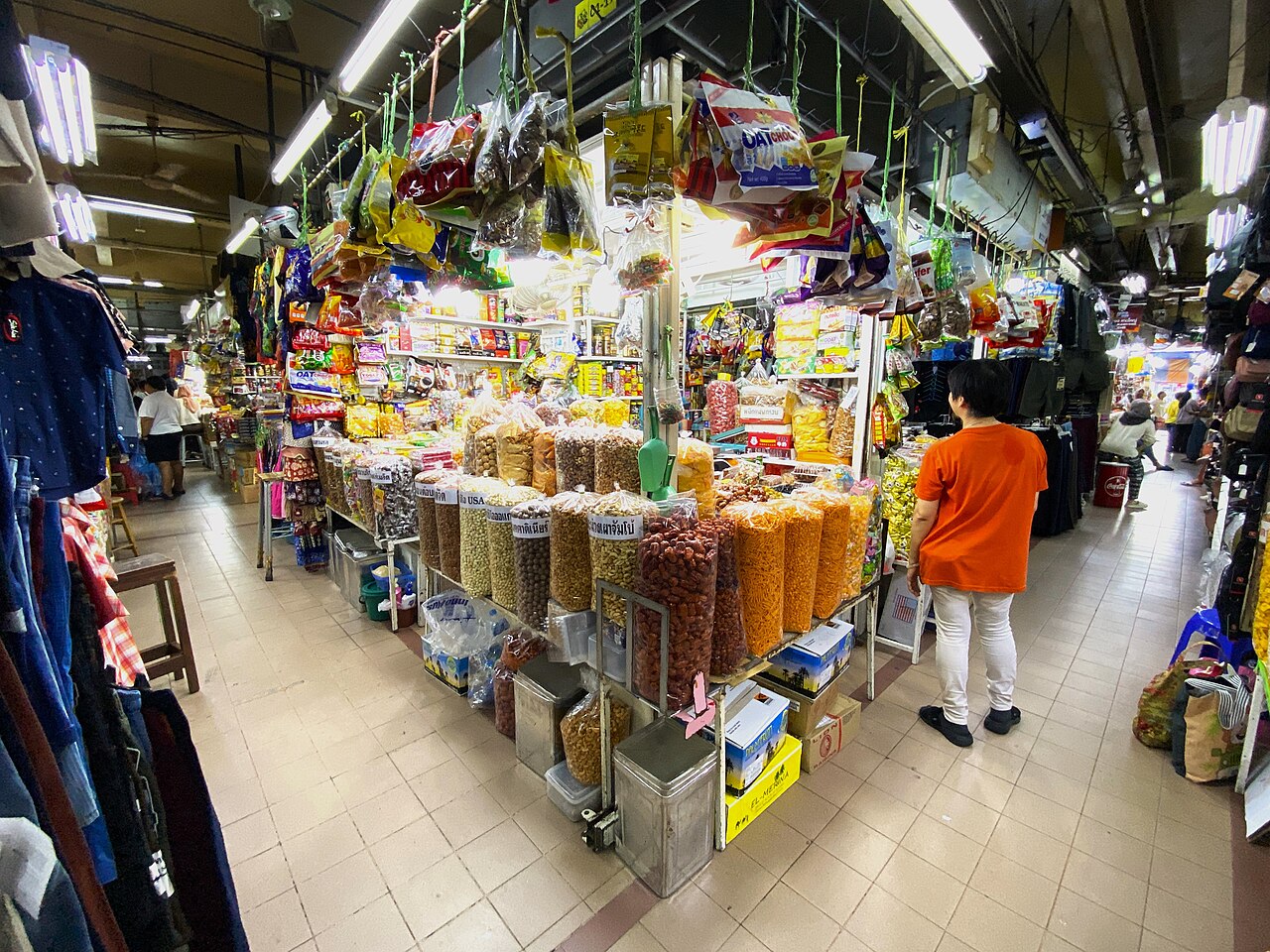
Kim Yong Market is the indoor market in the city centre that every visitor to Hat Yai stops at, packed with dried goods and snacks to graze and buy — roasted nuts, crisp fried sweet noodles, dried squid, pork crackers, pork floss, bak chang (sticky-rice dumplings), hanging roast duck and pork, and imported treats from Malaysia. You can browse and snack all day, prices are local and you can bargain. If you want edible souvenirs to take home, this is the one place that has it all. Bring cash and a cloth bag.
Hat Yai's coffee culture starts with kopi — Chinese-style traditional coffee, dark-roasted and brewed through a cloth sock, drunk hot with sweet condensed milk or black with sugar, rich and sweet. It's served in a glass or an old ceramic cup. The old kopi shops sit in the shophouses of the city centre and have been open for decades, where people sip kopi over kaya toast or soft-boiled eggs in the morning alongside their dim sum — a scene that captures the city's southern-Chinese way of life. If you prefer specialty coffee, the city has plenty of newer cafés too.
After dark the Greenway night market and the ASEAN night bazaar become Hat Yai's liveliest street food — rows of stalls doing grilled pork, chicken, meatball skewers, fried snacks, pad thai and oyster omelette, plus sweets like Tokyo pancakes, ice cream and bubble tea. Prices are easy, starting at a few tens of baht per skewer or plate. It's the place for a graze after shopping, busiest on Friday-to-Sunday evenings when Malaysian visitors cross over. Come in the evening for the best of it, bring cash and be ready to walk.
The other half of Hat Yai's flavour is fierce southern Thai food, because the city sits in the south — gaeng tai pla, a deep, fiery fish-innards curry; yellow curry, sour and hot with fish or prawns; khua kling, minced beef or pork dry-fried with curry paste; shrimp-paste relish; and stir-fried stink beans with prawns for those who love the pungent kick. Southern food in Hat Yai comes with a pile of fresh vegetables on the side to cut the heat. It's far punchier than central Thai cooking — a treat if you eat spicy, and you can ask for it milder or pick the non-spicy dishes if you don't.
Teochew Chinese influence gives Hat Yai several long-running wonton-noodle shops — springy house-made yellow egg noodles served with prawn wontons, red pork and crispy pork and vegetables. You can have it dry, tossed in garlic oil, or in a clear bone broth, both savoury and rounded. Some shops do crisp fried wontons and green jade noodles too. It's a popular, easy-on-the-wallet breakfast and lunch you'll find at old noodle shops in the city centre. Order it both ways — dry and in soup — to compare.
Hat Yai has a family of Chinese-southern sweets to try, reflecting the Chinese-Malay-Thai blend — kosui, a soft steamed cake eaten with coconut; tao so, a flaky pastry with mung-bean filling; Chinese pastries and mooncakes from old bakeries; crisp fried sweet noodles; and a range of coconut-milk sweets. Many of them you can buy at Kim Yong Market and at the old sweet shops in town, and they make good edible souvenirs. Buy a few kinds and taste them side by side with a hot kopi.
 10
10
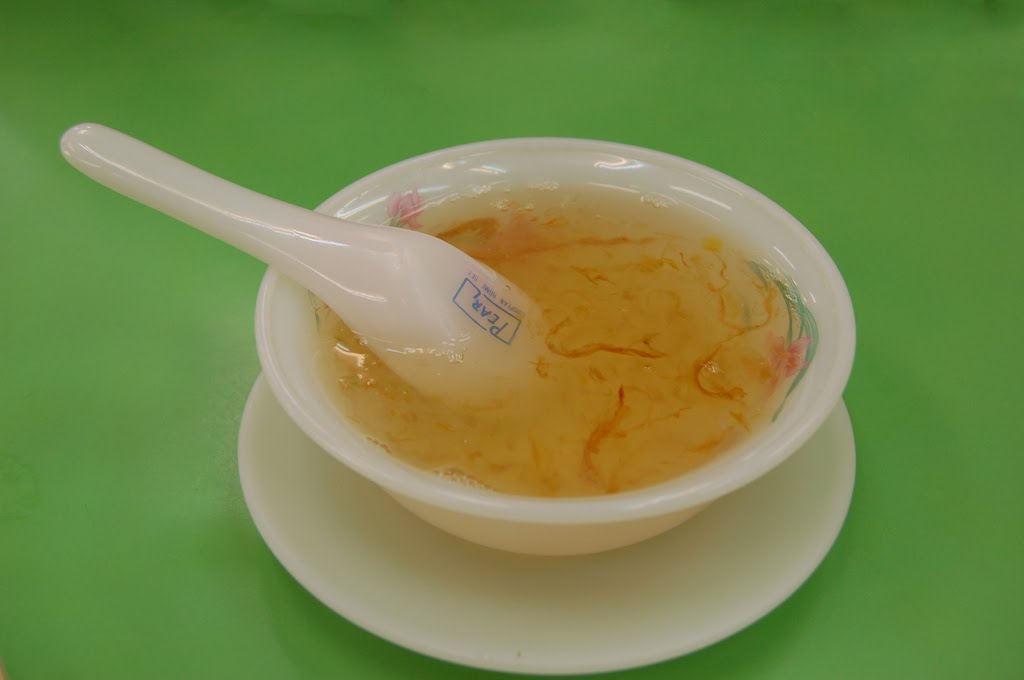
With the city's Chinese roots and its position near the south's bird's-nest sources, Hat Yai has old bird's-nest shops to try — bird's nest stewed with rock sugar, served warm in a small bowl, lightly sweet and taken as a tonic. Some shops offer other Chinese drinks like chrysanthemum tea, Chinese tea and stewed Chinese desserts. It's an afternoon treat that tells the city's Chinese story well. Prices depend on the grade of the bird's nest, so this is one to try a bowl of or buy as a Chinese-style gift — ask the price before you order, as real bird's nest is expensive.
The easy single-plate evening eats in Hat Yai are pad thai and oyster omelette — pad thai, thin noodles stir-fried over a hot flame with prawns, egg and bean sprouts, sweet-leaning and balanced with a sour note. Hoy tod / or-suan is oysters or mussels fried with egg and batter until crisp outside and soft inside, scattered with spring onion and served with a sriracha dip. Both are evening snacks you'll find at late-night stalls and the night market, full of wok aroma and freshness. Order them together to share as a light dinner.
Hat Yai has a Muslim community and sits close to Malaysia, so roti and pulled tea are easy to find and good — the dough is pan-fried until crisp outside and soft inside, eaten two ways: savoury, dipped in beef, chicken or massaman curry, or sweet, drizzled with condensed milk and sugar or filled with banana and egg. Pair it with teh tarik, hot milk tea pulled back and forth until frothy, sweet and rounded. Some shops make murtabak (mataba), a roti stuffed with minced meat and egg that fills you up. Hat Yai roti is a breakfast and an evening snack alike — find it at roti-and-tea shops in town and the Muslim areas, buttery and crisp.