Pick the right base for your trip
Matsumoto is compact and walkable — but the right neighbourhood still sets the mood, whether that's a central hotel steps from the castle moat, a heritage inn near Nakamachi, or a hot-spring night in Asama Onsen.
The most atmospheric base — small hotels and inns within easy walking distance of the castle moat, Nakamachi kura storehouses and Nawate Frog Street. You can be at the moat for the early-morning light before the day-trippers arrive, and walk to Kaichi School and the art museum without needing any transport.
The most convenient choice for rail travellers and day-trippers. Full-service hotels cluster right in front of the station, with easy access to the Alpico bus for Kamikochi, the Matsumoto Electric Railway for Shin-Shimashima, and the Town Sneaker bus to the castle and museum.
A handful of guesthouses and boutique stays tucked among the Edo kura storehouses of Nakamachi and the riverside Nawate Frog Street. The most charming patch of the city — quiet after dark, with independent cafes and craft shops on your doorstep from the morning.
A traditional hot-spring district about 3 km east of the station — roughly 10 minutes by bus. Several ryokan and hotels with natural onsen here, plus a public soto-yu day-use bath. The water is clear and sulphur-free, with a 1,000-year history. A lovely add-on for a two-night stay.
Not in Matsumoto city itself, but the Azumino area — home to the Daio Wasabi Farm and stunning Alps views — is about 20 minutes by JR or the Oito Line. A rural pension or small inn here gives you the farm at dawn before the tour buses arrive, and an easy ride back to Matsumoto.
Kamikochi itself has a handful of lodges and hotels inside the protected valley — no private cars, no through traffic, just the Azusa River, the peaks and the forest. Staying overnight means you get the valley completely to yourself in the early morning. Book months ahead; open late April to mid-November only.
3 hand-picked stays across every budget
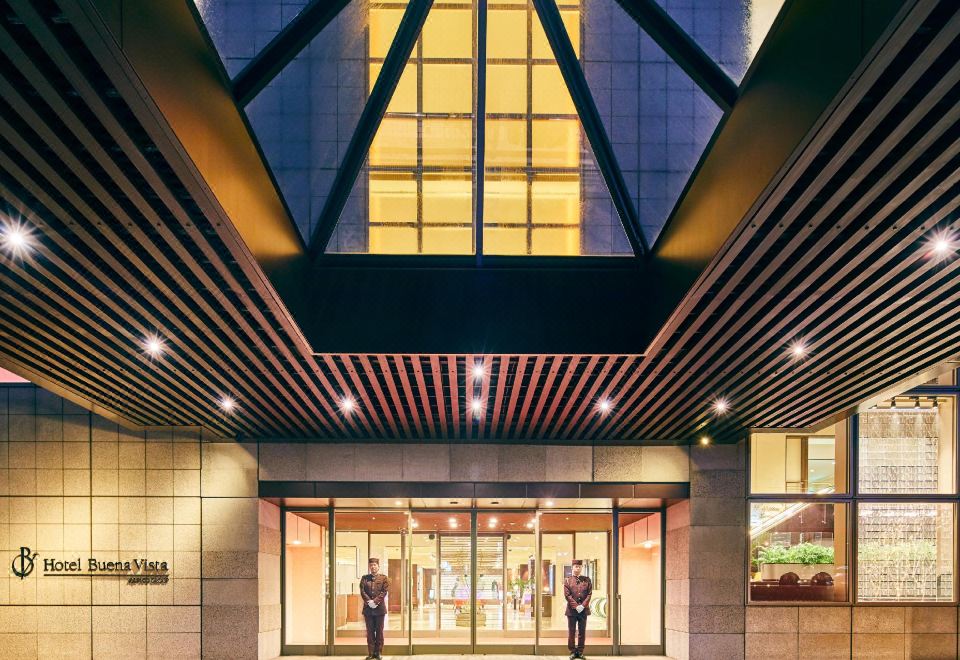
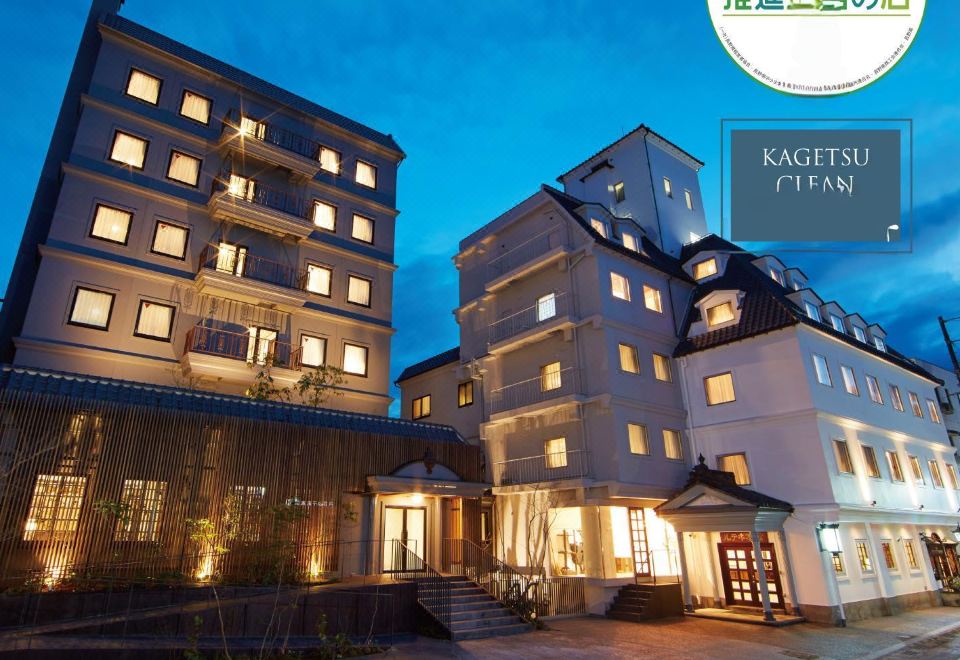
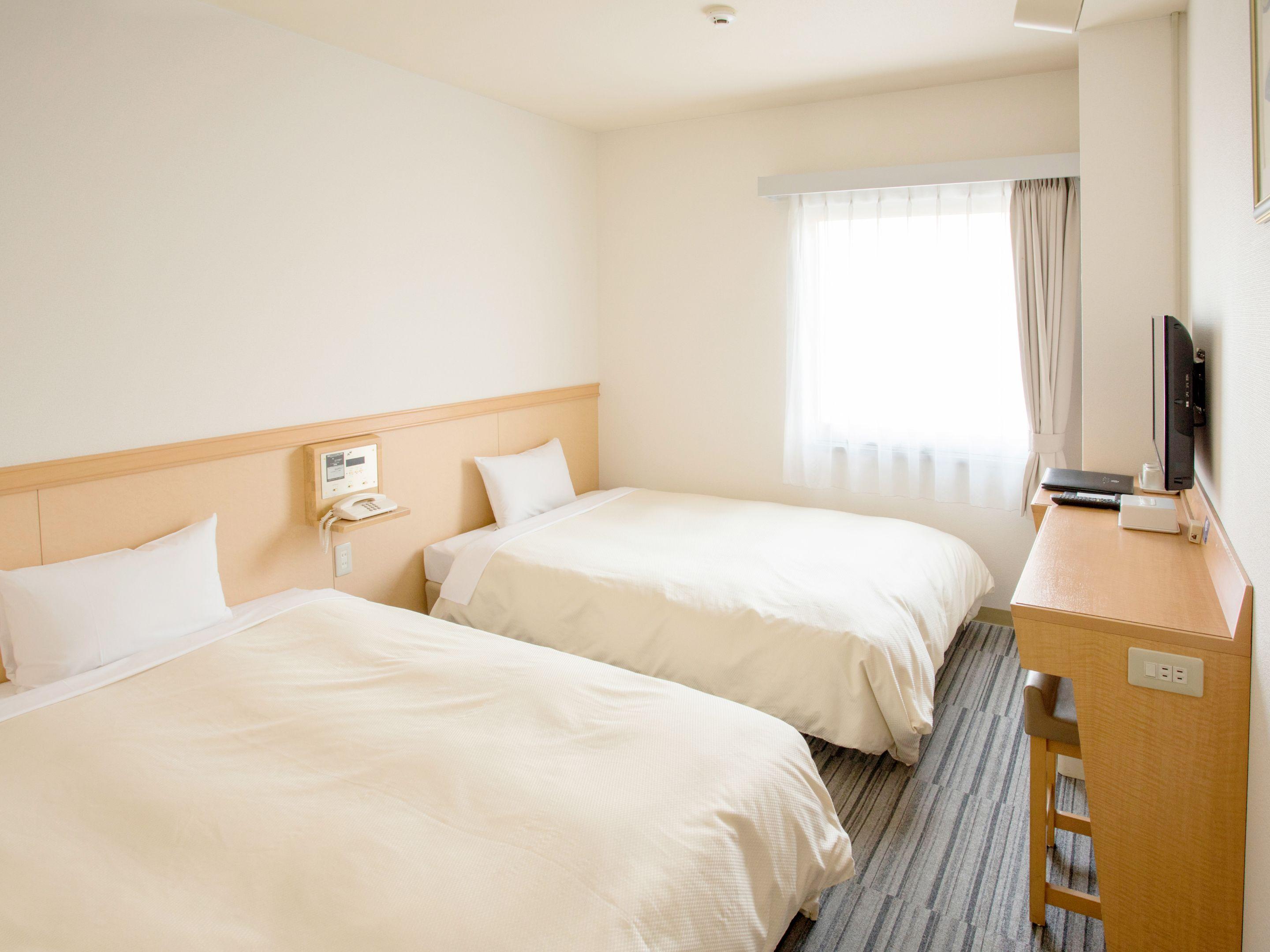
A first look while our full Matsumoto hotel guide is in development — a full-service 4-star near the station with a free happy hour bar, a 130-year-old heritage hotel steps from the castle, and a compact value pick for rail travellers. Direct booking links across 3 platforms.
Food you absolutely must try in Matsumoto
Matsumoto's food scene is rooted in highland Nagano — earthy buckwheat soba, horse sashimi that surprises first-timers, stuffed oyaki dumplings to eat while walking, and garlicky sanzokuyaki chicken that locals swear by.
Matsumoto's most iconic dish — dark, nutty buckwheat noodles from the highland fields of Nagano (Shinshu). Eaten cold with a dipping broth or hot in soup. Dozens of small soba houses in the old town lanes make noodles fresh daily; a bowl costs from ¥900.
Matsumoto signatureThinly sliced raw horse meat — the Nagano specialty that surprises most first-timers. Served on ice with ginger and soy, it's lean, mild, and surprisingly delicate. Both raw and frozen cuts are available in restaurants around Nakamachi; braver travellers try both.
Local originalRound steamed or pan-fried dumplings stuffed with pickled greens (nozawana), pumpkin, eggplant miso or sweet azuki bean. A traditional Nagano mountain snack, sold warm from trays along Nakamachi and Nawate — the ideal walk-and-eat food for a castle-town stroll.
Street snackNagano's take on fried or grilled chicken — marinated in garlic, soy and sake, then fried until crisp or smoked over charcoal. The name means "mountain bandit grilled chicken," and locals eat it with cold Shinshu sake. Many izakayas in the city serve it as a house staple.
Local specialtyNagano produces some of Japan's finest miso — deep, long-fermented and perfect in winter soup. Pickled mountain vegetables (sansai) are another staple: daikon, burdock, and seasonal greens preserved in miso or soy. Pick up a jar at Nakamachi shops to take home.
Take-home souvenirSpring mountain vegetables (sansai) deep-fried in a light tempura batter — fiddlehead ferns, butterbur, mountain wasabi and seasonal greens from the slopes above the city. A short-season highlight (best March to May) in traditional soba restaurants around the old town.
Spring seasonAttractions you have to visit in Matsumoto
From the moat-reflected black castle and Nakamachi's Edo kura to Yayoi Kusama's polka-dot pumpkins and the highland wasabi farm at Azumino — Matsumoto gives you art, history, architecture and nature in a very walkable package.
One of Japan's 12 surviving original castles and a National Treasure — a six-storey black keep built in 1593, reflected in a clear moat with swans. Climb the steep interior stairs for an Alpine panorama. Open 8:30–17:00 daily; adults ¥700. Arrive before 9am for the best photos.
National Treasure · ¥700A preserved street of white-and-black Edo-period kura storehouses (merchant warehouses), now housing craft shops, galleries and cafes. The architecture is intimate and unhurried — narrower lanes, with a river canal running alongside. Free to walk; most shops open from 10am.
Free to walkA quirky riverside lane along the Metoba River, lined with old shops selling frog-themed goods and antiques. The frog (kaeru) is Nawate's mascot — frog warrior statues guard the lane ends. Lively in summer with stalls selling kakigori (shaved ice) and snacks.
Free · Quirky localJapan's oldest surviving Western-influenced school building (1876), a National Treasure — a striking fusion of Meiji-era Western and Japanese architectural styles, with a central tower and coloured glass. Now a local education museum. Adults ¥410; about 20 minutes' walk from the castle.
National Treasure · ¥410Matsumoto is the birthplace of Yayoi Kusama — polka-dot pumpkin sculptures greet you at the entrance. The museum holds a large permanent Kusama collection alongside other Nagano artists. Adults ¥410; the entrance courtyard alone is worth a visit even on a quick stop.
Yayoi Kusama · ¥410Japan's largest wasabi farm, about 20 minutes from Matsumoto by JR. Crystal-clear spring water flows through the wasabi beds all year round; an iron bridge crosses the field above them. Free to enter; wasabi ice cream, wasabi beer and fresh wasabi from the farm shop. Best on a clear day with the Alps behind.
Free entry · Day-tripSample Matsumoto itinerary — 2 days, 1 night
A logical route with no backtracking — the castle and old town on day one, then Kamikochi or the wasabi farm on day two. Perfect for a first visit, with Asama Onsen as an evening add-on if you stay two nights.
Everything you need to know before visiting Matsumoto
Essential facts and practical steps to make your Matsumoto trip run smoothly — how to get there, how to get around the compact city, and how to time a Kamikochi day-trip.
From Tokyo (Shinjuku), the Limited Express Azusa runs directly to Matsumoto in ~2.5 hours (~¥6,800 one-way). From Nagoya, go via the Chuo Line and Shinonoi Line (~2.5 hr). From Osaka, take the Tokaido Shinkansen to Nagoya and change. There is no direct shinkansen — the Azusa is the main option. · Japan transport guide →
Matsumoto is very walkable — the castle, Nakamachi, Nawate and Kaichi School are all reachable on foot from the station in 15–20 minutes. For the City Museum of Art and outer sights, use the Town Sneaker loop bus (day pass ¥700) or a bicycle rental (many shops near the station).
Kamikochi is open late April to mid-November only — check the season before you go. From Matsumoto Station, take the Matsumoto Electric Railway (ME Railway) to Shin-Shimashima (~30 min), then an Alpico bus to Kamikochi (~60 min). No private cars are allowed inside the valley. The first bus from Matsumoto leaves around 6:50am.
Smaller soba restaurants and market stalls may not accept cards — bring at least ¥5,000–10,000 in cash for a comfortable day. Activate a Japan eSIM before you fly for 4G/5G coverage throughout Matsumoto, the Azumino area and the Kamikochi approaches.