The castle city at the foot of the Japan Alps has a food culture as distinctive as its black keep — hand-cut soba from mountain buckwheat, oyaki buns warm from the griddle, horse-meat sashimi at izakaya counters, and wasabi grated fresh from the world's largest farm just thirty minutes away.
The soba in Matsumoto tastes different from soba anywhere else in Japan — and there is a concrete reason for that. Sitting at over 600 metres above sea level, fed by snowmelt from the Japan Alps, the city's buckwheat fields and wasabi paddies grow in conditions that food writers describe as irreplaceable terroir. The water is cold and extremely clear; the air is dry; the growing season is short. All three factors concentrate flavour in ways that lower-altitude farming simply cannot replicate.
Nagano Prefecture, which Matsumoto anchors, produces more than half of Japan's soba, over 40 percent of the country's miso, and the world's finest fresh wasabi. Add a centuries-old tradition of eating horse meat (basashi) and a uniquely garlicky fried-chicken dish (sanzoku-yaki) that the city has claimed as its soul food, and you have a food destination worth planning around. Here are 6 dishes that tell the story of this place best.
Ranked by how uniquely they belong here — dishes you will not find like this anywhere else.
1
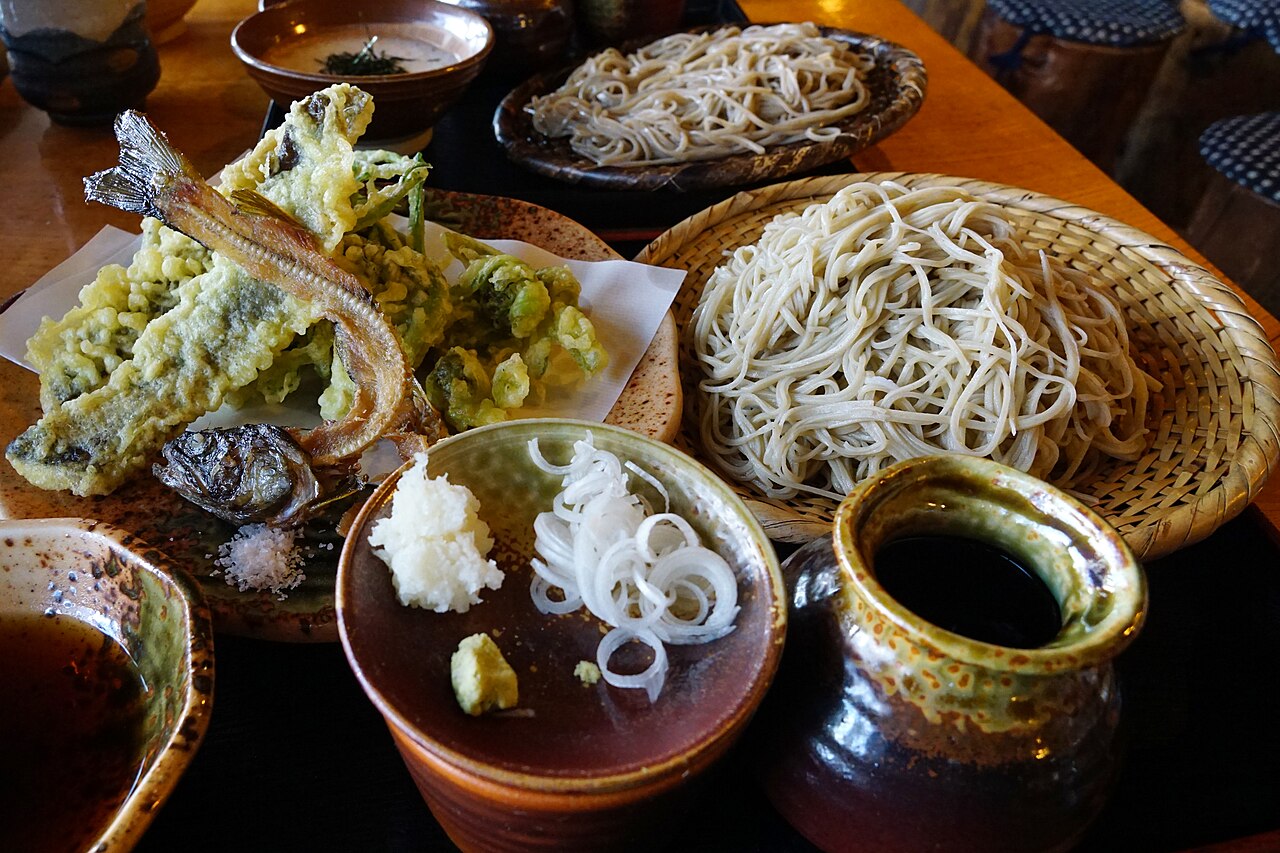
Ask a Matsumoto local what one dish defines this city and the answer is unanimous: soba. The noodles are made from buckwheat grown at altitude, rolled and hand-cut fresh every morning. The colour is a deeper grey-brown than lowland soba, the aroma distinctly earthy and nutty, and the texture holds a firm bite that dissolves cleanly. Order cold (zaru soba) for the purest flavour — served on bamboo slats with dipping sauce, grated daikon and wasabi. When you finish, ask for the soba-yu: the cooking water, poured warm into your remaining dipping sauce. Drinking it is the local way to close a meal. Good shops close when the day's dough runs out, often before 14:30 — treat a closed-door sign as a quality indicator rather than bad timing.
2
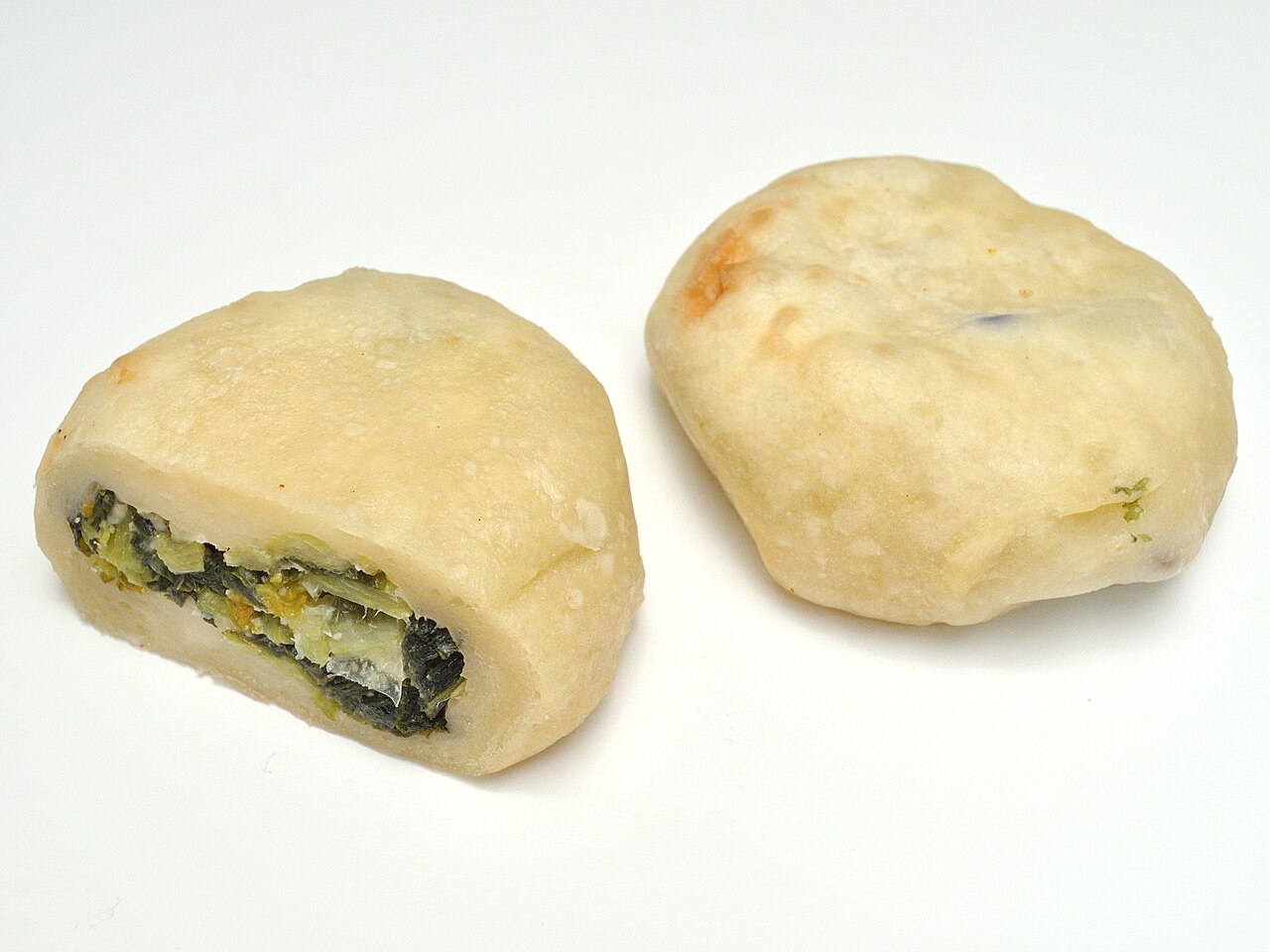
Oyaki are the street food of the Japanese Alps — palm-sized buns made from buckwheat or wheat dough, stuffed with a seasonal filling, then griddled or steamed over a wood fire. The most popular filling is nozawana, a peppery pickled green that grows only in Nagano's cold mountain fields. Other fillings include miso-glazed aubergine, wild mushrooms, and sweet red-bean paste for those who want dessert. The dough is tender and slightly chewy, the filling warm and deeply savoury. At under ¥250 each, they are also the most affordable introduction to Matsumoto's flavours. Eat them warm, walking toward the castle — the combination is difficult to improve upon.
3
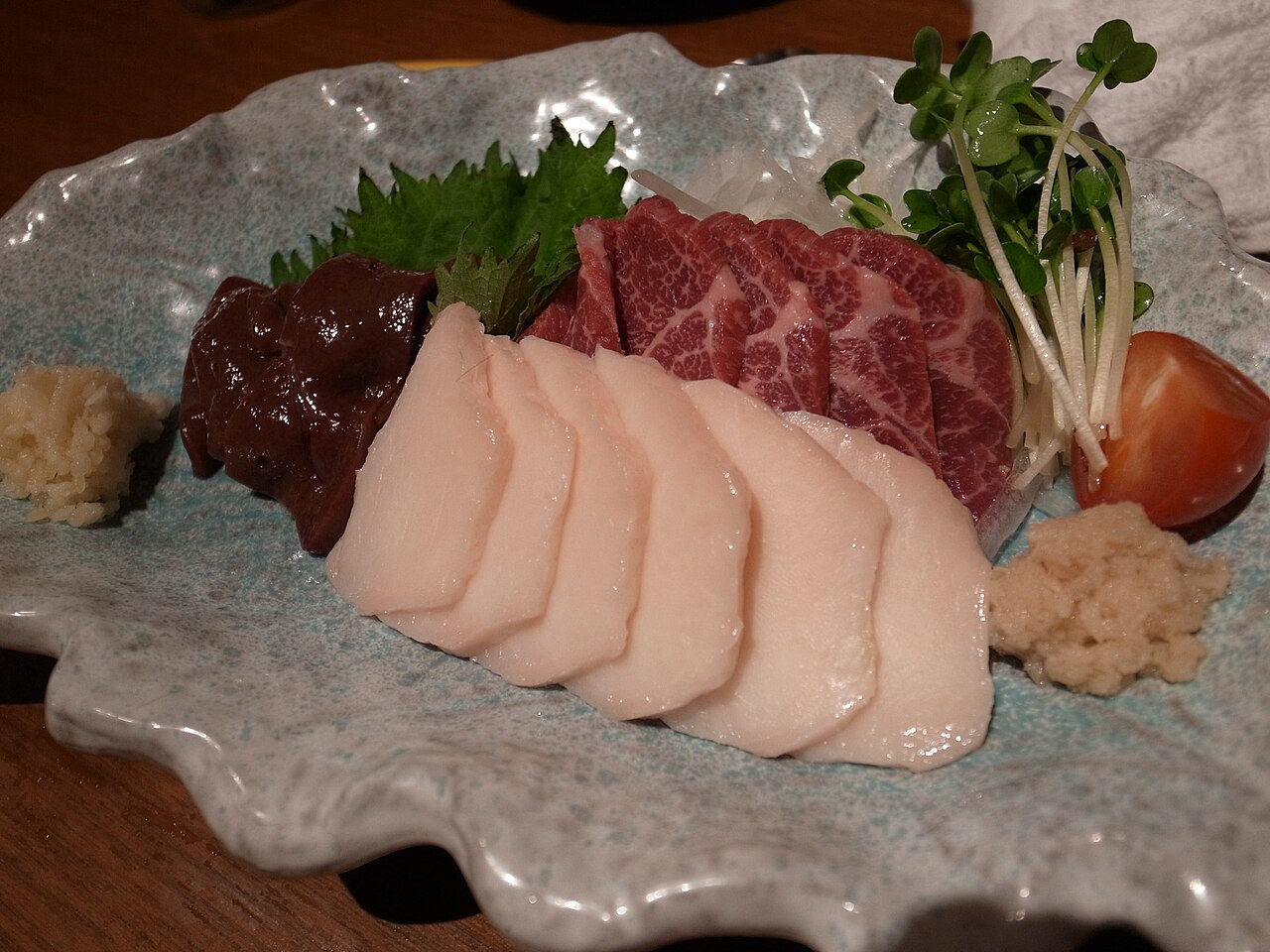
Before you decline on reflex, consider this: basashi tastes nothing like you might expect. The meat is served very cold, sliced thin like sashimi, and it is lean, mild and almost sweet — a flavour far gentler than beef. The pinkish-red colour explains the affectionate nickname sakuraniku, cherry-blossom meat. Condiments are grated ginger, grated garlic, and a light, slightly sweet soy sauce. Izakayas in Matsumoto typically offer a tasting plate of different cuts — lean loin (akami), fatty belly (toro), and sometimes liver — so you can compare textures in a single order. The tradition of eating horse meat runs deep in Nagano, particularly in rural communities that historically kept horses for mountain work rather than livestock. Japanese food-safety law governs horse-meat handling rigorously; it is safe at licensed restaurants.
The name translates loosely as mountain-bandit grilled, allegedly because the original recipe was so good that mountain bandits would steal it. True or not, the dish earns its mythology — a whole chicken thigh or breast, marinated in a bath of soy sauce, garlic, and ginger until the flavour penetrates right through, then coated in potato starch and deep-fried until the crust turns bronze and rough-textured. The garlic note is assertive but not sharp; the skin crackles; the meat inside stays moist. It has its own mascot (Sanzokun), its own official day (March 9th), and its own potato-chip flavour. For a dish this local, that level of civic pride feels entirely appropriate. Eat it immediately — the crust softens within minutes of leaving the fryer.
5
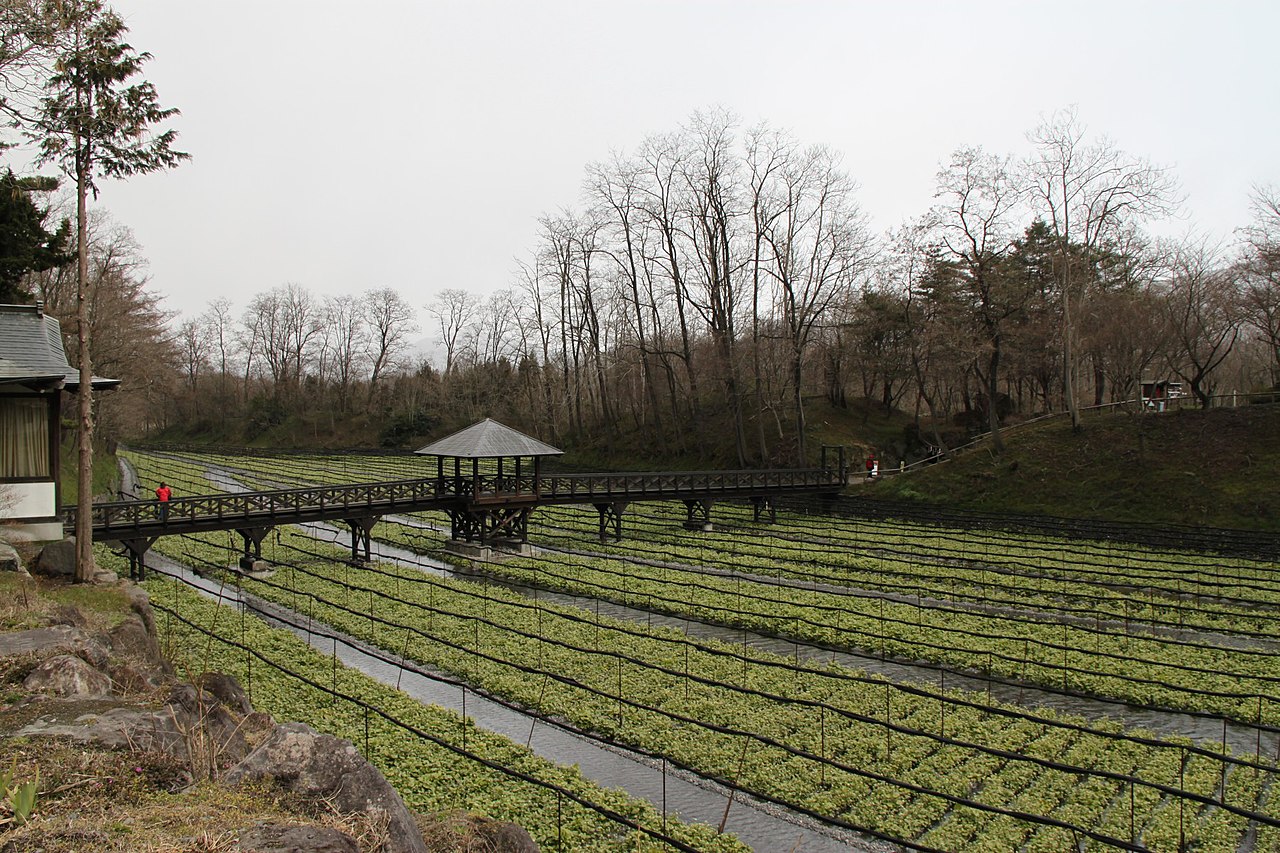
The wasabi you've eaten outside Japan almost certainly wasn't wasabi — it was horseradish dyed green. Real wasabi (Wasabia japonica) requires water this clear and air this cold to grow, which is why Azumino, thirty minutes from Matsumoto, produces some of the world's best. Daio Wasabi Farm, founded in 1915 and spanning 15 hectares, sits in a valley where snowmelt from the Japan Alps passes through volcanic rock before emerging in shallow channels across the farm. The result is plants of extraordinary intensity: grate a fresh rhizome and the heat hits your sinuses like a clean electric shock, then fades in seconds to a mild sweetness. Nothing in a tube resembles this. At the farm: watch the process, grate wasabi yourself at demonstration booths, then eat it with soba noodles served on-site while it's still sharp. The wasabi soft-serve ice cream (¥350–400) sounds absurd and tastes genuinely great.
Nagano produces over 40 percent of Japan's miso output, and Shinshu miso has two distinct personalities depending on age. A one-year fermentation produces a bright, salty paste — lighter in colour, assertive in flavour, the kind used in everyday soup. Leave it for three years in cedar barrels and it transforms: deeper brown, more complex, with notes of umami that linger long after the bowl is empty. At Ishii Miso Brewery on Nakamachi Street — one of Matsumoto's oldest working businesses — you can walk the barrel rooms for free, taste miso at different ages side by side, and eat a set lunch that uses the three-year variety as its primary seasoning. It sounds simple; it doesn't taste simple. The takeaway jar of aged miso is a better souvenir than any keychain.
Matsumoto is compact — you can walk from the station to every neighbourhood. Knowing which zone does what saves time.
The riverside street with the frog mascot. Oyaki shops are easiest to find here, served warm from griddles. Kobayashi soba sits beside Yohashira Shrine. Quieter than the tourist drag, it is ideal for a morning bun before the castle opens or a post-castle lunch.
Historic merchants' street where Edo-period sake and rice warehouses now house cafes, craft shops, and Ishii Miso Brewery. Good for a relaxed afternoon: miso lunch, specialty coffee, browsing miso and dried-soba gifts to take home. The atmosphere rewards slow walking.
For evenings. Yamameya and a cluster of izakayas operate here, serving sanzoku-yaki, basashi, and soba under one roof. Budget ¥3,000–5,000 per person including drinks. This is where locals end the day — the right choice for a final-night meal.
Worth a full half-day: Daio Wasabi Farm, a wasabi-product lunch, on-farm grated wasabi soba, and the soft-serve at the exit. The Hotaka area has additional soba shops and wasabi-flavoured snacks along the cycling route. A bicycle is the ideal vehicle — the landscape is flat and genuinely beautiful in all seasons.
A walkable sequence that gets all six dishes into your day without a taxi.
Buy a nozawana oyaki for ¥200 and walk to Matsumoto Castle before the tour groups arrive. The castle's black facade reflected in the moat in early light is one of Japan's genuinely striking images — and you will have it mostly to yourself before 09:00.
Arrive by 12:15 — queues form quickly. Order the cold zaru soba set; add tempura if you are hungry. Drink the soba-yu when the server brings it. Leave by 13:30 before the afternoon close.
Stroll the kura storehouses, then walk into Ishii Miso free of charge. Taste the one-year and three-year side by side — the difference in complexity is surprising. Buy a jar. The weight of a 500g miso tub is roughly the same as a hardback book and far more useful at dinner.
The ideal finish: sit at the counter, order basashi first (eat it cold, quickly), then sanzoku-yaki while it's hot from the fryer. Close with a small bowl of soba or a cup of sake from Matsumoto's Shinshu Kirei brewery. Nagano's Yona Yona Ale pairs well with the garlic of sanzoku-yaki, if beer is your preference.
Places that Matsumoto locals mention again and again — worth knowing before you leave the hotel.
The soba restaurant that locals take visiting friends to first. Located close to the castle grounds, Nomugi makes noodles fresh each morning and closes — often before 14:30 — the moment the day's dough is finished. A locked door mid-afternoon is not a disappointment; it is proof the shop refused to serve yesterday's noodles. Order the cold zaru set and eat at the wooden counter.
The oldest operating soba shop in Matsumoto, beside Yohashira Shrine on the frog-mascot street. The fourth-generation owner still makes noodles by hand daily. The room is unrestored Meiji-era wood — no renovation, no redesign — which is part of the appeal. Soba here has a slightly coarser texture than newer shops, and a deeper buckwheat flavour that older generations consider the standard.
Walk into the barrel room for nothing. Giant cedar casks, some fermented for three or more years, line the walls of a building that has been producing miso since the late Edo period. The on-site lunch service uses the aged miso as a primary ingredient — soup, grilled items, rice — and the difference in depth versus instant-mix miso is immediate and obvious. The jar you bring home will be used differently once you understand the three-year version.
This is not a tourist replica — it is a working farm covering 15 hectares where wasabi has been grown in mountain spring water since 1915. Akira Kurosawa used it as a filming location; woodblock print artists have been painting it for generations. Walk the water channels, grate fresh wasabi at the demonstration station, eat it with a bowl of hot soba noodles sold on-site while the heat is still sharp. The farm shop sells wasabi in every conceivable form: paste, crackers, beer, soft-serve, and fresh rhizomes to take home. The soft-serve is worth the journey alone.
If you only have one evening and want to try multiple Matsumoto dishes in a single sitting, Yamameya is the most practical choice. The menu runs from basashi (order it first, eat it cold) to sanzoku-yaki and closes with small-portion soba. The interior is traditional Japanese timber, the staff manage basic English, and the atmosphere is a working neighbourhood izakaya rather than a tourist-facing restaurant. Budget ¥3,000–5,000 per person including drinks.