The city is compact enough to walk all day — but which of the three neighbourhoods you sleep in shapes the whole trip. An honest breakdown with real trade-offs and reviewed hotel picks.
Matsumoto is not a sprawling city. From the JR station to the castle is roughly 15–20 minutes on foot, and the whole historic centre can be covered in a day of easy walking. But pick the wrong neighbourhood and you still feel the difference: staying downtown versus spending nights at a ryokan in the hot-spring hills 6 km away are genuinely different trips.
We split the city into three distinct areas — each with a clear personality, price range, and the kind of traveller it suits best. Real hotel reviews with verified scores back up every recommendation.
First time and not sure where to start? Scroll to the Best Pick box below — it gives you a direct answer before you have to read everything.
For most first-time visitors, the station neighbourhood is the cleanest choice. Hotels here are 2–3 minutes on foot from the platforms — no taxi from the station, no dragging luggage uphill. Every bus to Kamikochi, every Matsumoto Electric Railway train south, and the Azusa Express back to Shinjuku (2.5 hours) departs from a single starting point. Nakamachi Street is a 5-minute walk. The Town Sneaker bus to the castle stops right outside.
Recommended hotel for this area: Hotel Buena Vista Matsumoto (4-star · 200 m from the station · free evening happy hour at the bar · free shuttle to Asama Onsen · 9.0/10 from 670 reviews)
Read the Buena Vista review →Real hotel picks with review links — choose the one that fits your travel style.
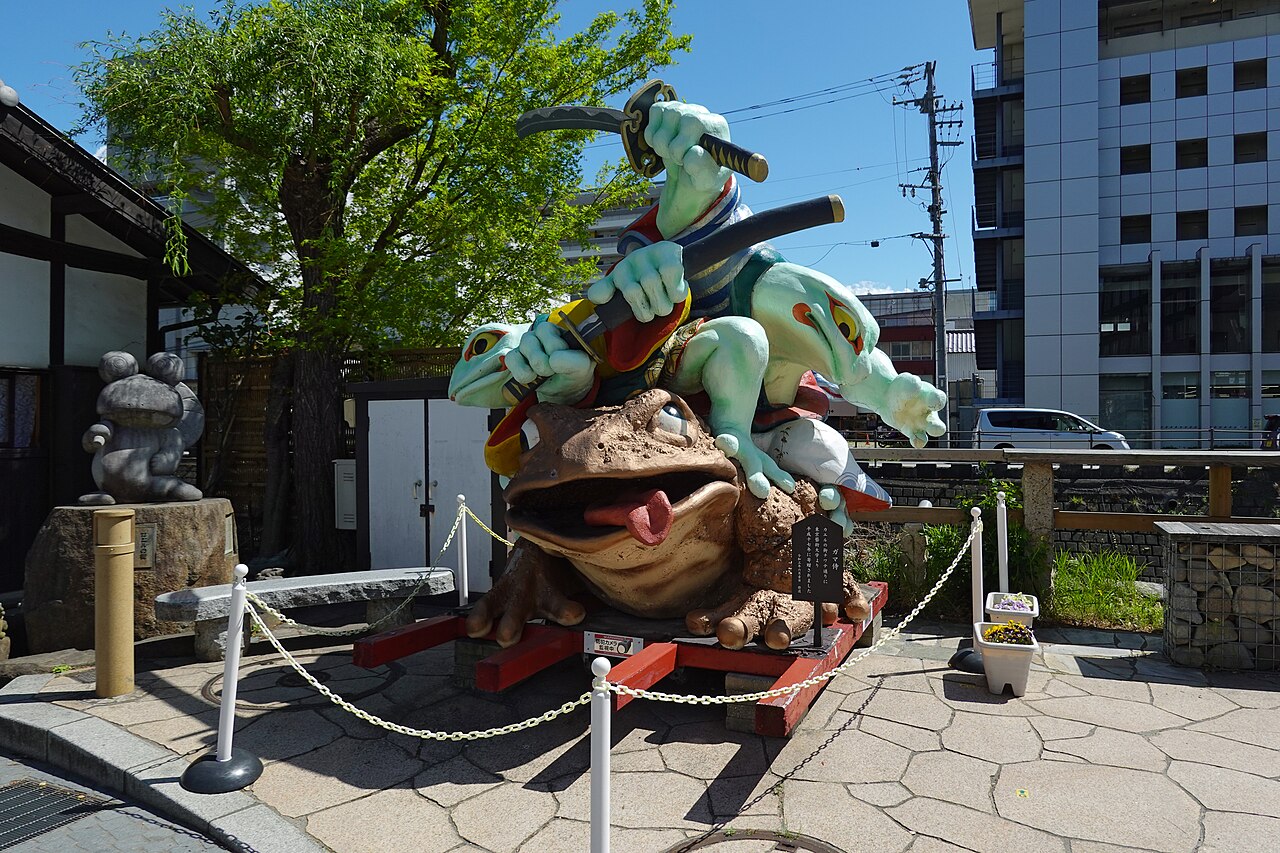
Area 1
Best for: Rail travellers, those arriving on the Azusa Express from Tokyo, and anyone planning day-trips to Kamikochi or Takayama. Step off the train and you are at the hotel in under three minutes — no waiting, no taxi fare. Nakamachi Street is a 5-minute walk. The Town Sneaker bus to the castle stops in front of the station. The honest trade-off: no hot spring at the hotel, so you need the public sento or a free shuttle (offered by some hotels) to reach Asama Onsen.
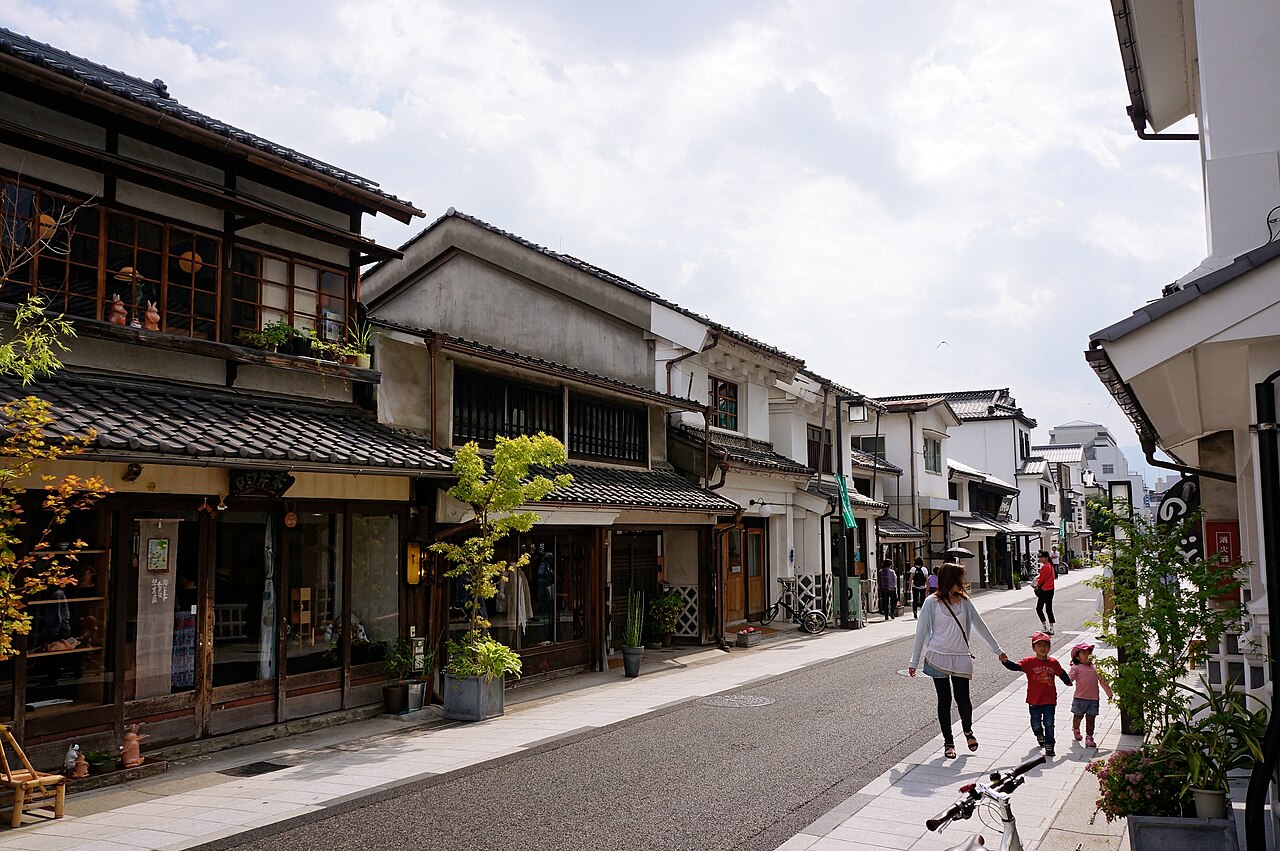
Area 2
Best for: Visitors who want to step out of the hotel and reach Matsumoto Castle in five minutes, or who like the atmosphere of the kura-style old town — cedar-and-whitewash warehouses, the canal along Nawate Street, afternoon soba shops. The one reviewed hotel in this quarter has a genuine natural hot-spring bath (not heated tap water). Trade-off: the station is 10 minutes on foot; consider a taxi if you arrive with heavy bags.
Area 3
Best for: Travellers who came to Matsumoto to slow down, not dash. Asama Onsen has seven natural hot-spring sources running at around 50°C, a mix of private ryokan baths and cheap public sento, and the quieter cadence of a traditional Japanese spa town. Most ryokan include kaiseki dinner and a Japanese breakfast. Worth knowing: it sits 6 km north of central Matsumoto — a 20–25 minute bus ride or 15-minute taxi. If your plan is to day-trip intensively every day, the friction of commuting in and out will outweigh the atmosphere gain.
Station area: 3-star hotels from ¥7,333 per night (Premier Hotel Cabin) up to ¥9,500 (Buena Vista 4-star) — best value if you plan to be out exploring all day. Castle quarter: heritage properties like Kagetsu start at ¥9,292 and include a genuine natural hot spring — surprisingly similar to the station area at that price. Asama Onsen: ryokan typically from ¥12,000–25,000 per person including a kaiseki dinner and Japanese breakfast. Once you factor in meals, the total spend is not dramatically higher than a city hotel plus restaurants.
Peak periods when rooms fill fast: autumn foliage (October–November), Golden Week (late April–early May), and the Matsumoto Castle Festival (August). Book 4–6 weeks ahead for those windows. Compare prices at Trip.com
Matsumoto is soba country. The best lunch spots in the Nakamachi area serve Toji Soba — noodles briefly dipped in hot water at the table, a style unique to this part of Nagano. Sanzokuyaki (crispy marinated fried chicken) is the other local staple worth tracking down. The wasabi farms of nearby Azumino supply some of the freshest wasabi in Japan — you will see it on menus across the city. See the full Matsumoto city guide for restaurant picks.