From Pinglin's terraced hillsides reachable by bus from Taipei, to Alishan's plantation fields draped in morning mist at 2,000 metres — Taiwan grows some of the world's most prized oolong, and most of it is surprisingly easy to visit.
If you have ever sipped an oolong whose floral scent needed nothing added, and whose clean sweetness lingered long after the last sip, there is a reasonable chance it came from Taiwan. The island's high ridgelines, reliably humid climate, morning mist and volcanic soil create conditions that coax tea bushes into producing leaves of extraordinary complexity. Taiwan produces many tea styles, but it was High Mountain Oolong and Dongding that made the global tea world pay attention — and Ruby 18 black tea that surprised everyone who assumed black tea was a British or Indian domain.
The best part for travellers: most of Taiwan's famous tea regions are accessible as day trips from Taipei or as overnight stops on a broader island itinerary. You can ride a gondola into a Taipei tea garden, pick leaves at dawn on an Alishan hillside, taste Dongding straight from the farmer who grew it in Nantou, and grind Hakka Lei Cha by hand in a century-old stone-street village in Hsinchu — all within a single week's trip.
Each region specialises in a different style. Know the basics and you will choose your destination — and your souvenirs — with confidence.
Listed roughly from nearest Taipei to furthest — pick your route based on time and travel style.
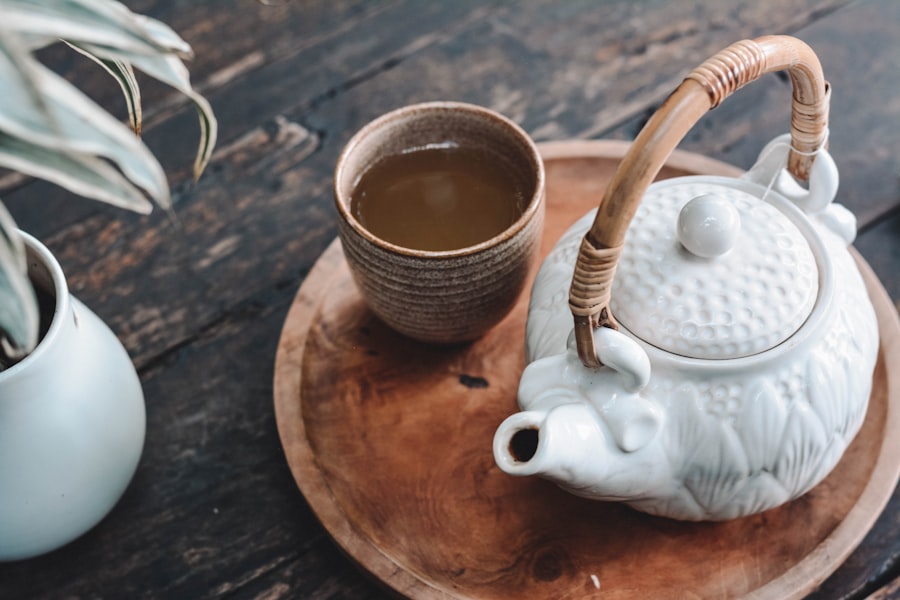
Pinglin is a quiet valley township wrapped in tiered tea fields — the heartland of Pouchong (包種茶), Taiwan's most lightly oxidised oolong. The liquor is pale yellow-green and almost transparent; the flavour is softly floral with no bitterness. An excellent starting point for anyone new to oolong. The Pinglin Tea Museum has English-language exhibits and a tasting pavilion. Spring (April–May) brings special leaf-picking sessions open to visitors.
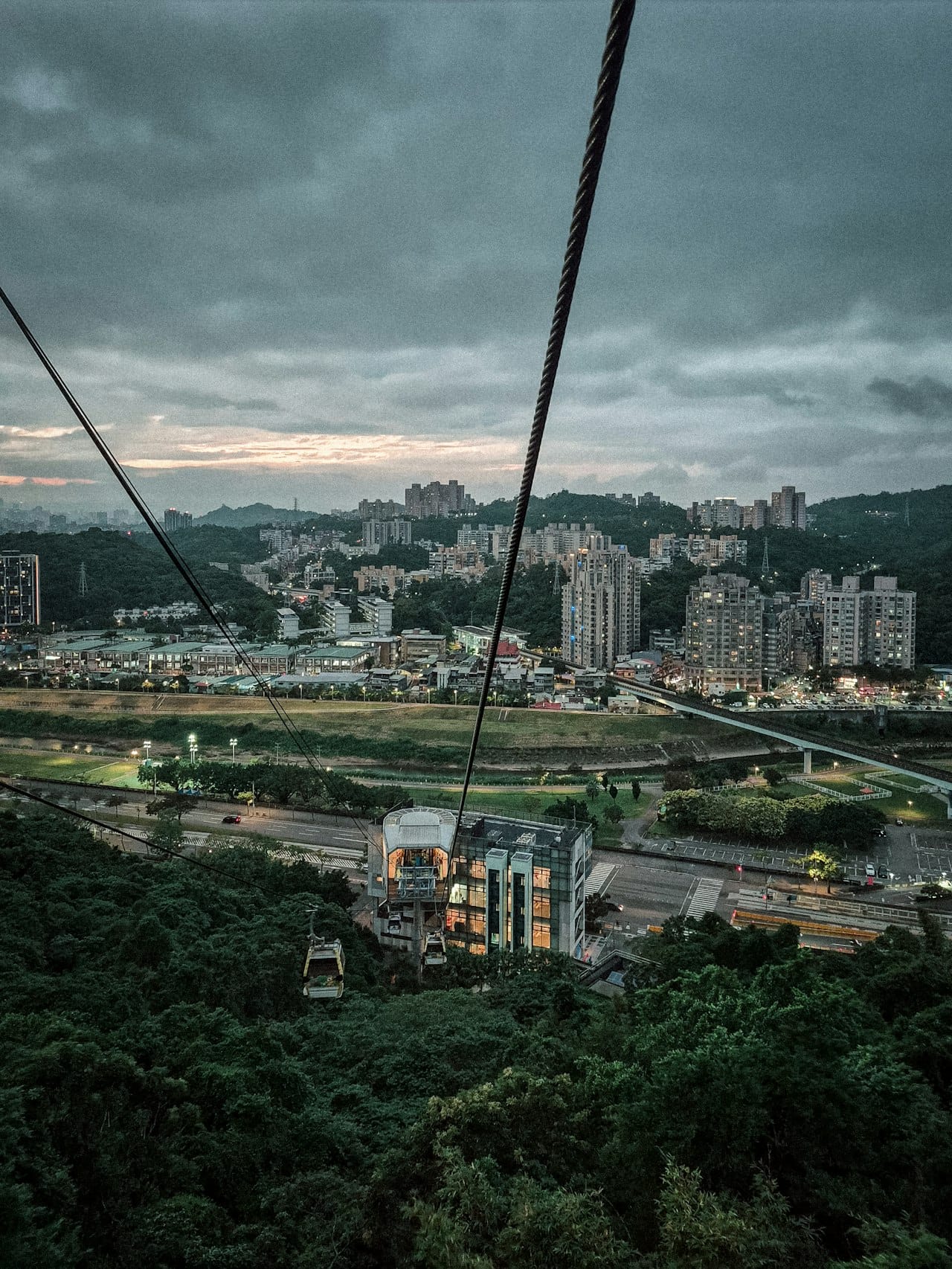
Maokong is the most accessible tea destination in Taiwan — a gondola from MRT Taipei Zoo lifts you over tea terraces with the city spreading out below. The hillside teahouses serve mainly Tieguanyin (鐵觀音), a medium oolong with a lightly toasty quality and a warm, milky undertone. It stands up well to food and stays mellow as it cools. A relaxed half-day trip that pairs well with Pinglin in the morning. On clear nights the Taipei skyline view from Maokong is genuinely stunning.
Full Maokong gondola guide →
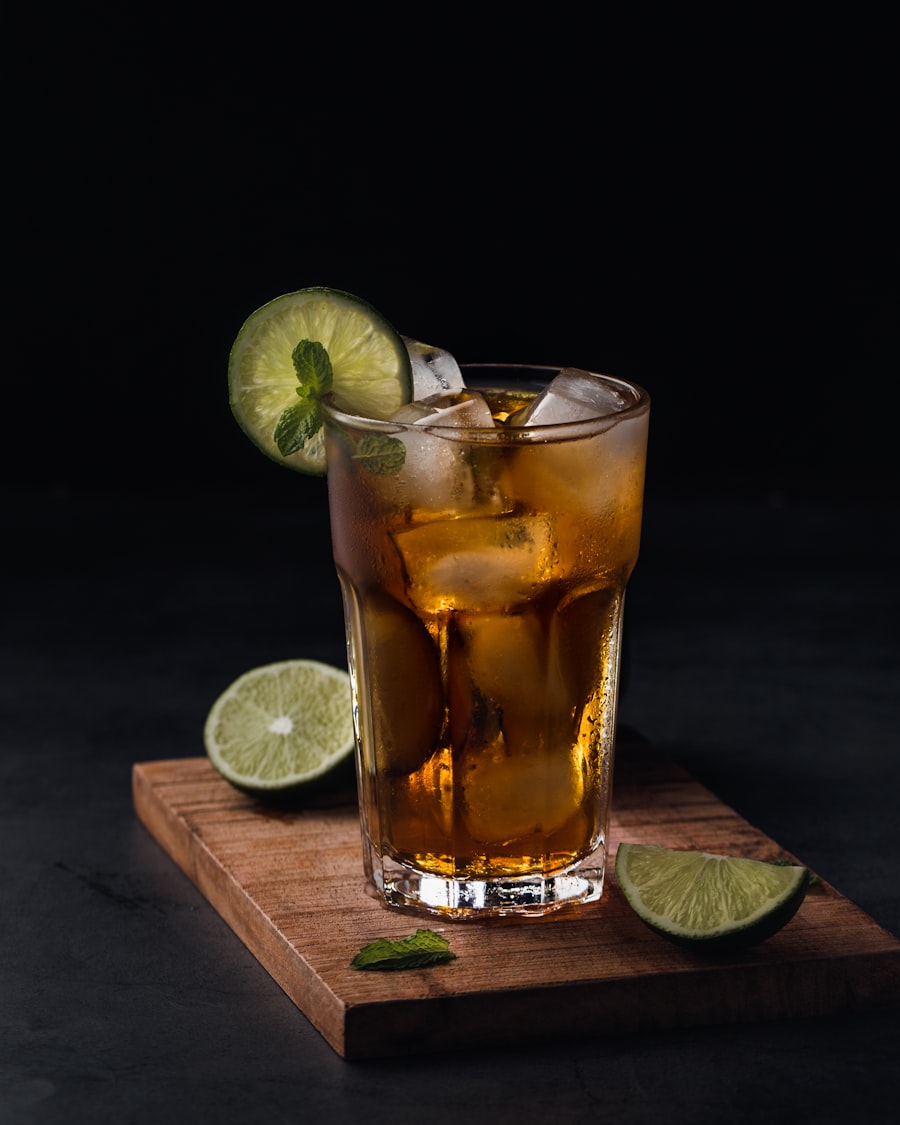
Alishan tea is grown at 1,400–2,200 metres, where sea-cloud mist rolls through the plantation rows every morning. The slow-grown leaves produce an oolong with a vivid orchid aroma, golden-green liquor and a sweet, lingering finish that is hard to replicate at lower altitudes. Many tea critics consider it the world's finest oolong category. Shizhuo village is the best base for farm stays — you wake to mist, walk through tea rows before breakfast, and buy direct from the family who picked it. Spring Flush (April–May) is prime time.
All Alishan attractions →
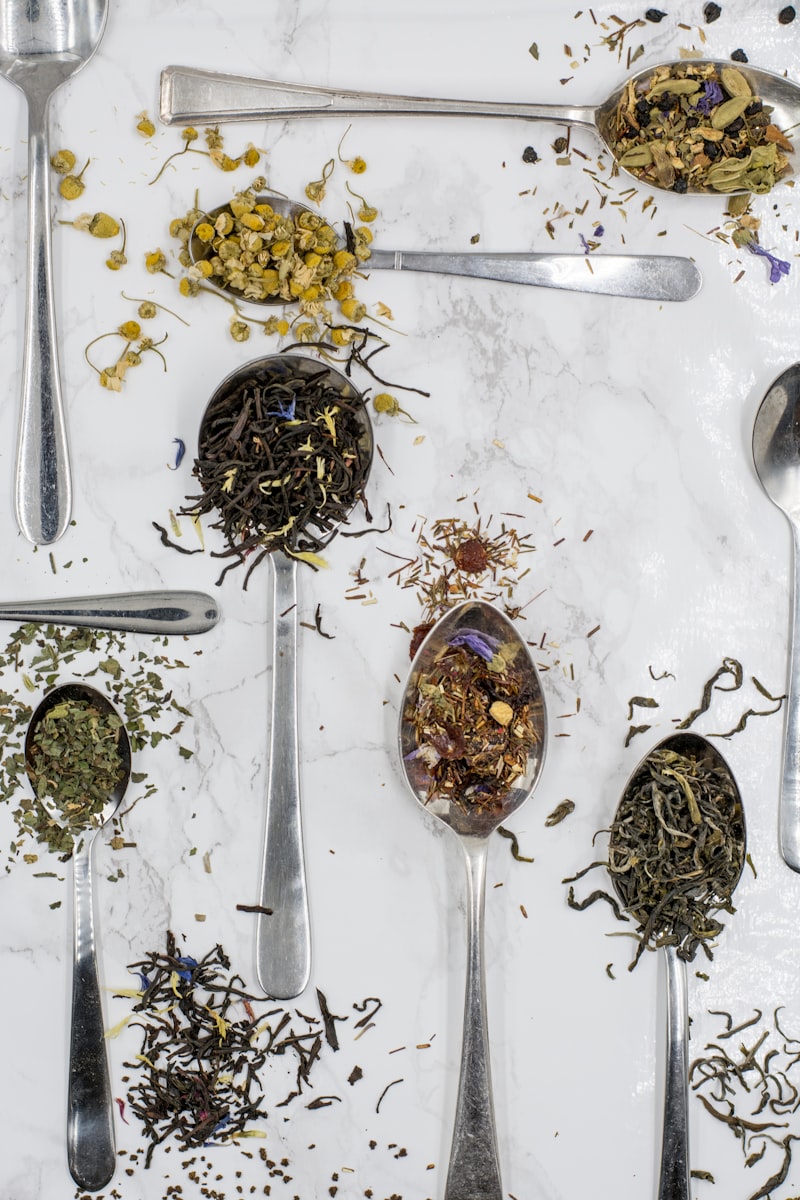
Ruby 18, officially Taiwan Tea No. 18, is a black tea hybrid developed by crossing Burmese Assamica with a wild Taiwanese variety on the warm, humid slopes above the lake. The result is a black tea unlike any other: naturally sweet without bitterness, with notes of cherry and a ghost of mint on the finish. Drink it straight — no milk, no sugar needed. Lakeside tea shops let you taste before you buy, and the scenery makes the stop worthwhile even if tea isn't your main motivation.
Sun Moon Lake full guide →
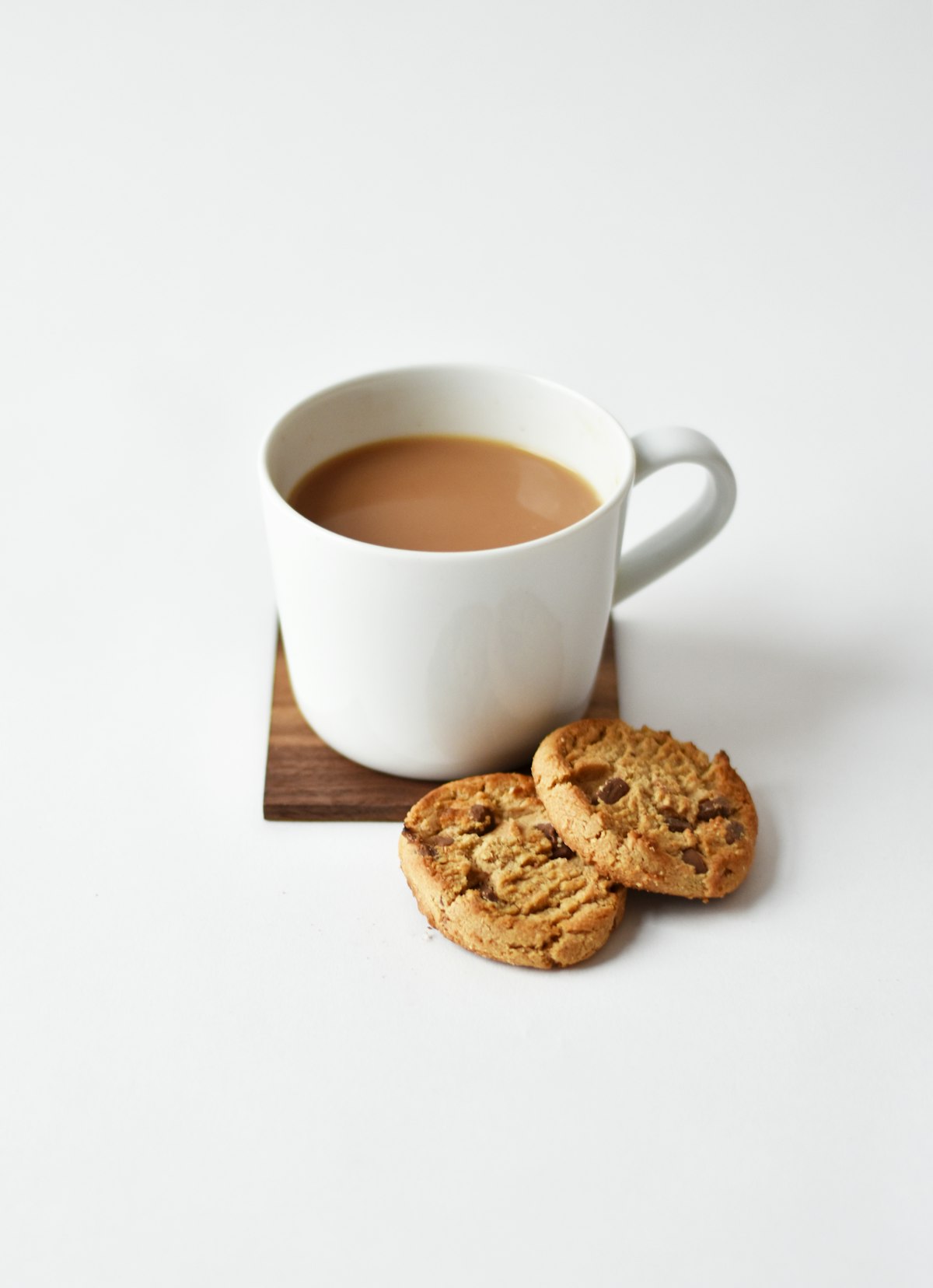
Lugu Township is the largest single tea-producing district in Taiwan and the birthplace of Dongding oolong (凍頂烏龍) — the style that most people picture when they think of Taiwanese tea. Medium oxidation, a gentle roast, golden-amber liquor, and a flavour that sits comfortably between floral and toasty. It brews beautifully through six or seven steepings without turning bitter. The Lugu Tea Culture Center runs a small museum and guided farm walks organised by the local farmers' association.
Beipu is a Hakka village with more than a century of preserved architecture and food culture. Lei Cha is its most famous tradition: tea leaves, sesame, peanuts and assorted seeds are pounded in a ceramic mortar with a guava-wood pestle until they become a smooth paste, then mixed with hot water and drunk alongside puffed grain. Tea houses along Beipu Old Street let you pound your own — it takes genuine effort, and the drink you make yourself tastes noticeably different from a pre-mixed version. Good for children too.
It's not just about looking at rows of bushes. The best visits engage your hands, your nose and your palate all at once.
Spring Flush (April–May) is prime picking season. The technique is simple: snap off the top two or three leaves with a quick flick of the wrist — no scissors. Farm guides show you which shoots to target and which to leave. Some farms let you take your batch through a brief wither-and-roll demonstration the same afternoon.
Gong-fu style (功夫茶) uses a small clay teapot, tiny cups and a high leaf-to-water ratio — then brews in rapid short steepings rather than one long steep. Each round tastes different. Use the tall aroma cup first: inhale before you pour. Good tea shops in Pinglin, Maokong and Lugu will walk you through it for free when you order a tea set.
A few farms in Alishan and Lugu run blending workshops where you experiment with proportions of different oolongs, dried flowers and botanicals, then seal your custom blend to take home. Sessions run about 30 minutes and cost approximately NT$500–1,000 per person. Worth booking ahead in peak season.
Skip the gift shops near stations and airports — prices are inflated and provenance is murky. Buy from the farm or a shop with a visible origin certificate. Ask the season: "Which harvest is this?" (那是哪季的茶?) Spring and winter harvests cost more than summer, but the quality gap is substantial. Direct buying at Alishan or Lugu can be half the price of the same tea in Taipei.
At Beipu, the grinding is the point — pound tea leaves, sesame and peanuts in a ceramic mortar until the oils release and the mixture becomes a smooth paste. It takes real physical effort. Mix with hot water, swirl, and drink alongside puffed rice and peanuts. The version you grind yourself is noticeably more fragrant than any ready-mixed version you will find in a souvenir shop.
Buy vacuum-sealed packs for freshness up to 6–18 months. Choose 100–200g per variety to try several types without overcommitting. Read the label: good tea will state the cultivar, district, farmer and harvest season clearly. Vague labels (just "Alishan Oolong" with no other detail) often indicate blends from multiple sources.
Gondola routes, Crystal Cabin, teahouse recommendations and planning a half-day from Taipei.
Maokong guideForest Railway, sunrise, tea farms and where to stay inside the national scenic area.
Alishan guideRuby 18 tea shops, cycling the lakeshore and mist-draped morning views from the water.
Lake guideSpecialty cafés in Taipei that serve high mountain oolong alongside world-class filter coffee.
Taipei café guideThe full roundup of Taiwan's best natural, cultural and culinary experiences.
See all attractionsVisa, eSIM, transport, budget breakdown and itinerary ideas from the Wherebest team.
Taiwan guideThere is accommodation near Alishan, Sun Moon Lake and Lugu at every budget level — from simple guesthouses on working tea farms to lakeside resorts with full-service spa facilities.