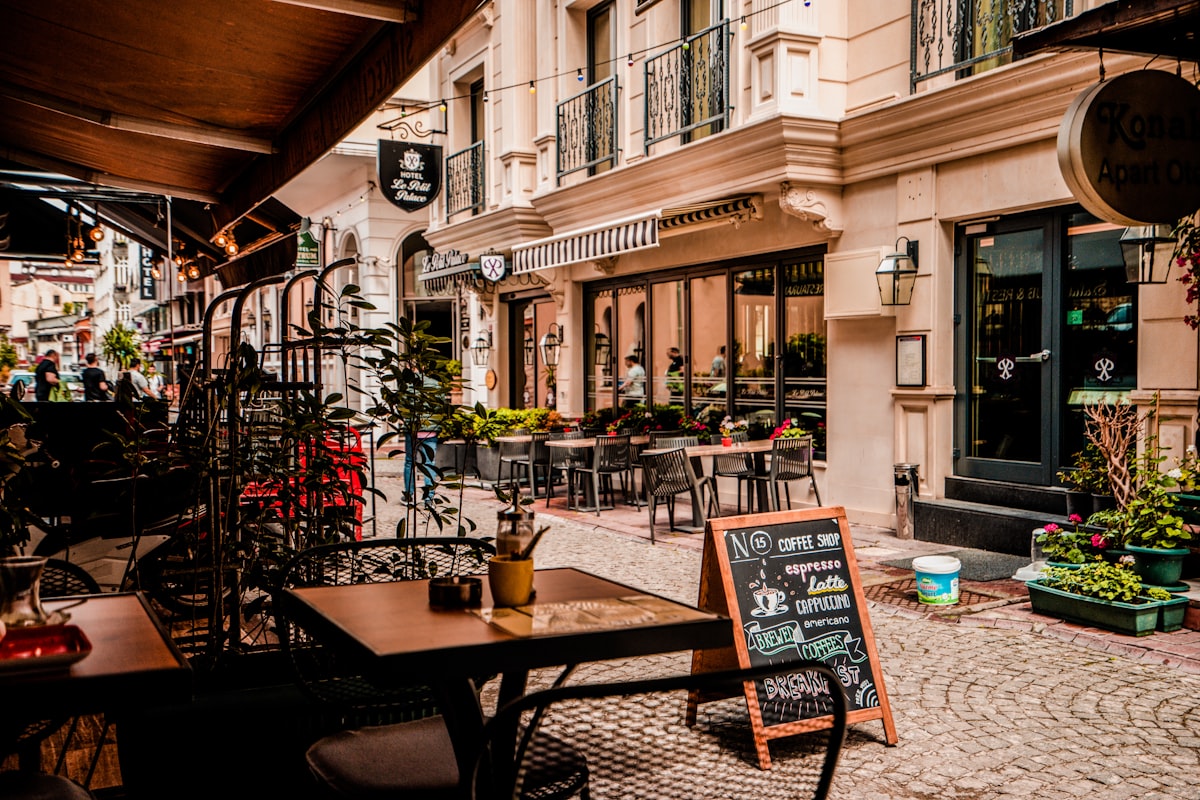
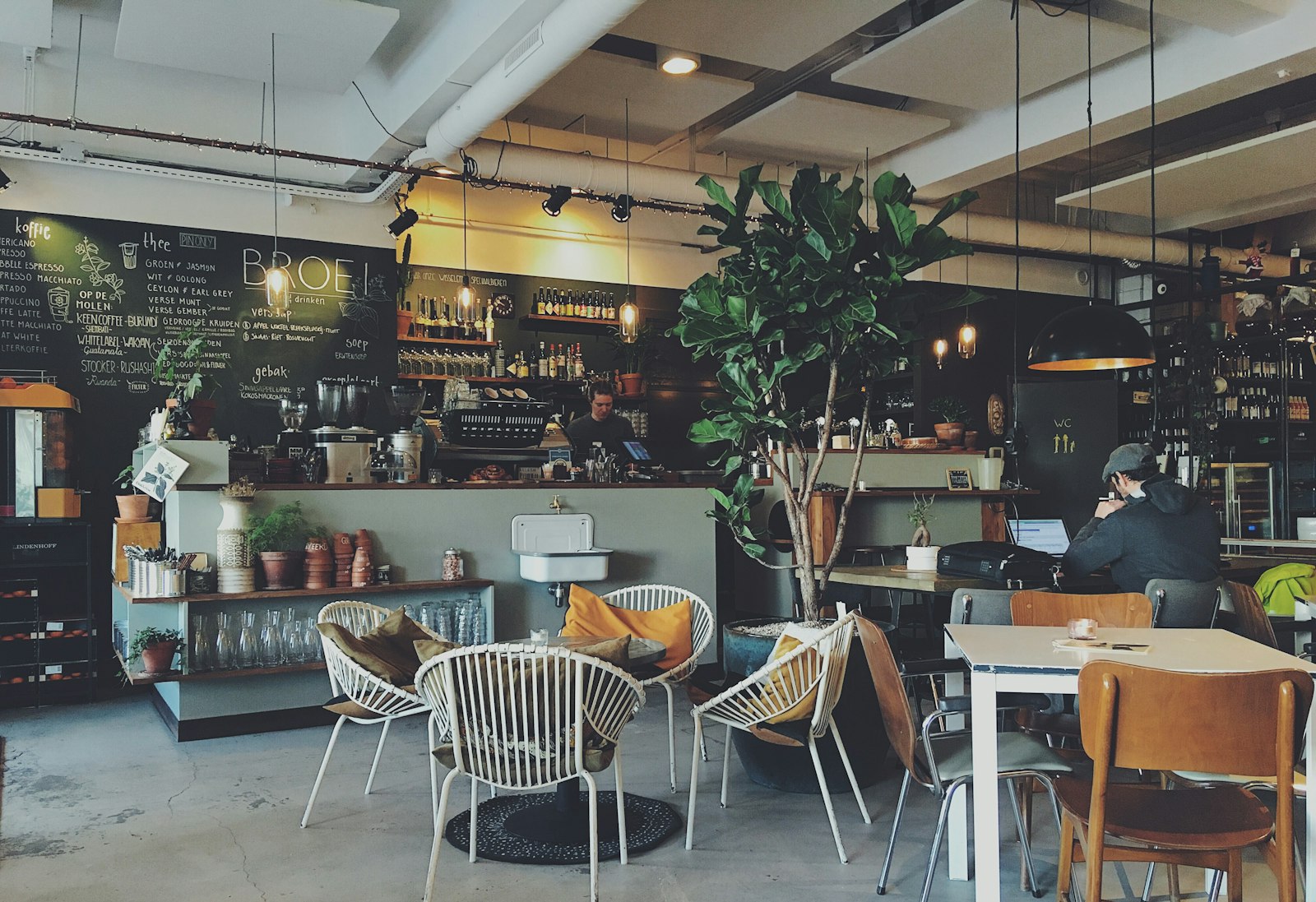
The smell of pour-over drifting out of a Japanese-era shophouse, the soft whir of a grinder in a tree-shaded lane, late-afternoon light pooling on a worn wooden table — Taipei is a serious coffee city few travellers talk about. We walk you through its hidden cafés, old-house corners and chill spots worth getting lost to find.
Most visitors come to Taipei for bubble tea and night markets, then miss something locals are just as proud of — a café culture that runs surprisingly deep and serious. Taipei isn't simply a city with a lot of cafés; it's a city that has produced world-champion baristas, more than once. Berg Wu won Taiwan's first World Barista Championship, Chad Wang took the World Brewers Cup, and James Chen reached the world finals — and all three opened their own cafés right here. That makes Taipei one of the few cities in Asia where you can walk into an ordinary-looking café and be served competition-level coffee.
What makes it even more interesting is that Taiwan grows its own coffee — hillside farms around Alishan, Yunlin and the southern ranges produce high-quality arabica that many specialty cafés proudly list as a dedicated pour-over option. You can taste "Taiwan coffee" at the source, not just imported beans. And on the other side of the coin sits the old-house café — a new generation of owners renovating Japanese-era shophouses and Baroque-revival buildings in the old town into cafés with a story, where you sip coffee while sitting inside the city's history, all within the same set of walls.
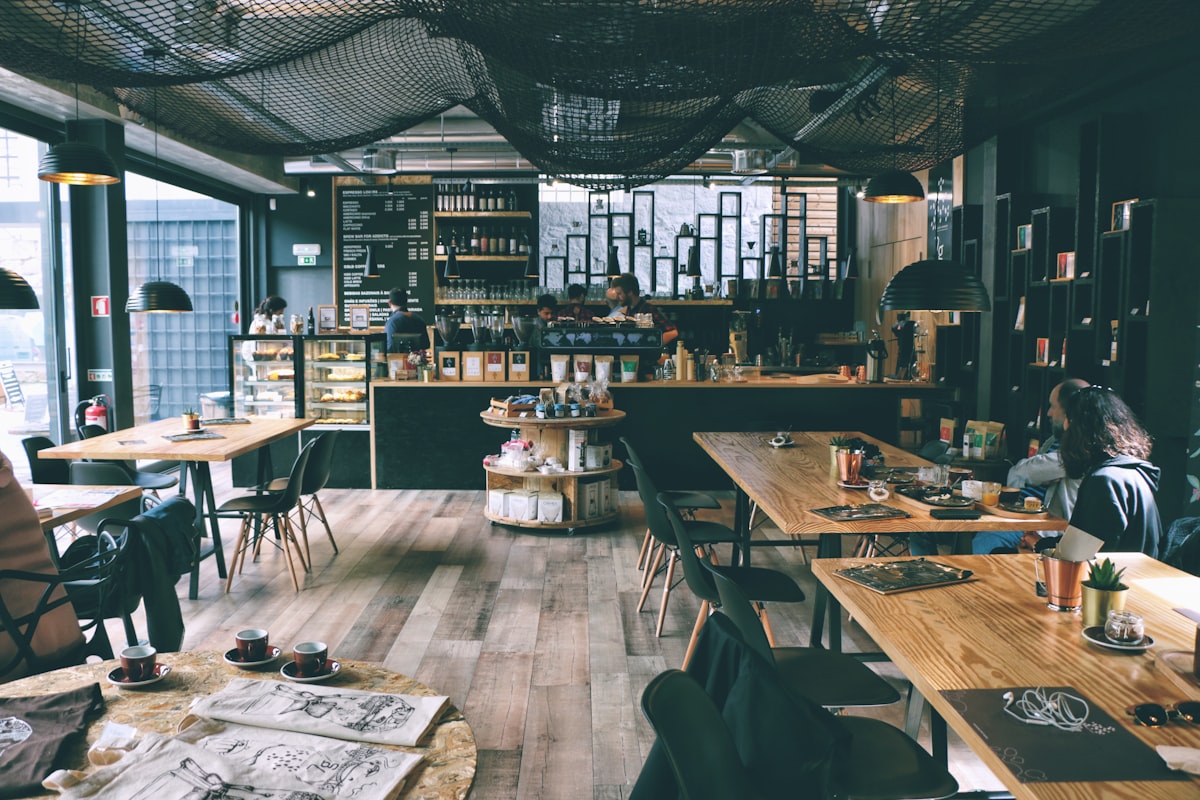
So how is a Taipei café different? The heart of it is variety within walking distance — a few steps from a minimalist pour-over bar obsessive about water and temperature, you'll find an old-house café spinning vinyl, a book café you can read in all afternoon, and a cat café in the city that invented the concept.
And because Taipei locals genuinely use cafés as a "living room away from home," the mood is quiet, polite and unhurried — but it has its rules, like a one-drink minimum per guest and seating limits when a café is busy. We'll cover all of that toward the end.
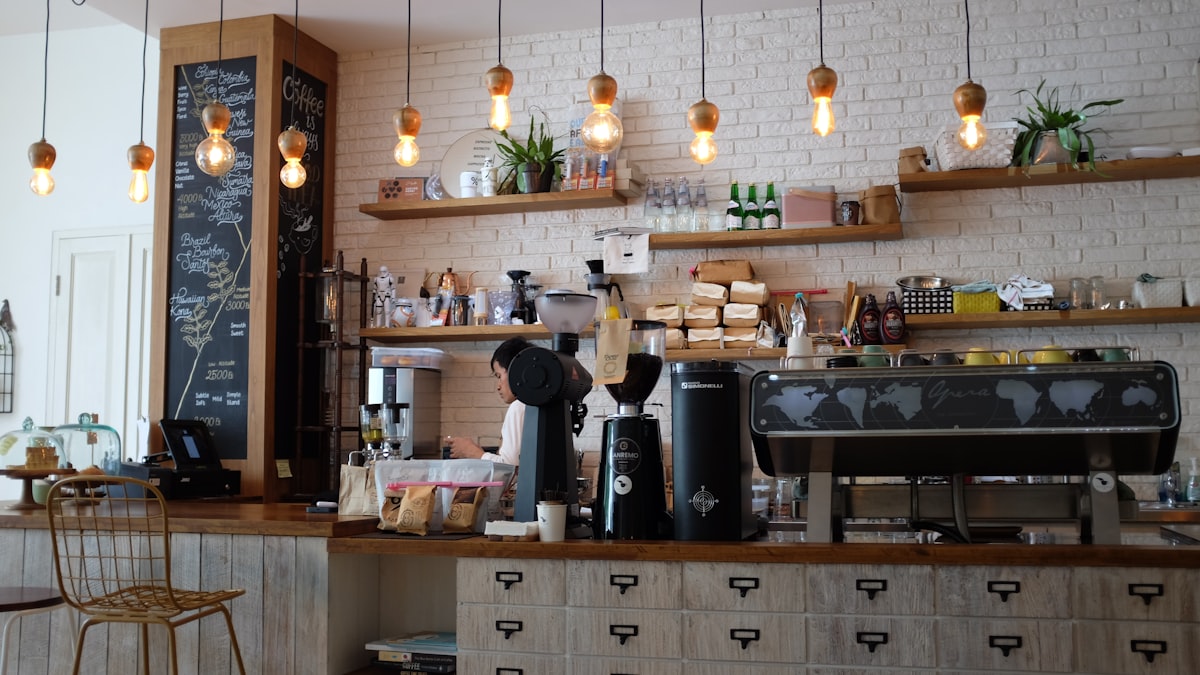
Before you plan a café day, get to know these five styles — then you can choose what kind of mood you're after.

The heart of Taipei's coffee scene — cafés that roast their own beans and weigh, time and dial in water temperature with real precision. Baristas can usually walk you through the tasting notes of each bean. The signature order is a single-origin pour-over (hand-brew), including beans grown in Taiwan. Best for travellers who want to understand what genuinely great coffee tastes like.

Cafés set inside Japanese-colonial-era shophouses or Baroque-revival buildings in the old town. Owners keep the original timber frame, patterned tiles and old window frames, then add coffee and dessert. They cluster most thickly around Dadaocheng and Dihua Street. Sip slowly and absorb the history — perfect for anyone who wants a café with a story to tell.

Something Taipei does especially well — cafés with walls of books and magazines free to pull off the shelf and read. Some hold thousands of fashion and design magazines from around the world; some are as hushed as a library. Ideal for a day you want to read, write or shelter from a rain shower — just check the rules on seating time and laptop use first.

The relaxed side, built around atmosphere and what you eat alongside coffee — brunch cafés serving eggs, bread and late-morning plates; dessert cafés where pudding, cheesecake and tarts are the star; and cat cafés, a concept Taipei is said to have invented. Best for an easy day when you're there for the mood and the cuteness rather than the coffee itself.
Taipei cafés have their own rhythm and rules — knowing a few makes for a comfortable stay and keeps you from accidentally stepping on etiquette.
At a specialty café, the menu item that best shows the house's skill is a single-origin pour-over (hand-brew) — ask the barista what beans are on today, and whether any are grown in Taiwan.
Most small cafés set a minimum of one drink or one item per person — however many of you there are, everyone orders their own. It's standard practice, not a hard sell.
On busy days and weekends, many famous cafés cap seating at around 1.5–2 hours. Look on the menu or listen when you're seated — for a long, slow sit, go on a weekday.
Some cafés welcome remote workers; others ban laptops on busy days. If you plan to settle in and work, choose a café that clearly markets itself as laptop-friendly.
Many small cafés are cash-only; some take the EasyCard metro card but not credit cards. Bring small notes and coins so you're never caught short.
Taipei locals use cafés calmly — talk softly, don't blast video audio. In a cat café, don't wake a sleeping cat, don't pick one up unwilling, and wash your hands before touching.
We've picked 10 cafés and café districts that coffee lovers mention again and again — each with its vibe, neighbourhood, nearest MRT, a rough price and what to order.
A Scandinavian-flavoured café opened by James Chen, a former World Brewers Cup finalist, in the Zhongshan district — one of the cafés that sparked Taipei's specialty-coffee wave. The space is bright and airy in clean whites; the house roasts its own beans and often lists a Taiwan-grown bean on the pour-over menu. A natural place to start a café day.
The café of Berg Wu, Taiwan's first World Barista Championship winner, and one repeatedly named among Asia's best. The mood is refined, focused and quietly theatrical — every barista movement feels deliberate, and it's the benchmark many travellers use to judge other cafés. The Sola branch up in Taipei 101 adds a city view too — check branches and opening hours before you go.
The café-and-roastery project of Chad Wang, 2017 World Brewers Cup champion. The name VWI comes from water in three states — Vapour, Water, Ice — reflecting an obsession with water and brewing precision. The design is modern, clean and calm, the baristas happy to talk you through the coffee, and the plated desserts are a highlight. Tucked into a Da'an lane.
One of the foundations of Taipei's specialty scene, open since 2007. The vibe isn't sleek modern minimalism but something closer to a backyard jazz bar — dark-lacquered timber, black marble tabletops, art-deco lighting and plush seating. The house roasts on-site, and you can watch the process; its beans have scored highly with Coffee Review. Note: it usually opens in the afternoon and closes on Thursdays.
Dadaocheng is Taipei's oldest commercial district, and Dihua Street is still lined with Fujian-style shophouses and Japanese-era Baroque buildings. A new generation has opened old-house cafés inside these century-old structures — some brew pour-over downstairs while serving food upstairs from waitresses in qipao; others are tea-house cafés set around interior courtyards. Rather than pin one address, we suggest wandering the full length of Dihua Street and choosing the one that draws you in.
Fujin Street, in the Minsheng community in the city's north-east, is the café street Taipei locals quietly love — a low-rise, tree-shaded boulevard of 1960s apartments once built for U.S. military families, now home to indie boutiques and small roaster-run cafés. Most shops open late, around 11am, making it ideal for a leisurely brunch and a long stroll. Not a single destination but a whole district to explore.
A magazine-library café tucked into the Da'an district, holding thousands of fashion, design, art and lifestyle magazines from around the world — all free to pull off the shelf and read while you sip. The mood is hushed, like a private library, ideal for a day spent reading, hunting for inspiration or escaping the city's noise. It generally works on an entry fee or per-person minimum — check the details and opening hours on the café's social pages before you go.
Taipei is the birthplace of the cat café, and Zhongshan is the easiest district to find one. Many hide on the second floor of a building, keep several free-roaming cats, and some have bookshelves to browse; a few take their single-origin coffee seriously too. The key etiquette: don't wake a sleeping cat, don't pick one up unwilling, and wash your hands before touching. Most set a one-drink minimum per guest.
Da'an is the beating heart of Taipei's café culture. The side alleys around Zhongxiao Fuxing, Zhongxiao Dunhua and Technology Building MRT stations hide countless tiny cafés — some with just five tables, some doubling as a craft studio. The charm of this district is exactly that: wandering down a lane and stumbling onto a café no guidebook lists. Set aside half a day to let yourself drift.
To close, a café that sells the view — the Xinyi district around Taipei 101 has cafés on upper floors and rooftops where you sip coffee against the city skyline. Simple Kaffa's Sola café inside Taipei 101 is one of them, and the area's mall and office-tower cafés catch a lovely light at sunset. Prices tend to run higher than an ordinary café because the view is built in — best kept as an evening cap to a full café day.
Xiaolongbao, beef noodle soup, stinky tofu — the full Taipei eater's guide before you settle into a café
Open the 25-dish guide →Trace bubble tea to its source, with legendary shops and how to order like a local
Open the bubble tea guide →8 night markets, what each one does best — dinner after a full afternoon of café-hopping
Open the night market guide →Open the full Taipei travel guide to plan every day, or start by booking a stay in a district that puts specialty cafés and hidden café lanes within easy walking distance.