Full service vs your own front door — a straight comparison to help you decide before you book
Here is a scenario many people hit when planning a Shanghai trip: a decent hotel runs about ¥700 a night (around ฿3,500), and a serviced apartment with a kitchen, washing machine and a separate bedroom comes in at roughly ¥12,000 a month (~฿60,000). The apartment works out cheaper per night — but it is not simply a cheaper hotel. These two options suit completely different kinds of stays.
This guide lays out the practical differences so you can decide quickly. Whether you are here for a long weekend, a three-week workation, or a three-month family secondment — the right answer depends on your situation, not on which type of accommodation sounds more appealing in the abstract.
One thing to sort out first: if you have not decided which neighbourhood to stay in yet, read the Shanghai neighbourhood guide before choosing your accommodation type. Location decisions and accommodation-type decisions interact.
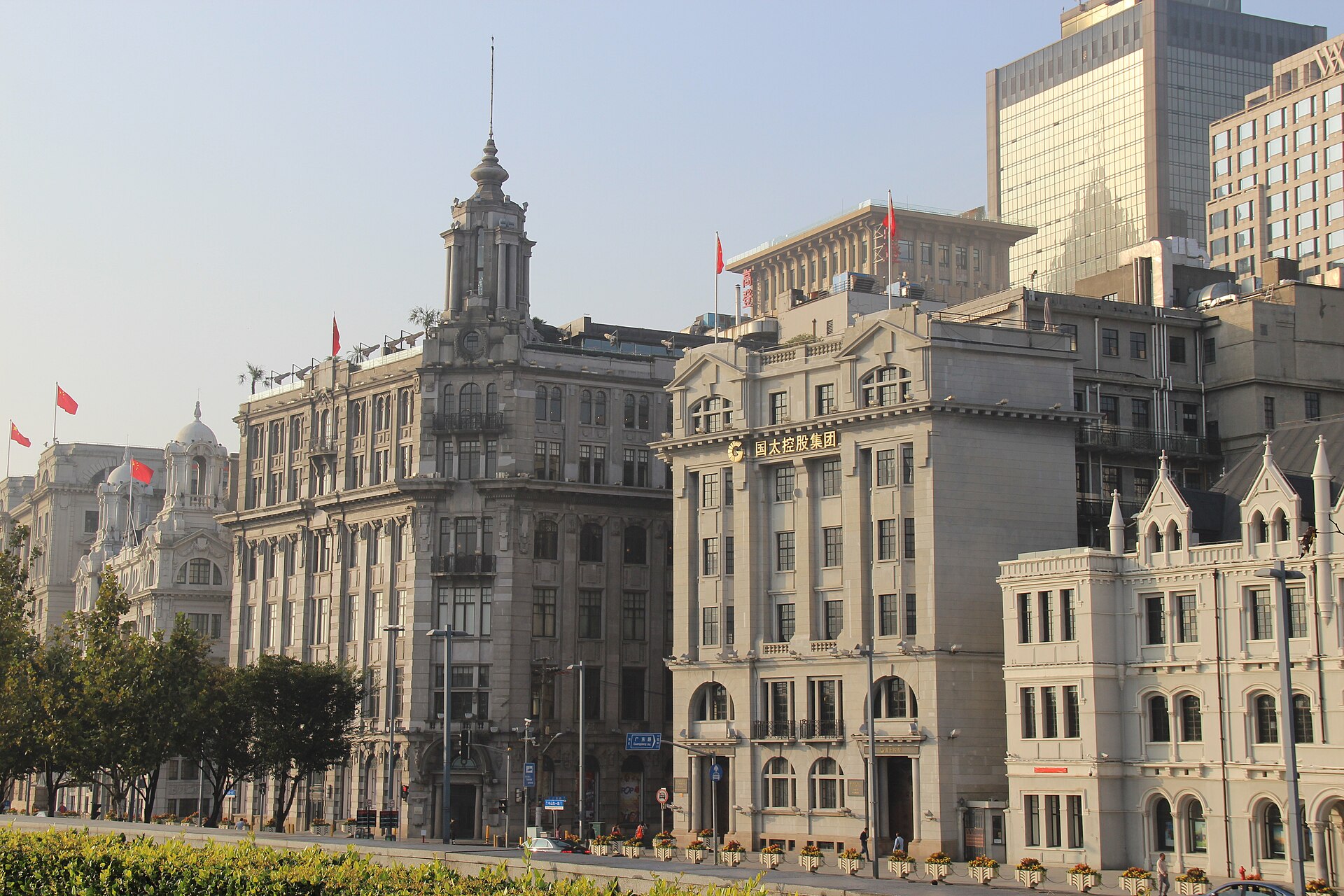
The Bund — the historic waterfront where many of Shanghai's leading hotels are positioned
Hotels offer things a serviced apartment simply cannot match in the same way: room cleaned every single day, fresh linen, a concierge who can book a restaurant or call you a taxi at midnight, a front desk that holds your luggage when you check out early, and breakfast ready when you walk downstairs. If you are here to see the city and you do not want to think about domestic logistics — that is exactly what you are paying for.
Mid-range hotels in central Shanghai run roughly ¥500–900 per night (~฿2,500–4,500). Upper-tier properties — Kerry, Ritz-Carlton, The Middle House — start at ¥1,800–4,000+. Converted to a monthly figure, 30 nights at ¥700 comes to ¥21,000, which is well above what a comparable serviced apartment charges per month.
The flexibility point matters too. Most hotels allow free cancellation up to 24–48 hours before arrival. No deposit. No minimum stay. If your plans shift mid-trip, you can move. Serviced apartments do not offer that — once you sign, you are committed.
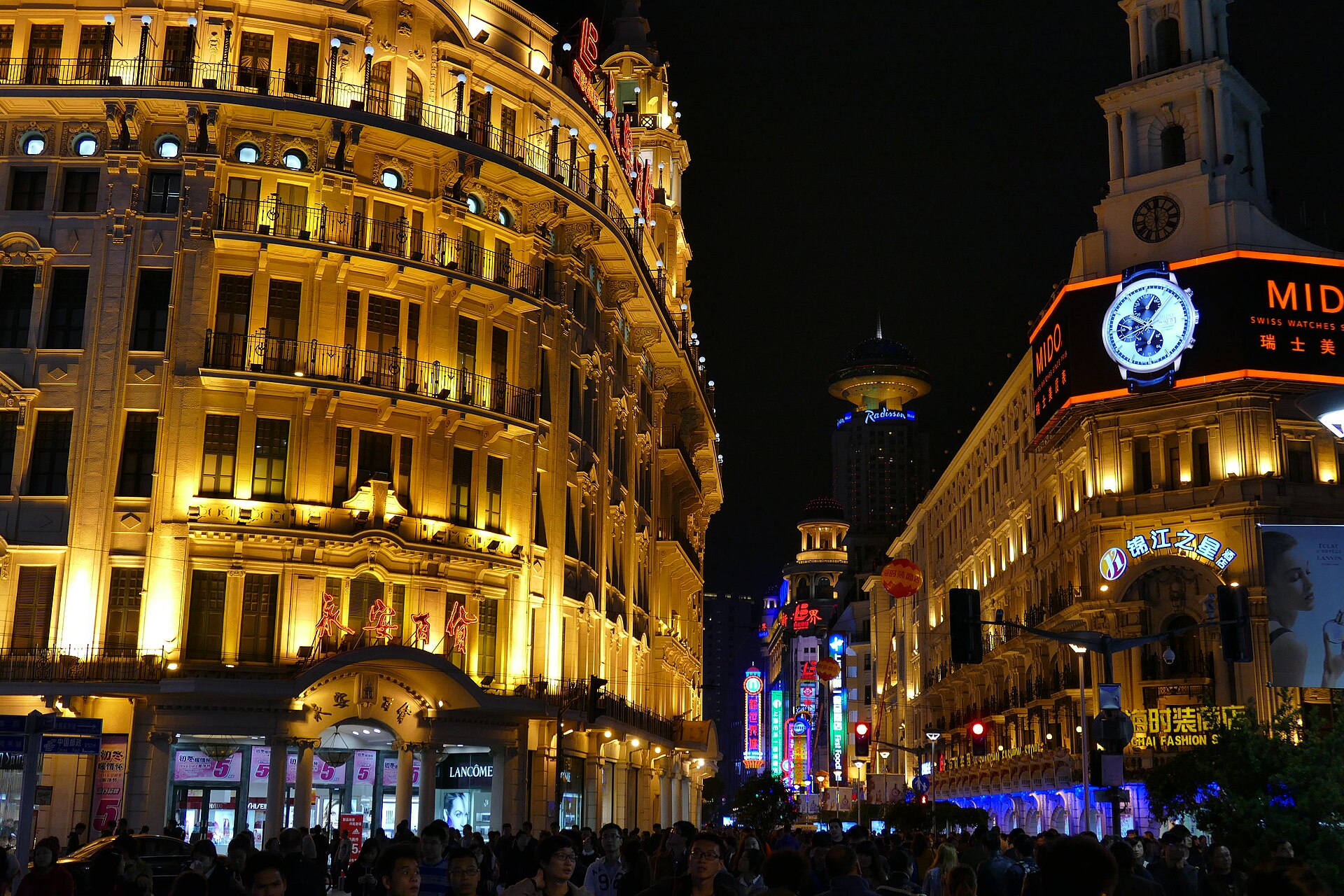
Nanjing Road — Shanghai's central shopping boulevard, surrounded by hotels at every price point
A serviced apartment is not a cheaper hotel — it is a genuinely different product. A full kitchen with hob, fridge and utensils. A washing machine inside your unit. A bedroom door that closes. A sofa you can sit on without also being in bed. These things sound minor until you are on week two of a month-long stay and your hotel room feels like a very expensive cage.
On price, mid-range serviced apartments in Shanghai run roughly ¥8,000–15,000 per month (~฿40,000–75,000). Upper-tier properties by Ascott, Fraser or Shangri-La Residences sit closer to ¥18,000–35,000 per month. Break that down per night and mid-range comes to roughly ¥267–500 — meaningfully less than a comparable hotel. Cooking even a few meals a day in your apartment kitchen saves another ¥100–200 per day against eating out every meal.
What you need to know before signing: a deposit of one to two months is standard. Most brands require a minimum of seven nights, some only take monthly bookings. Breaking a lease mid-term is harder than cancelling a hotel stay. And housekeeping is once or twice a week — not daily.
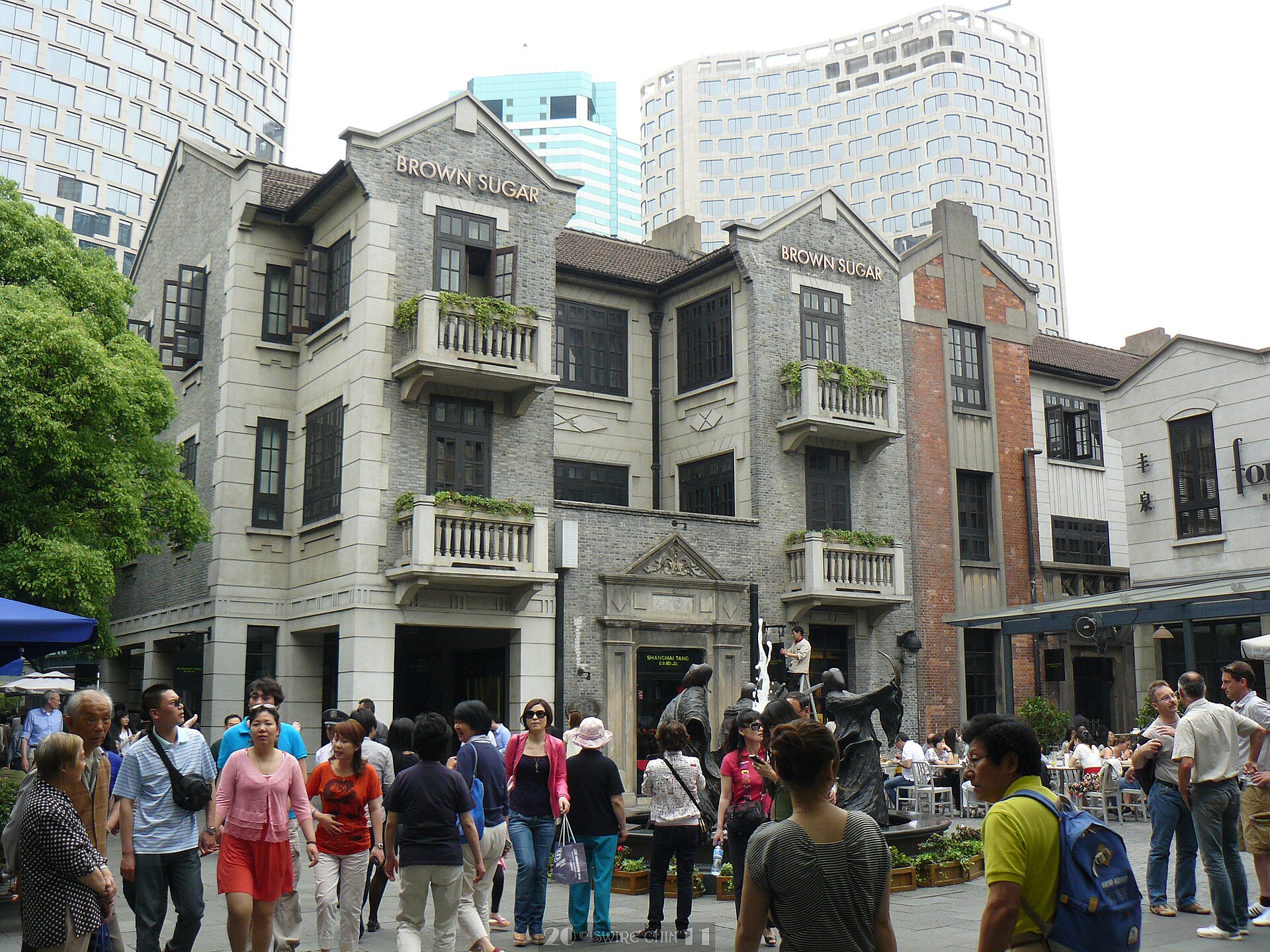
Jing'an district — one of the most popular areas in Shanghai for serviced apartments and expat long stays
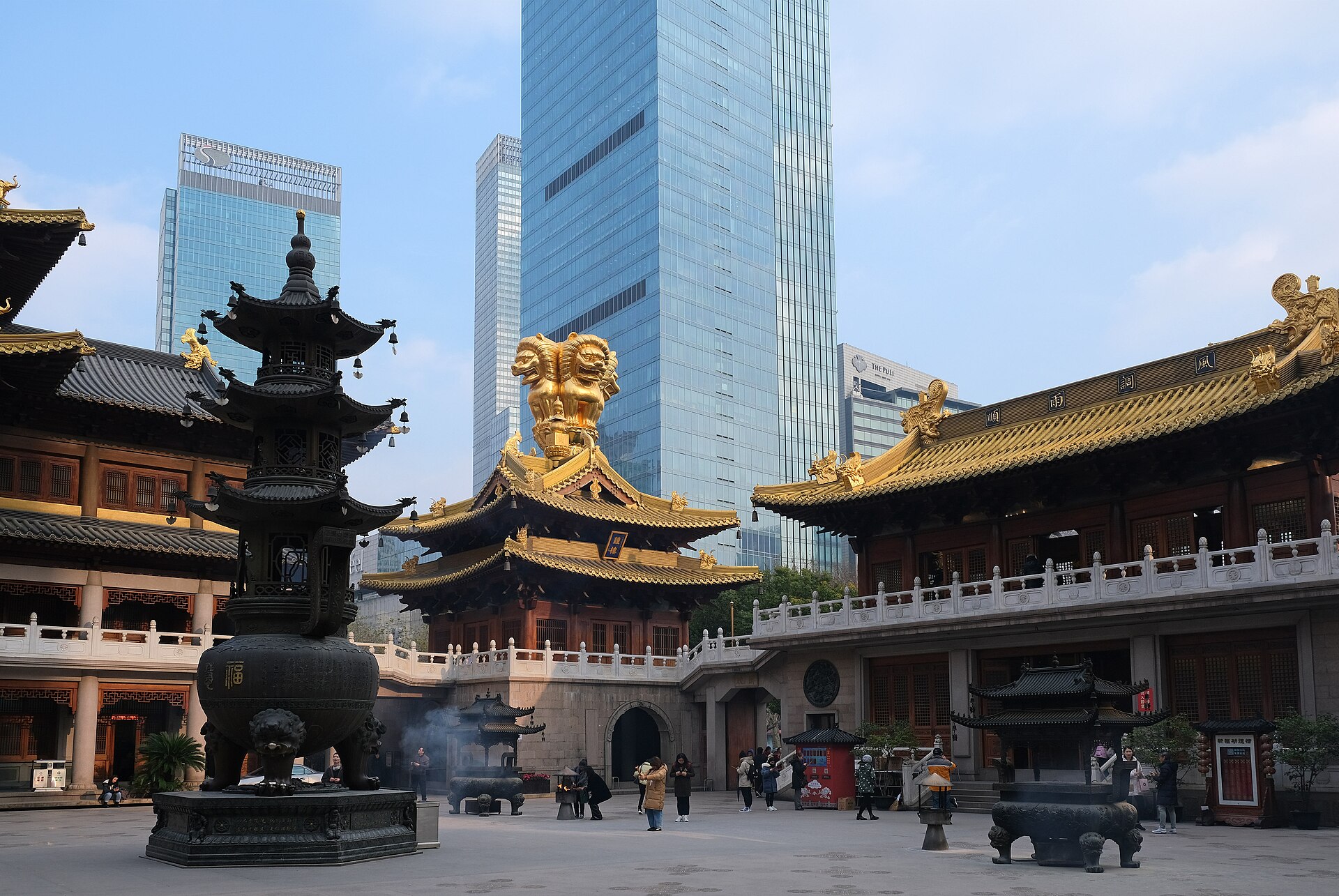
Tianzifang in the French Concession — a residential area popular with longer-stay visitors and the expat community
Shanghai's best serviced apartments are run by international brands with clear standards: Ascott (Ascott Huai Hai Rd · Ascott IFC Pudong) · Fraser (Fraser Suites Top Glory · Fraser Residence) · Somerset · Oakwood · Citadines. All have verifiable reviews, transparent lease terms, and English-speaking management. See the full ranked list below.
| Factor | Per-Night Hotel | Monthly Serviced Apartment |
|---|---|---|
| Typical cost (mid-range) | ¥500–900/night (~฿2,500–4,500) | ¥8,000–15,000/month (~฿40,000–75,000) ≈ ¥267–500/night |
| Minimum stay | 1 night — maximum flexibility | Usually 7 nights to 1 month depending on the brand |
| Housekeeping | Daily — linen changed, room cleaned, bins emptied | Once or twice a week — you manage everything else |
| Breakfast | Often included or available to buy in the hotel | Not included — you cook or eat out |
| Kitchen / laundry | None, or at best a microwave | Full kitchen with hob and fridge · in-unit washing machine |
| Space | One room — bed + bathroom, typically 25–45 sqm | Separate bedroom + living room + kitchen, 50–90+ sqm |
| Concierge / front desk | 24-hour front desk — restaurant bookings, taxis, luggage | Reception desk present but usually not 24 hours; fewer services |
| Deposit / contract | No deposit; free cancellation common | Deposit of 1–2 months; minimum lease; harder to exit early |
| Best for | Tourists and short business trips of 1–7 nights | Workations 2+ weeks · families · corporate secondments |
To make it concrete: a mid-range hotel at ¥700 per night versus a comparable serviced apartment at ¥12,000 per month.
7 nights: Hotel = ¥4,900. Apartment (7/30 of ¥12,000) ≈ ¥2,800. The apartment is already cheaper on paper — though you need to factor in the deposit and setup costs for a first booking.
14 nights (2 weeks): Hotel = ¥9,800. Apartment ≈ ¥5,600. That is nearly half price. Add cooking some meals yourself at a saving of ¥150 per day and you save a further ¥2,100 over two weeks on food alone.
The honest crossover point: Roughly 5–7 days is where the monthly apartment rate starts to beat the hotel on pure nightly cost. But the hotel's flexibility (cancel anytime, no deposit) has real value if your plans are uncertain — factor that in before you decide.