6 dishes to eat before leaving Sendai
Ranked by how uniquely Sendai they are — dishes that exist elsewhere but taste best right here.
 1
1
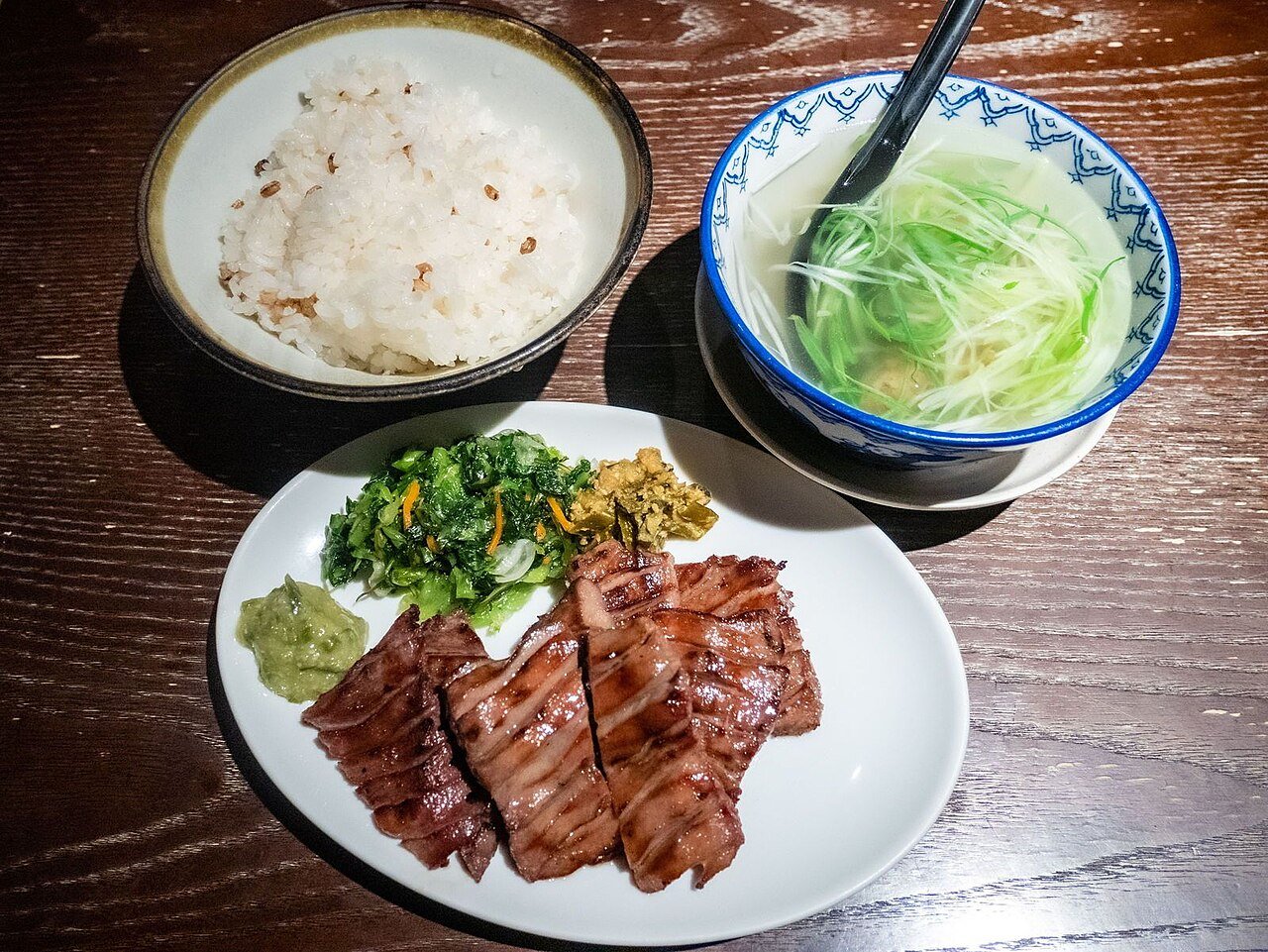
Sendai-style gyutan is not what you find at a generic yakiniku chain. The tongue is sliced thick — around 8 to 10 millimetres — then salted and seasoned for hours before going onto very hot binchotan charcoal. The outside sears and chars at the edges; the inside stays juicy and tender, with none of the rubbery quality you might associate with offal. The standard set (teishoku) pairs it with barley rice (mugi-meshi), whose slightly nutty chew complements the richness of the tongue, a bowl of oxtail soup (tekka-jiru) with leeks, and a few house pickles. Simple, confident cooking at its most satisfying.
 2
2
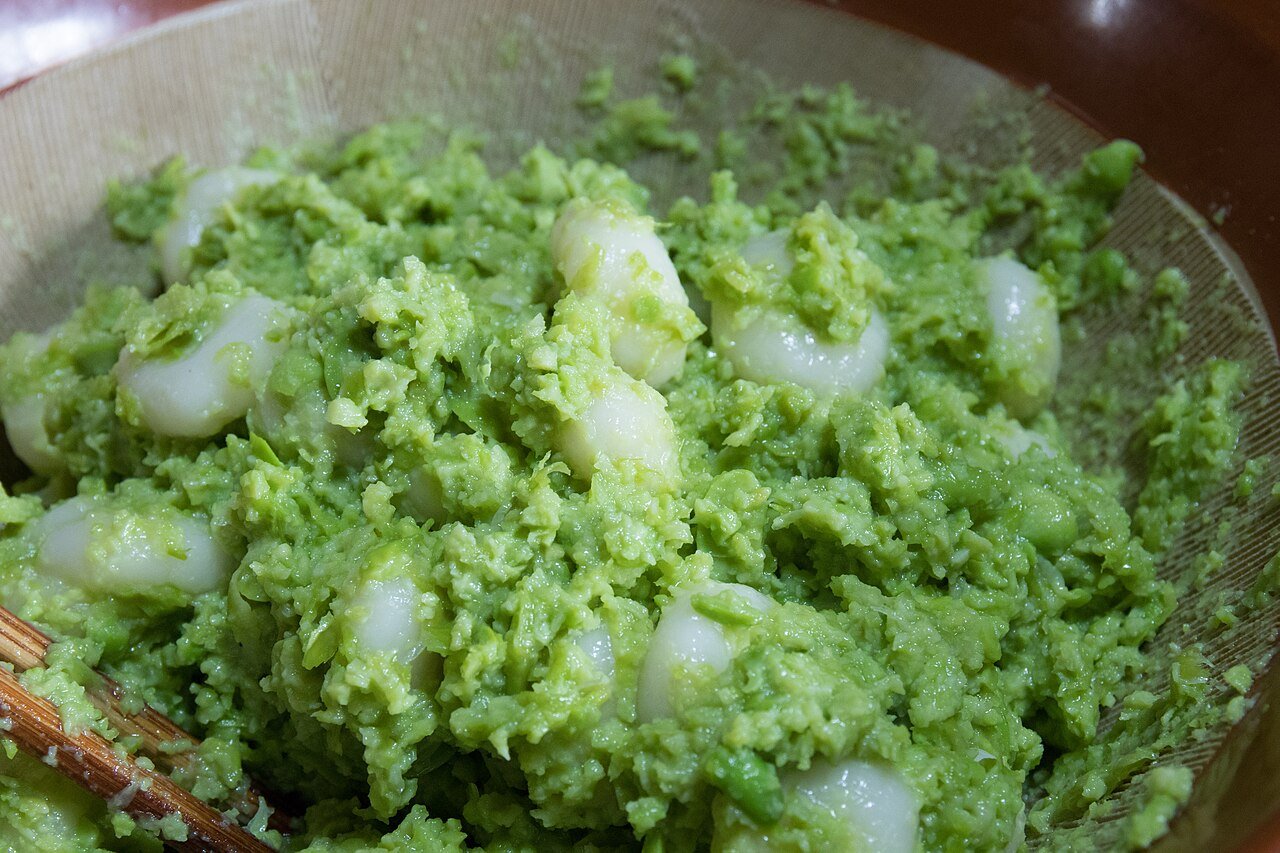
The colour is the first thing: an almost electric green that looks too vivid to be natural, but is — it comes from fresh edamame beans pounded and sweetened with just enough sugar to take the edge off the slight bitterness. The paste coats chewy mochi rice cakes in a thick layer; one bite delivers both textures at once, with a clean, lightly sweet, faintly nutty finish. Zunda mochi has been made in Sendai for centuries, but in the past fifteen years a newer format — the zunda shake, a cold thick milkshake flavoured with the same paste — has become one of the most photographed foods in Tohoku. Zunda Saryo, which pioneered the shake, now has branches across Japan, but the best versions are still in Sendai.
In the Meiji era, flatfish (hirame) were so plentiful in Matsushima Bay that the price collapsed. Local fishermen responded by grinding the white flesh, kneading it with salt into a smooth paste, pressing it into the shape of a bamboo leaf (sasa) on a bamboo stick, and steaming it. The result was a fish cake — firm, springy, faintly sweet — that kept far longer than raw fish and packed easily. Today sasa kamaboko is one of Sendai's most-loved souvenirs and snacks. Eaten plain, it tastes clean and oceanic. Lightly grilled over a wire rack until golden-brown on the outside, it develops a gentle smokiness that makes it genuinely hard to stop eating.
 4
4
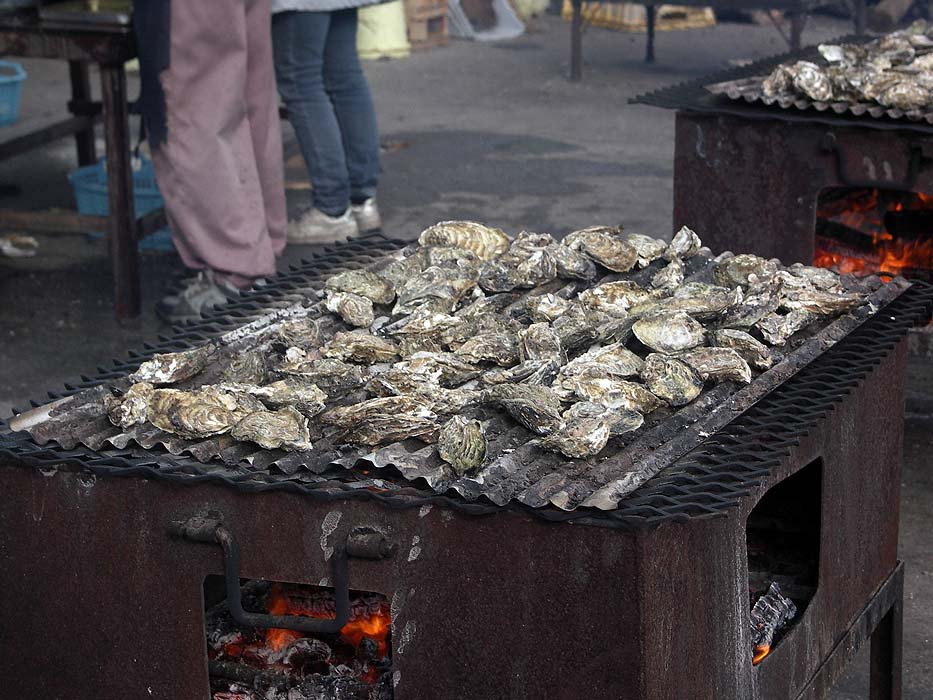
Matsushima Bay has been producing oysters for centuries, and the conditions are still as good as ever: cold, nutrient-rich water from multiple river inflows, and a sheltered bay that protects the beds from rough seas. The oysters grown here are notably plump with a deep, clean brininess and a sweetness at the finish that you don't always find in Pacific oysters. The most memorable way to eat them is at one of the rustic roadside charcoal stalls that line the waterfront by Matsushima Town — shells laid directly on the hot grate, watched until they crack open and steam pours out, then prised open and eaten on the spot with a squeeze of lemon. The flavour, straight from the sea with nothing added, is hard to improve on.
Miyagi Prefecture produces its own miso — fermented from locally grown soybeans and wheat — with a flavour profile that is richer and more savoury-sweet than the familiar Hokkaido variety. When used as the base for ramen broth, combined with pork bones and a generous pour of aromatic lard or chicken oil, the result is a bowl with a shimmering layer of fat on top, an intensely savoury first sip, and a slow-building sweetness underneath. Noodles are medium-thick and wavy, clinging to the broth well. Standard toppings are chashu pork, spring onion, bamboo shoots, and sometimes sweetcorn. At under ¥1,100 a bowl almost everywhere, it is one of the best-value serious ramen styles in Japan.
It may sound modest, but the rice and pickles in a gyutan set are things Sendai residents talk about with real pride. Hitomebore is a short-grain variety bred specifically to thrive in Tohoku's cold climate — slightly stickier than Koshihikari, with a gentle fragrance and a clean sweetness that makes it one of the most beloved everyday rices in Japan. In the gyutan set, it often comes mixed with barley (mugi-meshi), adding a nutty chew that cuts through the richness of the tongue. The pickles — usually miso-pickled daikon or sliced cucumber — are made in-house by the better gyutan shops and refreshed daily. They do the same work a good palate-cleanser always does: reset you so the next bite tastes just as good as the first.