Which island suits whom — side by side
A clear note on which is half a day, which is a full day, what boat to take, rough prices, and whether it still runs in the monsoon.
 1
1
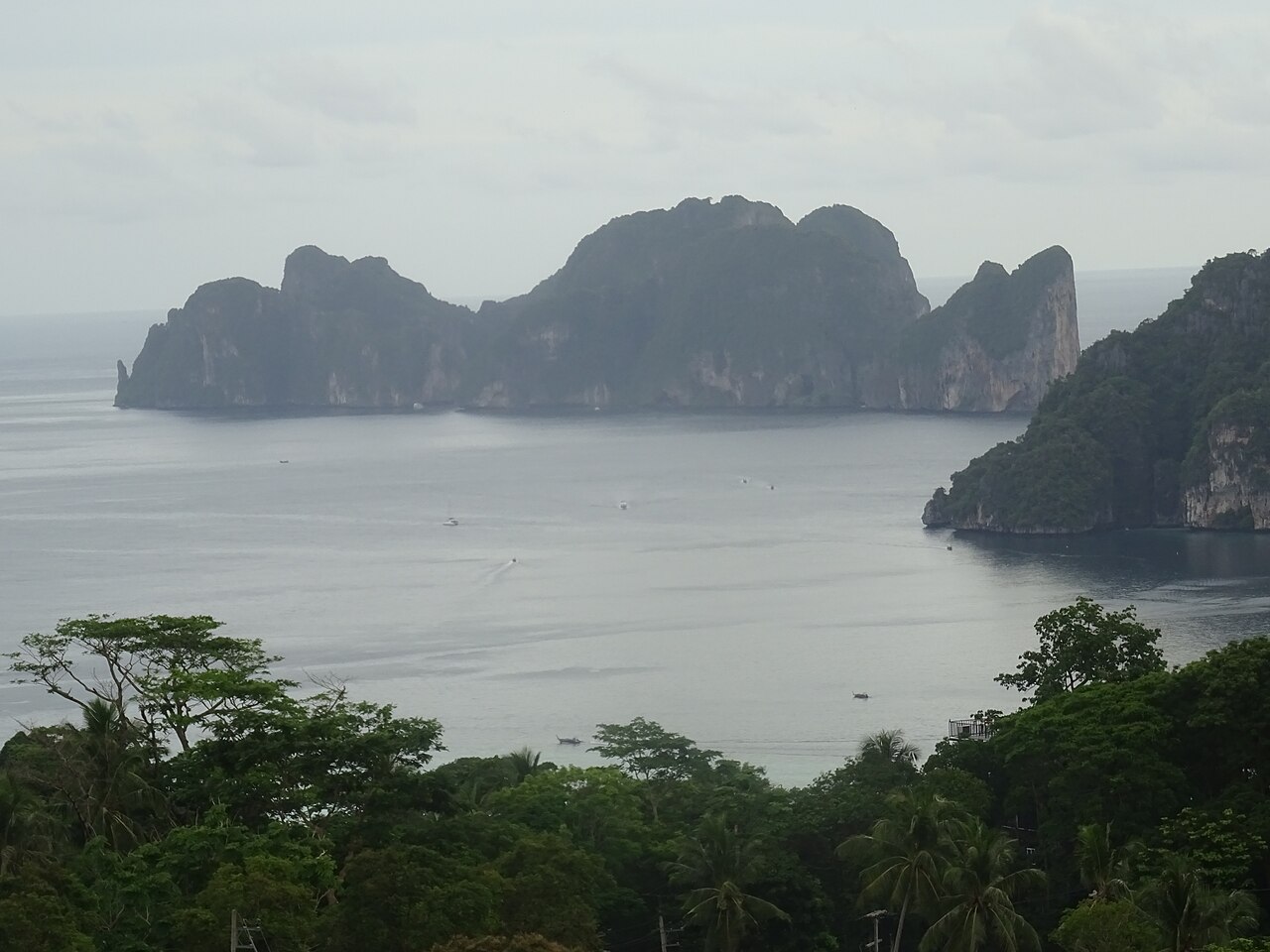
If you can only make one island trip, many people choose Phi Phi first, because it's the image of the southern sea — Maya Bay (from the film The Beach), Pileh Lagoon with its emerald water ringed by cliffs, the Viking Cave, and Monkey Bay with its wild monkeys, the water clear enough to see the fish.
I'll be honest: Phi Phi is crowded all year — the trick is to take the earliest tour, reaching Maya Bay ahead of the big fleet. Maya Bay is open now but you can't swim there (only knee-deep); you enter via Loh Samah Bay and walk in along a boardwalk, and there's a separate park fee. You can do it as a day return or stay overnight on Phi Phi Don. For more, read our Phi Phi day trip guide.
 2
2
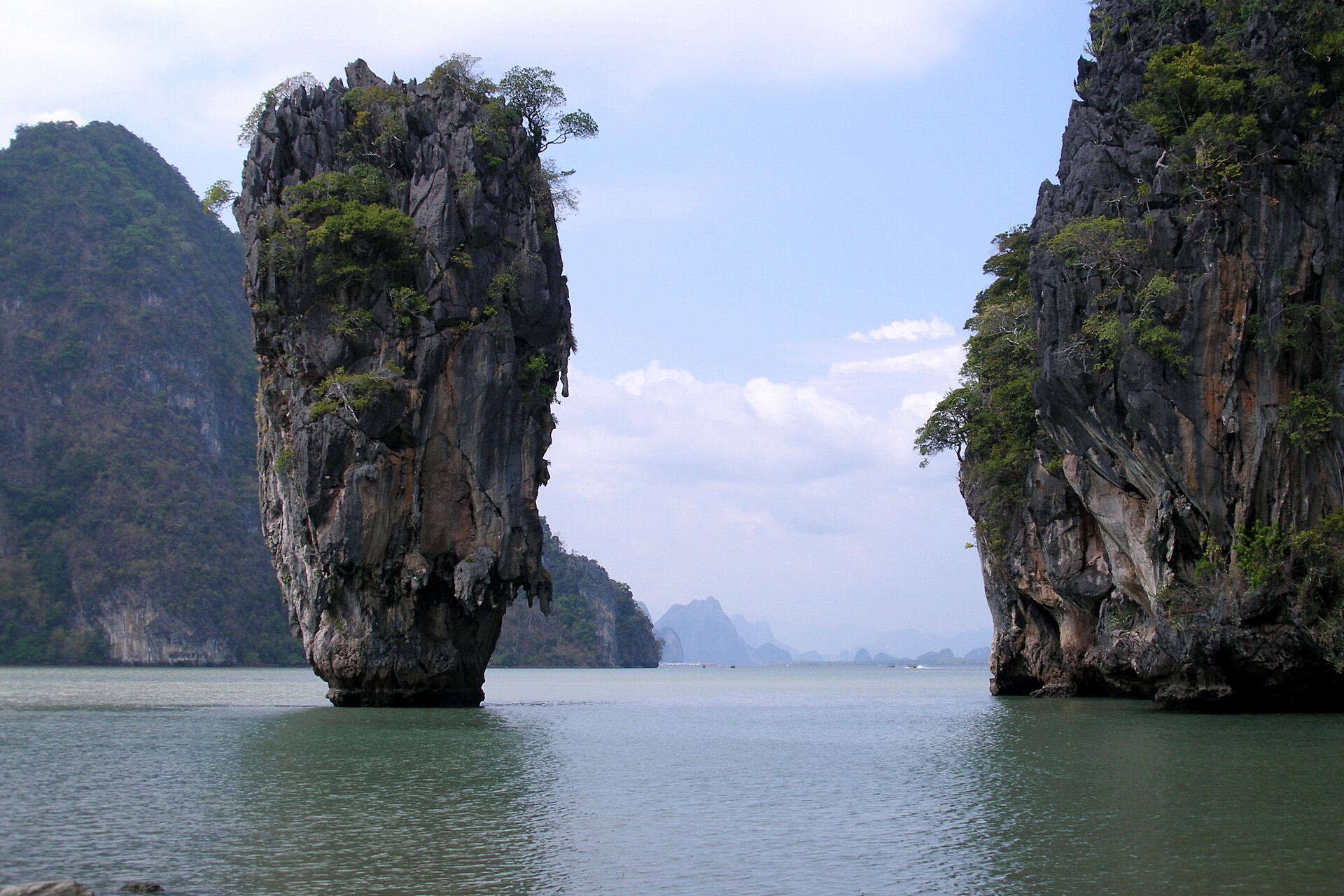
Want the classic image of the Thai sea, with giant limestone karsts rising from the water? Phang Nga Bay is the answer. The highlights are James Bond Island (Ko Tapu), the needle of rock made famous by the Bond film; Koh Panyee, a Muslim village built on stilts over the water; and best of all, sea-canoeing through caves and hidden lagoons (hong) into the islands.
The advantage of Phang Nga Bay is that the sheltered water inside is far calmer than the open sea, which suits children and adults alike, and it's one of the options that still tends to run in the monsoon when the outer sea is too rough. Most trips leave from the piers on the north of Phuket. For more, read our Phang Nga Bay and James Bond Island guide.
 3
3
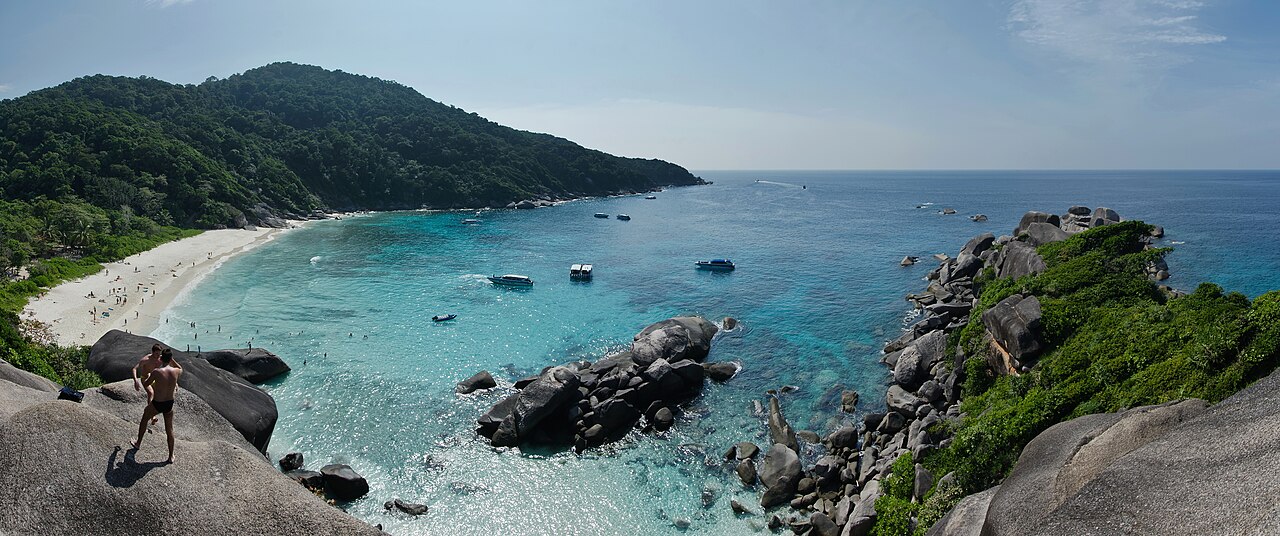
Most important — the Similans are open only part of the year. They're a national park that closes every year for the monsoon, opening only from about mid-October to mid-May (the latest season opened 15 October 2025 and closes 15 May 2026). In the rainy season you can't go at all, so you'll need to choose another island.
But come in the right season and the Similans are a dream for anyone who loves the sea — divers worldwide rate them the clearest water and healthiest coral in Thailand, with fine white-sand beaches, the distinctive giant granite boulders, and the Sail Rock viewpoint. Honestly, they're far out: it's a ~1.5-hour drive to Thap Lamu pier in Phang Nga, then a ~1.5-hour speedboat. Prepare well if you get seasick. For more, read our Similan Islands guide.
 4
4
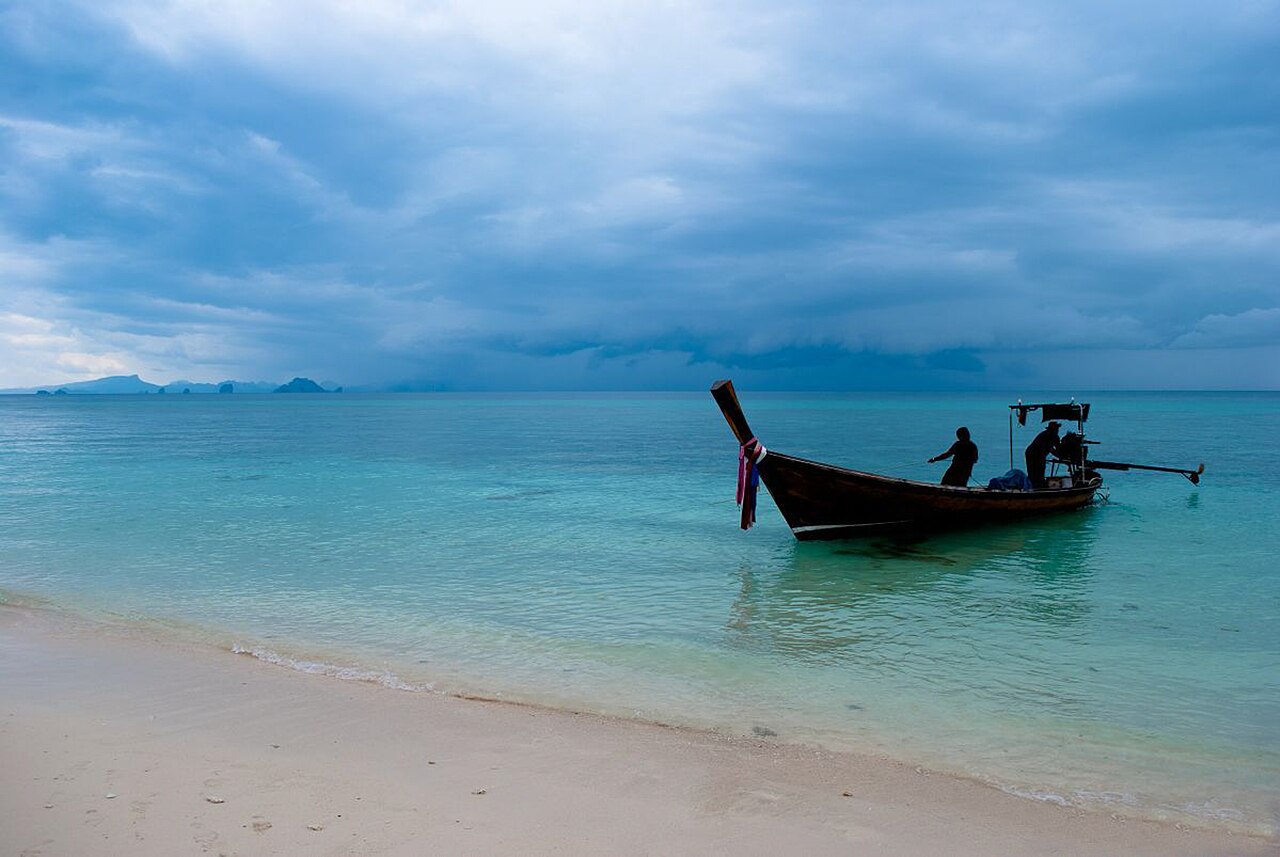
Don't want a long boat ride or to feel seasick, but still want a white-sand beach and clear water? Coral Island (Ko Hae) is the answer — the closest island to Phuket, just a ~15-minute speedboat ride from Chalong or Rawai pier on the south of the island.
The island has white-sand beaches and shallow, clear water for swimming and snorkelling over coral, plus watersports like parasailing, jet-skiing and banana boats. It's a great fit for families with young children or anyone with only a half day. To be honest, it's busy in the middle of the day, so an early or late-afternoon trip is more comfortable. Most watersports are paid for on the spot.
Racha Island (also spelled Raya) lies south of Phuket and splits into Racha Yai, where most visitors go, and the quieter Racha Noi, which suits deeper diving. Its draw is calm, clear water with good underwater visibility, which has made it one of Phuket's most popular places to learn to dive.
Patok Bay on Racha Yai has a fine white-sand beach and clear blue water, good for swimming, snorkelling and an Open Water course alike. Honestly, Racha suits people who want to focus on diving rather than just take photos. It pairs well with Coral Island on a day tour, as the two are on a similar route.
The Khai Islands are a cluster of tiny islands east of Phuket — Khai Nok, Khai Nai and Khai Nui. Their draw is water so clear you can see the sandy bottom, with shoals of fish coming right up to the shore. They suit anyone who wants pretty photos and clear water without a long boat ride.
Honestly, the Khai Islands get very crowded, especially in the middle of the day when the tour boats arrive together, and the islands are small with limited beach. For a quieter feel, go on the earliest trip or out of the main season. The Khais pair well with another trip, or work as a half day — an easy option for families or anyone who gets seasick.
If you want to escape the crowds of the Khai Islands and Phi Phi, Maiton Island is far quieter. It lies southeast of Phuket and is sometimes called dolphin island, because the waters around it offer a chance of seeing a pod of dolphins pass by (it's luck and season, not a guarantee).
Its draw is a quiet white-sand beach and clear water, good for unhurried swimming and snorkelling. There's a private resort on the island, and most visitors come on boat tours that stop to swim. Honestly, Maiton suits people who want calm and clear water more than lots of activities, and it's usually included in a multi-island day tour.