Home Otaru Hokkaido Japan About
Home  ›  Asia  ›  Japan  ›  Otaru  ›  Travel Tips
❄ Before You Go · Otaru 2026

Otaru Travel Tips
Small city, but the details matter

Canal, stone warehouses, glasswork shops, sushi pulled from the morning catch — Otaru looks effortless on Instagram. Getting there is easy. But know your train options, which month to come and what to wear before you freeze on the towpath.

Getting There

Four ways in — which one fits your trip

Otaru is in Hokkaido, just 32 km northwest of Sapporo. Trains make it one of the easiest day trips in all of Japan.

🚄
JR Rapid Airport — Direct from New Chitose Airport
New Chitose Airport (CTS) → Otaru Station · No transfer needed

If you fly into New Chitose Airport (CTS) — Hokkaido's main international and domestic hub — this is the simplest arrival route. The JR Rapid Airport train departs from the underground station at the airport and runs all the way to Otaru Station without any transfers, passing through central Sapporo on the way. The journey takes about 1 hour 15 minutes and costs ¥1,910. Trains run roughly every 15 minutes during the day, and the JR Pass covers the fare in full.

~1 hr 15 min ¥1,910 JR Pass valid
Best for: Arriving straight into Otaru from the airport without stopping in Sapporo first. Board underground at the terminal, step off at Otaru Station — the canal is a 10-minute walk away.
🚉
JR Rapid Airport from Sapporo — The Classic Day-Trip Route
Sapporo Station → Otaru Station · Fast and frequent

If you're based in Sapporo and want to make a day trip to Otaru, the JR Rapid Airport is the obvious choice. It covers the 32 km in 30–32 minutes for ¥750 one way. No reservation is needed — trains run every 15 minutes or so and tickets are bought from the automated machines at the platform. The JR Pass is accepted. Otaru Station sits right in the middle of the action; the canal is a 10-minute walk north.

30–32 min ¥750 one way JR Pass valid
Best for: Day trips from a Sapporo base. Leave early, spend a full day, catch the last train back — the schedule supports it easily.
🚌
Kosoku Otaru-go Express Bus
Sapporo Bus Terminal (Bus Stop 1) → Otaru · Slightly cheaper than the train

The Kosoku Otaru-go express bus departs from Bus Stop No. 1 on the west side of Sapporo Station's bus terminal and costs ¥730 one way (round trip ¥1,360). The ride takes 56–68 minutes. There are three routes — via Hokkaido University, via Maruyama, and via Boyodai — pay close attention, because the Boyodai route terminates at Otaru Chikko Station, not Otaru Station. The JR Pass does not cover this bus. The saving over the train is minimal; most travellers with a JR Pass have no reason to take the bus.

¥730 one way 56–68 min JR Pass not valid
Best for: Budget travellers without a JR Pass who want to save ¥20 over the train fare. For everyone else, the train is faster and covered by the pass.
🚗
Rental Car
Sapporo → Otaru · ~42 minutes on the expressway

Hokkaido is one of Japan's best road-trip destinations, and if you're already renting a car for a wider circuit, Otaru is easy. From central Sapporo, take the Sasson Expressway from Sapporo-Kita IC and exit at Otaru IC. Total drive time is around 42 minutes; expressway toll from Sapporo-Kita IC to Otaru IC is ¥1,240. Parking in Otaru is available but comes with a cost and fills quickly on weekends and during festivals. If Otaru is your only stop, the train genuinely makes more sense.
~42 min ¥1,240 expressway toll
Best for: Combining Otaru with the Shakotan Peninsula coastal drive or continuing on to Niseko — beautiful roads worth the detour. For Otaru alone, the train is faster and stress-free.
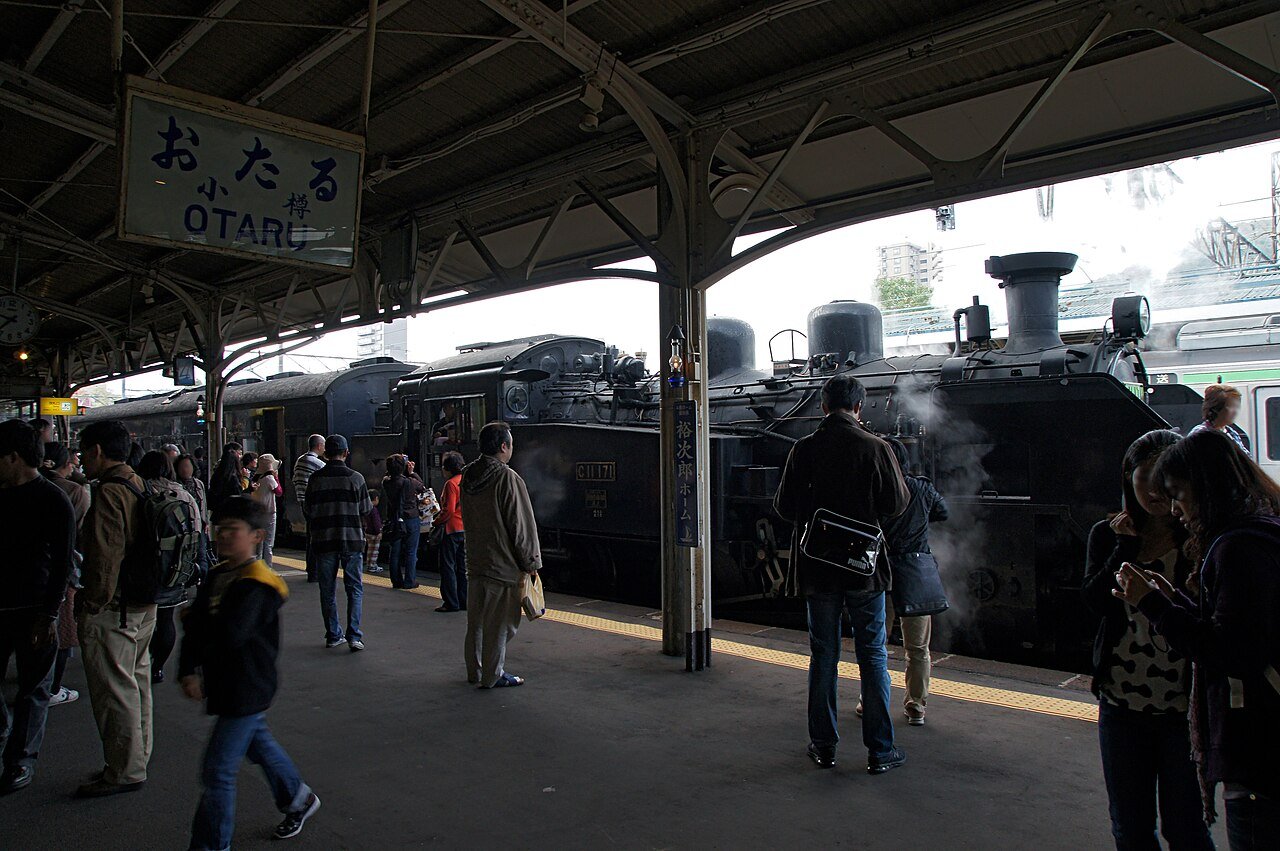
Otaru Station platform showing the Otaru station sign in Japanese and English, with a steam locomotive on display
Otaru Station — the starting point for almost every visit. The canal is a 10-minute walk; Sankaku Market is right outside the door.
Getting Around

A small city you can walk end to end

Almost everything worth seeing is within 30 minutes on foot from the station — here's how to navigate it.

Something many first-time visitors discover on arrival: Otaru is much smaller than it looks on a map. The canal, the warehouse district, Sakaimachi Street, Kitaichi Glass, and Sankaku Market are all linked in a single walkable loop that takes under an hour. That compactness is precisely what makes Otaru work so well as a day trip — you don't need complicated transport planning. The exception is Mount Tenguyama, which requires a bus or taxi to reach the ropeway.

On Foot — The Best Way to See the Centre

Station to Sankaku Market: 2 minutes. To the canal: 10 minutes. To Sakaimachi Street: 20 minutes. To Kitaichi Glass: 25 minutes. To Denuki-koji lane: 30 minutes. Everything connects naturally on foot. In winter, be aware that pavements and slopes freeze solid — proper footwear is non-negotiable.

Distance from station: Canal 800 m · Sakaimachi ~1.2 km · Kitaichi Glass ~1.5 km
Otaru Stroll Bus (小樽散策バス)

A sightseeing loop bus that connects Otaru Station, the canal, Sakaimachi, and the coastal area. Fare is ¥220 per ride or a ¥750 day pass. Useful when your feet give out mid-afternoon or when winter cold makes the idea of walking another kilometre less appealing. Not necessary for most itineraries — the sights are close enough to walk.

Day pass: ¥750 · Buy: On the bus or ask at Otaru Station
Bicycle Rental

Several rental shops operate in front of Otaru Station (Otaru I Love Bike, Blue Leaf and others). Standard bikes run ¥500–1,000 per day; e-bikes are available for tackling the slopes around Funamizaka. Good for exploring the coastal stretch toward Zenibako or the quieter residential streets east of the canal. Not recommended in winter — the roads are icy.

Price: ~¥500–1,000 per day · E-bike: Available for hills
Taxi — For Tenguyama and Beyond

Useful if you want to reach the Tenguyama Ropeway base without waiting for the Stroll Bus, or if you're heading to an Otaru onsen resort further from the centre. Taxis wait in front of the station. Station to Tenguyama Ropeway costs roughly ¥1,200–1,500 depending on traffic.

Station → Tenguyama Ropeway: ~¥1,200–1,500 · Hail: Station taxi rank, or ask hotel
Tip: If you're coming from Sapporo for the day, ask about the Otaru Free Pass — it bundles a round-trip rail ticket from Sapporo and a one-day Stroll Bus pass into one discounted package. Available at Sapporo Station and New Chitose Airport. See the full Otaru city guide for maps and attraction details.
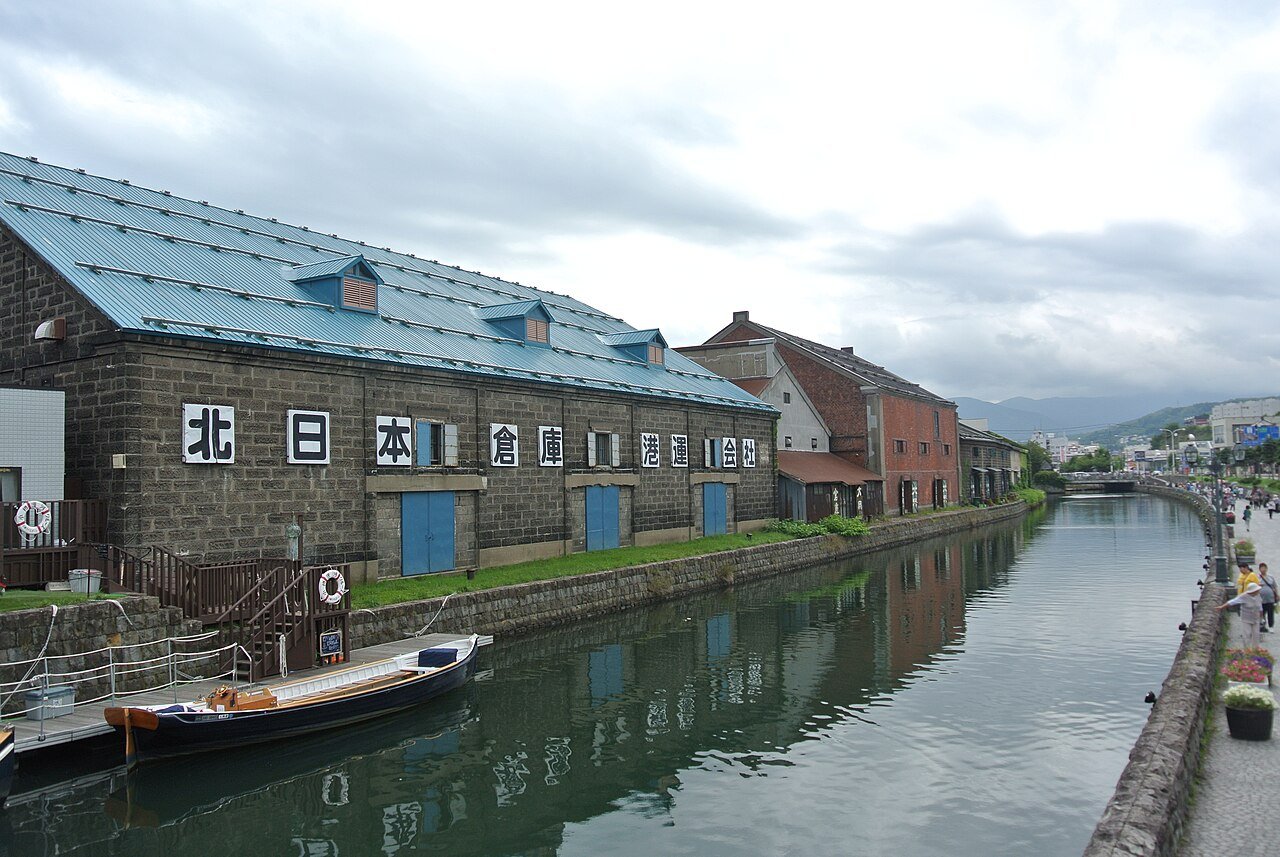
Old stone warehouses lining the Otaru Canal on a cloudy summer day, with a wooden boat moored at the waterfront
Otaru Canal — a 10-minute walk from the station, and the natural centrepiece of any visit to the city.
Practical Tips

What to know before you walk into town

A working harbour town with real residents — a few things are worth knowing ahead of time.

Worth knowing: Heavy snowfall in January and February occasionally causes JR Hokkaido delays or brief suspensions. If your last day in Otaru falls before a flight home, don't cut your schedule too tight — allow at least 2–3 extra hours to absorb any weather-related delays on the train back to New Chitose Airport.
Best Time to Visit

Otaru is worth visiting in any season

Each season has a distinct character — here's an honest read on each one.

Winter (December–March) — Most Iconic

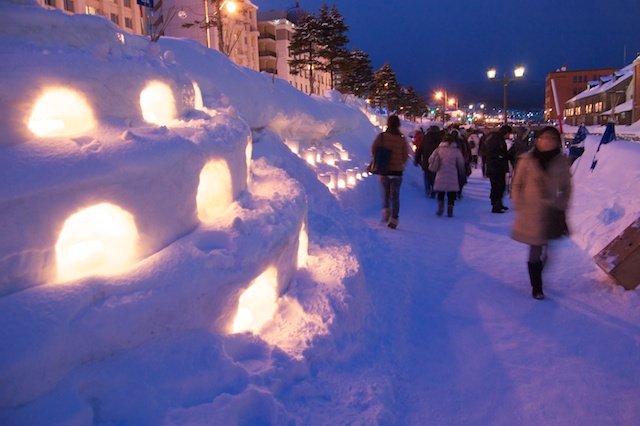
The canal framed by snow and glowing gas lamps is the image most people associate with Otaru. The Snow Light Path Festival (7–14 February) is the centrepiece — hundreds of snow lanterns and floating candles on the water, free admission, running 5–9 pm nightly. Temperatures from -10 to -1°C mean you need serious gear, but that cold is part of what makes the atmosphere so vivid. Book accommodation months in advance.

Spring (Late April–May)

Otaru's cherry blossoms arrive later than the rest of Japan, typically peaking in late April to early May. Temiya Park is the best spot, with over 700 trees including the Hokkaido-native Ezo Mountain Cherry. The air is still cool (5–15°C), crowds are thinner than in winter, and the city has a calm, unhurried feel. A good option if you want the sights without the festival crush.

Summer (July–August)

Hokkaido is where mainland Japanese come to escape the heat, and for good reason: Otaru in summer runs 17–24°C with no oppressive humidity. The Canal Cruise operates during warm months — 40-minute guided boat tours that give you the warehouse streetscape from the water. Sea urchin and crab are at their freshest. This is peak domestic season, so expect the most visitors of any period.

Autumn (September–October)

Crisp air and comfortable temperatures (10–20°C) make autumn one of the most pleasant times for walking. The foliage on Mount Tenguyama turns amber and red, best seen from the ropeway. Autumn also marks the start of Hokkaido king crab season. Fewer visitors than winter or summer, making it the quietest and most comfortable time to explore.

Periods to avoid if crowds are a concern: Golden Week (29 April–5 May) and Obon (10–15 August) are the two periods when domestic Japanese travel peaks simultaneously. Hotels fill quickly and Sakaimachi Street becomes very busy. Prices rise noticeably. The weeks either side of Golden Week offer similar spring scenery with a fraction of the crowds.
Snow Light Path Festival in Otaru — illuminated snow lanterns lining the footpath in the dark of a February evening
Snow Light Path Festival (Otaru Yuki Akari no Michi) — free admission, 5–9 pm each night from 7 to 14 February every year.
Daily Budget

How much does a day in Otaru cost?

Rough figures to plan by — including transport to and from Sapporo.

Item Budget Mid-range Comfortable
Accommodation (per person/night) ¥3,000–5,000 (hostel / guesthouse) ¥7,000–12,000 (hotel near canal) ¥15,000+ (onsen ryokan)
Food (3 meals) ¥2,000–3,000 (Sankaku Market / local set meals) ¥4,000–7,000 (sushi counter / seafood don) ¥10,000+ (omakase sushi / king crab)
Transport to/from Sapporo ¥1,500 (return train or bus) or free with JR Pass
Admission / activities ¥500–800 (one museum or Kitaichi) ¥1,200–2,000 (Tenguyama ropeway + museum) ¥2,500+ (canal cruise + all attractions)
Souvenirs / shopping ¥500–1,500 (LeTAO cheesecake / Hokkaido sweets) ¥3,000–6,000 (handmade glasswork) ¥10,000+ (large glass pieces / custom orders)
Daily total (excl. accommodation) ~¥4,000–6,500 ~¥9,000–16,000 ¥22,000+
Good value pick: LeTAO Pathos on Sakaimachi Street sells the Double Fromage cheesecake (a baked lower layer and a cold mousse upper layer) for around ¥617 a slice — worth every yen and the queue. For a full meal on a budget, Sankaku Market opens from 5 am and serves fresh seafood rice bowls (kaisen-don) for ¥1,200–2,000, which beats the tourist-facing restaurants for value and freshness. See the Otaru city guide for hotel picks if you want to stay overnight.
What to Pack

The packing list changes by season

Winter (December–March) — Critical

Slip-resistant, waterproof boots with deep-lugged soles — genuinely non-negotiable. Otaru's pavements freeze completely and visitors without proper footwear take falls. Anti-slip attachments (¥300–500) are sold locally if you get caught out. Beyond footwear: thick hat and gloves, windproof outer shell, fleece mid-layer, moisture-wicking base layer, and disposable pocket warmers from any convenience store. Temperatures: -10 to -1°C.

Temperature: -10 to -1°C · Anti-slip clips: Available in Otaru ~¥300–500
Spring / Autumn

A windproof jacket is essential — mornings and evenings are still cold even when midday is comfortable. Comfortable walking shoes with a non-slip sole (spring can be muddy in park areas). A light rain layer, since Hokkaido weather turns quickly. One warm mid-layer for evenings. Spring temperatures: 5–15°C. Autumn: 10–20°C.

Temperature: 5–20°C with wide intra-day swings
Summer (July–August)

Light, breathable clothing for daytime. A thin jacket or long-sleeved layer for evenings — temperatures drop noticeably after sunset. Sunscreen (Hokkaido's UV is stronger than it feels). Comfortable walking shoes. Hokkaido summer is notably cooler and drier than Tokyo or Kyoto, so the heavy heat gear you might pack elsewhere stays home here. Temperatures: 17–24°C.

Temperature: 17–24°C · No monsoon humidity
Every Season — Always Bring These

Cash in yen, enough for a full day (ATMs at 7-Eleven and Japan Post Bank accept international cards). Google Maps (works well in Japan). An IC card — Suica or Kitaca — for tap-to-pay on trains and buses. A portable battery bank for a full day out. An eSIM or pocket Wi-Fi booked before departure so you're connected the moment you land.

eSIM: Buy online before travel for immediate connection on arrival
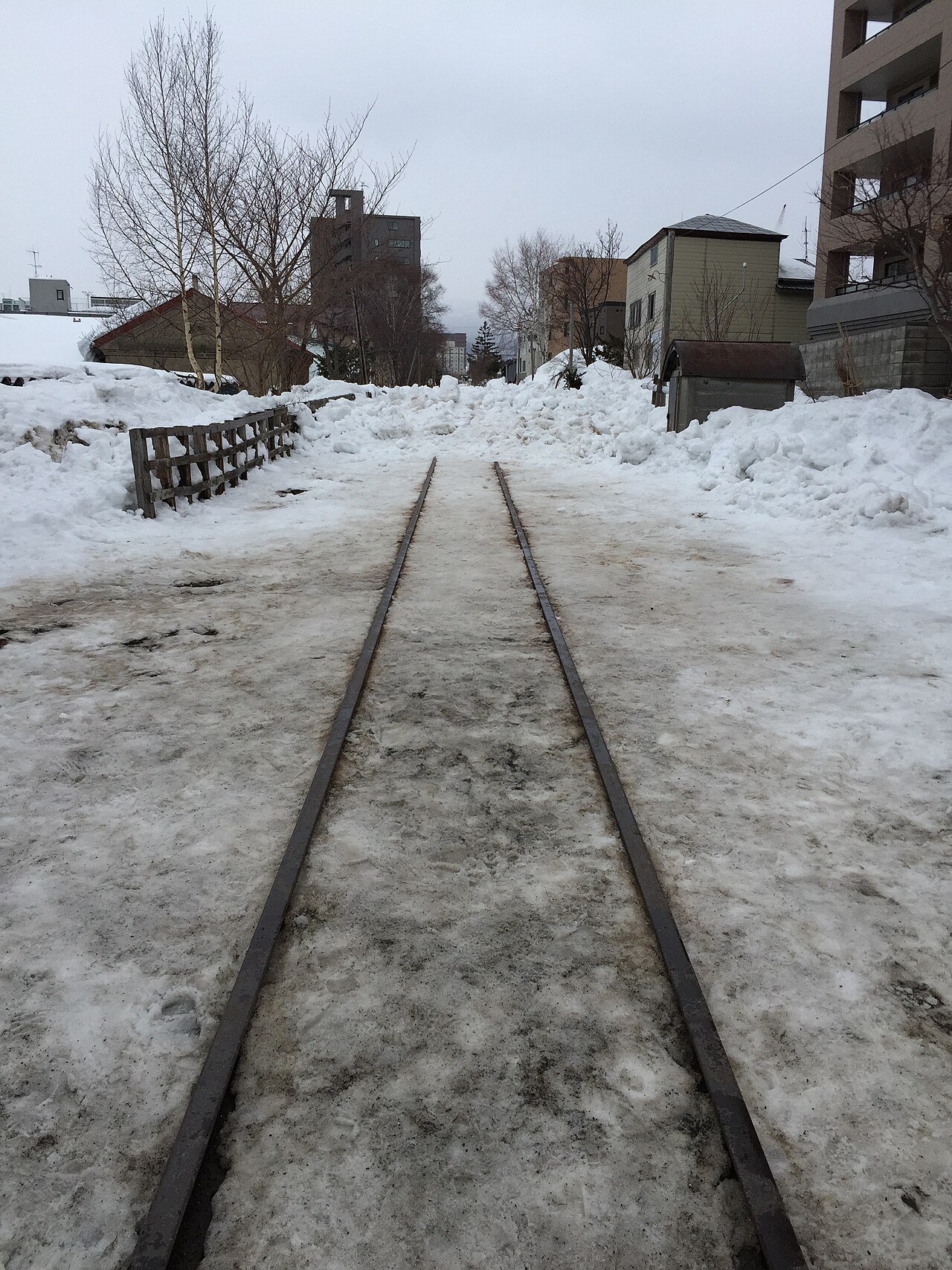
The former Temiyasen railway line in winter — tracks running straight through snow, bare trees on either side
The old Temiyasen railway path — one of three main venues for the Snow Light Path Festival each February, lined with hundreds of lanterns and snow sculptures.
Practical Info

Language, money and staying connected

Language and Communication

Otaru sees a large number of international visitors, and signage at the station, main attractions, and most shops on Sakaimachi is in English. Smaller stalls in Sankaku Market may not have English-speaking staff, but Google Translate's camera function handles Japanese menus and signs reliably. Most shopkeepers are patient and helpful with gestures and translation apps.

Useful apps: Google Maps · Google Translate (camera) · Navitime (JR and bus schedules)
Money and Payments

Smaller cafes, craft studios, and market stalls are frequently cash-only. Larger shops on Sakaimachi may accept Visa, Mastercard, or contactless payment, but assume cash unless you see a card reader. The most reliable ATMs for international cards are at 7-Eleven and Japan Post Bank — both have branches near Otaru Station. Your IC card (Suica/Kitaca) covers trains and buses but not most shops.

Currency: Japanese Yen (¥) · Best ATMs: 7-Eleven (near station) · Japan Post Bank
Frequently Asked Questions

FAQ · Before You Go to Otaru

How do I get to Otaru from New Chitose Airport (CTS)?
Take the JR Rapid Airport train, which departs from the underground station inside New Chitose Airport and runs directly to Otaru Station without any transfers. The journey takes about 1 hour 15 minutes and costs ¥1,910. Trains run every 15 minutes or so during the day and the JR Pass is accepted. Get off at Otaru Station — the canal is a 10-minute walk north.
How do I get to Otaru from Sapporo?
The JR Rapid Airport train from Sapporo Station gets you to Otaru in 30–32 minutes for ¥750. Trains run frequently — no reservation required. The JR Pass covers this route. If you prefer the bus, the Kosoku Otaru-go costs ¥730 and takes 56–68 minutes, but the JR Pass does not apply. For most travellers with a pass, the train is the clear choice.
Can I walk everywhere in Otaru?
Yes, for almost everything. The canal, Sakaimachi Street, Kitaichi Glass, Sankaku Market, and Denuki-koji are all within 15–30 minutes on foot from Otaru Station. The main exception is Mount Tenguyama, which requires the Stroll Bus (¥220/ride, day pass ¥750) or a taxi to reach the ropeway base. In winter, wear slip-resistant footwear — the paths freeze and can be treacherous.
When is the best time to visit Otaru?
Each season brings something different. For the classic snow-and-lantern experience, come in February for the Snow Light Path Festival (7–14 February, free) — hundreds of snow lanterns and floating candles illuminate the canal and streets each evening from 5 to 9 pm. For cherry blossoms, late April to early May at Temiya Park. For mild weather and fresh seafood, July through October. Avoid Golden Week (29 April–5 May) for smaller crowds.
What should I pack for Otaru in winter?
The non-negotiable item is slip-resistant, waterproof footwear with deep traction. Otaru's pavements freeze and many visitors slip without proper soles. Anti-slip clip-on attachments (¥300–500) are sold locally if you're unprepared. Beyond that: a warm hat, thick gloves, a windproof outer layer, a fleece mid-layer, and disposable pocket warmers from any 7-Eleven. January and February temperatures range from -10 to -1°C, so dress in genuine layers — not just a thick jacket over a T-shirt.