Home Otaru Japan Hokkaido About
Home  ›  Asia  ›  Japan  ›  Otaru  ›  Attractions
🎶 Otaru Attractions · 2026

Otaru is Far More Than a Scenic Canal
Music boxes, oil-lamp glassware, a night-view ropeway — a Meiji-era port that kept everything

A small city on Hokkaido's coast that decided to hold on to everything — 1923 stone warehouses still line the canal, gas lamps still light up every evening, and somewhere along Sakaimachi Street the sound of music boxes drifts out of a building that used to store fish. Then you take the ropeway up Mt Tengu at night, and the whole city glitters below.

Why Visit

A Port Town That Kept Its Entire Character

Most Hokkaido itineraries treat Otaru as a half-day side trip from Sapporo. That is not wrong — the canal, Sakaimachi Street and a bowl of sea urchin donburi can all be done in four hours. But what that approach misses is the texture of the place: the oil-lamp glow inside Kitaichi Glass at 09:00 before the crowds arrive, the way the canal looks when mist sits low on a November morning, the moment you step off the Tenguyama ropeway at dusk and realise the entire bay is laid out below you.

We have put together 9 essential sights and experiences covering Otaru honestly — what each one actually feels like, how much it costs, and a half-day, full-day and overnight route that works in practice.

Top Sights

9 Experiences Worth Your Time in Otaru

Ordered by what visitors mention most after they leave
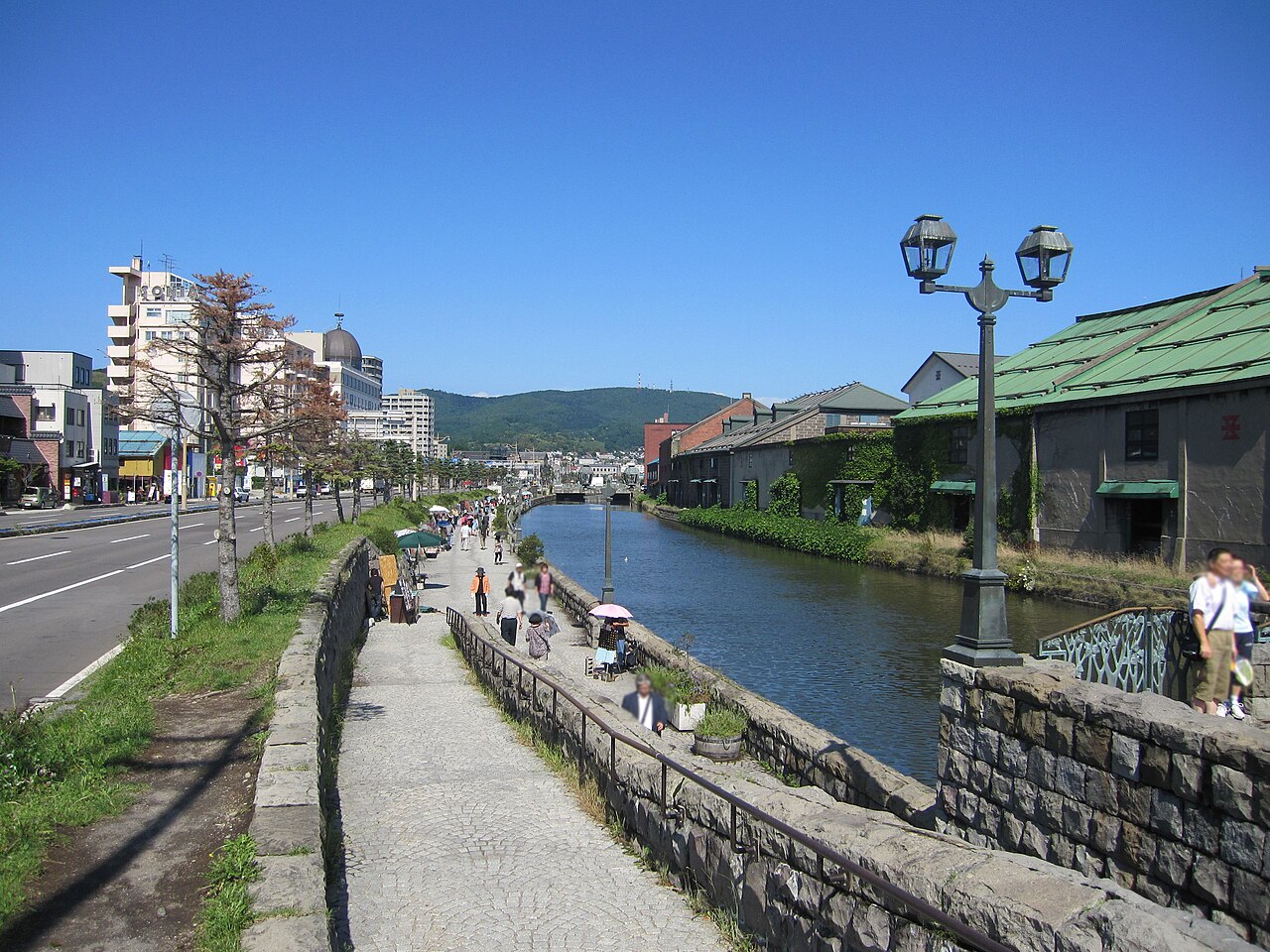
Otaru Canal at dusk — 1923 stone warehouses reflected in calm water, gas lamps glowing amber, Hokkaido Japan 1
Otaru Canal (小樽運河)
Built 1923 · 63 gas lamps · Walk free all night · 40-min canal cruise

The canal was dug in 1923 when cargo ships anchored offshore and small boats ferried goods in. The stone warehouses that lined both banks — built to hold sugar, rice and herring — never came down. Today they house restaurants, galleries and cafes, but the bones of the buildings are untouched. Sixty-three gas lamps light up along the waterside promenade every evening, casting amber light across the water. This is the image Otaru is known for — and it requires no filter, no post-processing and no planning beyond arriving after dark. The canal runs freely alongside the city: no entrance fee, no gates, no closing time.
Best time: After 17:00 (gas lamps on) · Winter evenings most atmospheric
From JR Otaru: 10–12 minutes on foot
Free: Walk the promenade anytime, no charge
Canal Cruise: 40 minutes · ¥1,800 day / ¥2,000 evening (adults) · ¥500 children · Board at Chuo Bridge · See canal cruise tickets on Klook →
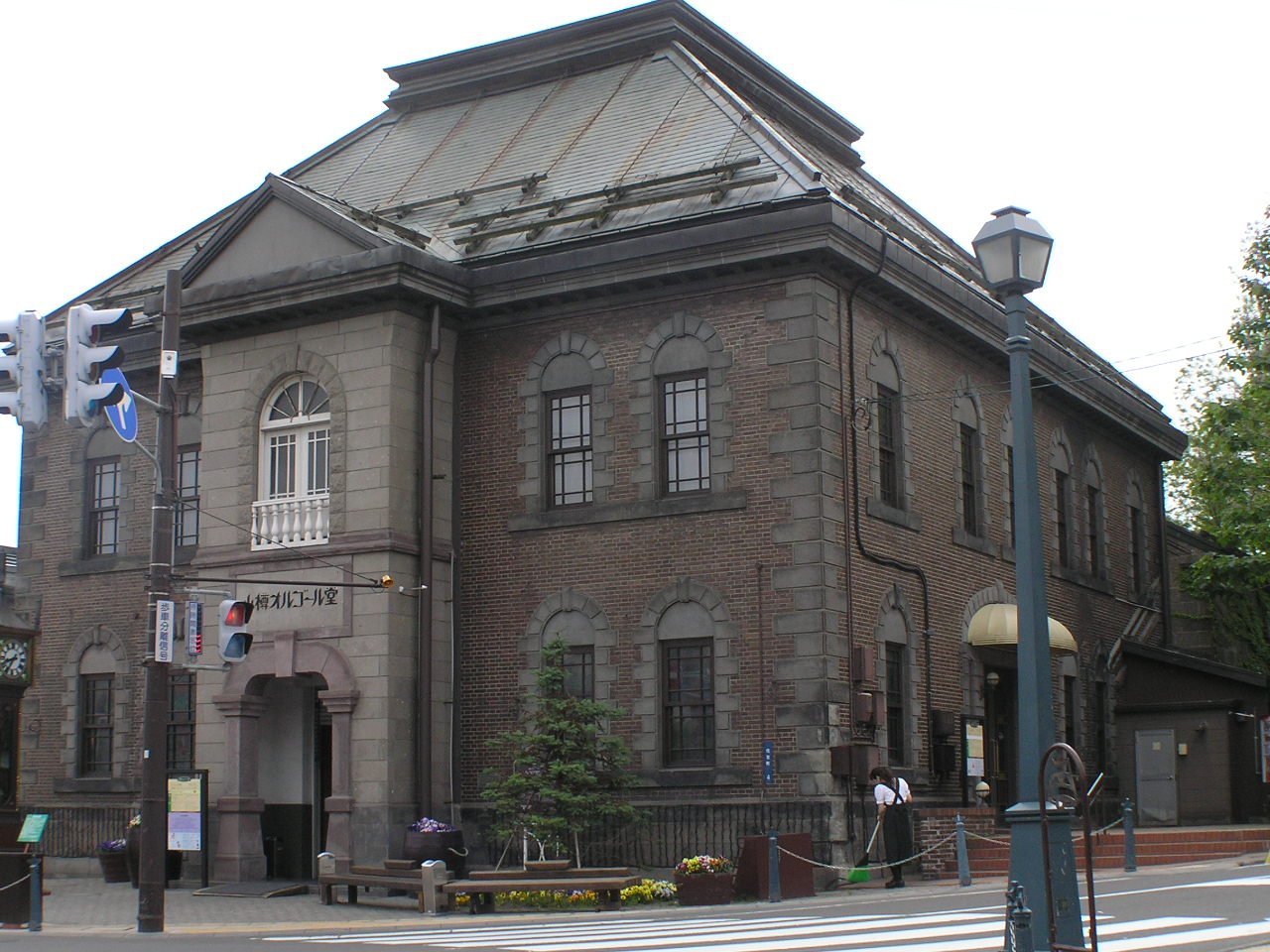
Otaru Orgel Doh Music Box Museum — rows of music boxes displayed in glass cases inside a historic stone building on Sakaimachi Street 2
Orgel Doh — Music Box Museum (小樽オルゴール堂)
Free entry · Free hourly concerts · Antique music boxes from Europe and Japan

You walk into a century-old stone warehouse and find yourself inside what is probably the largest collection of music boxes in Japan — from palm-sized ones that play six notes to chest-sized mechanisms with rotating cylinders and dozens of moving parts. The main hall holds free concerts on the hour: a staff member selects an instrument, winds it up, and lets it play while the room goes quiet. The Hall No. 2 Antique Museum nearby houses rare Swiss and German pieces from the 1880s onwards; mechanical dolls that play instruments; and an automaton collection that was already old when the 20th century started. Both buildings are free. Photography is permitted throughout.
Hours: 09:00–18:00 daily · Free entry to all rooms
Concerts: 10:00 / 11:00 / 12:00 / 14:00 / 15:00 / 16:00 (20 min each, free)
From JR Otaru: 15 minutes on foot or bus Line 3, two stops
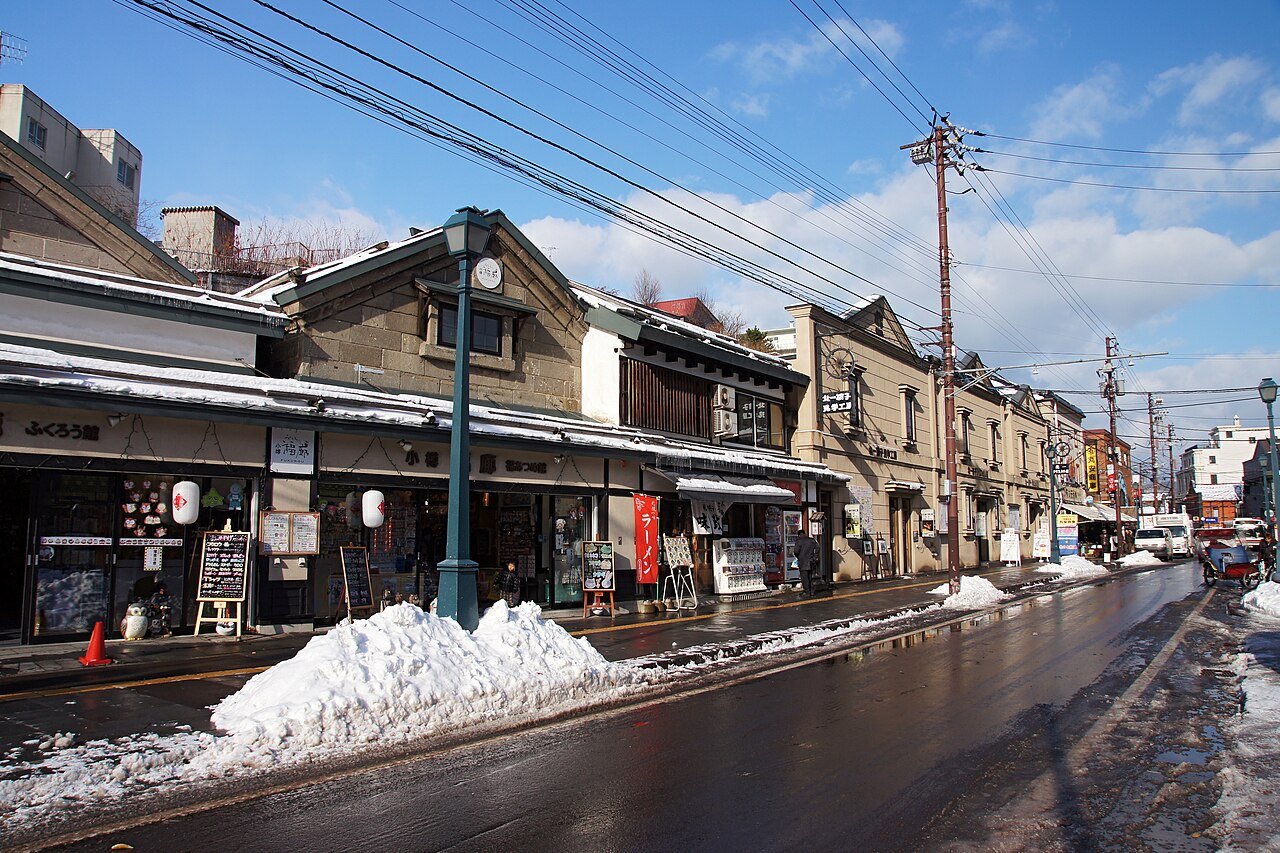
Sakaimachi Street Otaru — rows of converted merchant warehouses, gas lamps, glassware and music box shops, visitors strolling 3
Sakaimachi Street (堺町通り)
The old merchant district · Glassware · Music boxes · LeTAO cheesecake · Street food

If Otaru has a spine, it is Sakaimachi Street — a 600-metre stretch where the Taisho-era merchant warehouses have been converted without being demolished. Inside you find Kitaichi Glass, the Orgel Doh music boxes, the LeTAO flagship (home of the Double Fromage layered cheesecake that people queue for), small craft workshops, seafood restaurants and coffee shops. Each building has a different character — some still carry their original company signs on the stone facade. Walk slowly. Each doorway reveals something the one before did not. The full street takes anything from 30 minutes to two hours depending on how often you stop.
Hours: Most shops 09:00–18:00, some until 19:00
From JR Otaru: 15 minutes on foot or take the city bus to the Sakaimachi stop
Free: Walking is free · Shopping and eating at your own pace
Must-stop: LeTAO Double Fromage cheesecake ¥700 per slice — baked and no-bake cheese layers, one of the most replicated souvenirs in Hokkaido. Buy a whole box to take home (¥2,200 for 5 pieces, keeps refrigerated for 5 days).
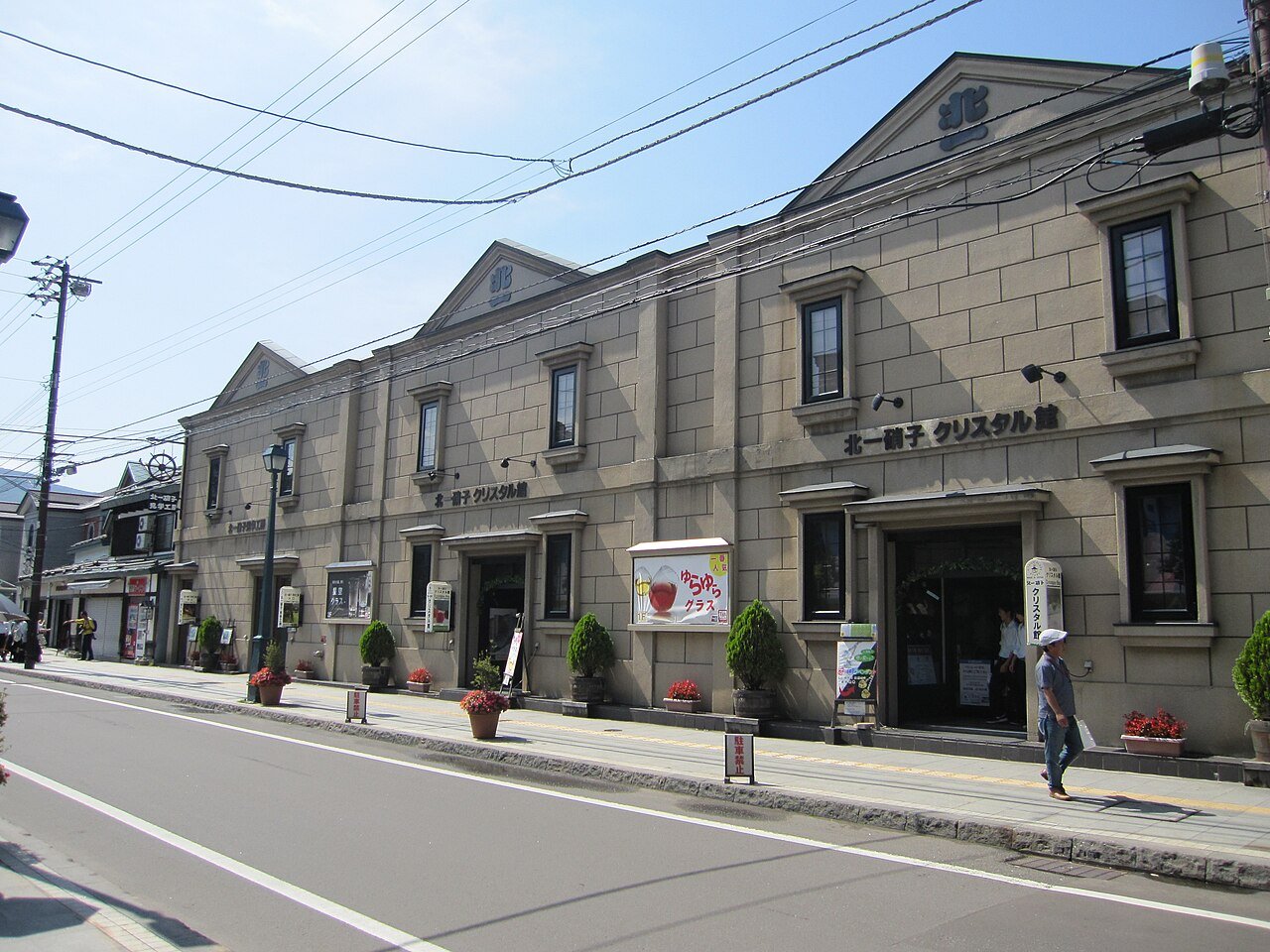
Kitaichi Glass Building No. 3 Otaru — interior of 1891 fishery warehouse lit entirely by 167 hand-lit oil lamps, coloured glassware glowing 4
Kitaichi Glass Building No. 3 (北一ガラス三号館)
1891 fishery warehouse · 167 oil lamps · The most atmospheric shop in Otaru

The building was a fishery warehouse in 1891. The oil-lamp era ended well before the 20th century in most of the world. At Kitaichi Glass Building No. 3 it never ended: 167 oil lamps are hand-lit one by one every morning at 08:45, before the shop opens, and they serve as the only light source throughout the entire interior. The amber warmth picks up the colours in every piece of glassware — bowls, carafes, lanterns, vases — in a way that electric light simply cannot replicate. There is also an attached tearoom where you can sit in that same lamp-lit atmosphere and order tea or coffee. No admission fee; you only pay if you buy something or order at the tearoom.
Hours: 09:00–18:00 daily · Free entry
Detail: 167 oil lamps lit by hand each morning at 08:45
Location: Sakaimachi Street · 3 minutes from Orgel Doh
Tip: Arrive at 08:45 to watch the lamp-lighting before the first visitors of the day. The silence of an empty room filling slowly with lamplight is something photographs do not capture.
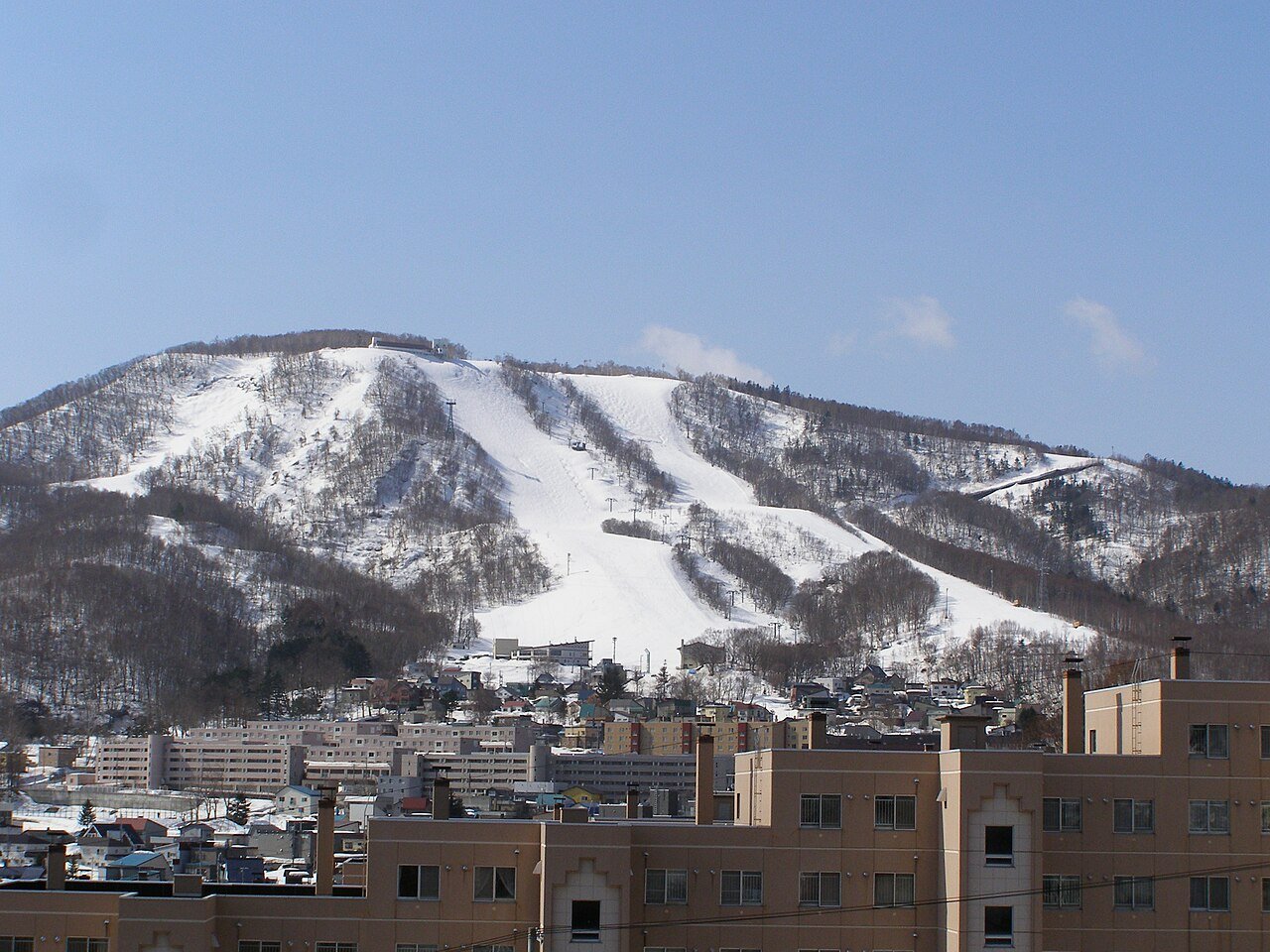
Tenguyama Ropeway Otaru — cable car ascending to 532 m summit, panoramic view of Otaru Bay and the Sea of Japan at night 5
Tenguyama Ropeway (天狗山ロープウェイ)
532 m summit · One of Hokkaido's top three night views · Winter ski area

The ride itself takes five minutes. What you get at the top is one of Hokkaido's three most celebrated night views — alongside Mt Moiwa in Sapporo and Mt Hakodate — which is high company for a cable car that most guidebooks mention as an afterthought. From the observation platform at 532 metres you see the city of Otaru fanning down to the bay, the Sea of Japan spreading dark beyond it, and on clear nights the faint outline of the Shakotan Peninsula. In summer the summit has rhododendrons and a small rest house; in winter it becomes a family ski area. The mountain's name refers to the tengu, a long-nosed mountain spirit of Japanese folklore — reputedly the guardian of this particular peak.
Tickets: ¥1,800 return · ¥900 children (winter: ¥2,000/¥1,000)
Hours: 09:00–20:00 (late April–early November) · Winter ski season also open
From JR Otaru: Bus Line 14, approximately 20 minutes, ¥230
Best time: After 19:00 when city lights are at their brightest · See Tenguyama ropeway tickets on Klook →
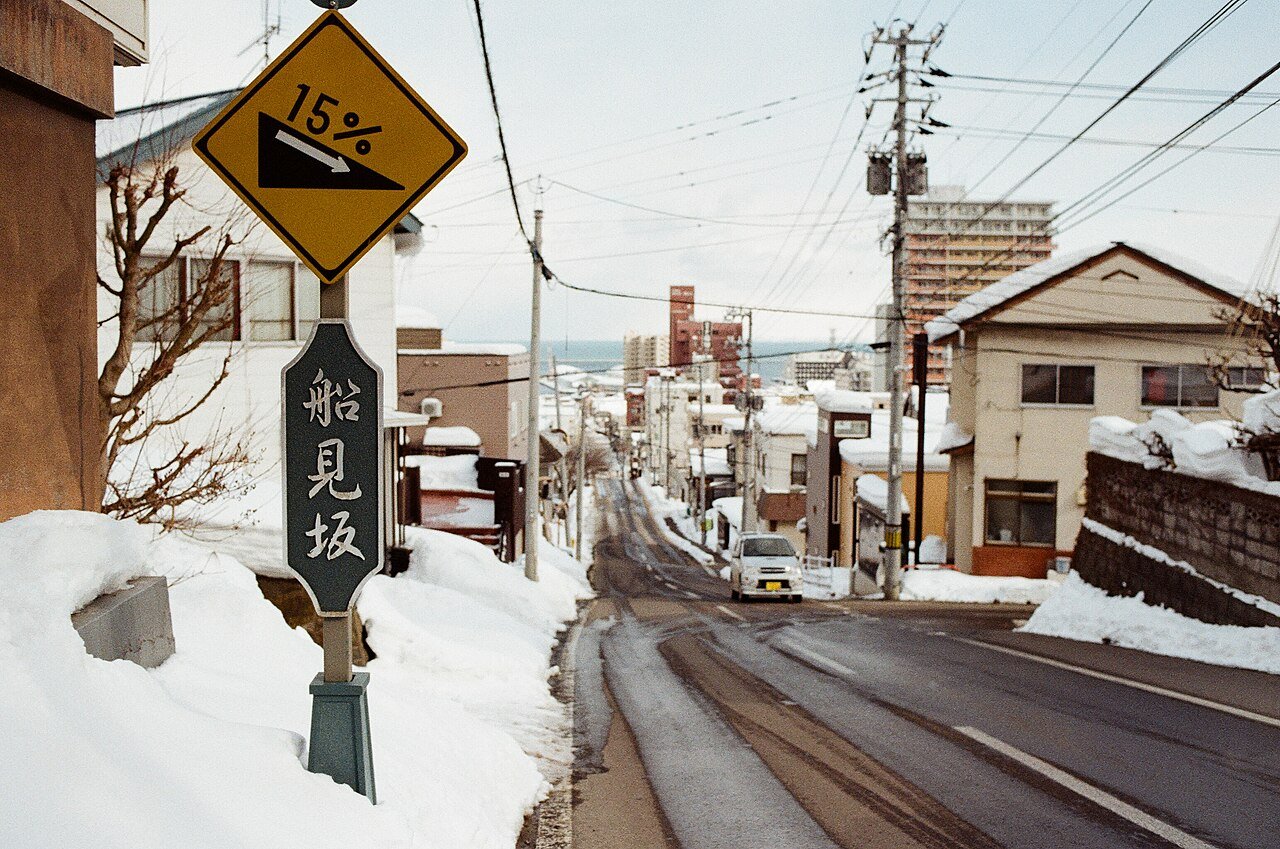
Funamizaka slope Otaru — cobblestone street dropping steeply toward the bay, old tram rails embedded in the road, autumn trees either side 6
Funamizaka Slope (船見坂) + Historic Quarter
Cobblestone descent · Vintage tram rails · Bay view at the end · Quiet and largely unvisited

This is the part of Otaru that most visitors miss. Funamizaka is a steep cobblestone street that drops from the historic district down toward the waterfront, with old tram rails still embedded in the stone surface and wooden houses tucked back behind low walls. Small craft shops and quiet cafes sit along the sides; at the bottom the street opens to a view across Otaru Bay. In autumn the trees on either side turn amber and red. It takes under ten minutes to walk, produces some of the most photogenic frames in the city, and is almost always quiet.
Best time: 08:00–10:00 or 15:00–17:00 — low-angle light from either direction
From Orgel Doh: 5–8 minutes on foot through Sakaimachi
Free: No charge at any time
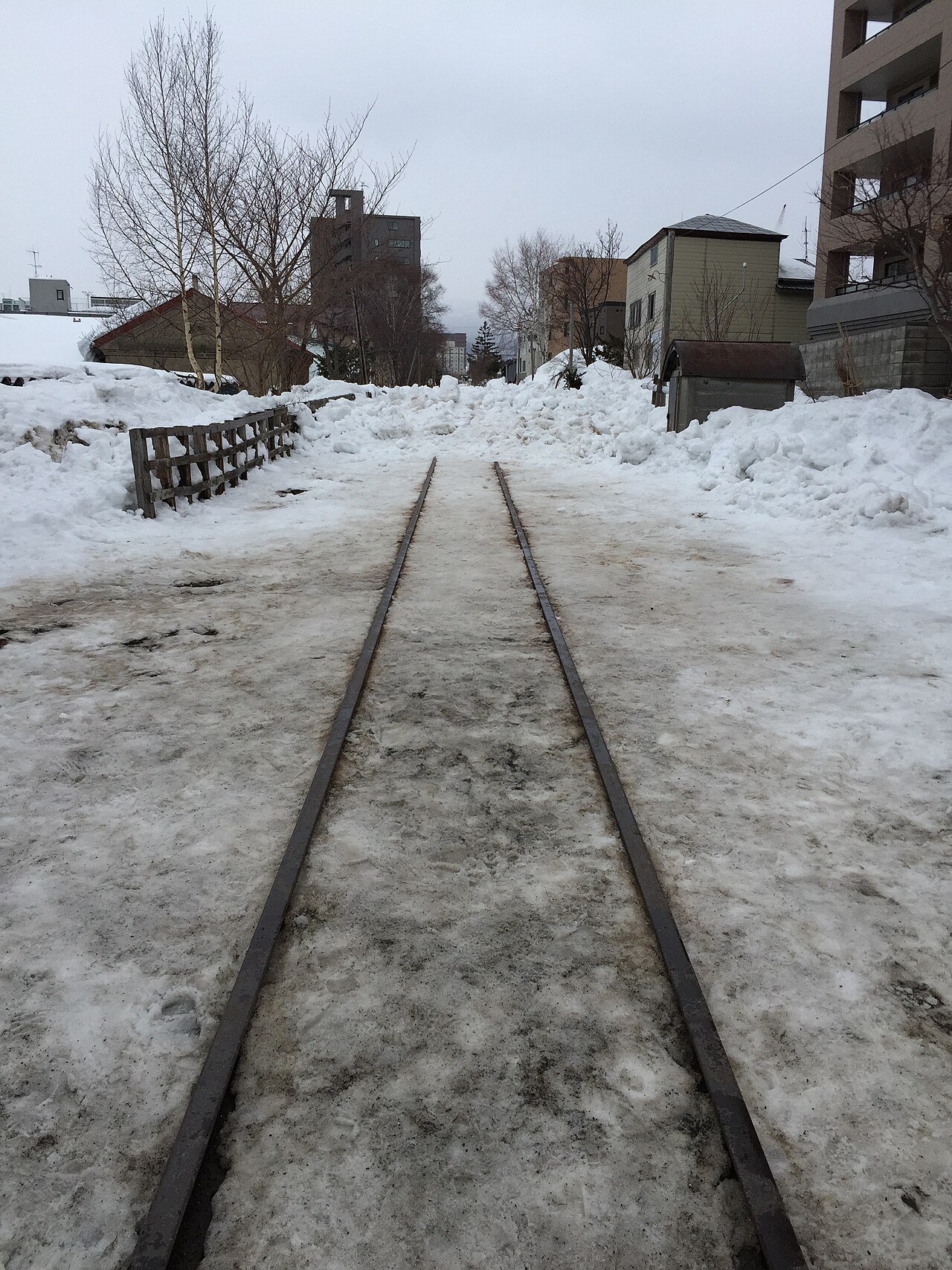
Former Temiya Railway Line Otaru — original iron rails embedded in stone path, trees lining the heritage promenade, Hokkaido's first railway 1880 7
Former Temiya Railway Line (旧手宮線)
Hokkaido's first railway, 1880 · Hokkaido Heritage site 2018 · Free 1.6 km promenade

In 1880, a railway line was laid between Otaru's Temiya port and the coal mines at Horonai — the first railway in Hokkaido, built at a time when the island was still being settled. For over a century it carried coal, herring and kelp out to the ships. The line closed in 1985, but the tracks were not removed. Today the 1.6-kilometre route is a heritage promenade with the original rails still set in the stone, level crossing gates intact, and the occasional rusting sign still in place. In February it becomes one of the two main venues for the Snow Light Path Festival, when hundreds of snow lanterns line the old trackway. The full walk takes about 30 minutes.
Location: Central Otaru, 10 minutes on foot from JR Otaru Station
Time: Allow 30 minutes for the full length · Open at all hours
Free: No entry charge · Snow Light Path (February) adds lantern displays
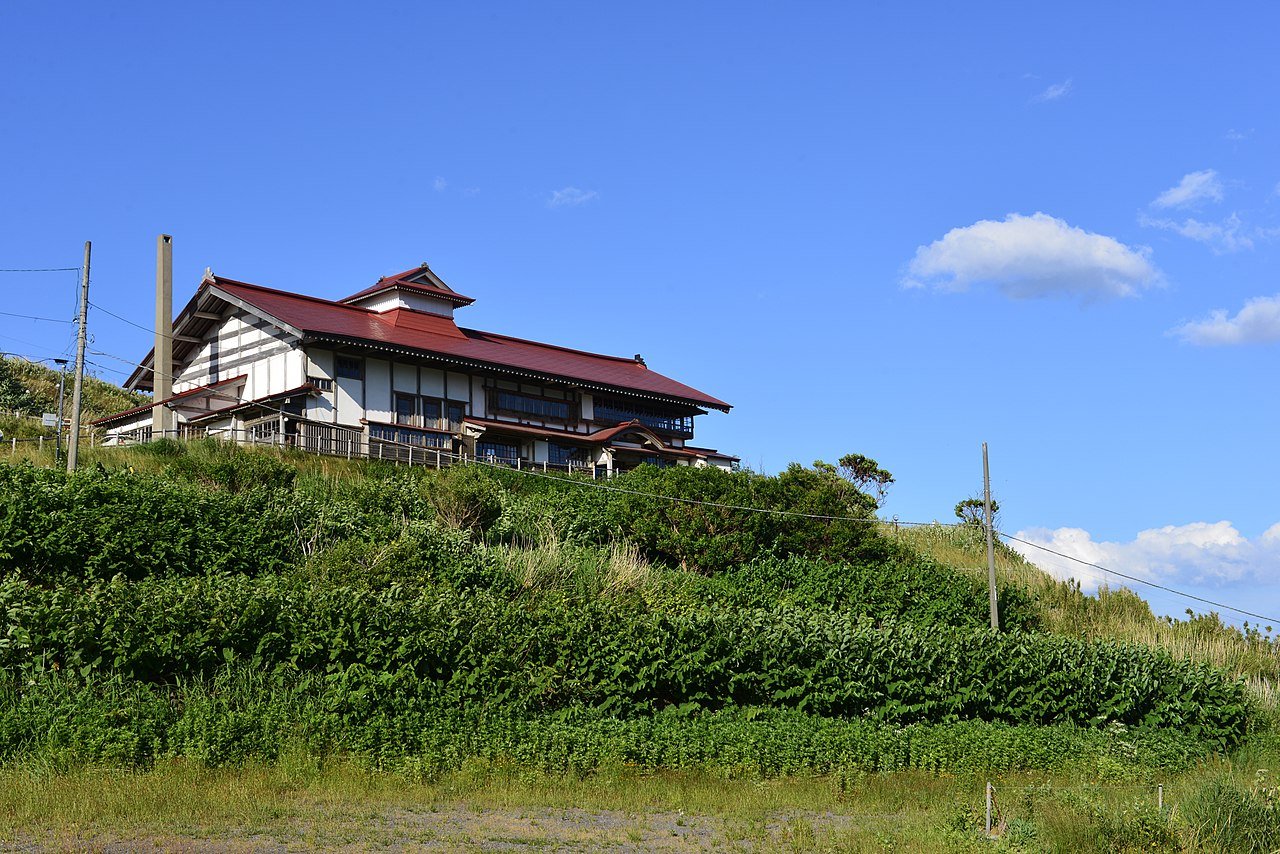
Nishin Goten Herring Mansion Otaru — large wooden Meiji-era merchant house on a coastal hillside, overlooking Otaru Bay, Hokkaido 8
Herring Mansion — Nishin Goten (ニシン御殿)
Late-Meiji fishing merchant estate · Coastal hilltop · 5 km from central Otaru

Before the herring stocks collapsed in the 1950s, the fishing industry made certain people in Otaru very wealthy. The Herring Mansion is the best surviving evidence of that wealth: a large, well-preserved wooden estate built in the late Meiji period on a hill above the Shukutsu coast, about five kilometres from central Otaru. The rooms are furnished with original items — fishing implements, household goods, photographs of the fleets — and the position on the hillside gives clear views across the bay. The building was moved to its current location in 1958; the scale of it, for a fishing merchant's house, remains genuinely surprising.
From JR Otaru: Bus Lines 10 or 11, ~20–25 min, ¥240 — alight at Otaru Aquarium, walk 5 min
Tickets: ¥300 adults · Hours: 09:00–17:00 (may close in winter — check before visiting)
Combine with: Otaru Aquarium is a short walk from the same bus stop
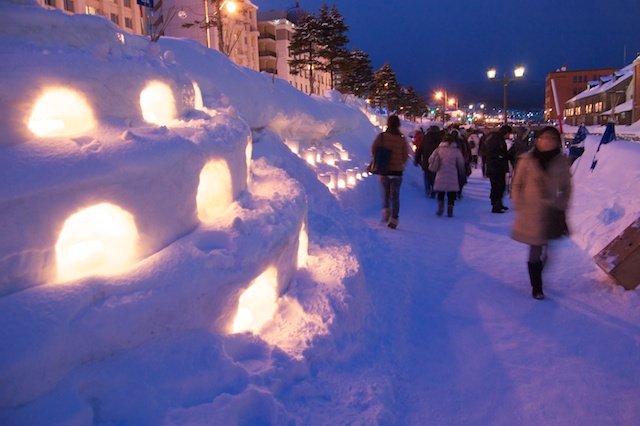
Otaru Snow Light Path Festival — rows of snow candle lanterns glowing amber along the canal and railway promenade in February, Hokkaido Japan 9
Snow Light Path Festival (小樽雪あかりの路)
Snow-lantern candles along the canal · Every February · Free

If there is one time when Otaru becomes genuinely difficult to leave, it is February during the Snow Light Path Festival. For about ten evenings each year — 17:00 to 21:00 — hundreds of hand-sculpted snow lanterns holding tealight candles are set along the canal and the Former Temiya Railway Line. The warm amber of the flames against white snow, the gas lamps already lit, the stone warehouses behind — it produces an atmosphere that is almost impossible to describe without sounding like an exaggeration. In 2026 the festival ran February 7–14. International volunteers join local residents to make the lanterns, which gives the event an unusually open and community atmosphere for a tourist attraction in Japan.

Dates: Second week of February each year (2026: Feb 7–14)
Hours: 17:00–21:00 nightly · Venues: Otaru Canal + Temiya Line promenade
Free: No admission charge
Practical note: The Sapporo Snow Festival runs during the same week — many visitors combine both in a single trip. The Sapporo–Otaru train takes 32–46 minutes at ¥800, making an evening in Otaru and a day in Sapporo (or vice versa) entirely straightforward.
Route Planning

Half Day, Full Day or Overnight — How to Make the Most of Otaru

Otaru is compact enough to cover in a few hours; staying overnight gives you the canal after the day-trippers leave

Half-Day Route — Day Trip from Sapporo
Start 09:00 · Back in Sapporo by 15:00–16:00

09:00–09:30 Arrive JR Otaru, walk toward Sakaimachi · 09:30–11:30 Orgel Doh (catch the 10:00 concert) + Kitaichi Glass No. 3 (lamps lit before opening) + Sakaimachi Street browsing · 11:30–12:30 Lunch in the Sakaimachi district (sushi / sea urchin donburi / seafood; ¥1,500–2,500) · 12:30–14:00 Otaru Canal walk, Funamizaka slope · 14:00–15:00 Walk back to station, pick up LeTAO to take home

Budget: ¥3,000–4,500 per person (trains + lunch + souvenir) · Note: Excludes canal cruise
Full-Day Route — The Complete Picture
Start 09:00 · Finish around 20:00

09:00–12:00 Follow the half-day route above · 12:00–13:00 Lunch · 13:00–15:00 Former Temiya Railway promenade (1.6 km walk) + historic quarter streets · 15:00–17:00 Tenguyama Ropeway (daylight ascent for views and rhododendrons) · 17:00–18:30 Return to town, dinner near the canal · 18:30–20:00 Otaru Canal by gas-lamp light (the highlight) + optional evening canal cruise ¥2,000

Budget: ¥5,000–7,000 per person (trains + ropeway + meals + cruise) · Last train: Check the Sapporo timetable — trains run late enough for a 20:00 departure
Getting to Otaru
From Sapporo and the airport

From JR Sapporo: Rapid Airport train ~32 minutes · Local train ~46 minutes · Both ¥800 · Trains every 10–15 minutes at peak times · From New Chitose Airport (CTS): Rapid Airport direct to Otaru, no change required, ~73 minutes, ¥2,040 · Bus from Sapporo: ¥730 one way · Within Otaru: Main sights are all within 15 minutes on foot from JR Otaru Station

JR Pass: Valid on the Sapporo–Otaru line · Good value if travelling multiple Hokkaido cities · IC card: Suica or Kitaca accepted on all local buses and trains
Best Time to Visit Otaru
Each season has a different character

February: Snow Light Path Festival (second week) — the most atmospheric week of the year · May–October: Pleasant weather, ropeway fully open, canal cruise running · October–November: Autumn leaves on the Funamizaka slope and Sakaimachi trees · December–March: Snow covers the city; gas lamps through falling snow; skiing on Tenguyama · Avoid: Golden Week (early May) and Obon (mid-August) when Sapporo day-trippers fill the canal district

Best seasons: February (Snow Festival) and October–November (autumn foliage) · Quietest: Weekday mornings in spring and autumn
FAQ

Questions Before You Go

When is the best time to see the Otaru Canal?
After dusk, from about 17:00, when the 63 gas lamps along the canal path come on and reflect across the water. Winter evenings (November–March) are particularly atmospheric — mist softens the lamplight and the stone warehouses look their most dramatic. During the Snow Light Path Festival (second week of February) snow lanterns add extra warmth to the scene. Early morning has a different quality: quiet, fishing boats heading out, soft light on the warehouse rooftops.
Do I need to book the Otaru Canal Cruise in advance, and how much does it cost?
The 40-minute cruise costs ¥1,800 daytime / ¥2,000 evening for adults; children ¥500. The boarding area is next to Chuo Bridge on the canal, about 10 minutes on foot from JR Otaru Station. From April 1 2026 online booking became available up to one hour before departure. Places are limited, so arriving early or booking ahead is advisable on weekends.
Is the Orgel Doh Music Box Museum free to enter?
Yes — all rooms are free to enter and photography is permitted throughout. Free live concerts are held on the hour at 10:00 / 11:00 / 12:00 / 14:00 / 15:00 / 16:00; each runs about 20 minutes. The adjacent Hall No. 2 Antique Museum, featuring rare European and Japanese antique music boxes, is also free. Hours: 09:00–18:00 daily.
When does the Tenguyama Ropeway operate, and how good is the night view?
The ropeway runs 09:00–20:00 from late April through early November, and also during the winter ski season. Return tickets are ¥1,800 for adults and ¥900 for children (winter: ¥2,000/¥1,000). The night view from the 532 m summit is listed among Hokkaido's three finest, alongside Mt Moiwa (Sapporo) and Mt Hakodate. On a clear night you see the city lights spreading down to the bay and the Sea of Japan stretching to the horizon.
When is the Snow Light Path Festival, and what can I see?
The festival runs during the second week of February every year. In 2026 it ran February 7–14. Snow candle lanterns and tealights are displayed along the Otaru Canal and the Former Temiya Railway Line from 17:00 to 21:00 each evening. Entry is free. International volunteers join local residents to sculpt the lanterns, making it one of the most welcoming winter events in northern Japan. Note: the Sapporo Snow Festival runs the same week — easy to combine both in a single trip (32 minutes by train).
Klook · Otaru Tours

Canal Cruise, Tenguyama Ropeway and Sapporo–Otaru Day Trips — Book Ahead

Otaru Canal cruise tickets, Tenguyama ropeway passes and guided day-trip packages from Sapporo with hotel pick-up — book on Klook in advance and arrive with everything sorted.

See Otaru Tours on Klook →
Wherebest is an affiliate partner of Klook. We may earn a commission when you book through our links, at no extra cost to you.